 Mónica Riveiro
Sometimes going out for a walk with the camera feels like a chore: familiar streets, repeated faces, corners that seem to have been seen a thousand times. That feeling of frustration doesn’t mean creativity has vanished; it’s just a necessary pause in urban photographic motivation, saturated with images and expectations.
A DOG NAMED CAMERA
The moment your faithful technological companion turns into a dog
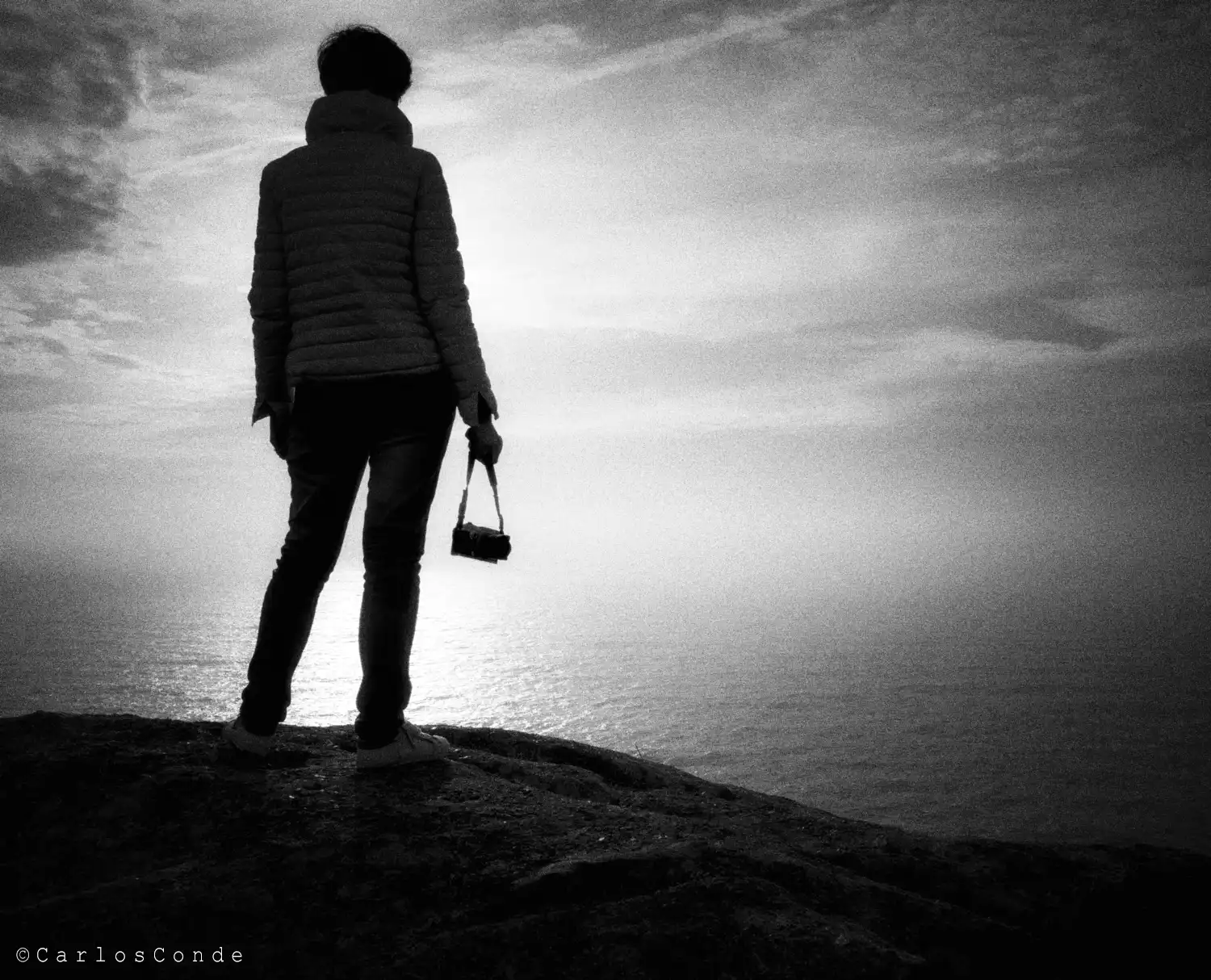
Have you ever taken your camera out for a walk as if it were your dog? I have.
Yes, I confess: I’ve gone out into the street with my camera as if I were taking the dog for a walk. Literally. And I came back home… without a single photo. I didn’t even take the camera out of the bag. That’s when you realize that your faithful technological companion is no longer a camera, but a dog you take for a walk out of habit.
The other day I watched a video on YouTube —sometimes, amid all the noise, little gems appear that click in your mind— on the channel of Miguel Marina (Miguelitor).
He was talking about something that has happened to me and, I’m sure, to many photographers as well.
It starts with a direct, piercing question: How many times have we gone out to take photos without any motivation?
In my case, many times—too many. It has happened to me, and it still happens today. We’re human, not machines. Fortunately.
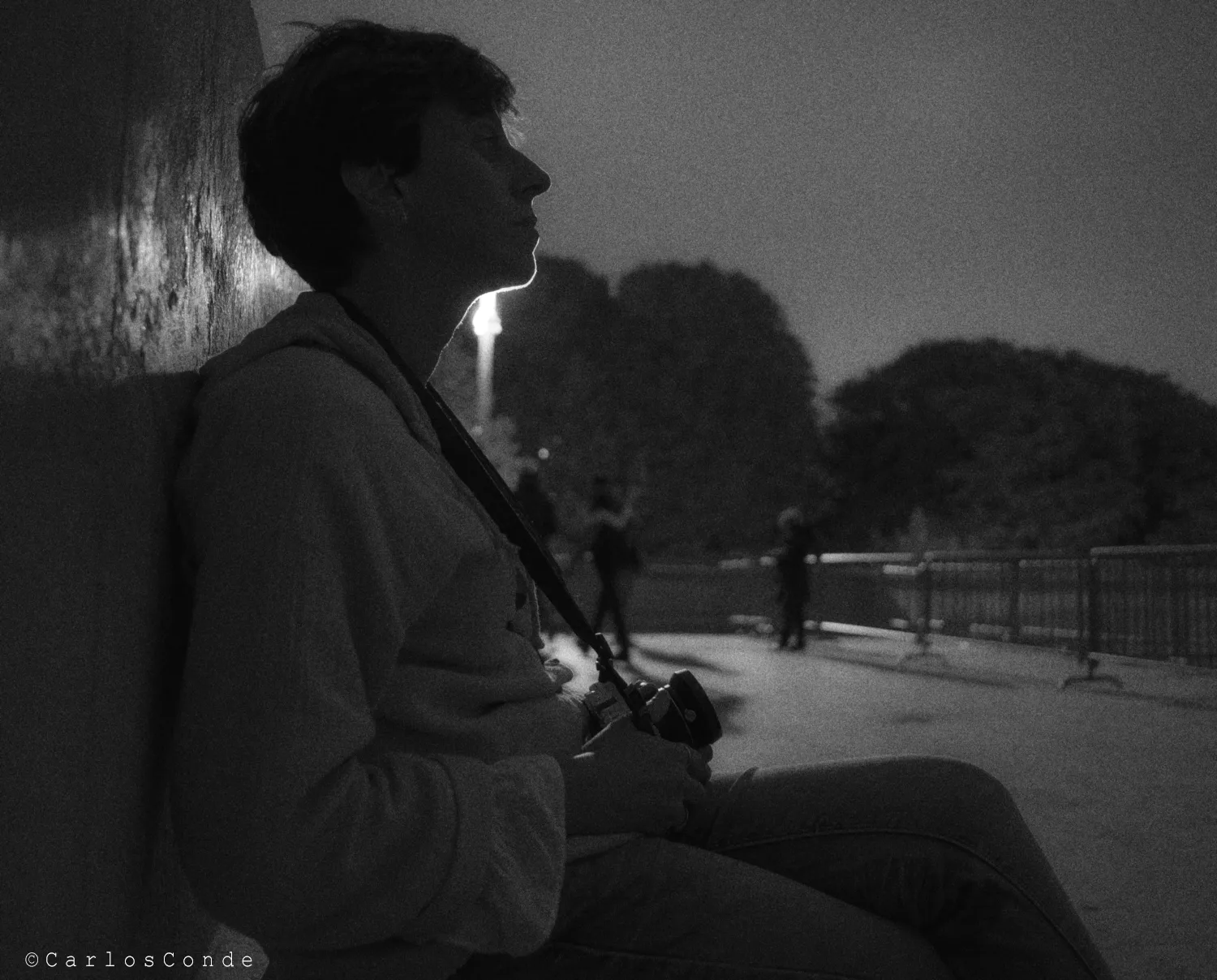
Cambiar de cámara no cambia la mirada
Yes. It has happened to me. I’ve tried to fight this boredom in a thousand ways, searching for solutions and magic formulas to try to get unstuck. Changing cameras, for example. Among my three technological loves: Nikon, Sony, and Olympus (yes, I know Olympus is now called OM System, but for me, it will always be Olympus—what a beautiful name).
The Nikon D750 with its 24-70mm f/2.8 lens weighs as much as a brick. The result: few photos, nothing new, chronic back and neck pain, and an irresistible urge to get home, drop the “brick,” and lie down.
The Sony A7 IV is lighter, yes, but with two lenses and the backpack on my shoulder, I end up using just one… out of pure laziness to switch lenses.
The Olympus Pen F, small, elegant, and practical, becomes my ally in the city. Lightweight and easy to carry. But even it isn’t always enough to find a purpose behind the viewfinder.
Having a camera of the right weight and size isn’t enough to go out and find the perfect shot. Everything seems the same: the same faces, the same streets, the little corners visited a hundred thousand times.
And that’s when the emergency creative games begin: filters, slow shutter speeds, double exposures… All that’s missing is throwing it in the air with the timer on and hoping inspiration comes down by gravity.
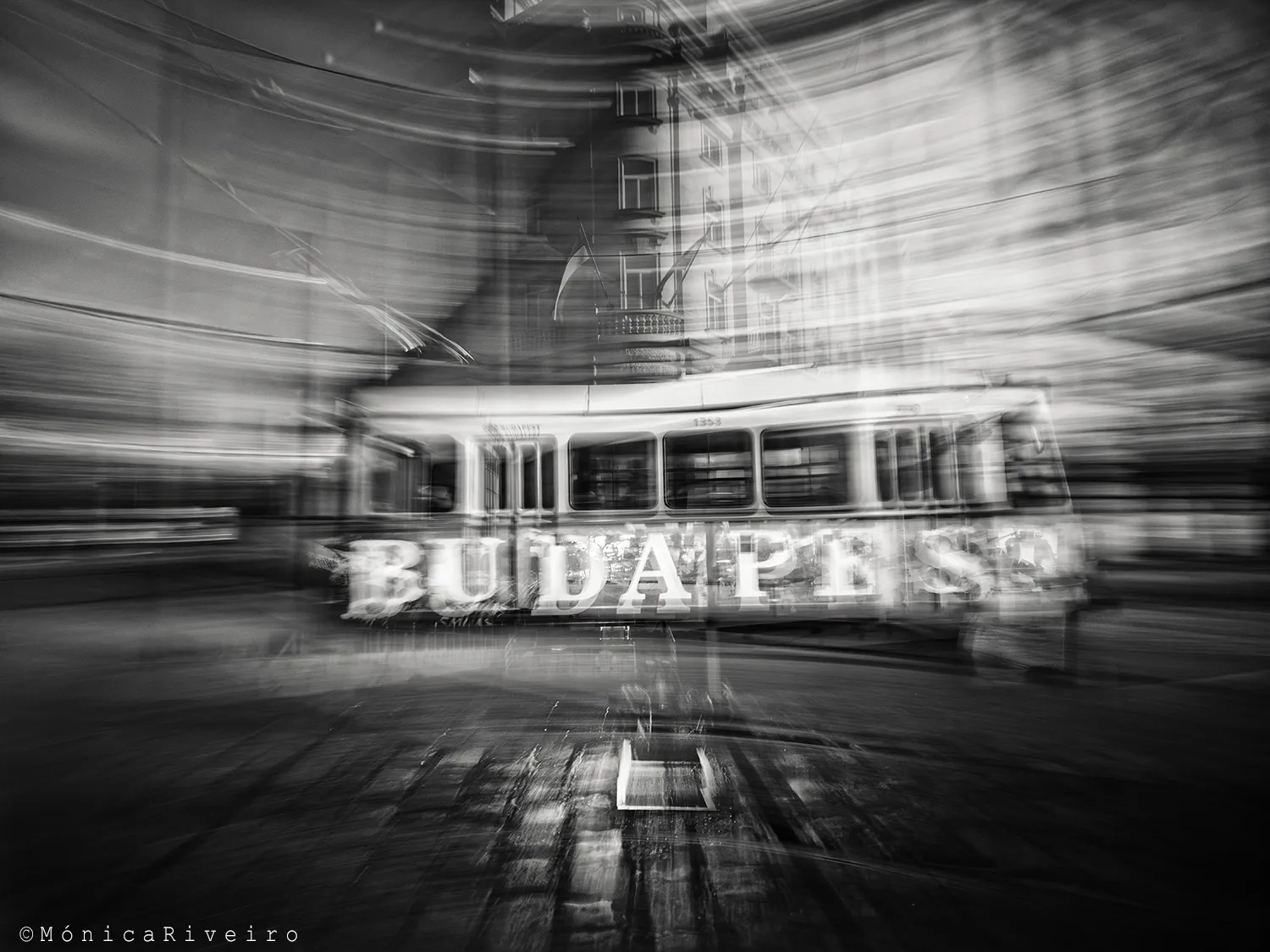
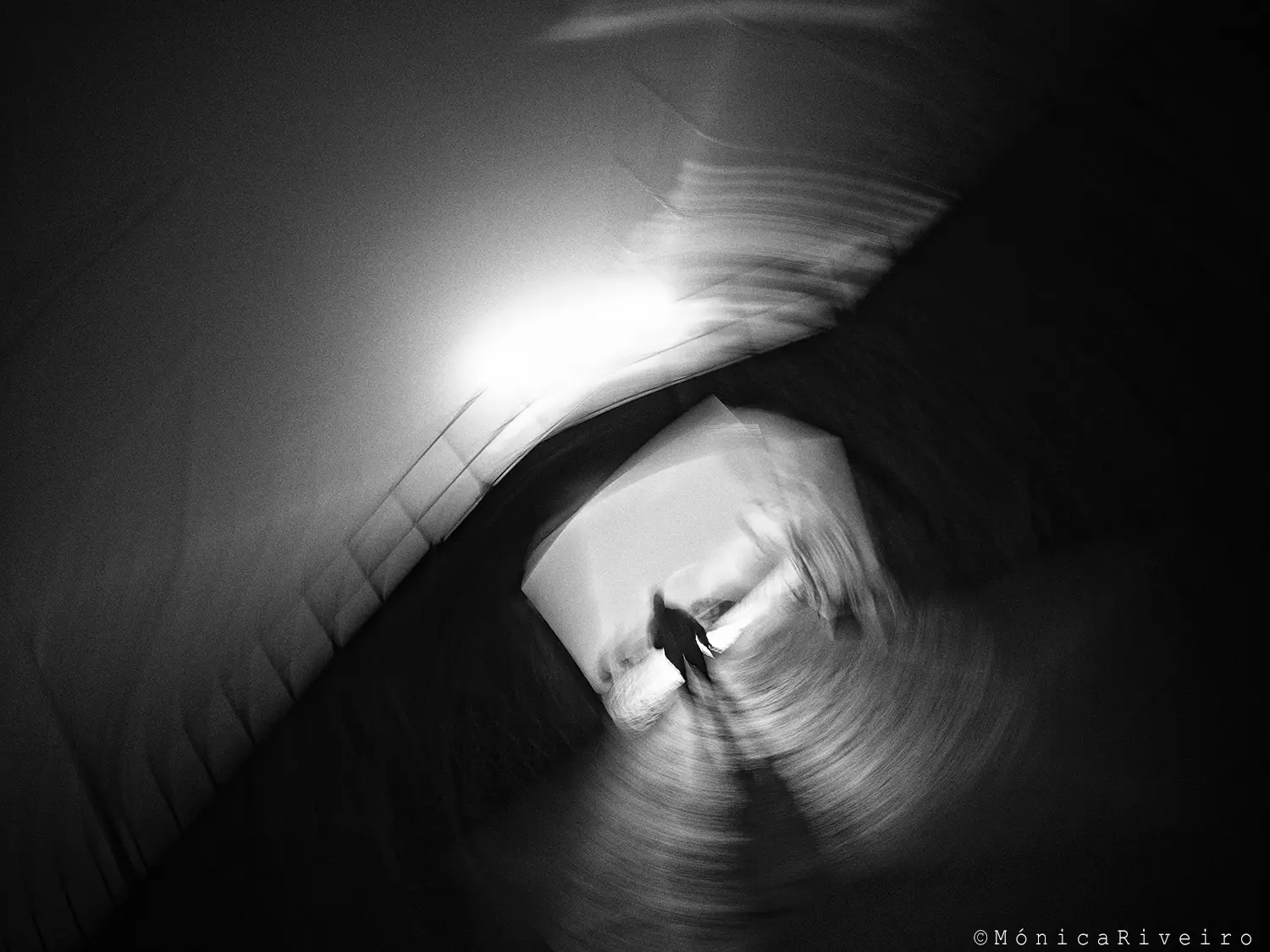
Expectations: the silent enemy
Here’s a secret: if you go out thinking about the perfect photo, you’re already suffering before you even start. The anxiety of filling your memory card with “good” images burns any spark of creativity even before you lift the camera.
For a long time, I thought what I had was a creative block. Now I know that’s not it. What I had was visual overload, an excess of images accumulated in my mind, and a constant anxiety about taking good photos every day, about finding a scene around every corner. And that’s exhausting. Very much so.
The real problem is expectations. Going out in search of that perfect photo is the fastest and most effective way to kill your creativity. Because it doesn’t come. And when it doesn’t come, frustration appears. Creative burnout. That point where even taking the camera out of the bag feels like a disproportionate physical and mental effort.
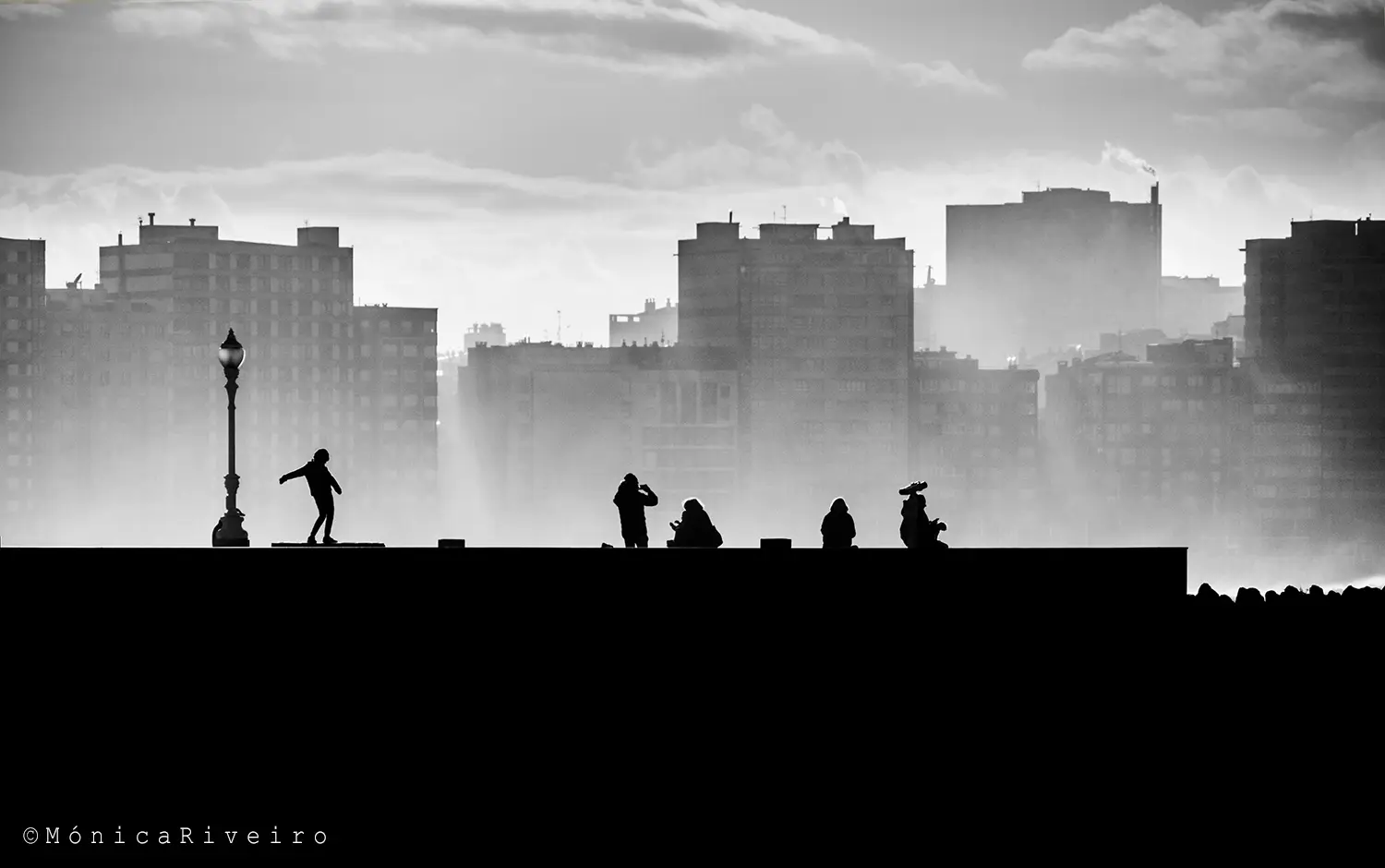
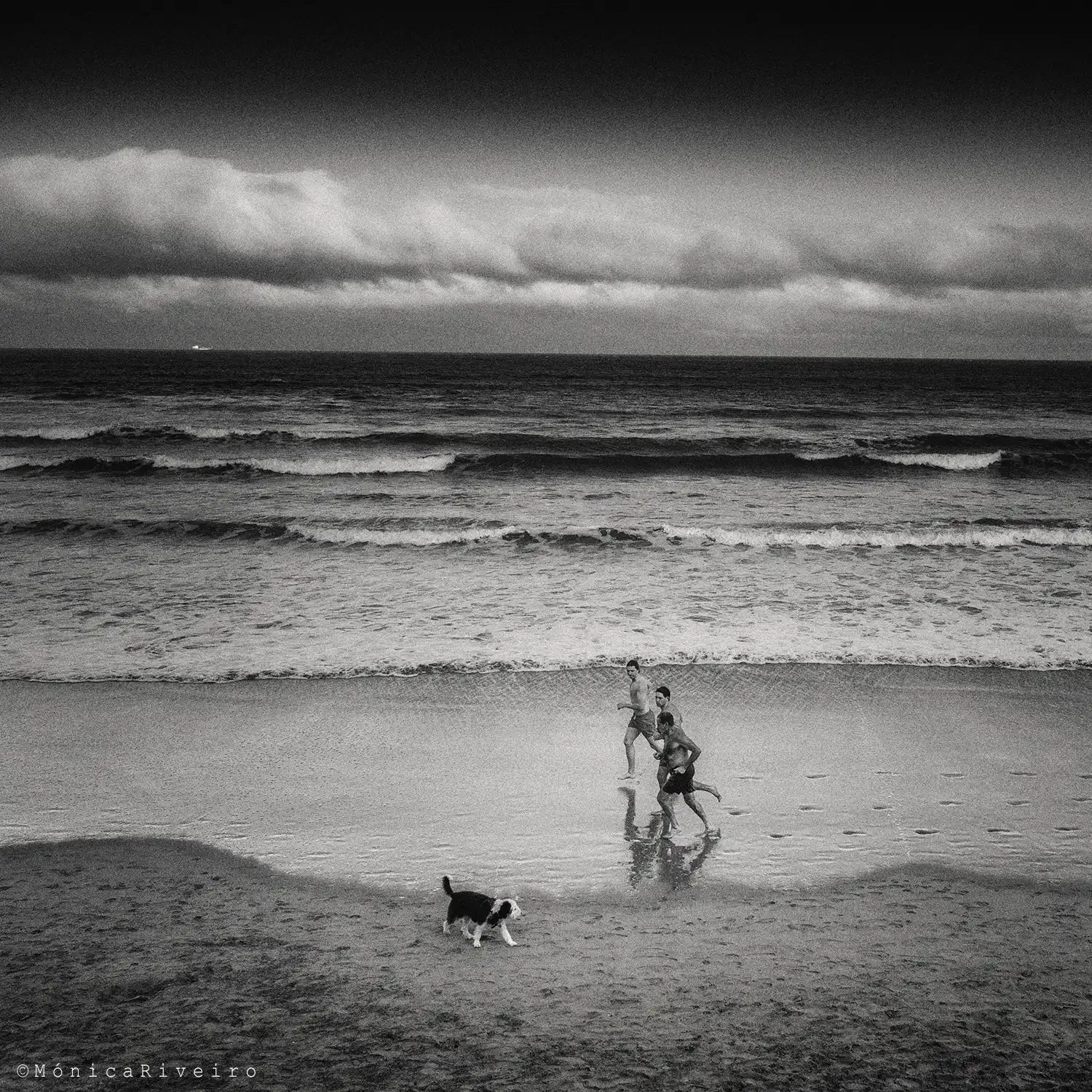
Traveling with the camera: when motivation gets lost among too many images
When I travel, the pressure multiplies. Every city is a challenge, a showcase of photographic opportunities… and the truth is, the first shots almost always end up in the trash.
The first day almost always goes the same way: I take out the camera late, and when I finally do, I go into machine-gun mode. Too many stimuli, too many streets, too many “interesting” scenes. I shoot everything that moves, everything that doesn’t move, and everything that might move. Zero judgment. Zero standards. Pure tourist syndrome. Monuments, pretty streets, obvious reflections… the full cliché package.
The city overwhelms me, I don’t filter, and the result is a visual overdose in record time. By the end of the day, my memory card is full… and I have the uncomfortable feeling that I haven’t said a single thing with any photo. You can shoot thousands of times and not have truly seen a single one.
Over time, I’ve learned that cities need to be listened to. To walk without a camera, to get a little lost, to let the noise settle. Only when the chaos organizes itself in your mind does the camera regain its meaning. Until then, everything is just visual noise in the shape of a photograph.
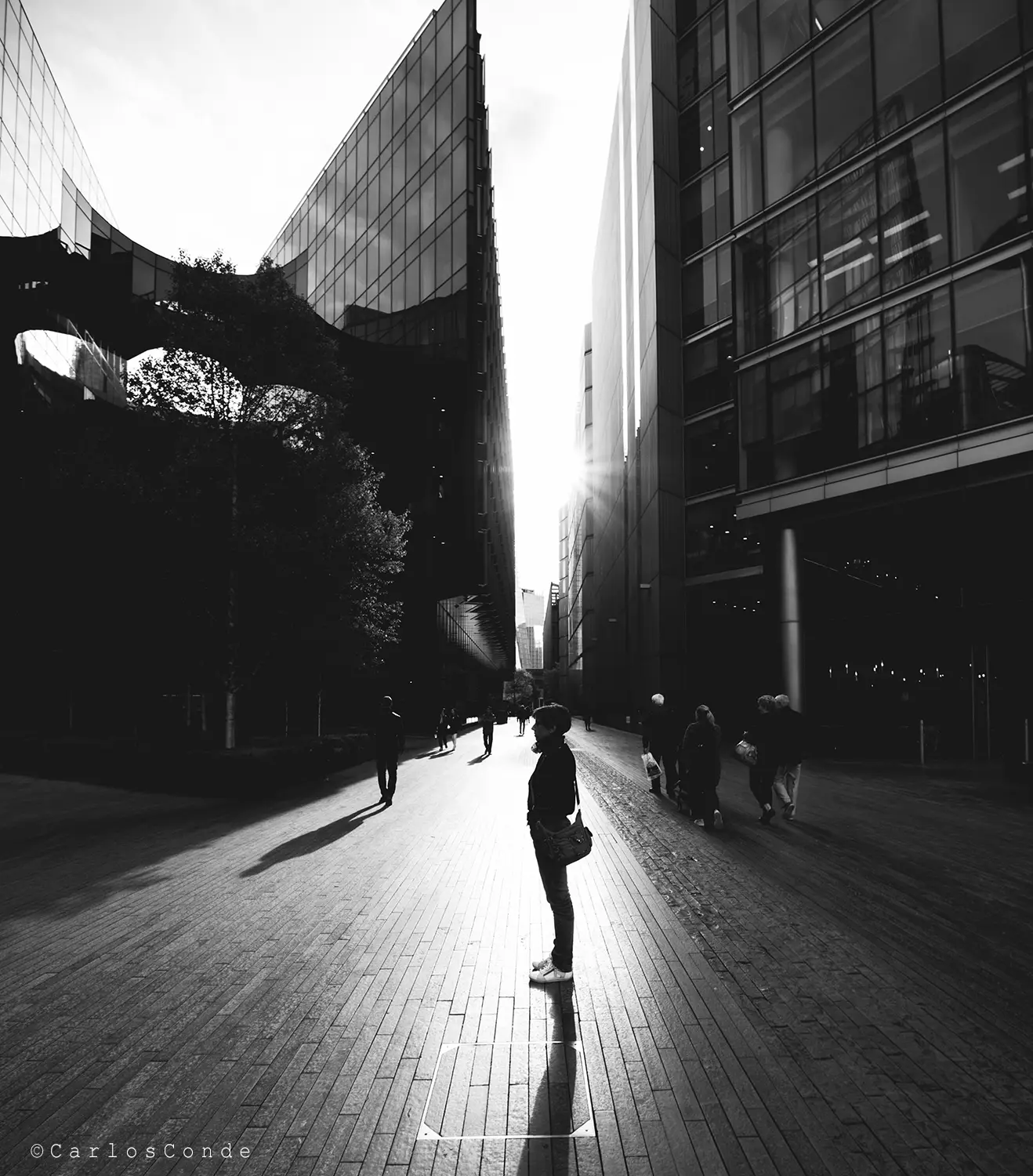
Photographic motivation: learning to look before you shoot
I realized all of this when I returned to Dublin after 32 years. I went back with the pressure to photograph it “well,” this time with experience, with a trained eye, and with the fear that my memory might betray me. On the first day, I didn’t even take the camera out of the bag. I simply walked, observed, and reconnected with the places that remained unchanged in my memory from my student days. I needed to reconnect with the city, to listen to it, to feel it.
The next day, with the camera already hanging around my neck, I didn’t know where to start. I didn’t want to fall into the obvious, the easy postcard shots. And it was only when I stopped that I realized the city had a pulse. That’s how ECM was born. And also the confirmation of something I had already sensed: before shooting, you need to give yourself time to look and truly recognize the place in front of you.
Motivation doesn’t come from pressure or expectations. It comes when you slow down, when you truly look, and let the world surprise you in any corner. And if it happens without taking any photos… don’t worry. You have to enjoy it. Wait. Because when that click finally happens—first in your mind, then in your heart—then yes: you lift the camera… and shoot.