«… and that is what characterizes and differentiates Joyce's Dublin from the other Dublin—the transient, the real one: being a society in turmoil, boiling over with dramas, dreams, and problems, metamorphosed into a precious mural of refined shapes, colors, flavors, and music, into a great verbal symphony where nothing is discordant, where even the briefest pause or note contributes to the perfect harmony of the whole. The two cities resemble each other, but their resemblance is a subtle and enduring deception, for while those streets may bear the same names, as do the bars, shops, and boarding houses, […] the distance between them is infinite because their essences are different.
The real city lacks the perfection that only the artistic illusion of life—never life itself—can achieve, as well as that finished, spherical nature that the incessant and dizzying tumult of true life, life in the making, can never possess. The Dublin of the stories has been purged of imperfections or ugliness—or, rather, these have been transformed by the magic wand of style into aesthetic qualities—transmuted into pure form, into a reality whose essence is made of that impalpable, evanescent material that is language; that is to say, into something that is sensation and associations, fantasy and dream, rather than history and sociology.
Mario Vargas Llosa (excerpt from the preface to Dubliners by James Joyce)
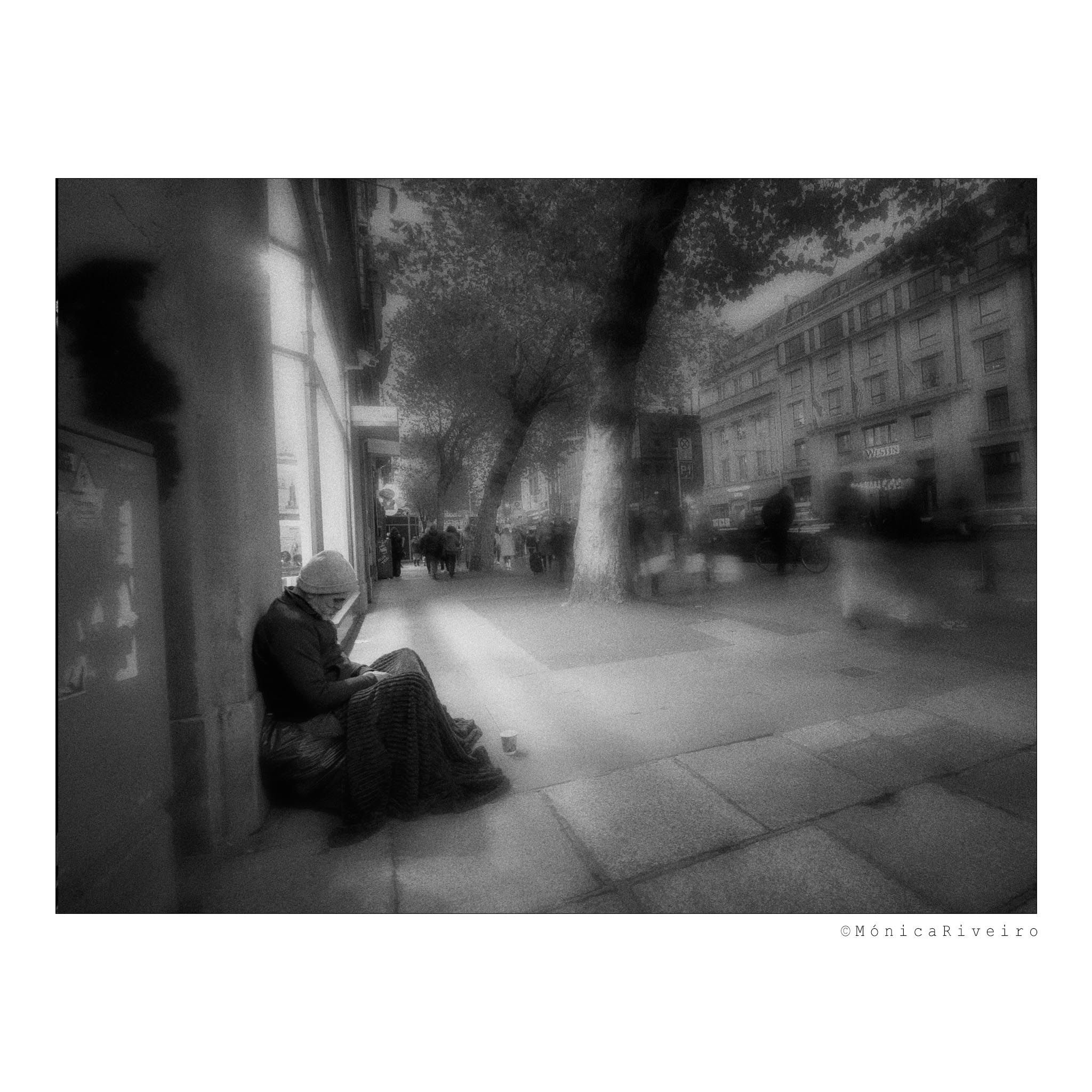
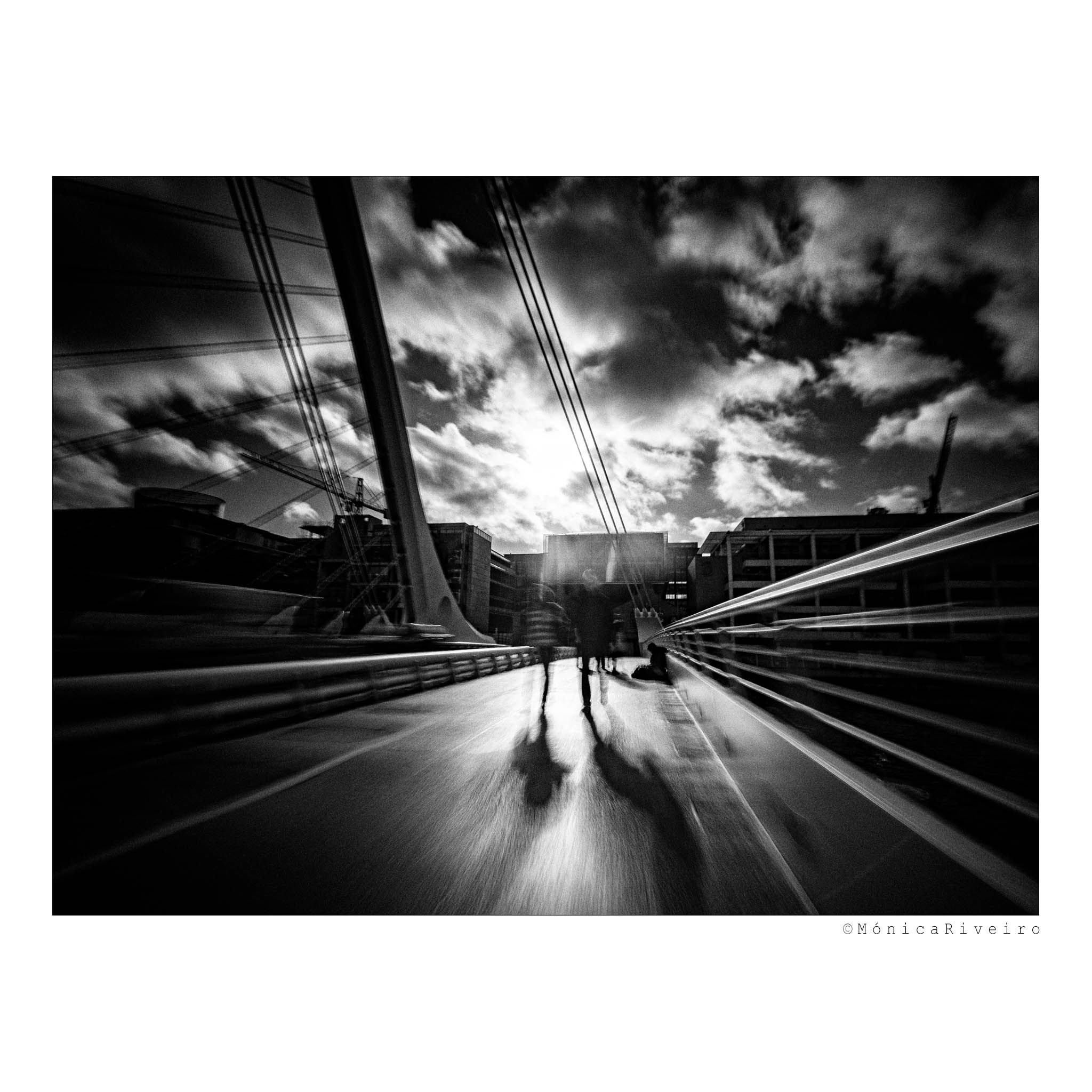
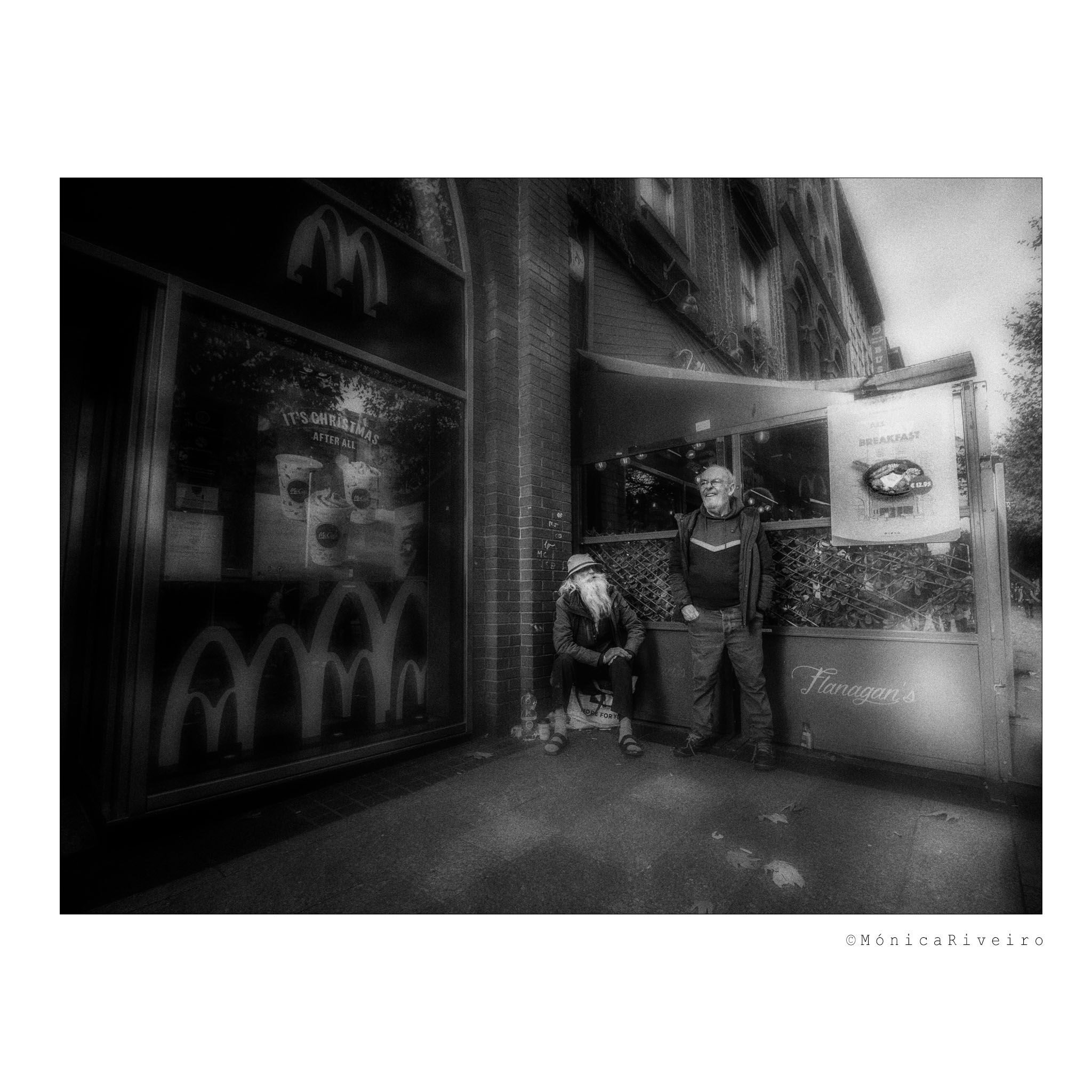
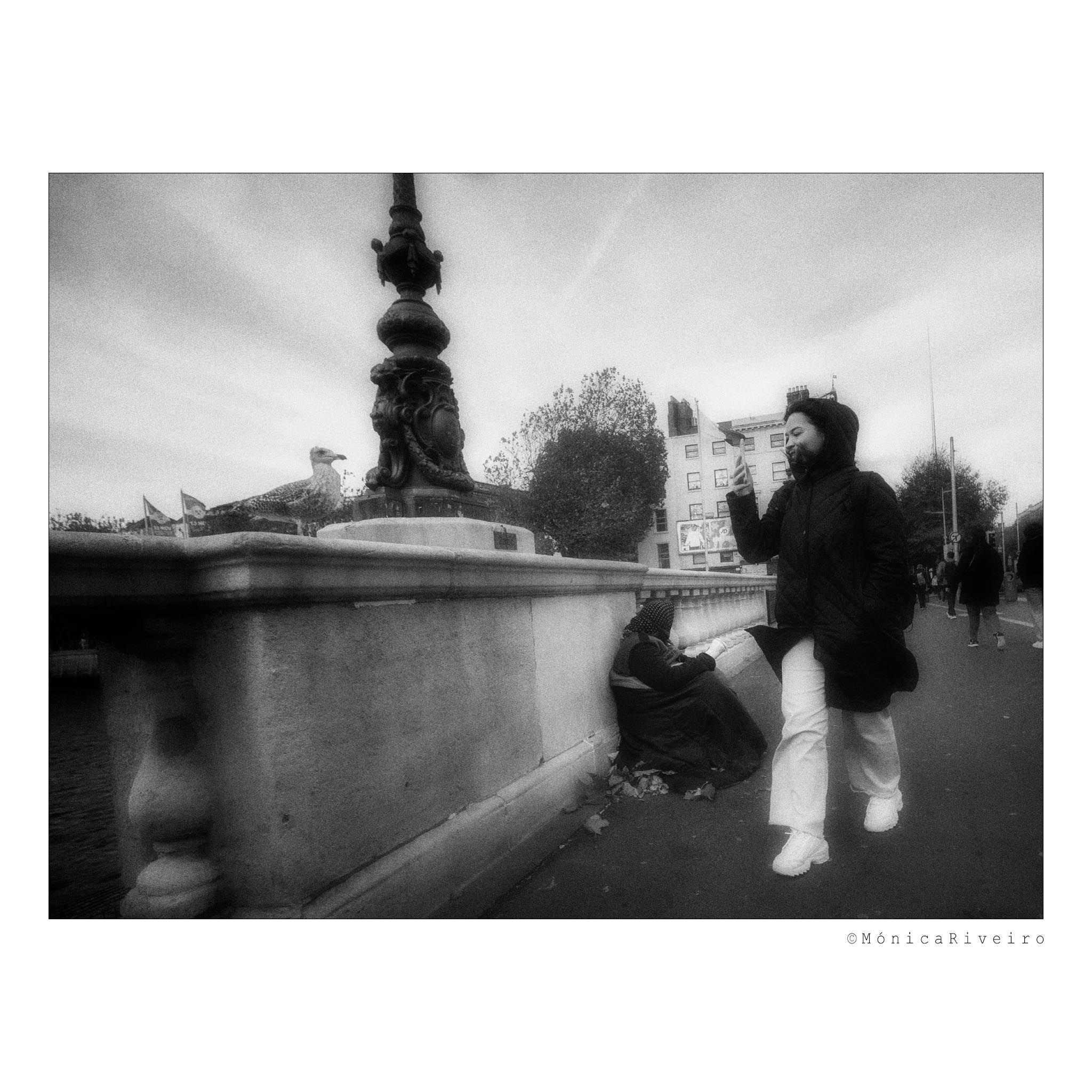
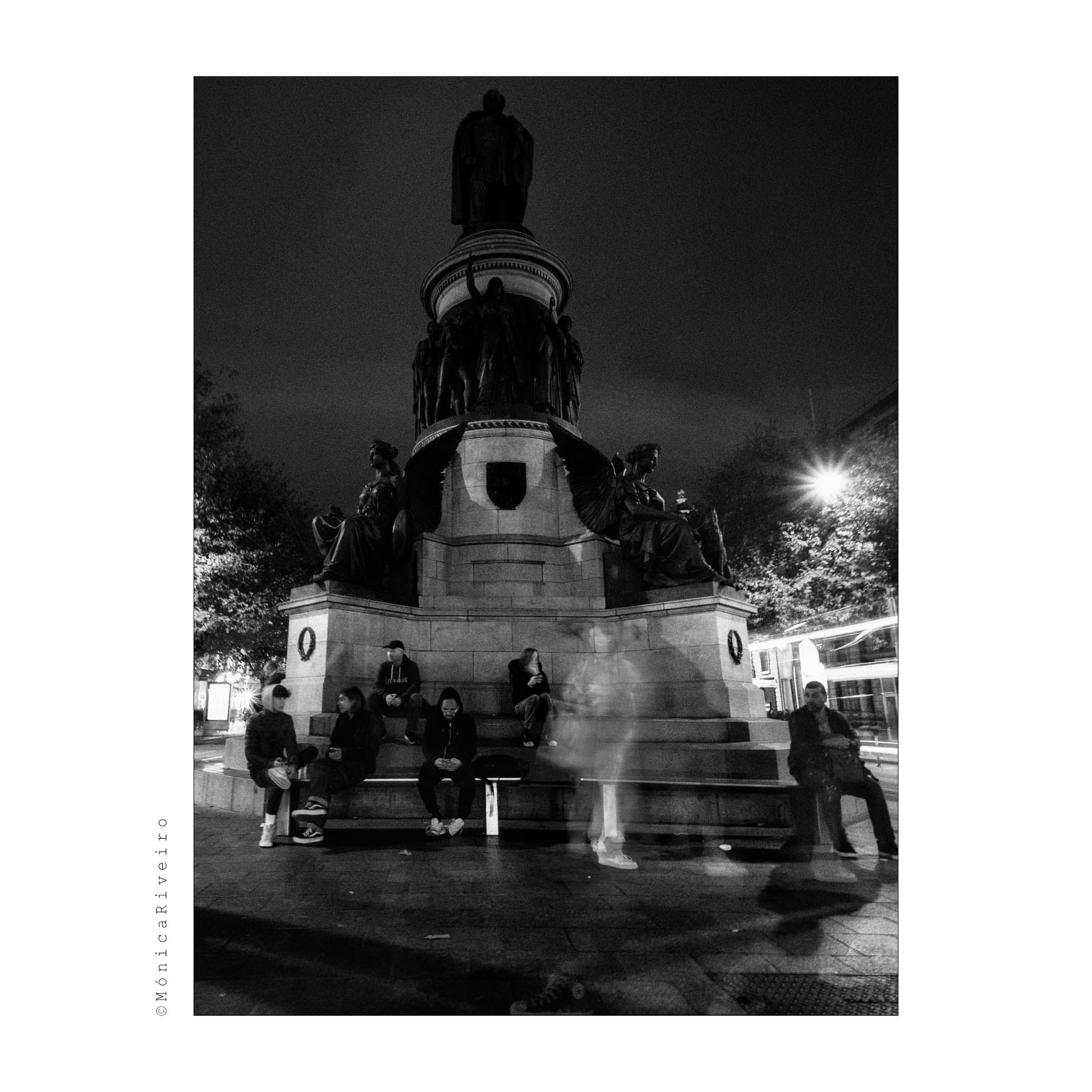
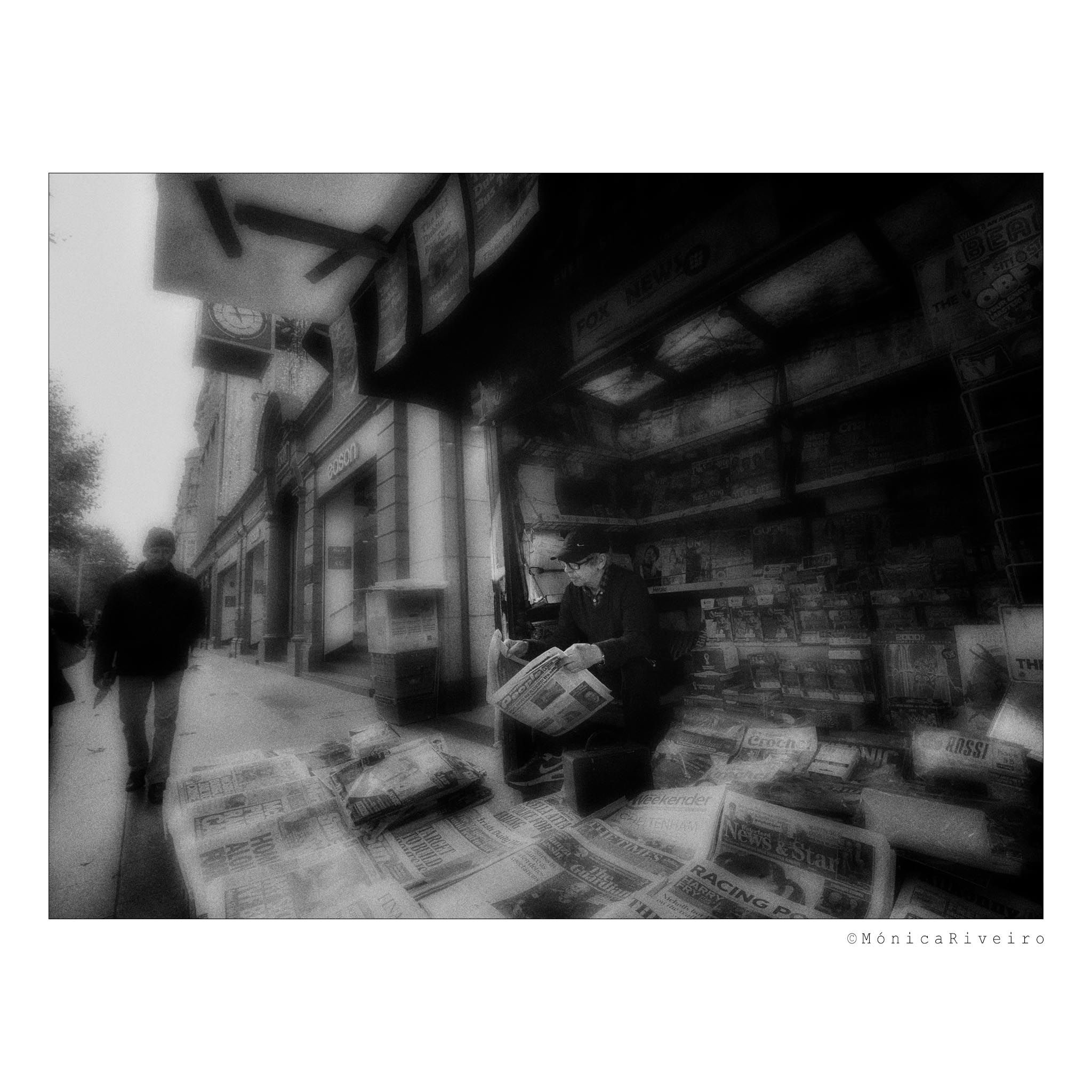
Dublin, 2022
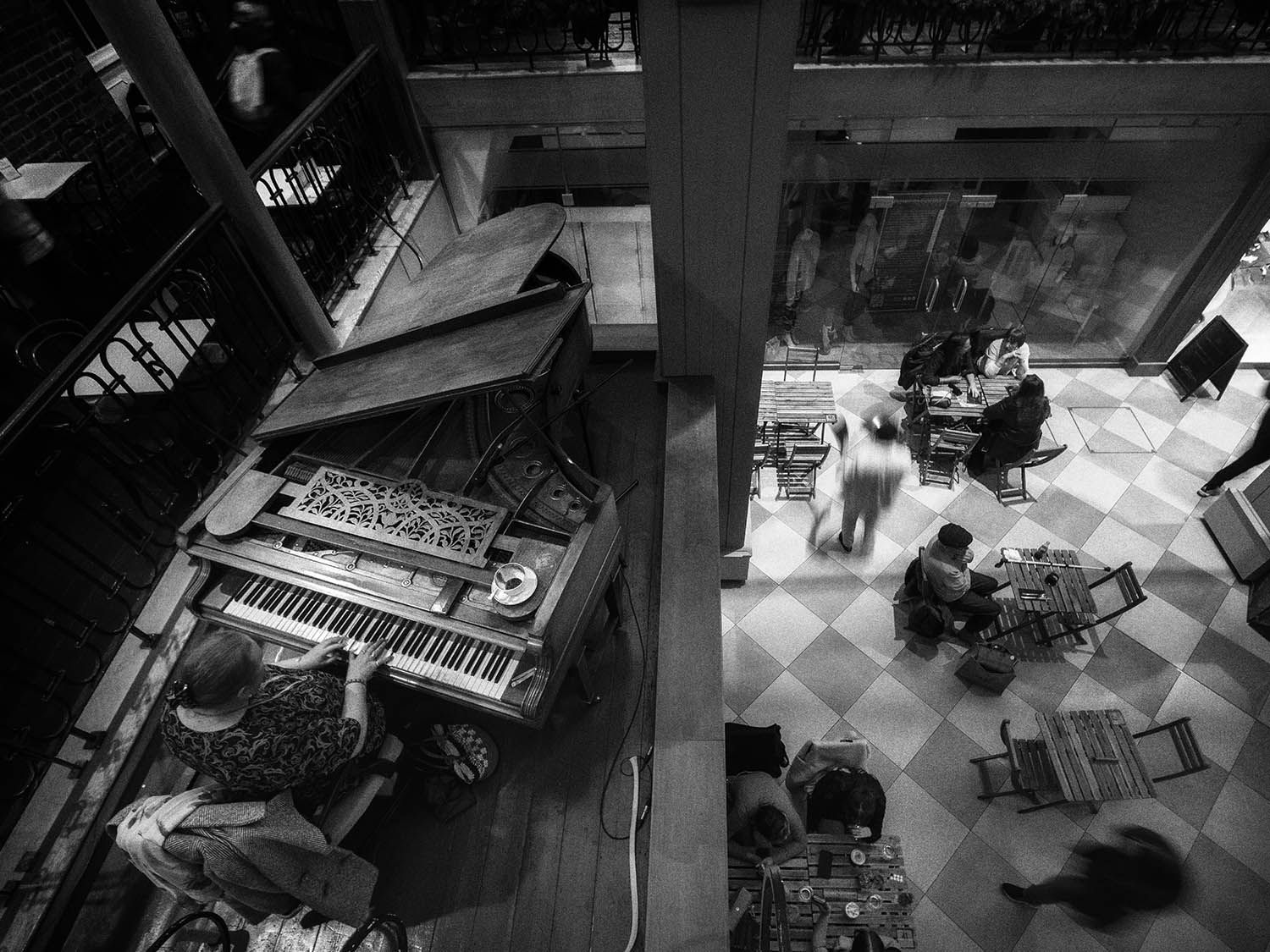
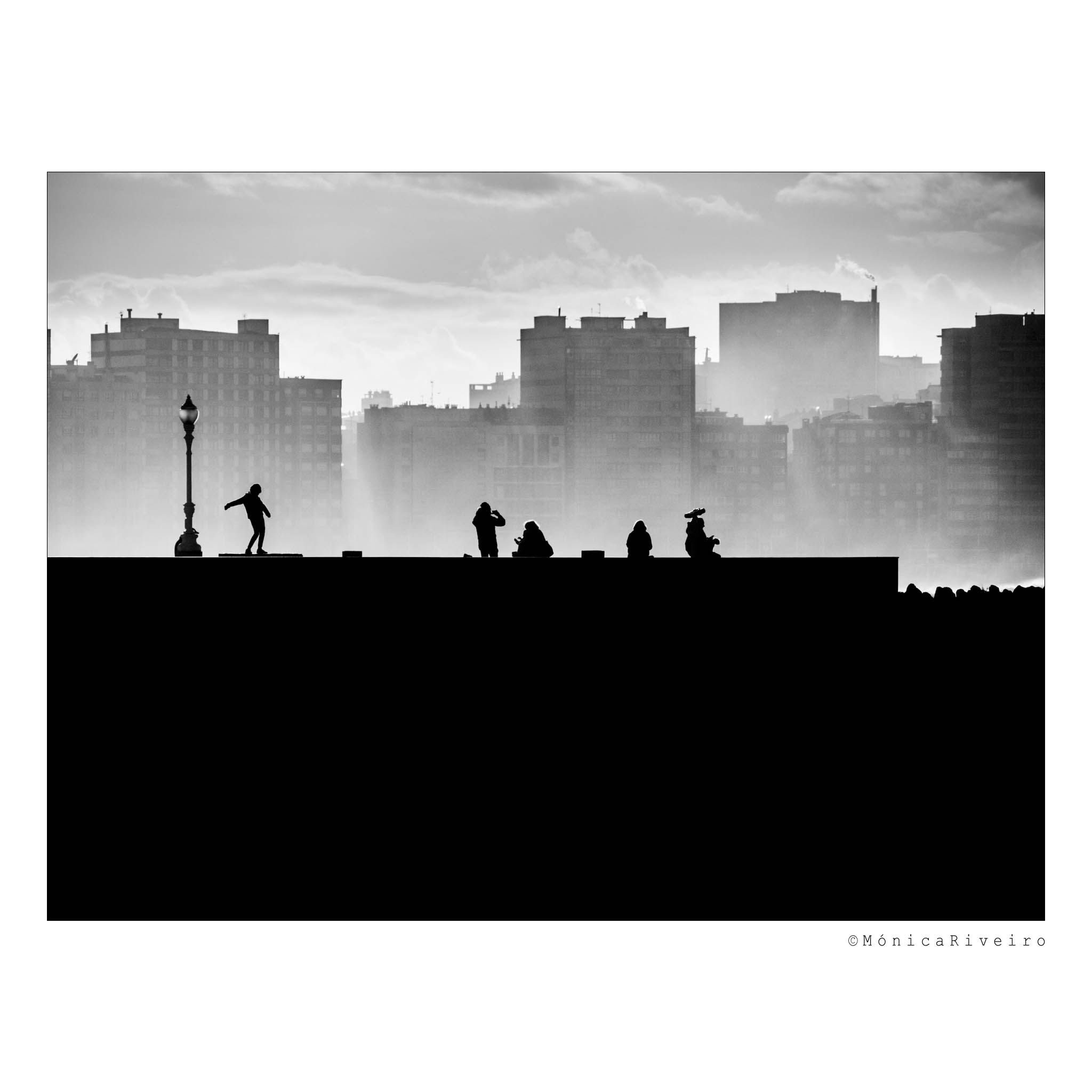
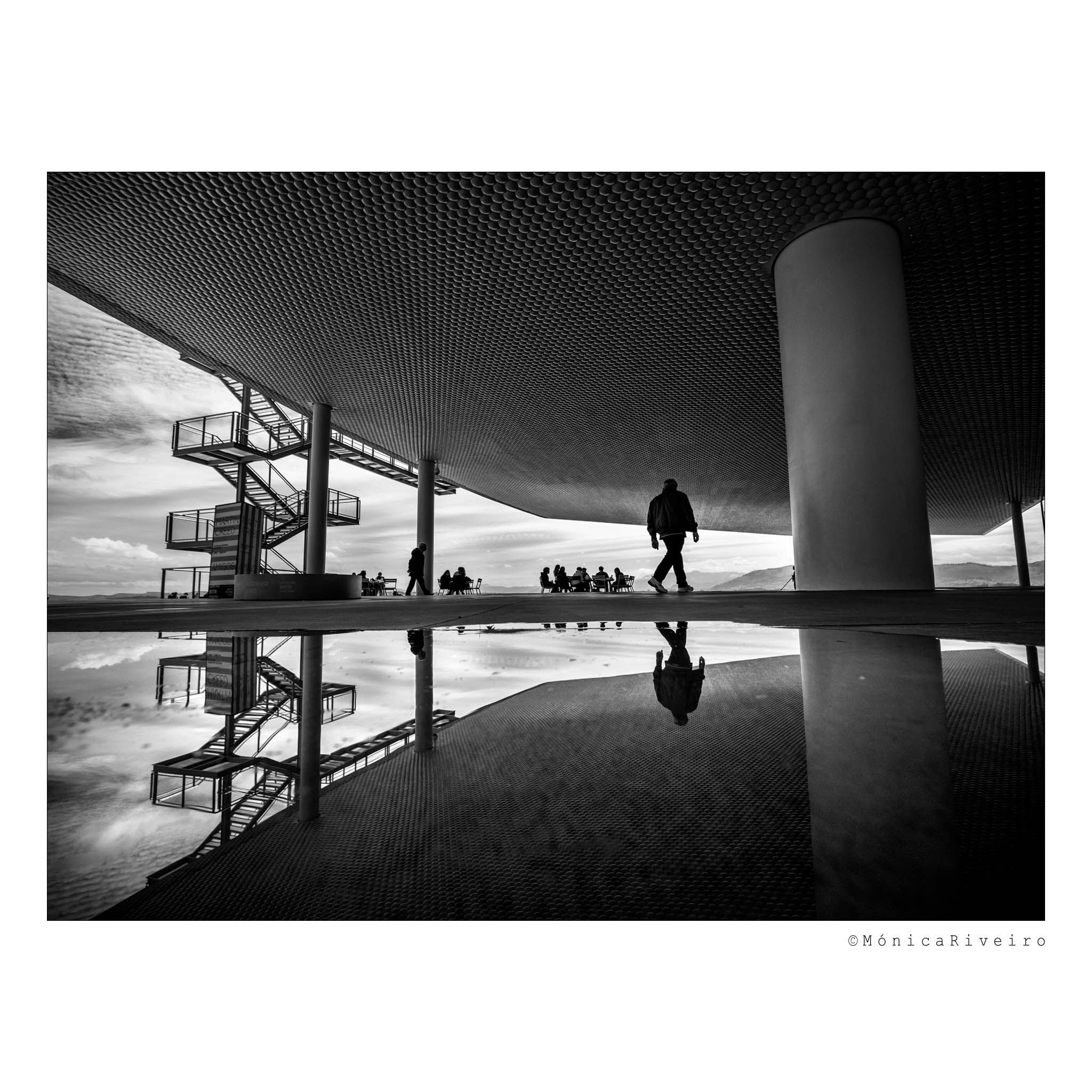
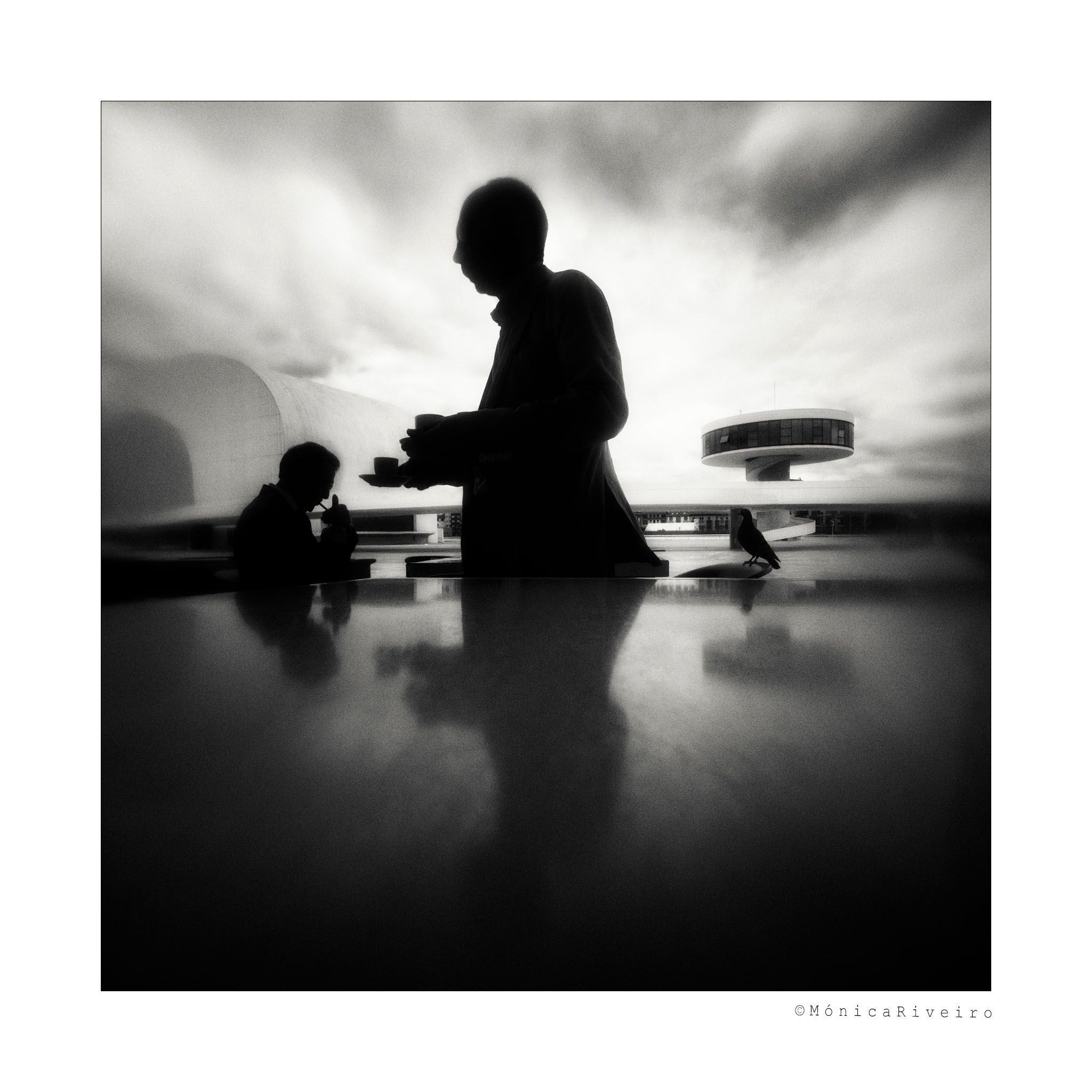
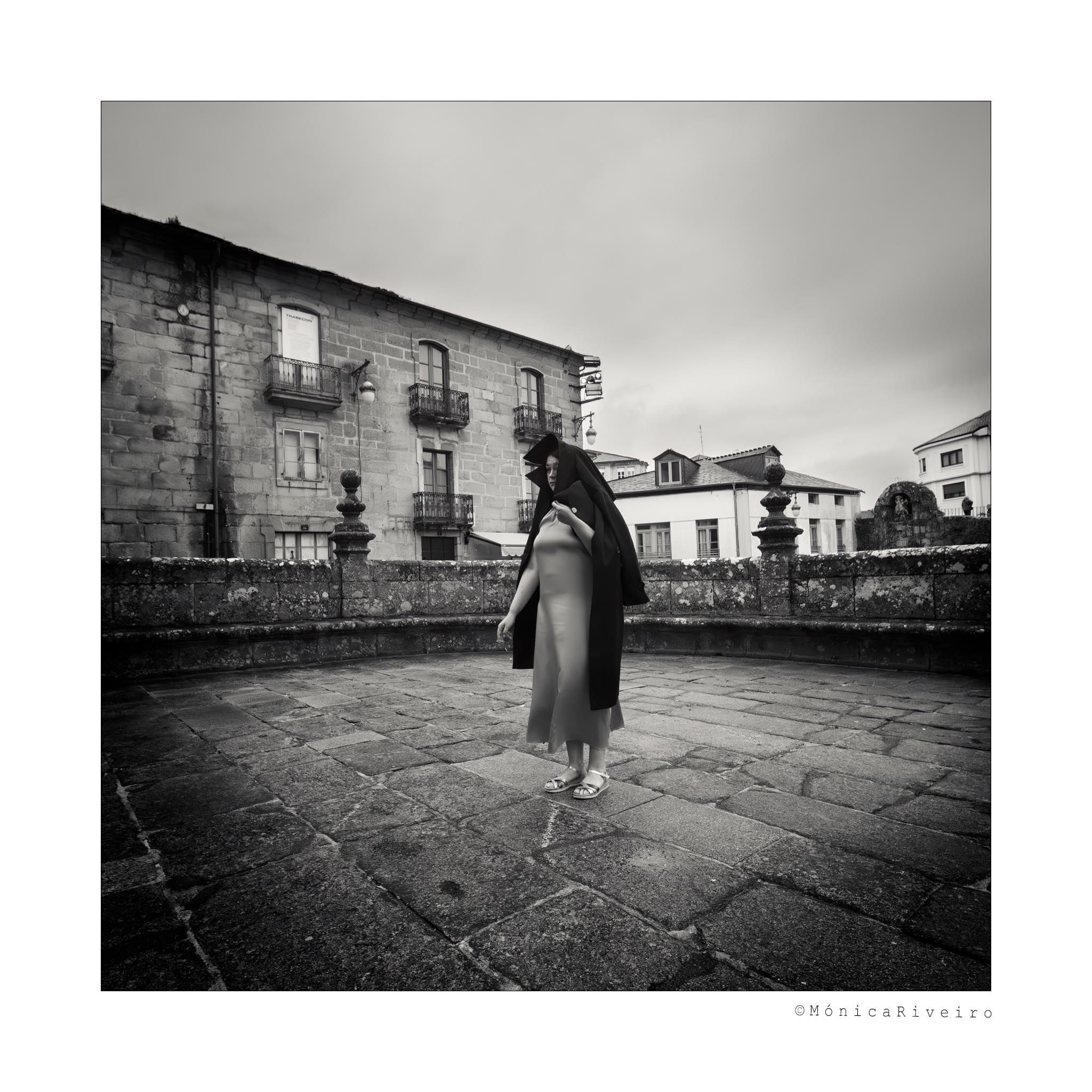
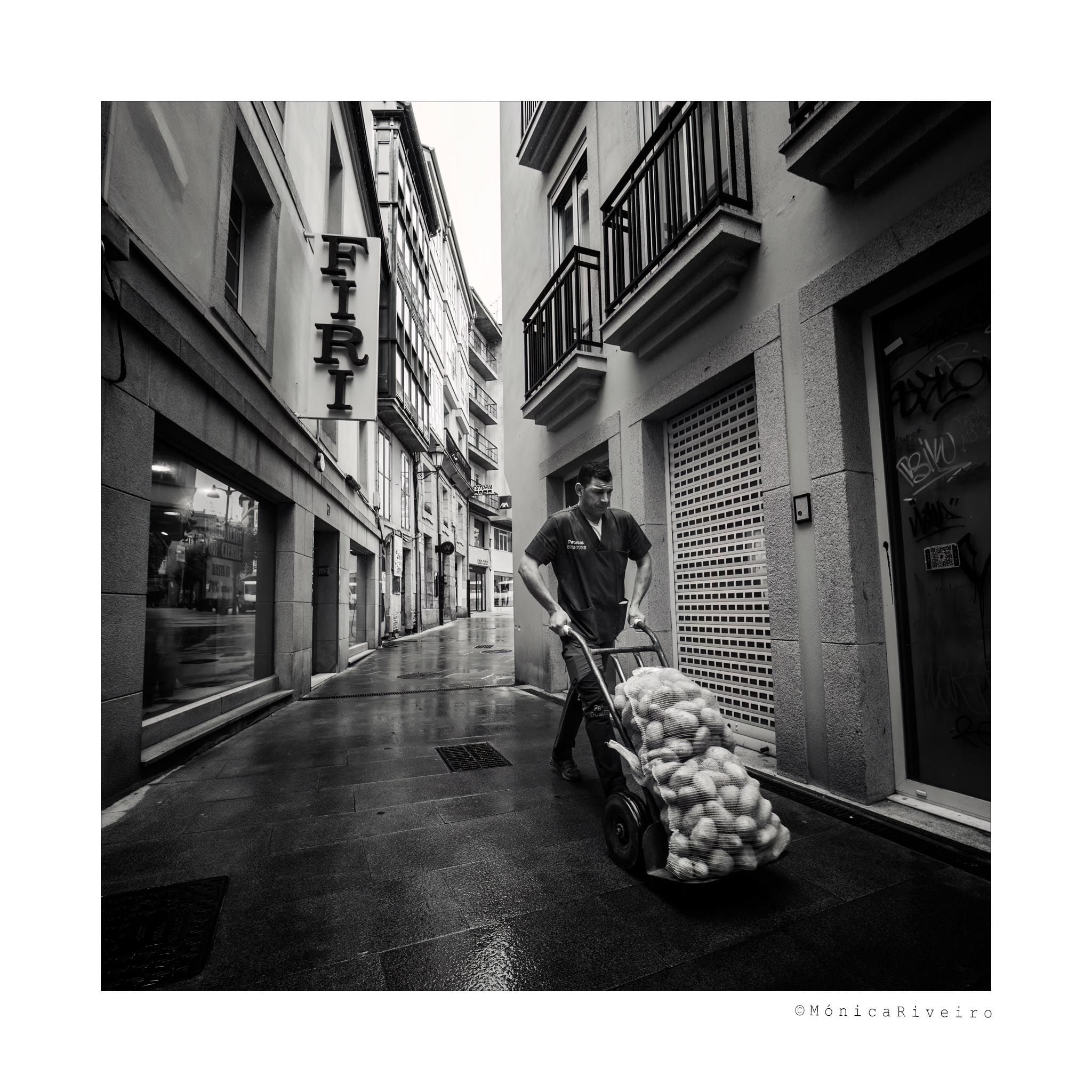
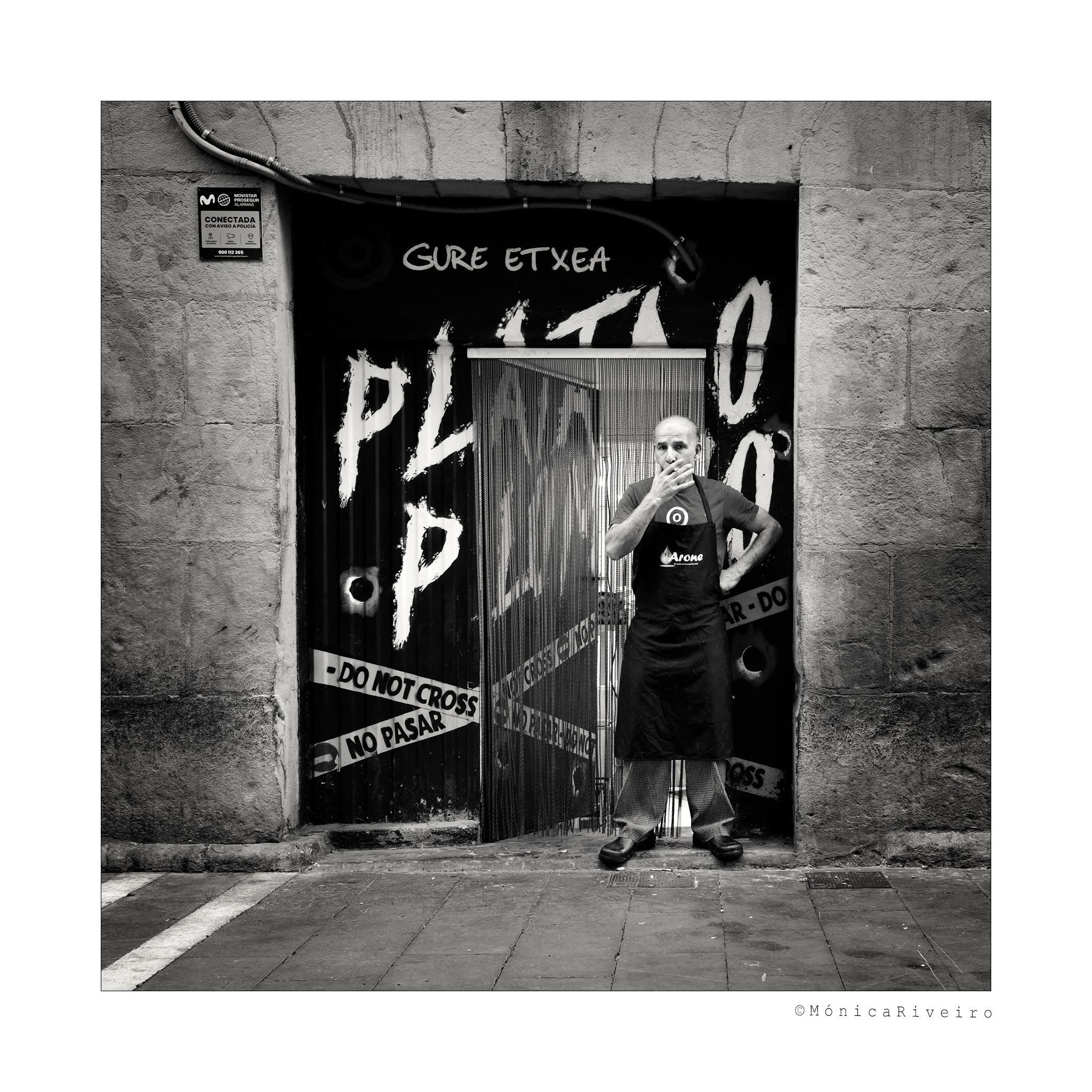
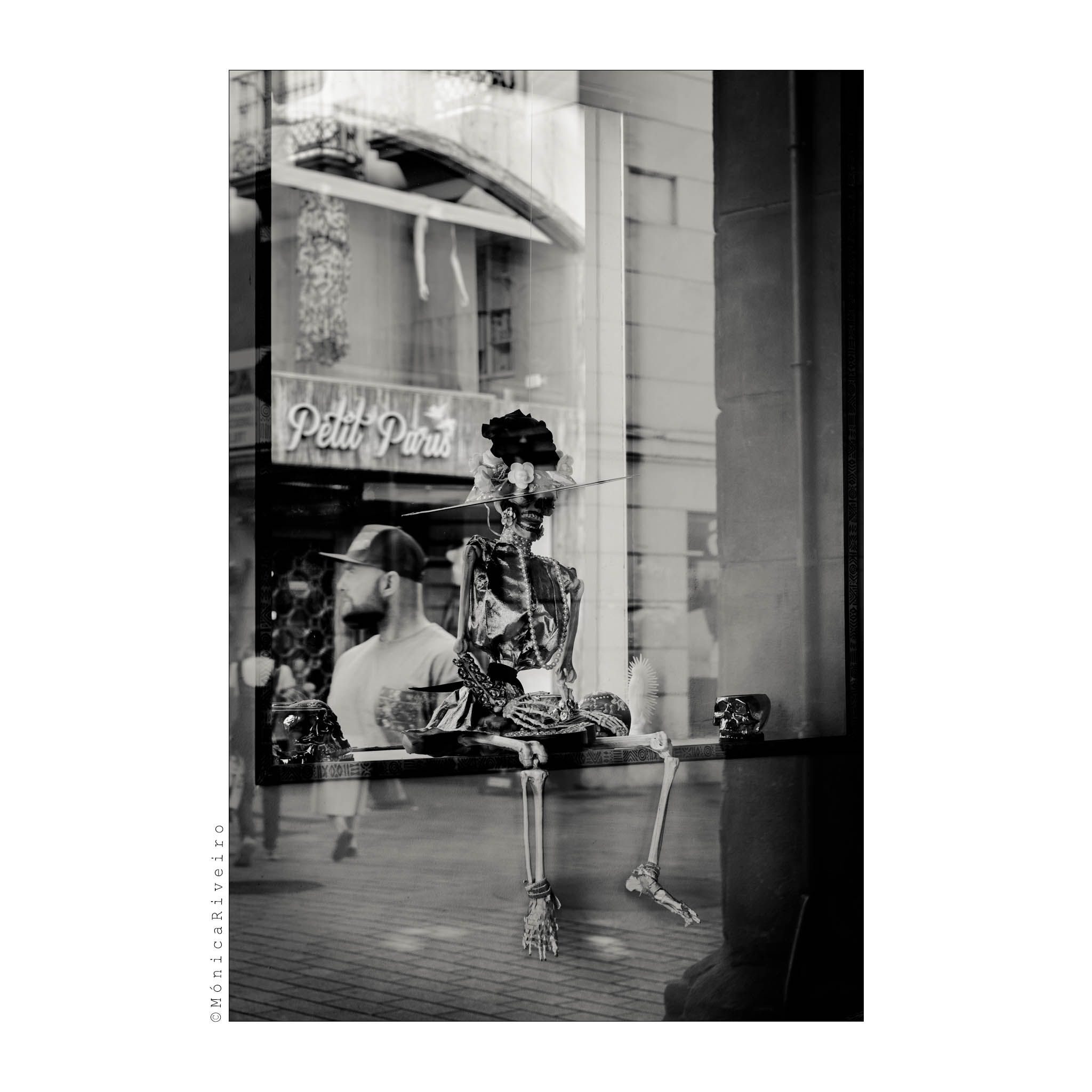
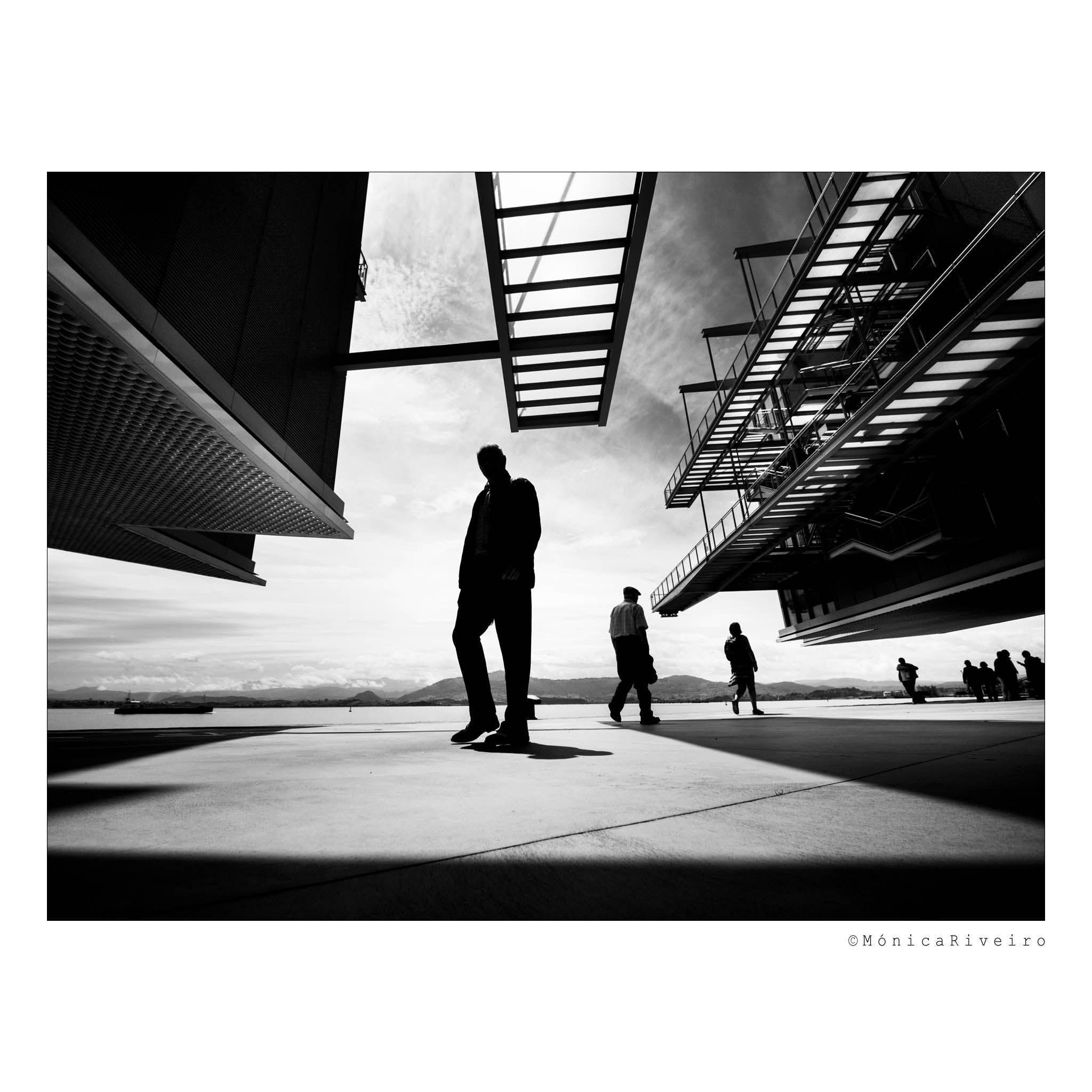
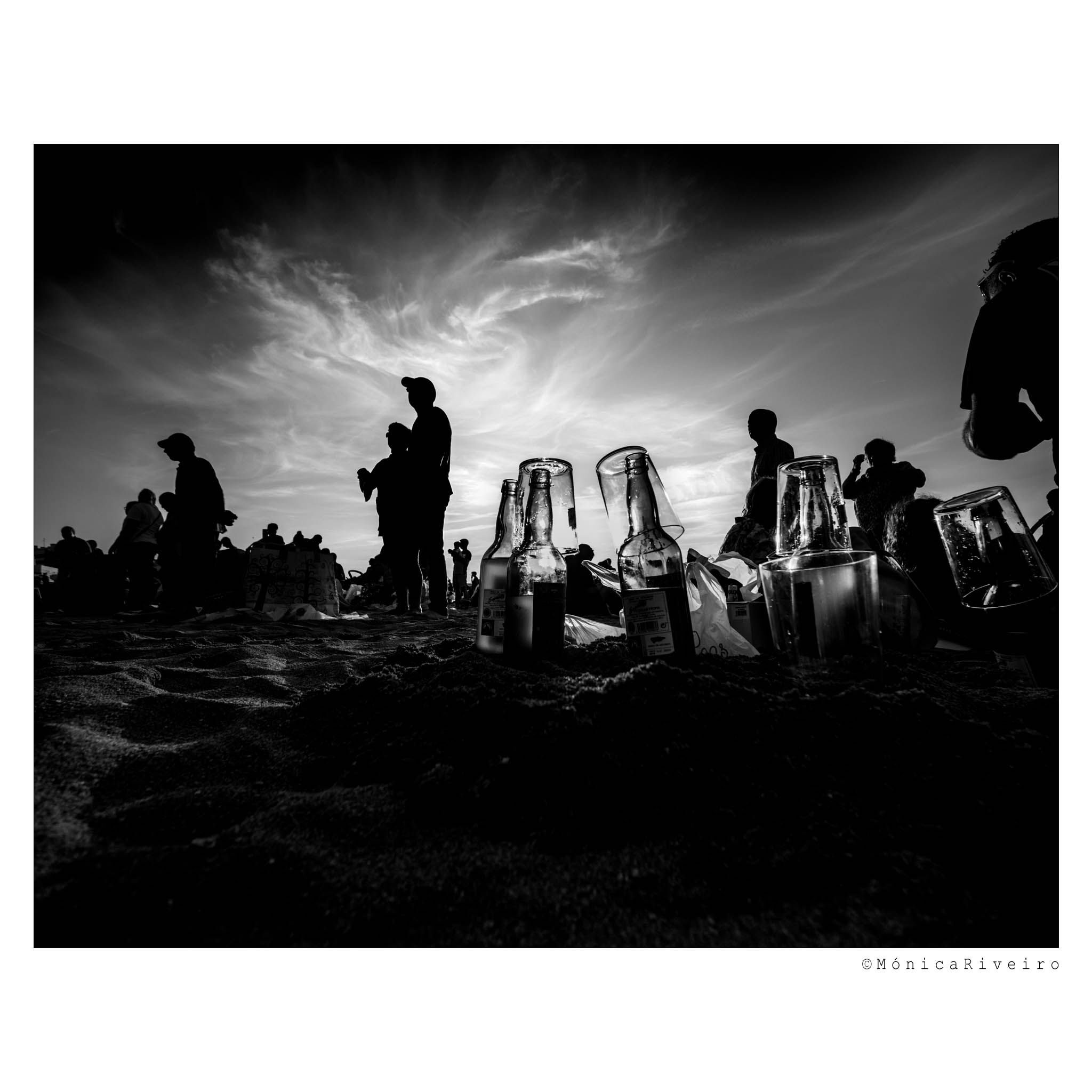
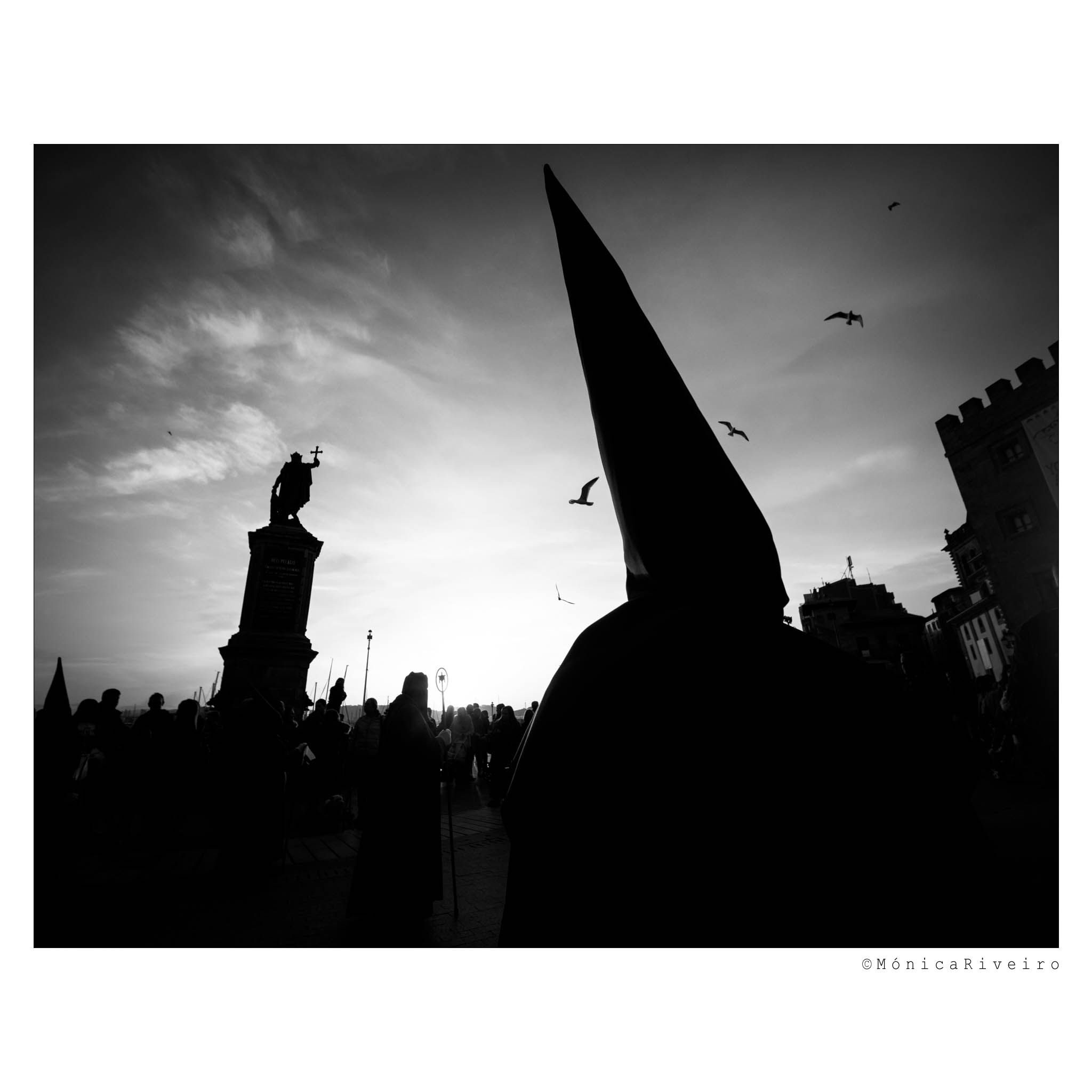
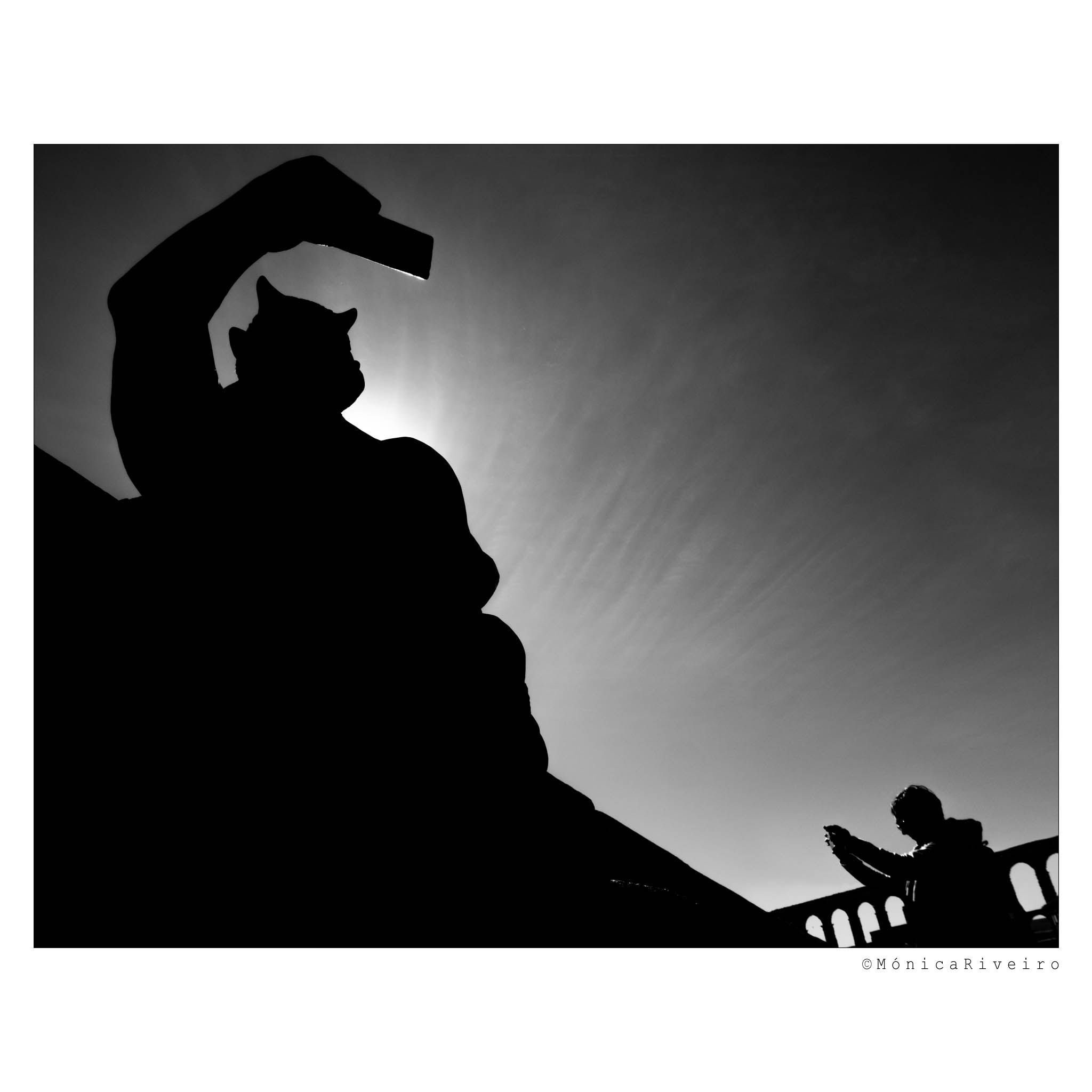
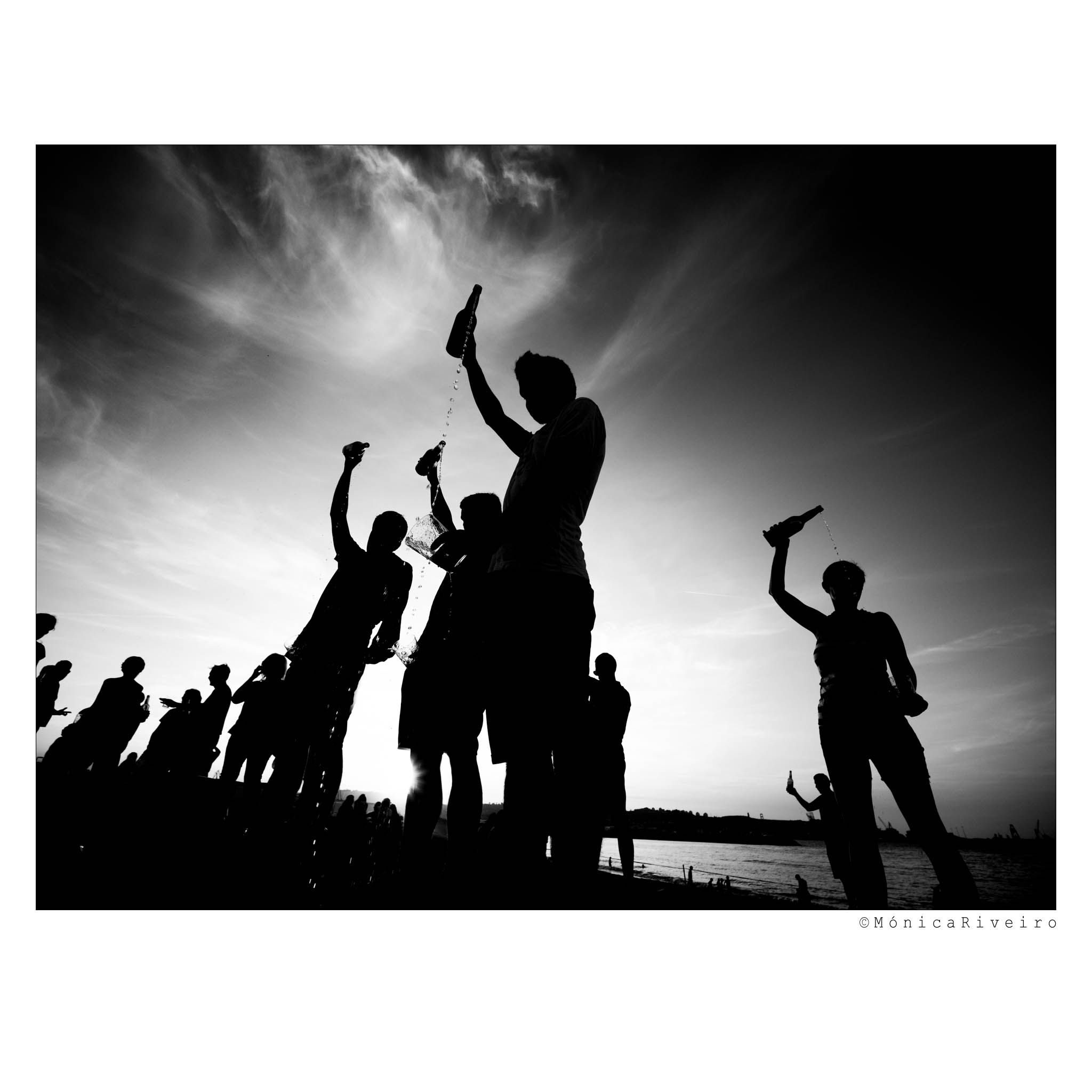
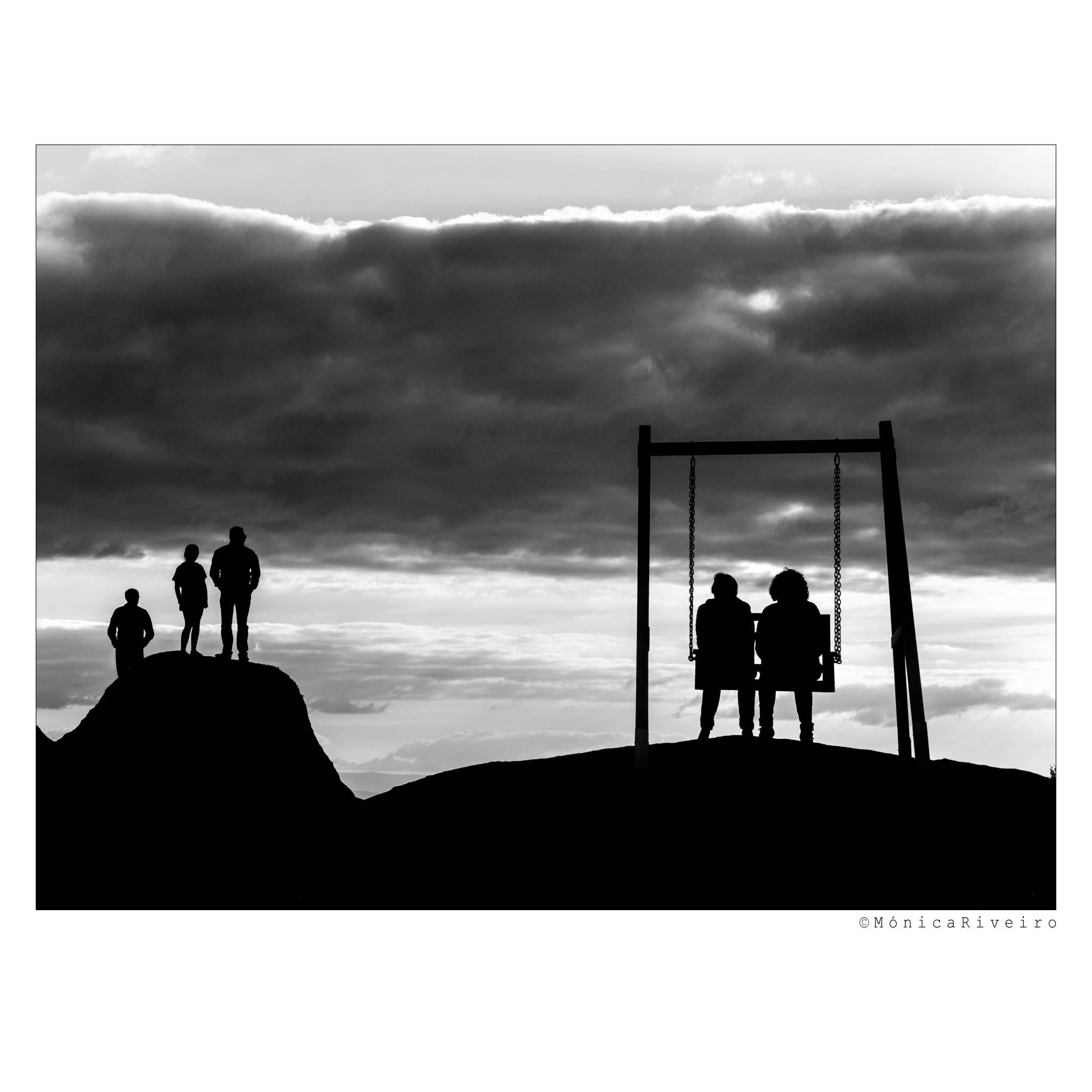
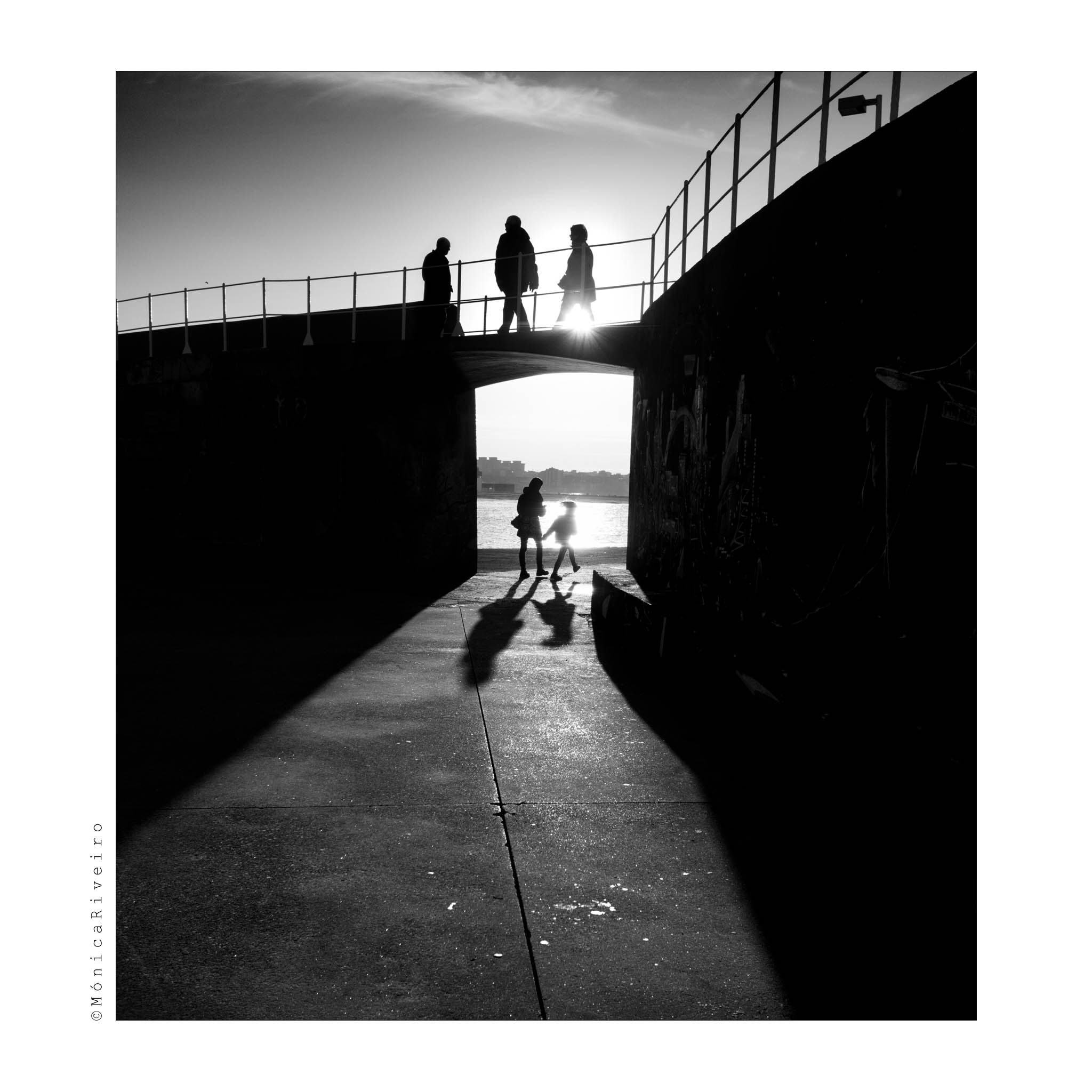
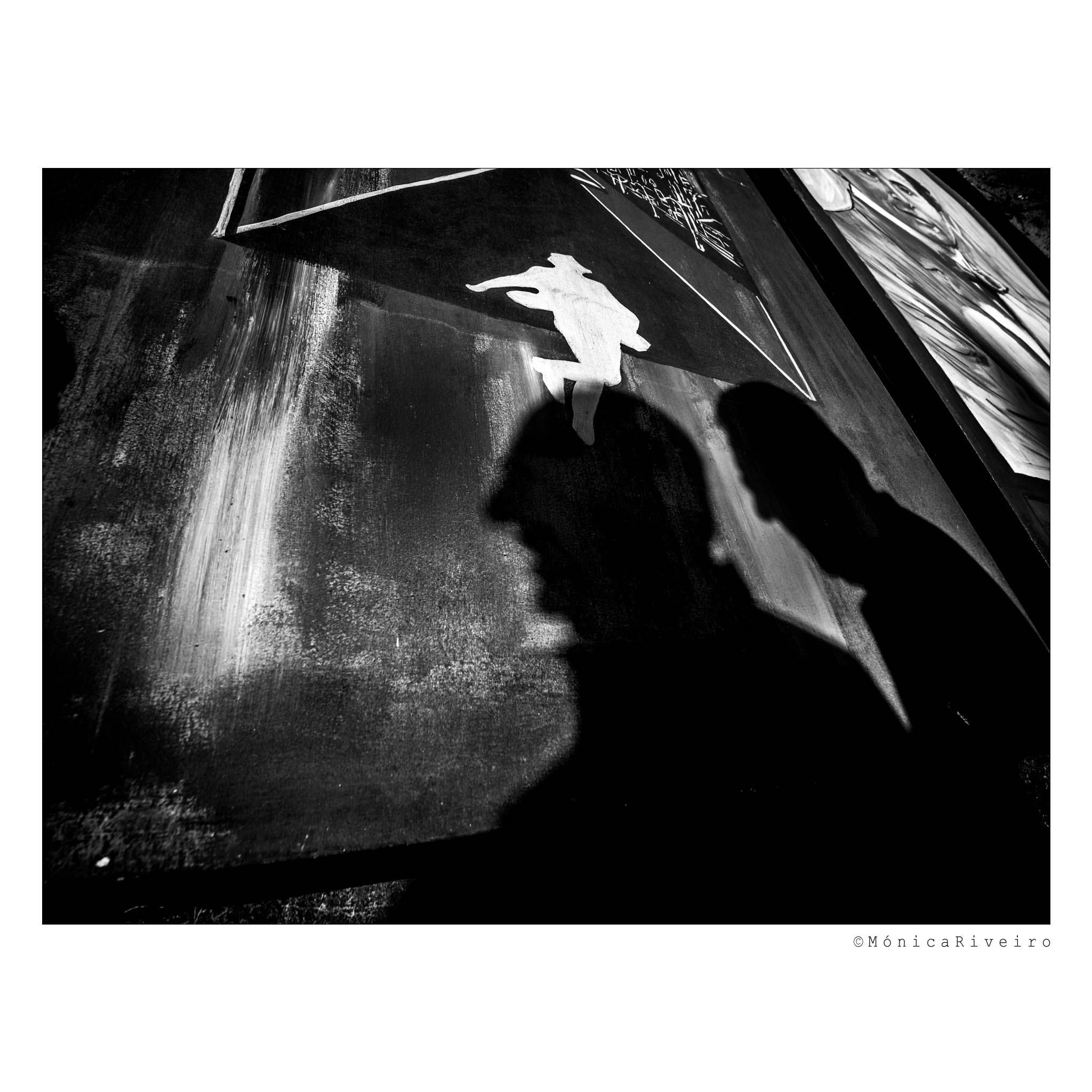
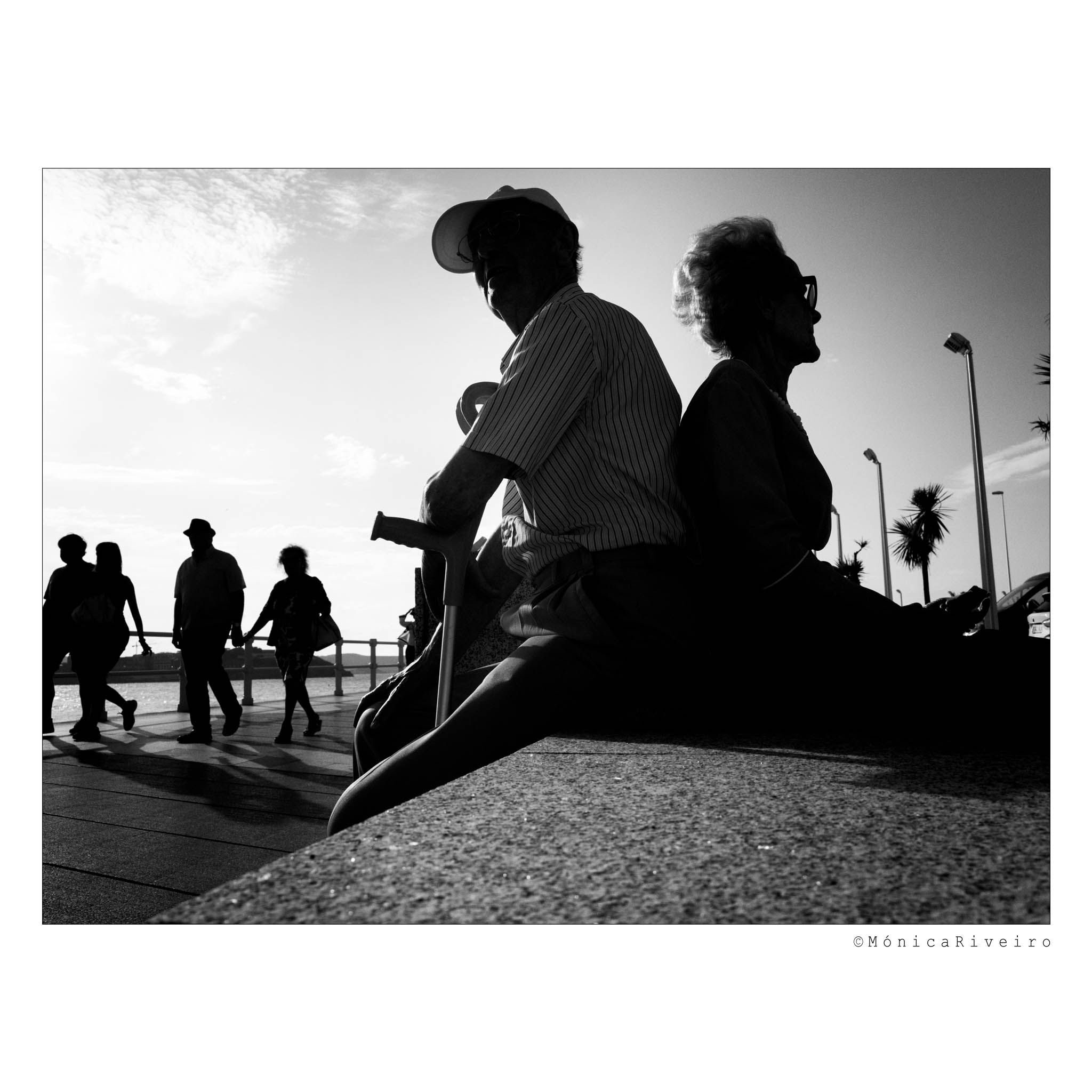
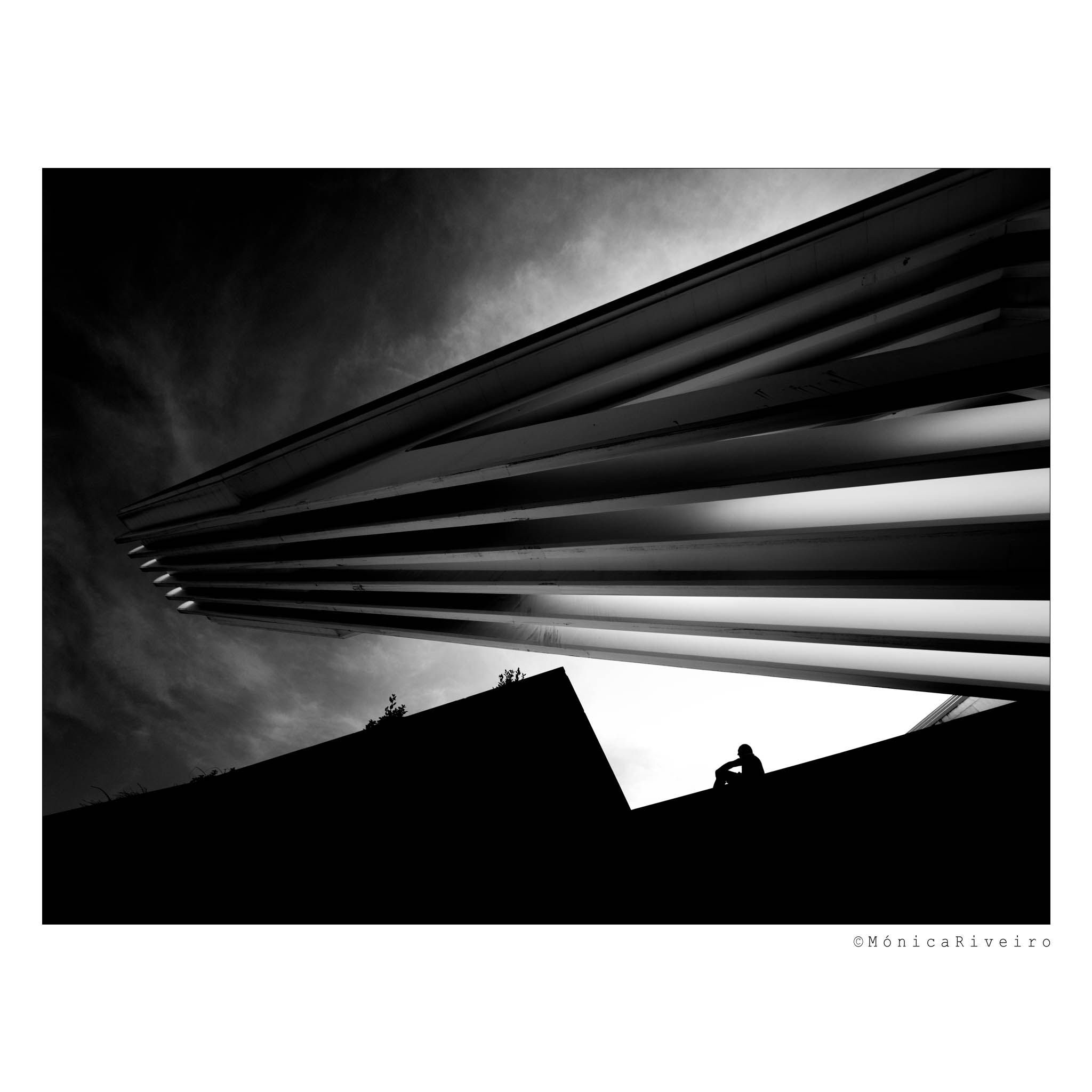
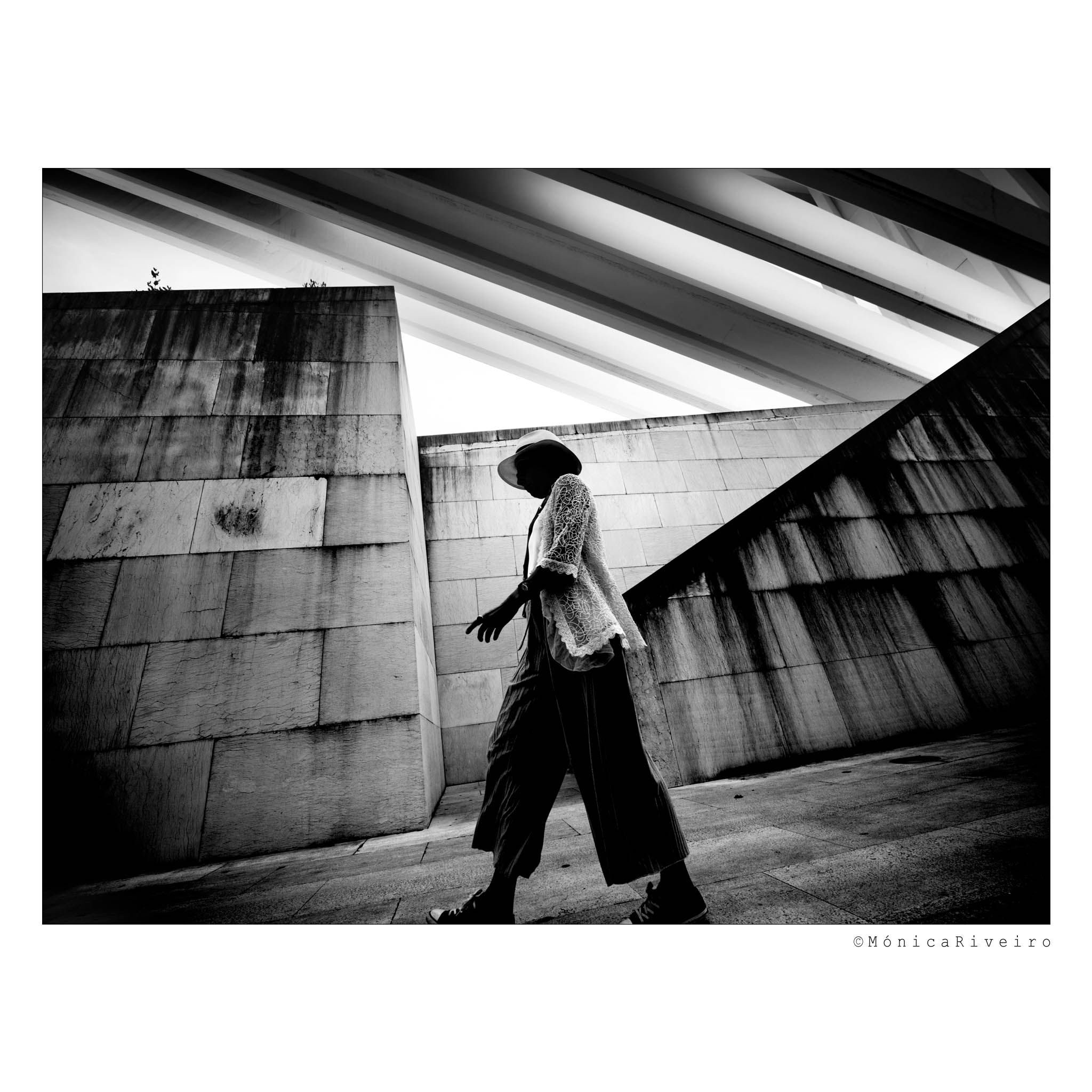
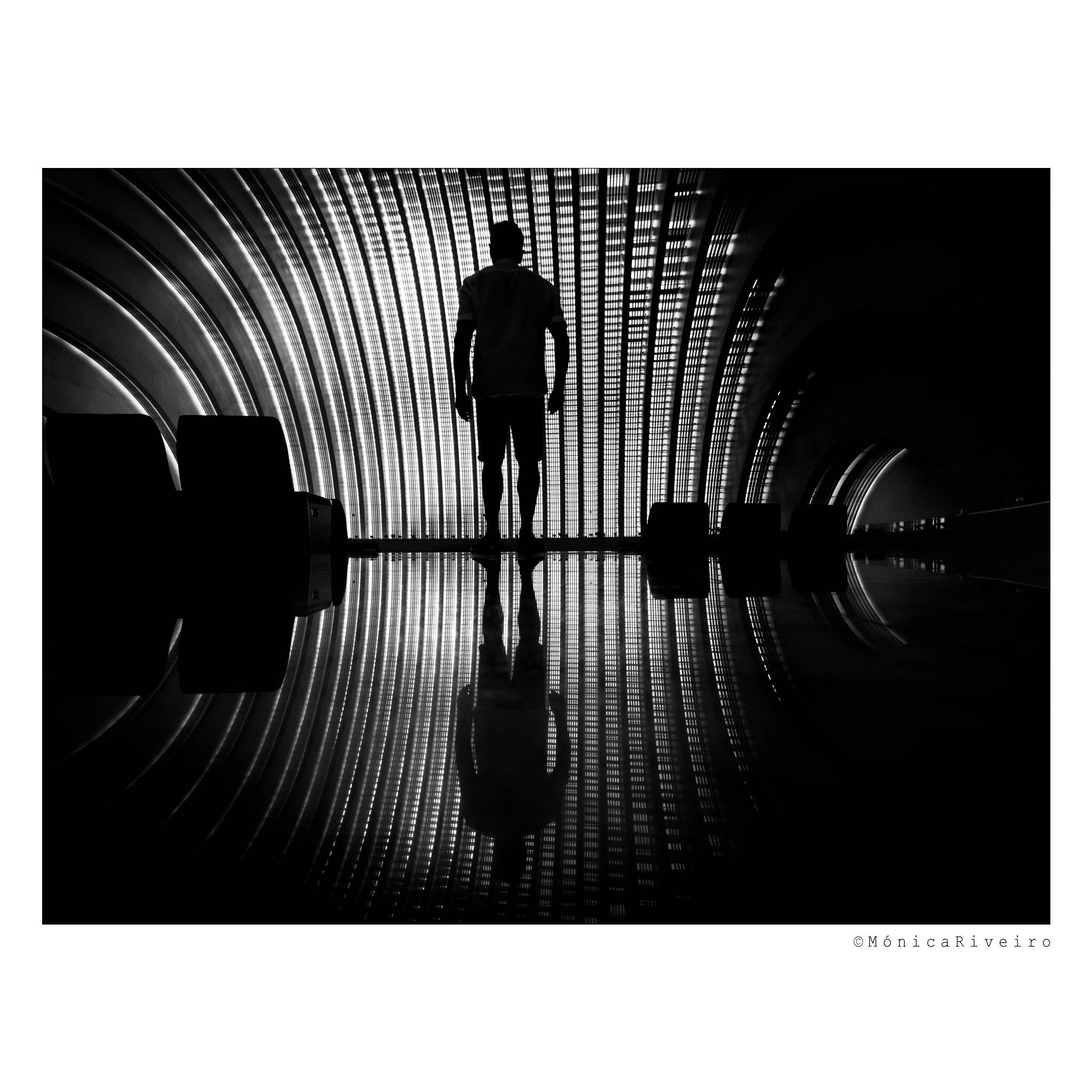
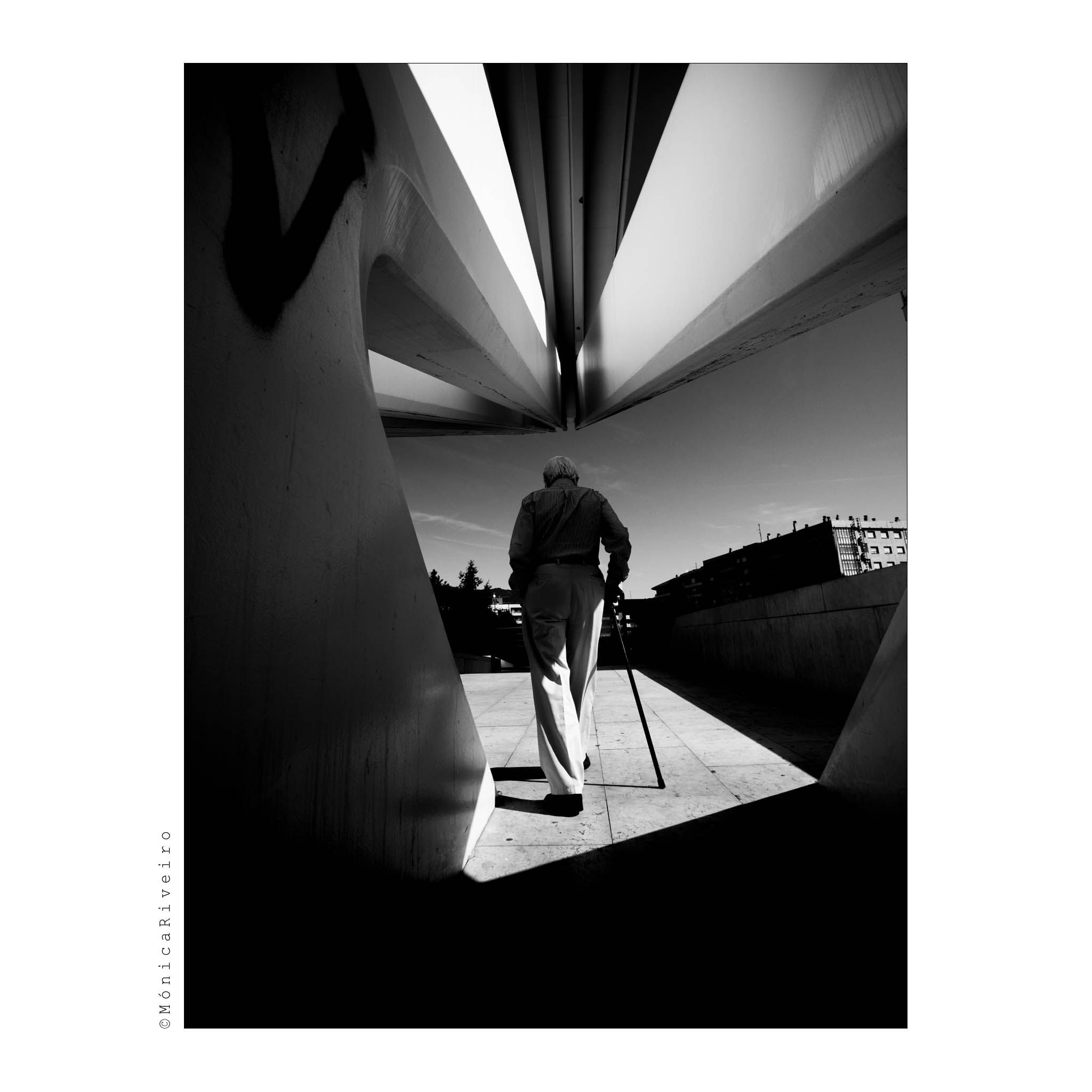
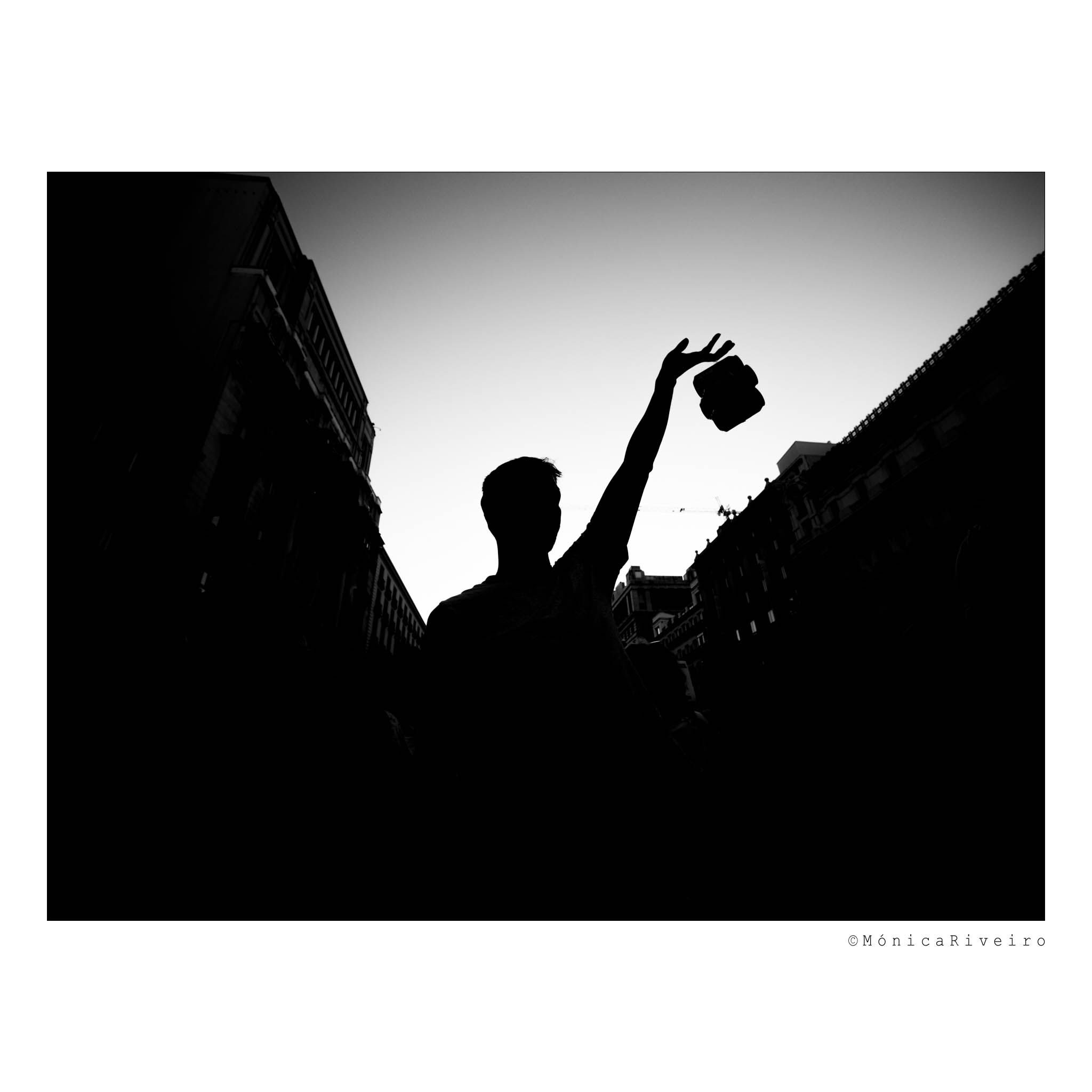
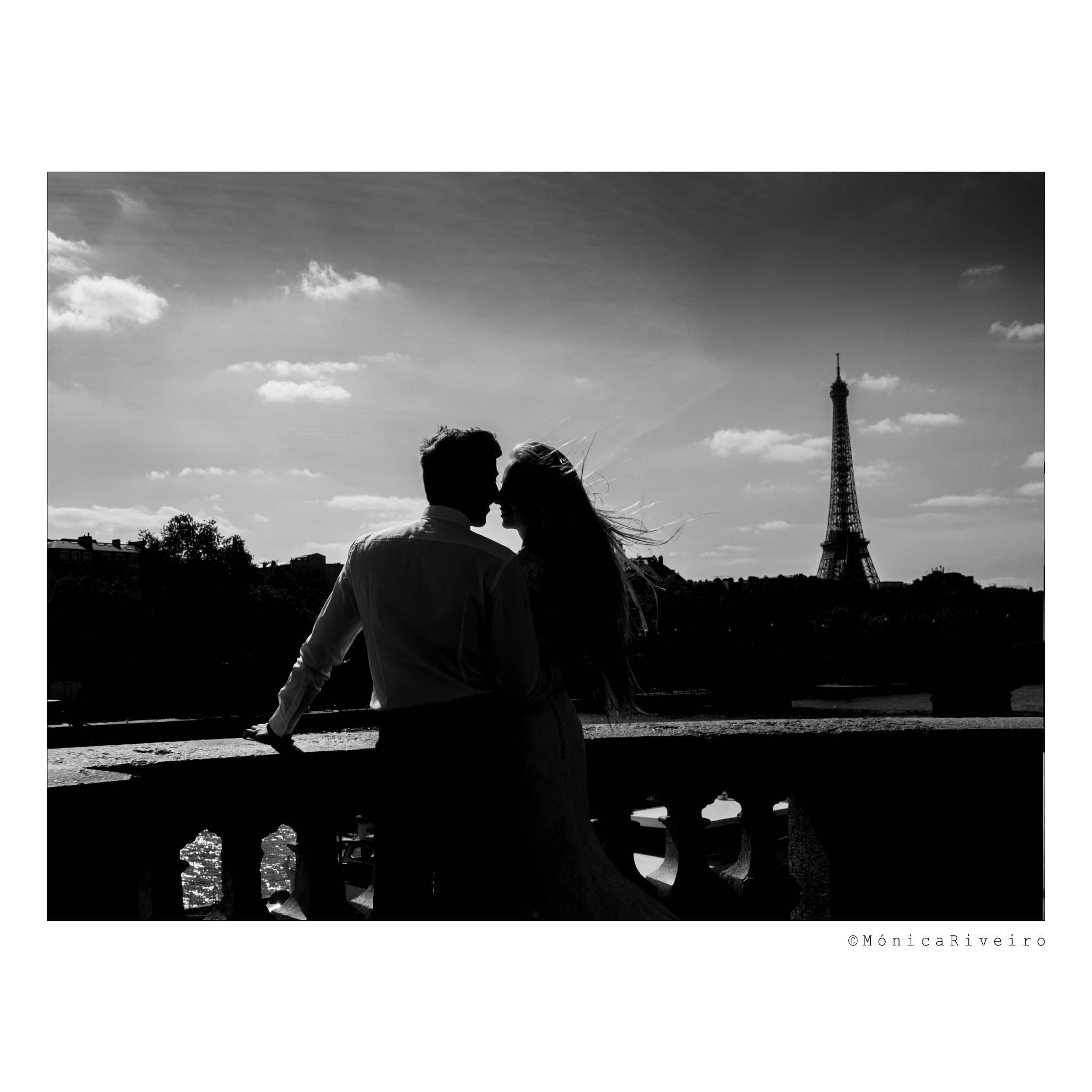
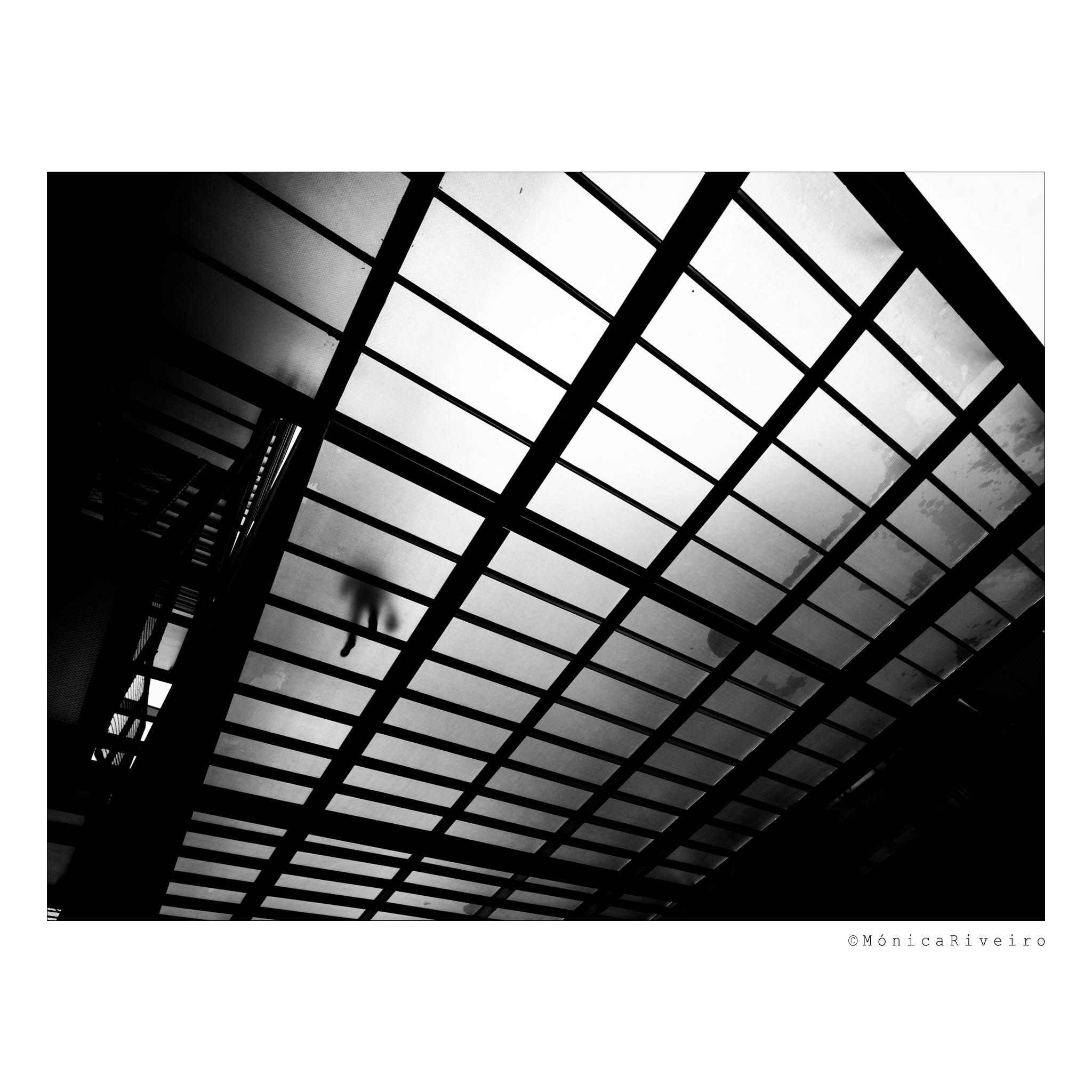
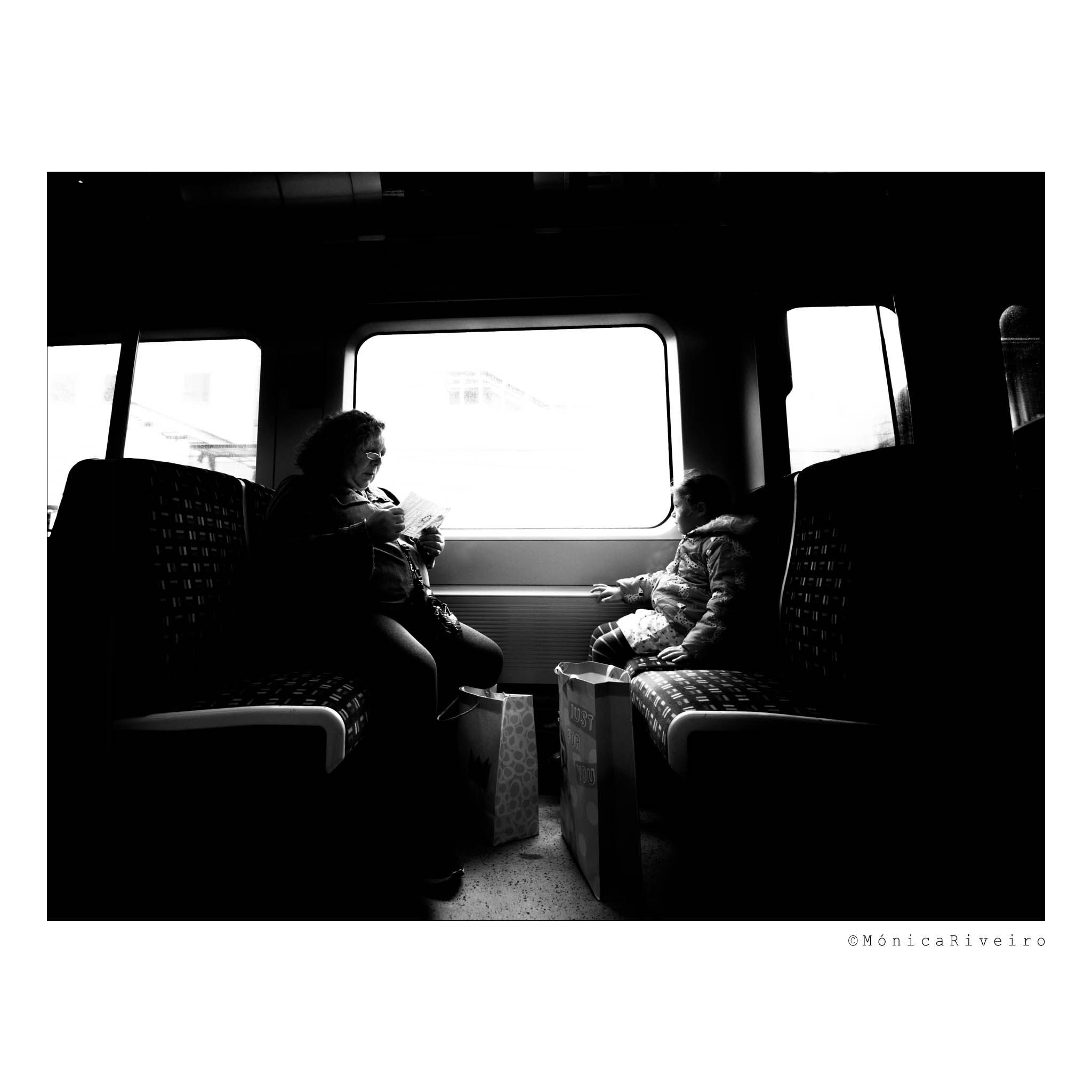
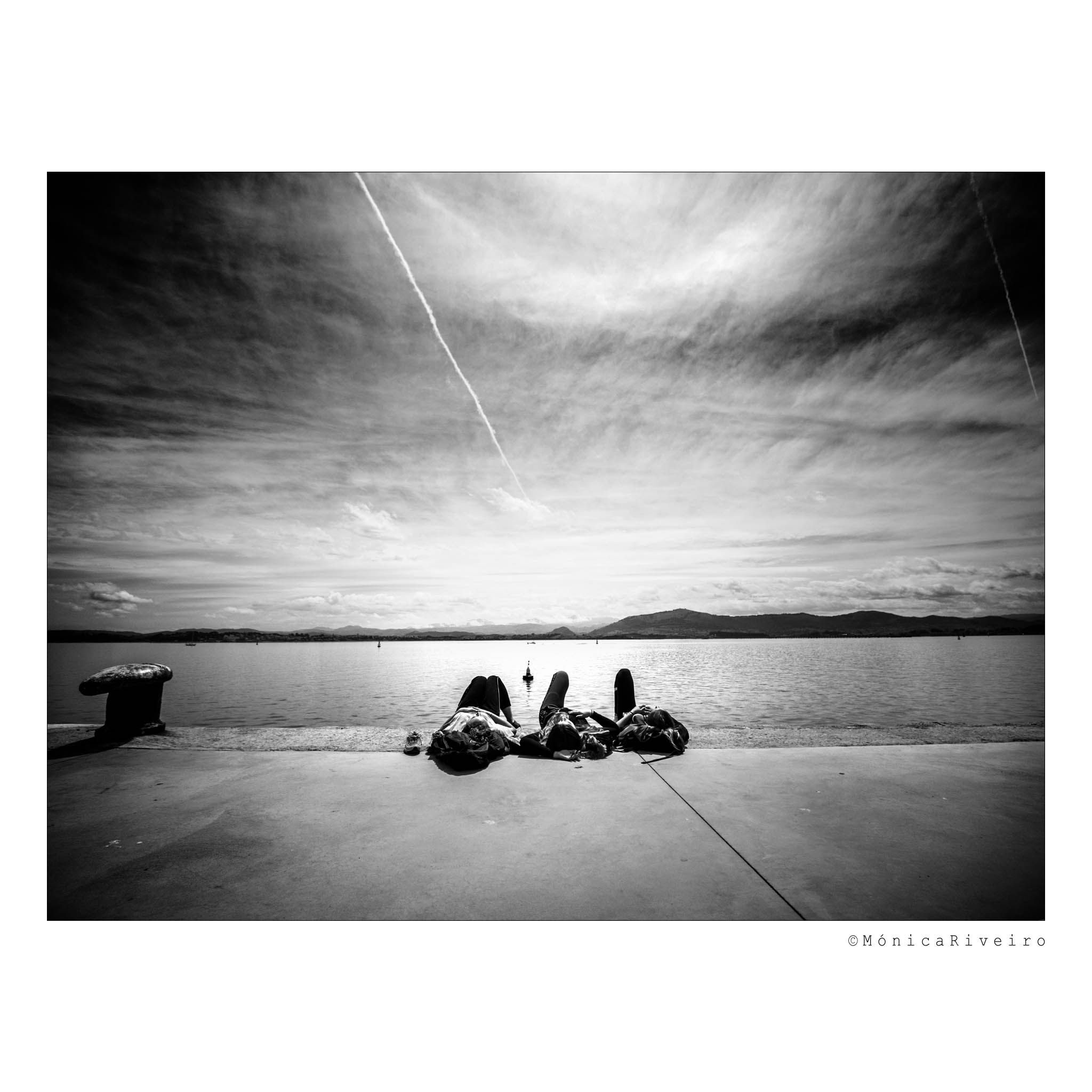
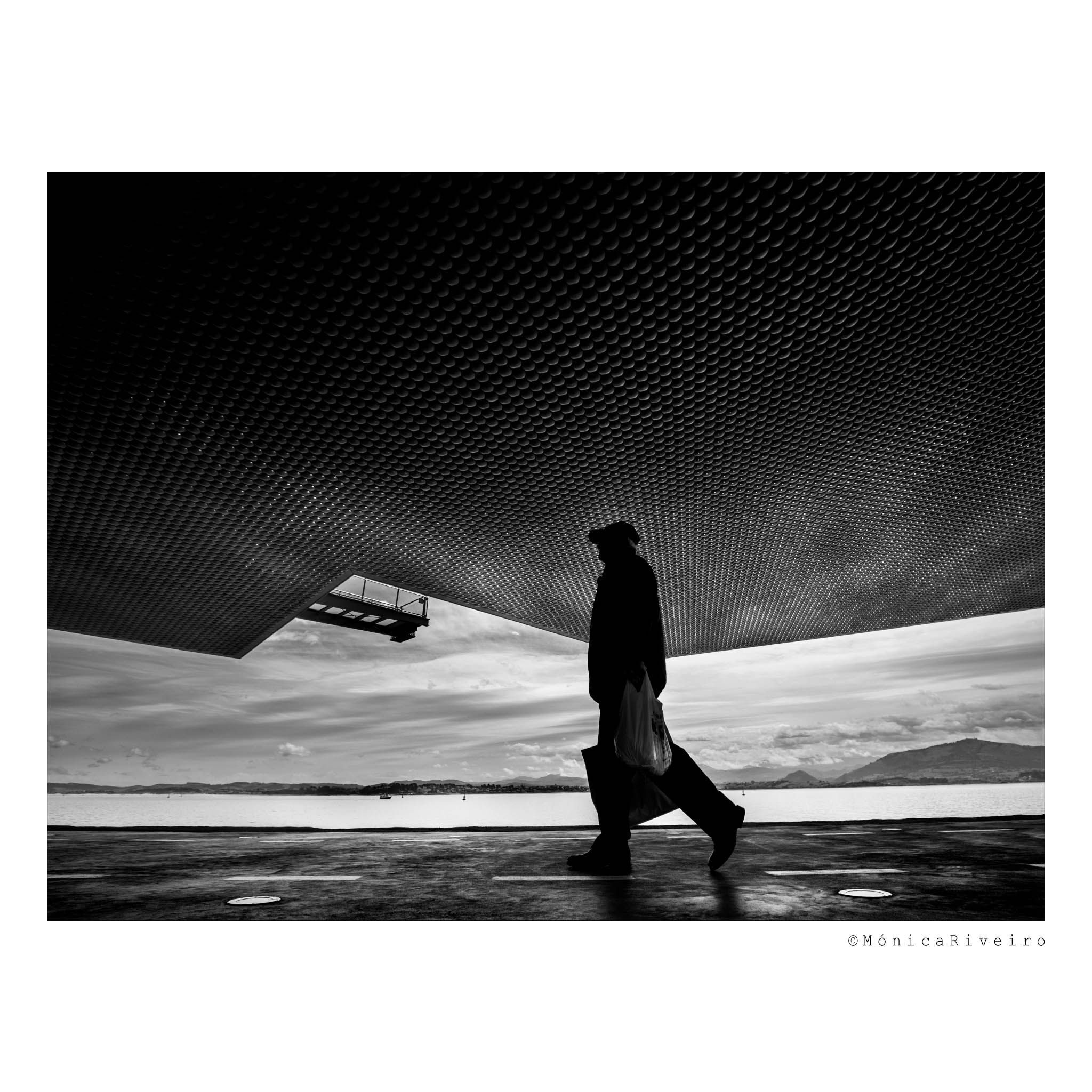
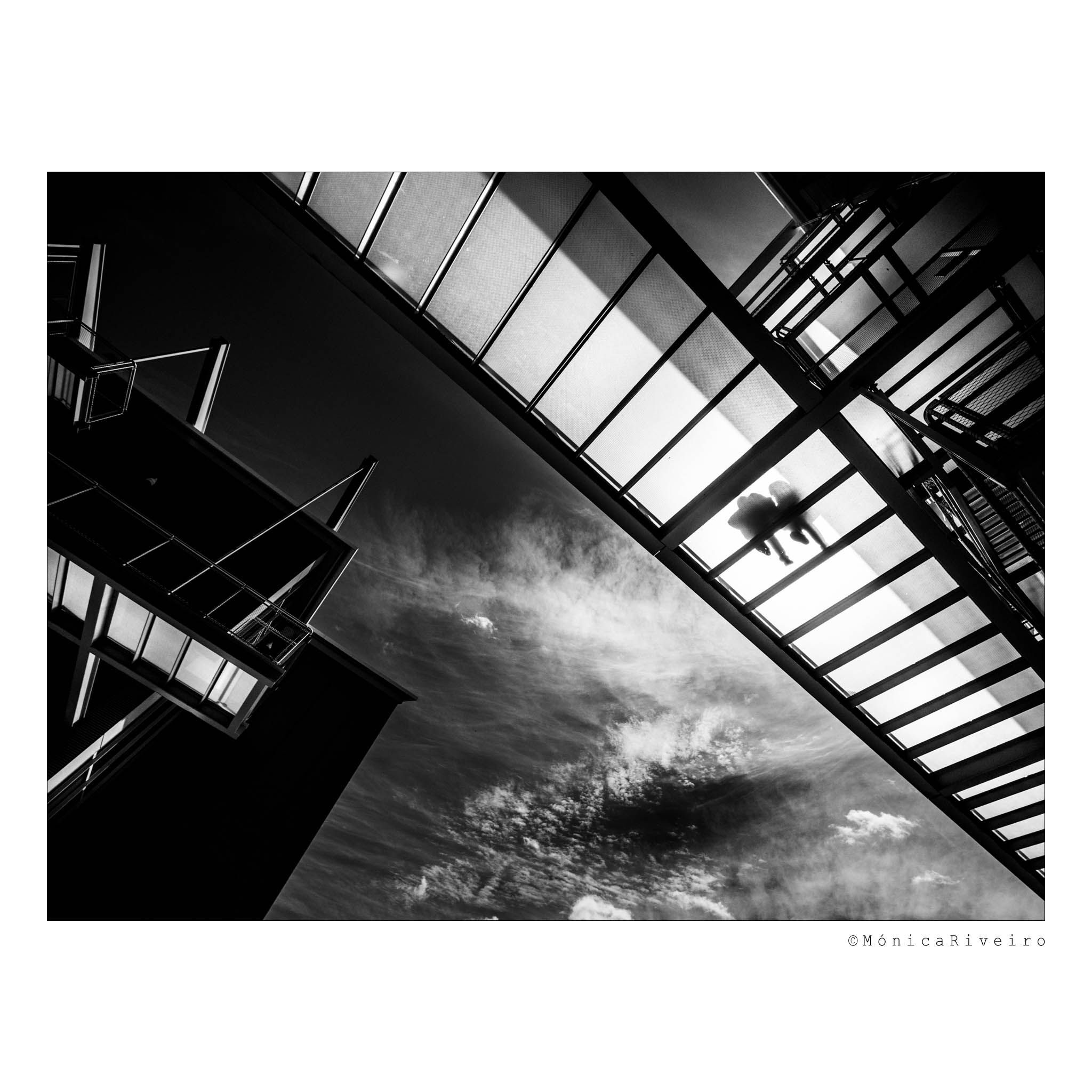
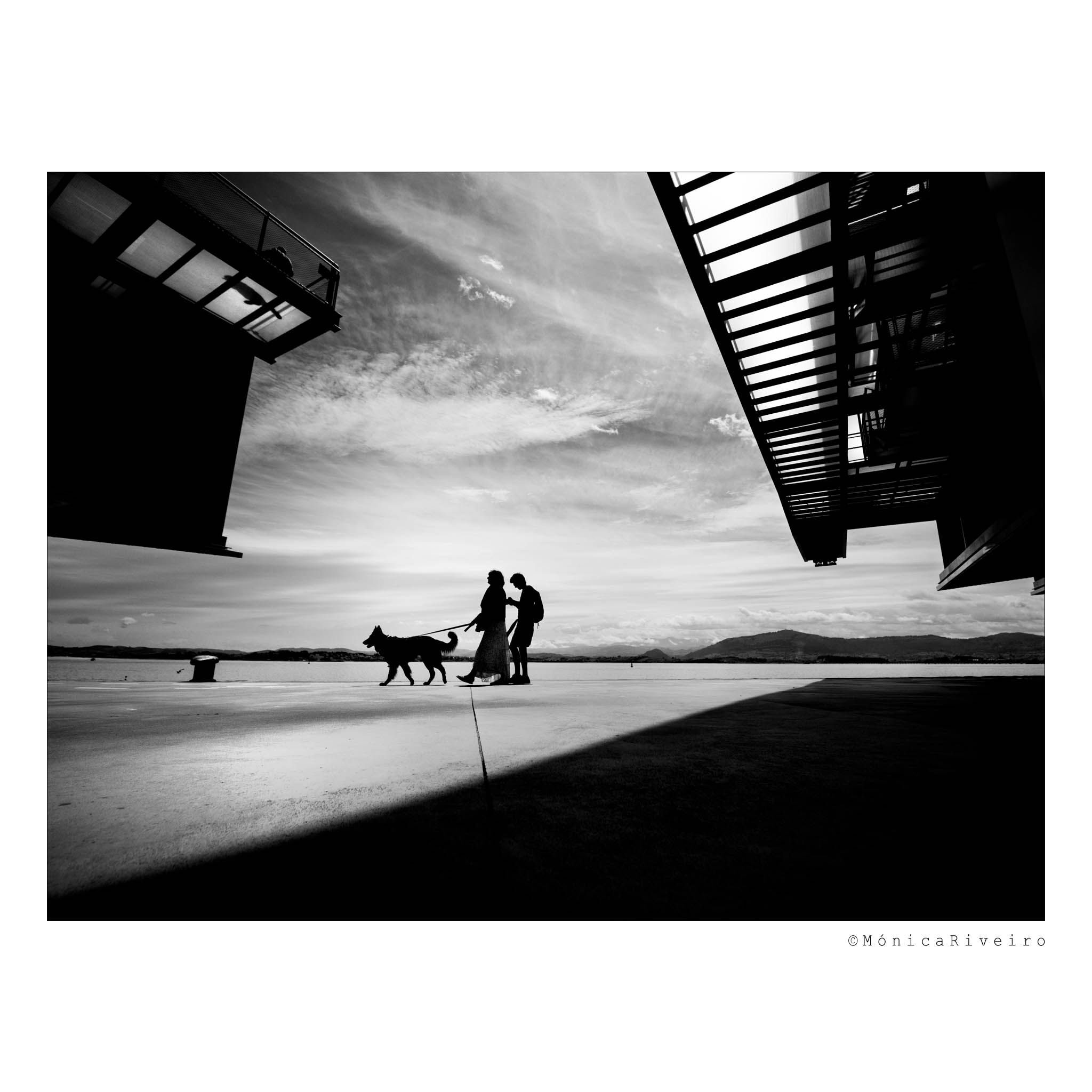
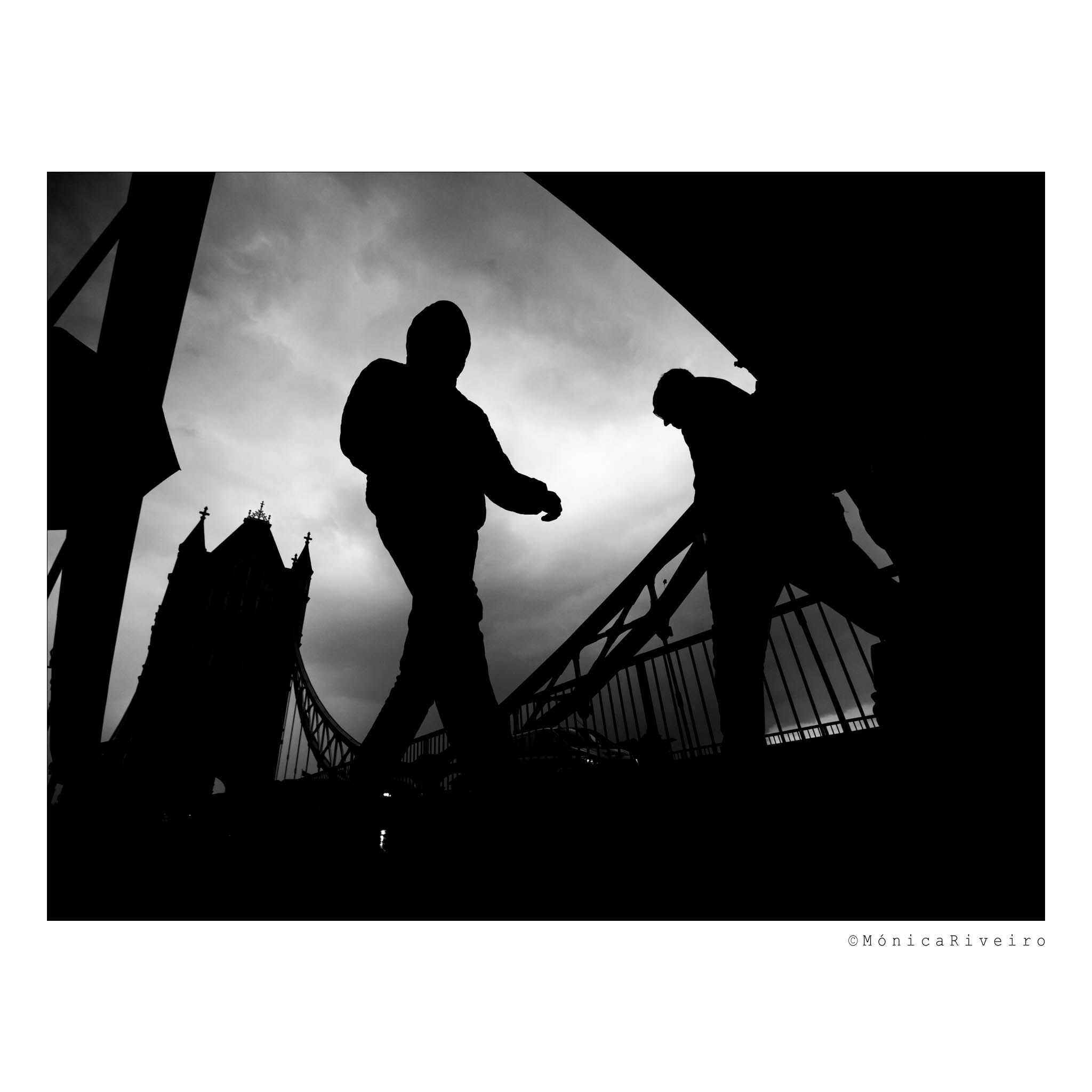
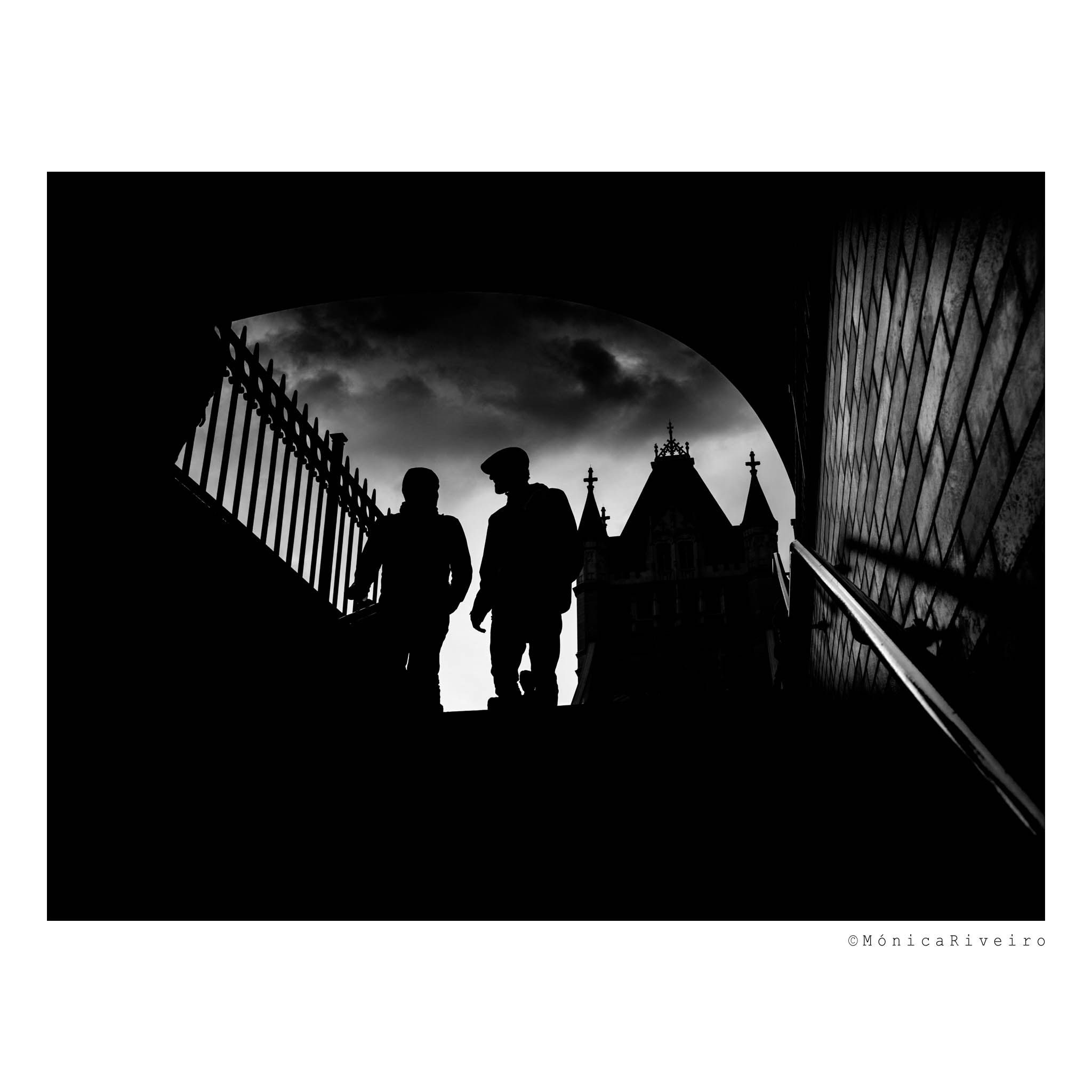
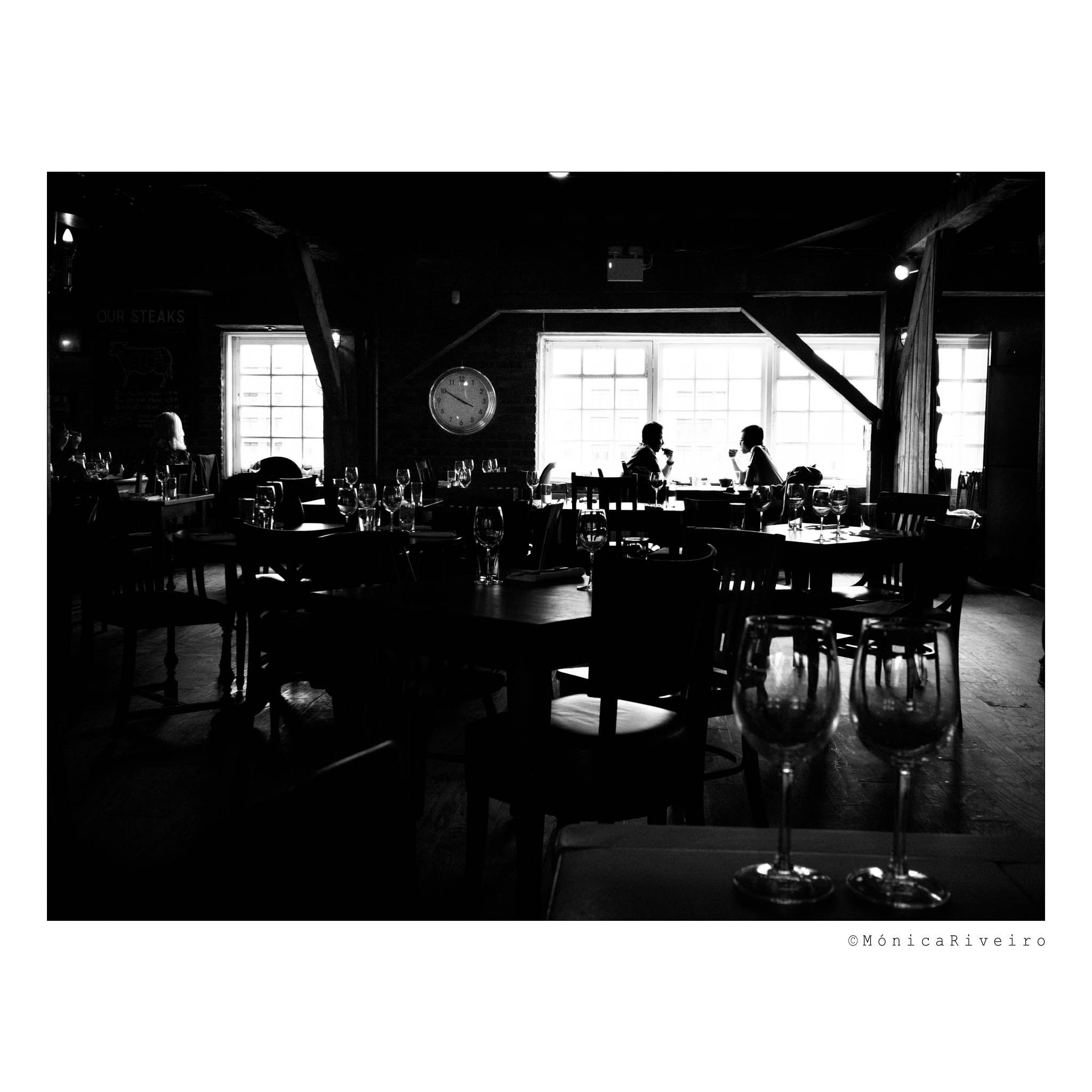
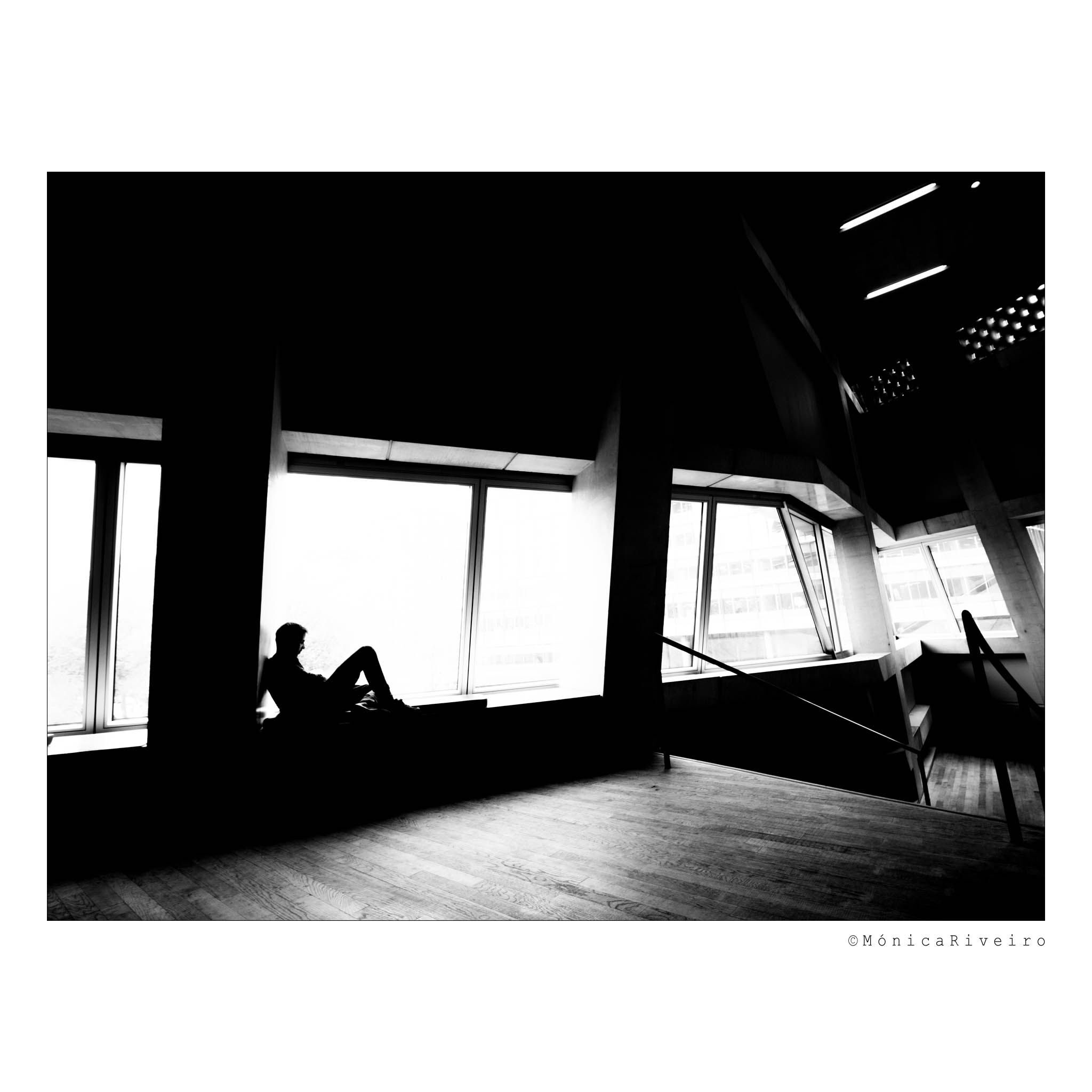
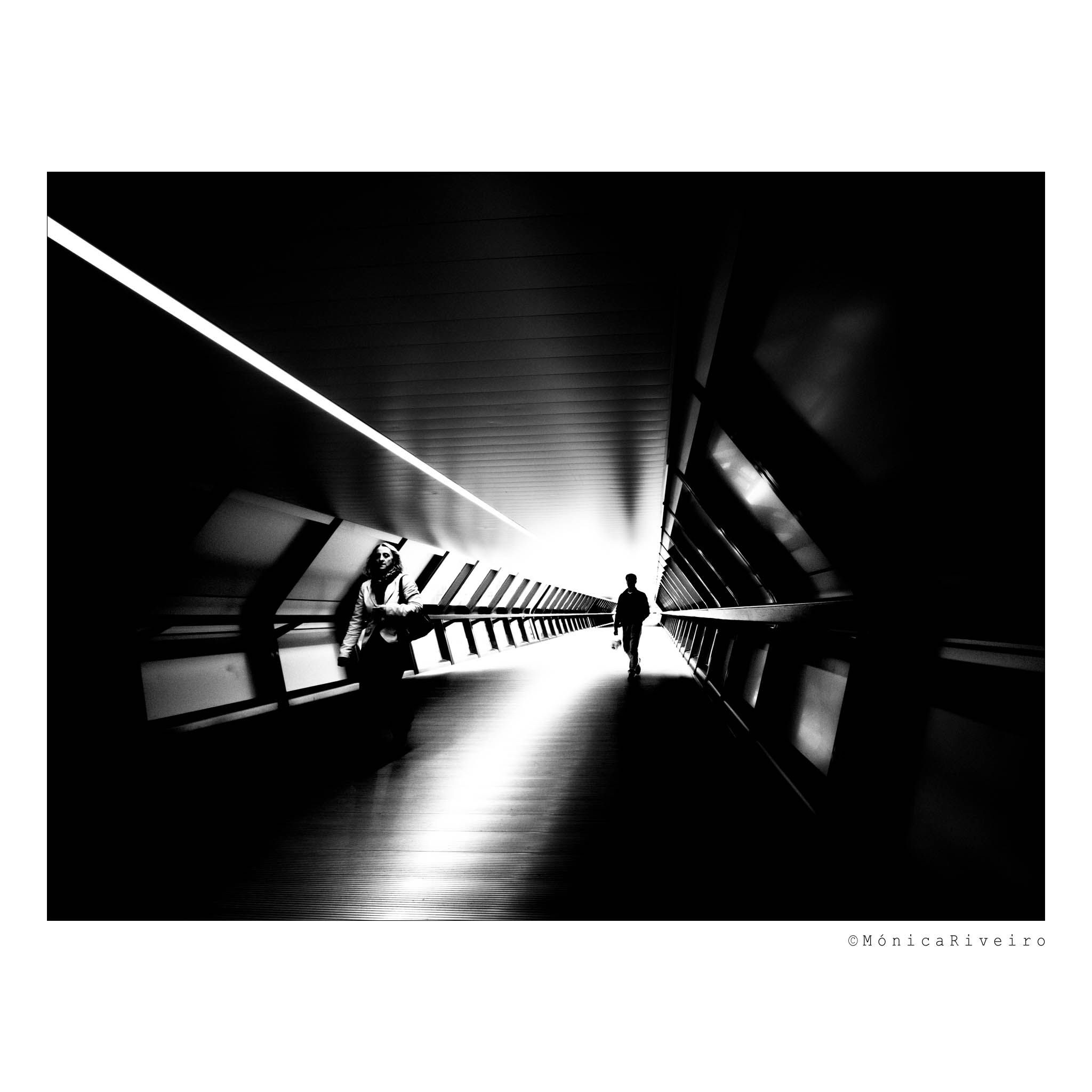
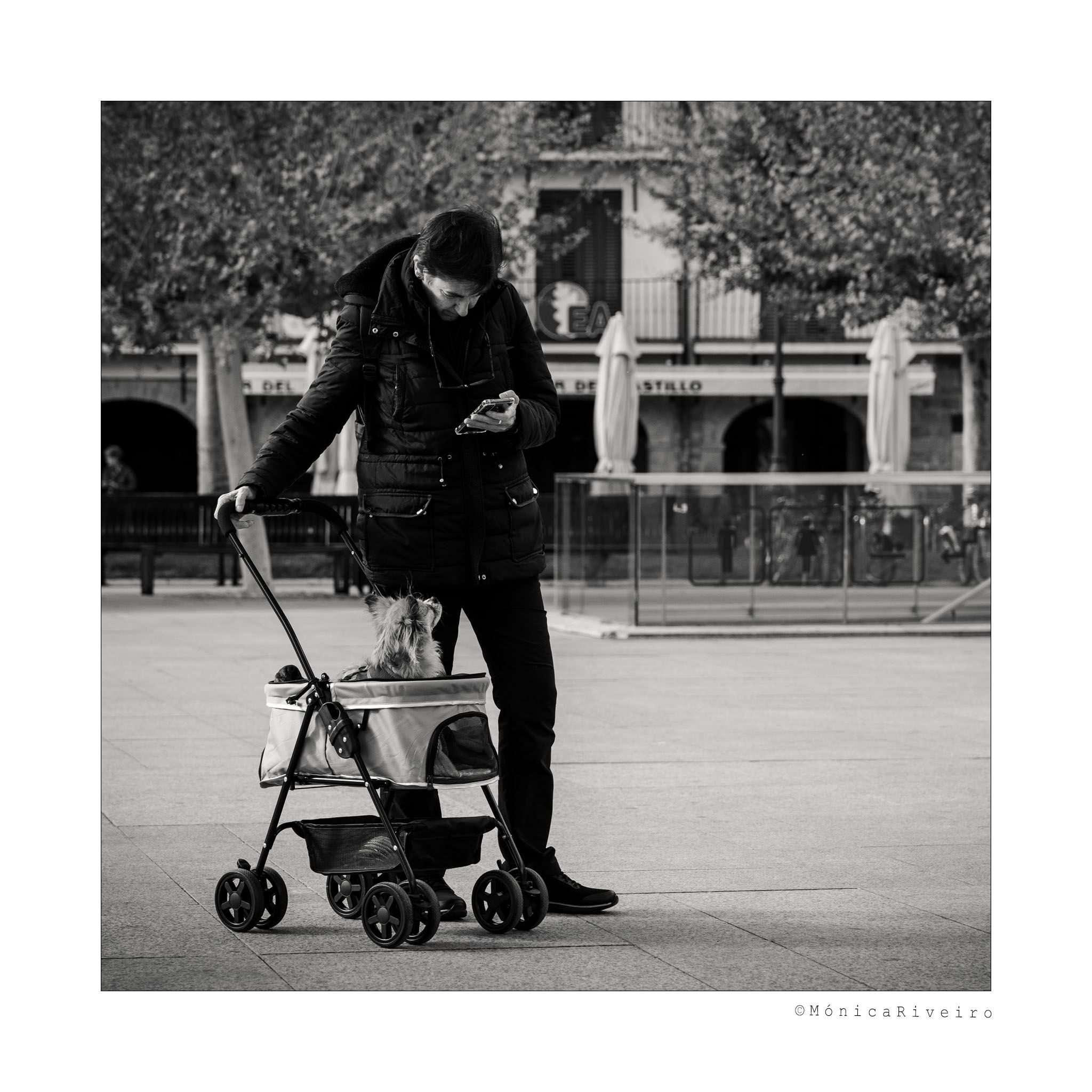
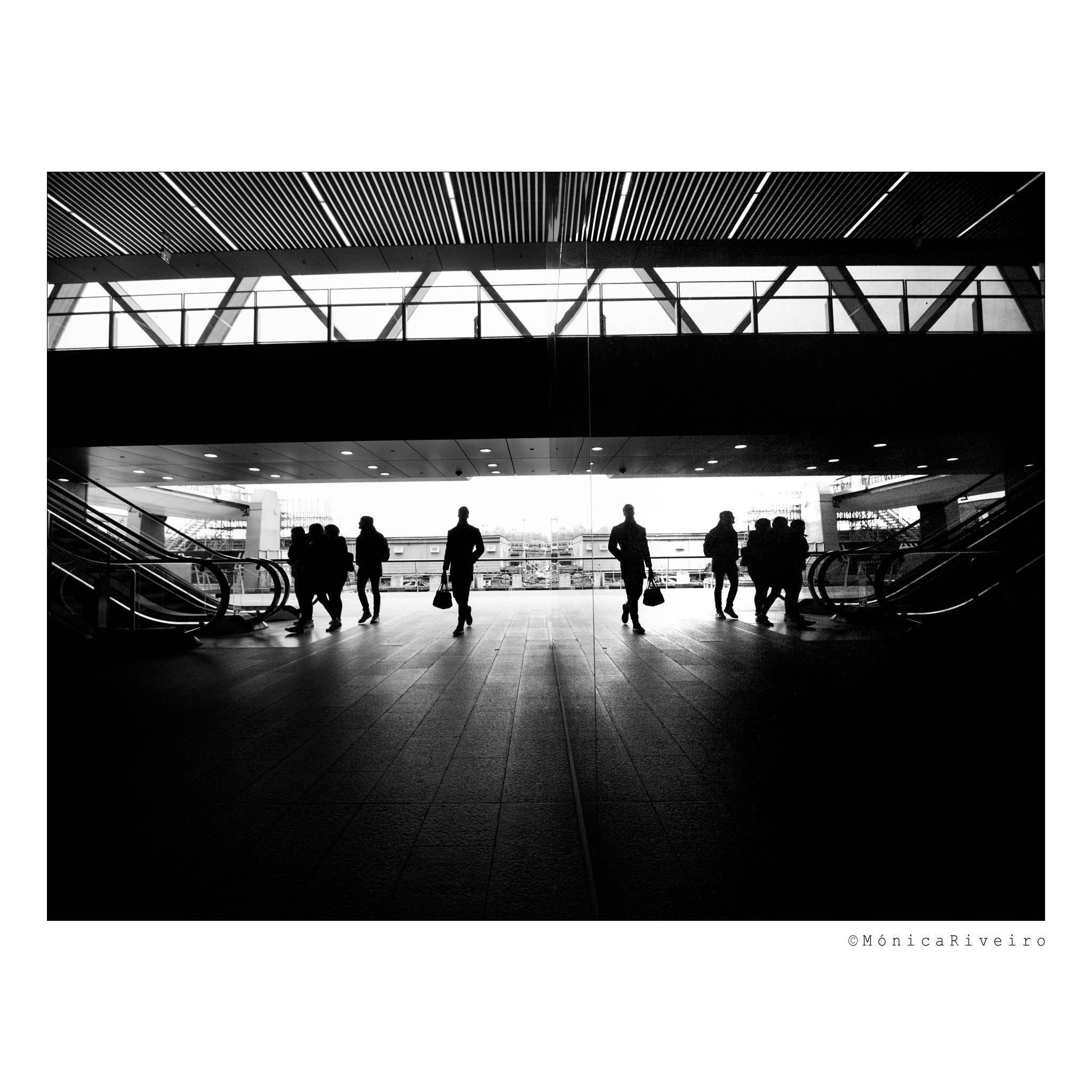
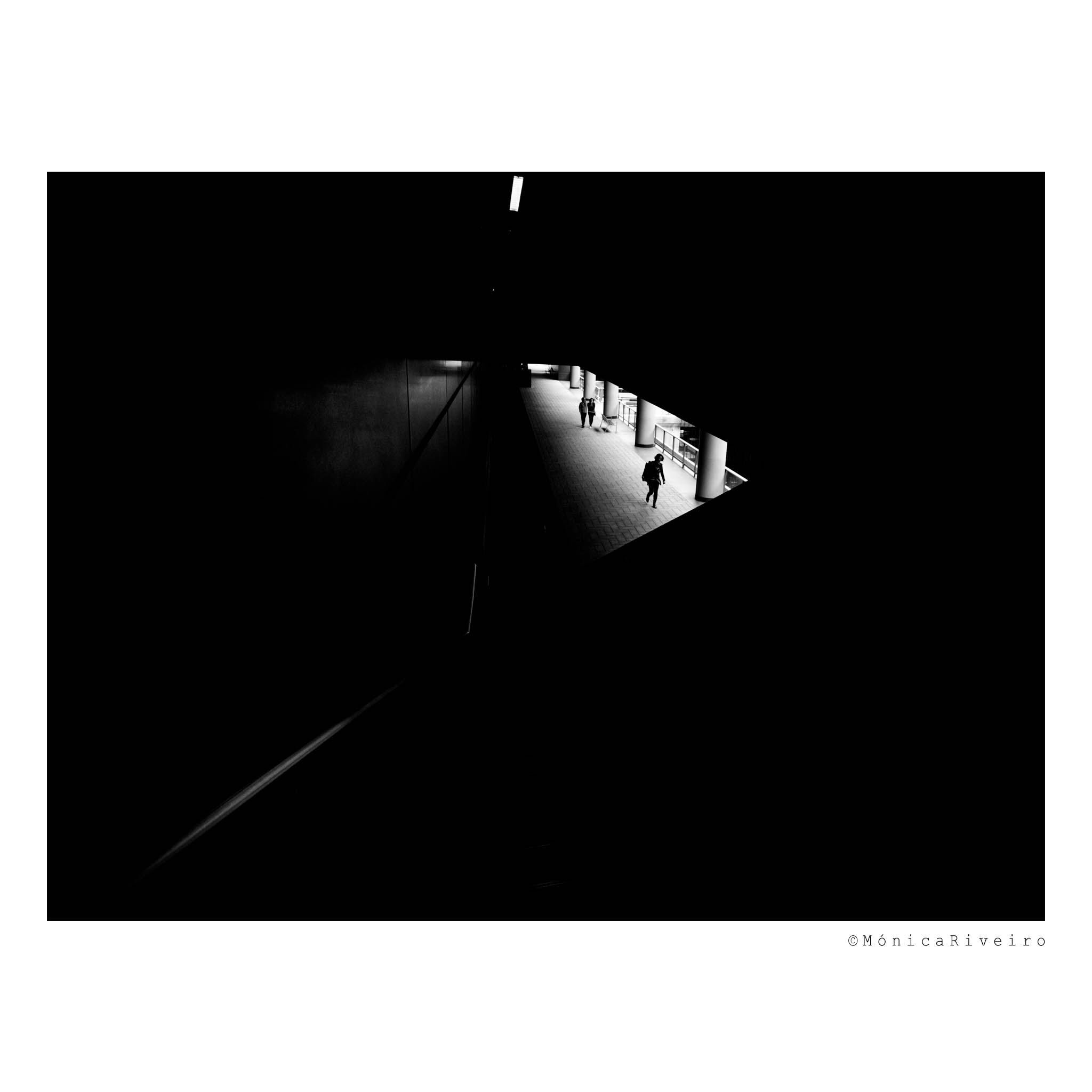
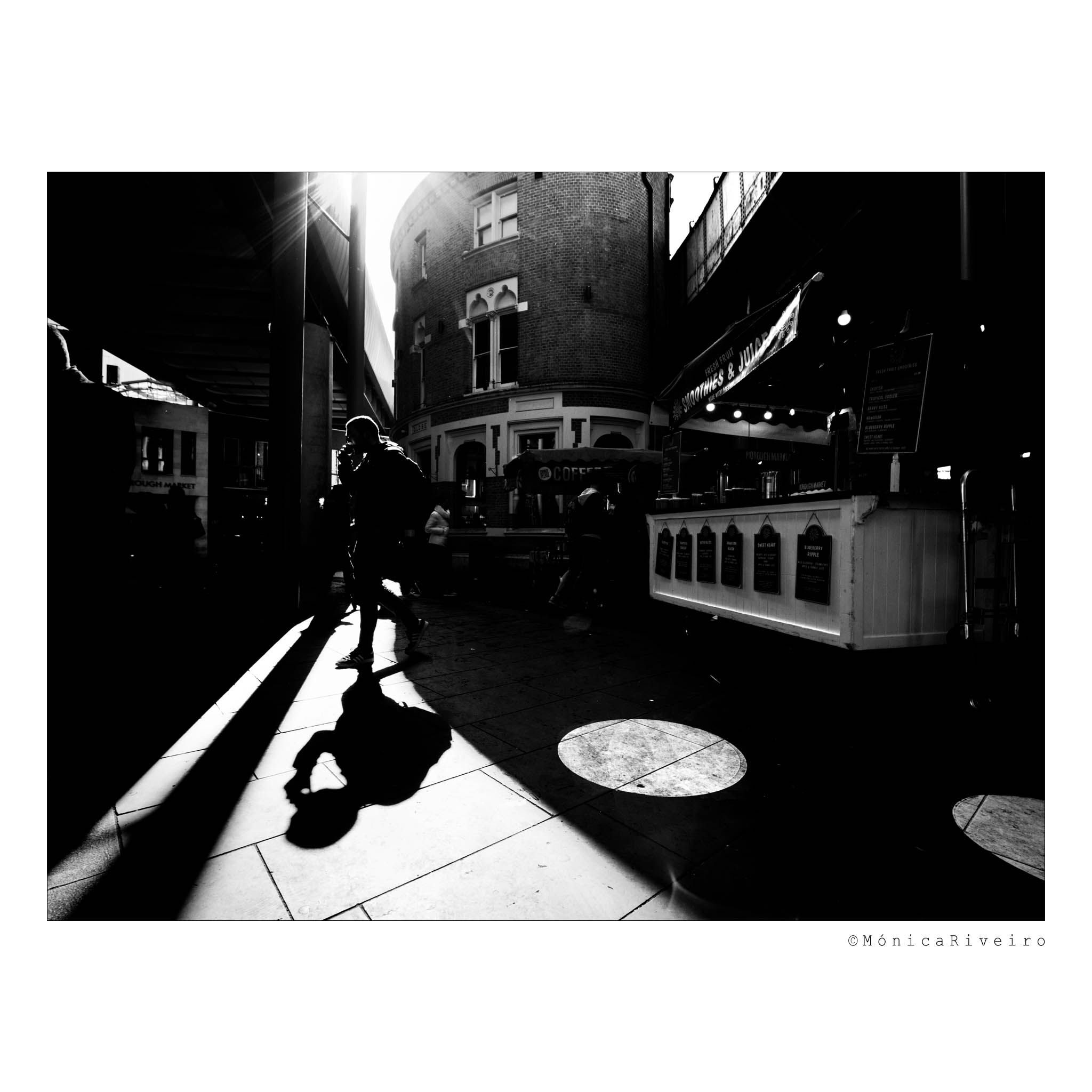
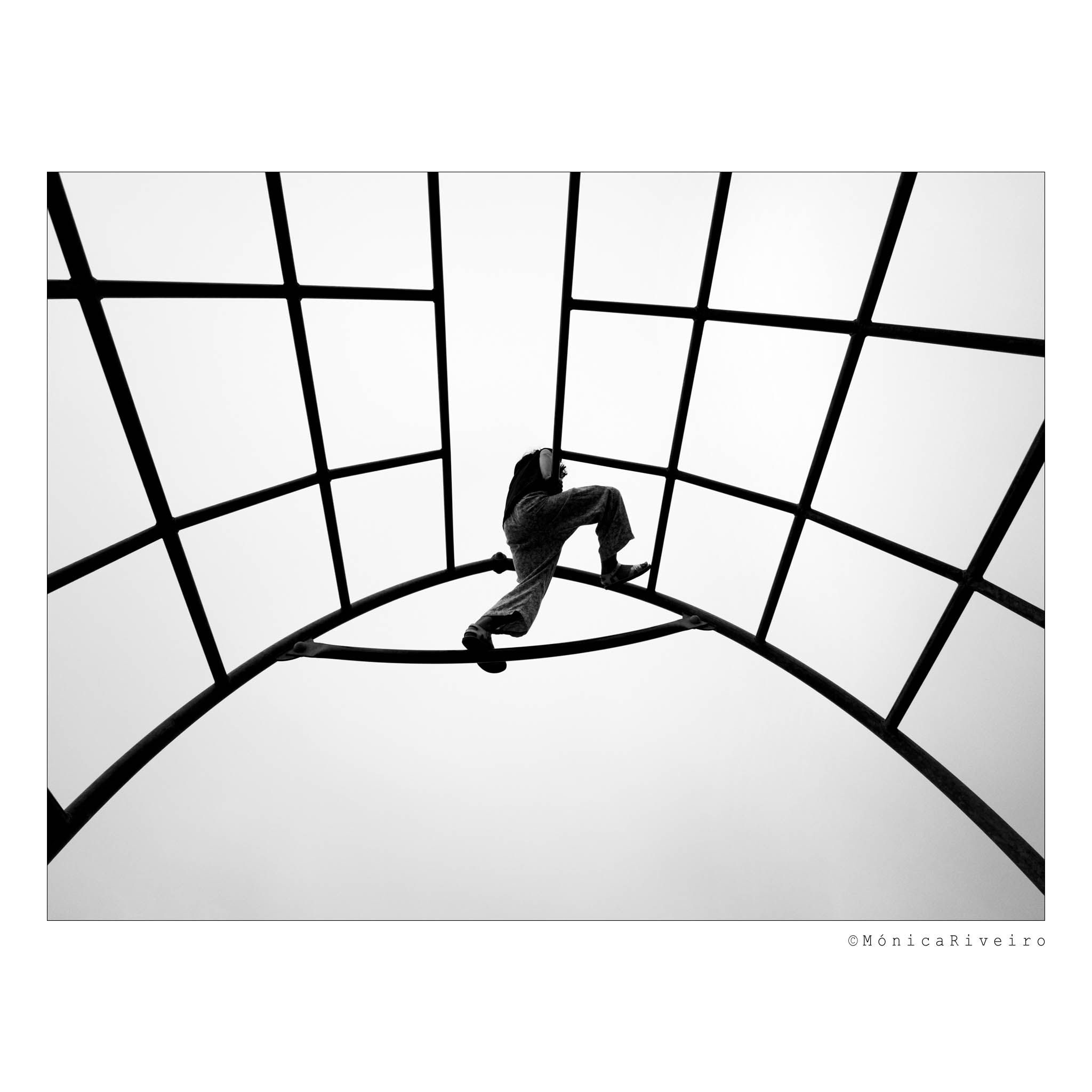
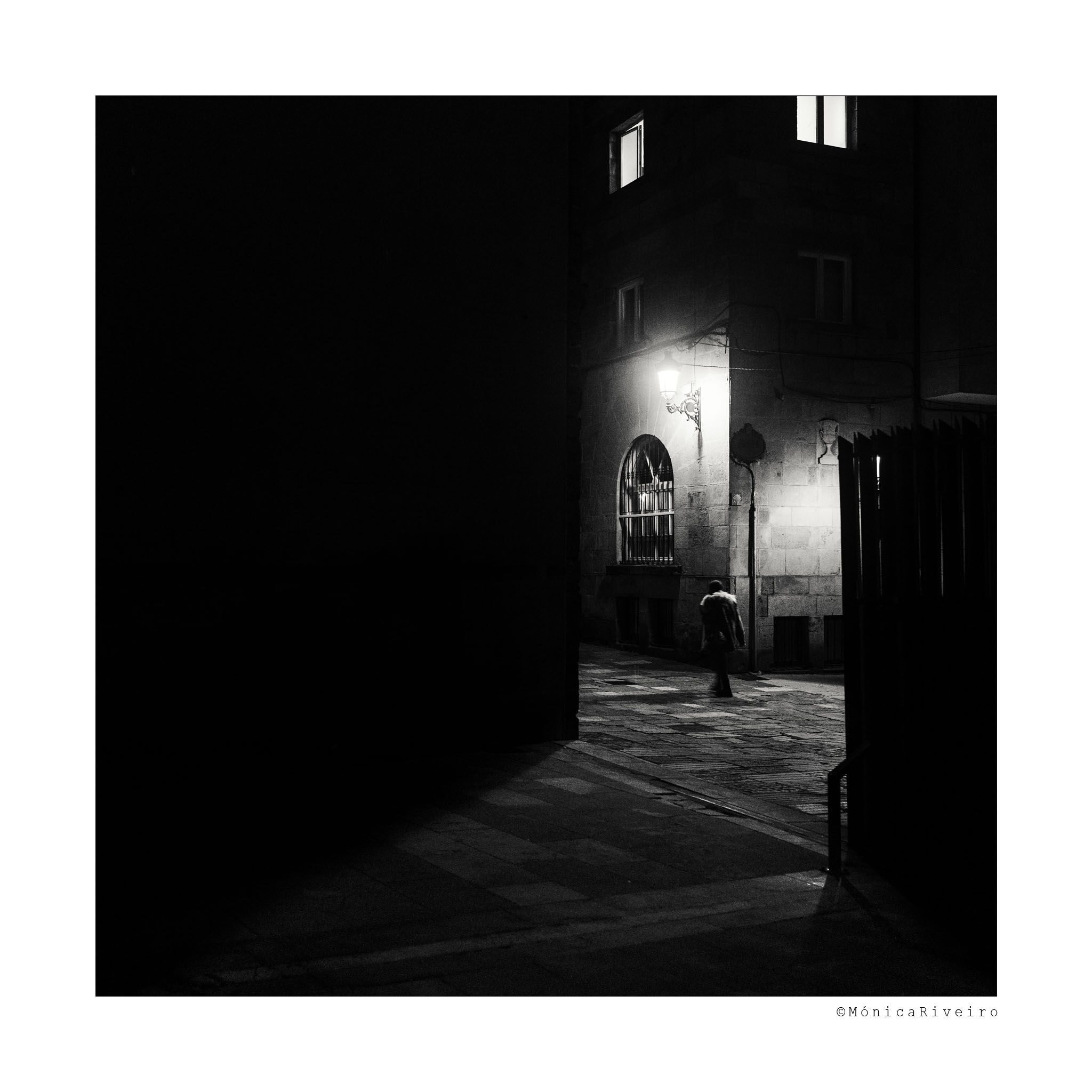
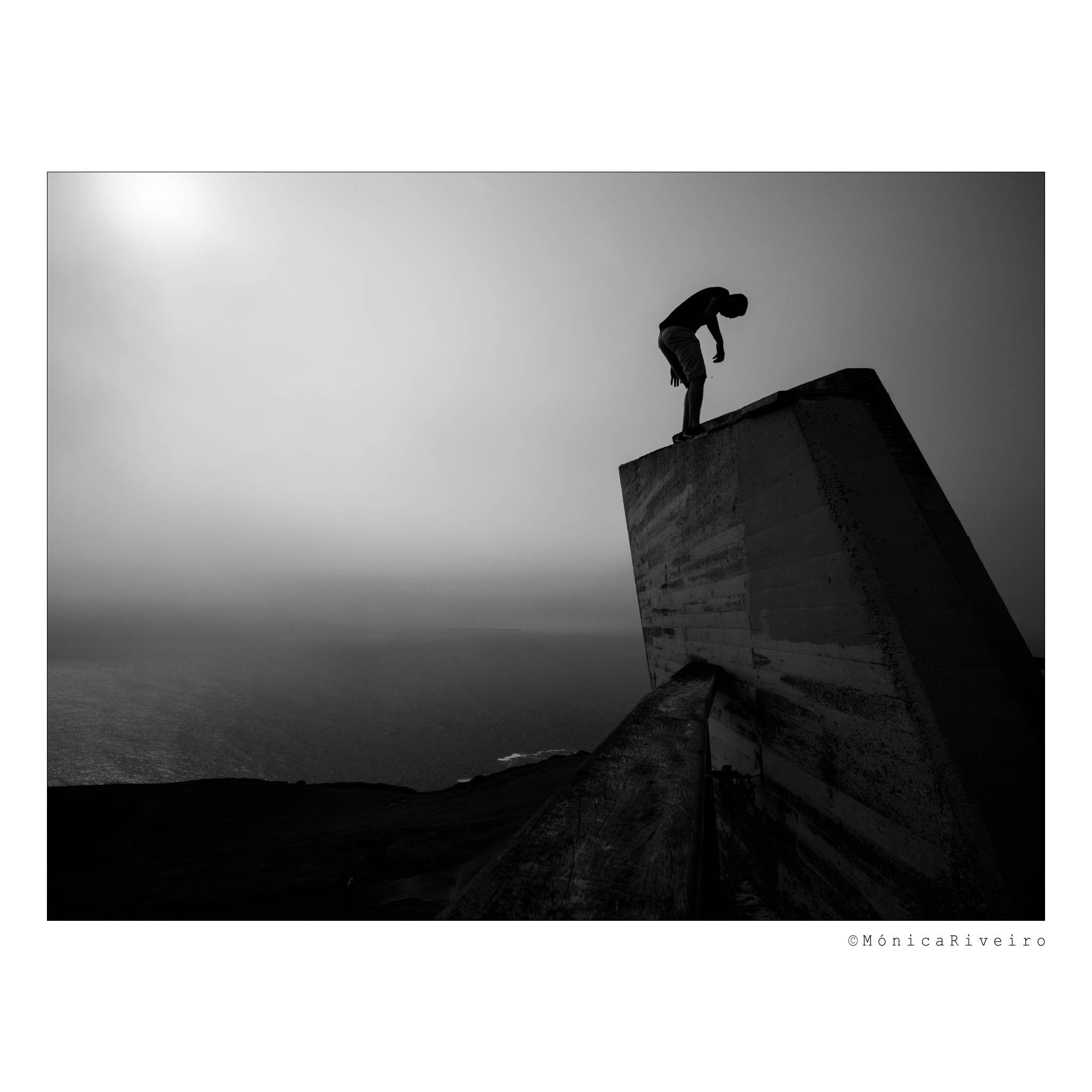
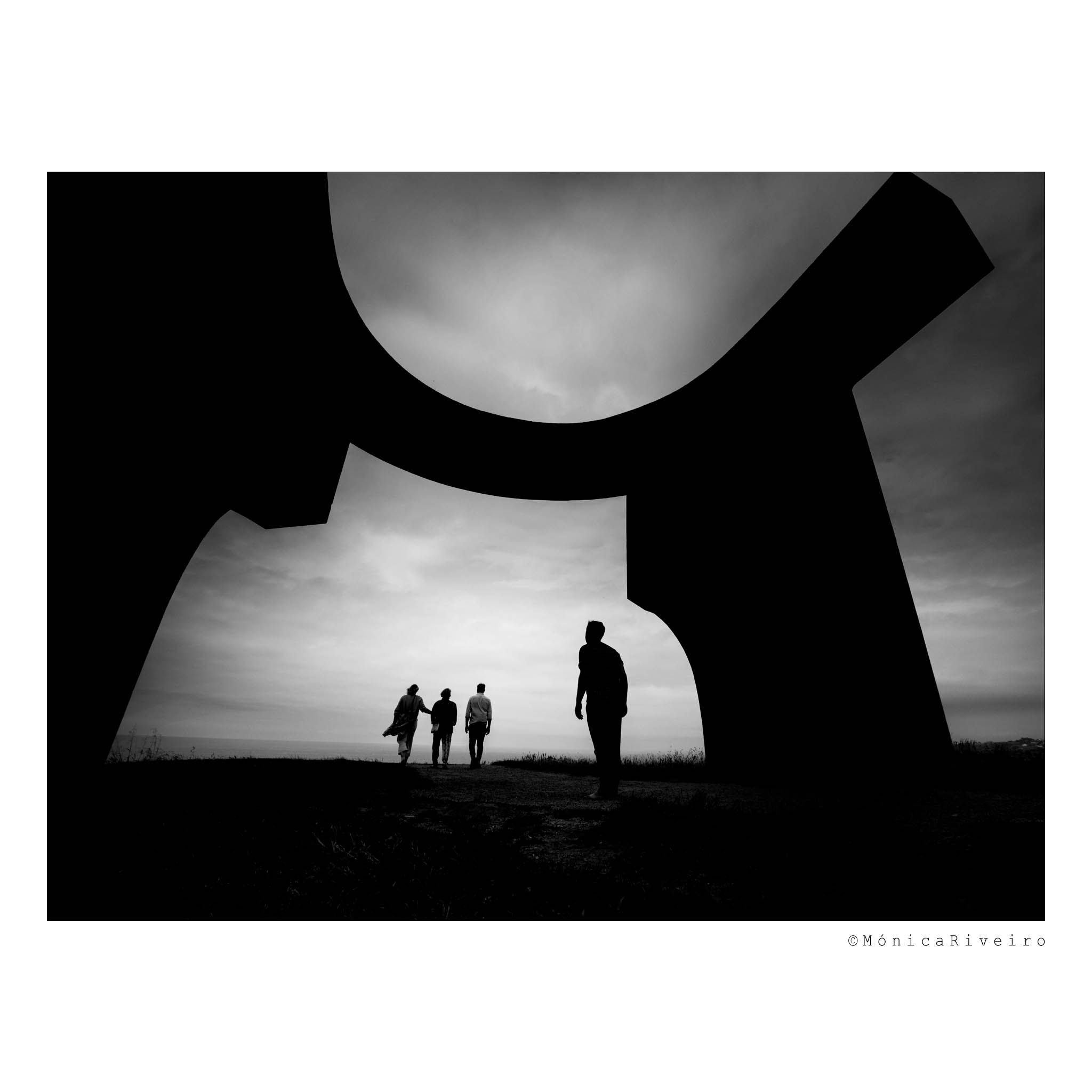
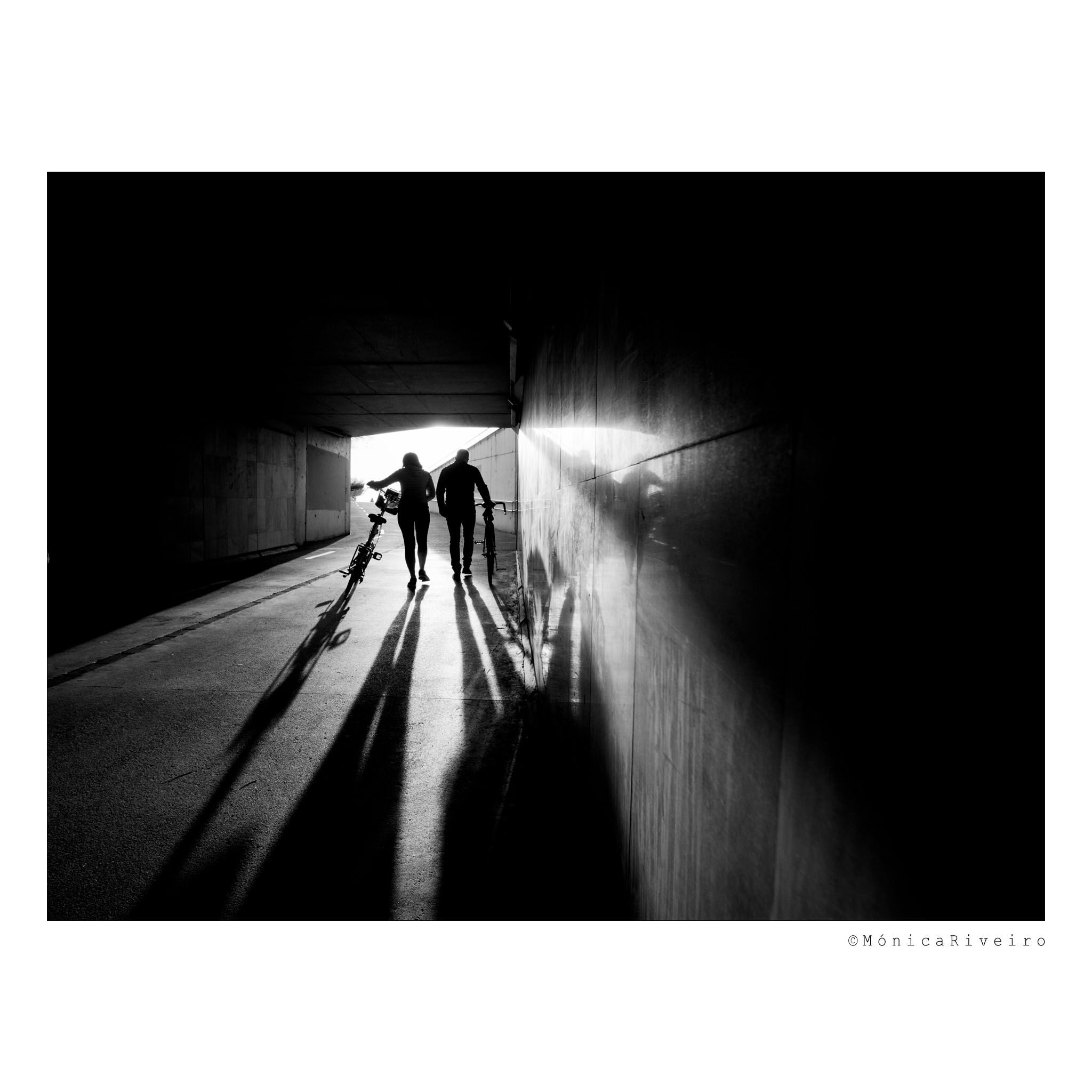
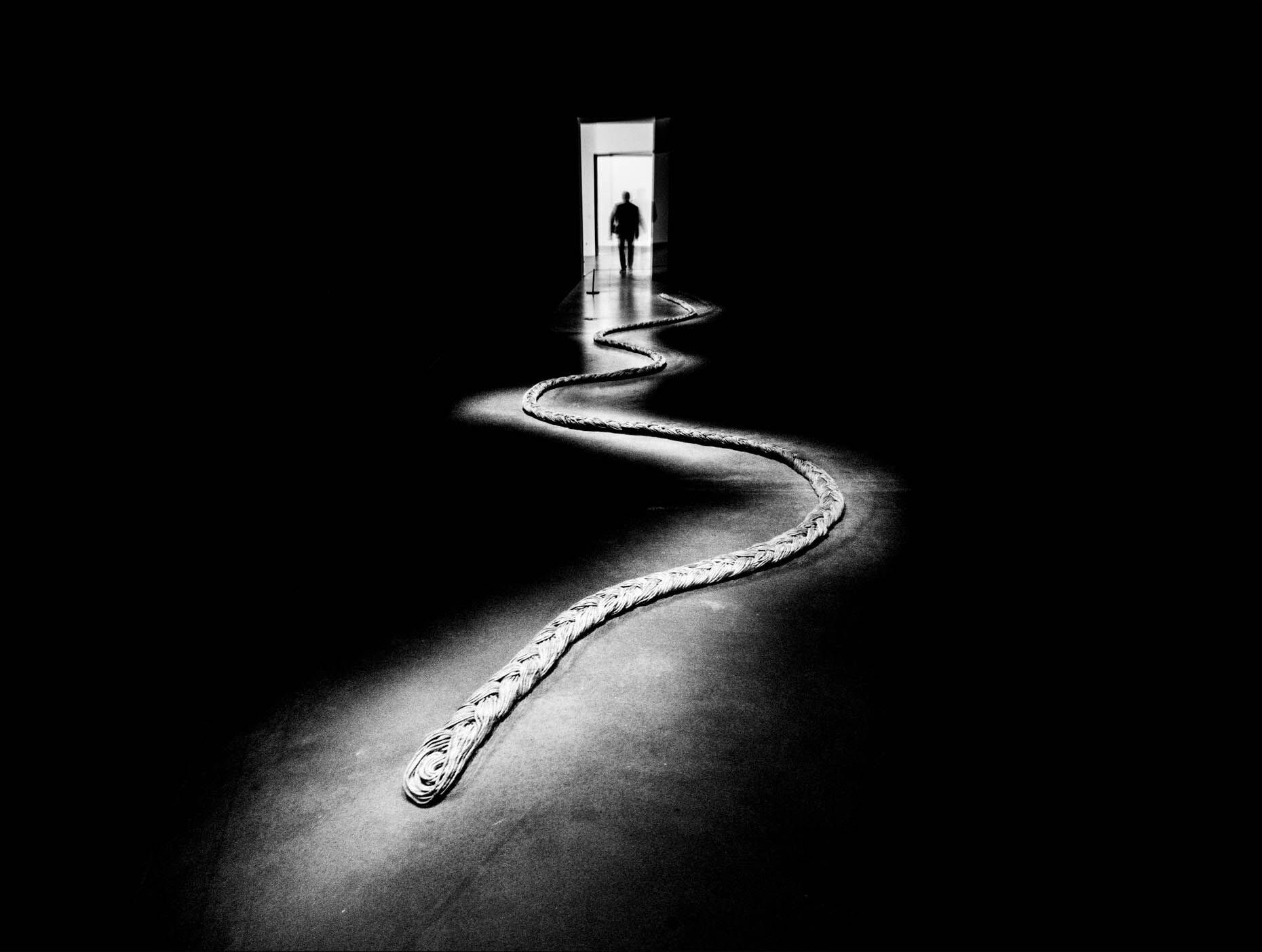
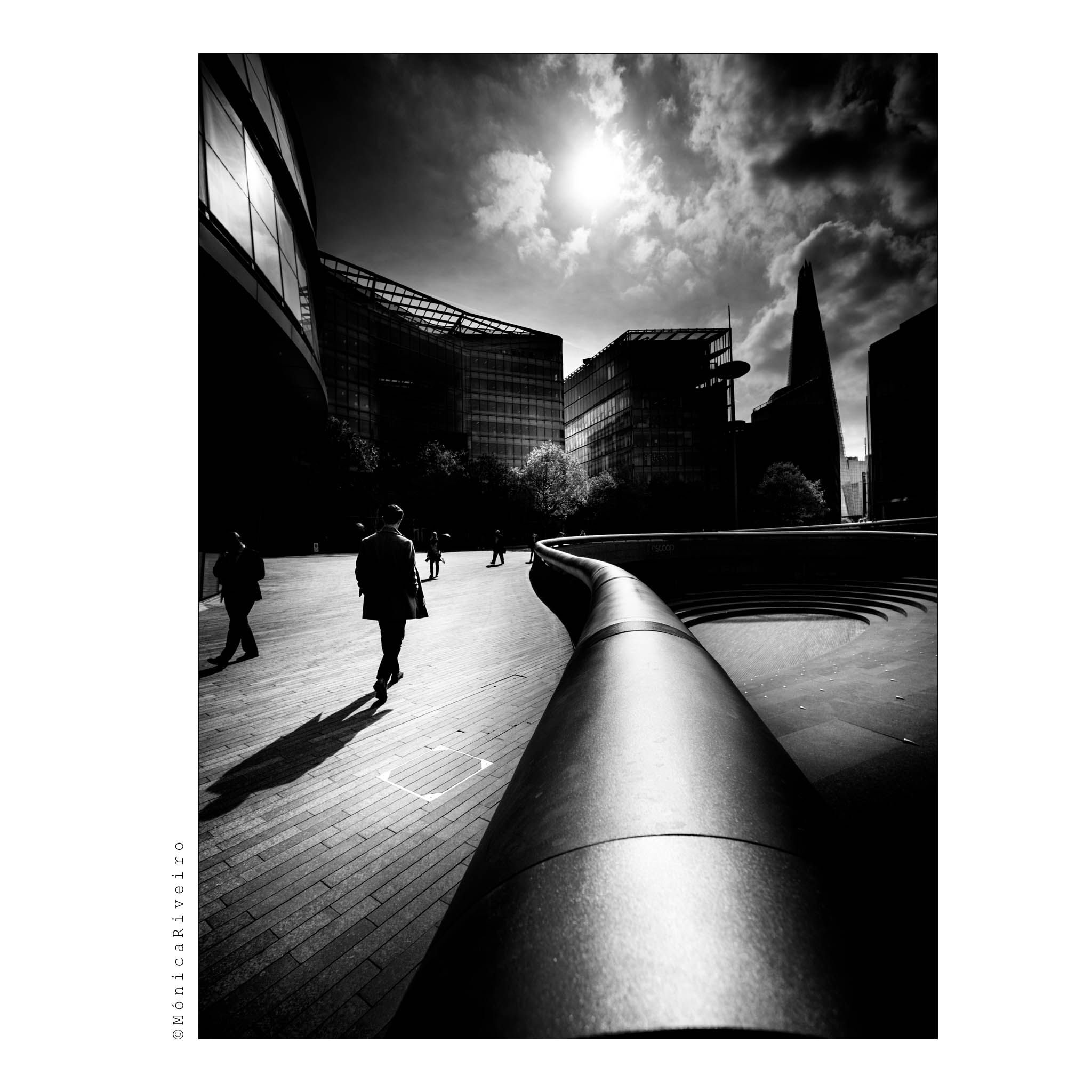
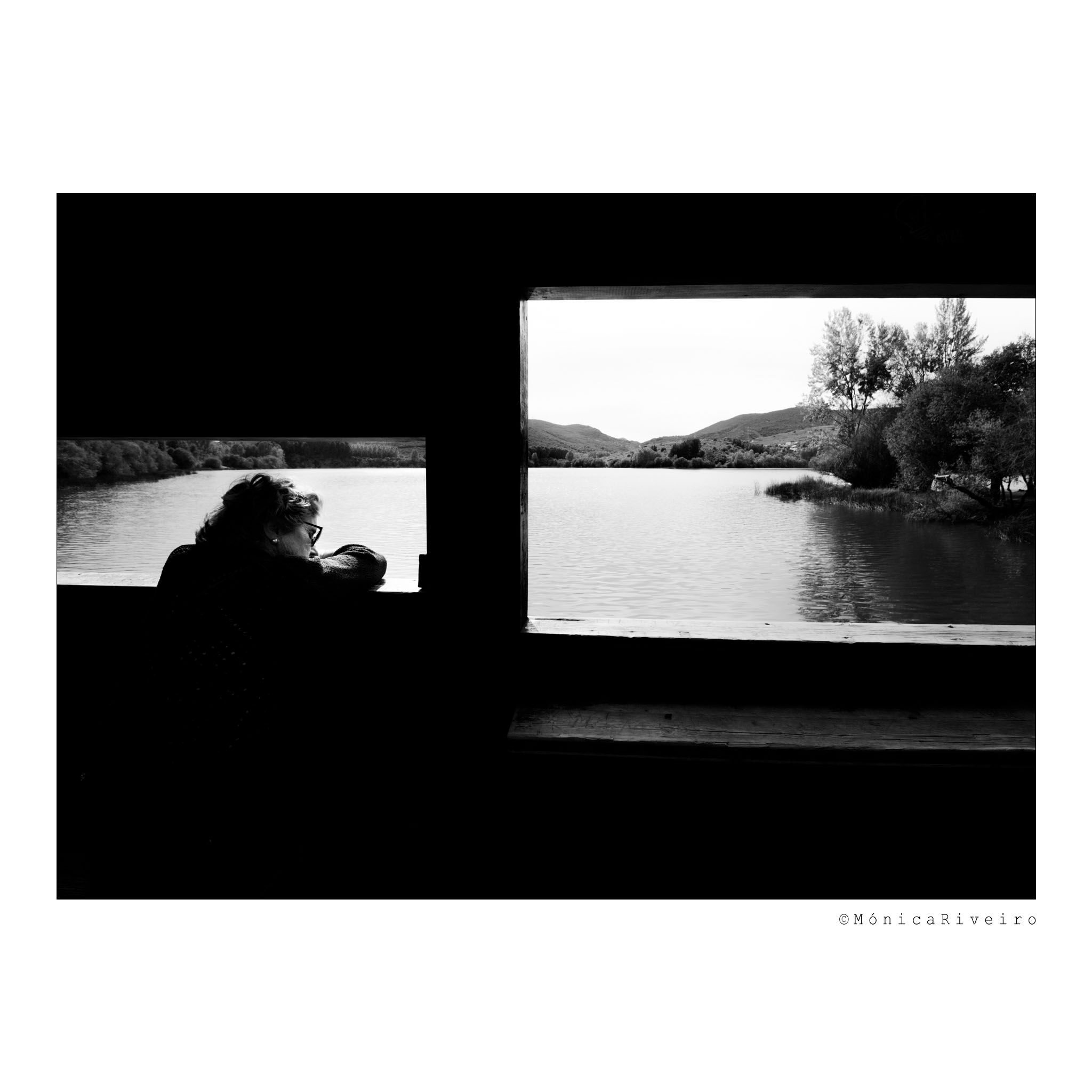
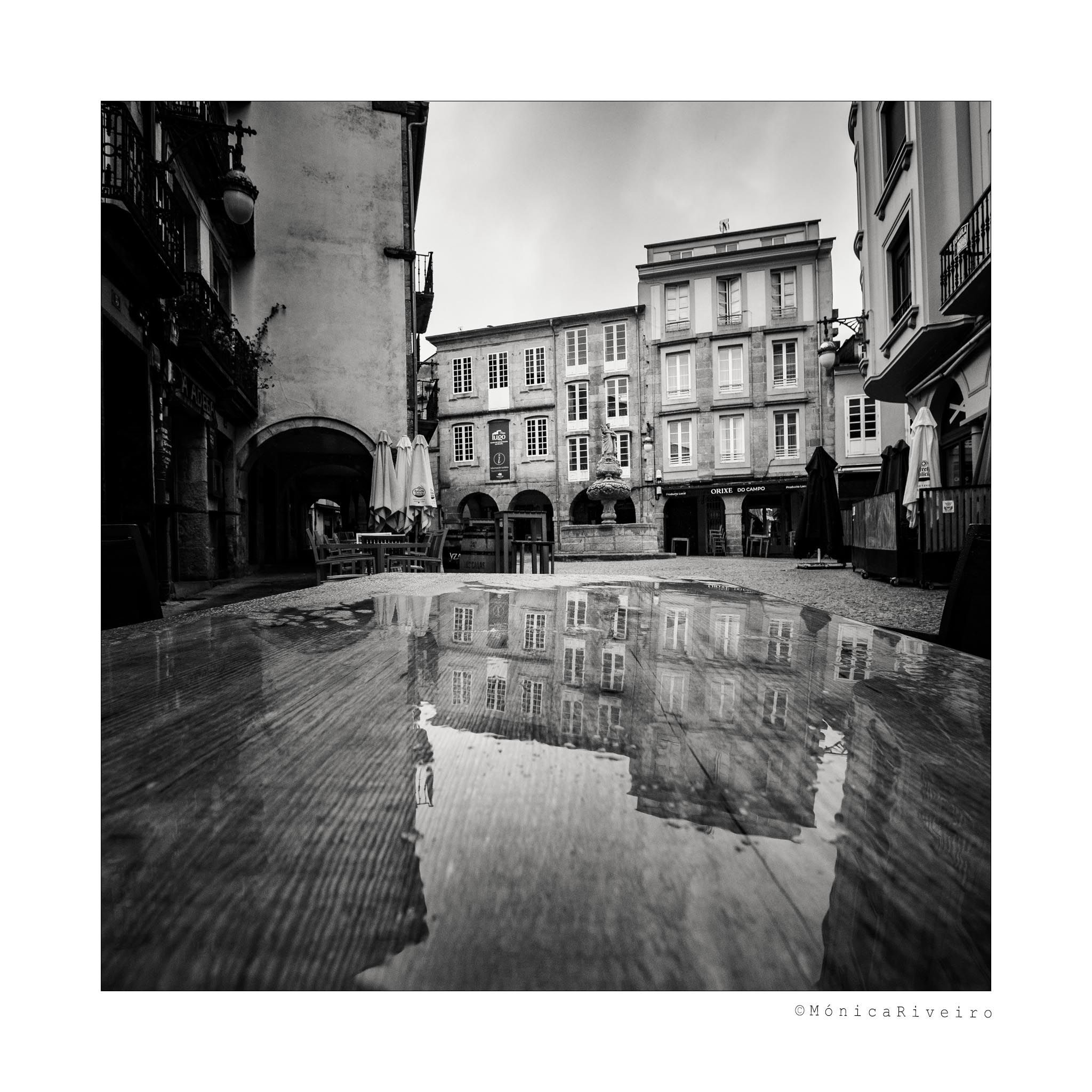
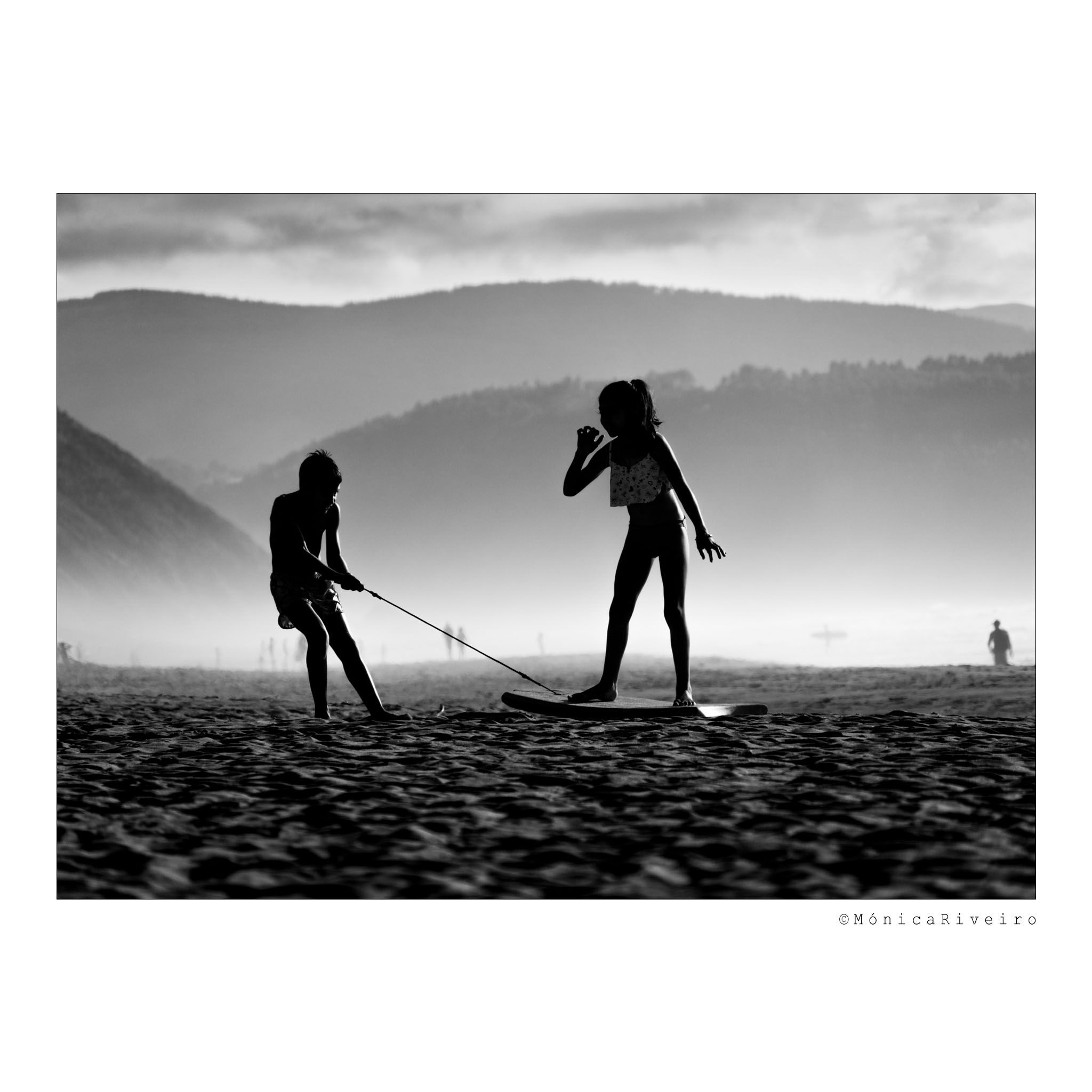
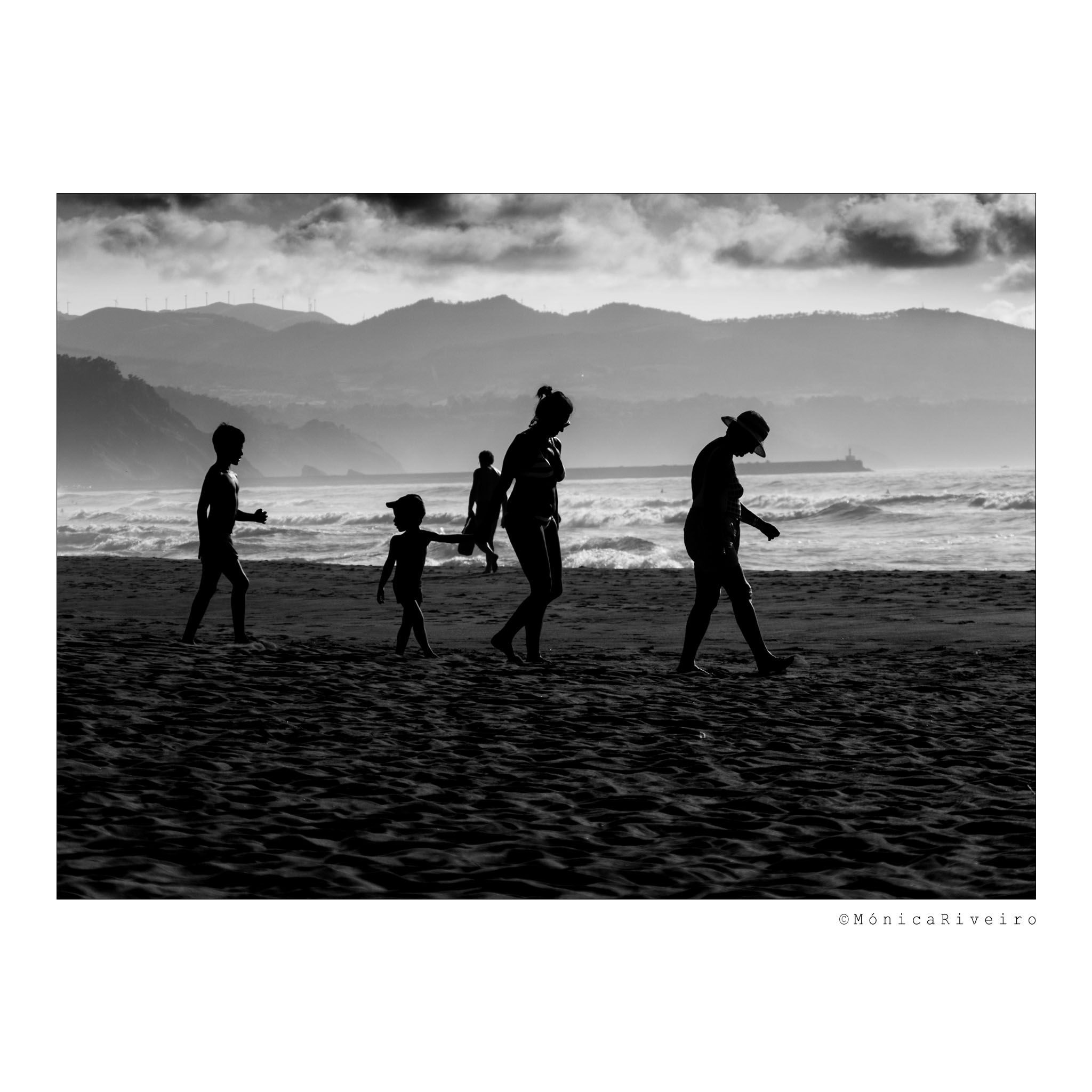
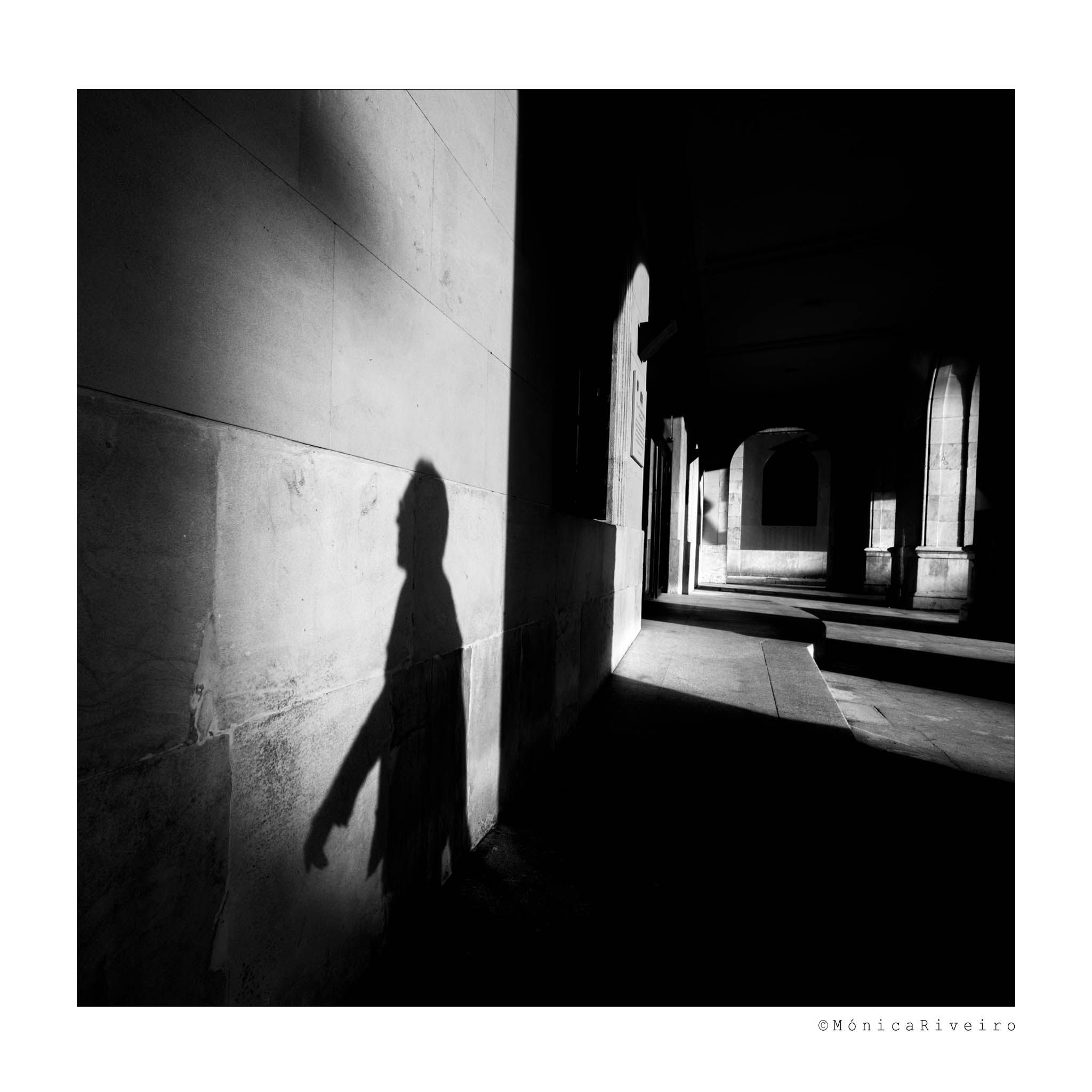
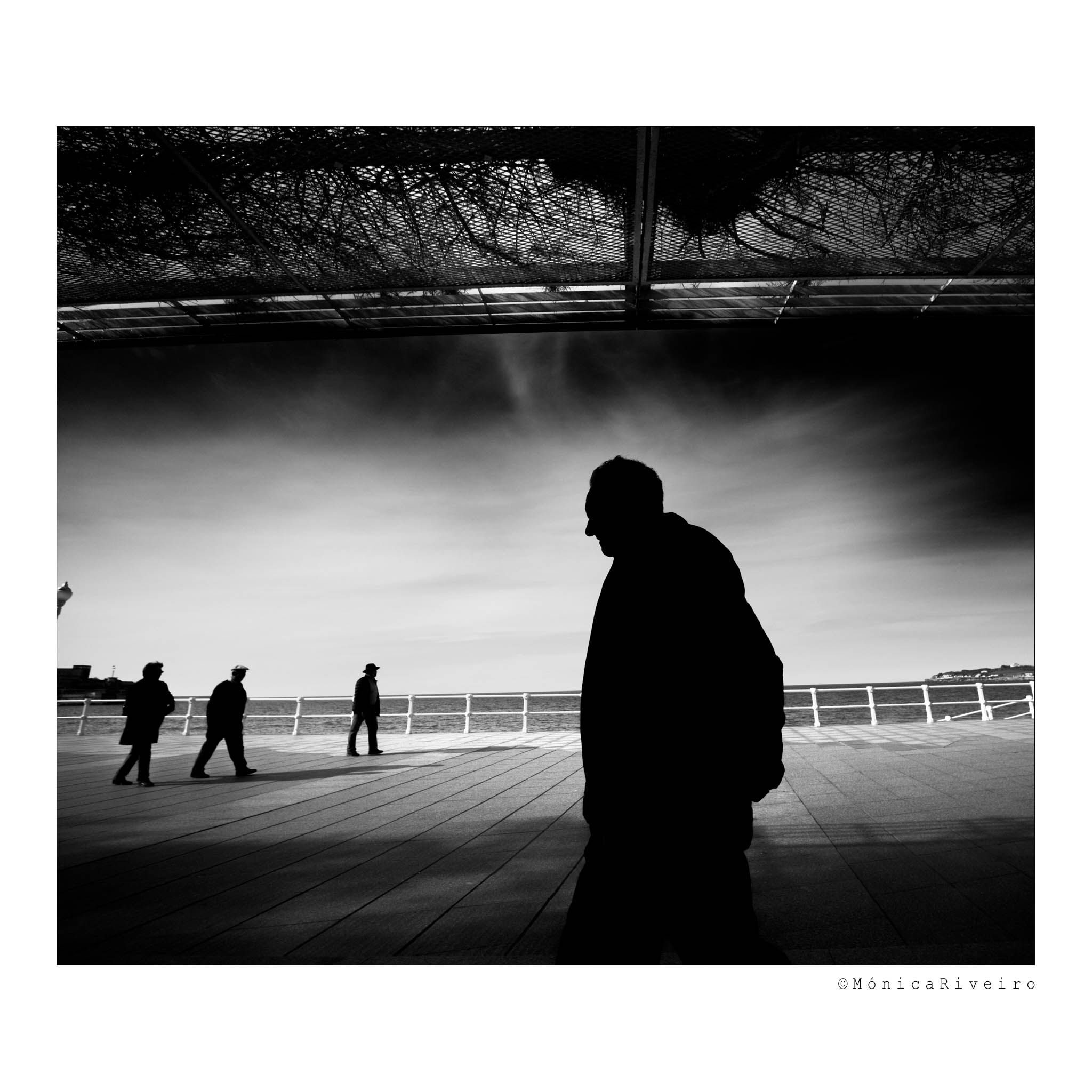
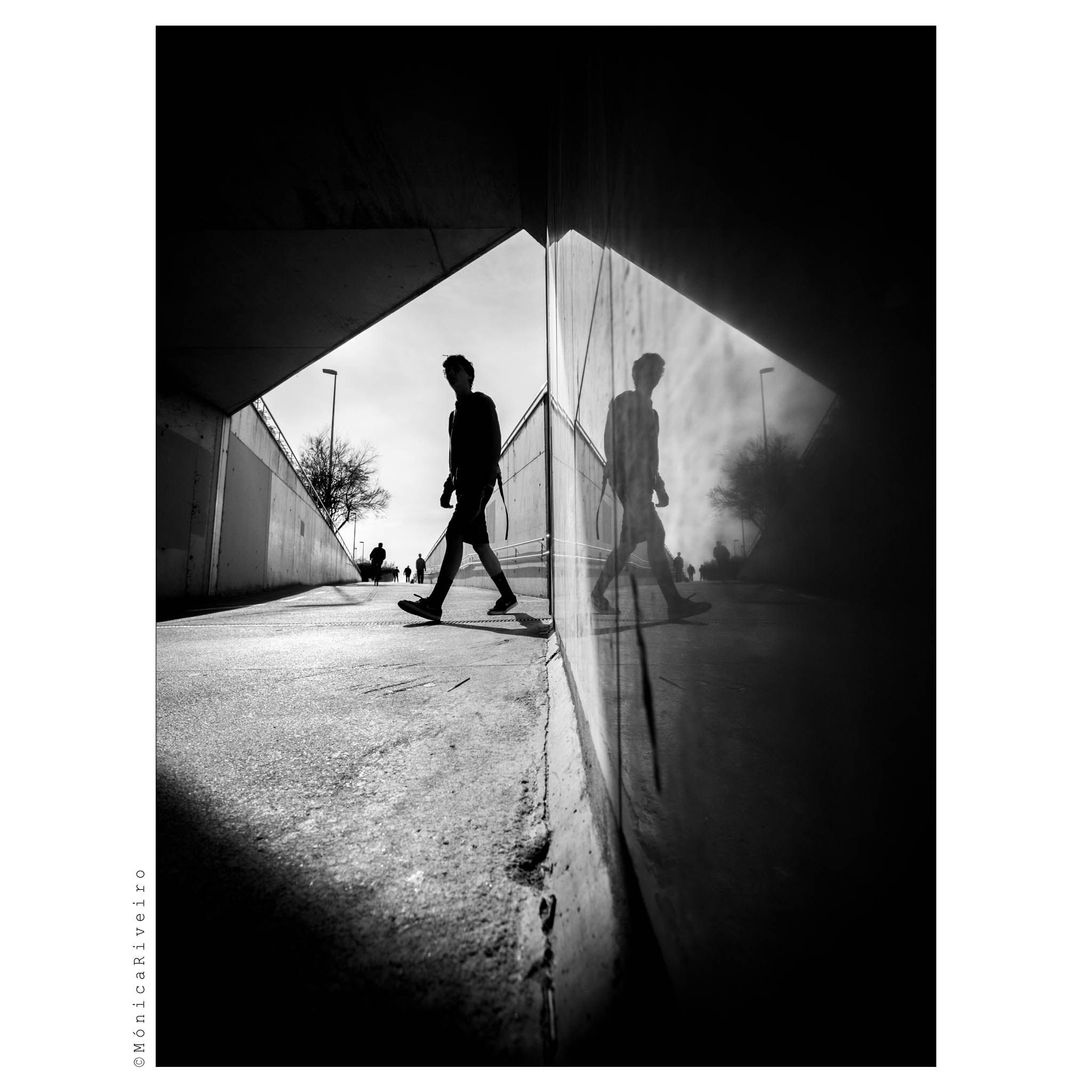
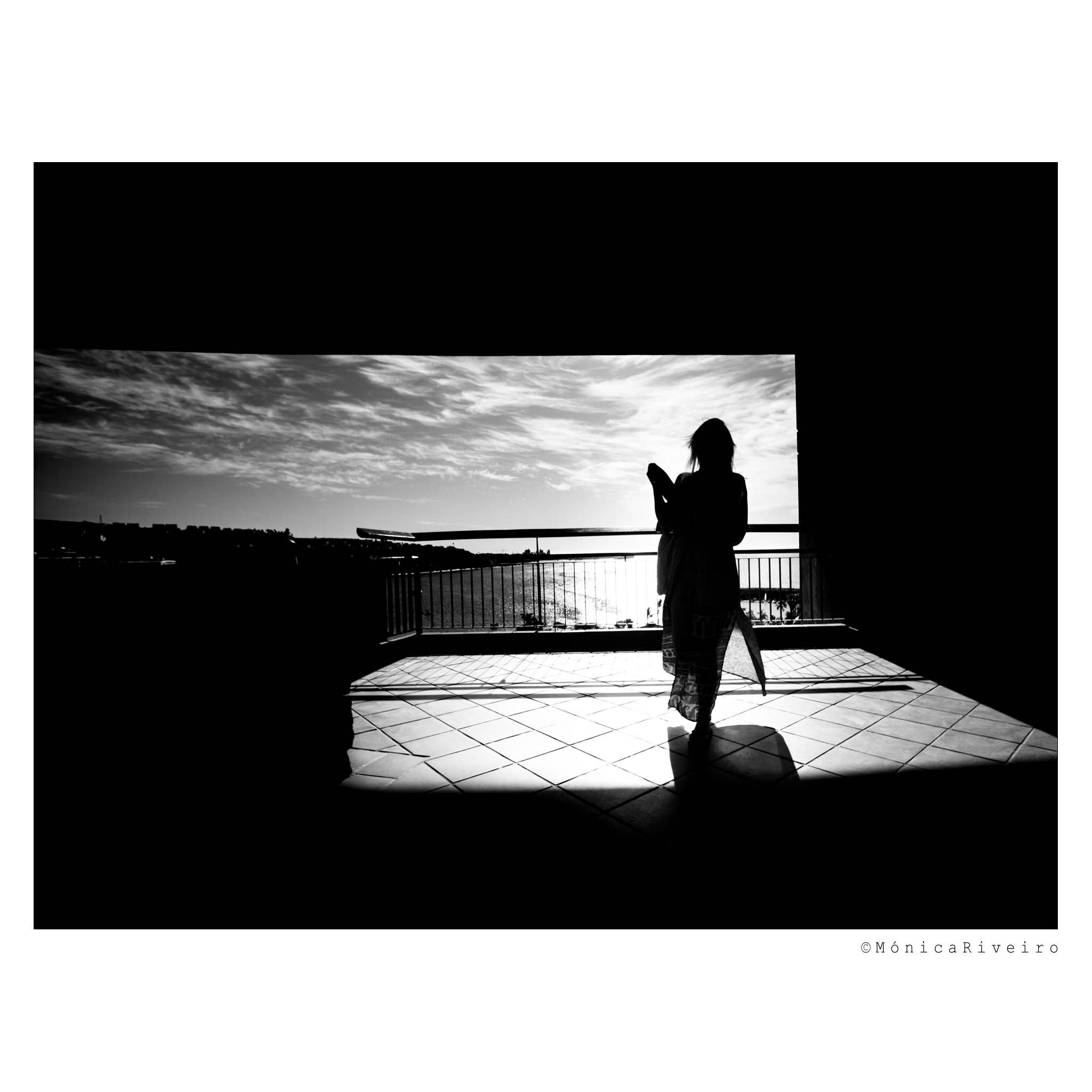
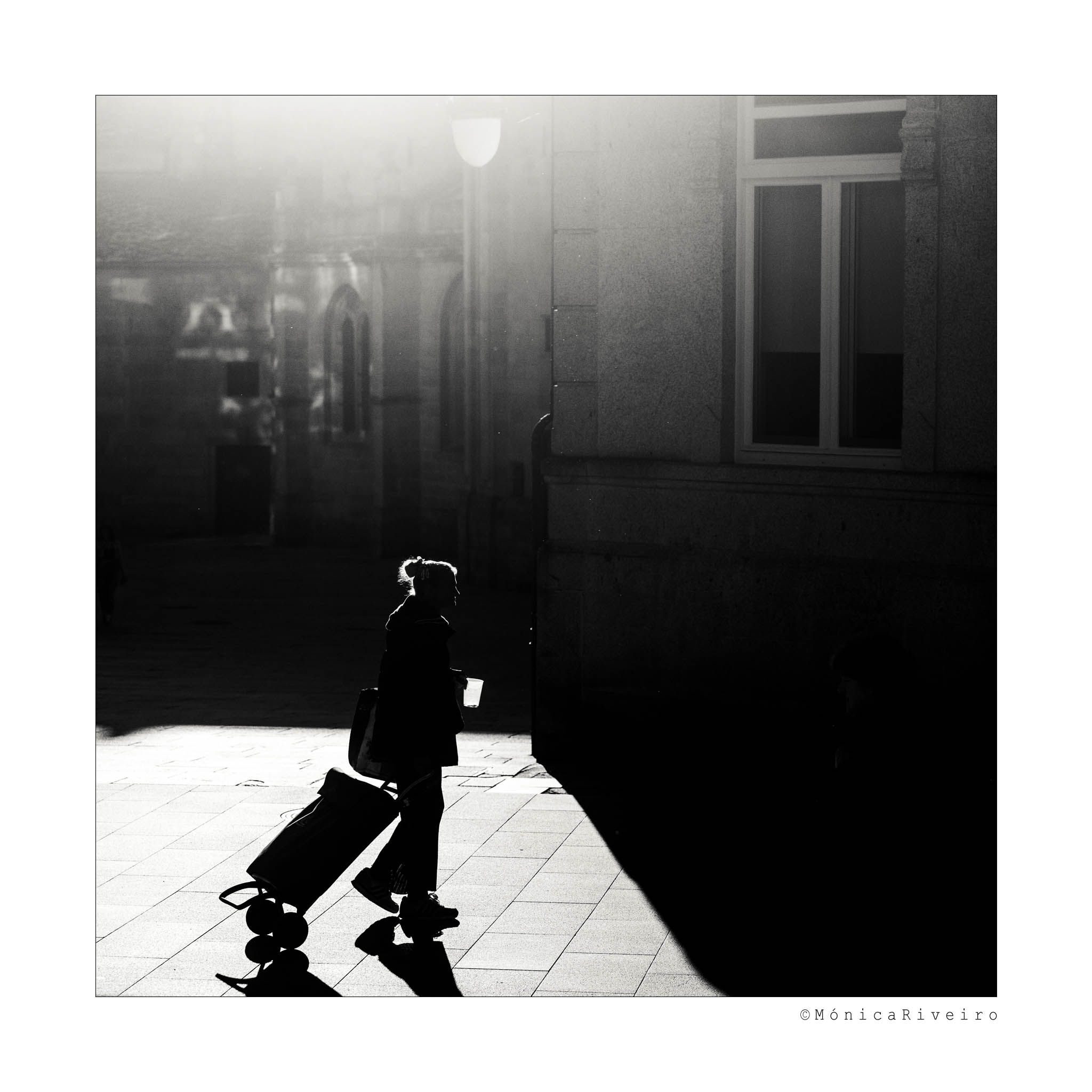
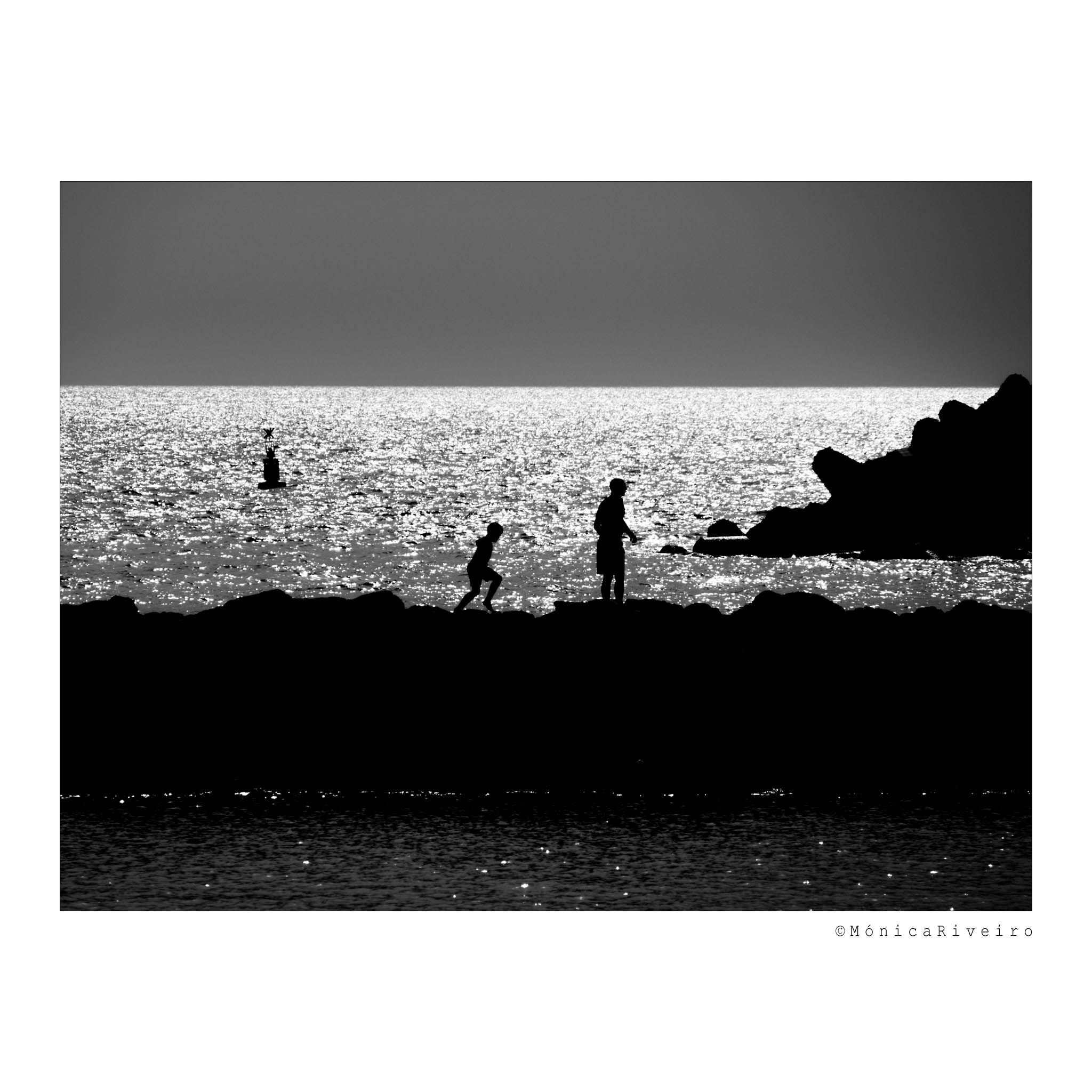
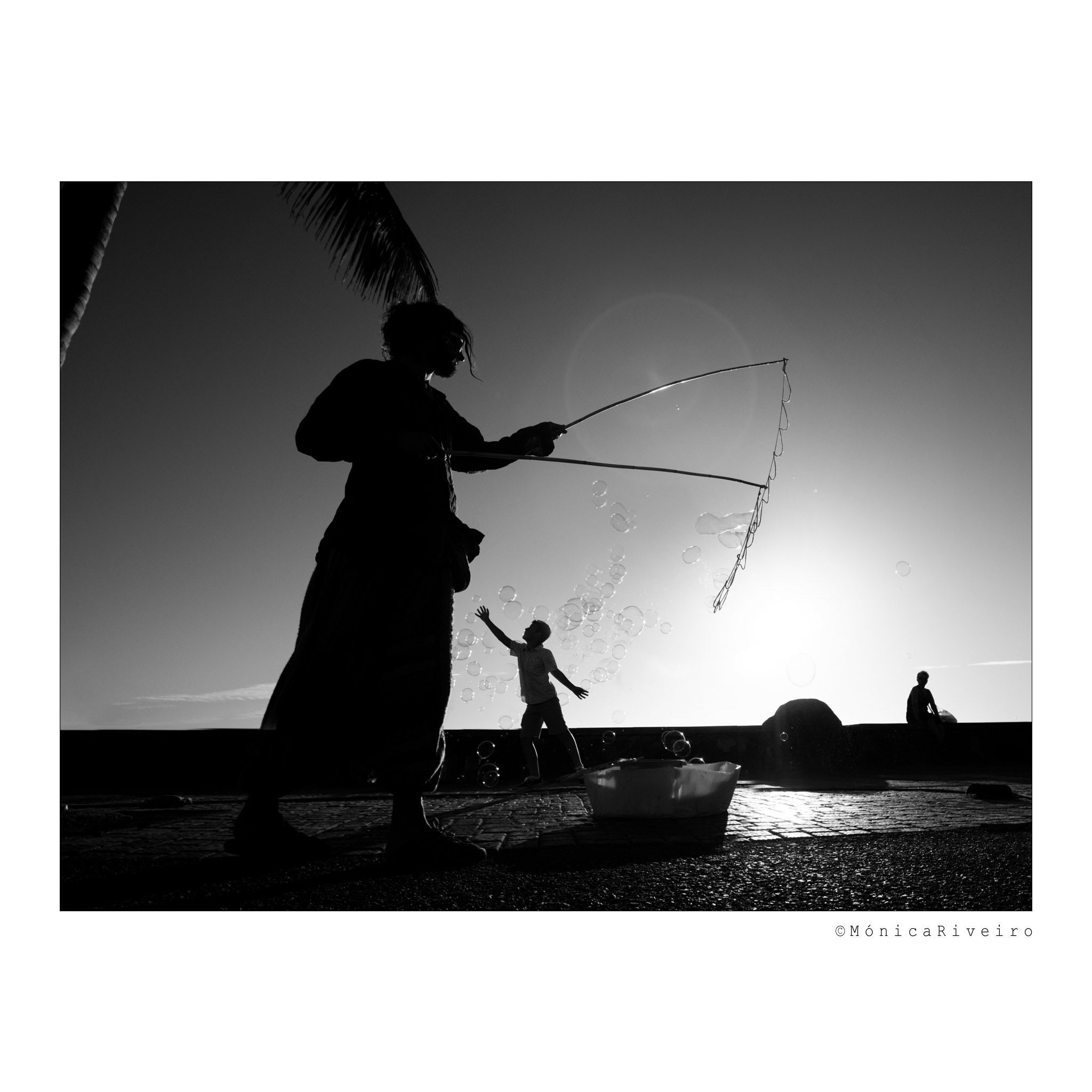
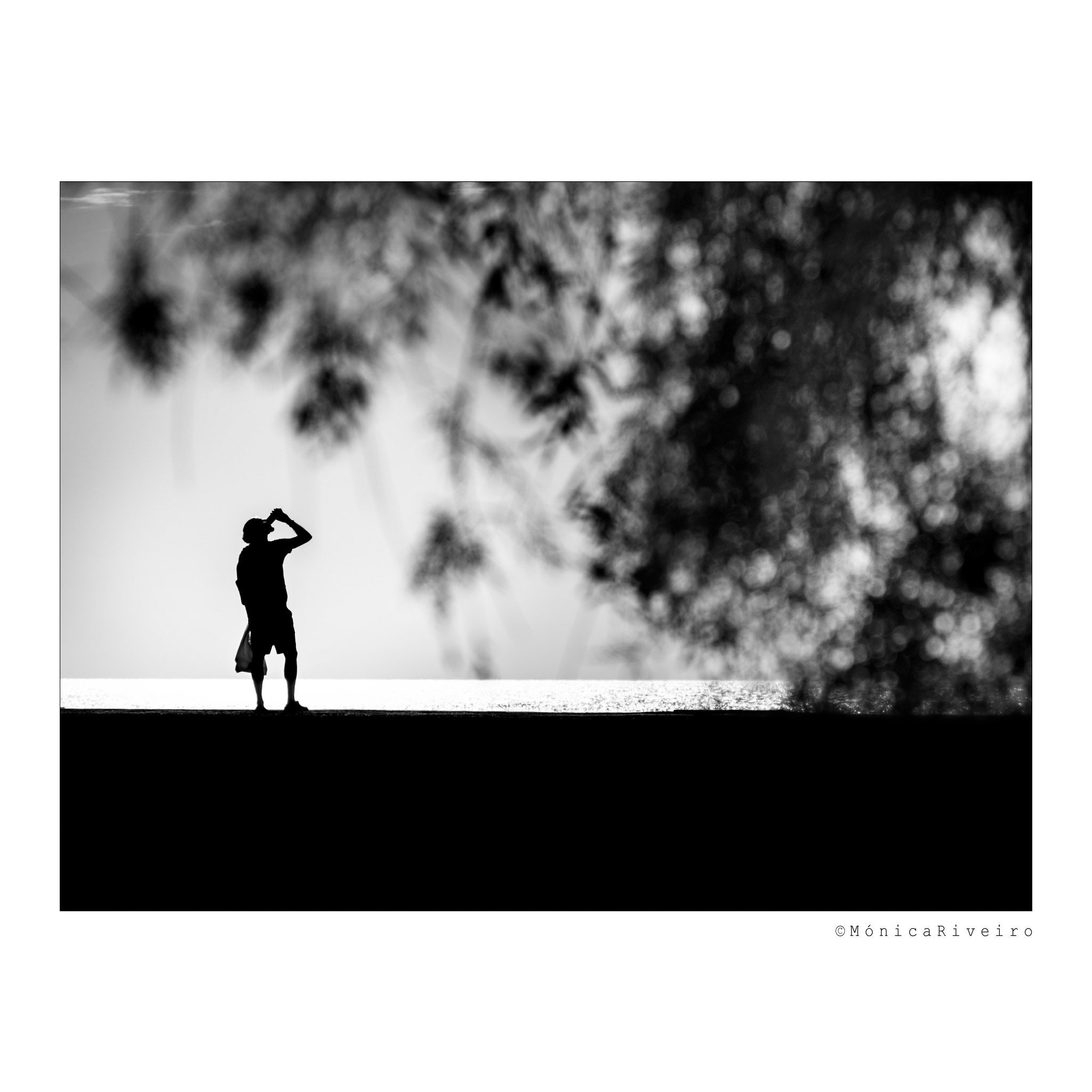
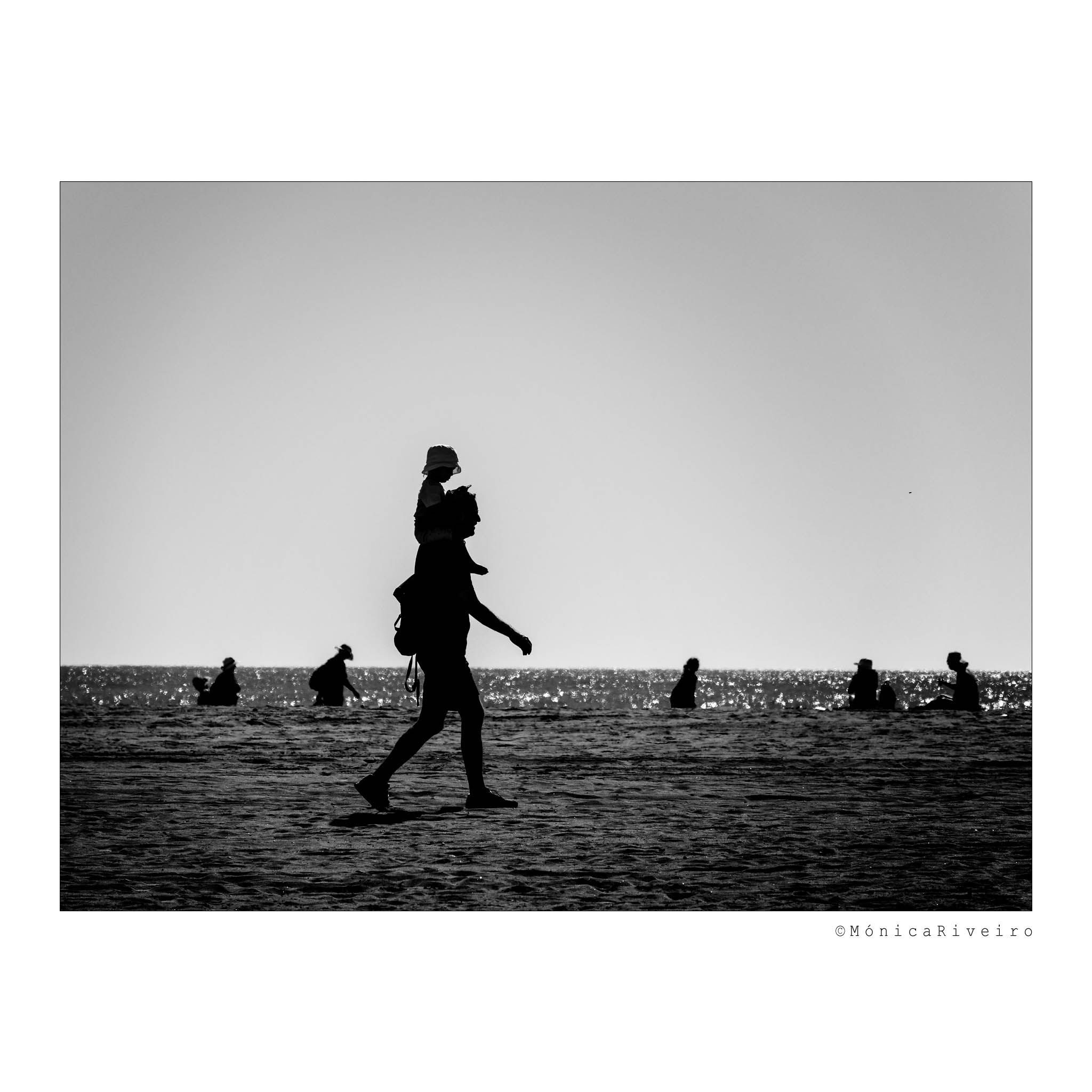
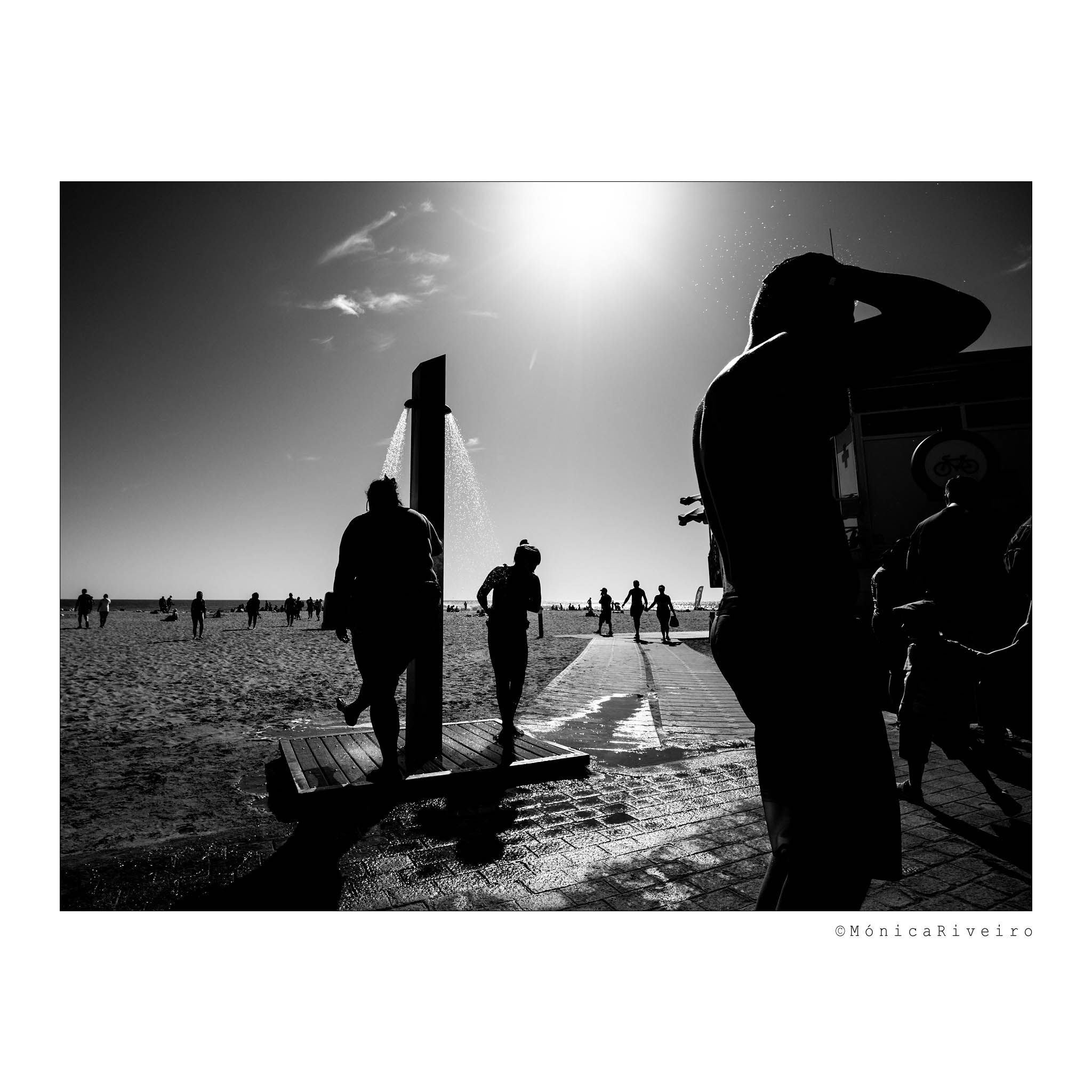
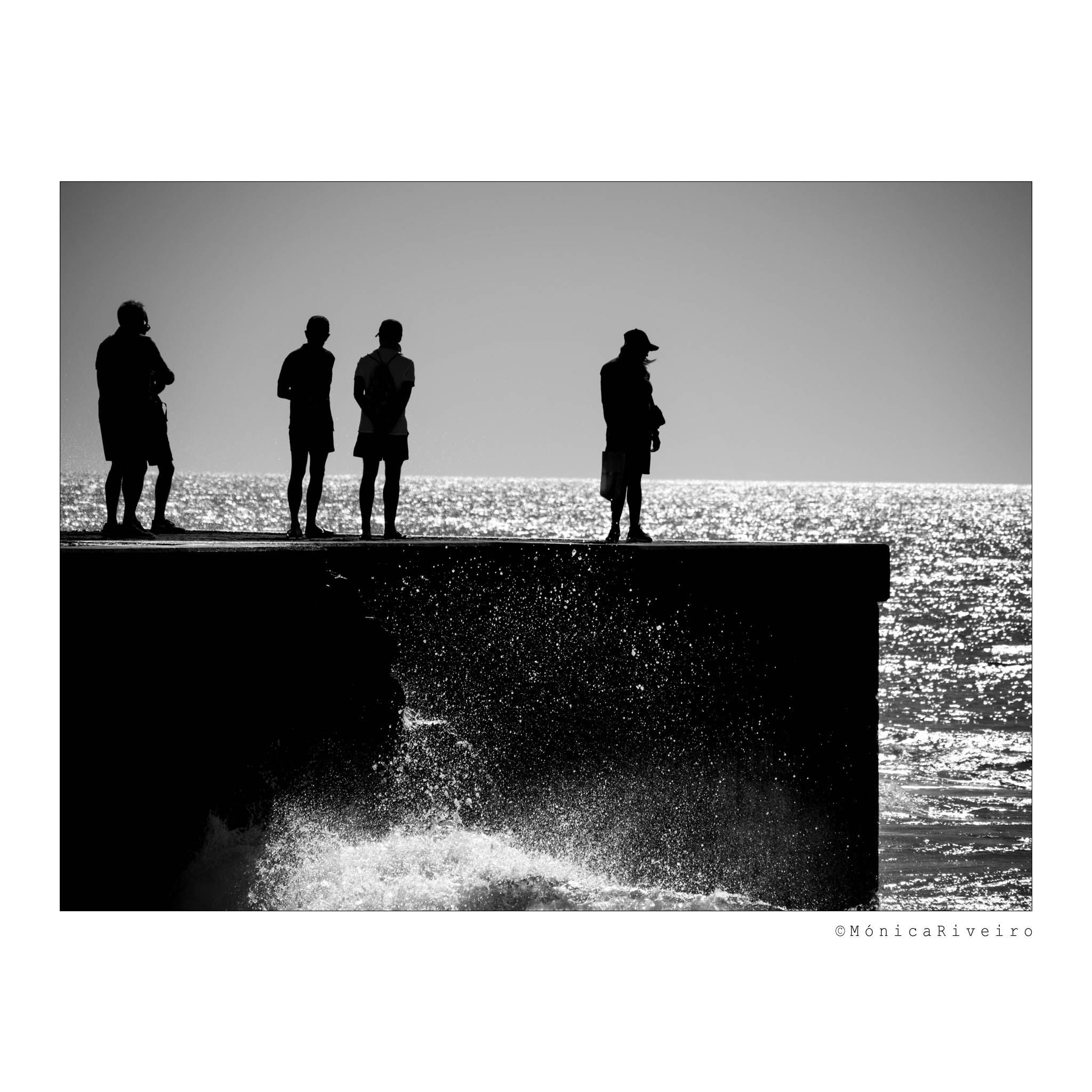
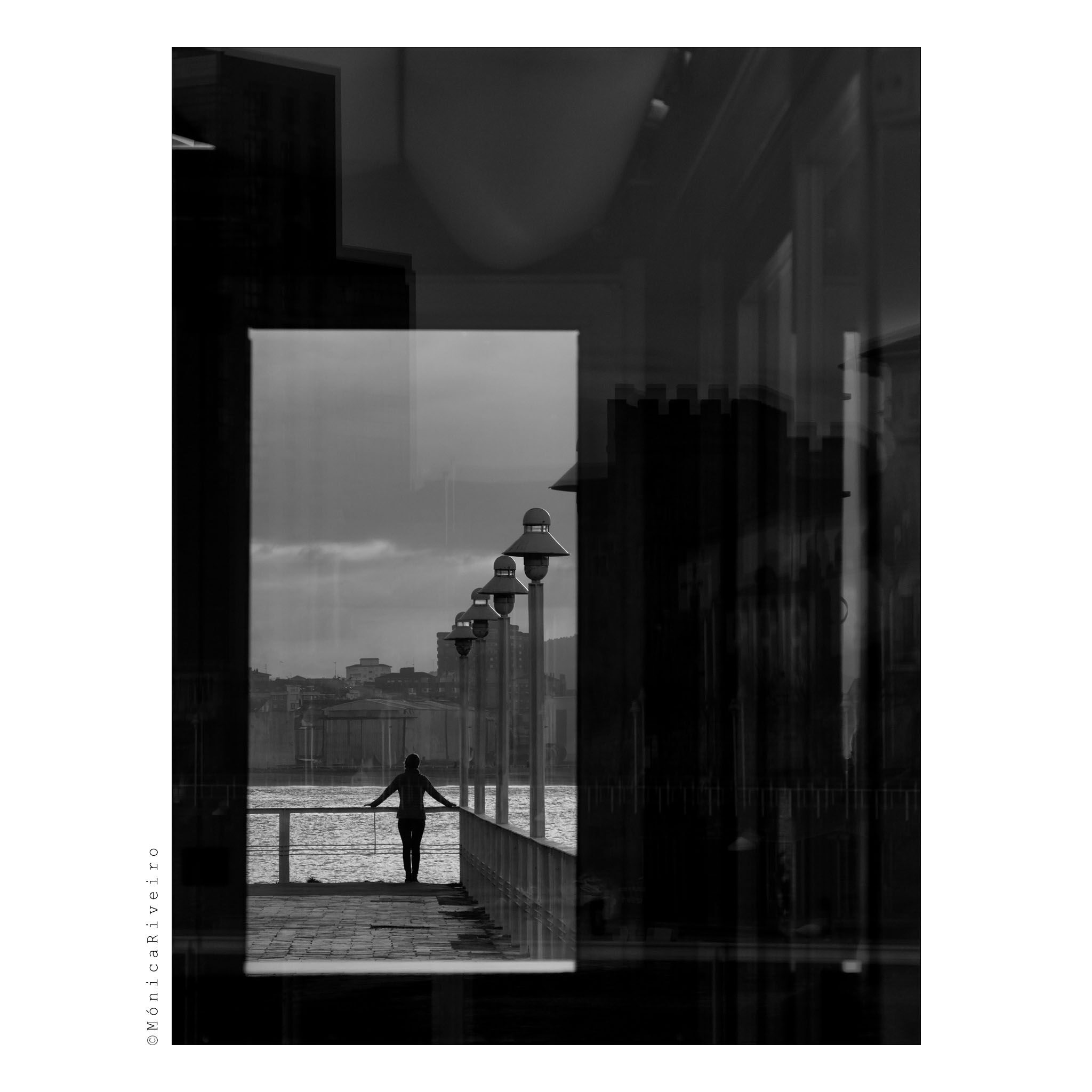
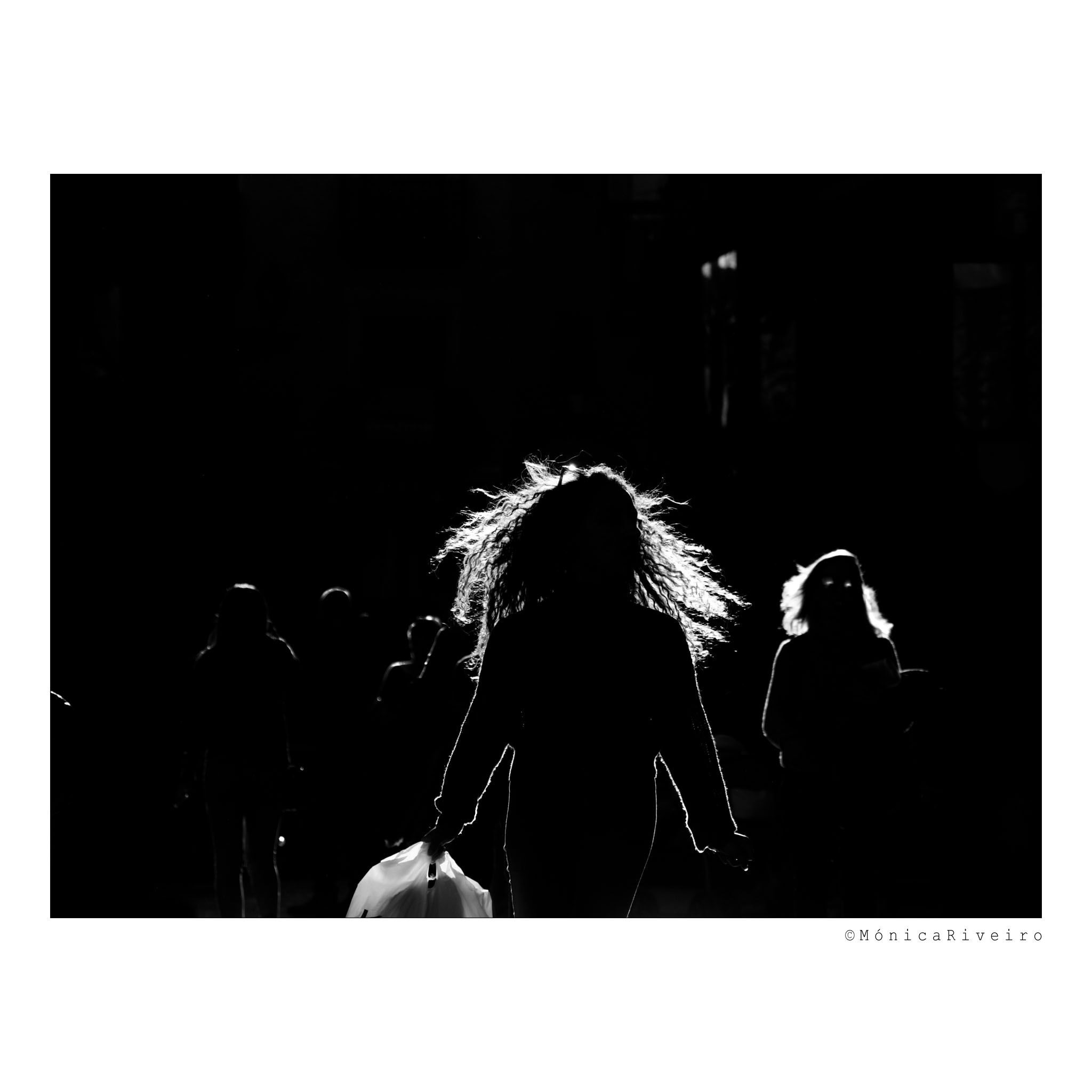
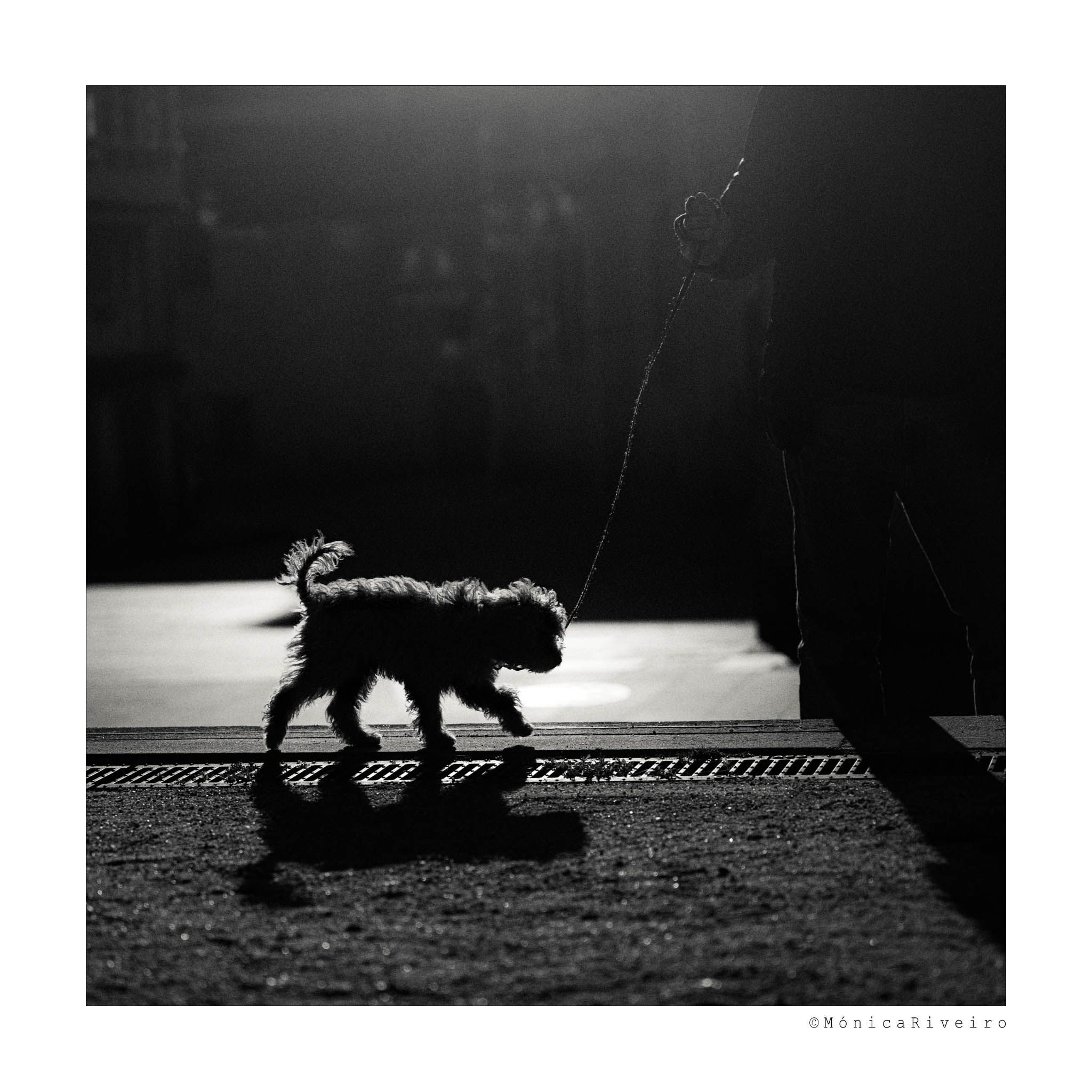
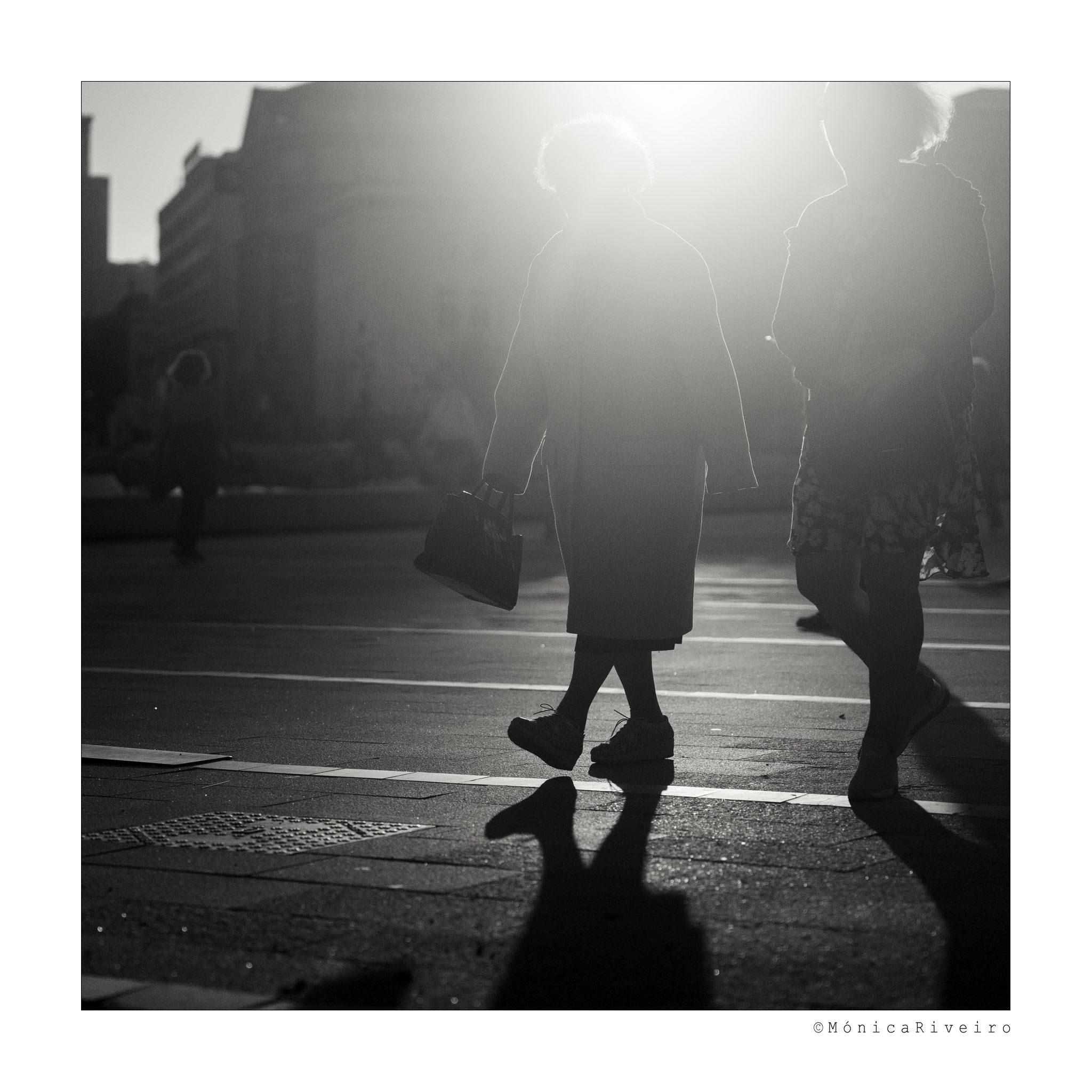
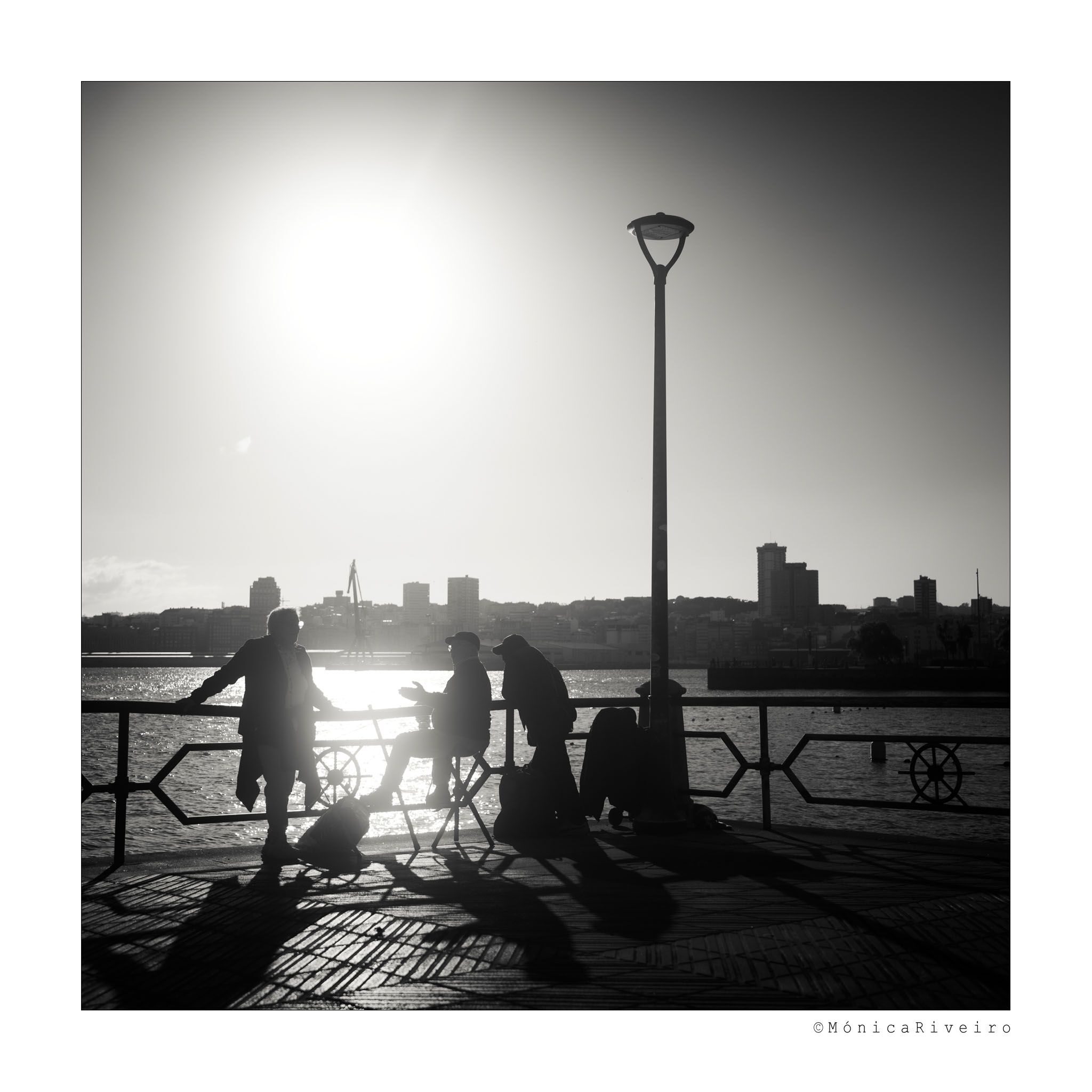
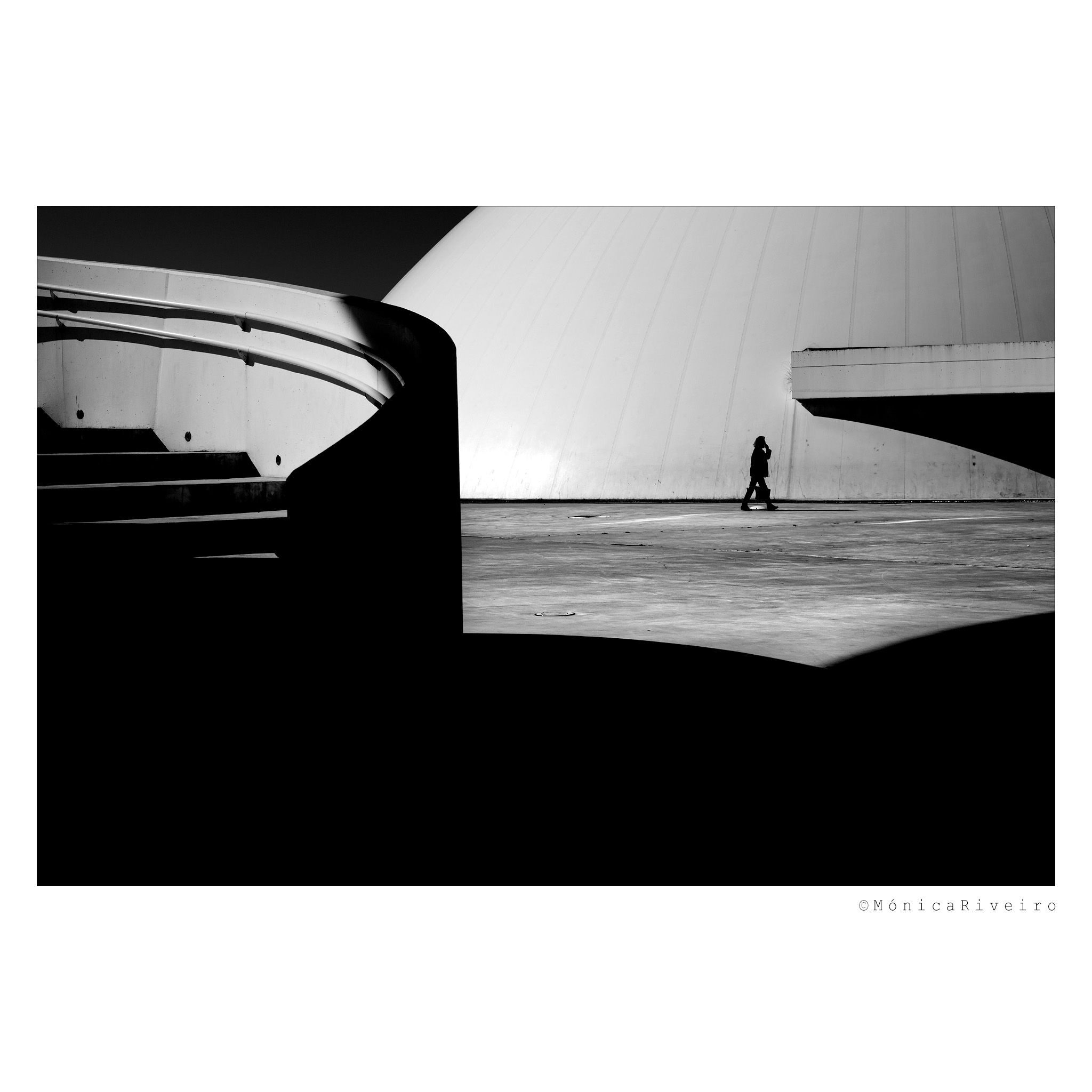
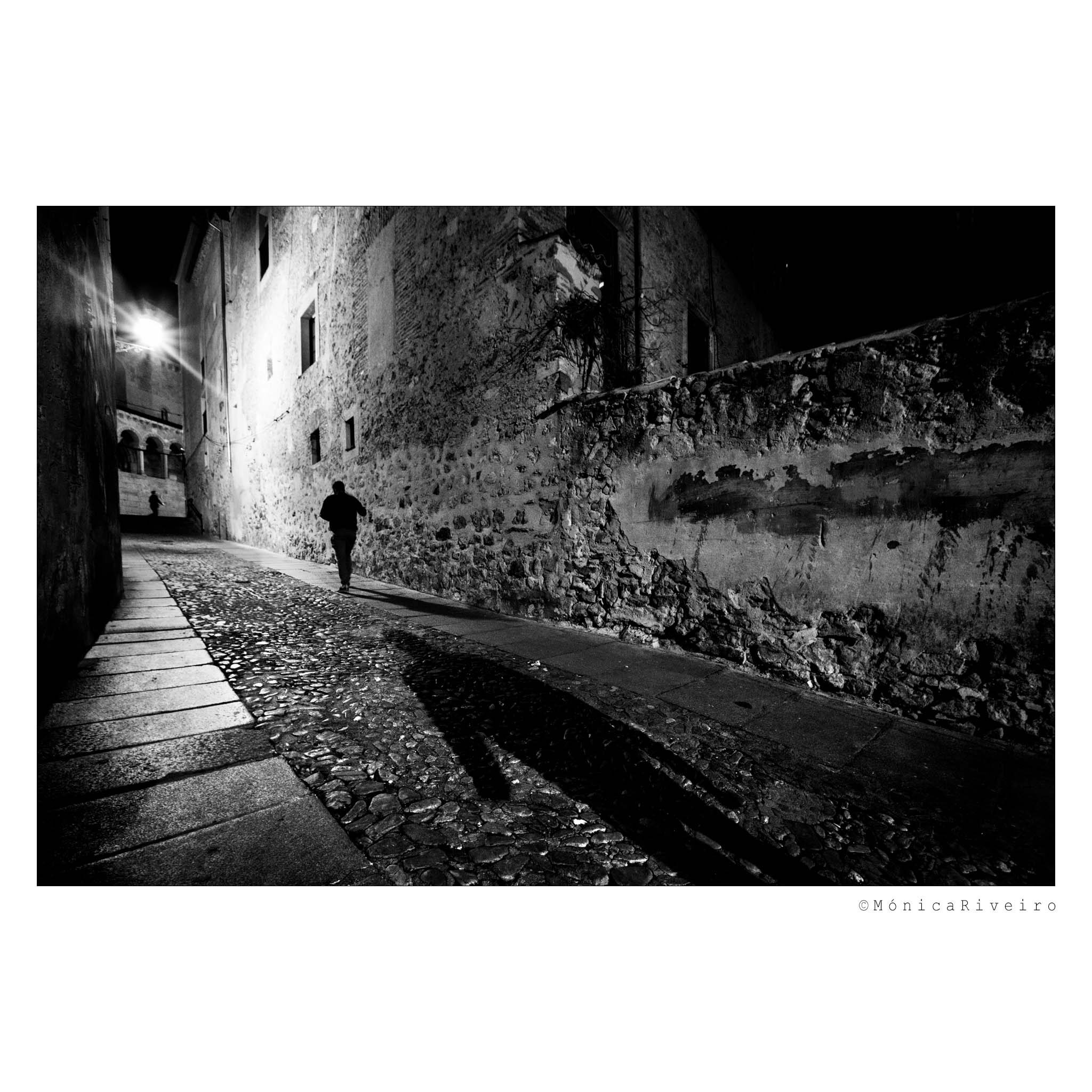
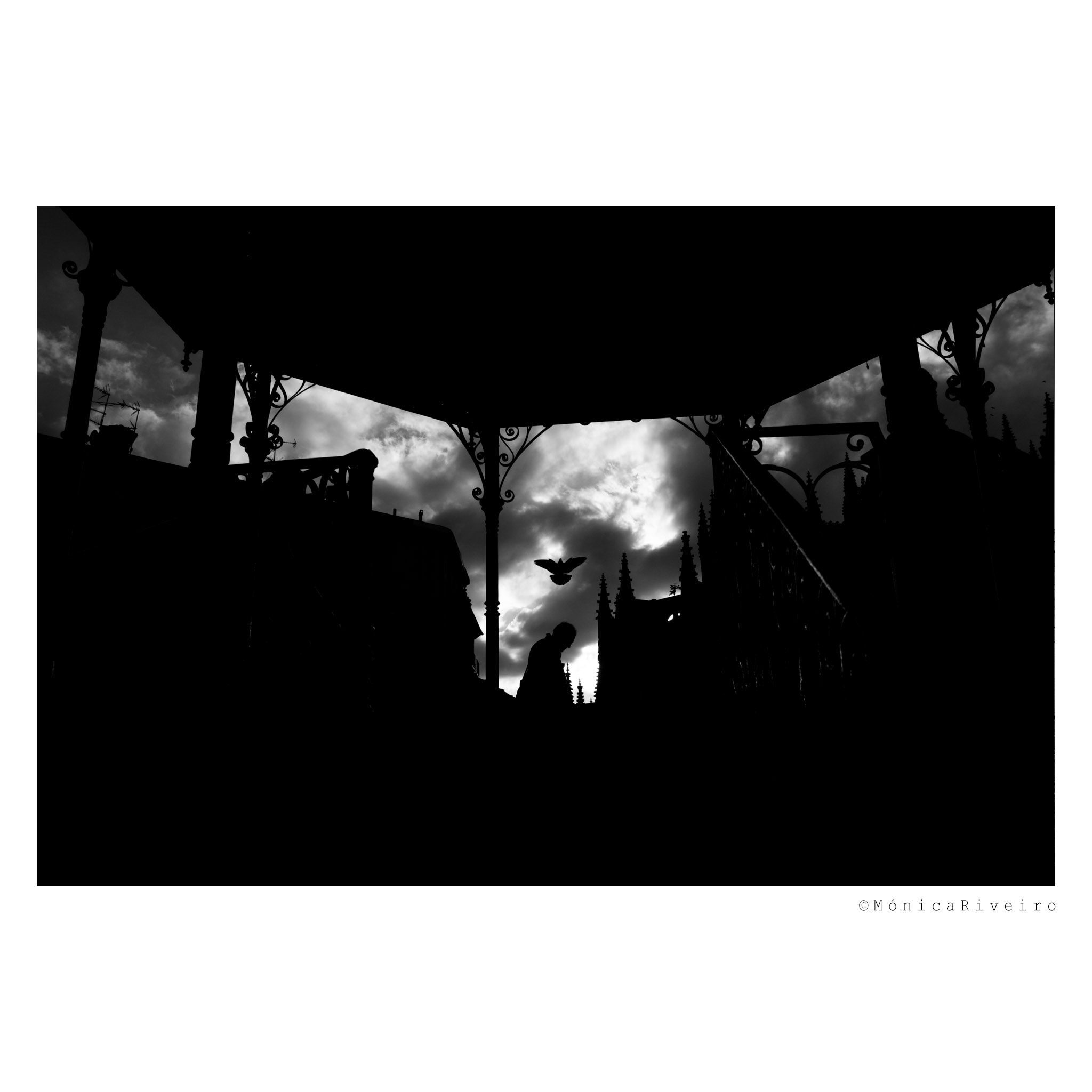
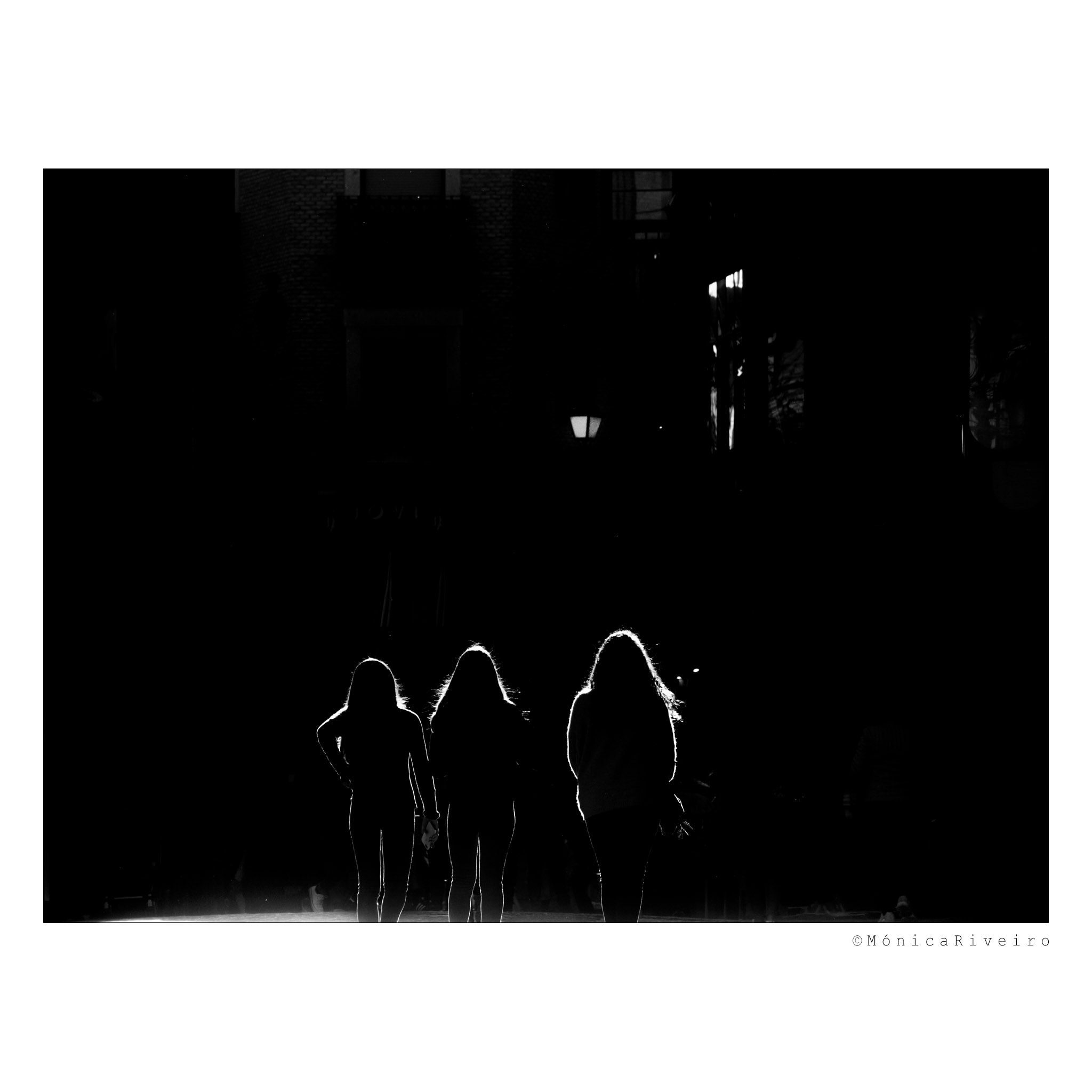
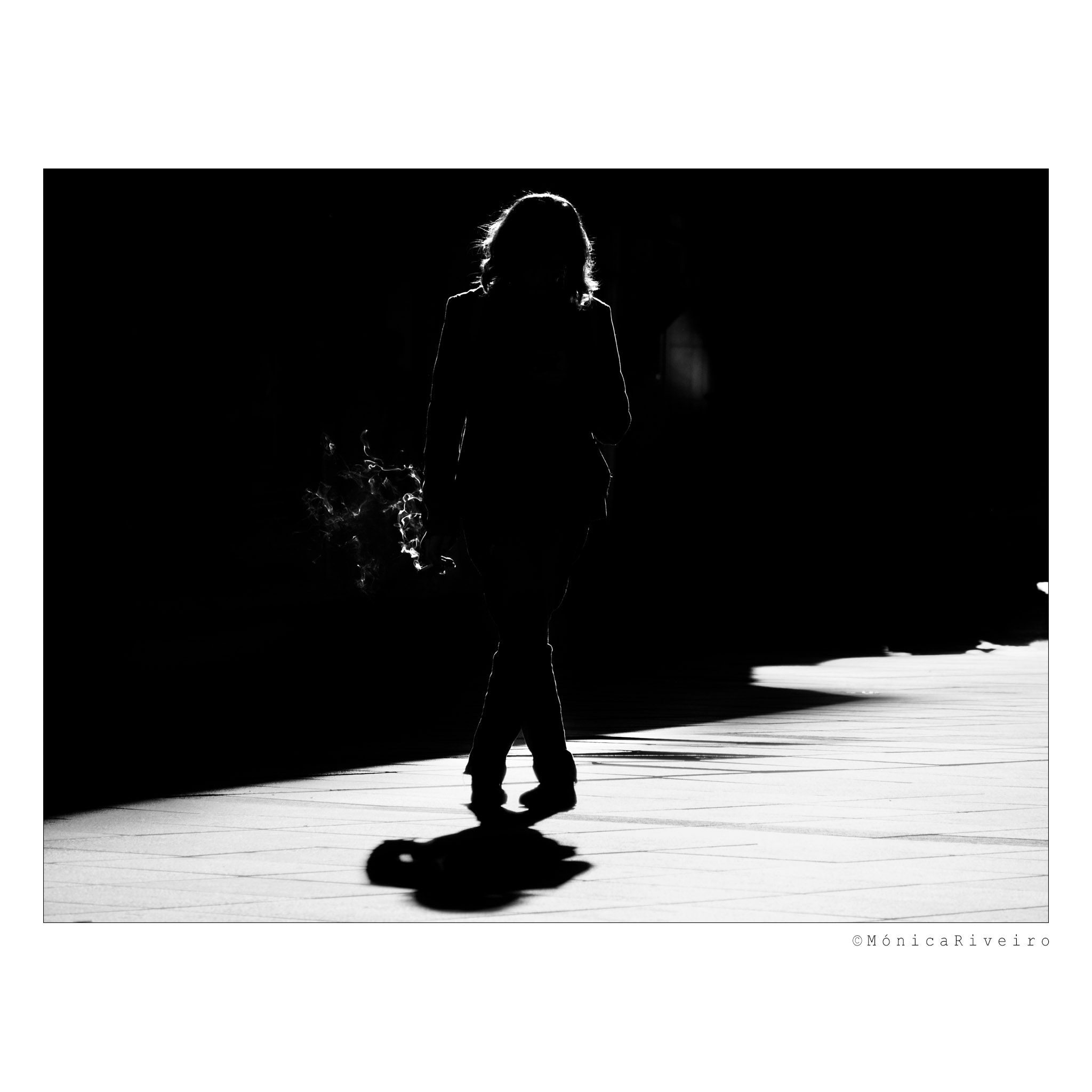
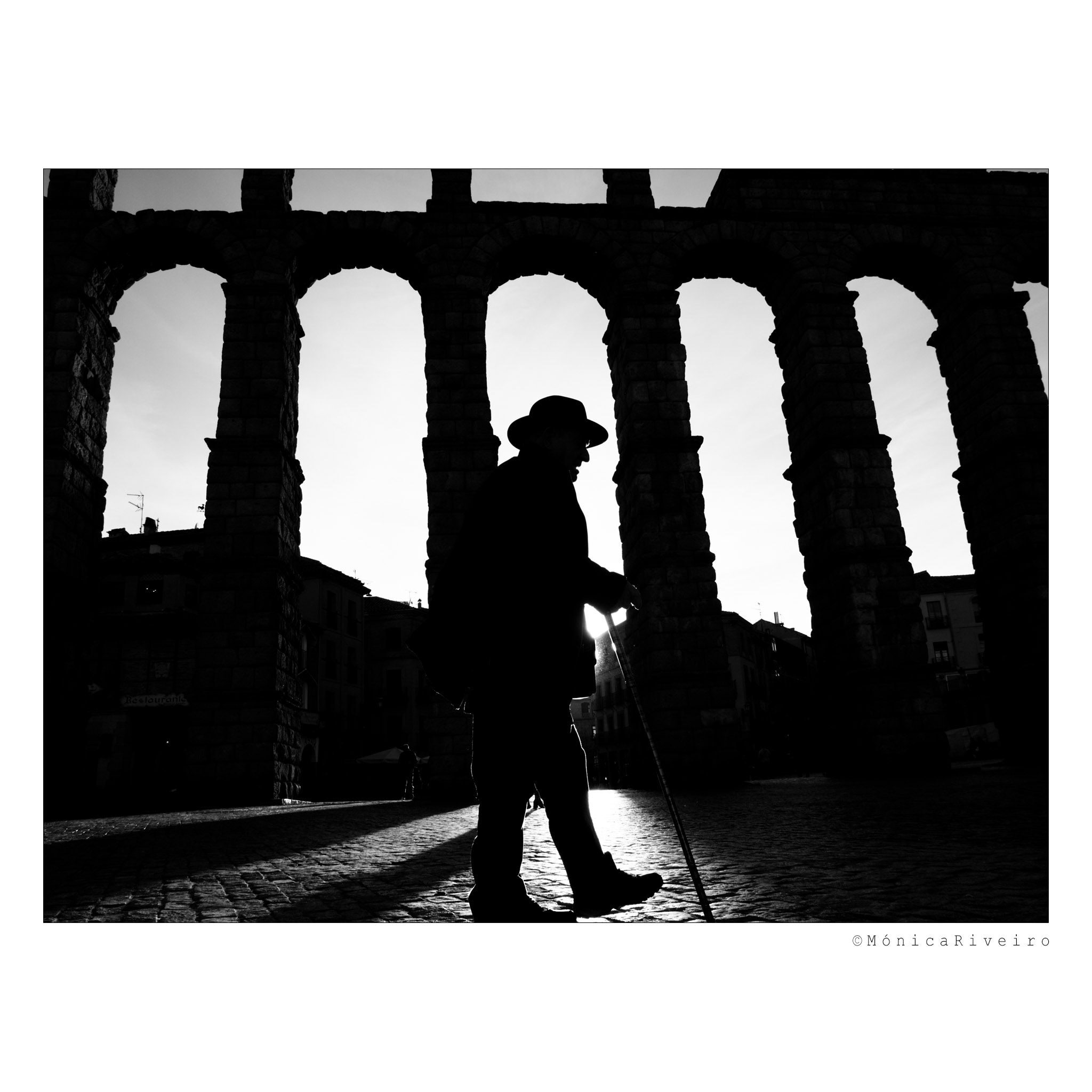
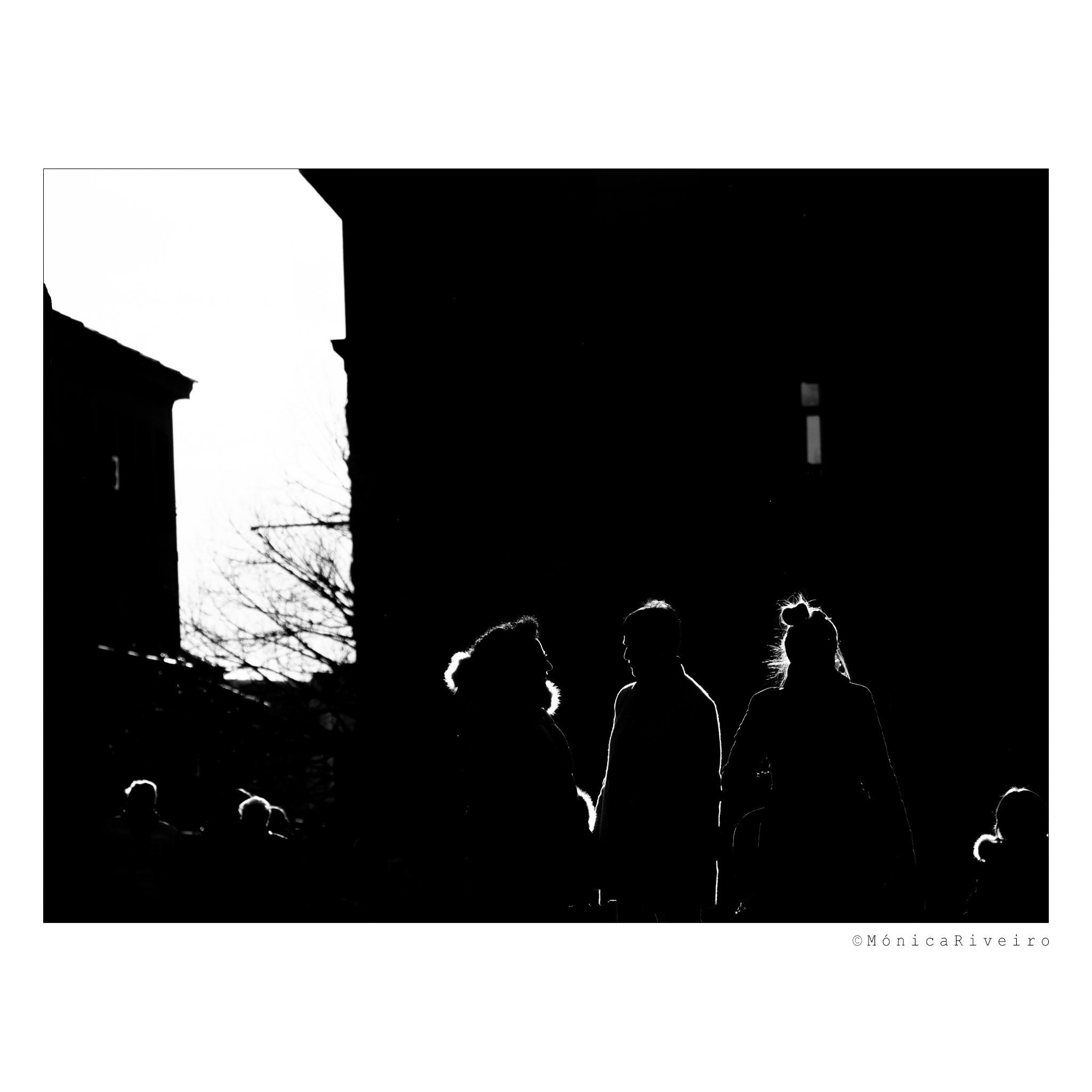
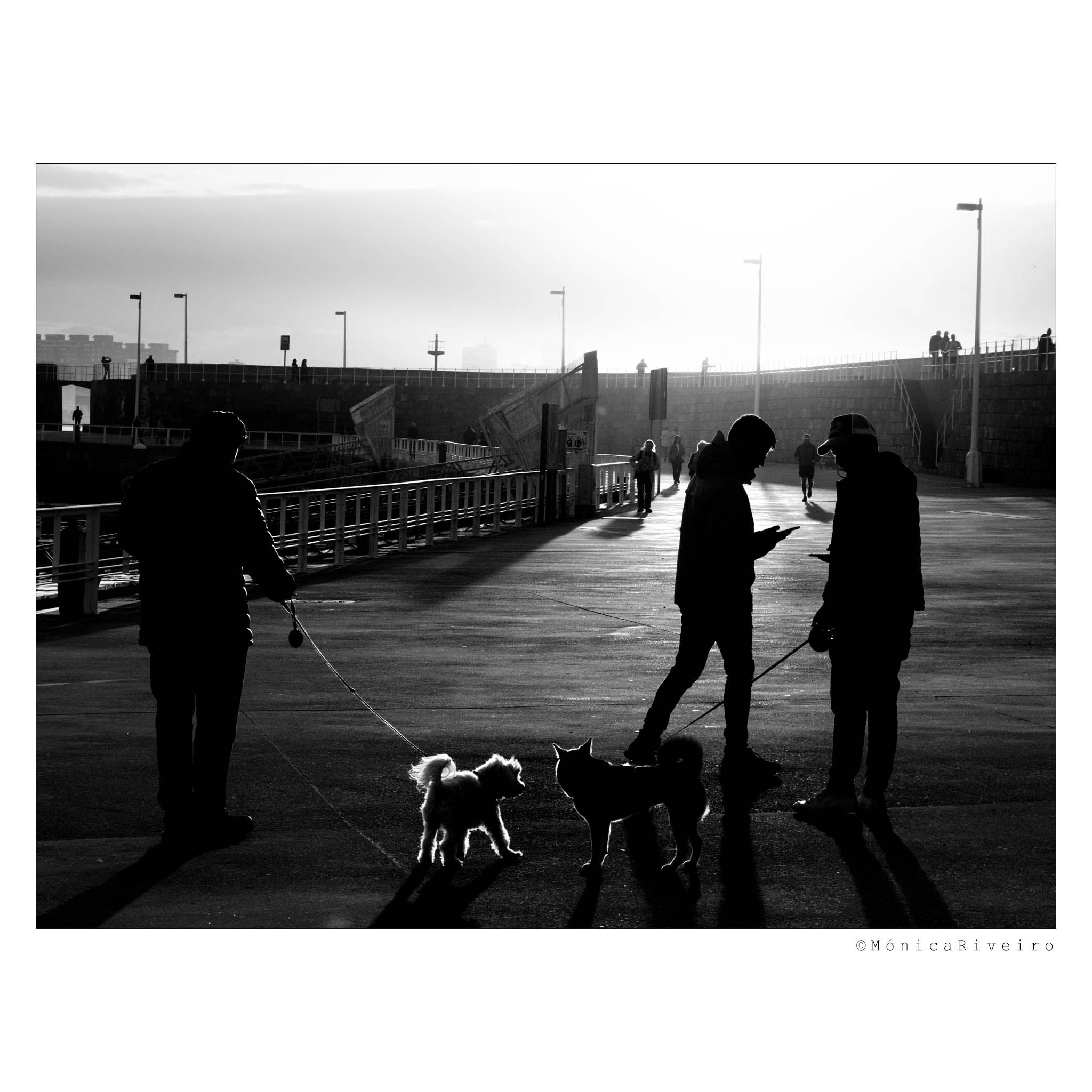
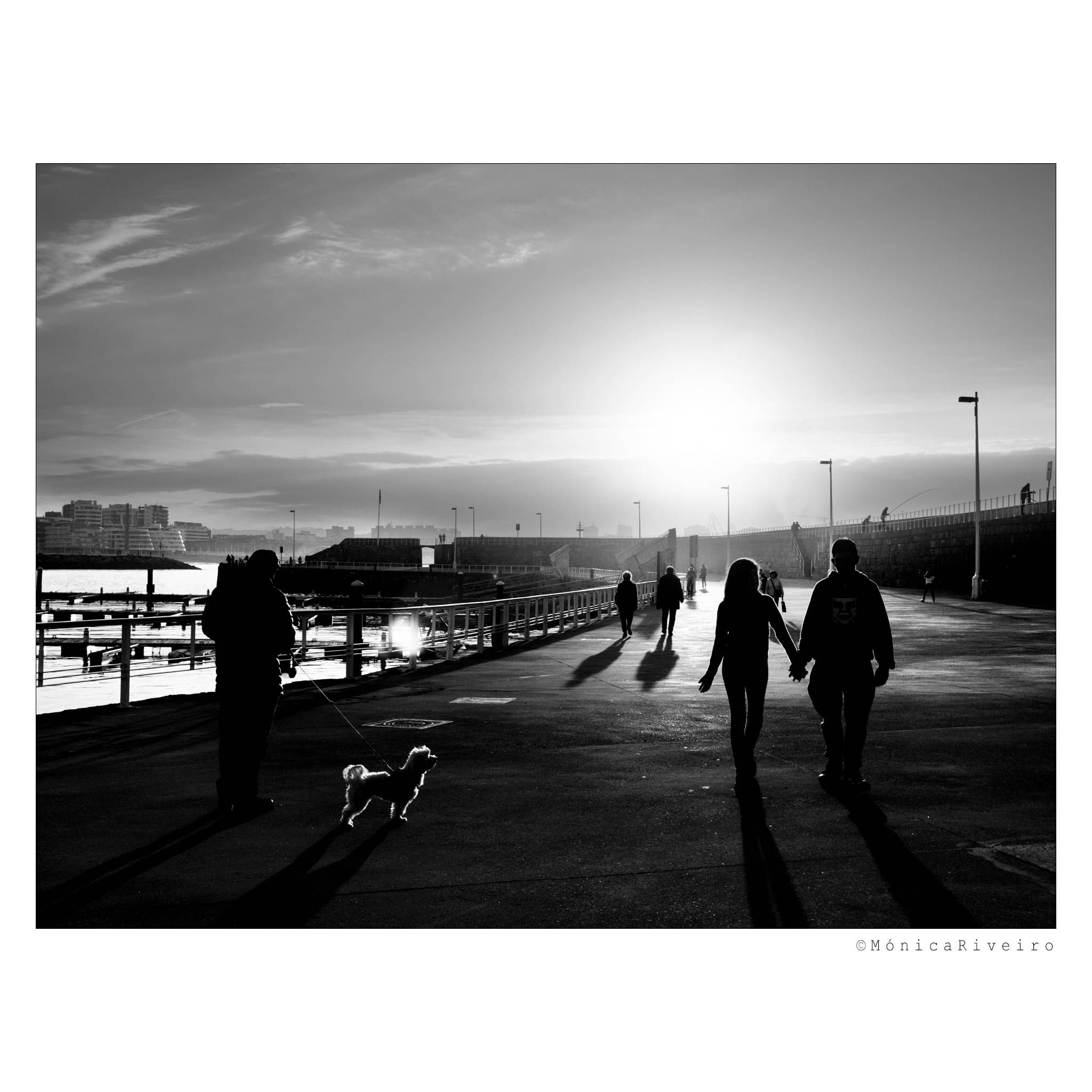
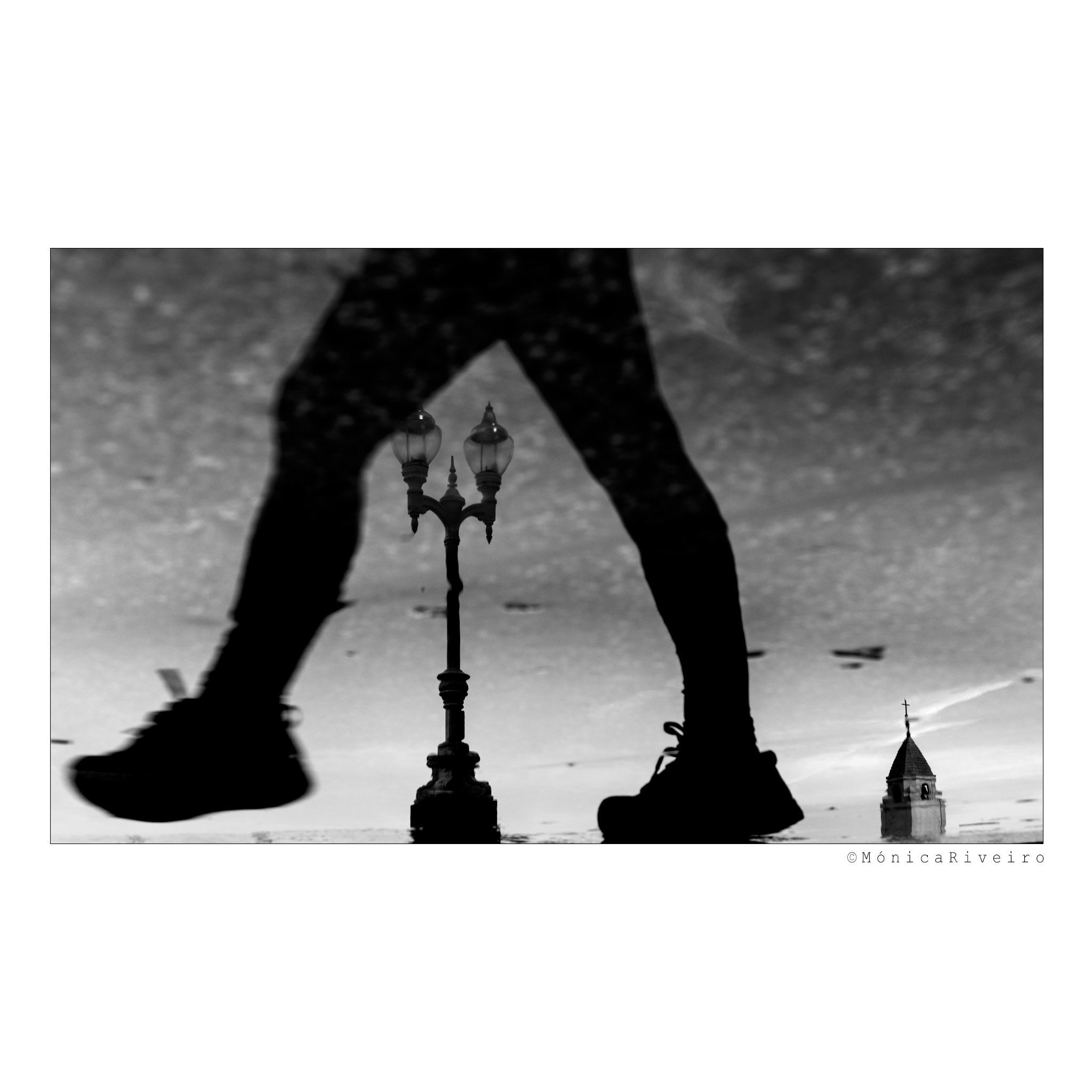
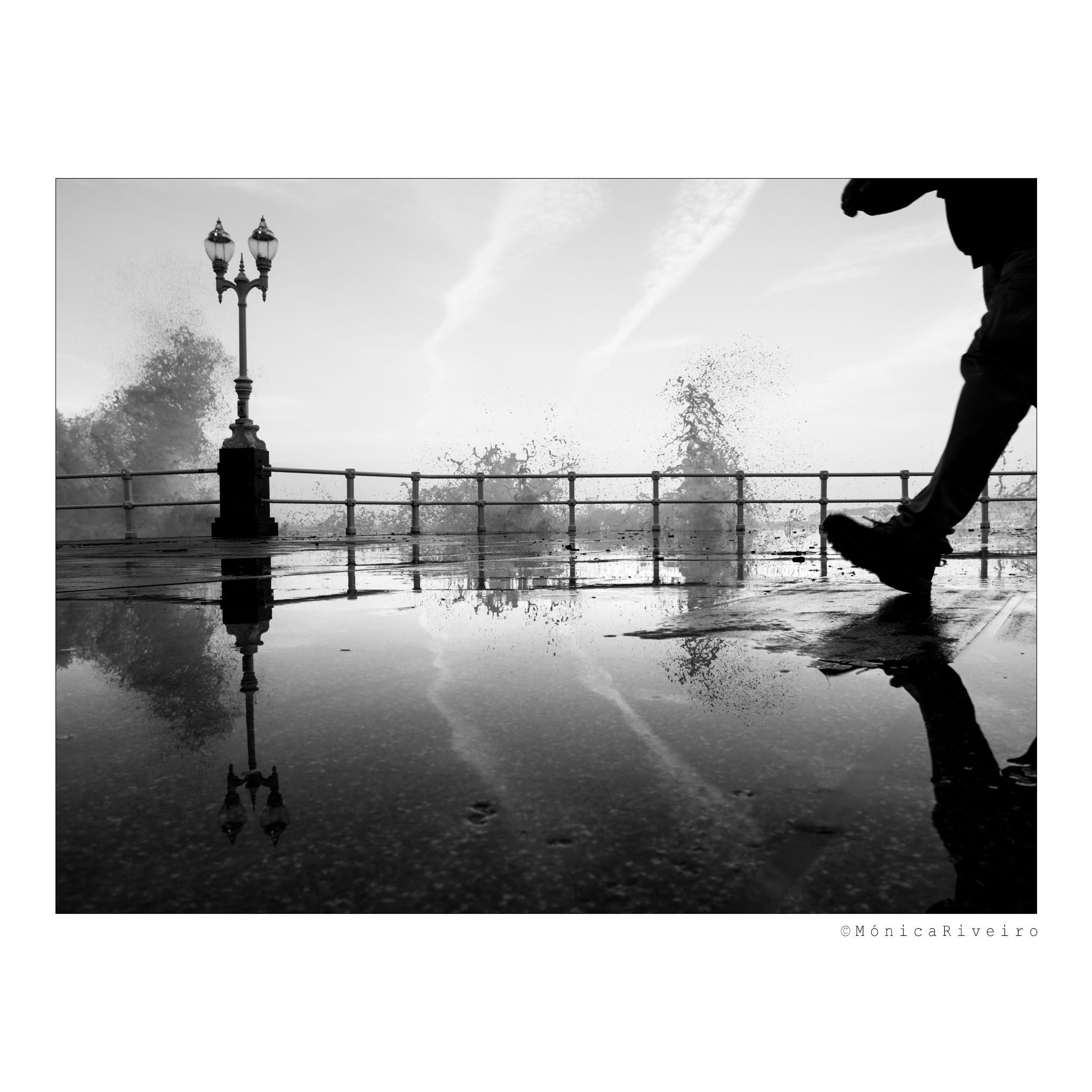
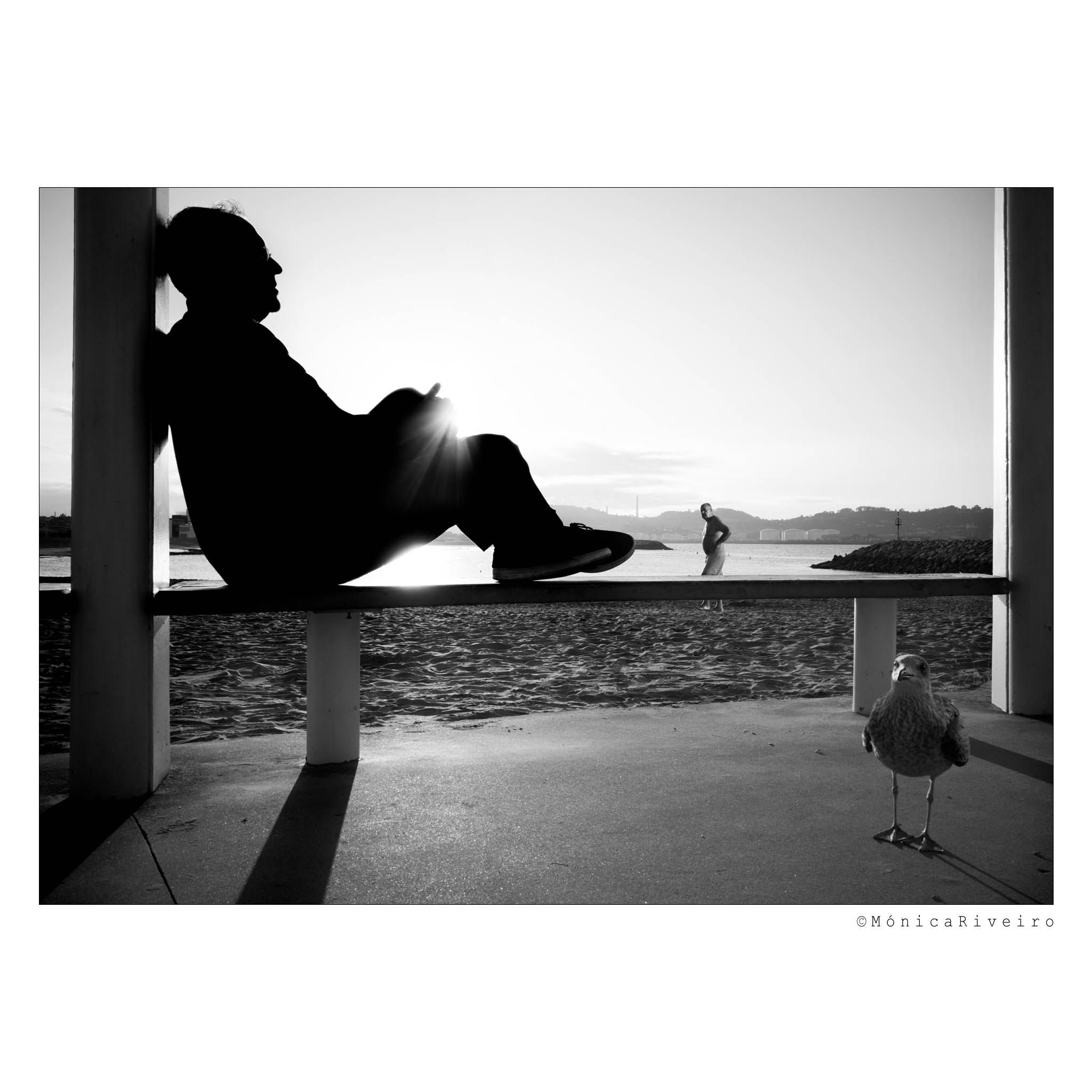
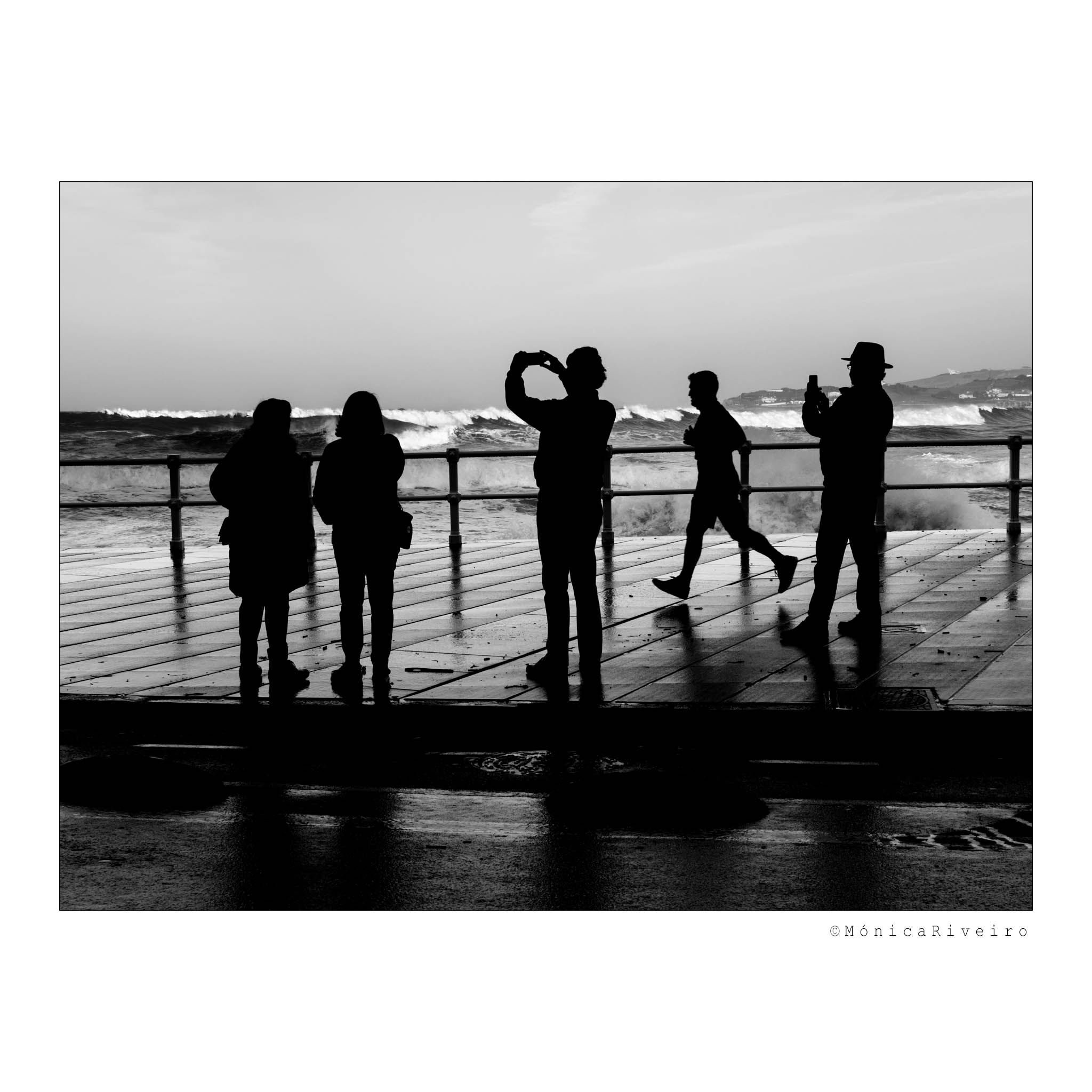
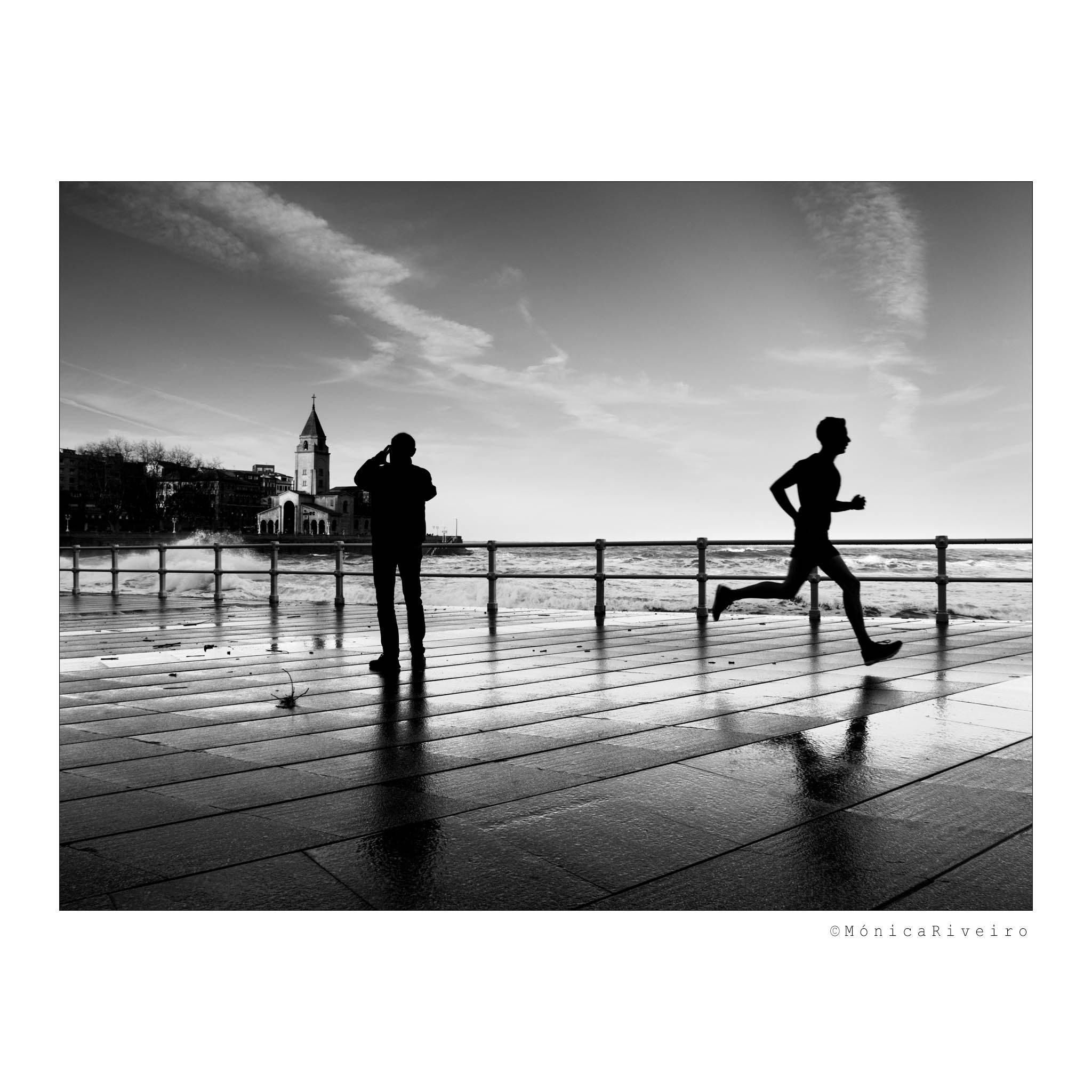
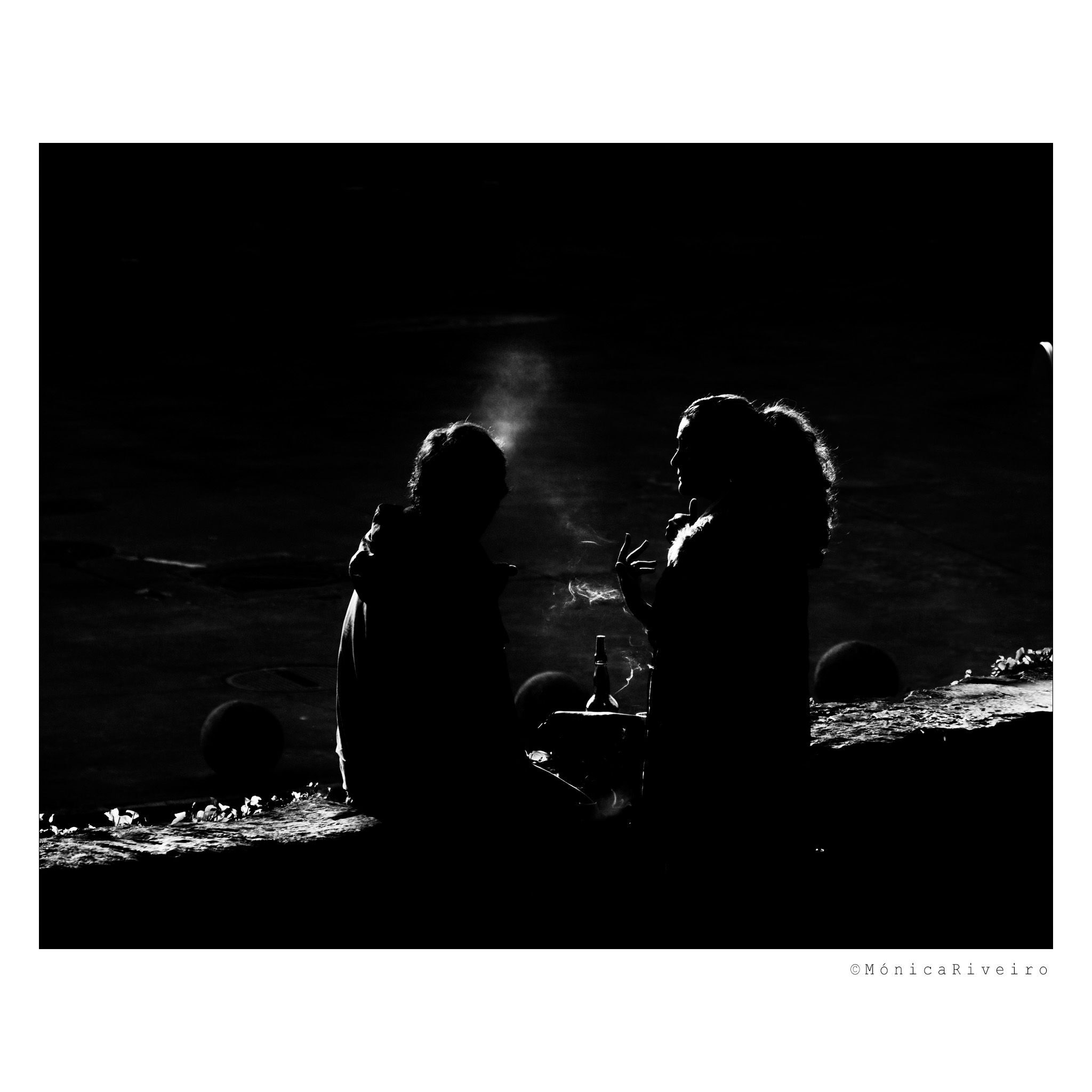
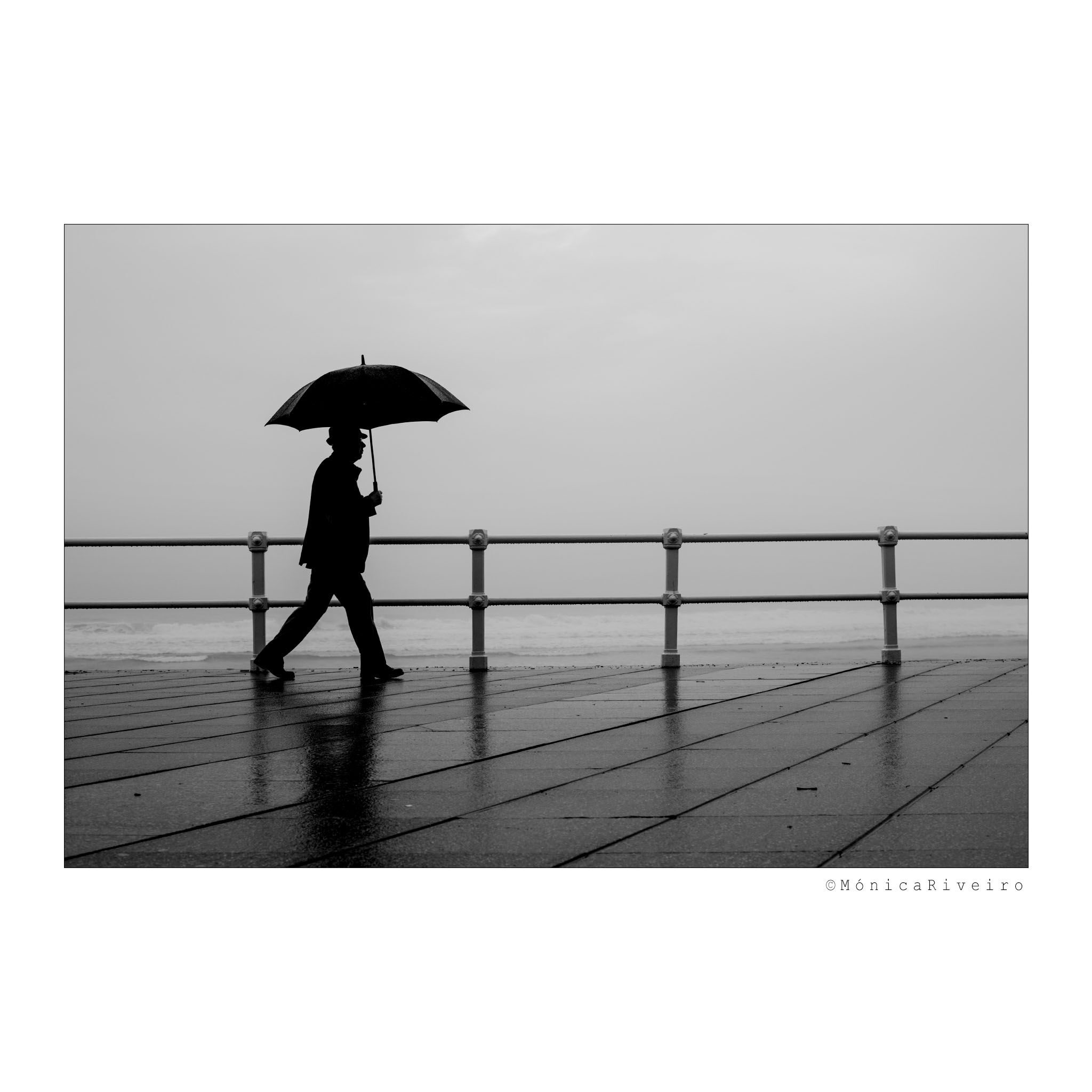
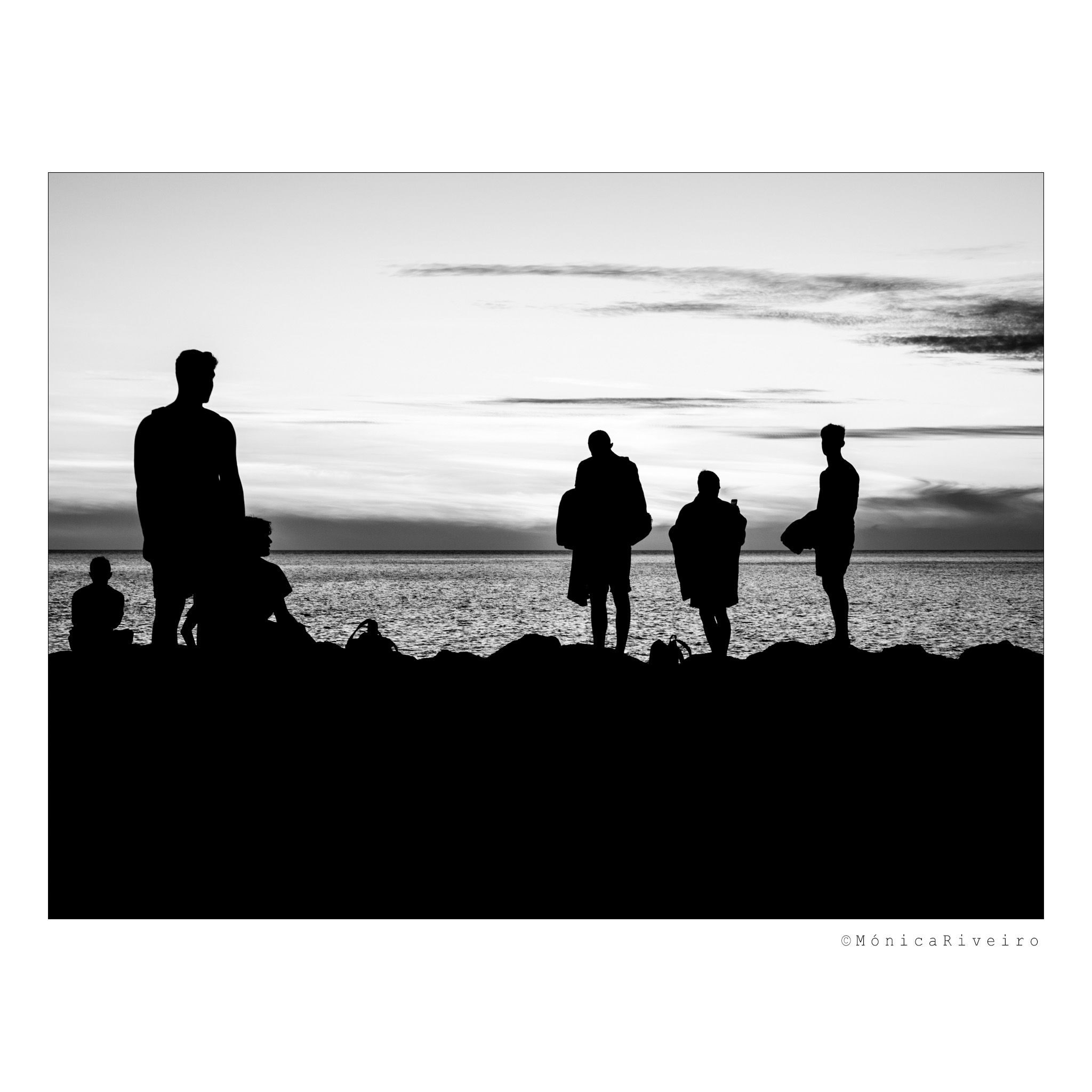
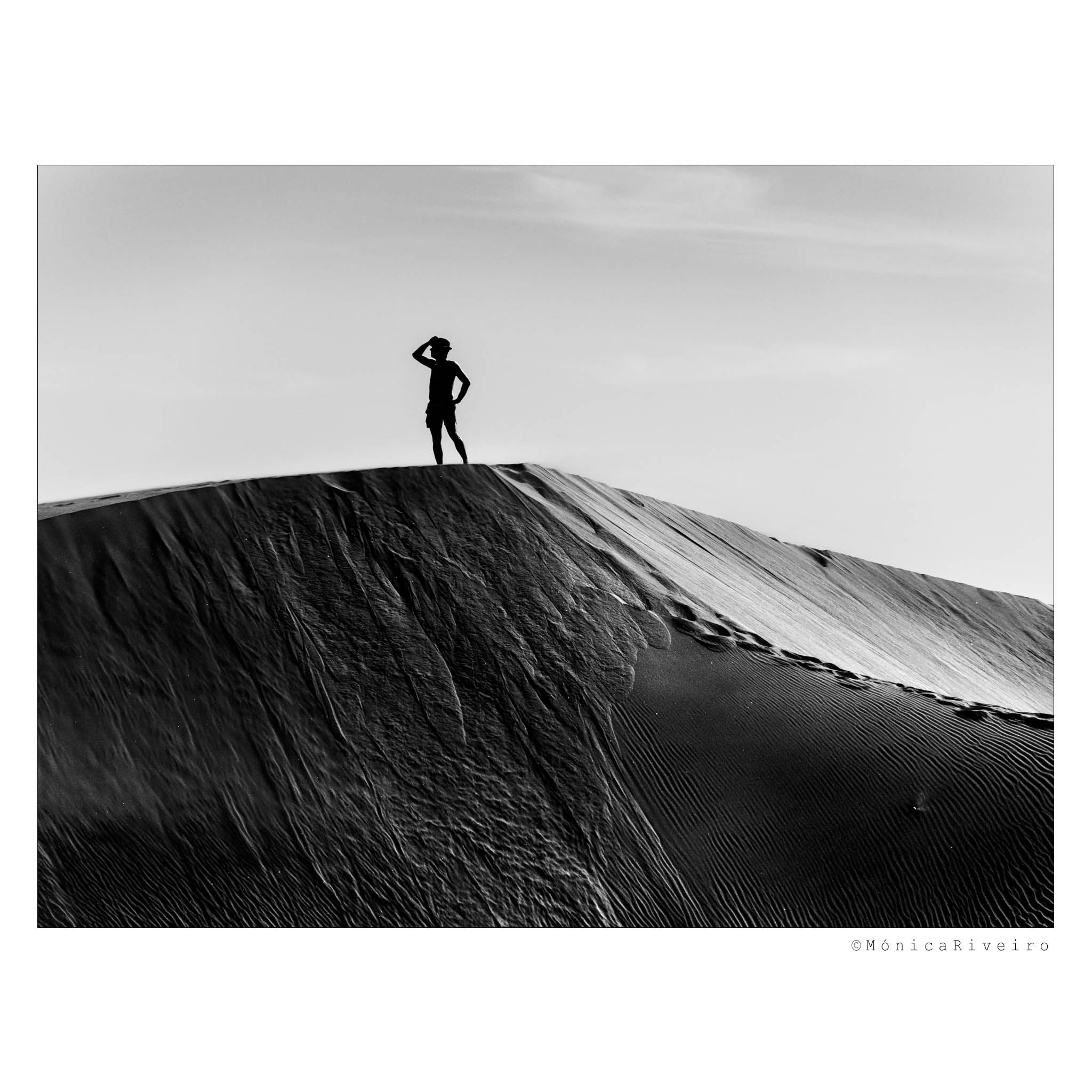
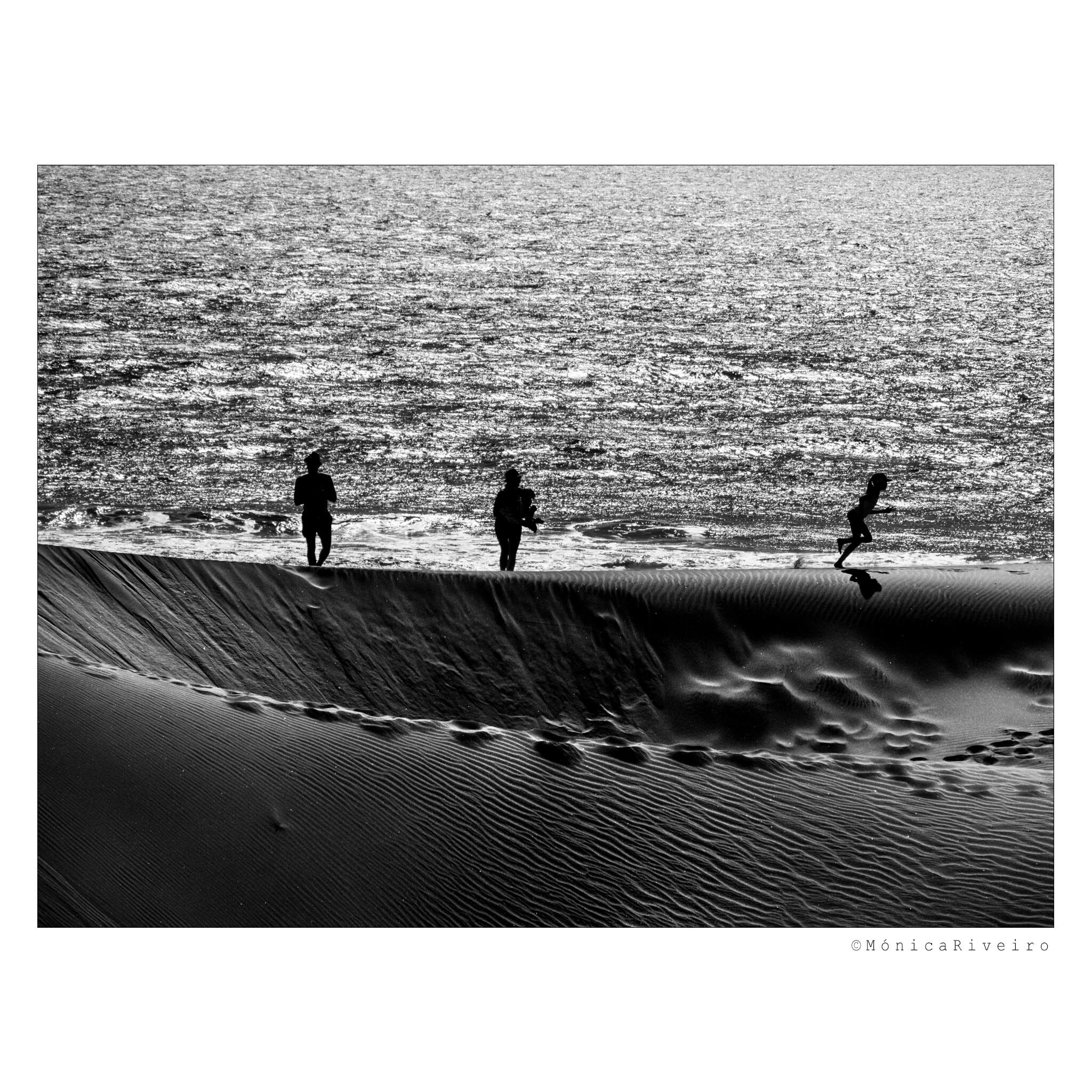
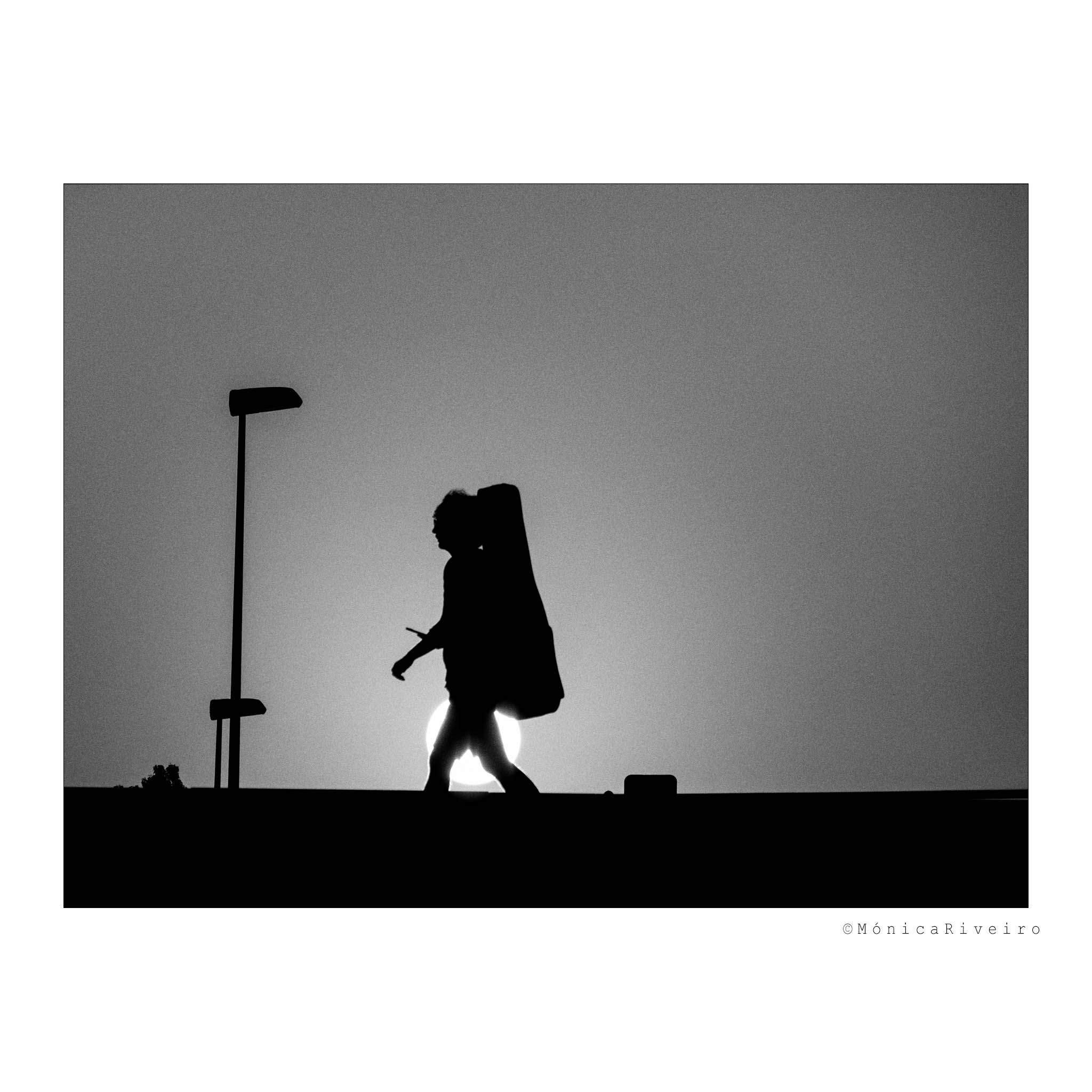
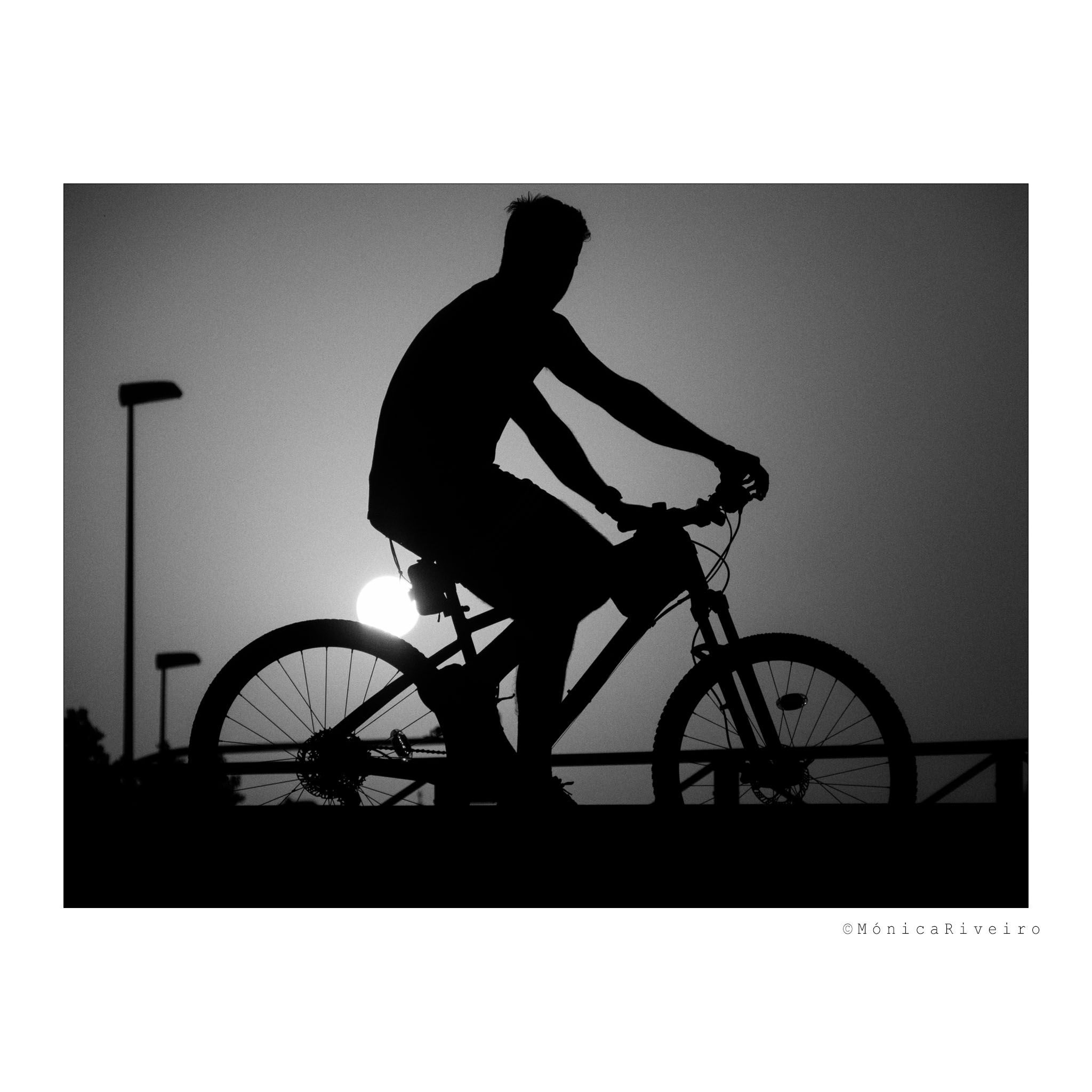
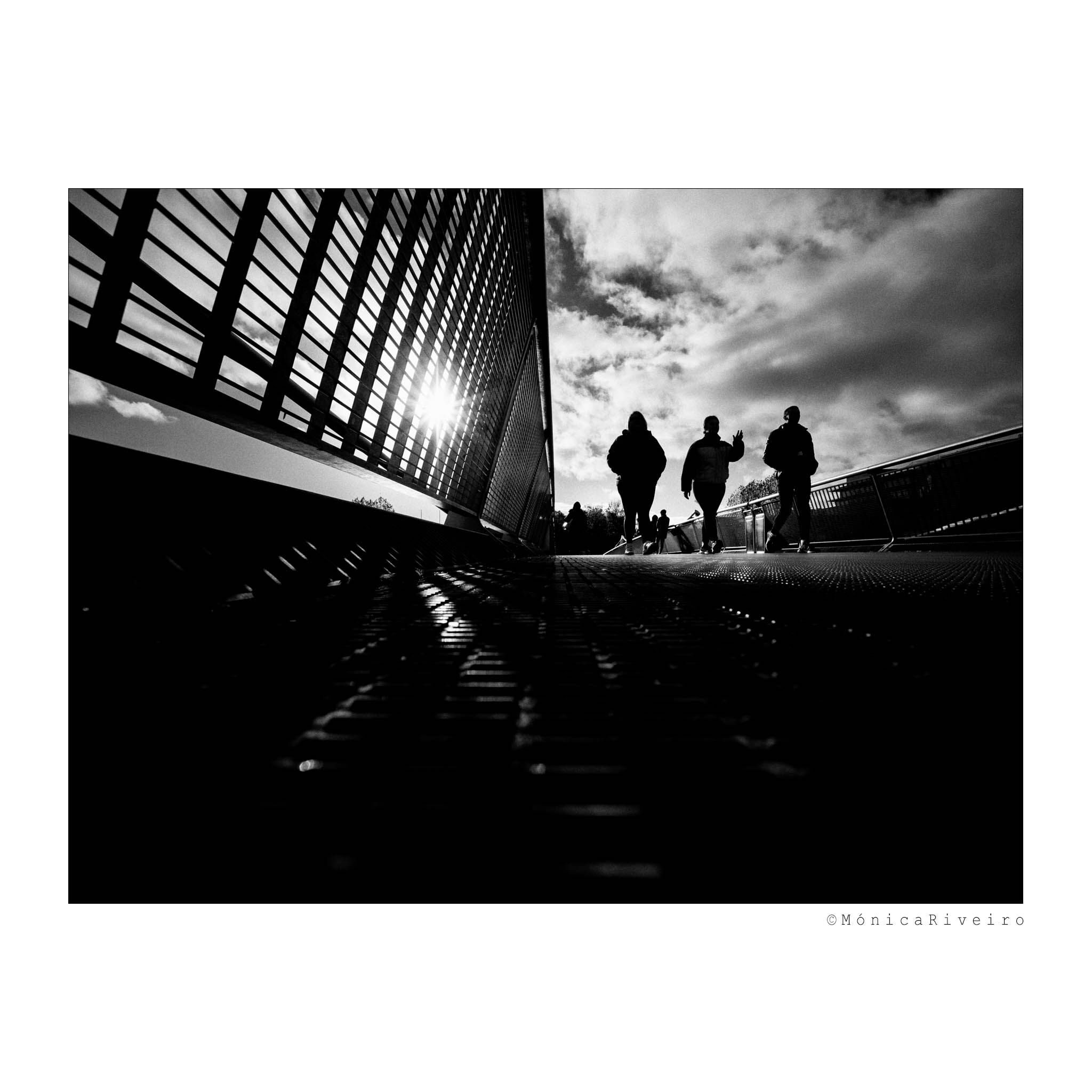
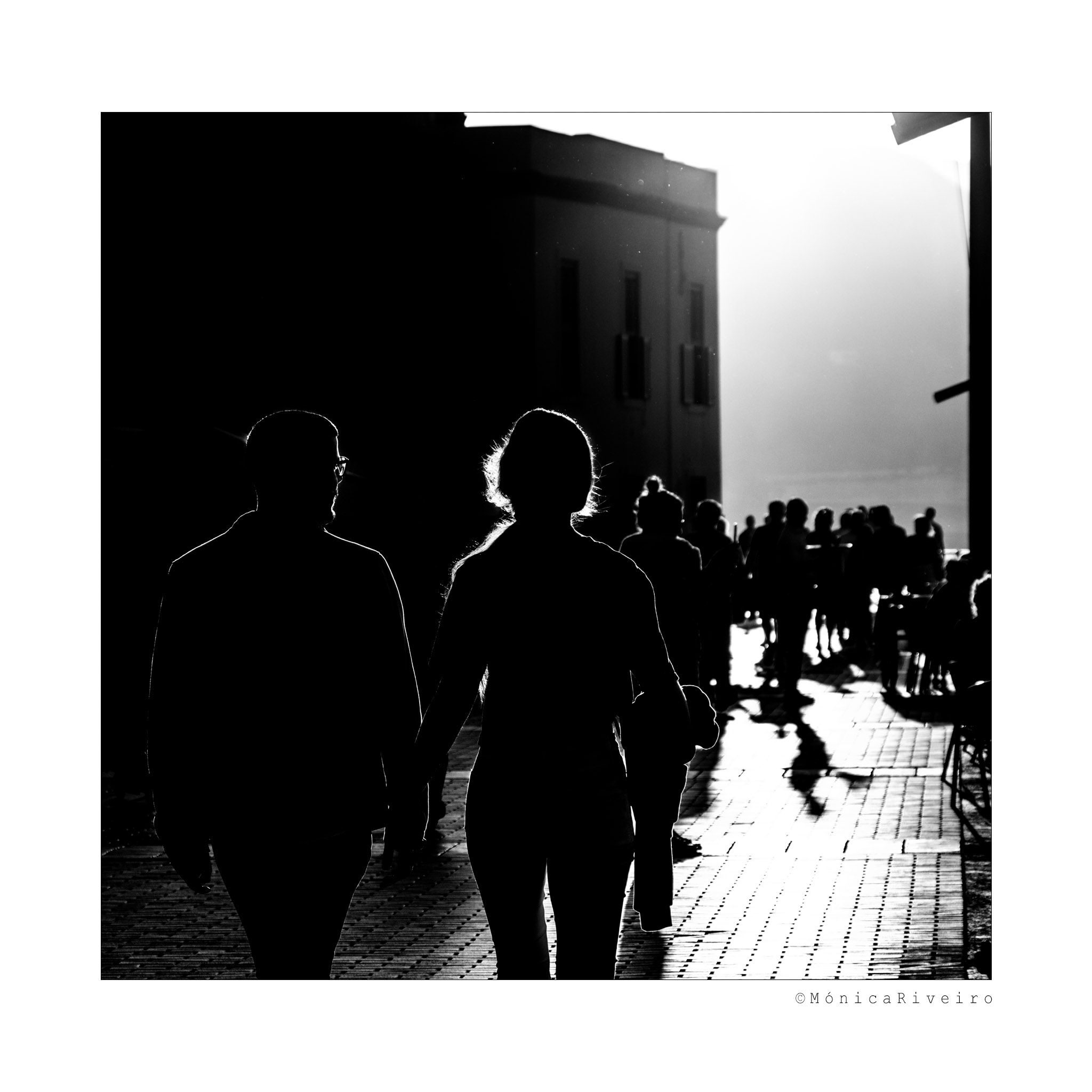
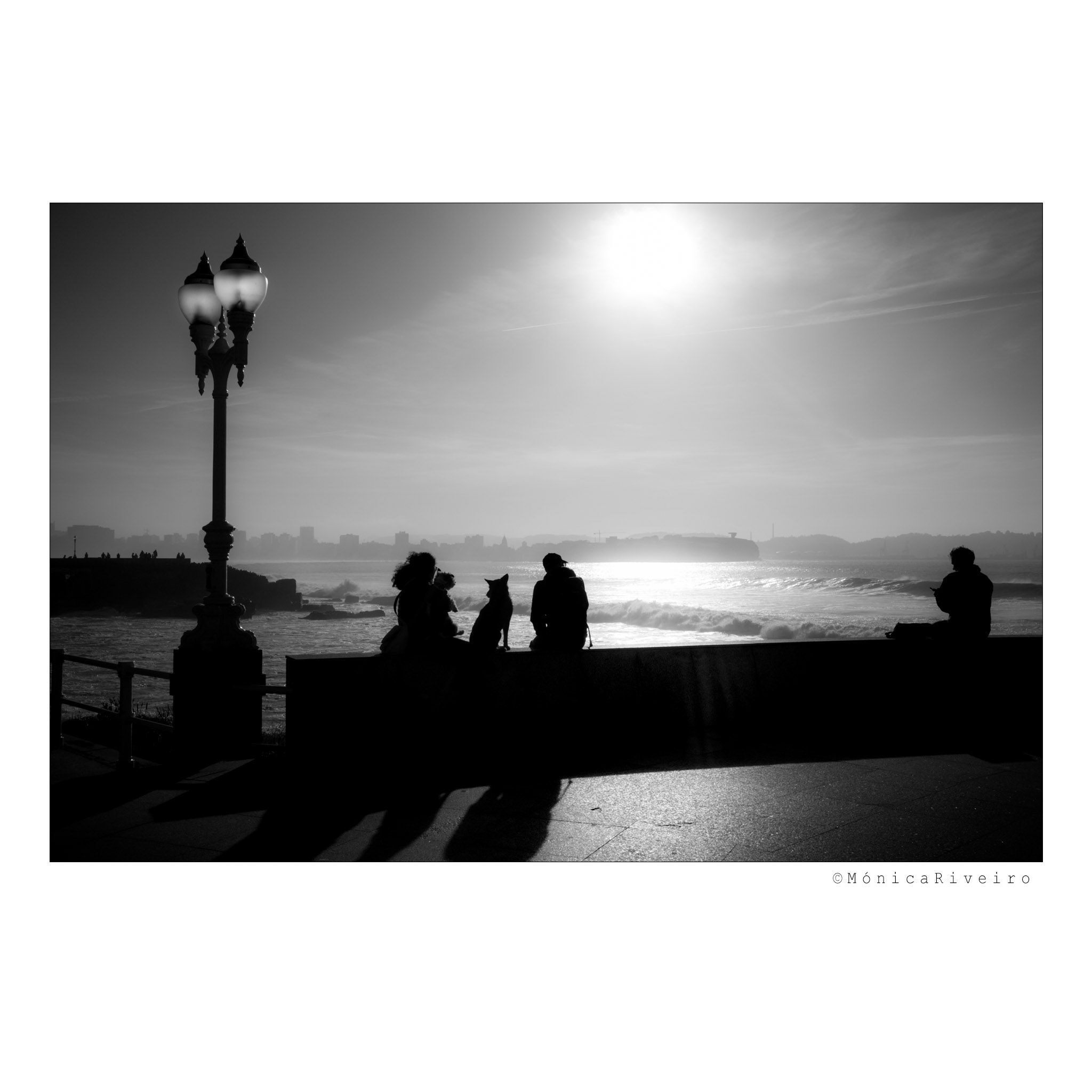
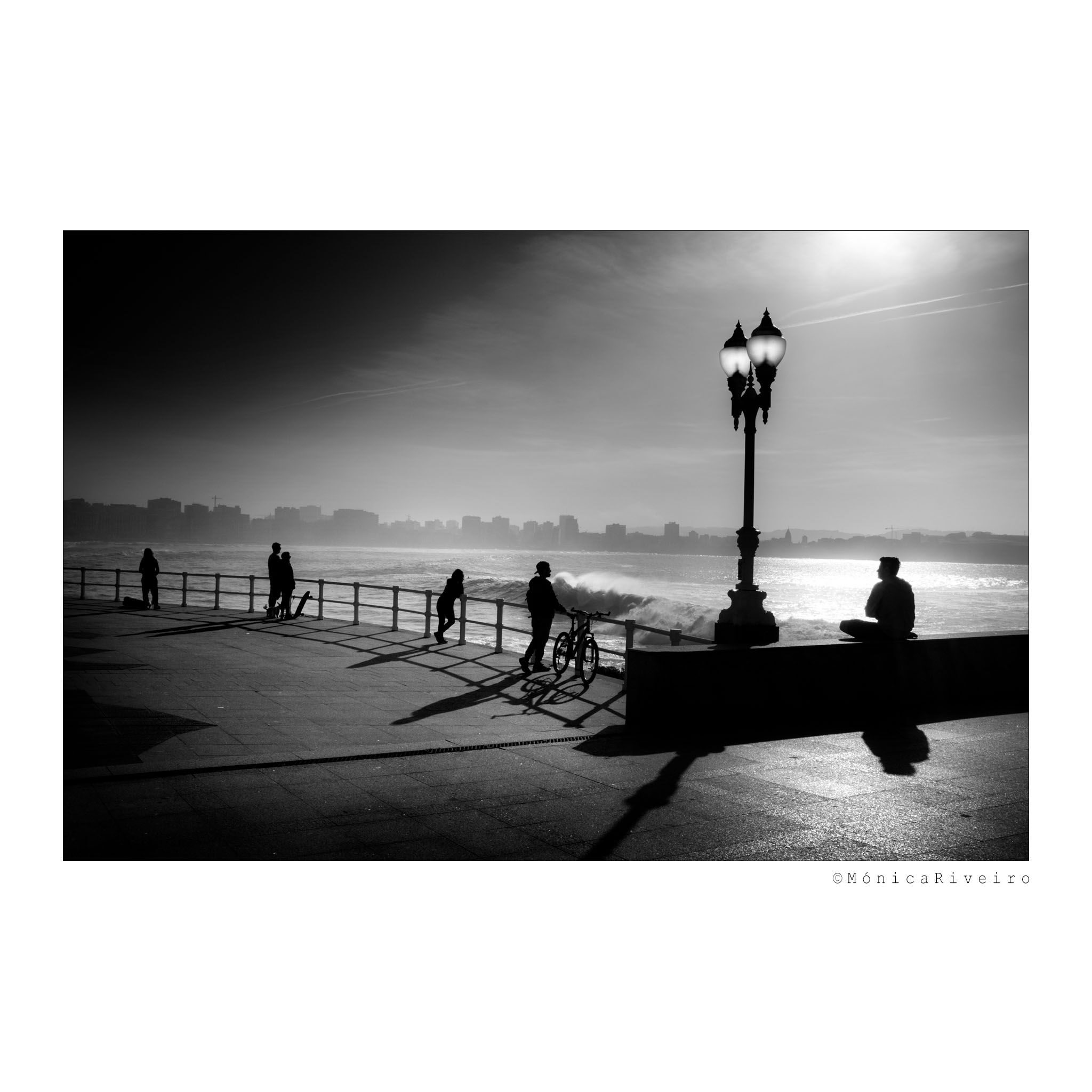
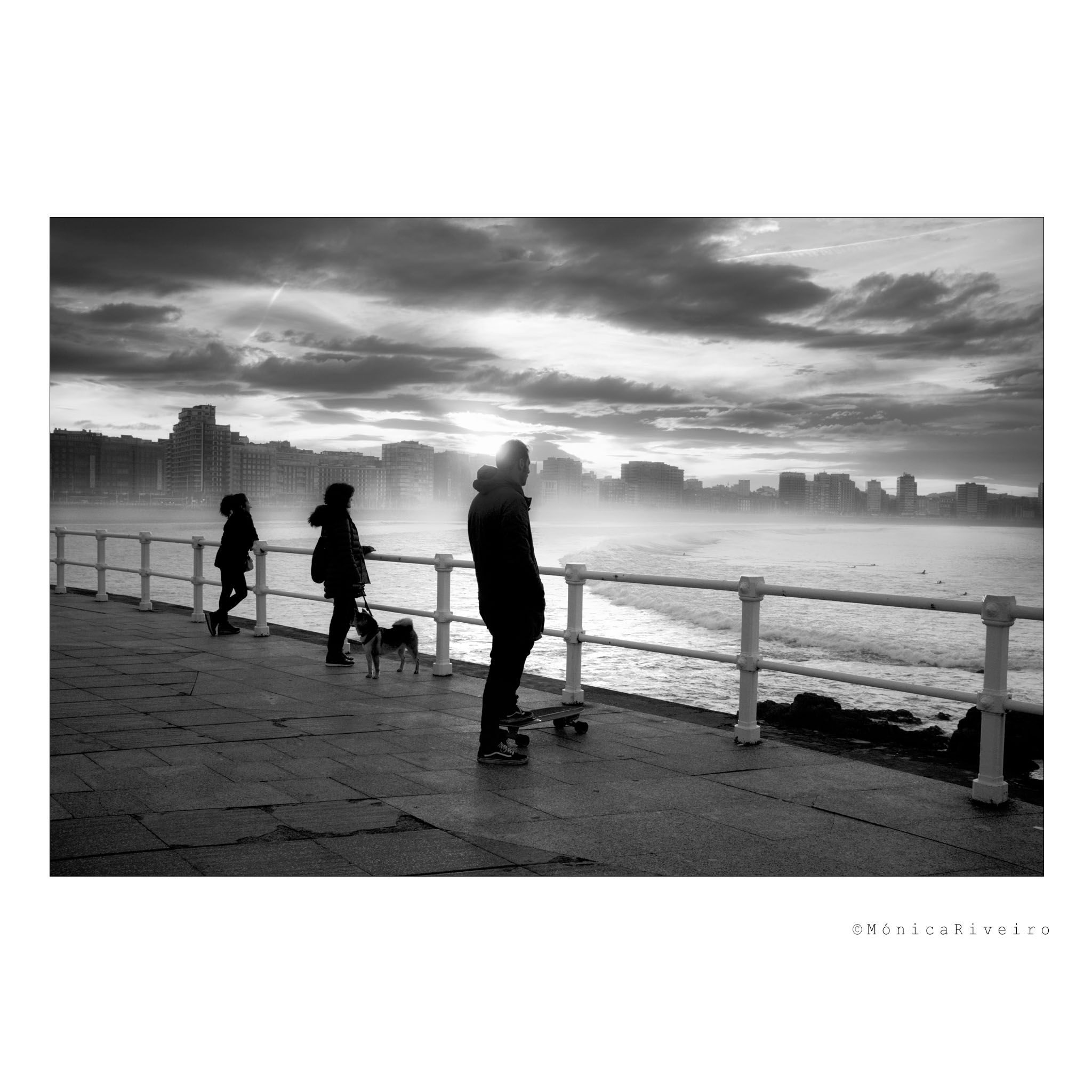
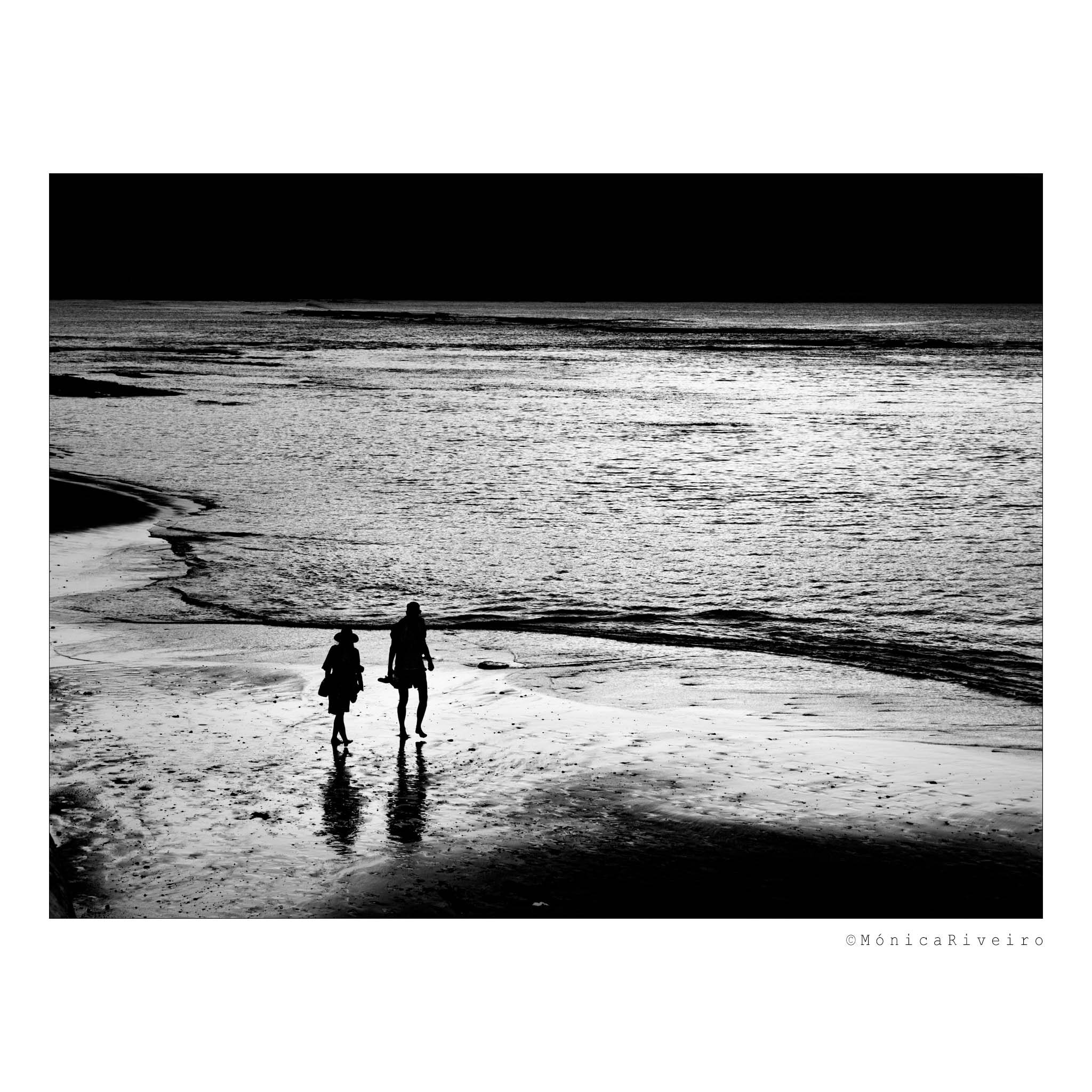
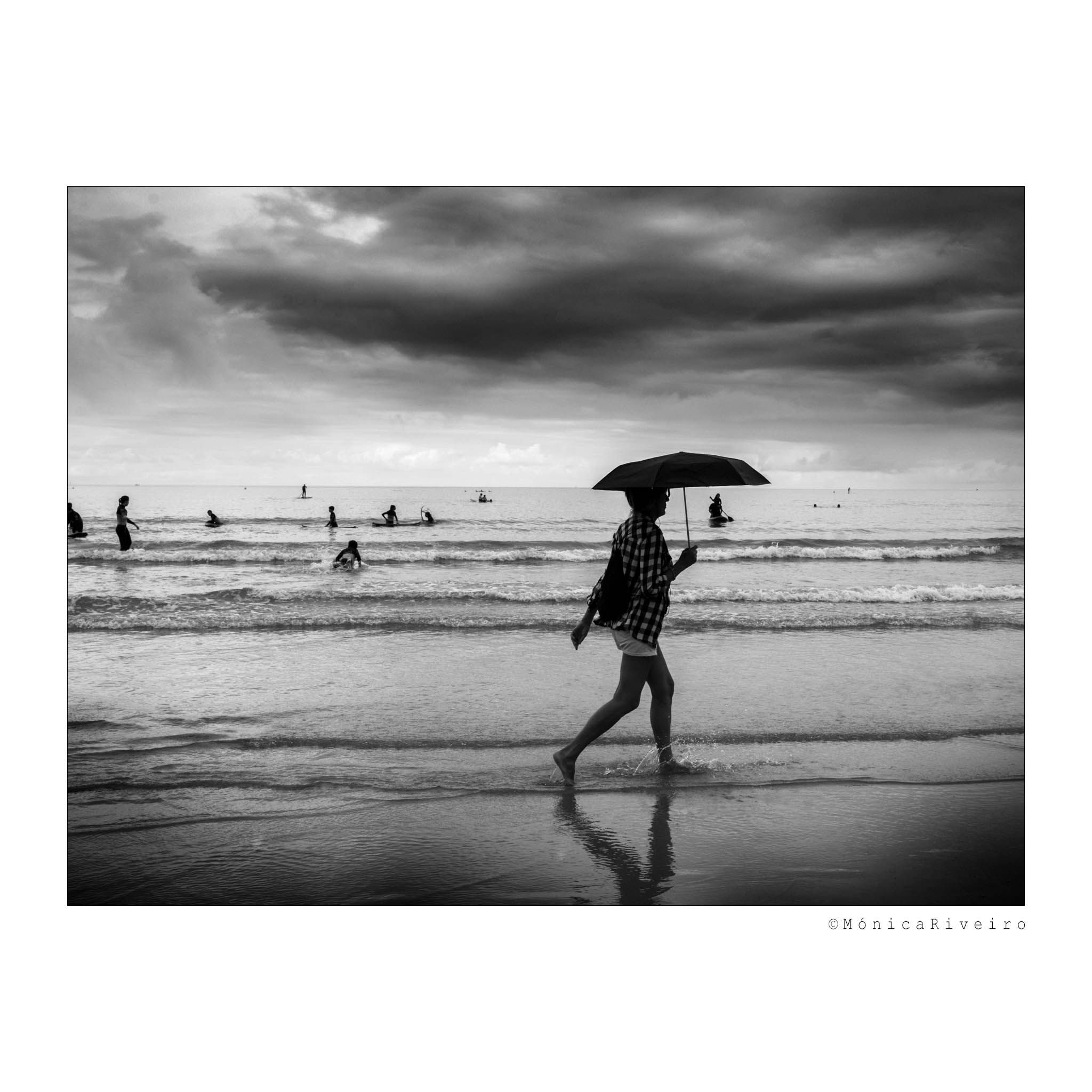
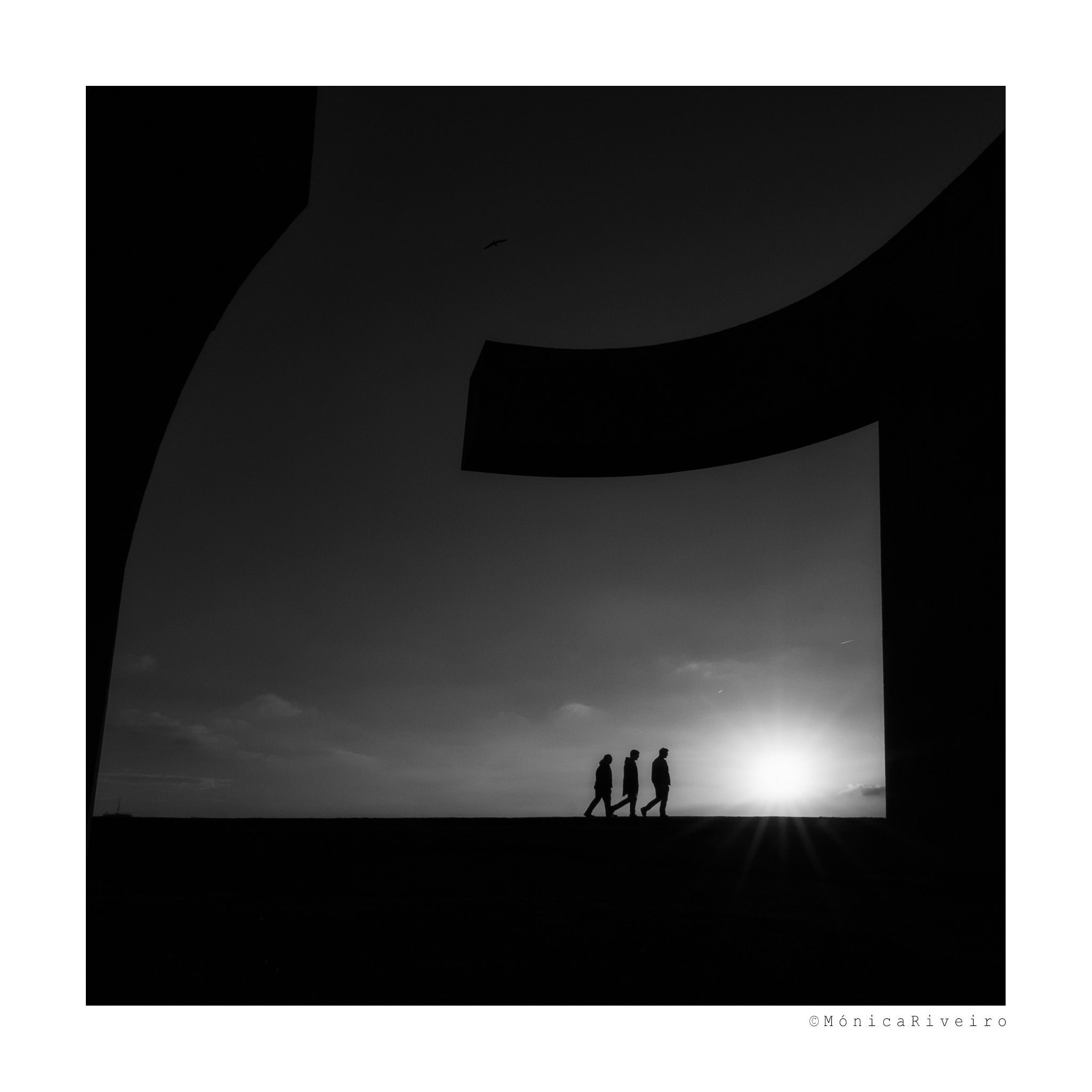
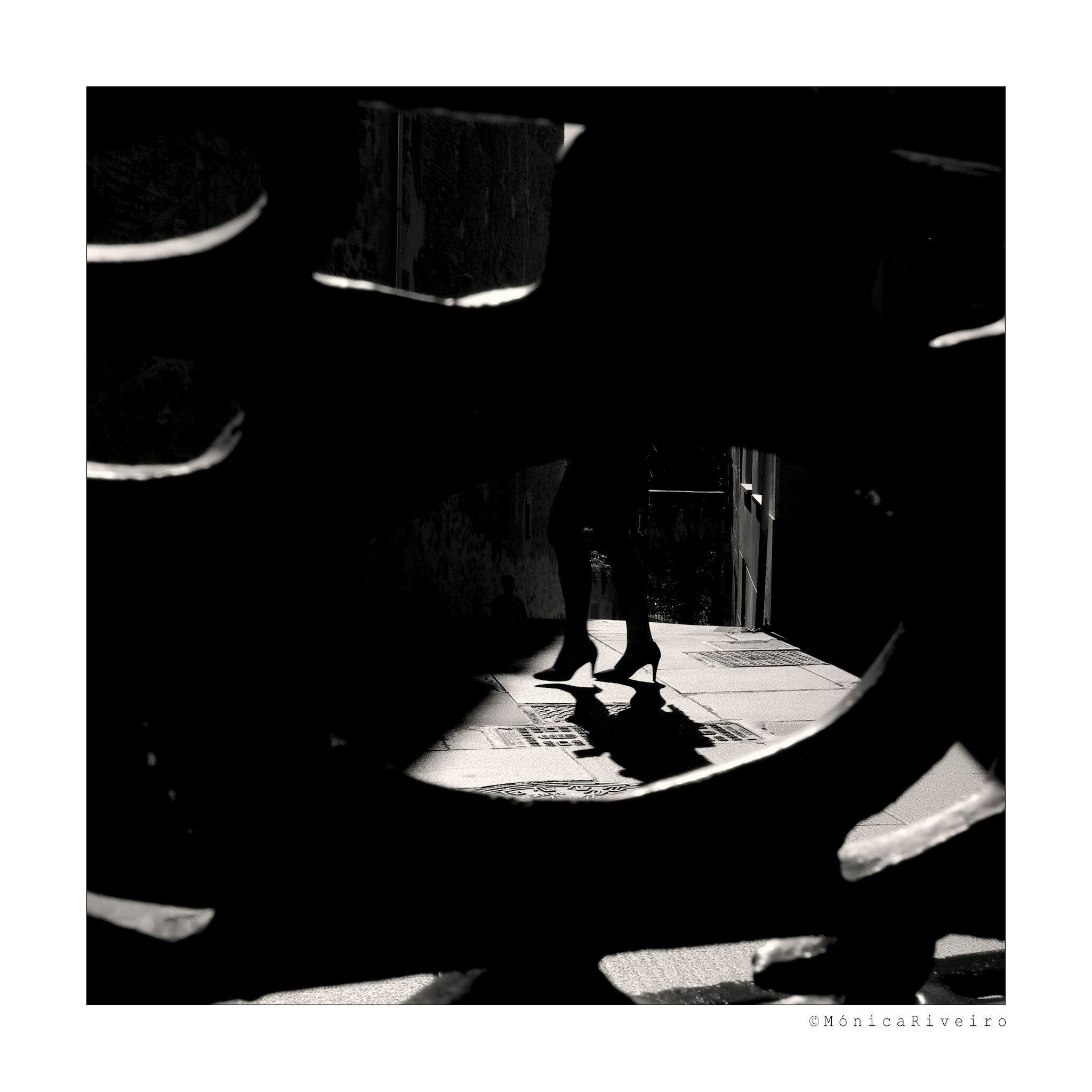
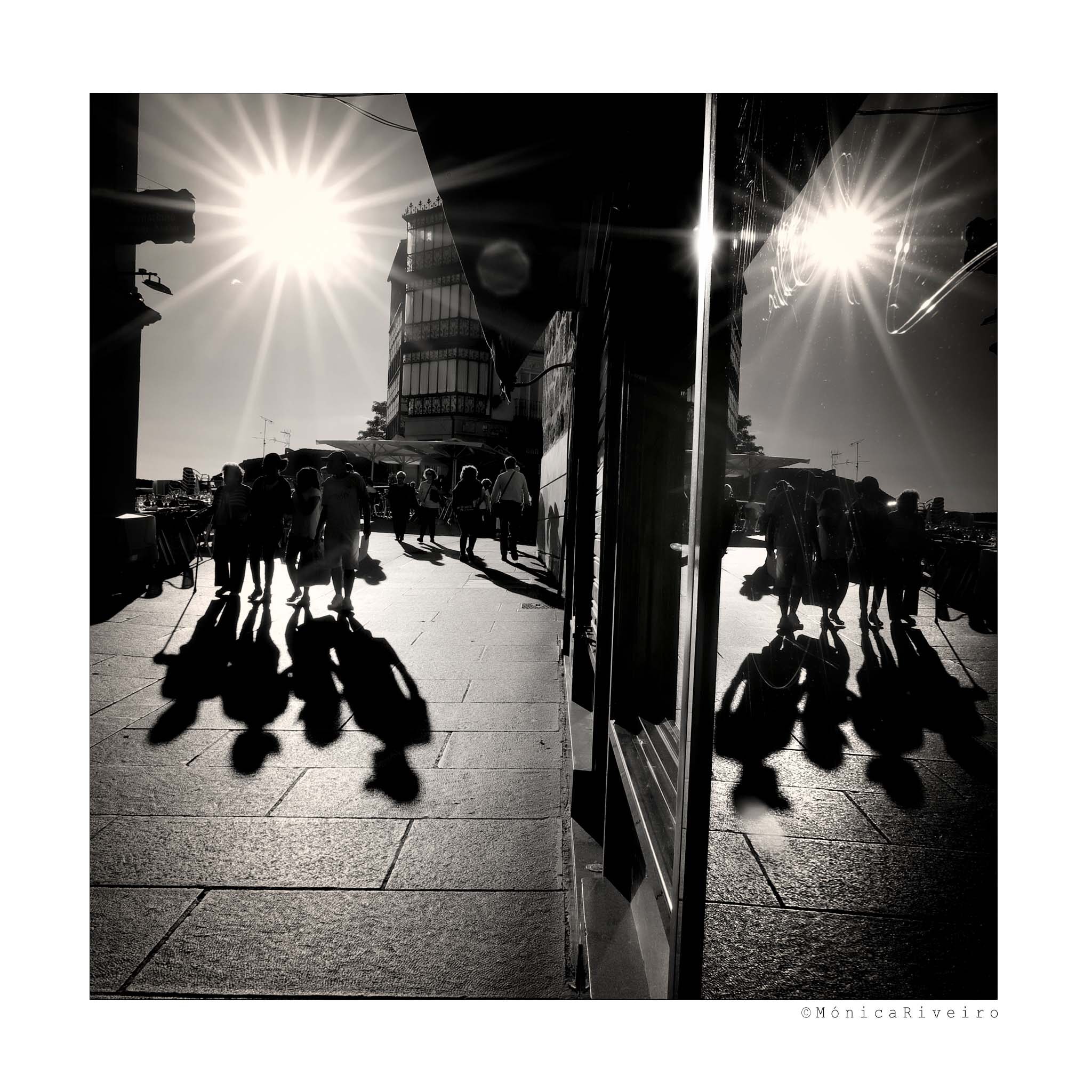
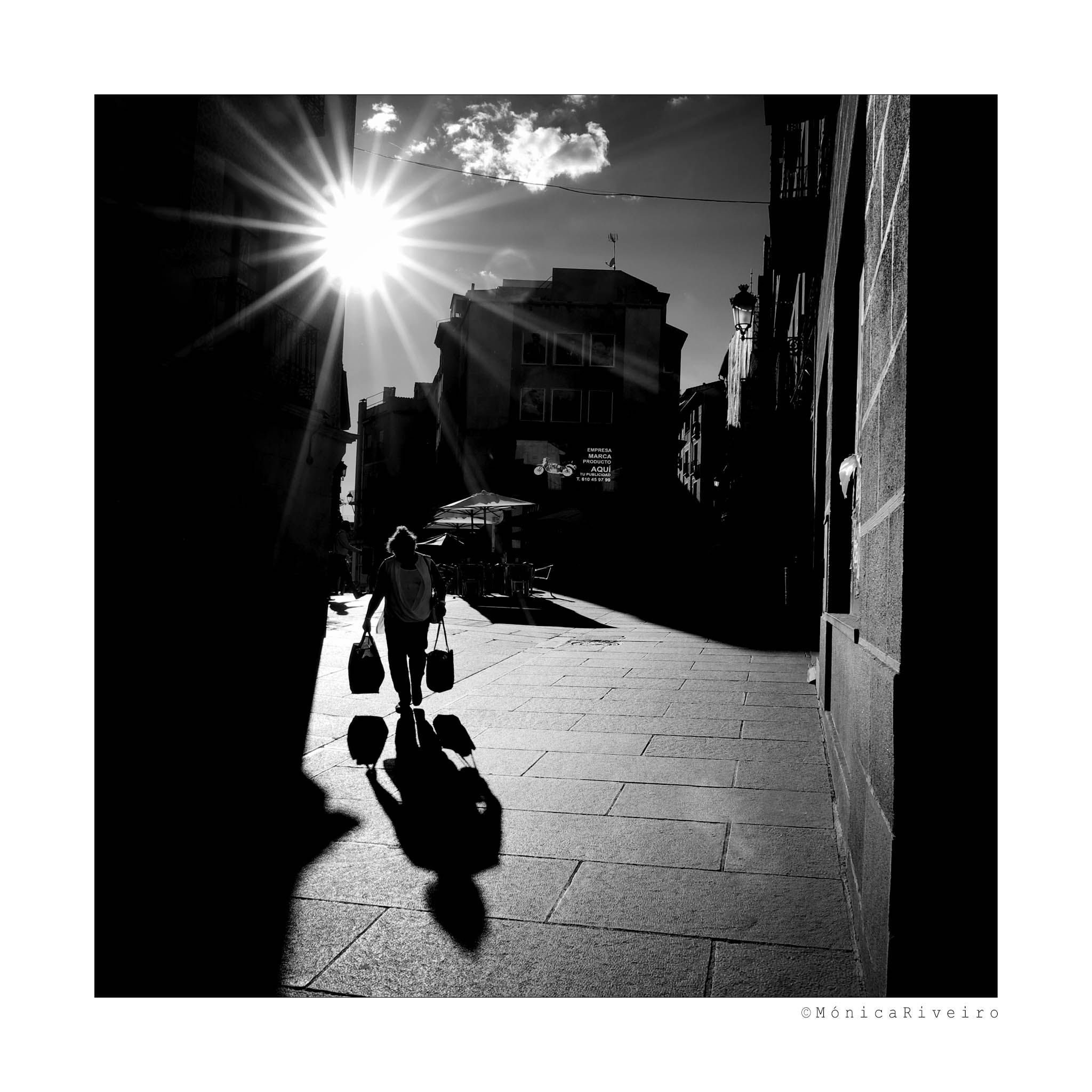
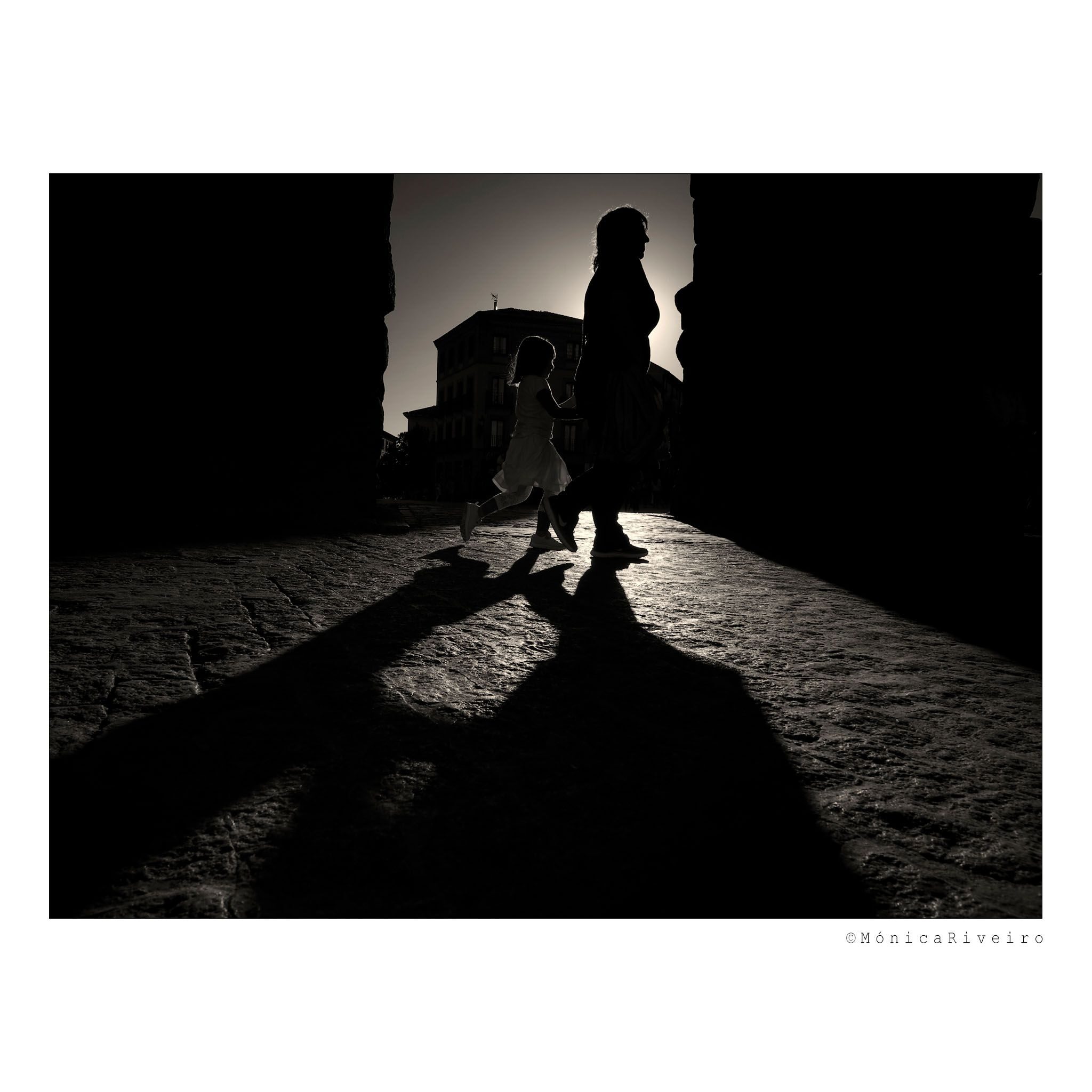
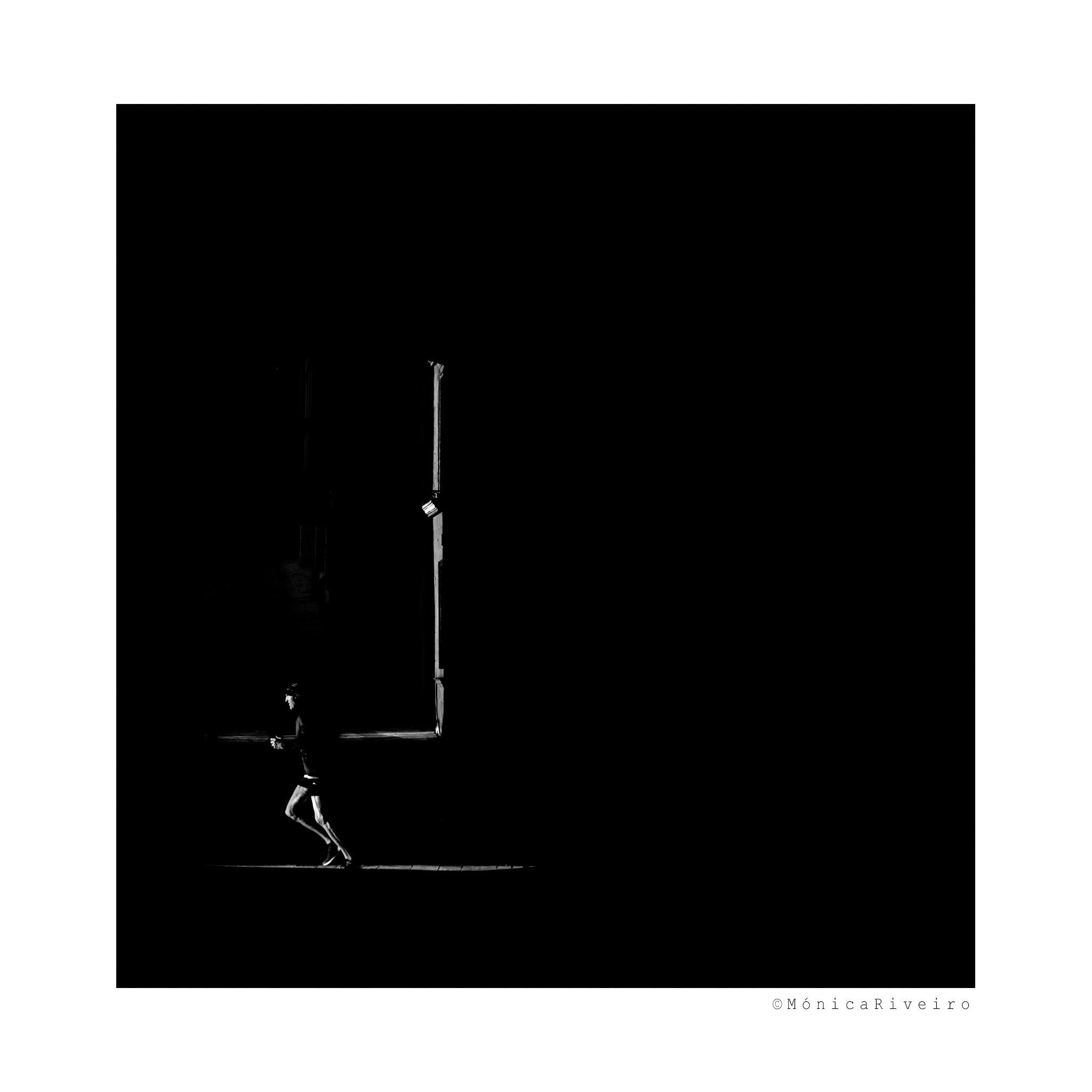
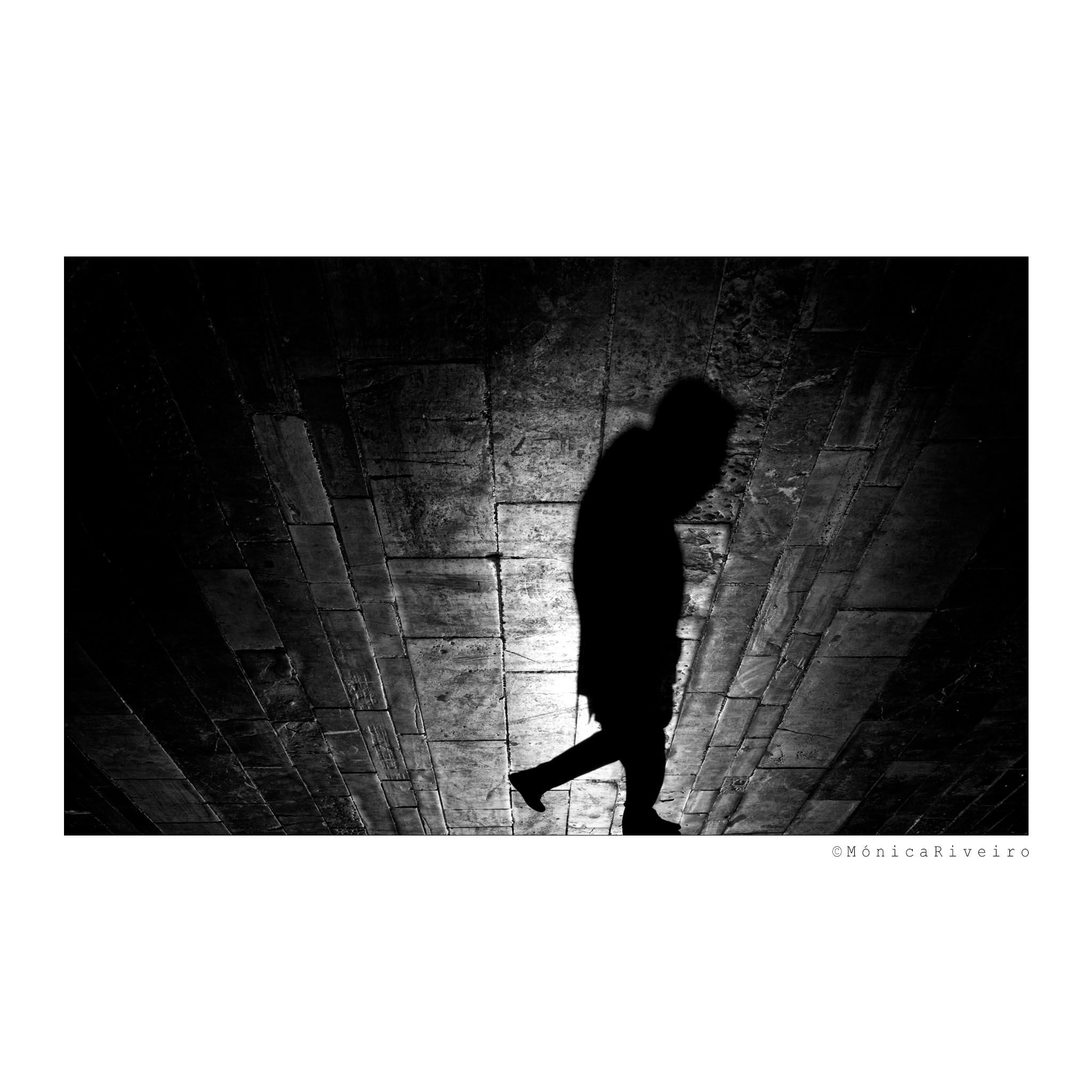
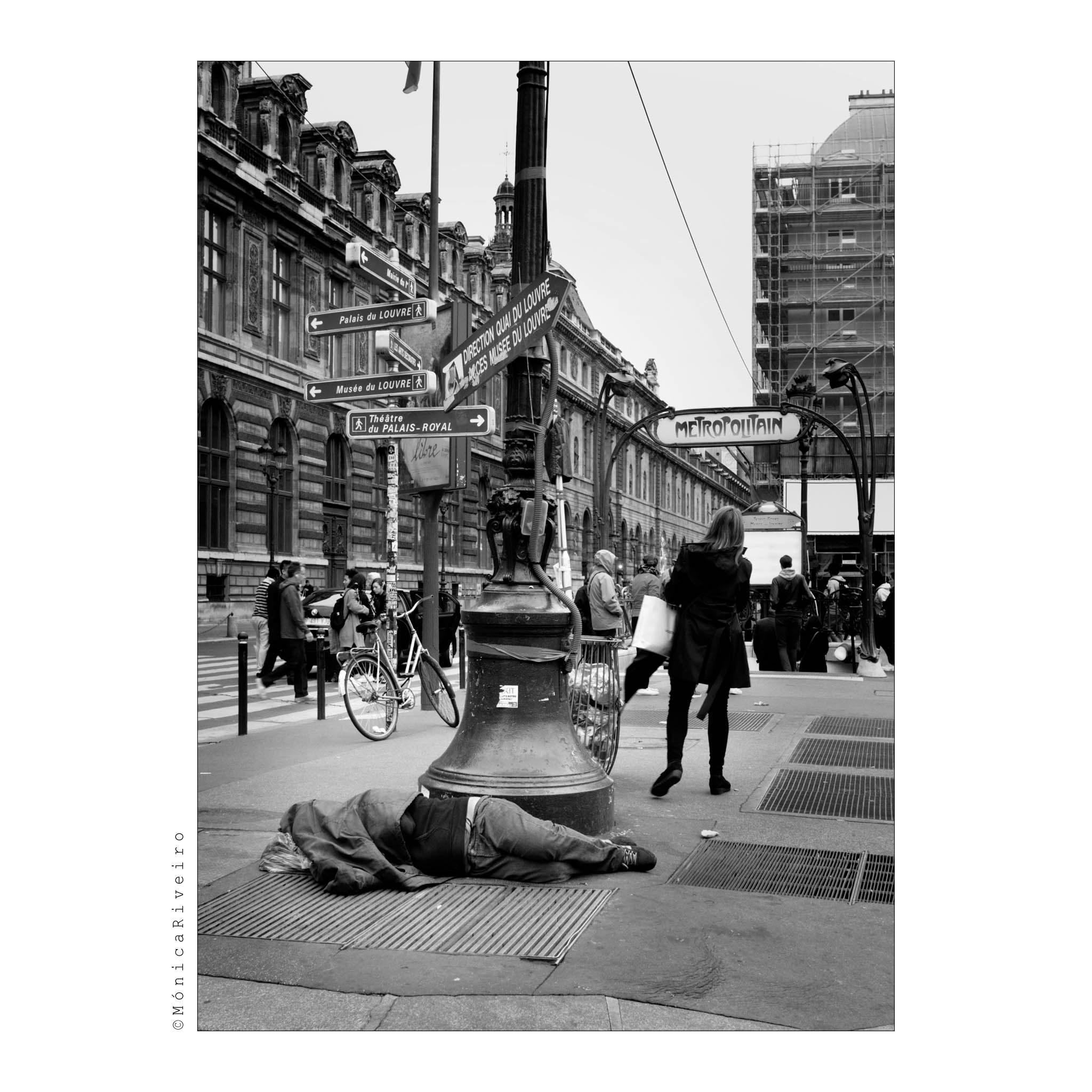
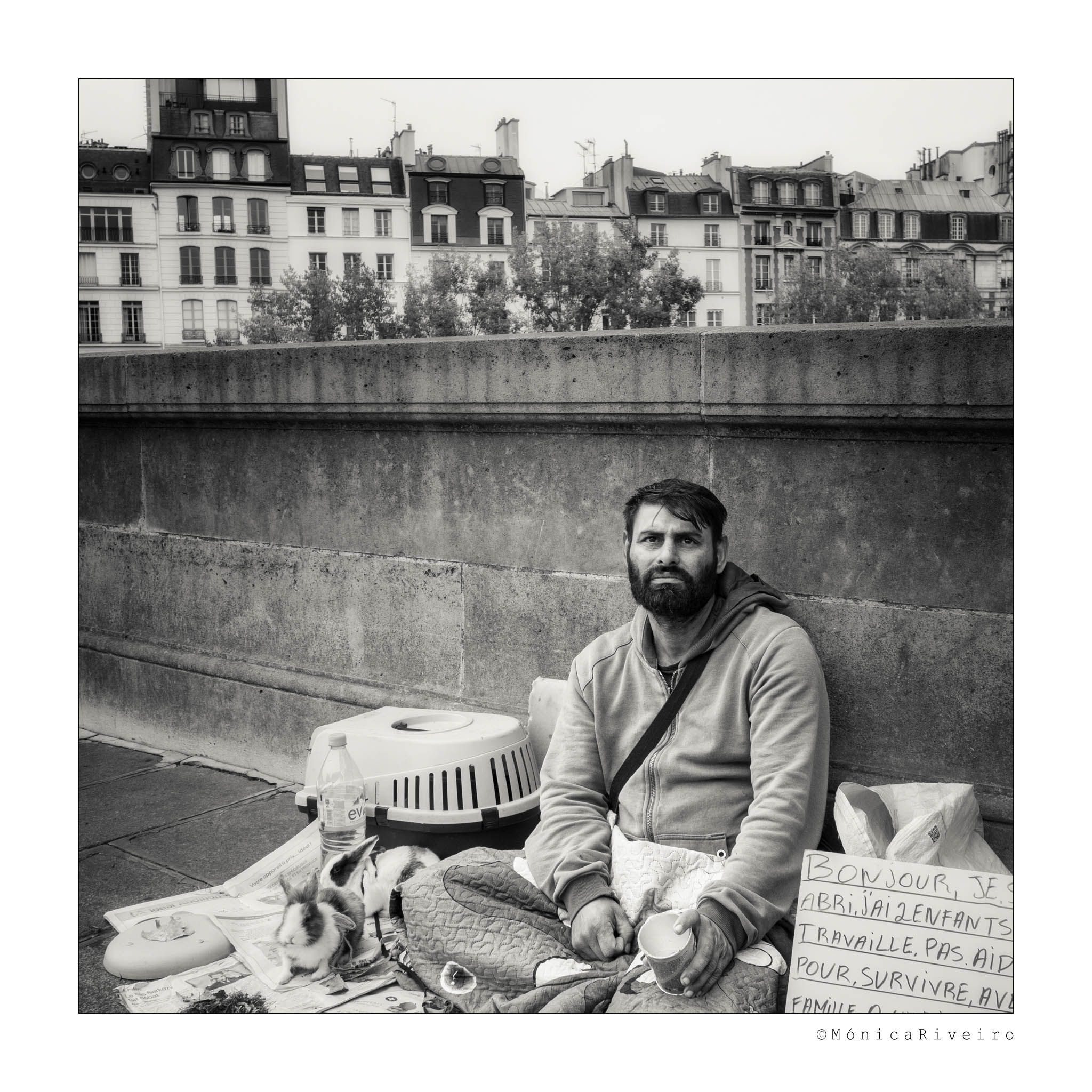
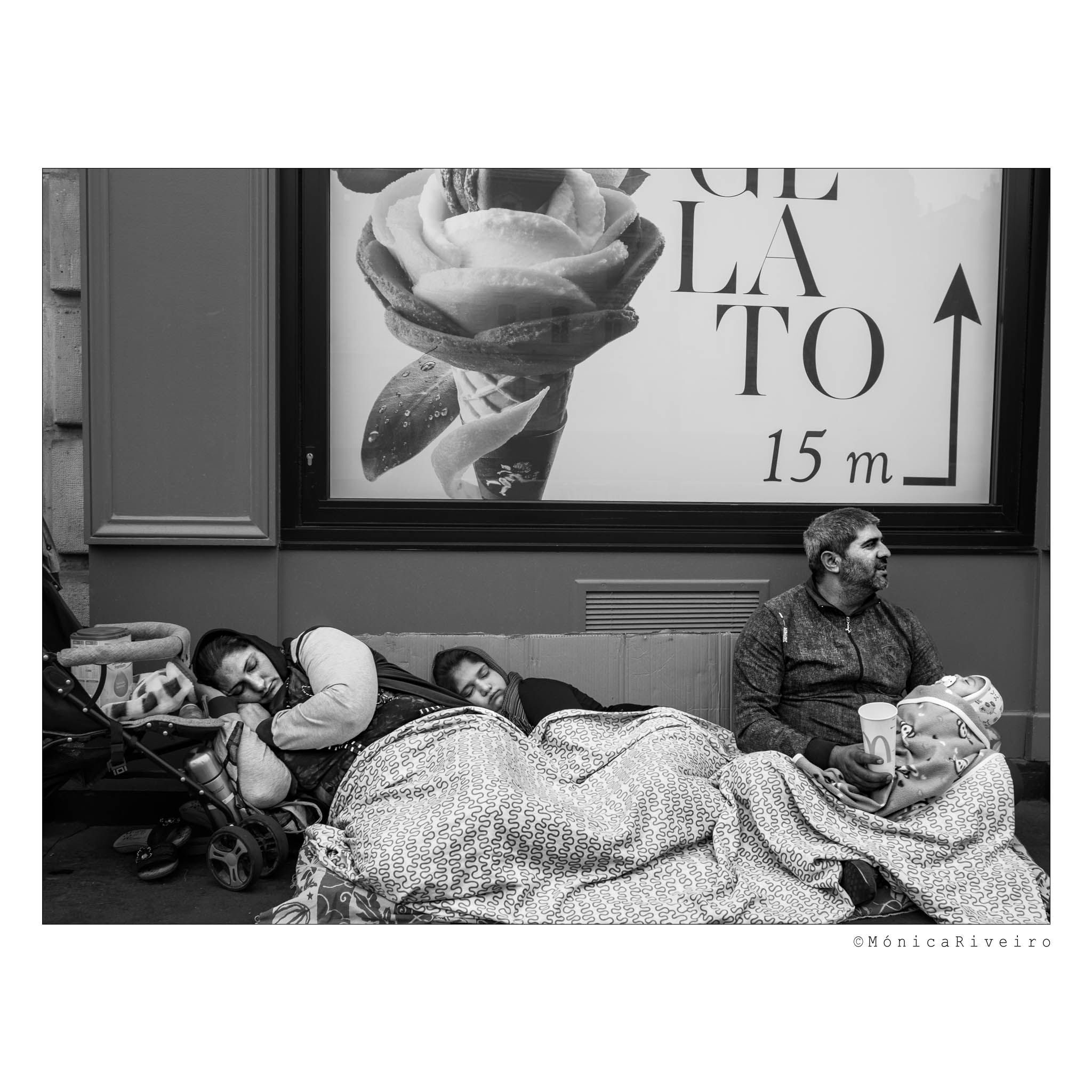
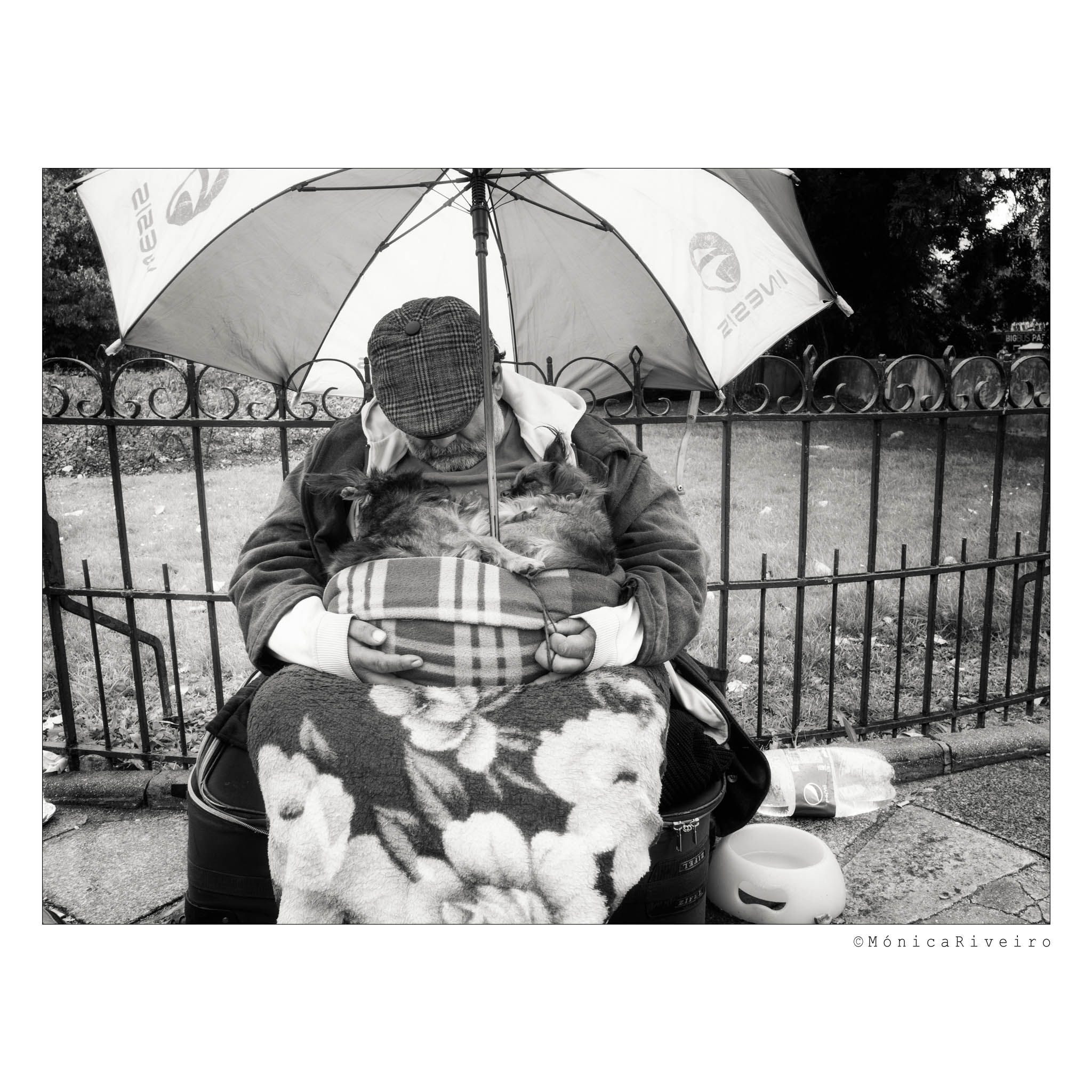
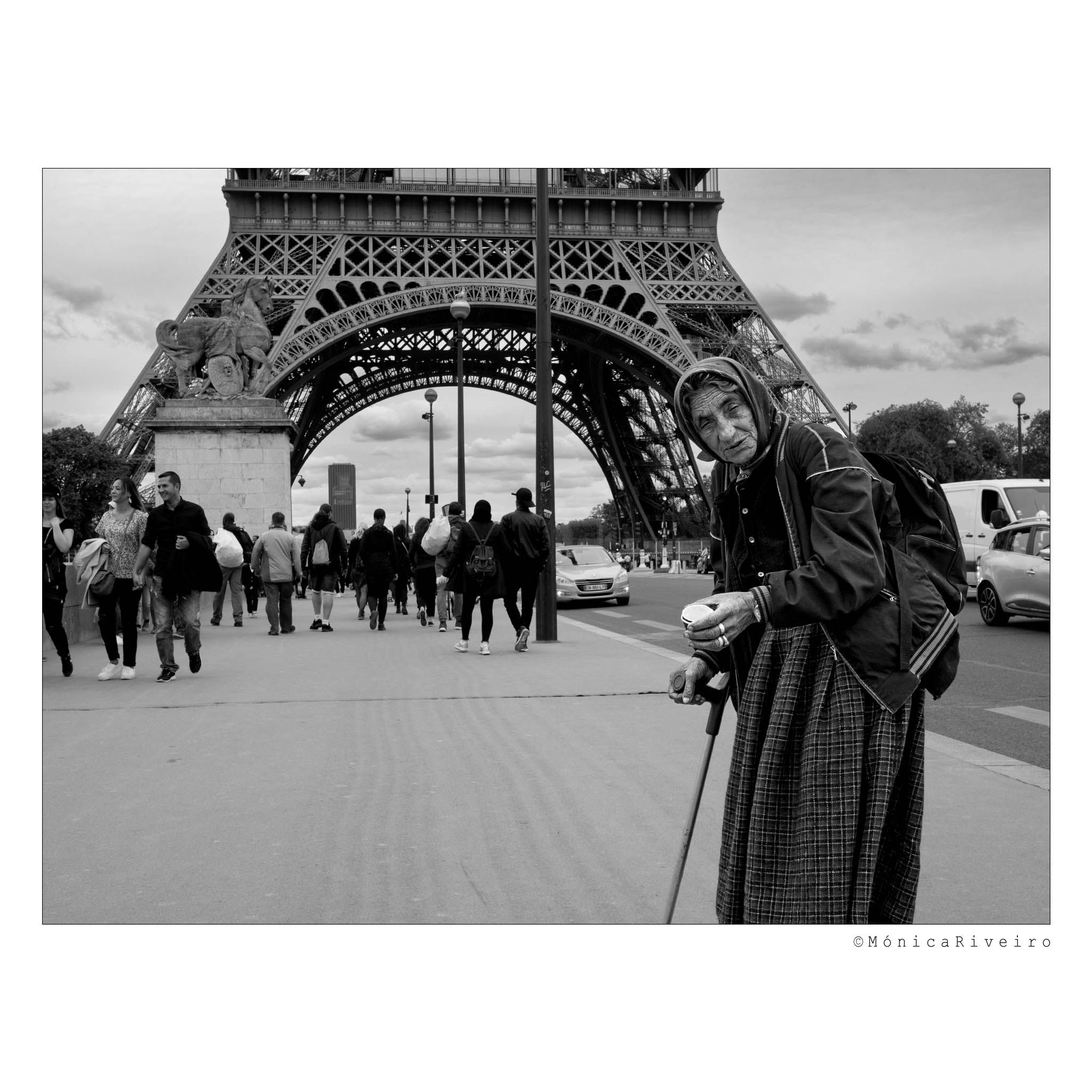
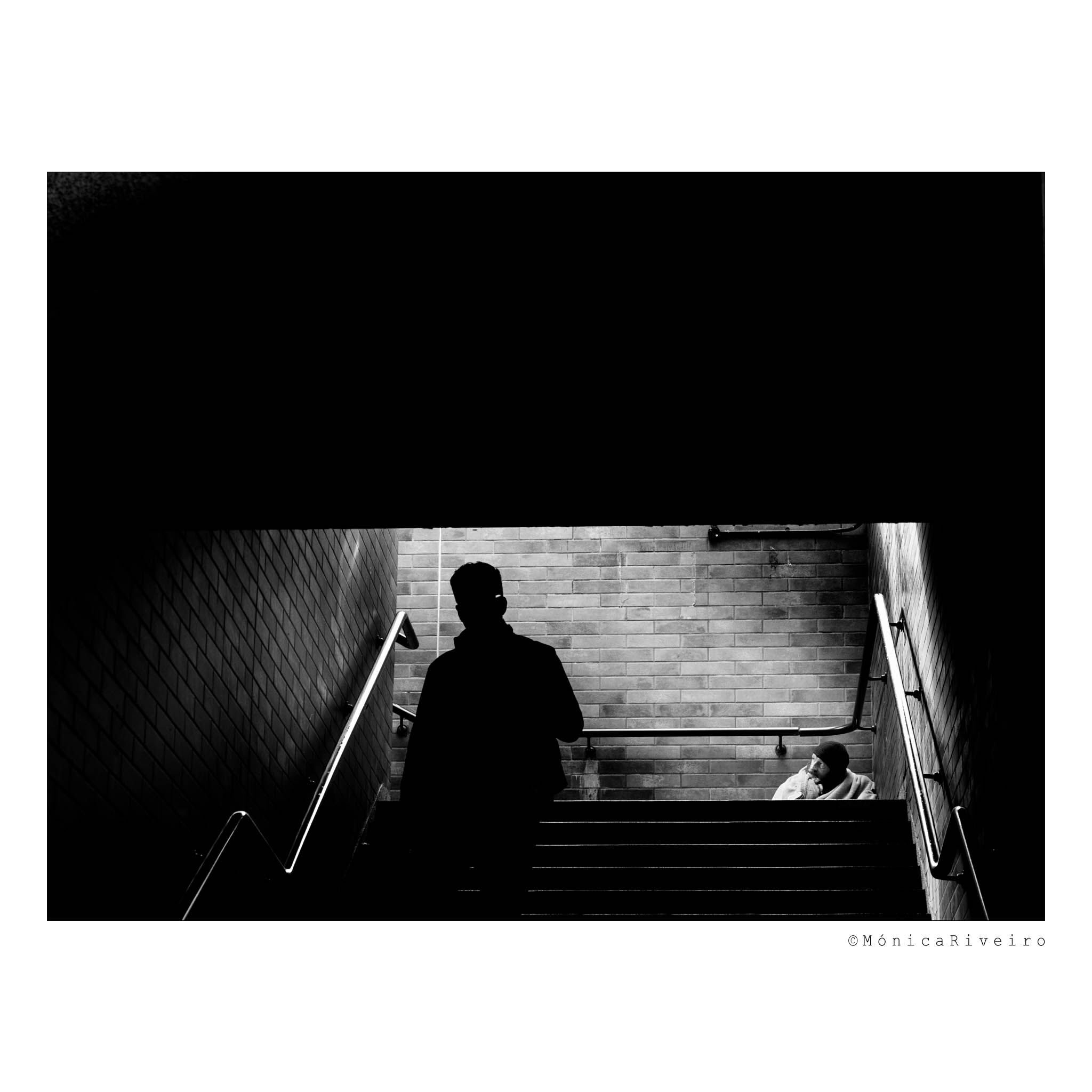
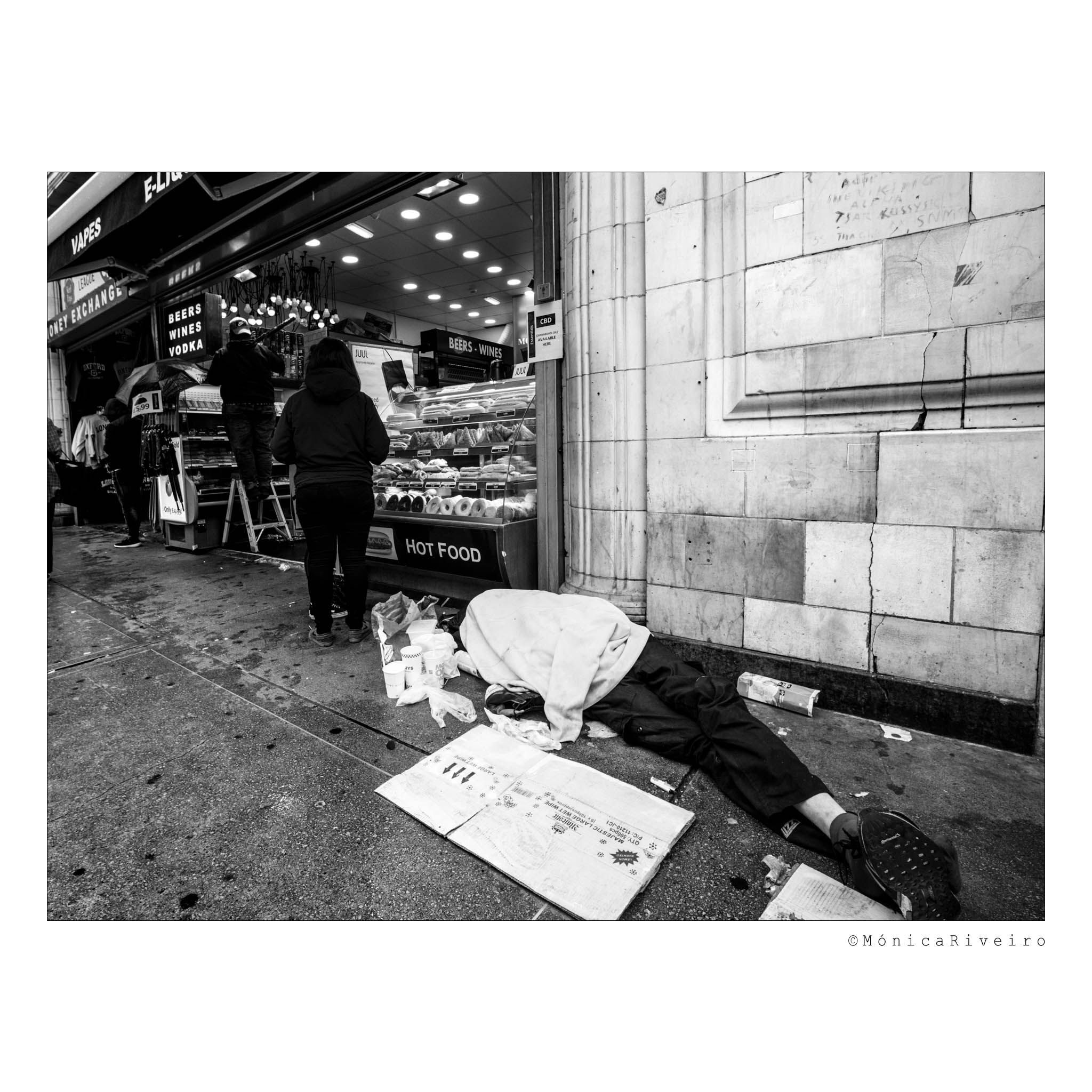
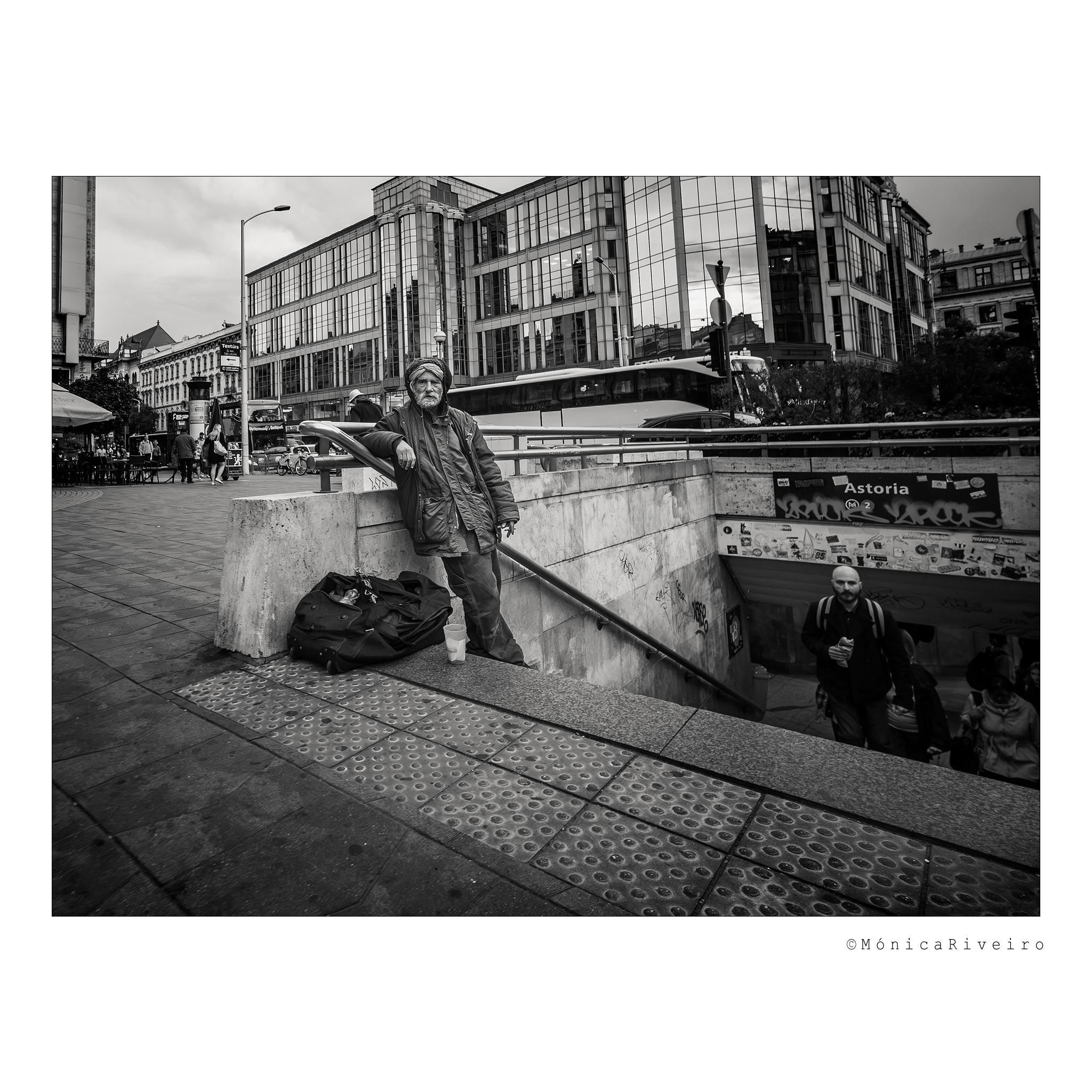
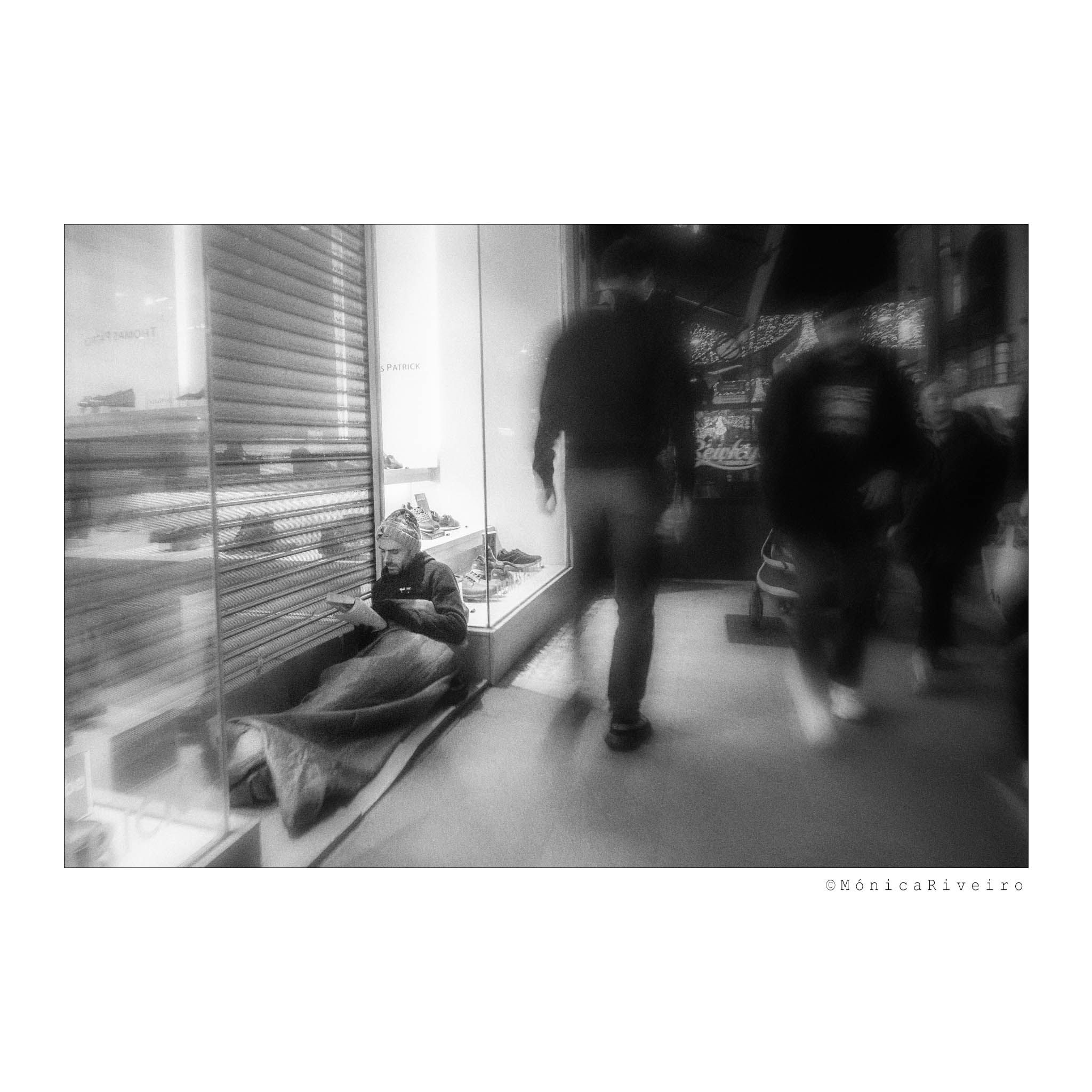
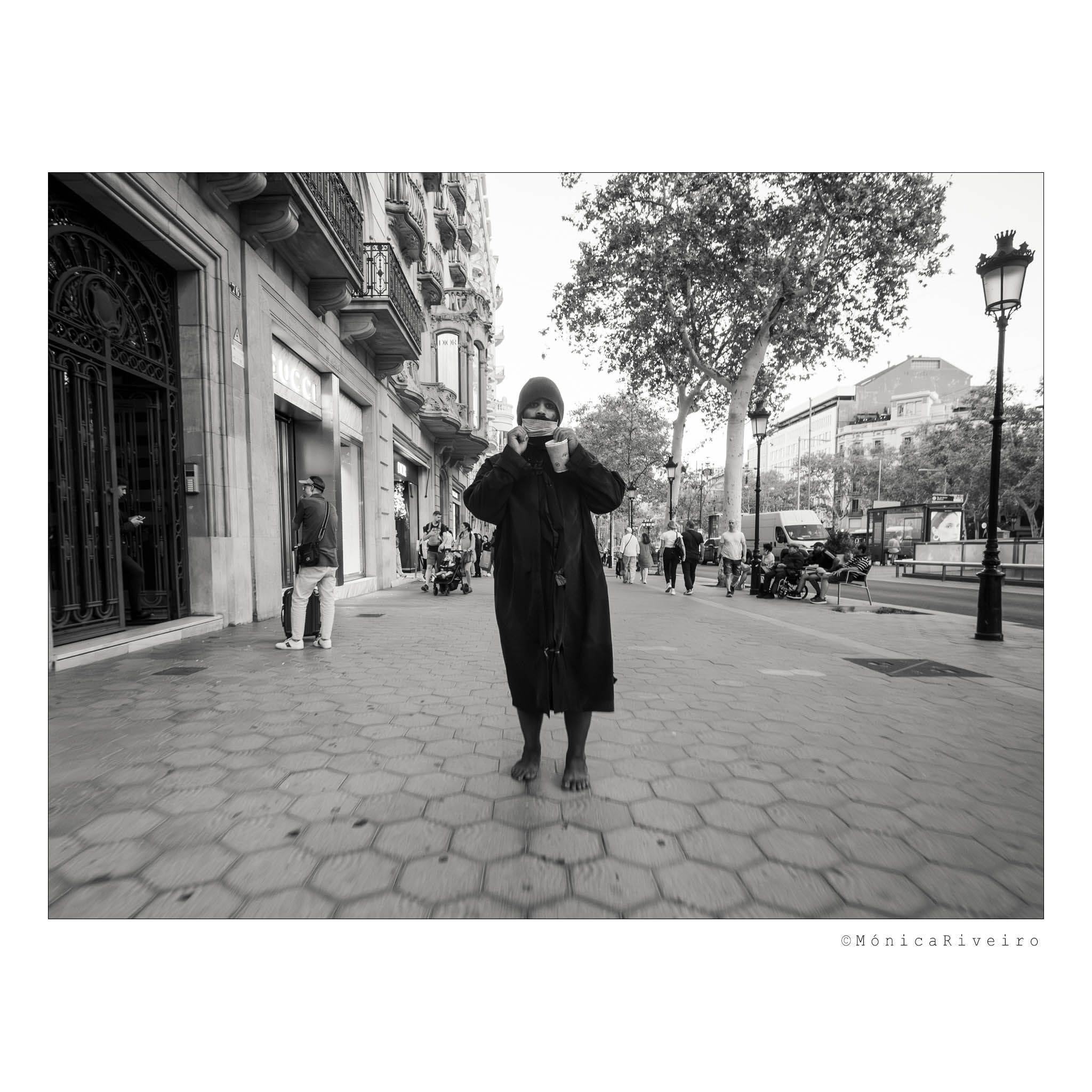
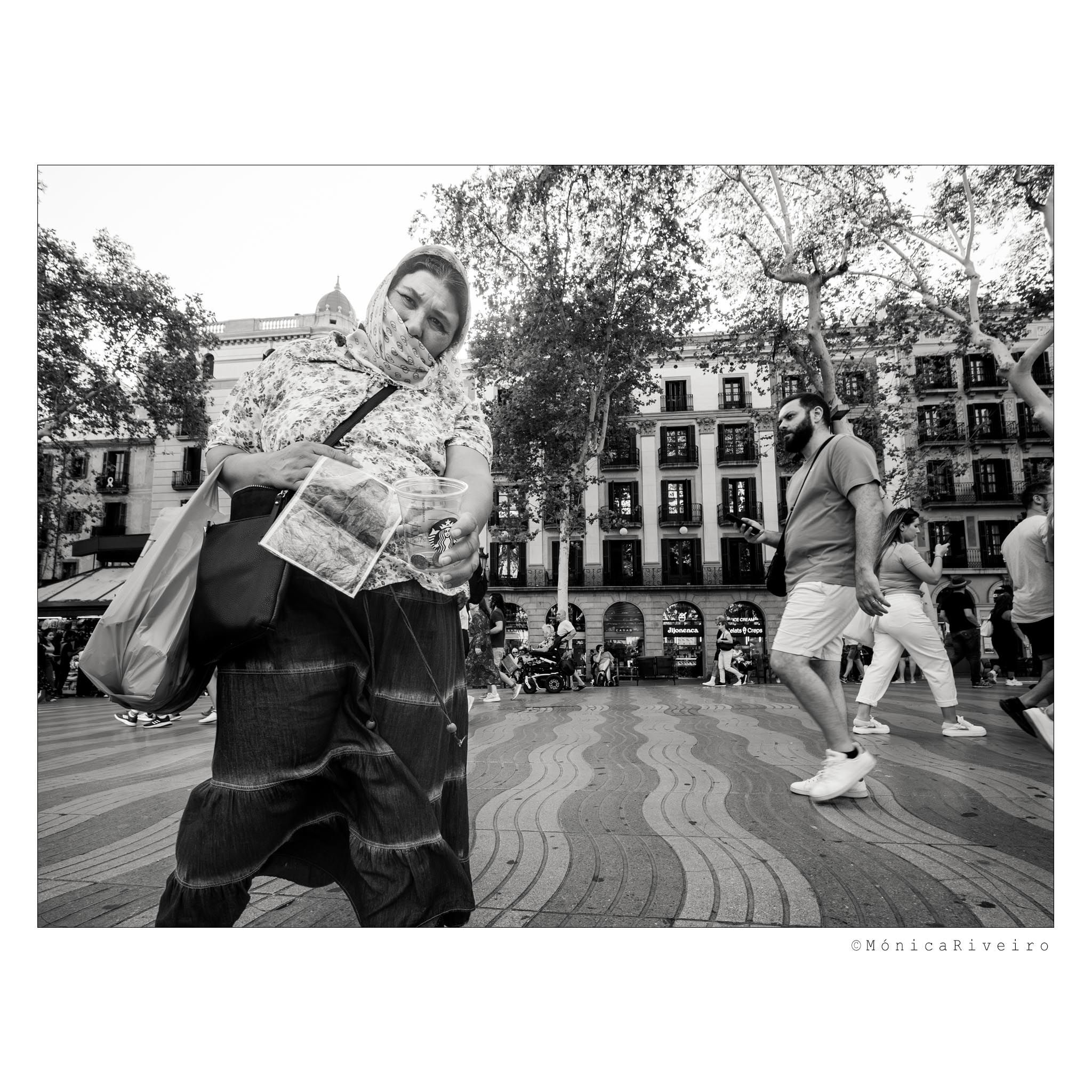
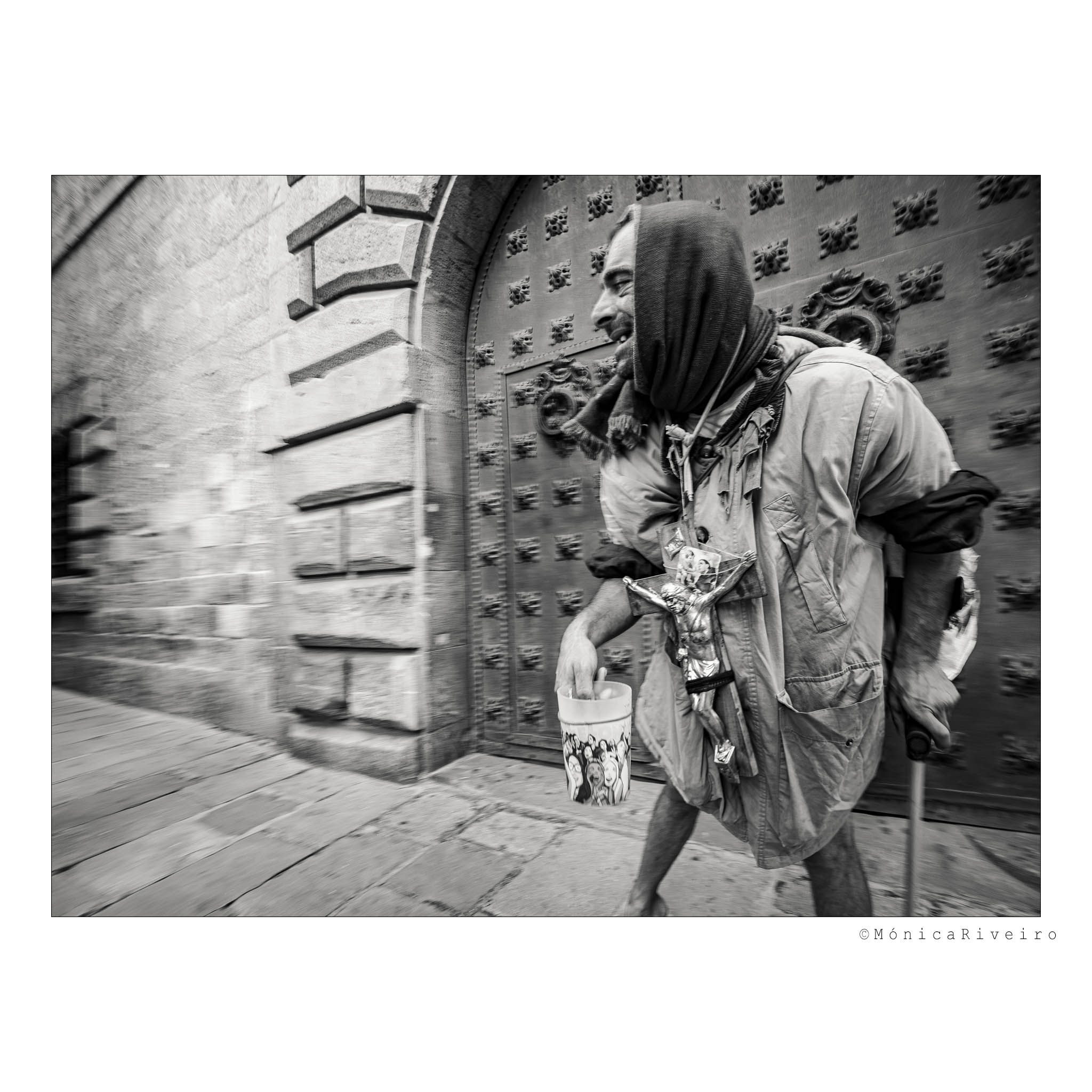
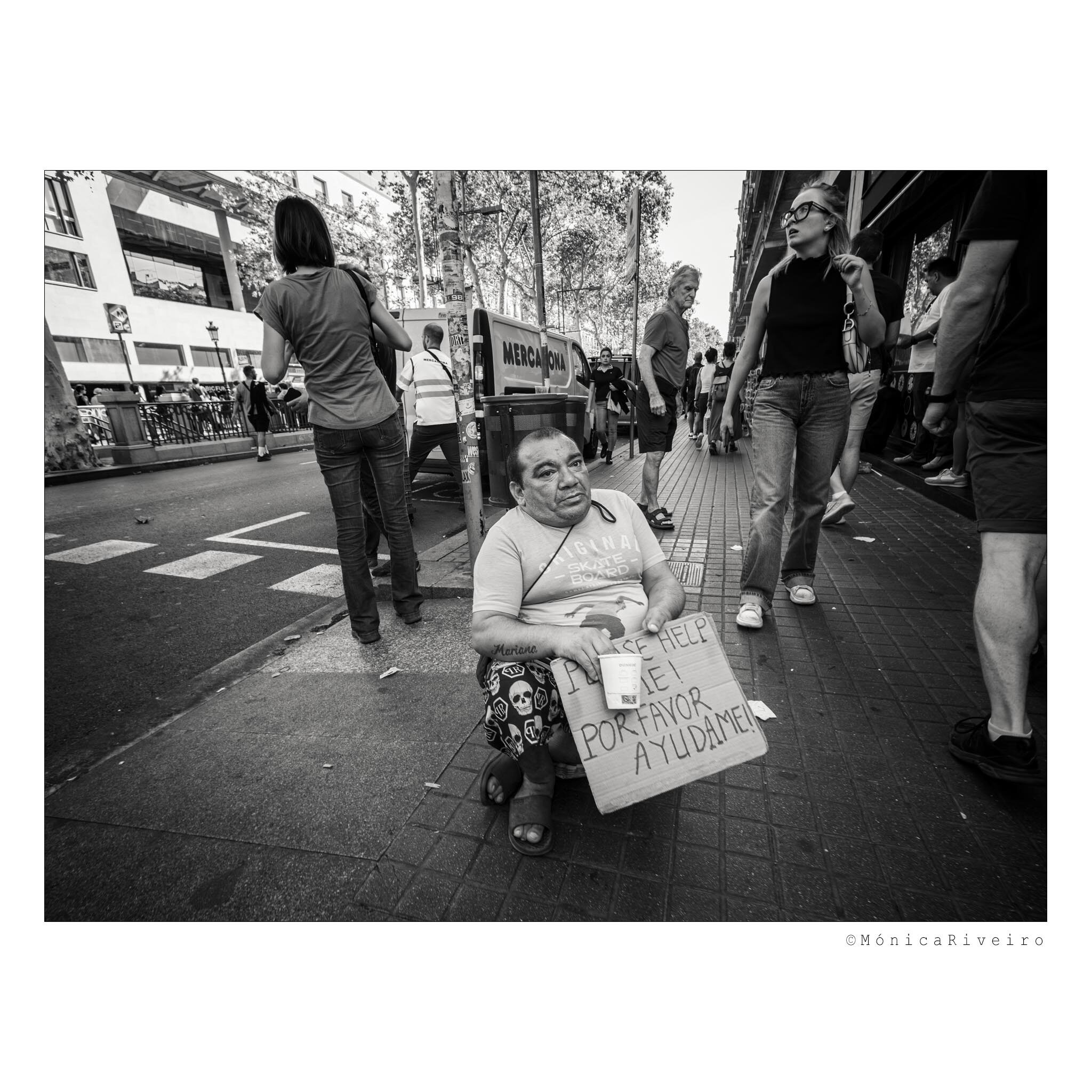
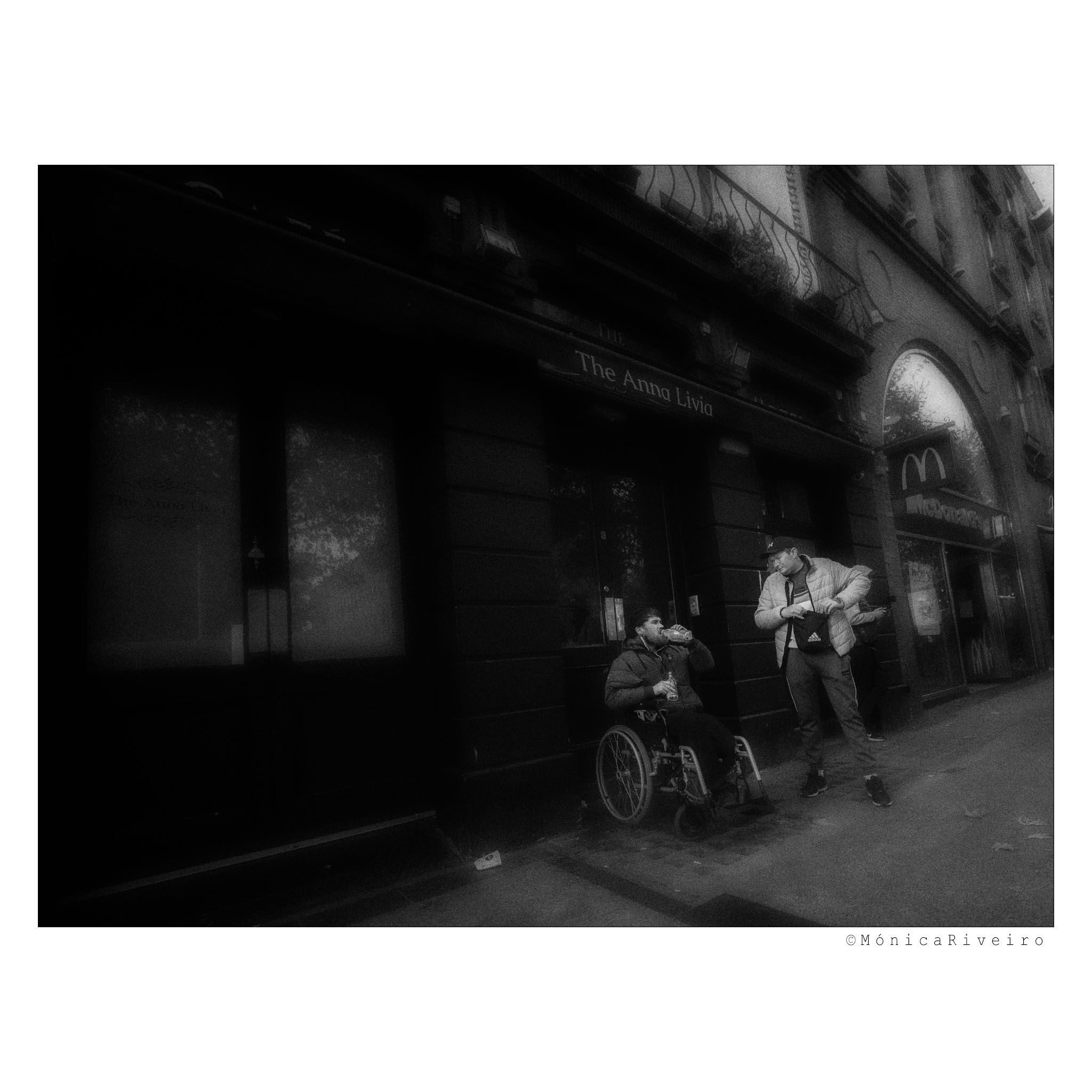
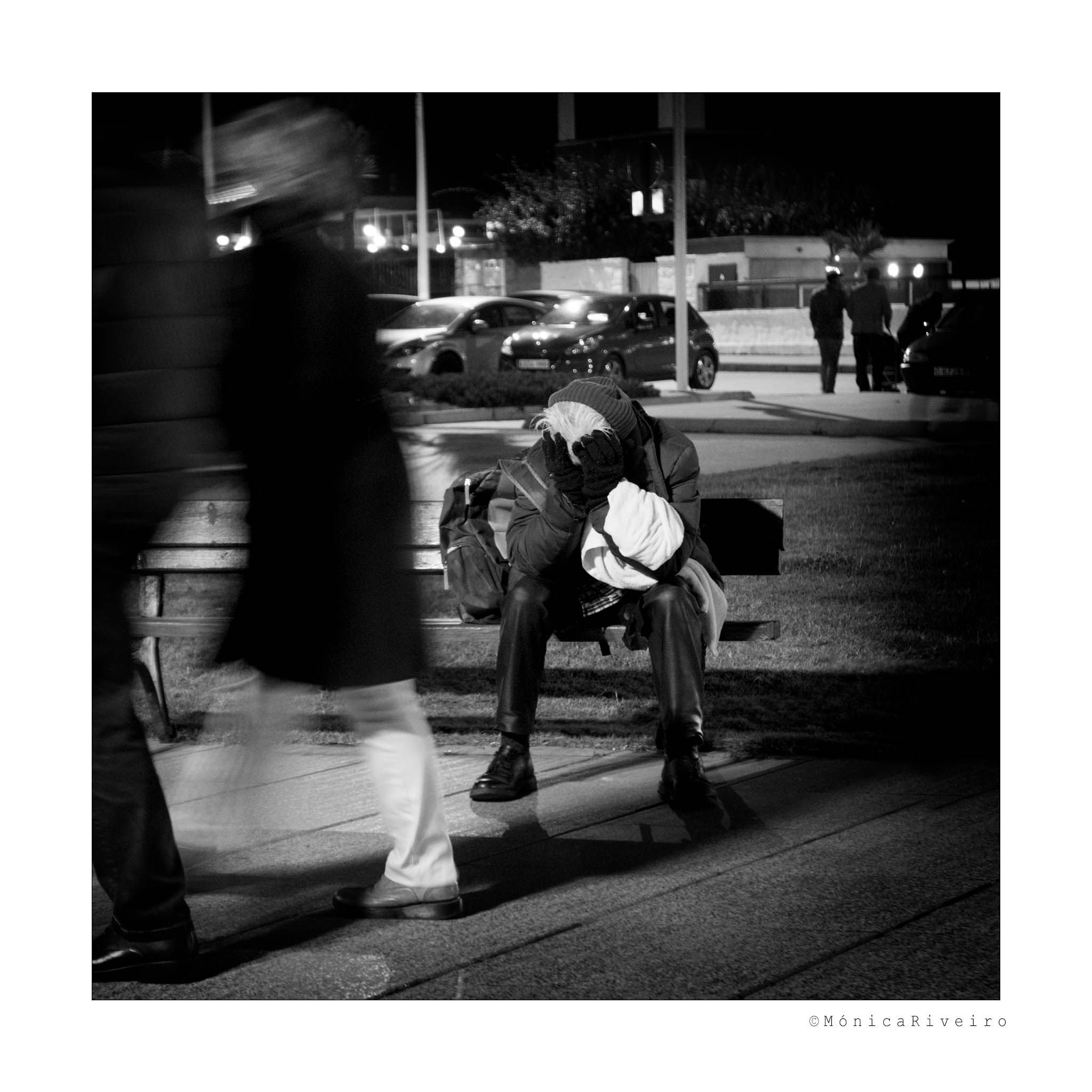
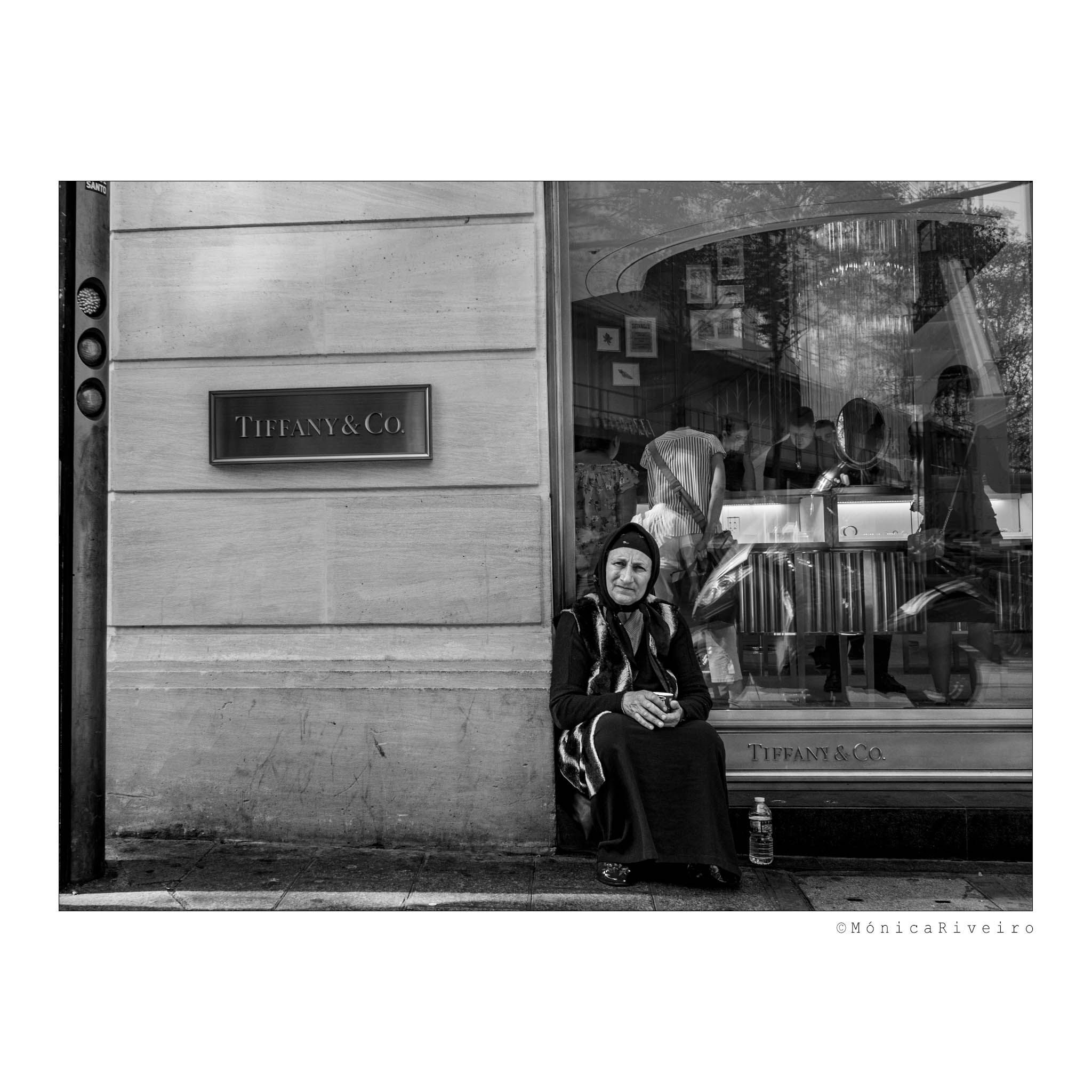
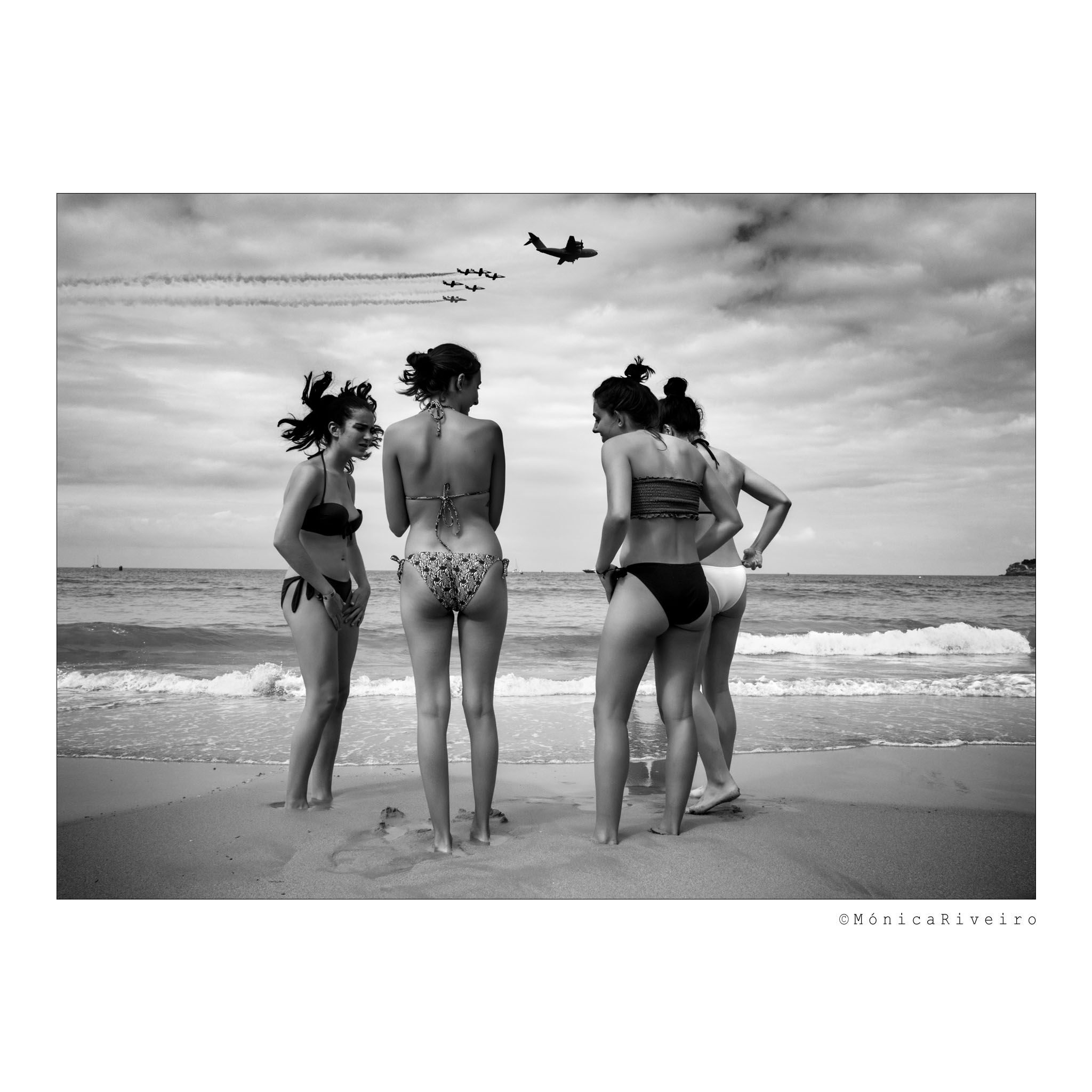
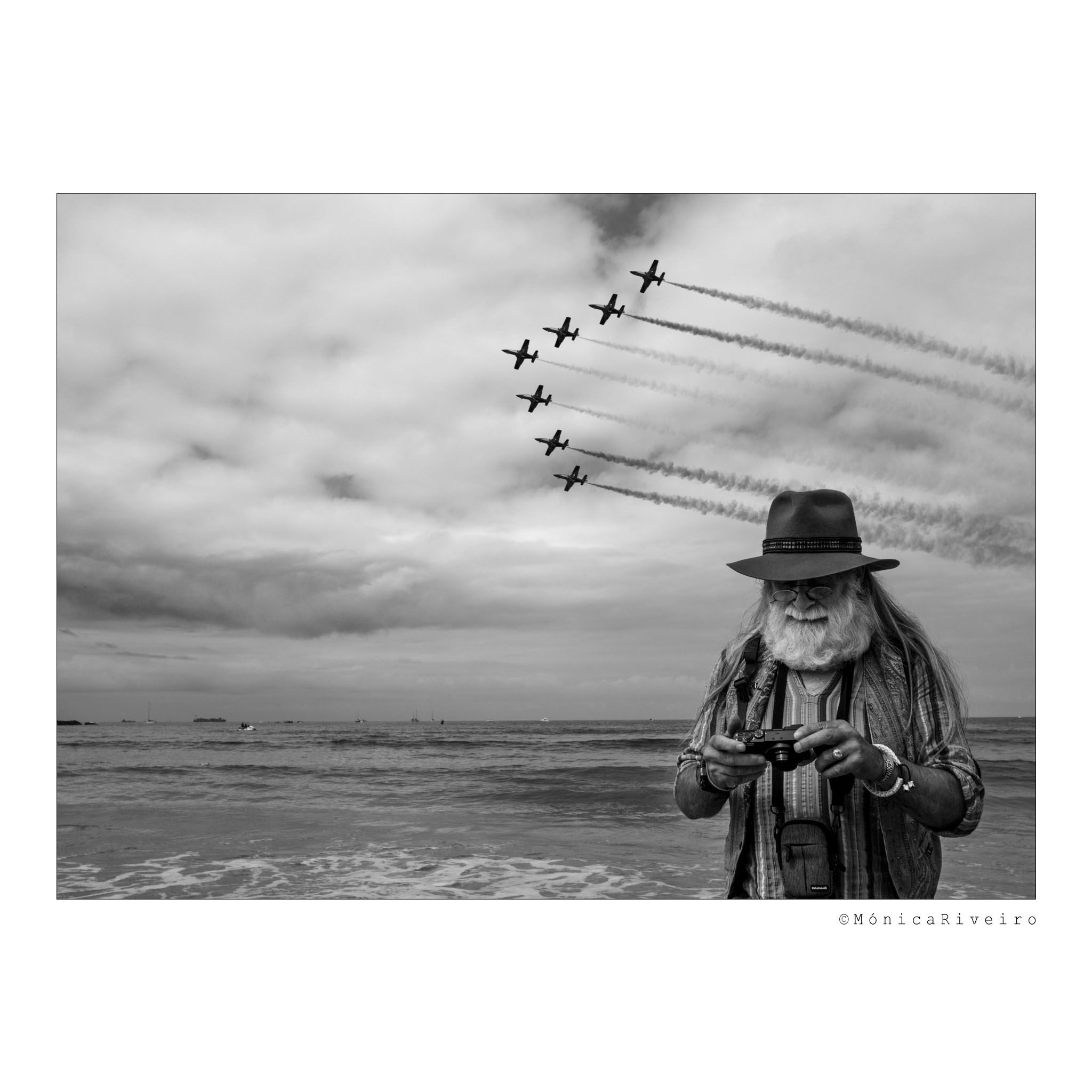
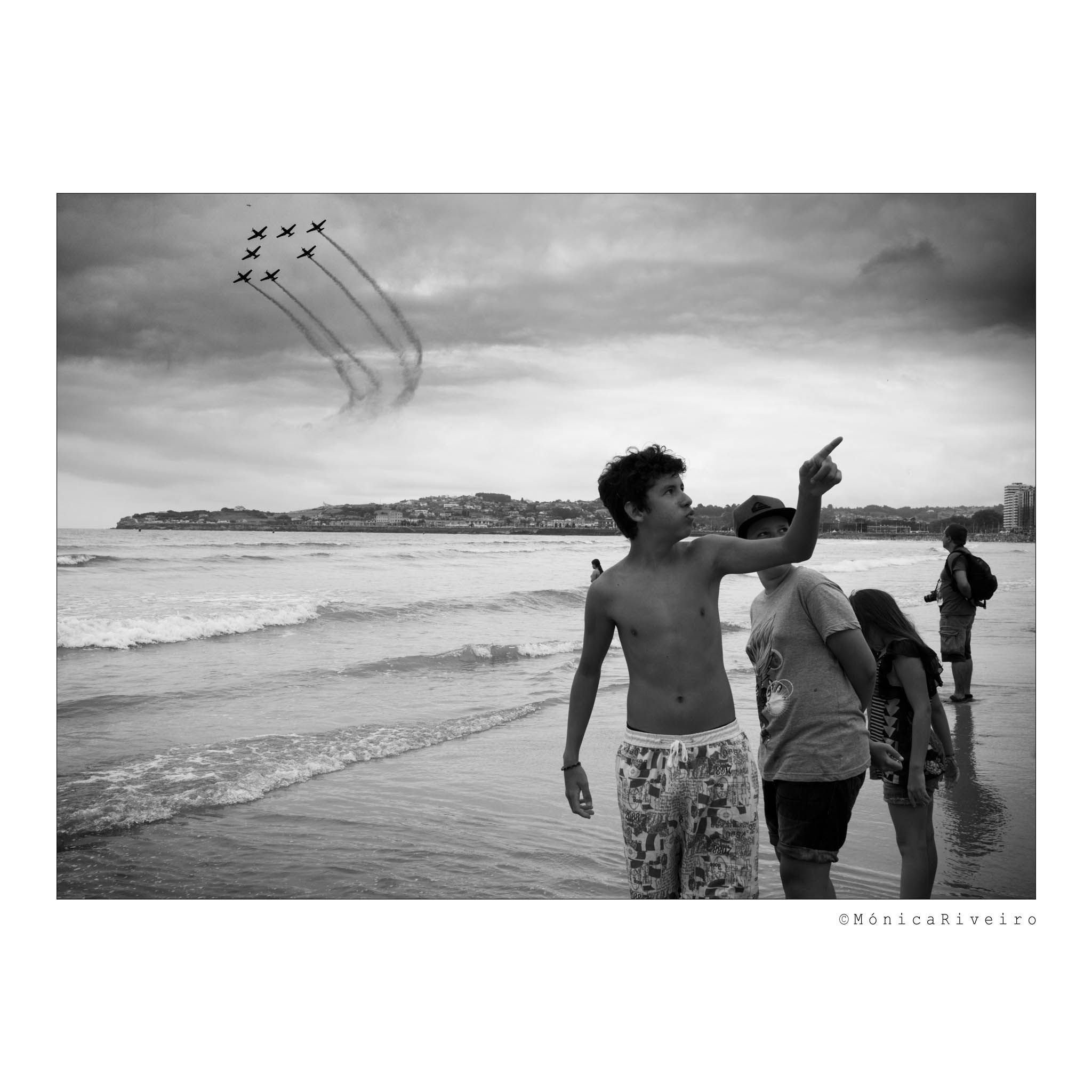
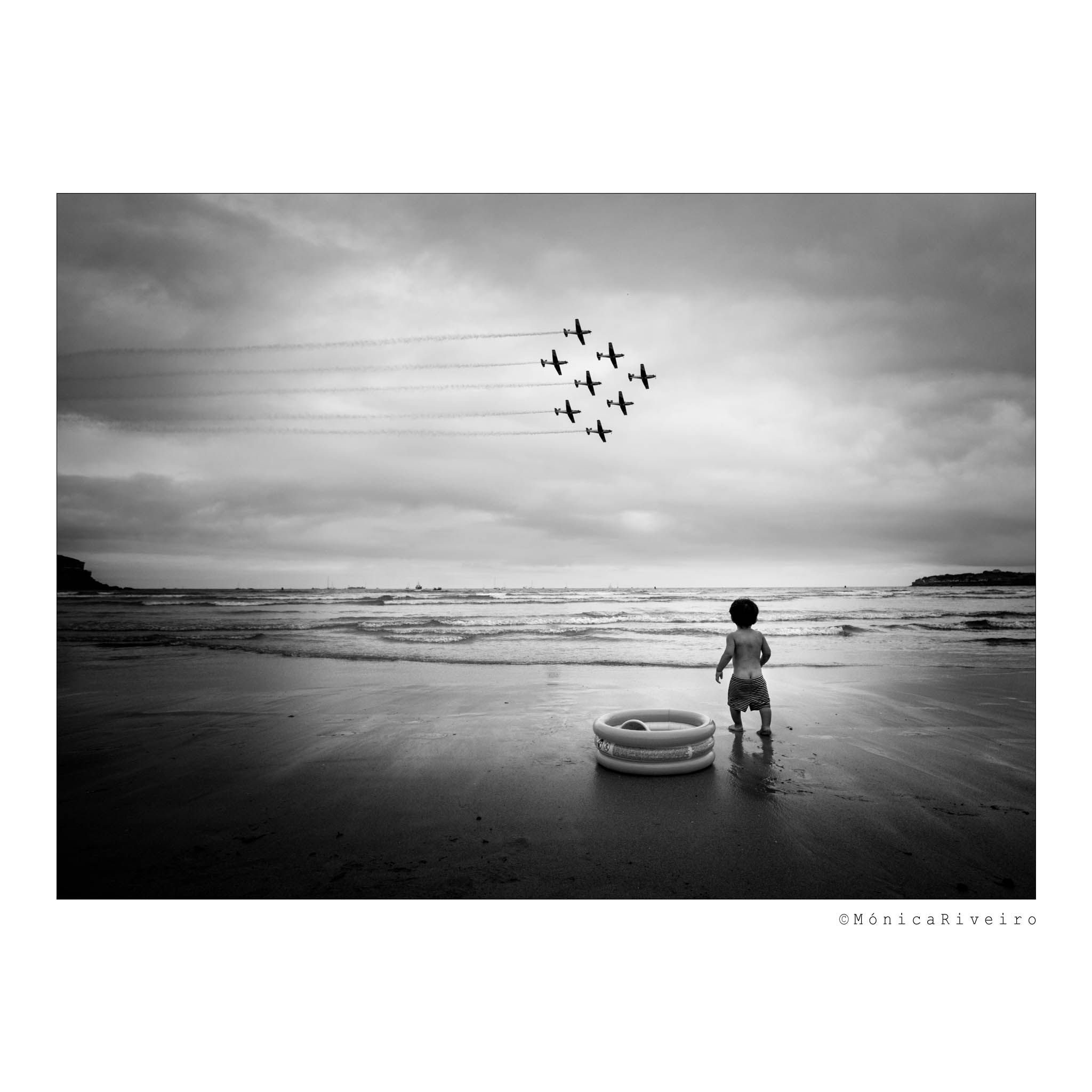
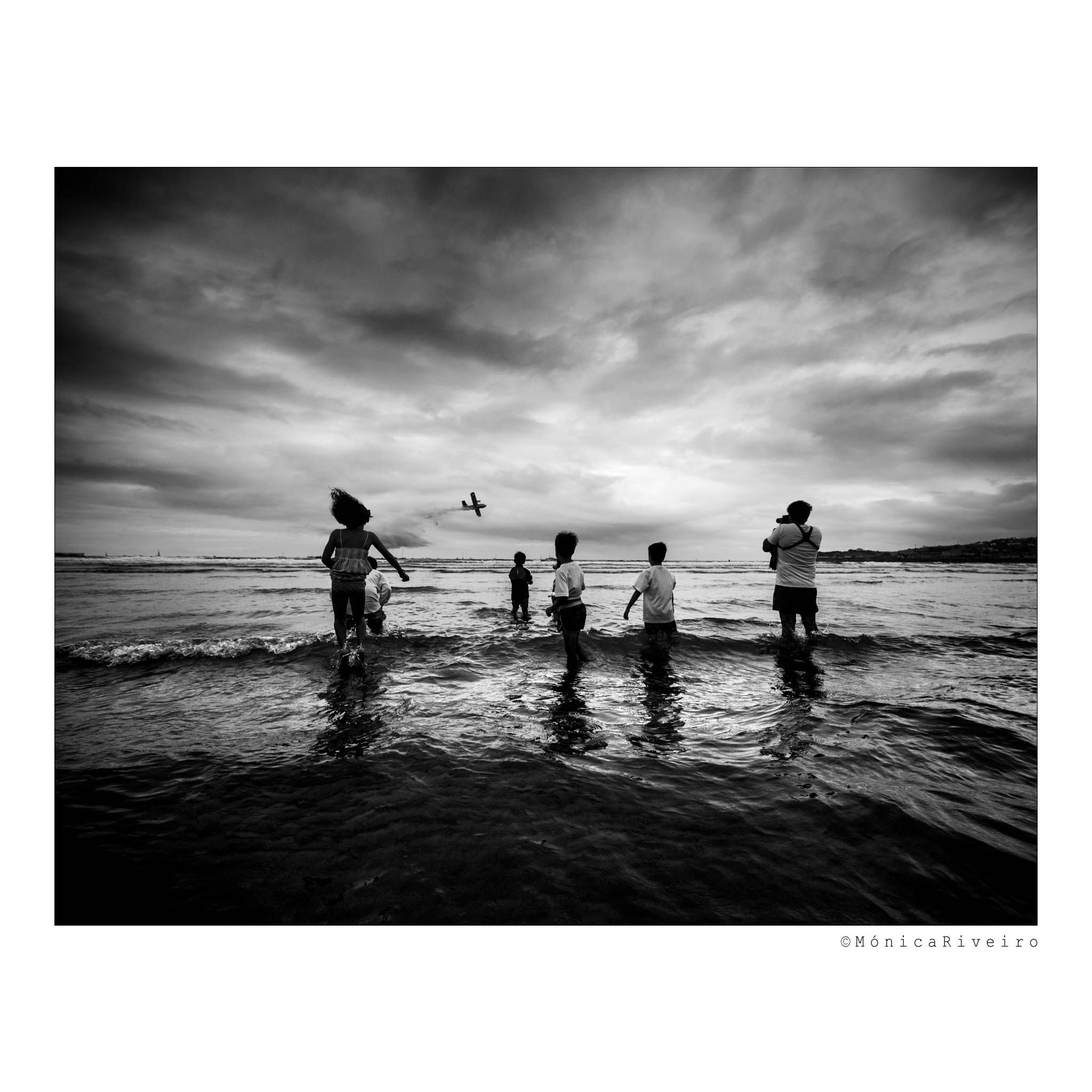
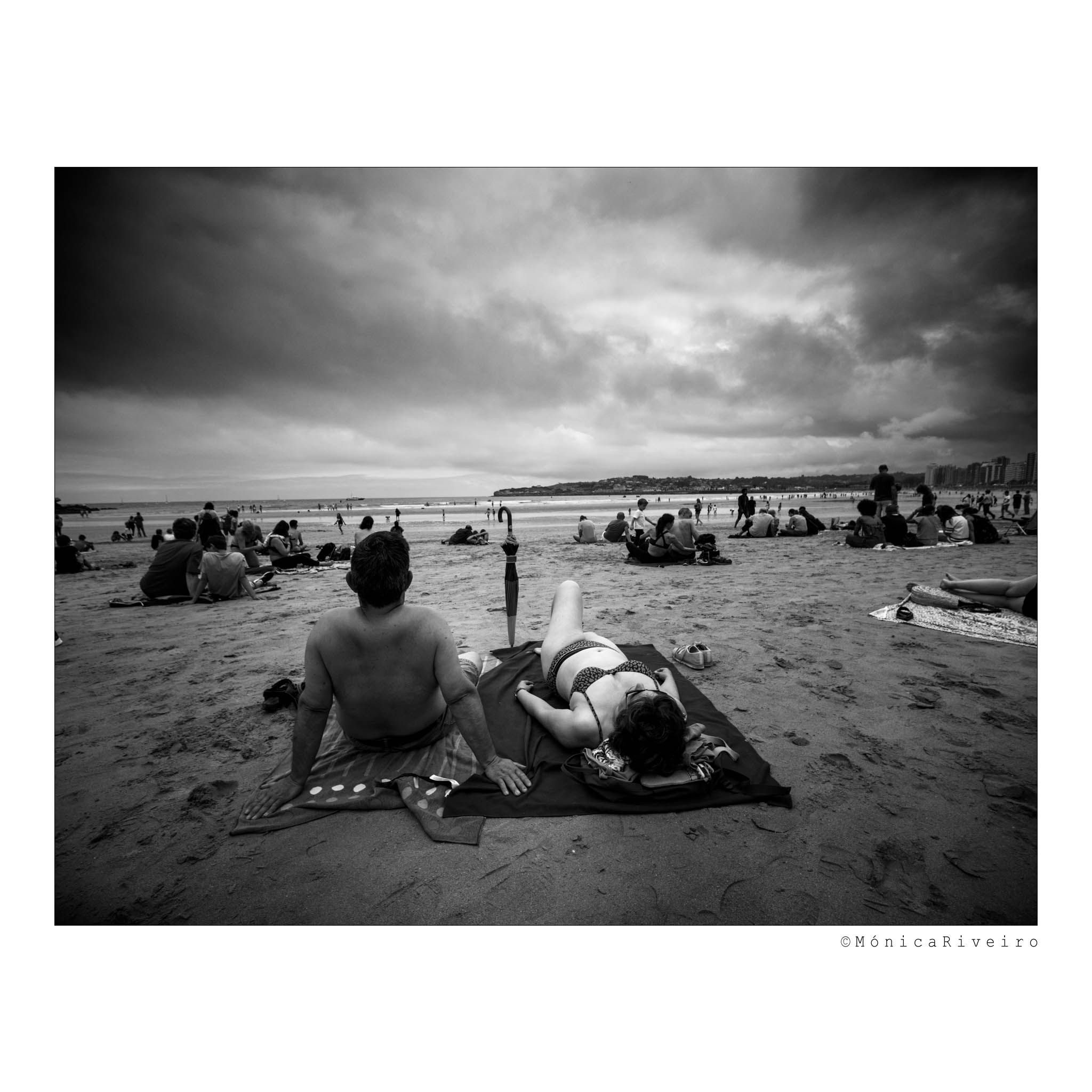
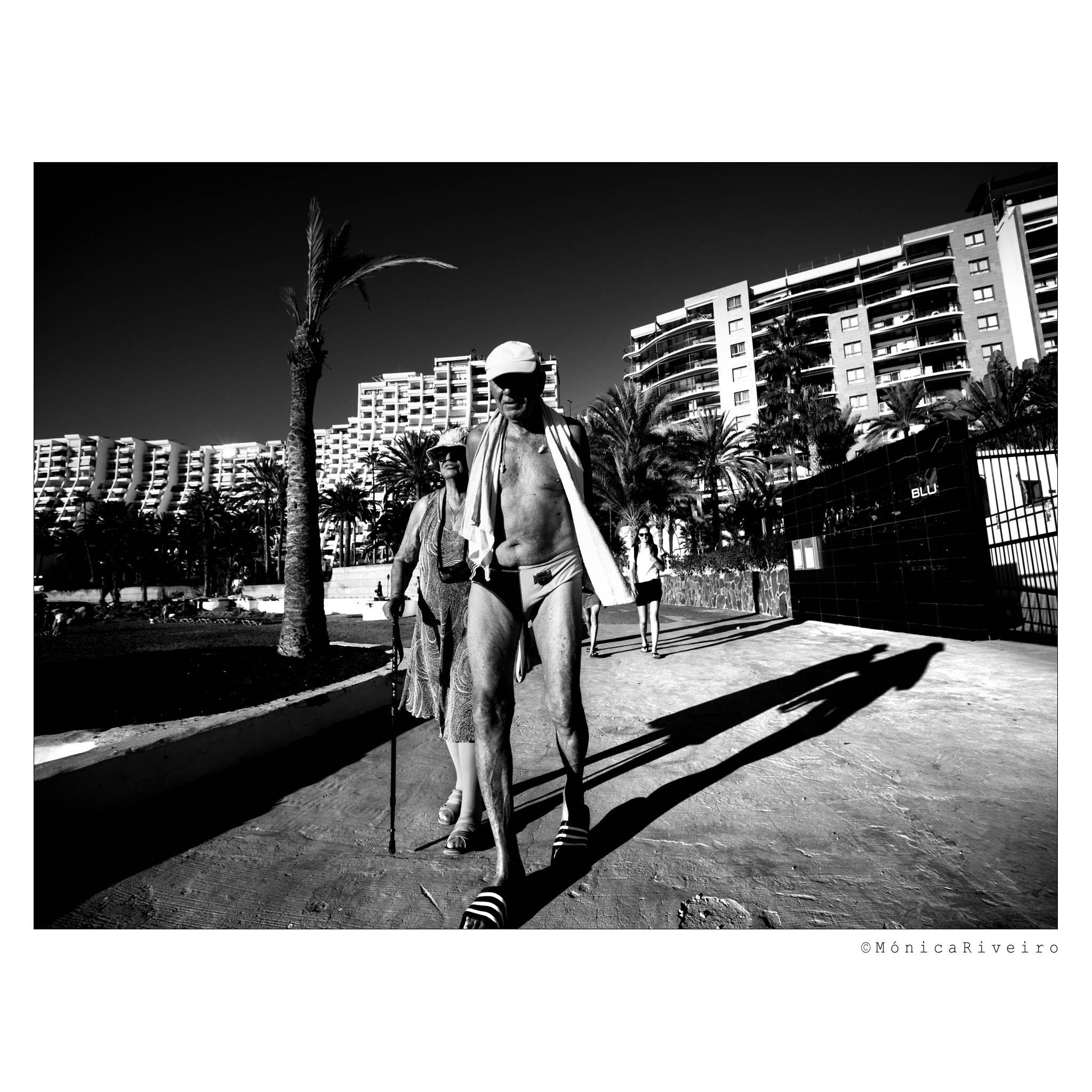
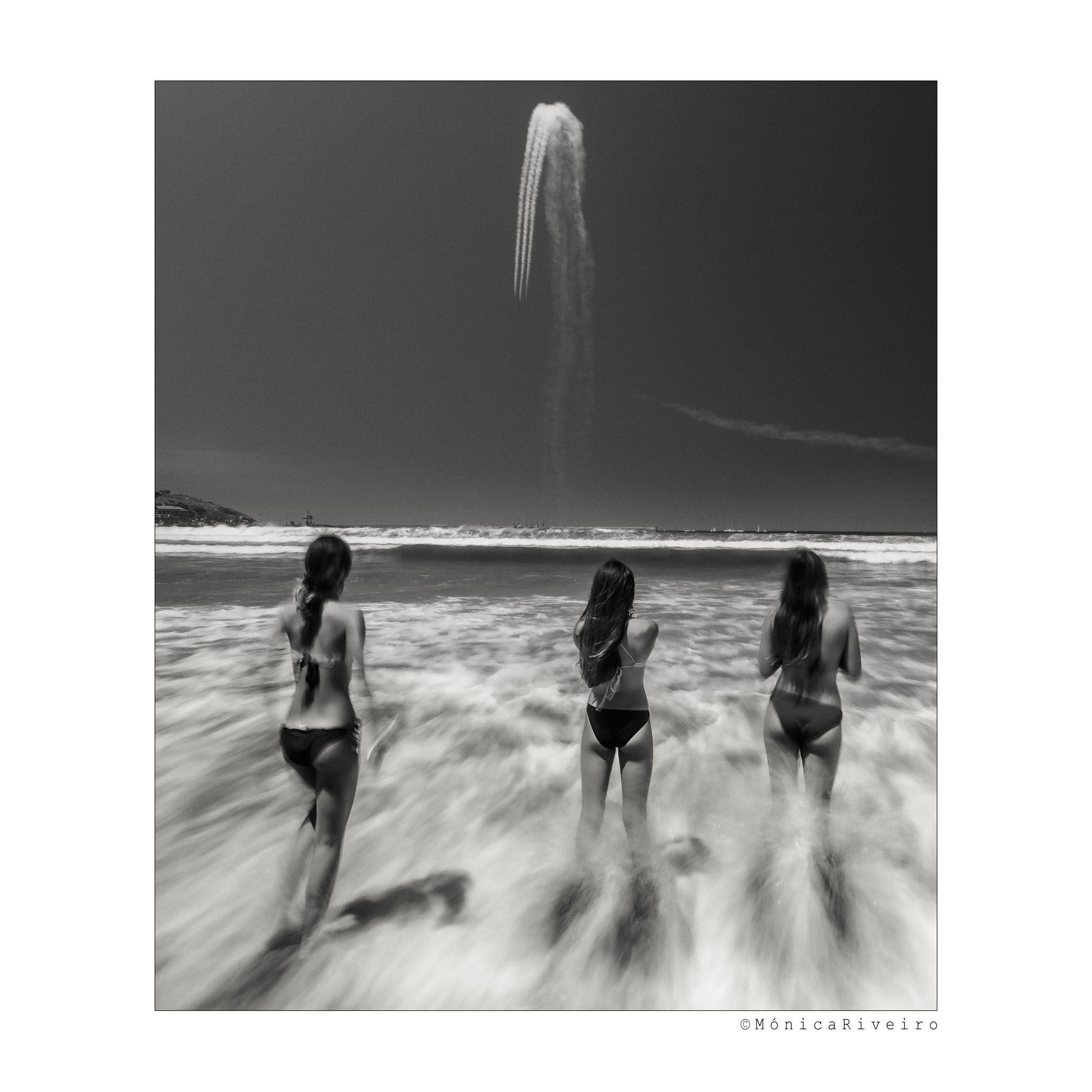
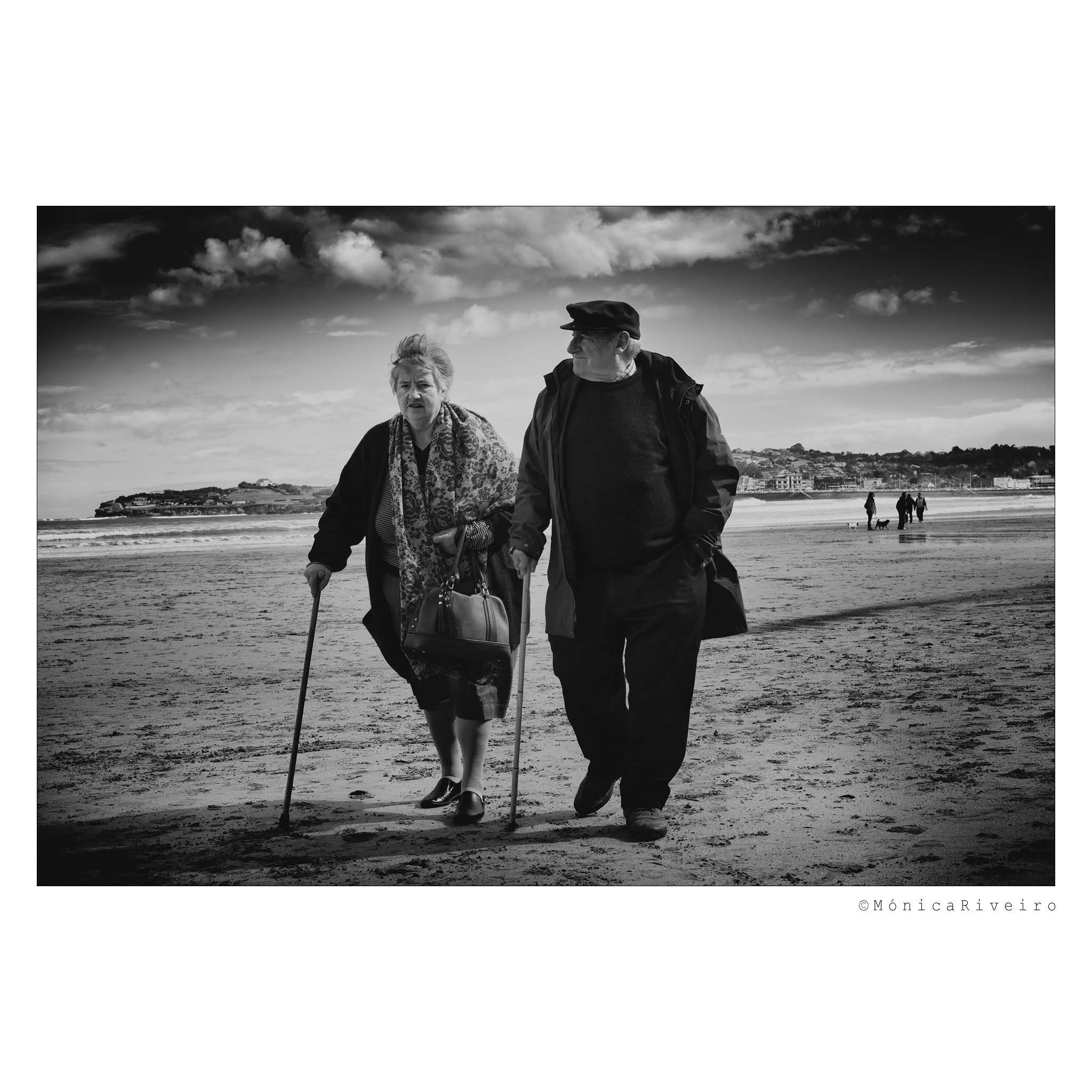
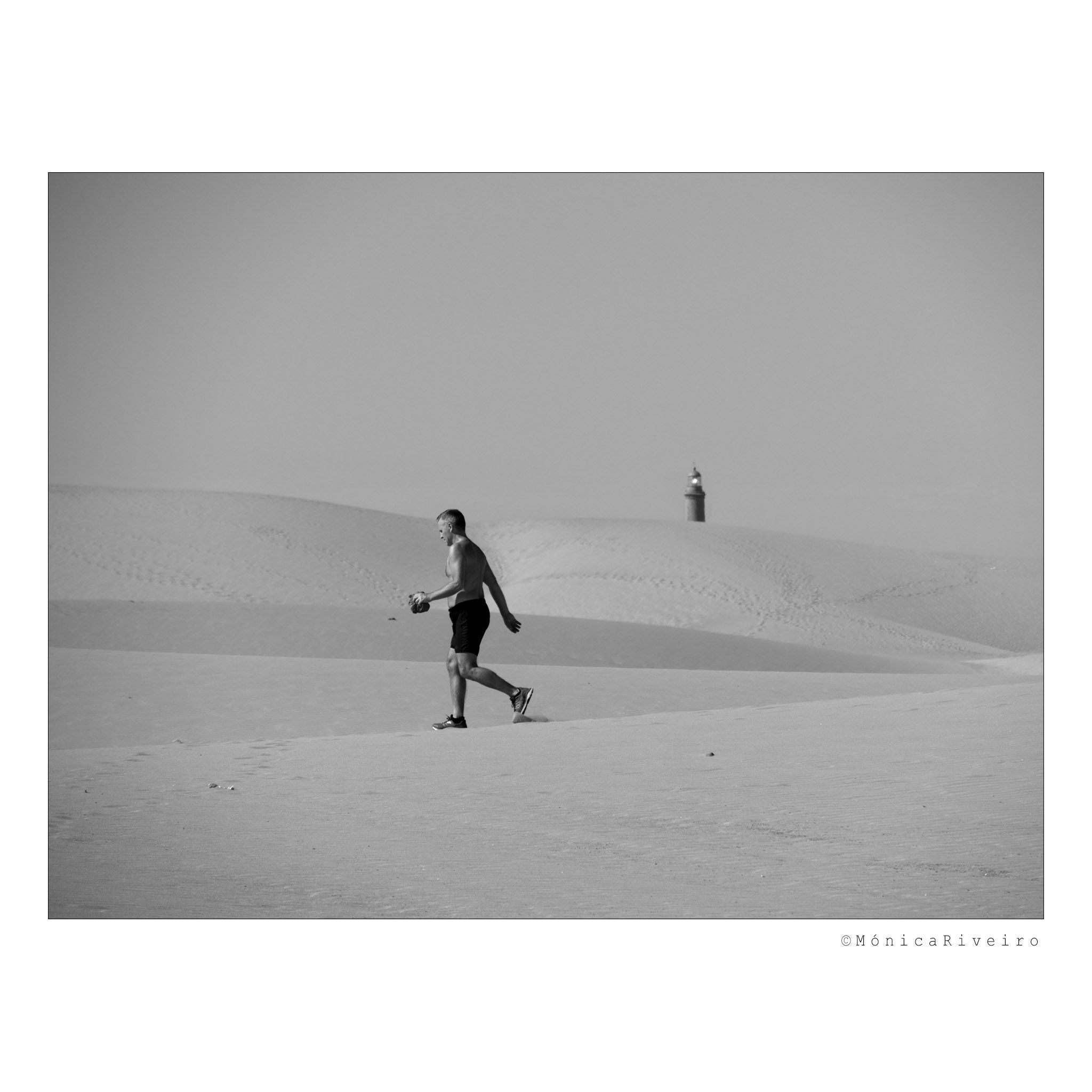
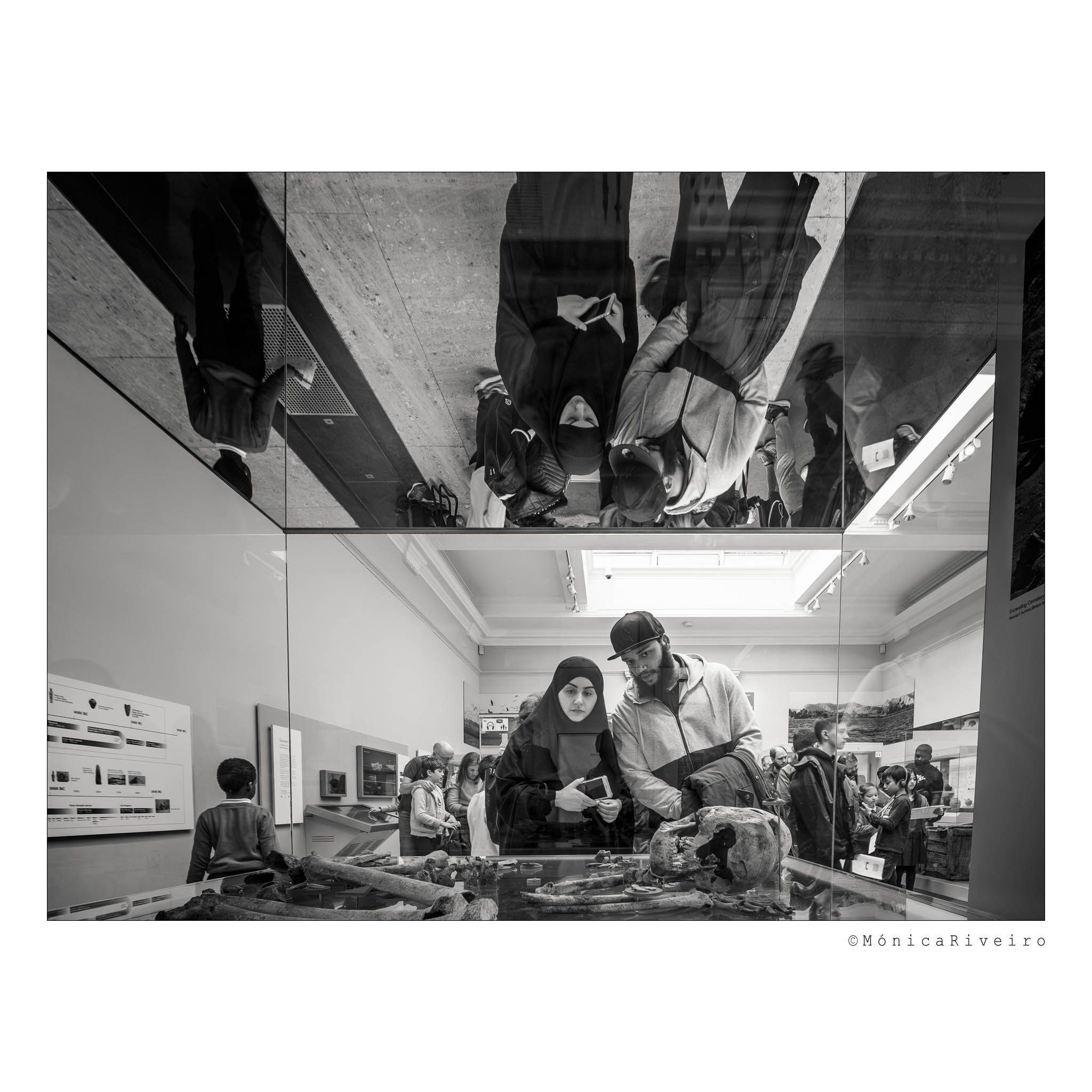
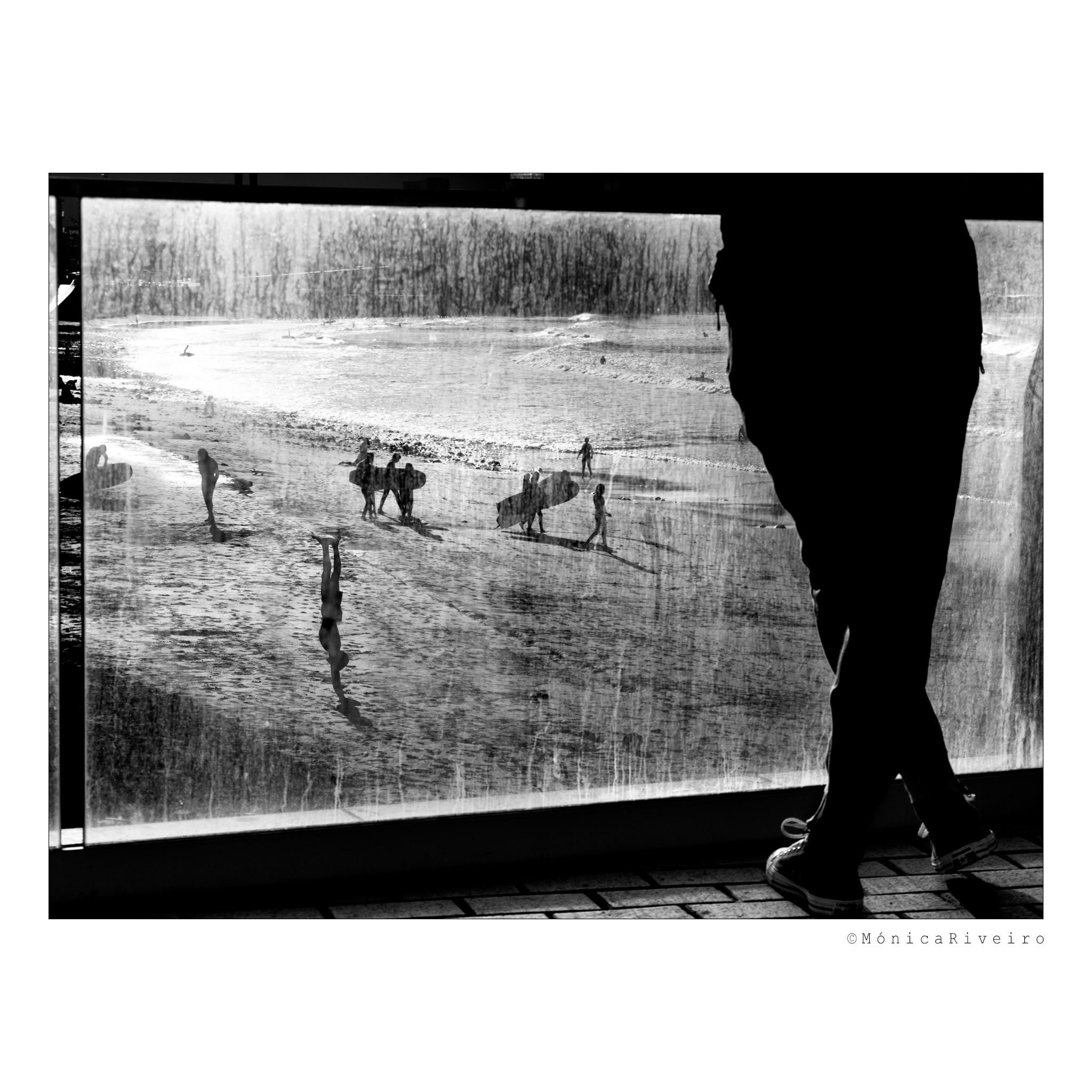
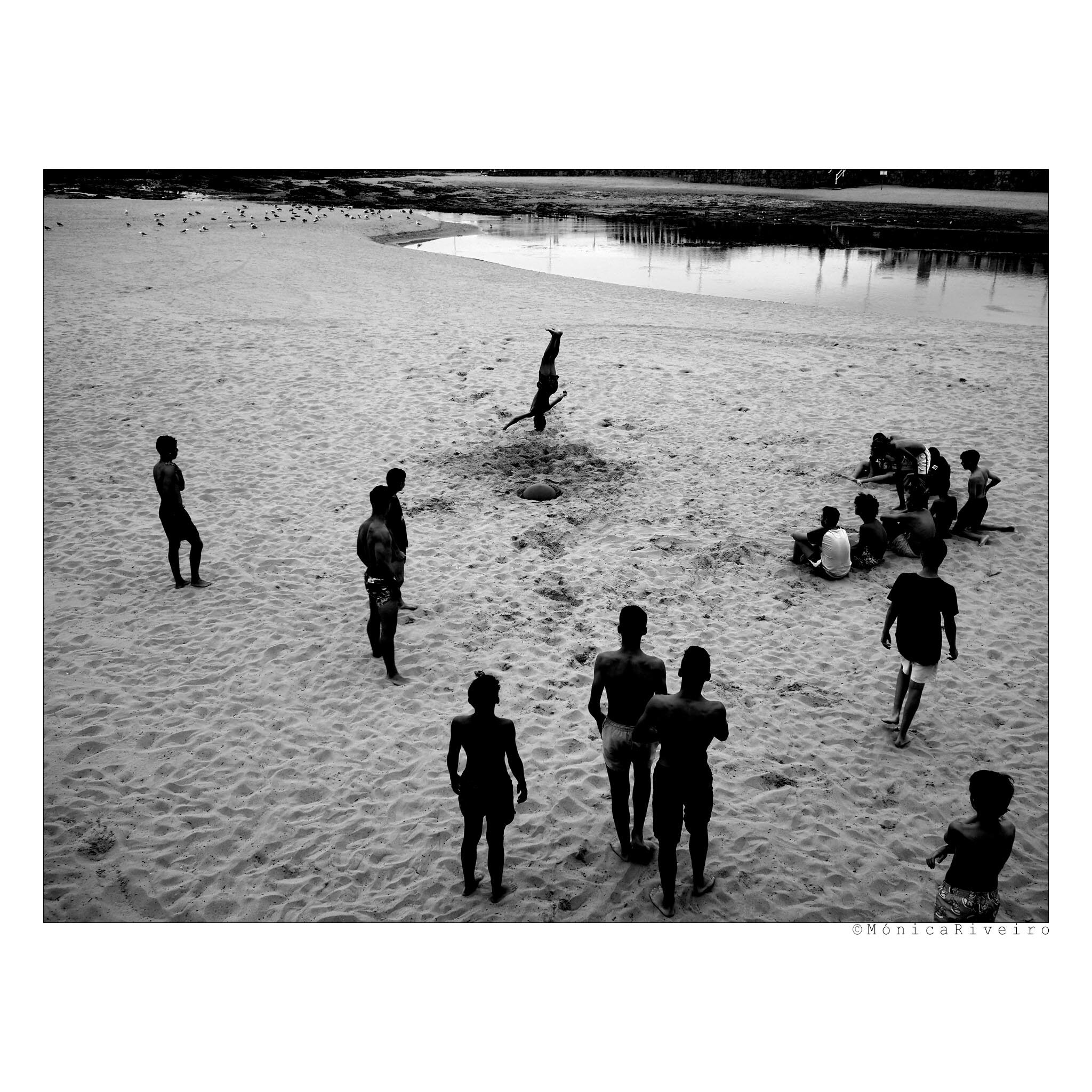
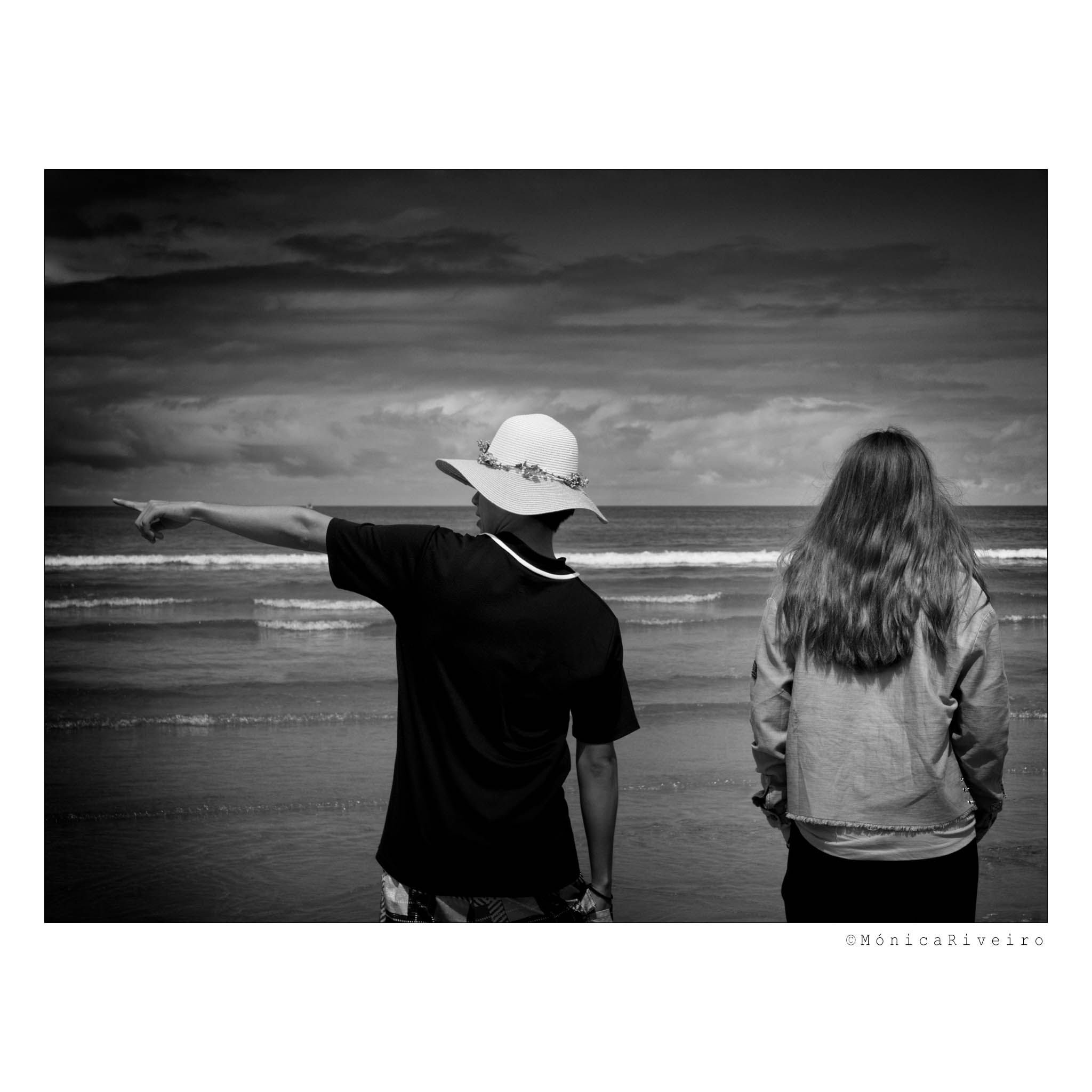
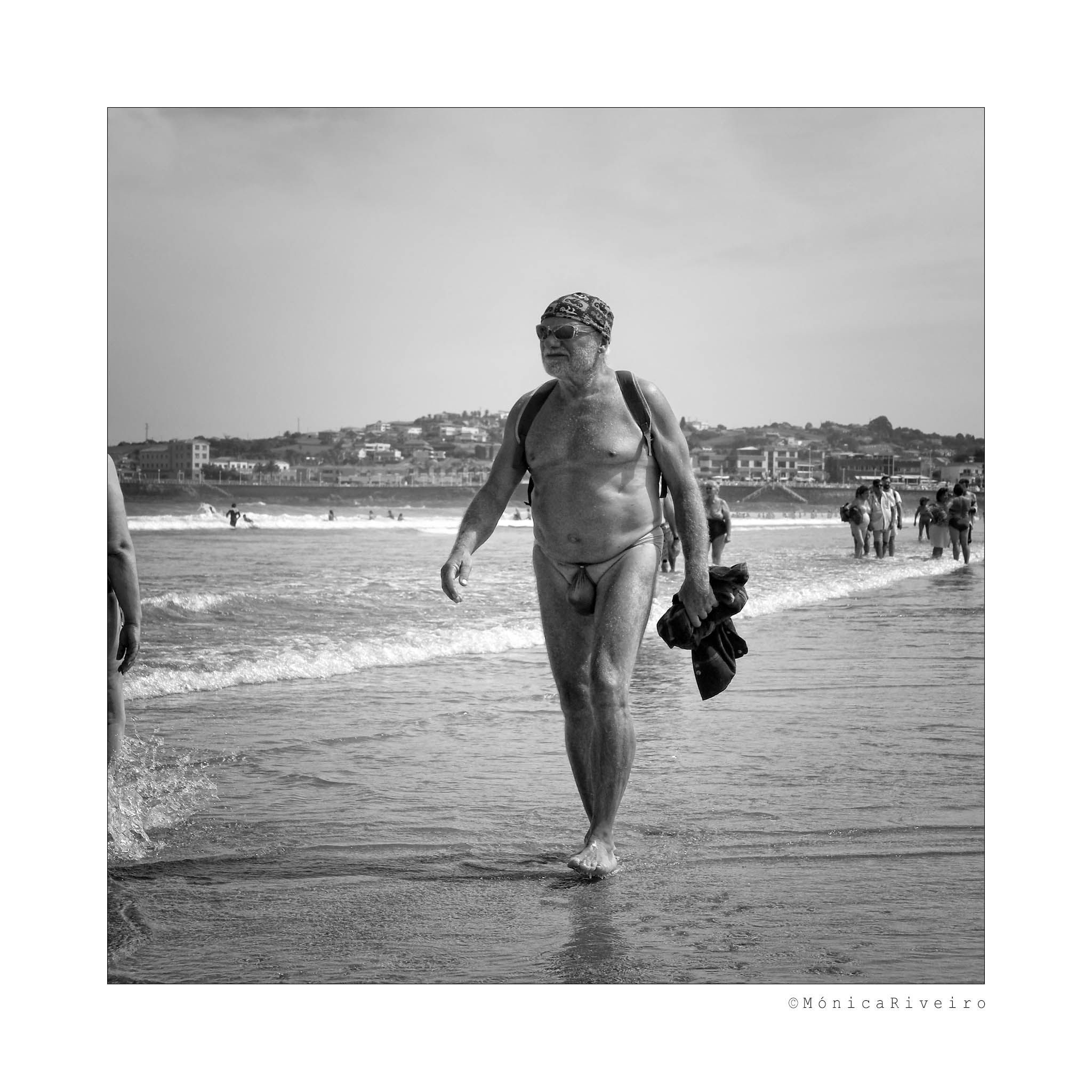
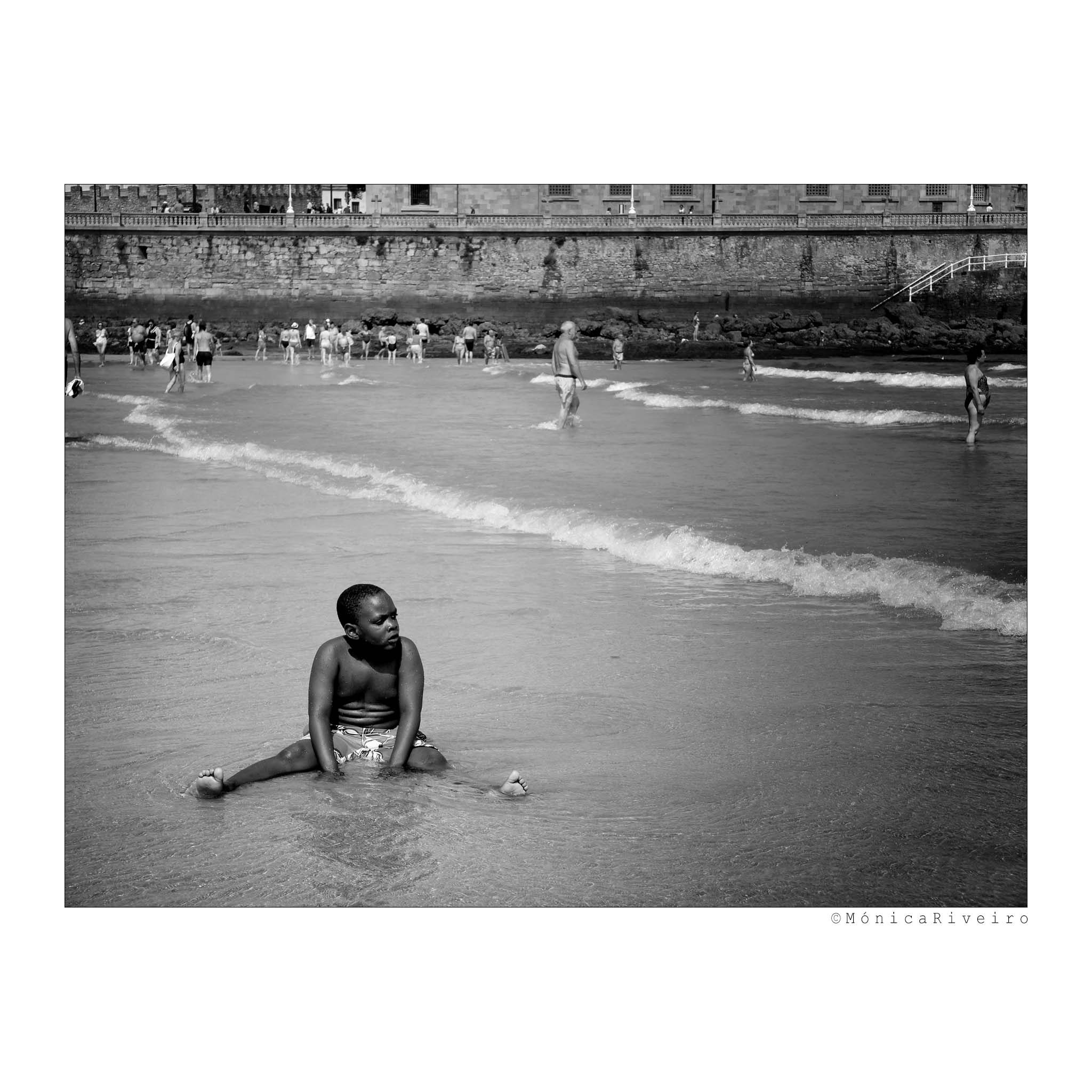
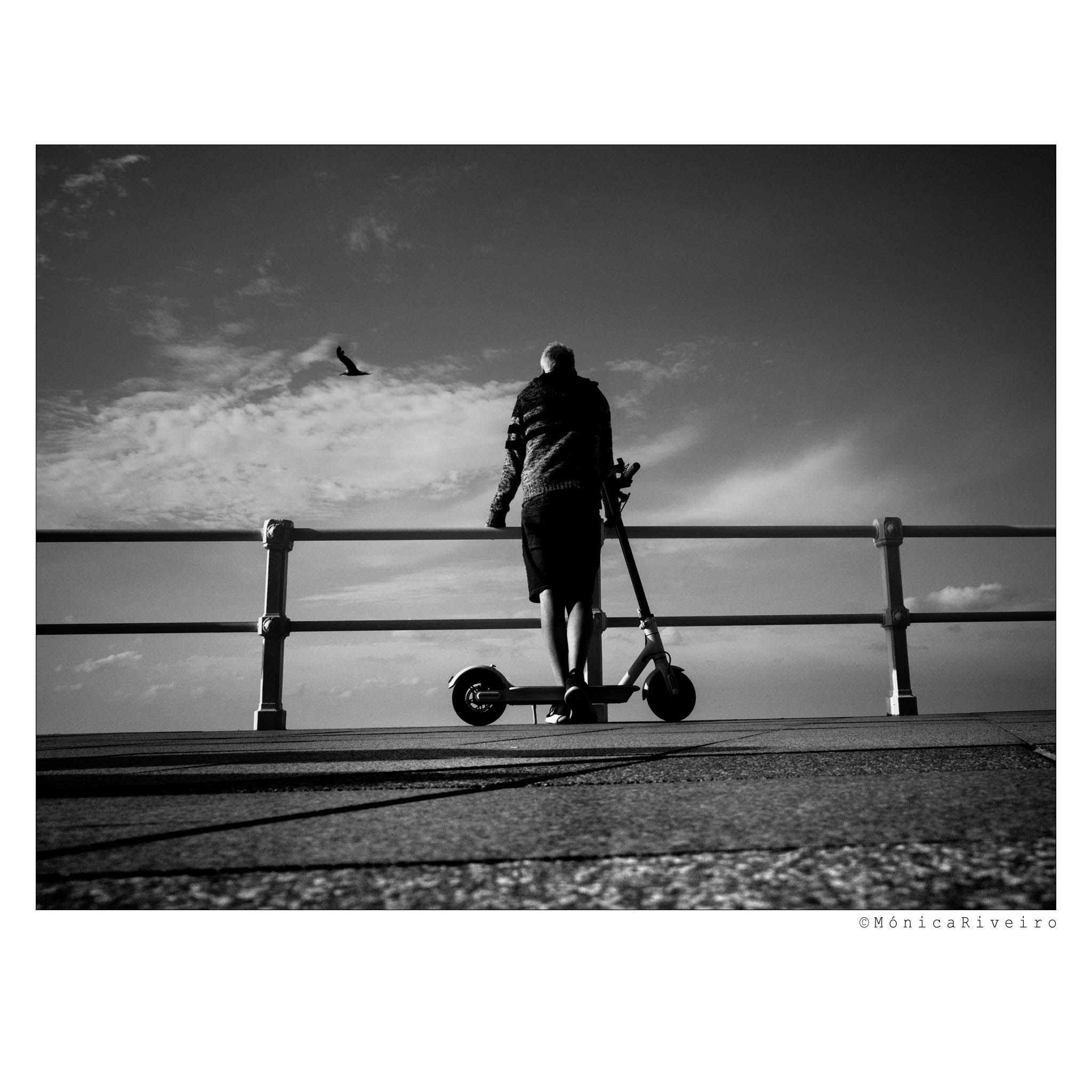
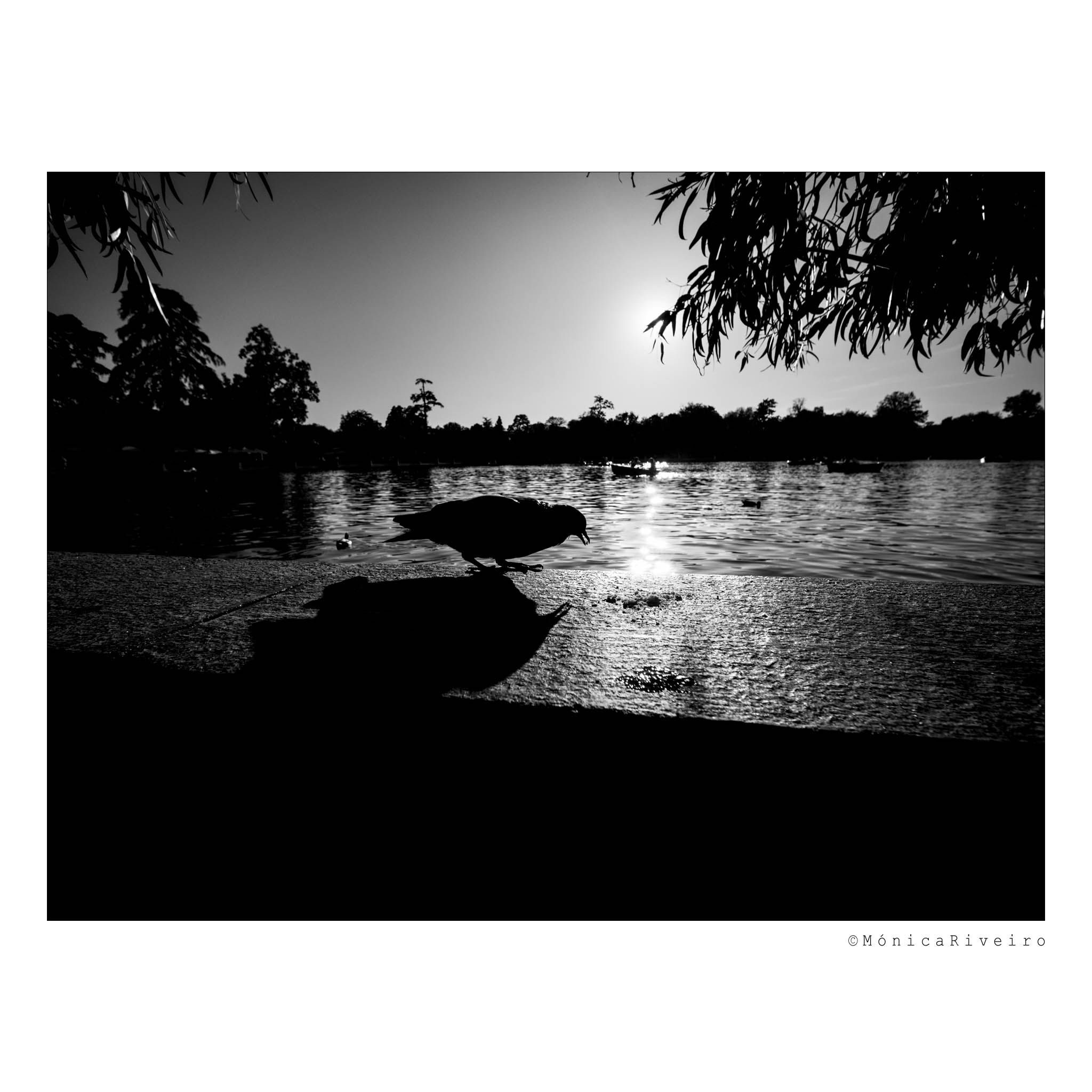
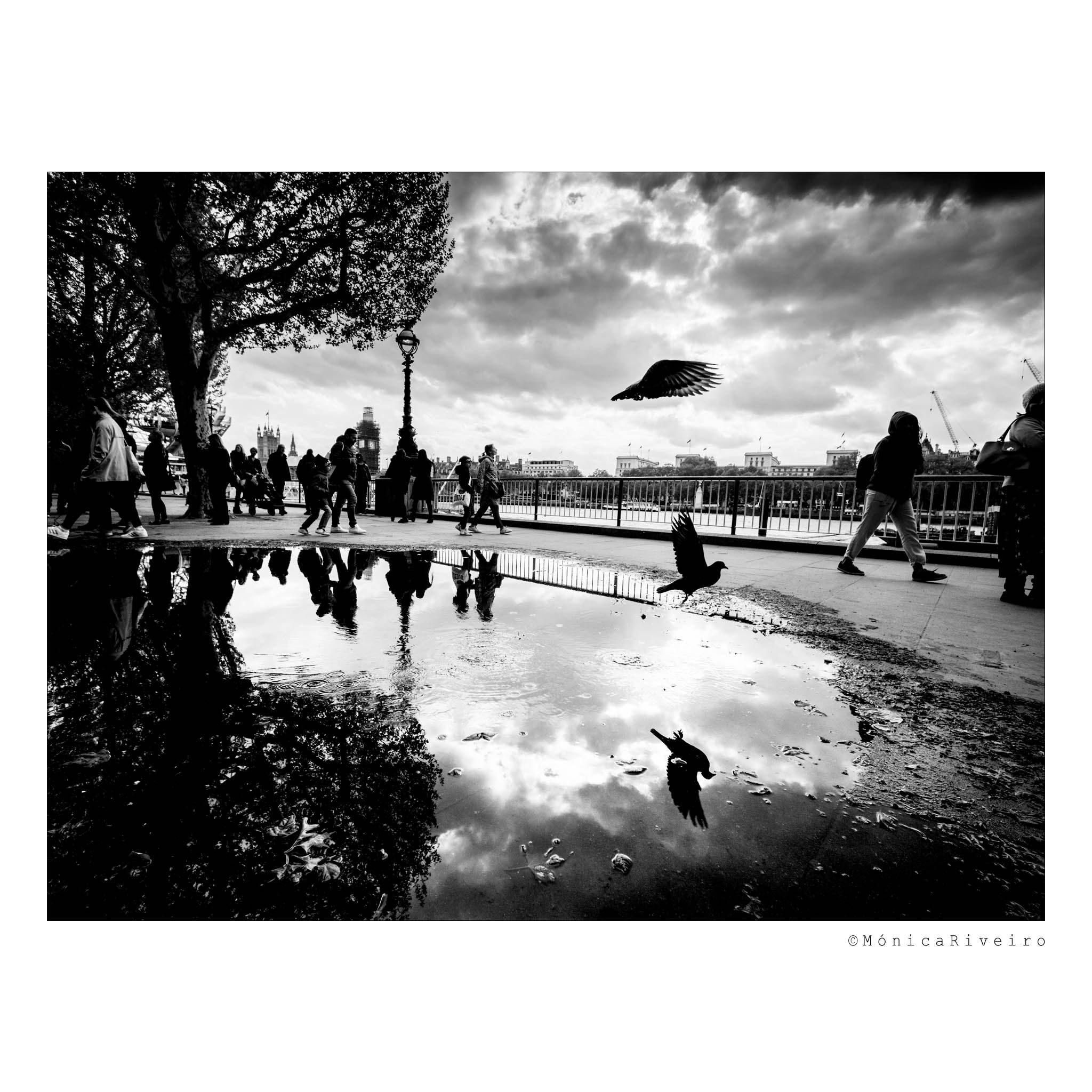
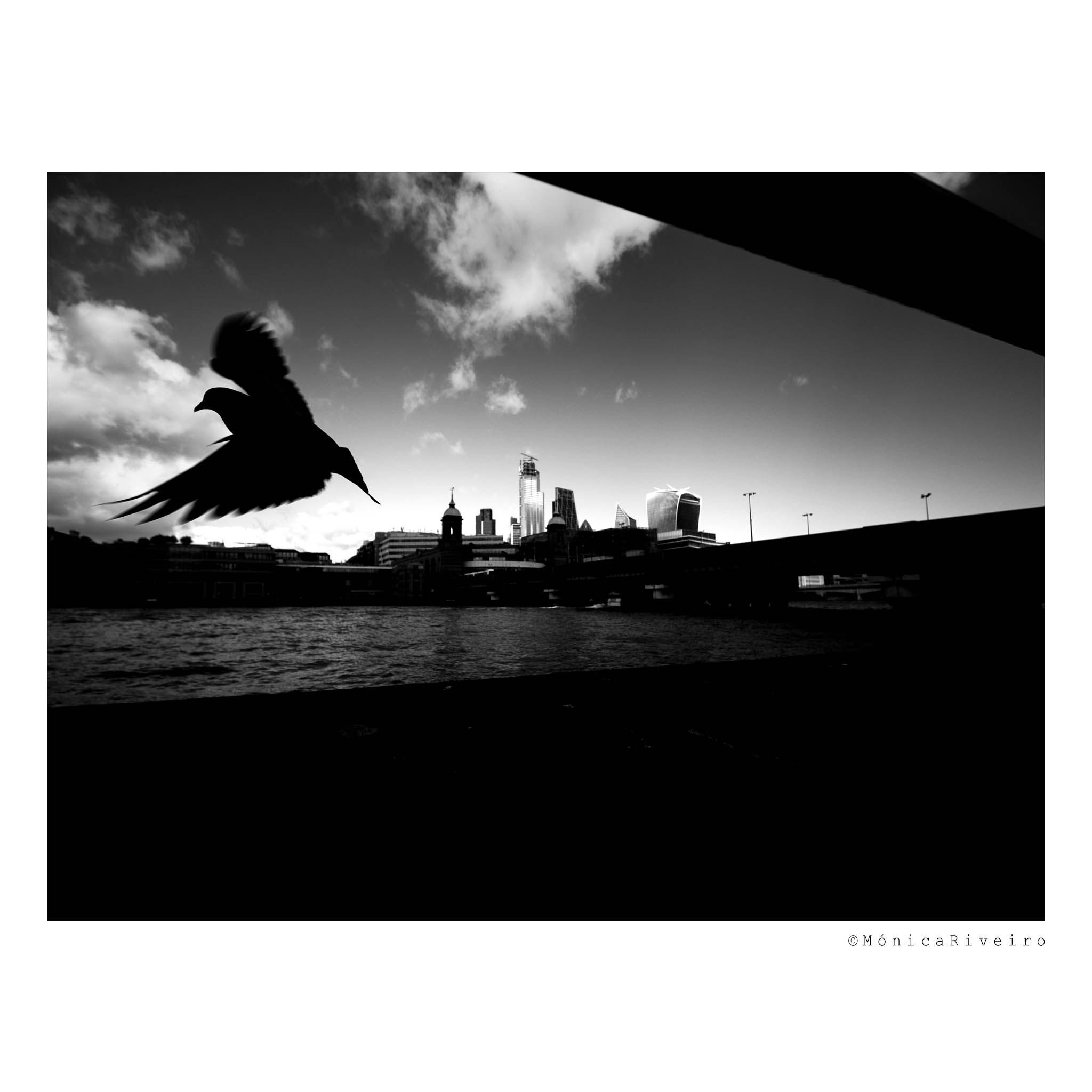
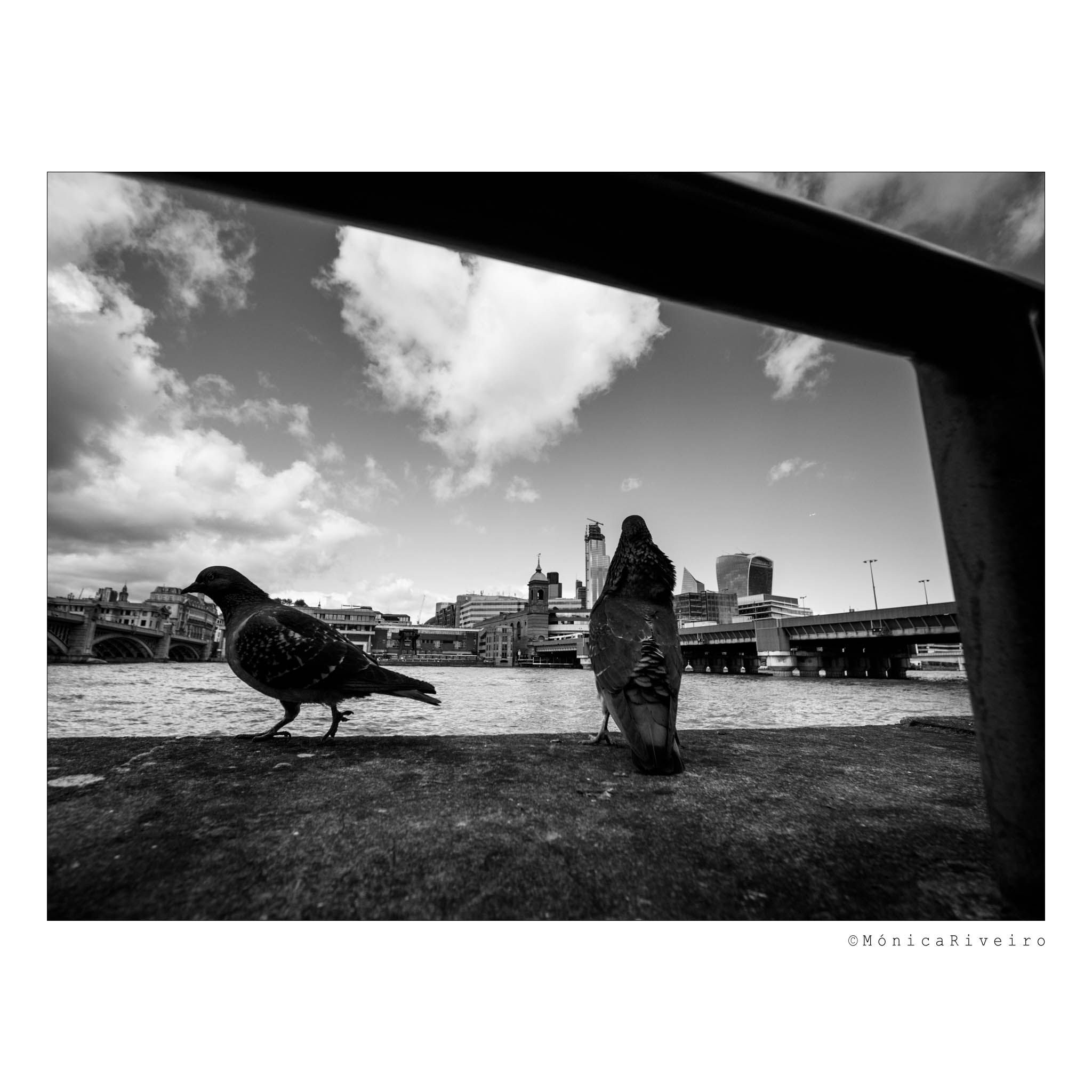
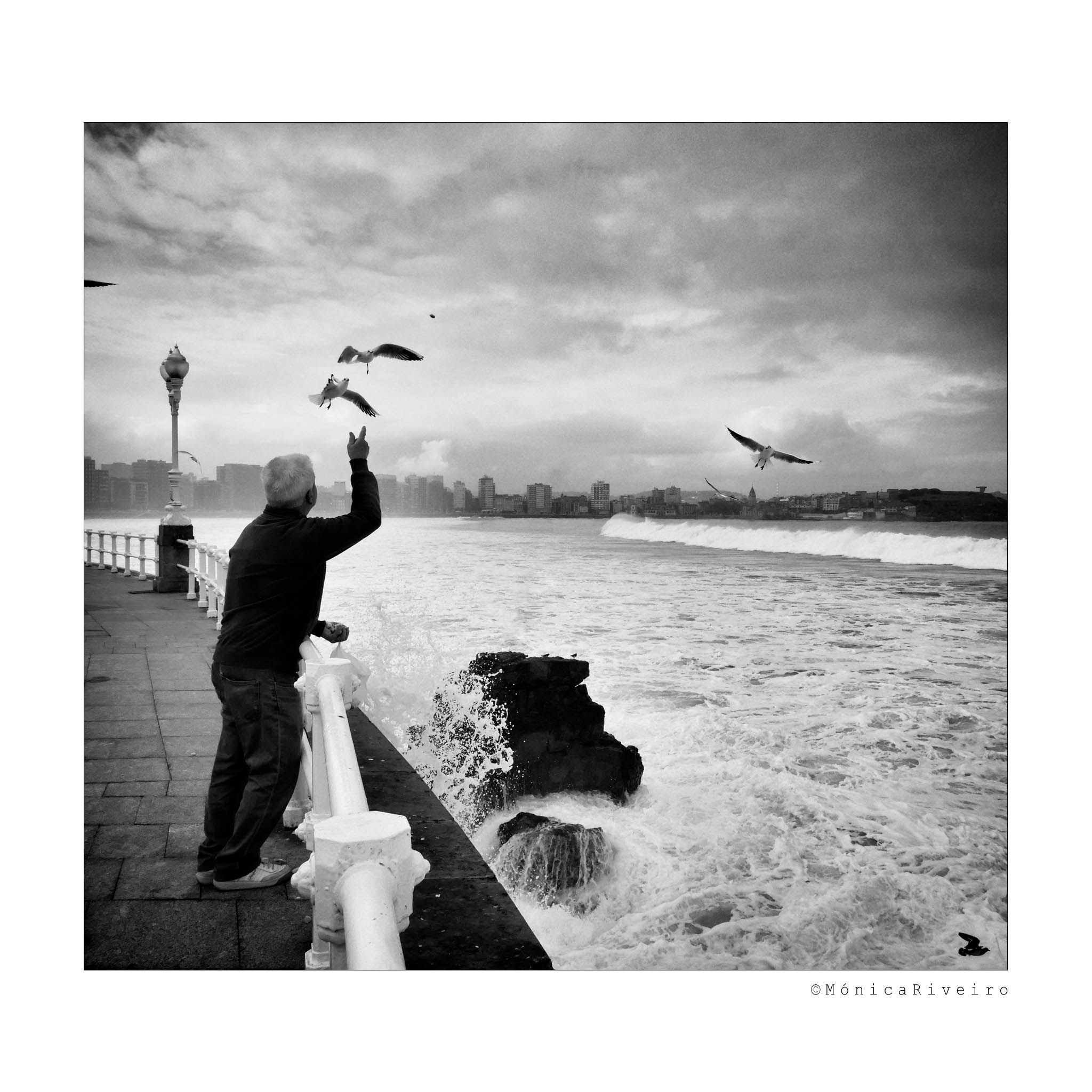
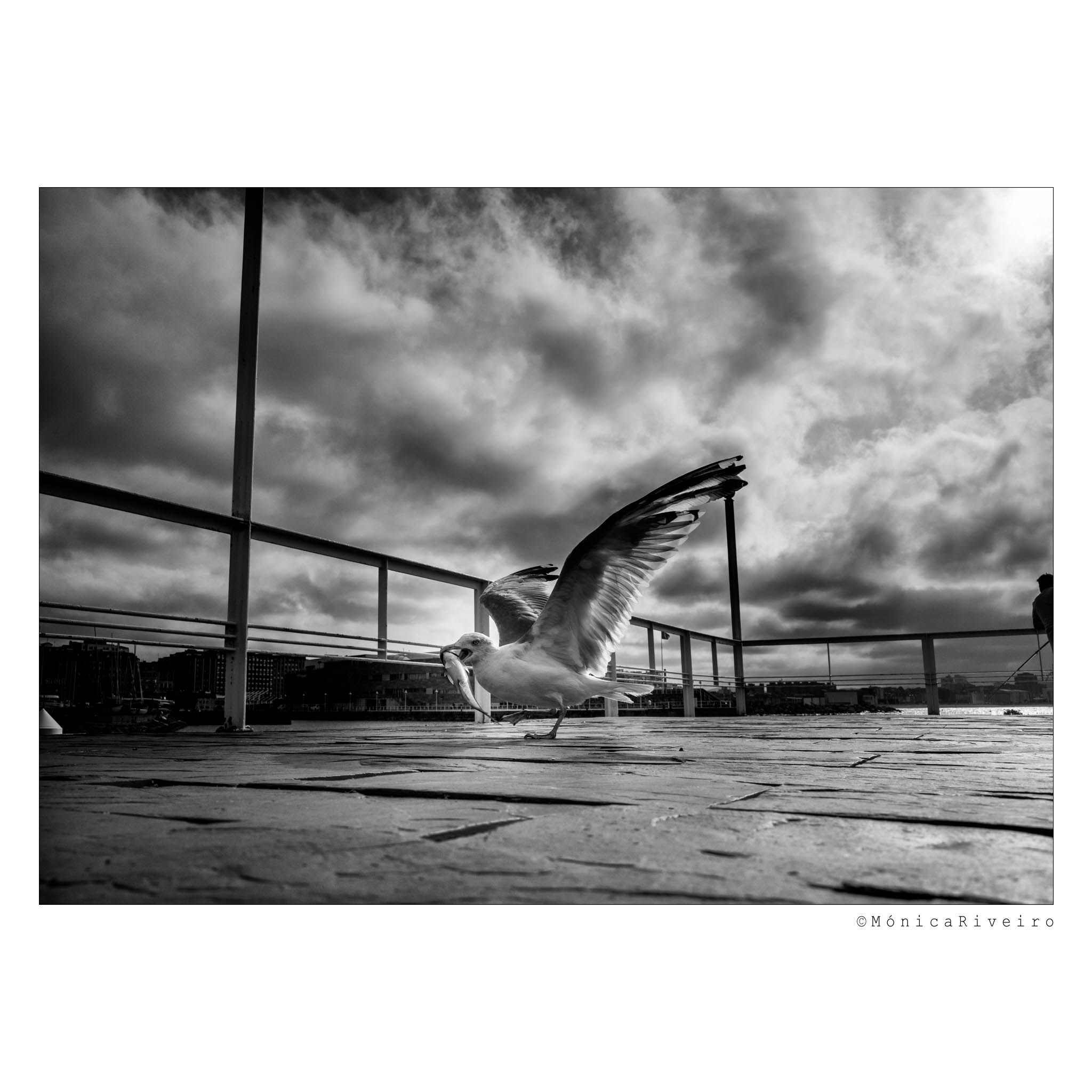
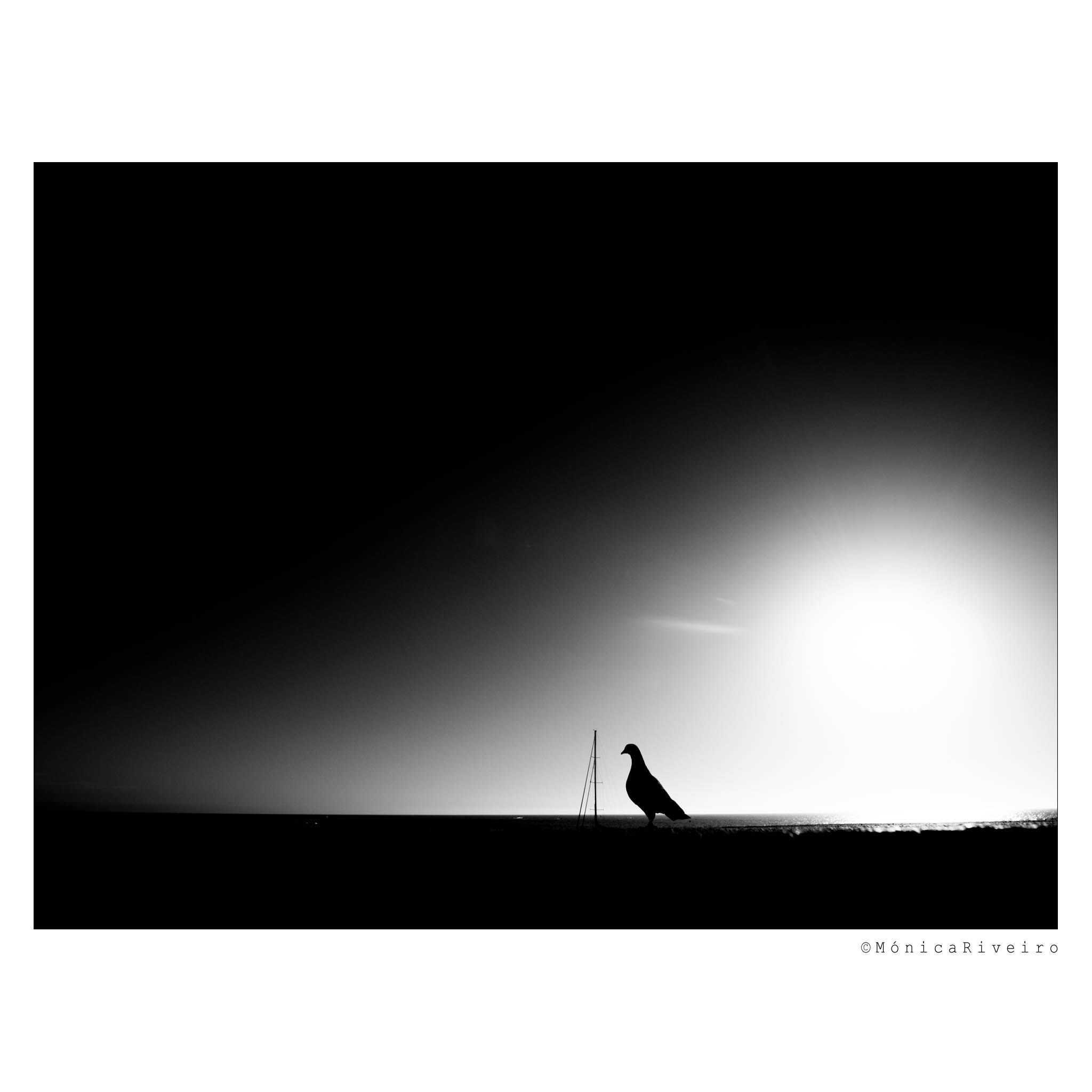
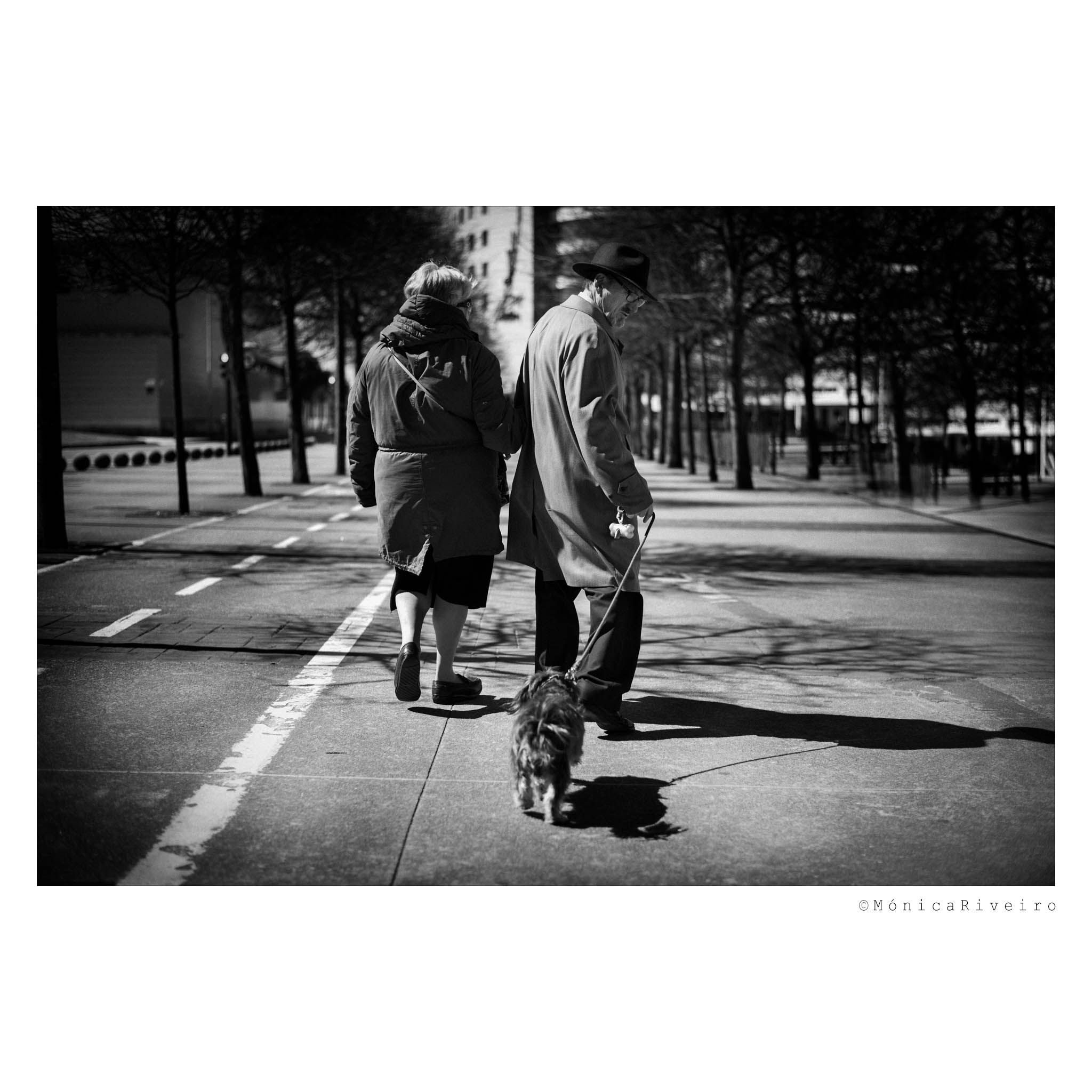
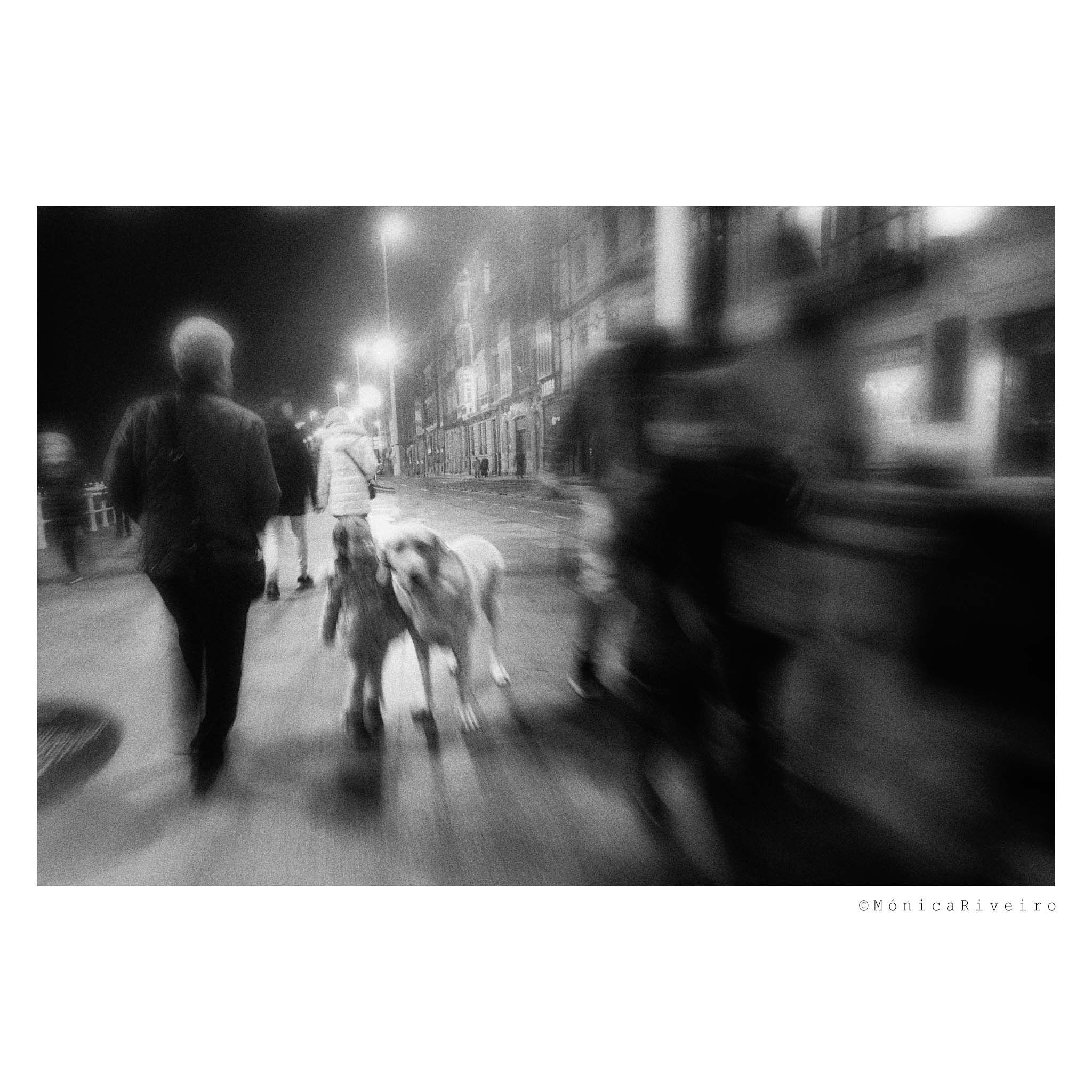
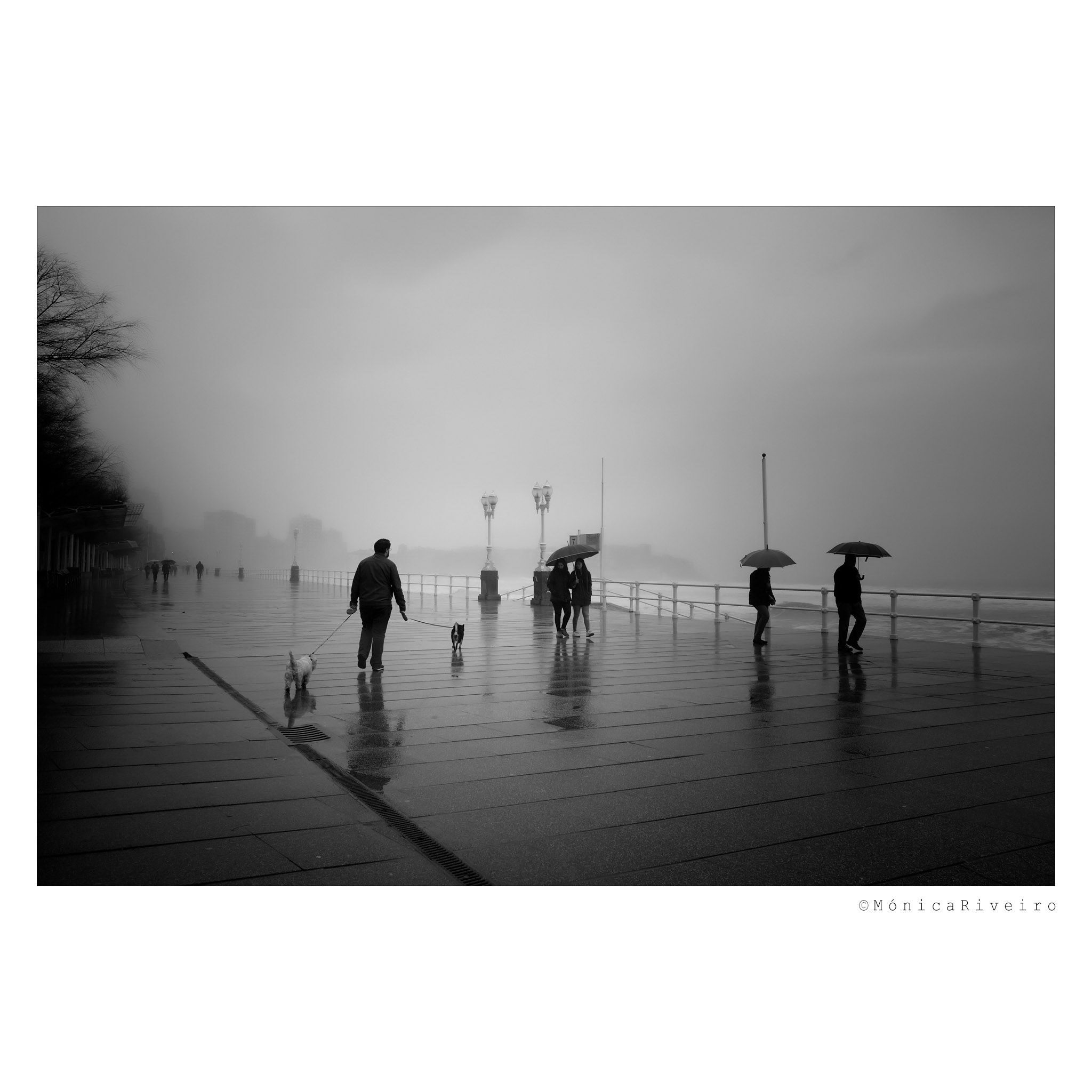
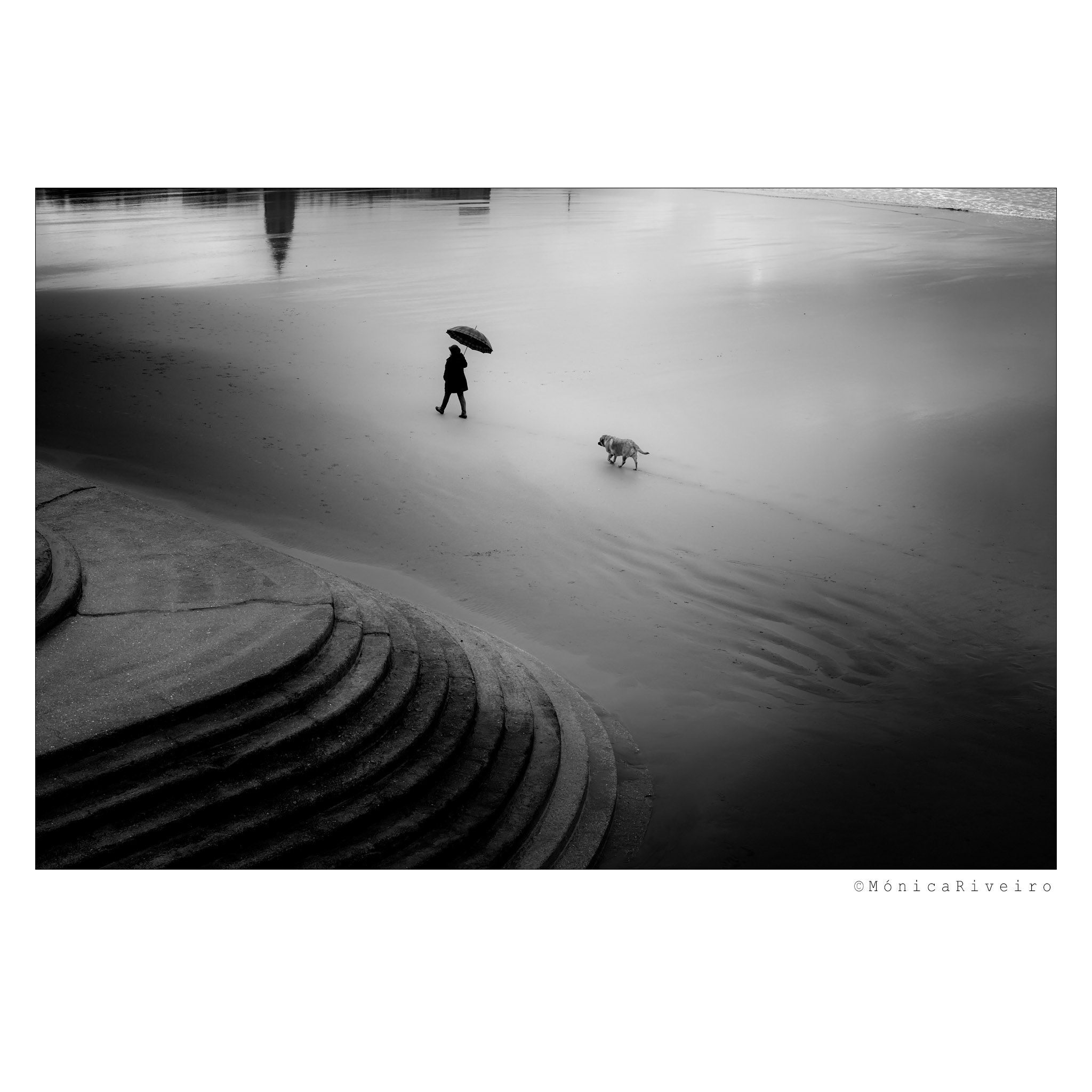
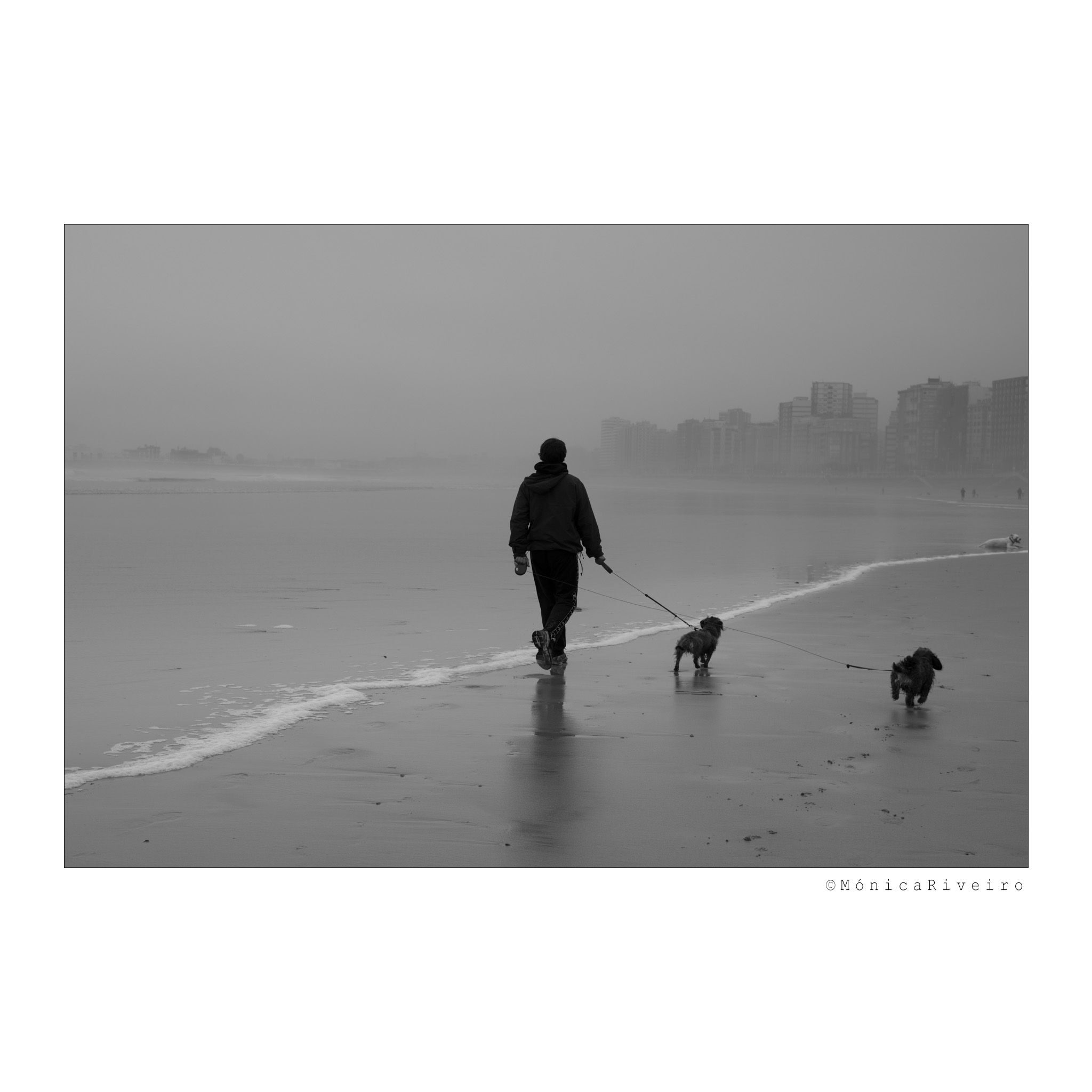
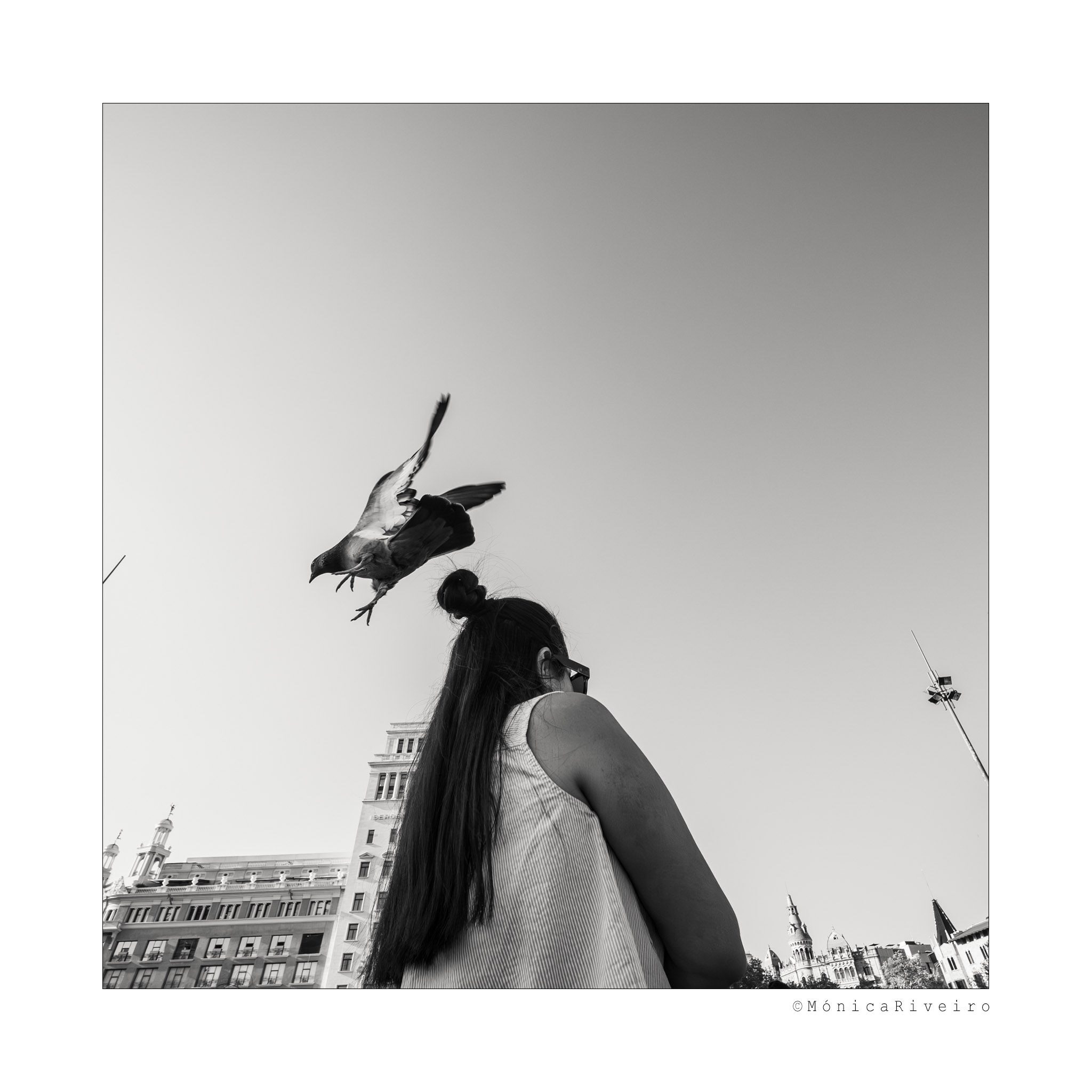
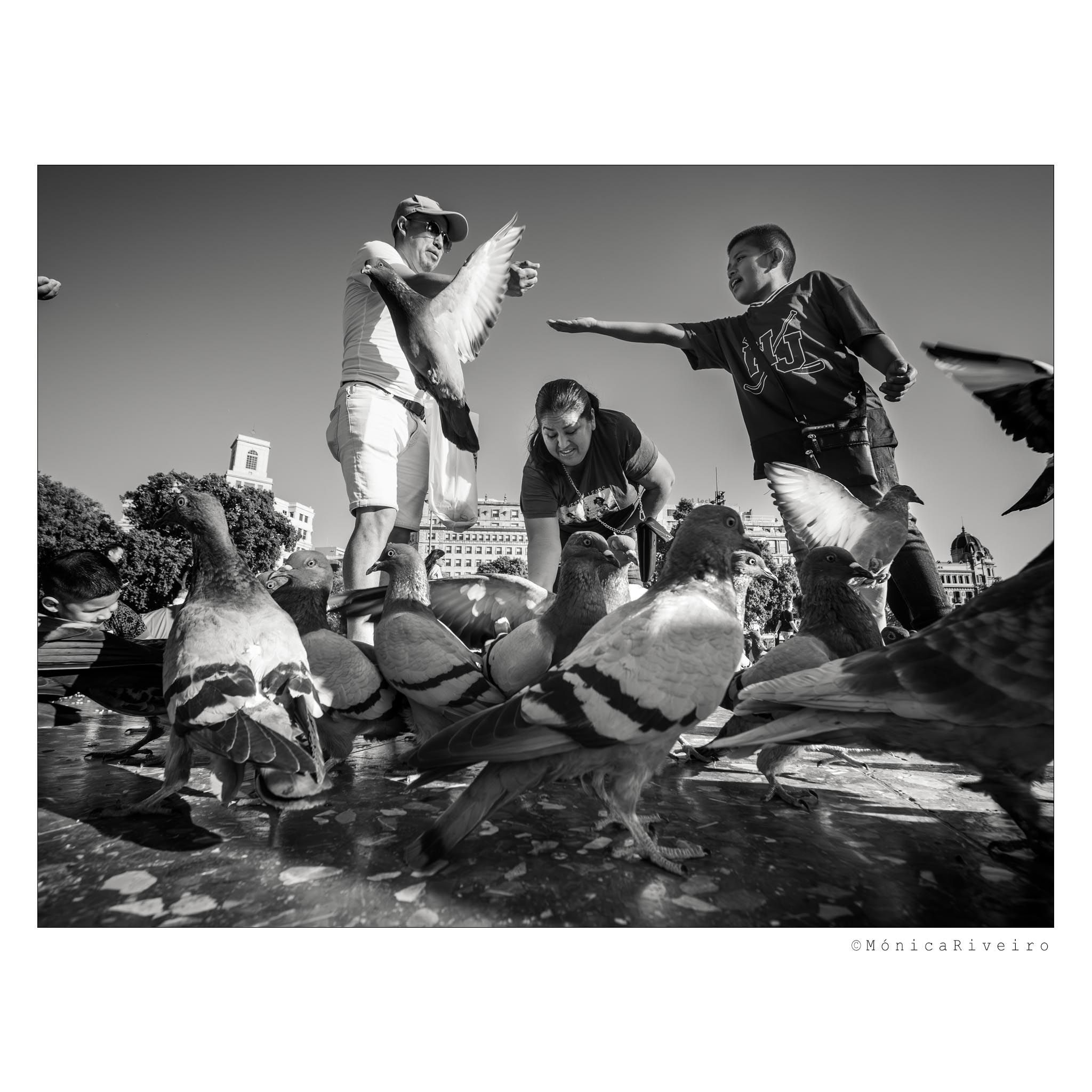
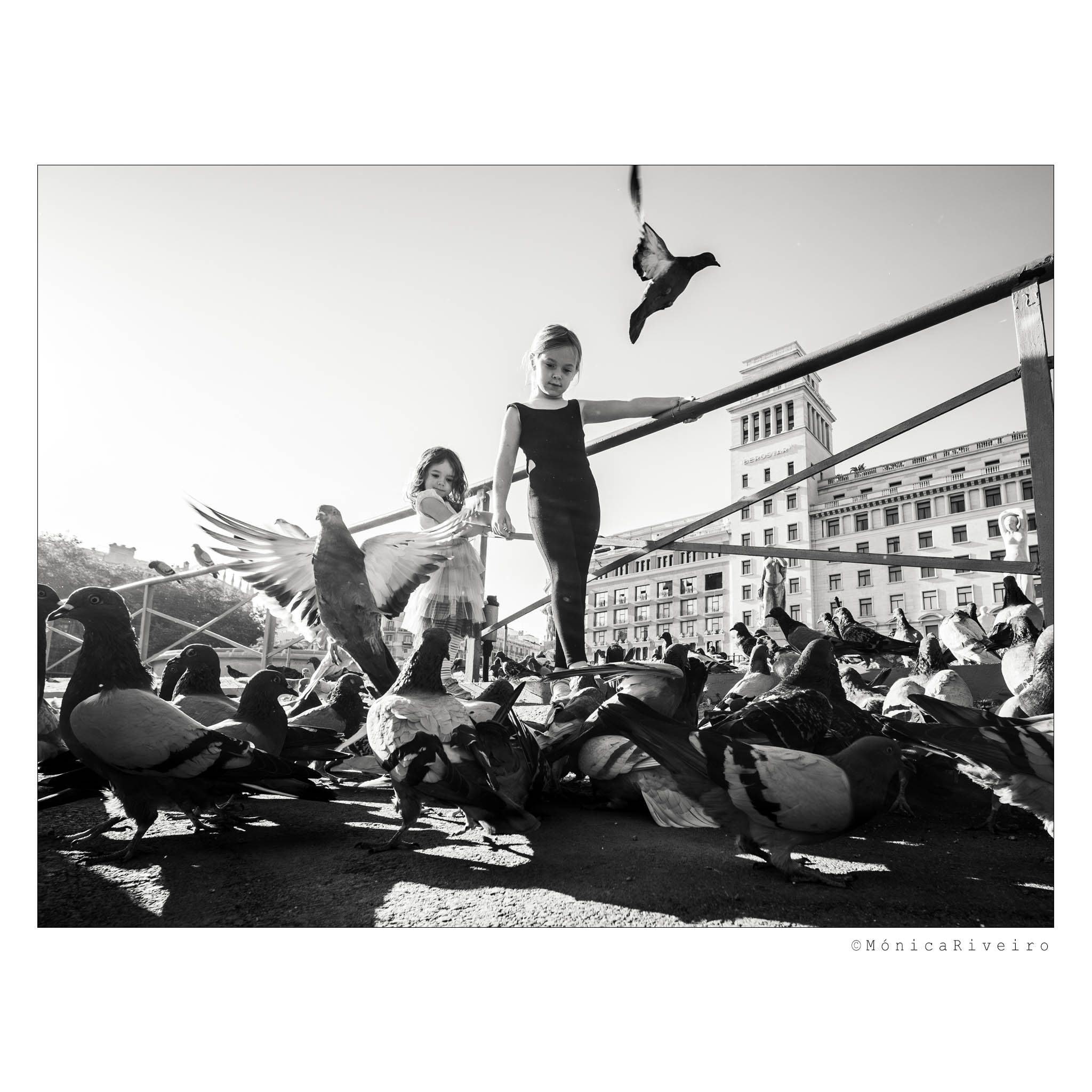
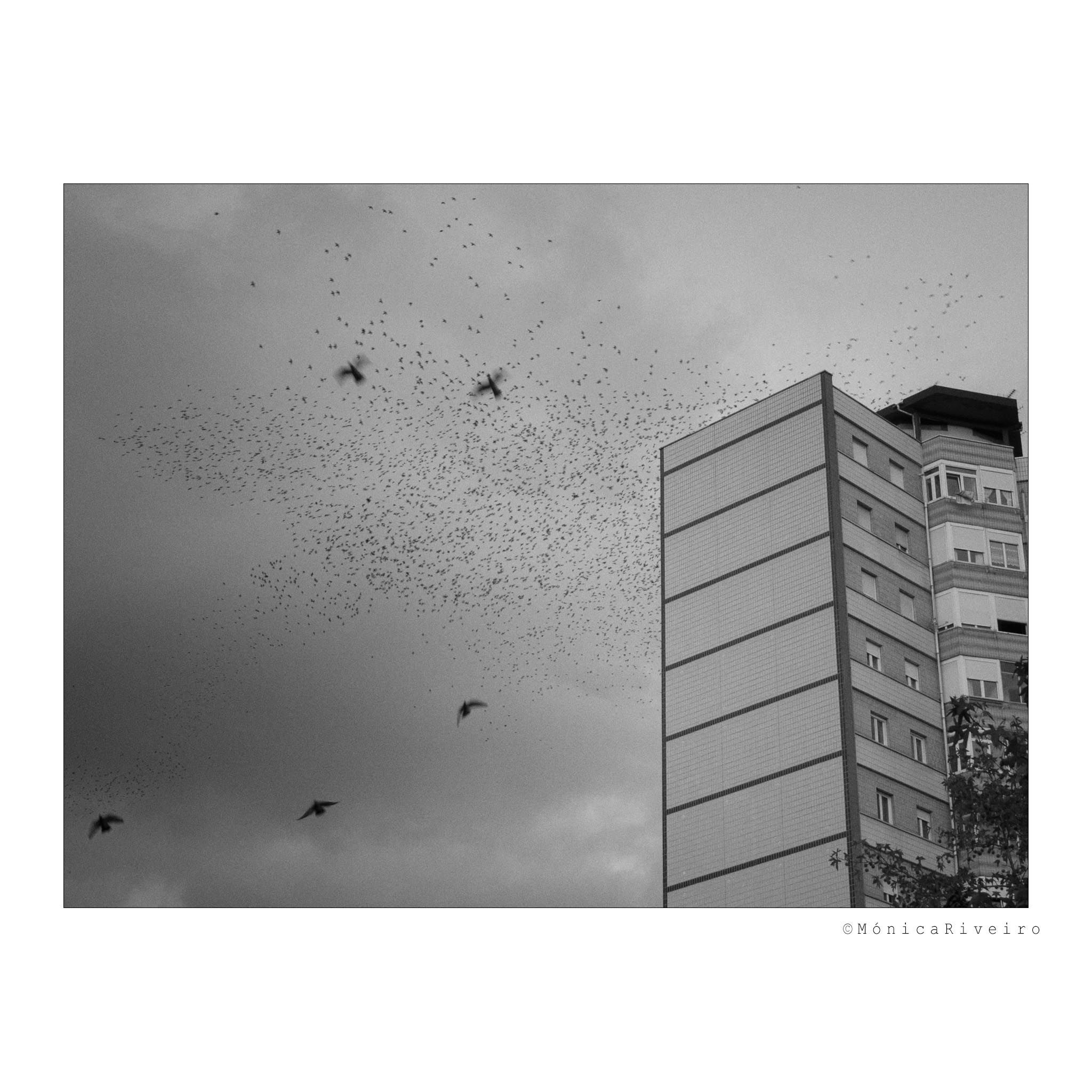
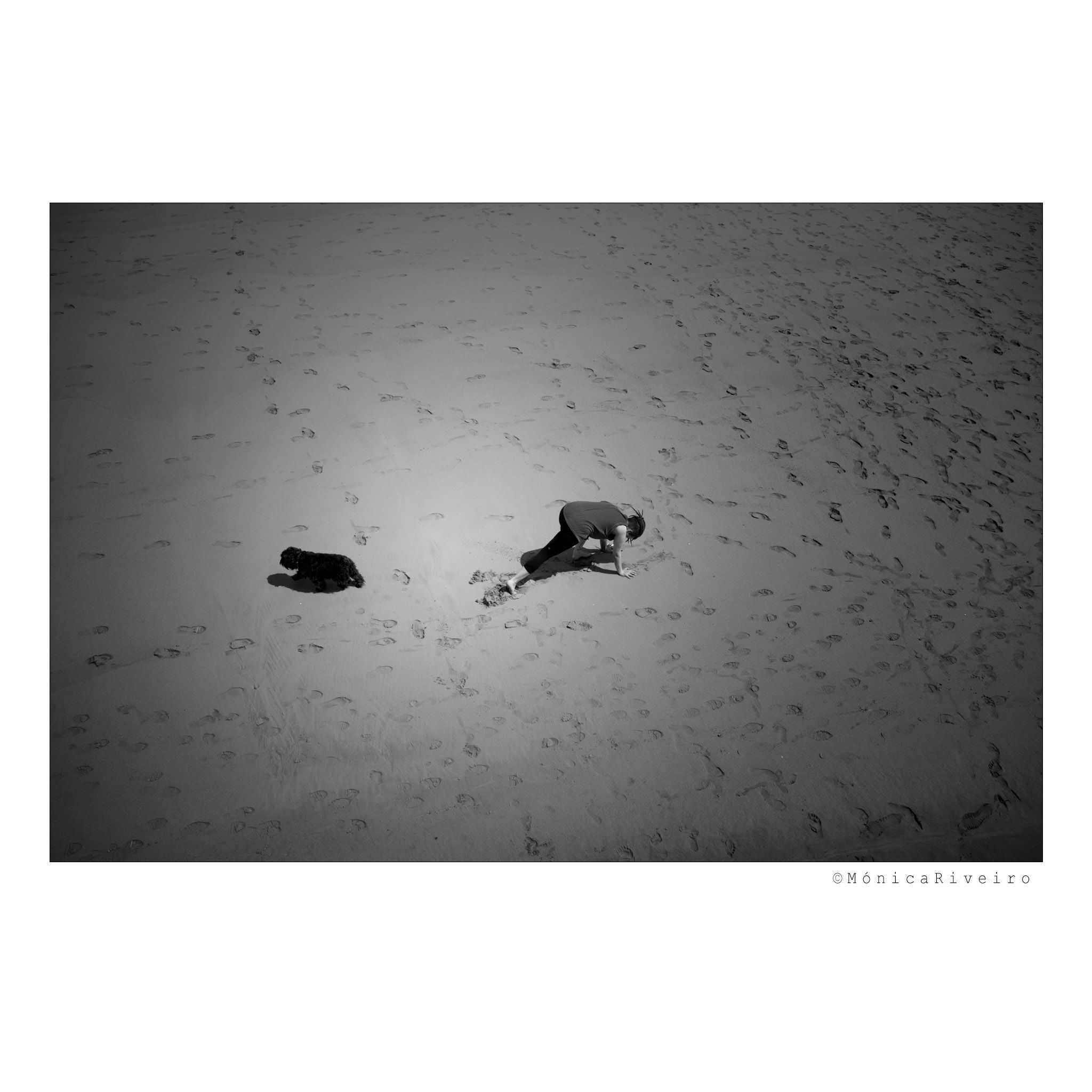
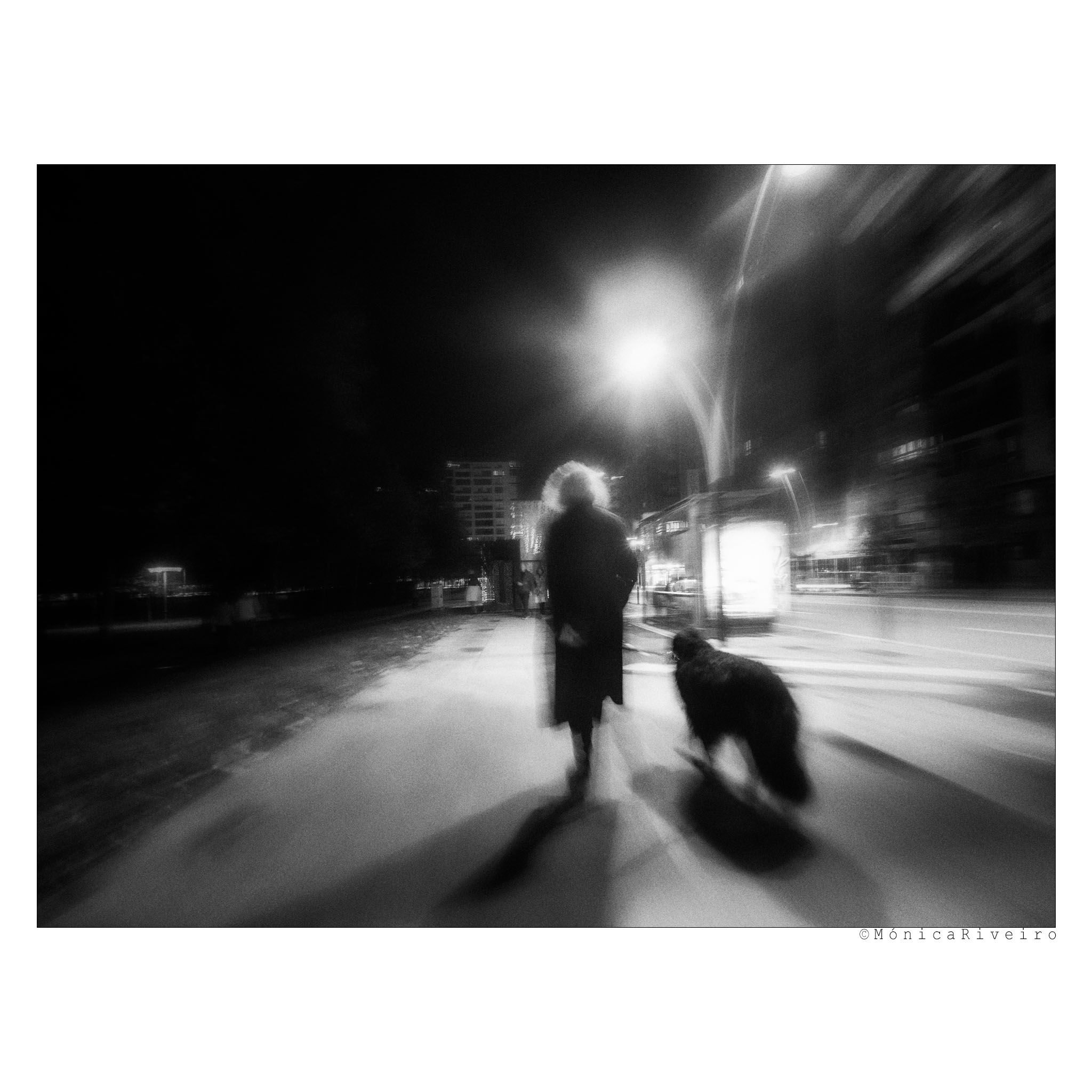
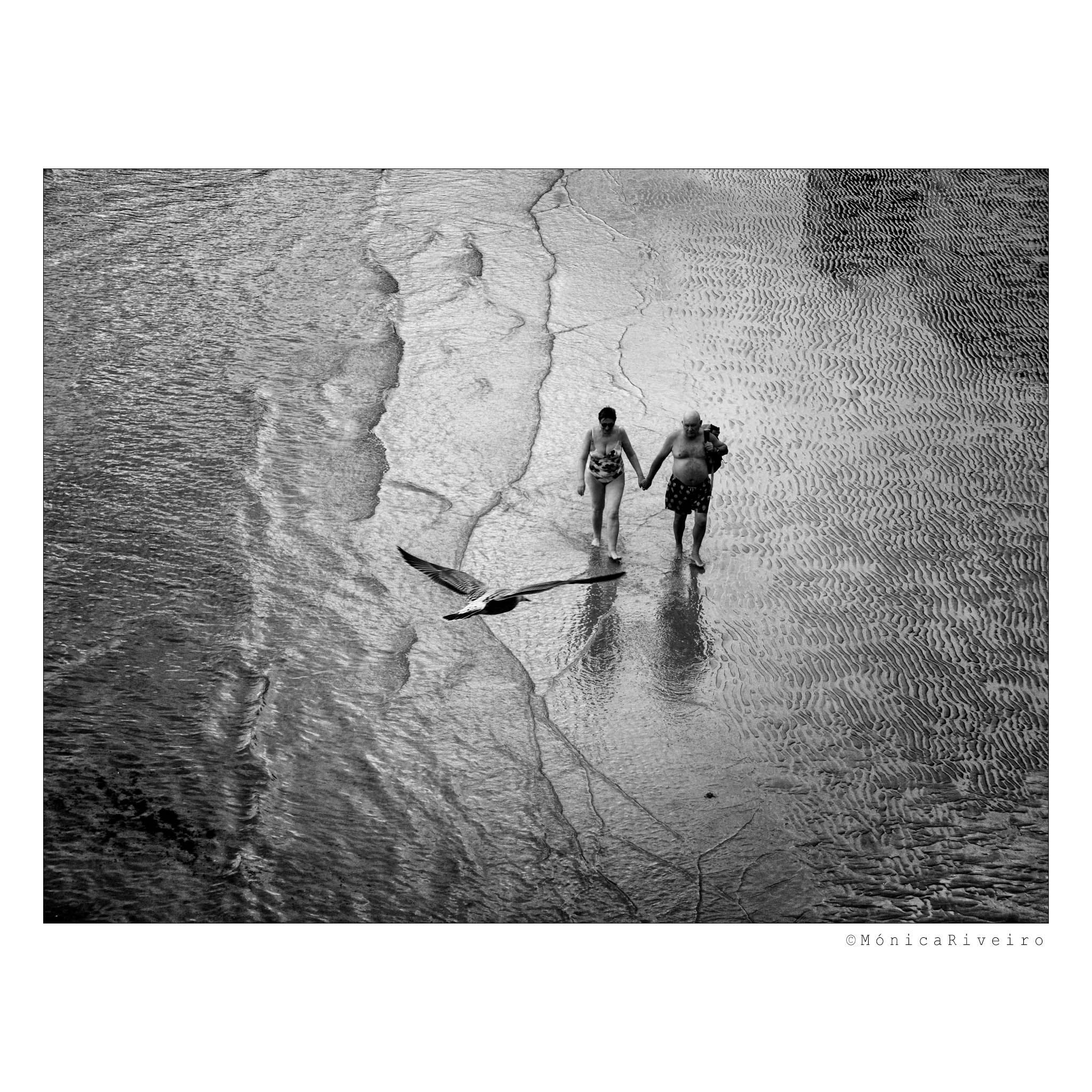
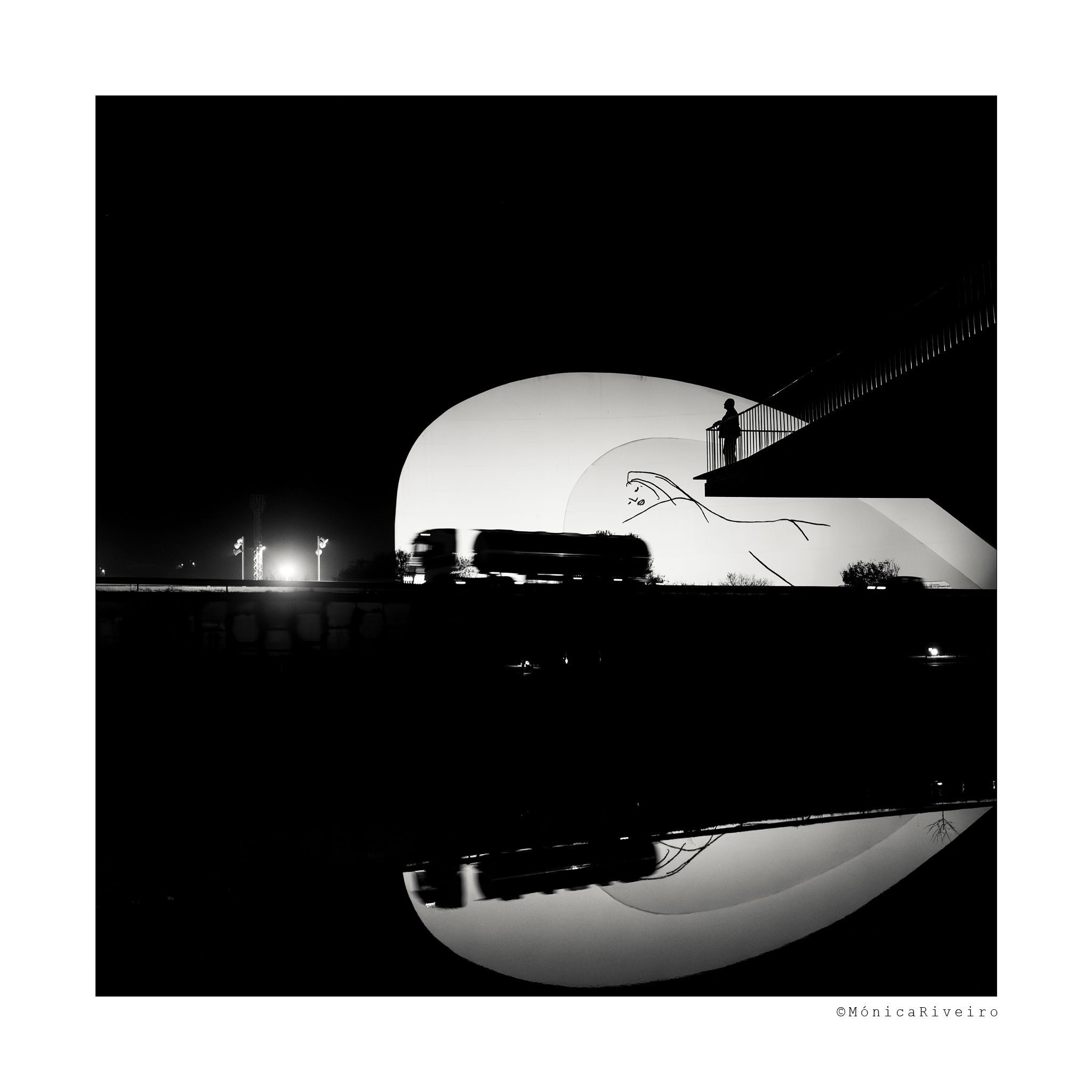
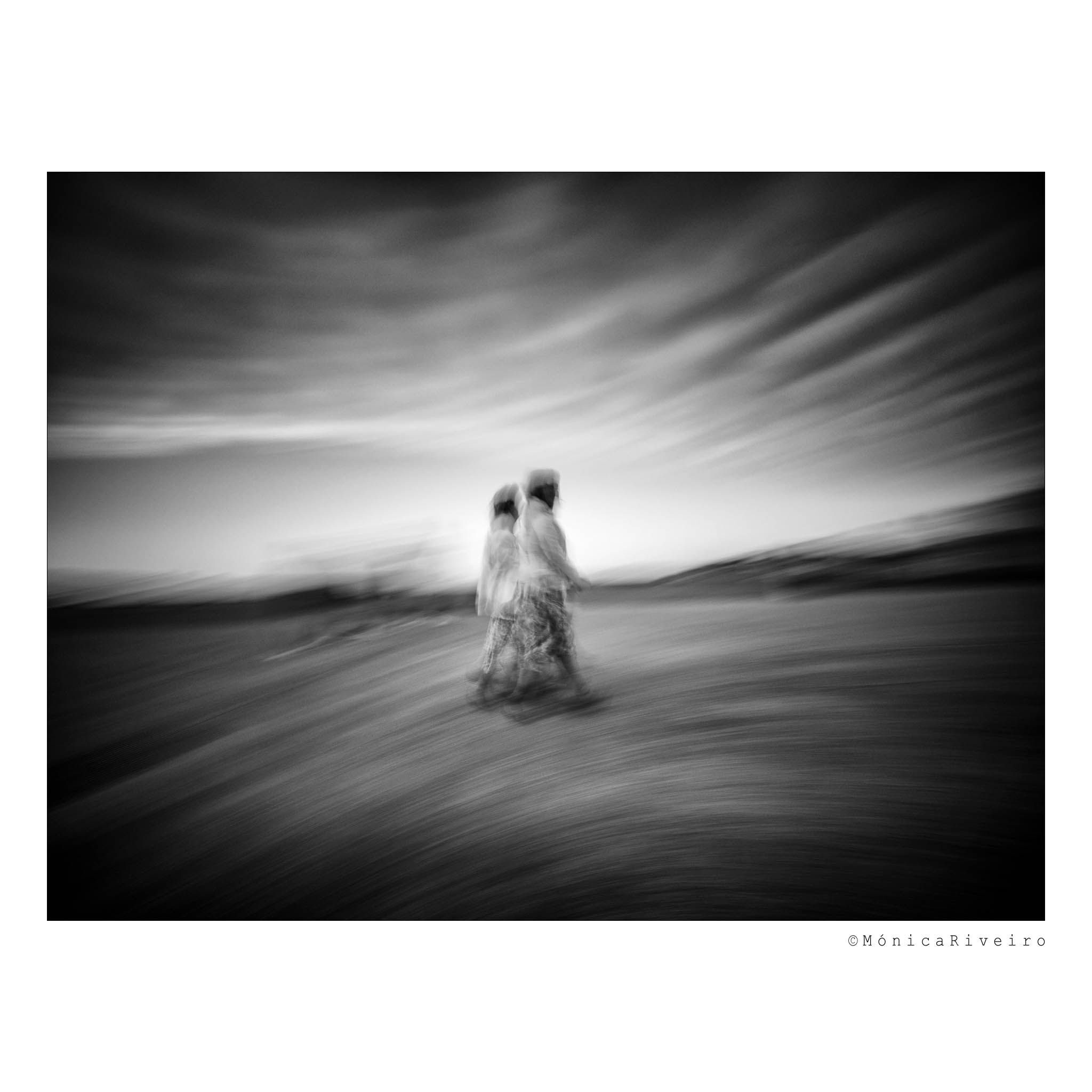
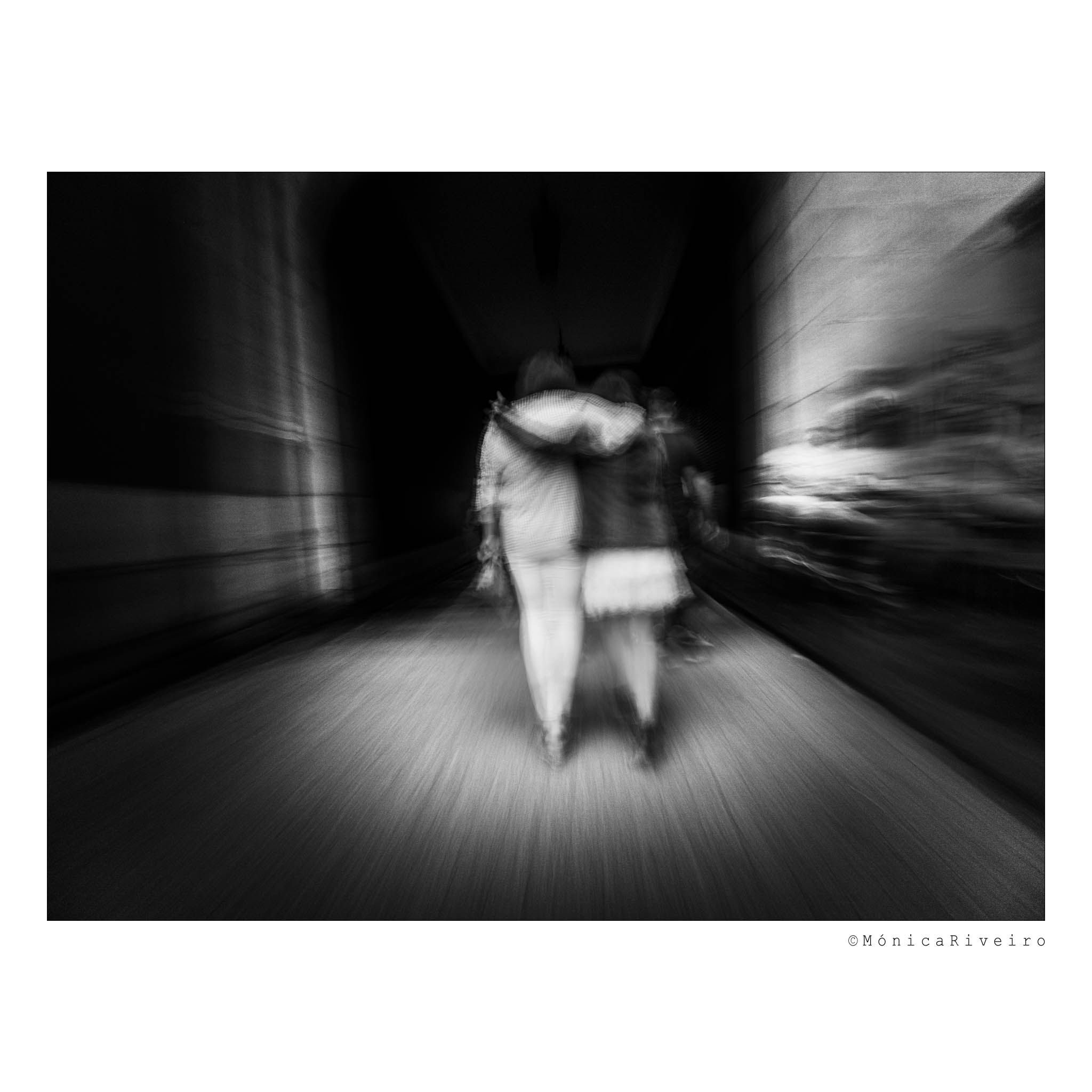
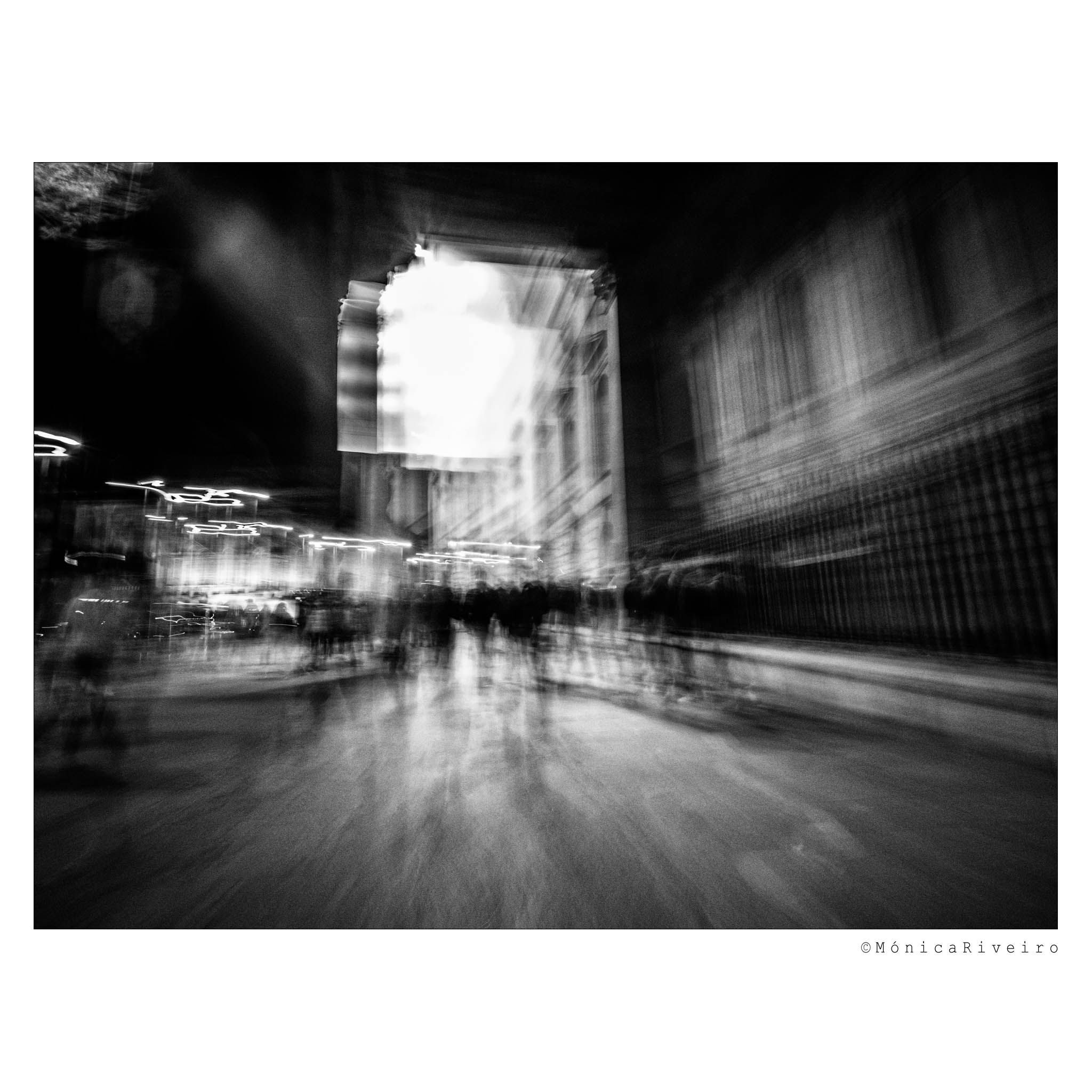
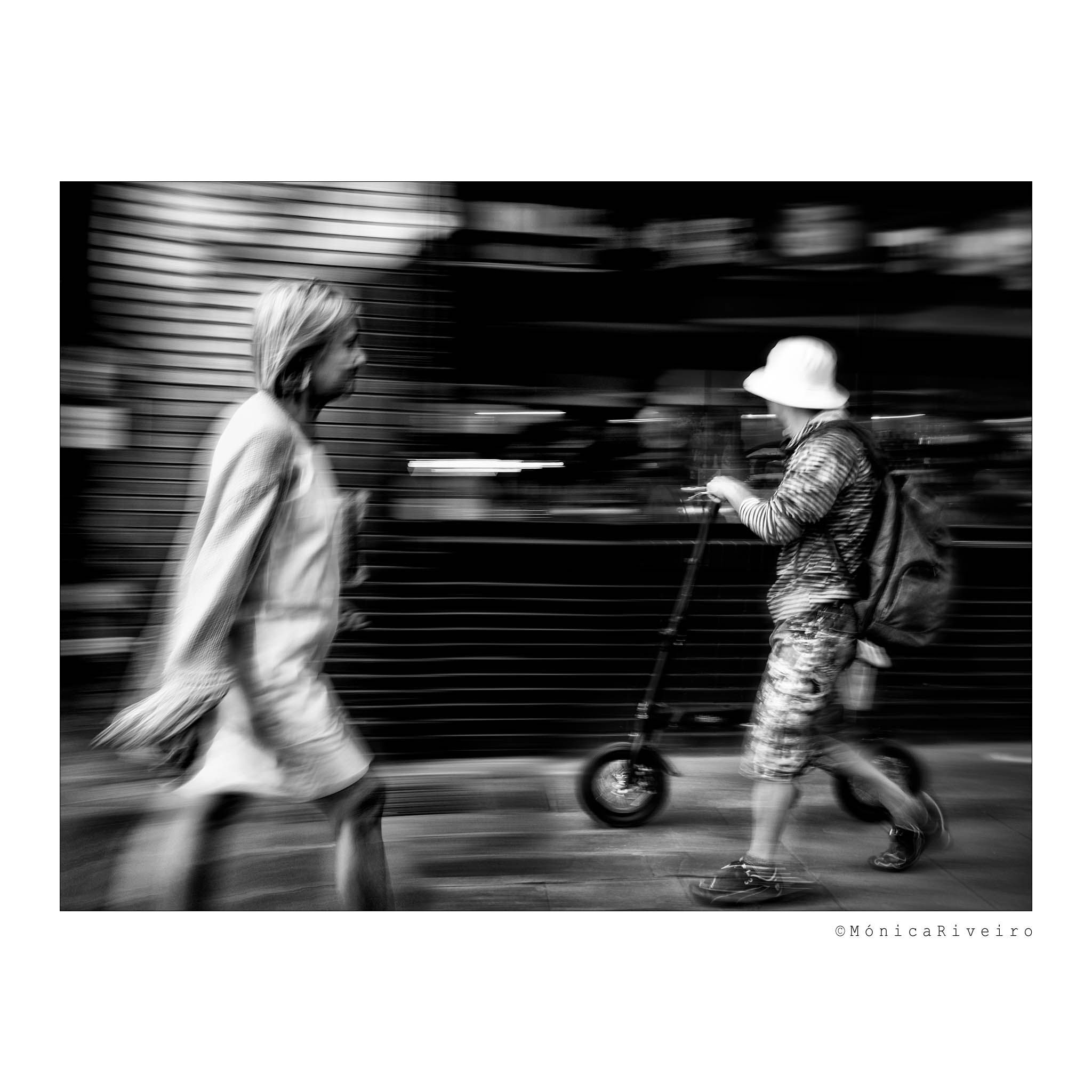
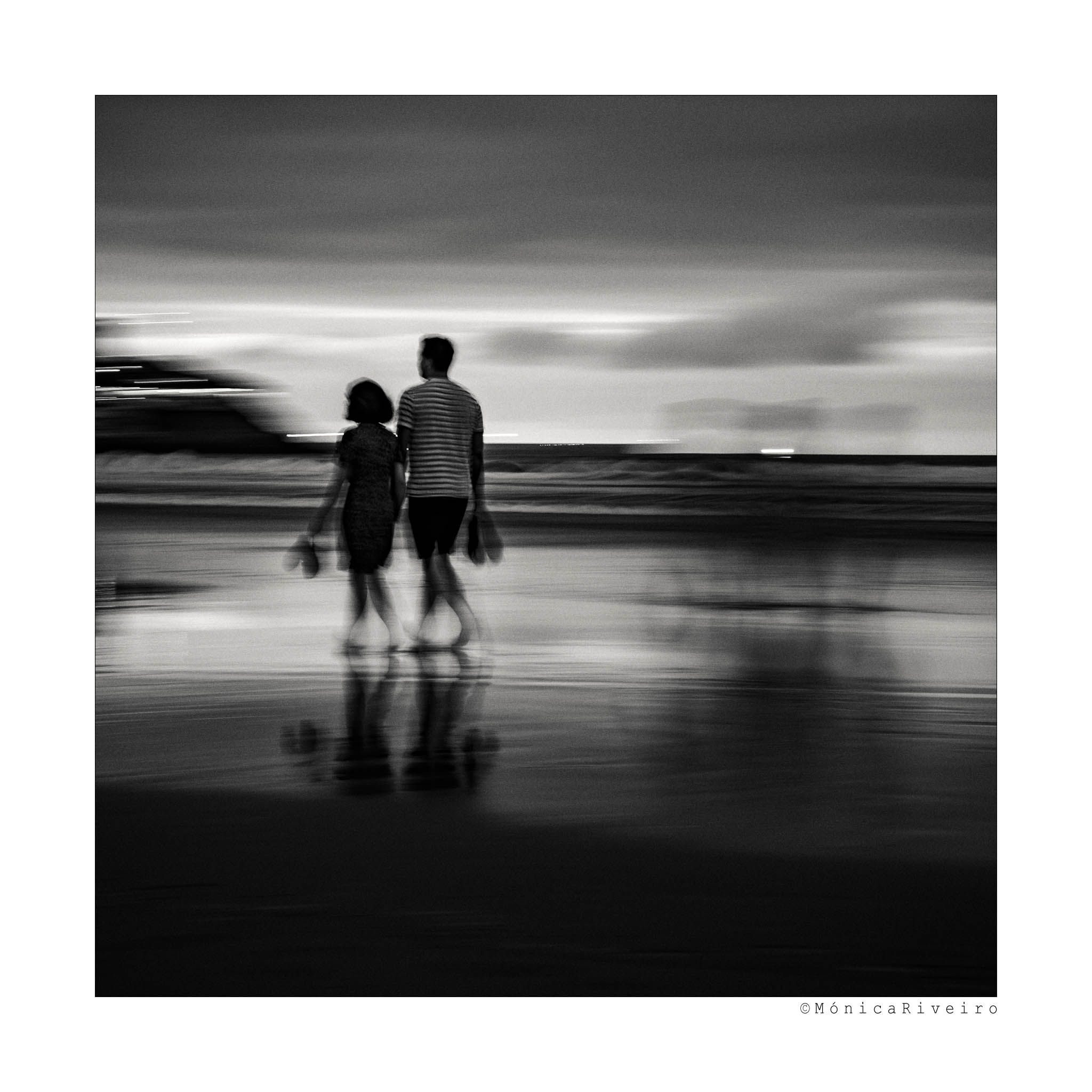
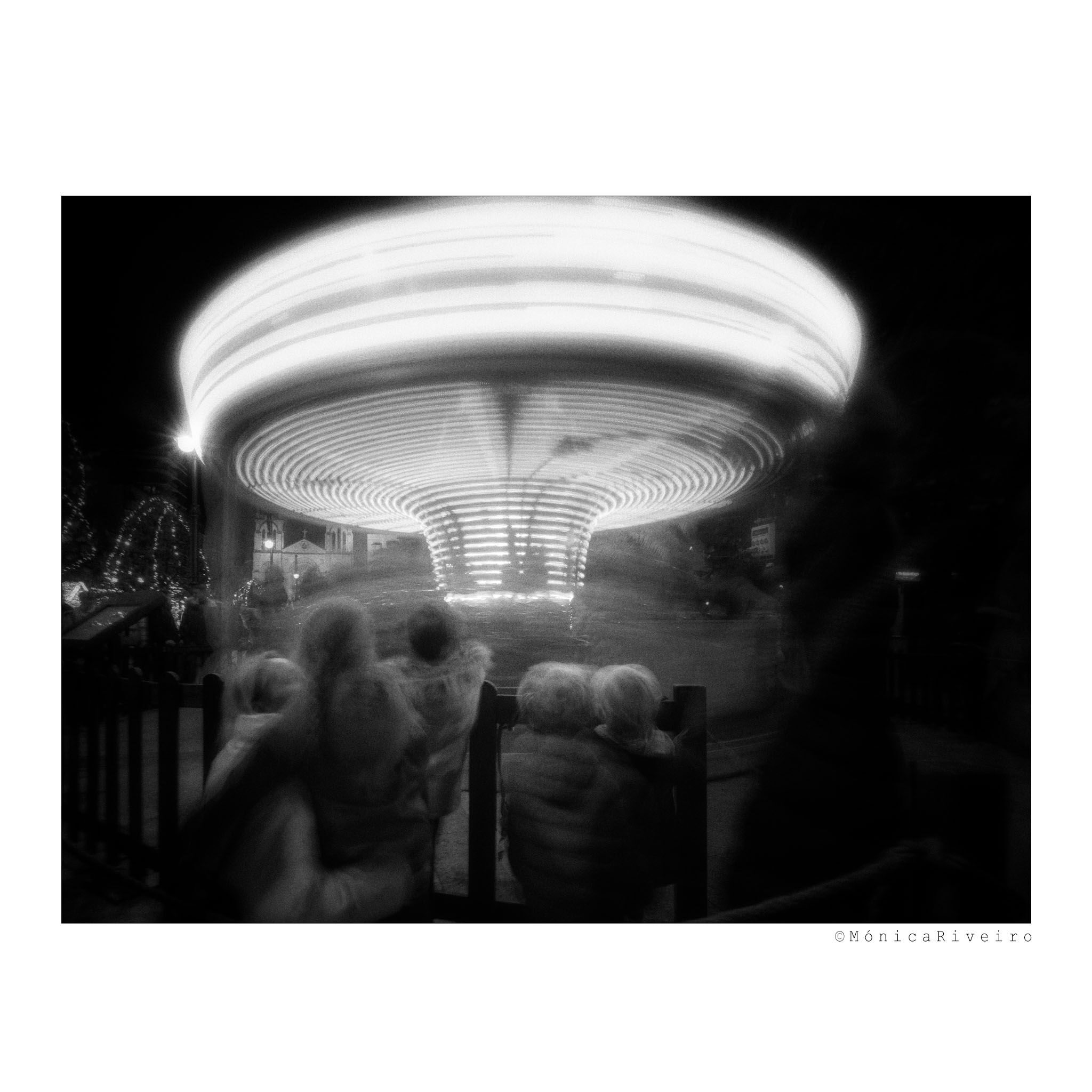
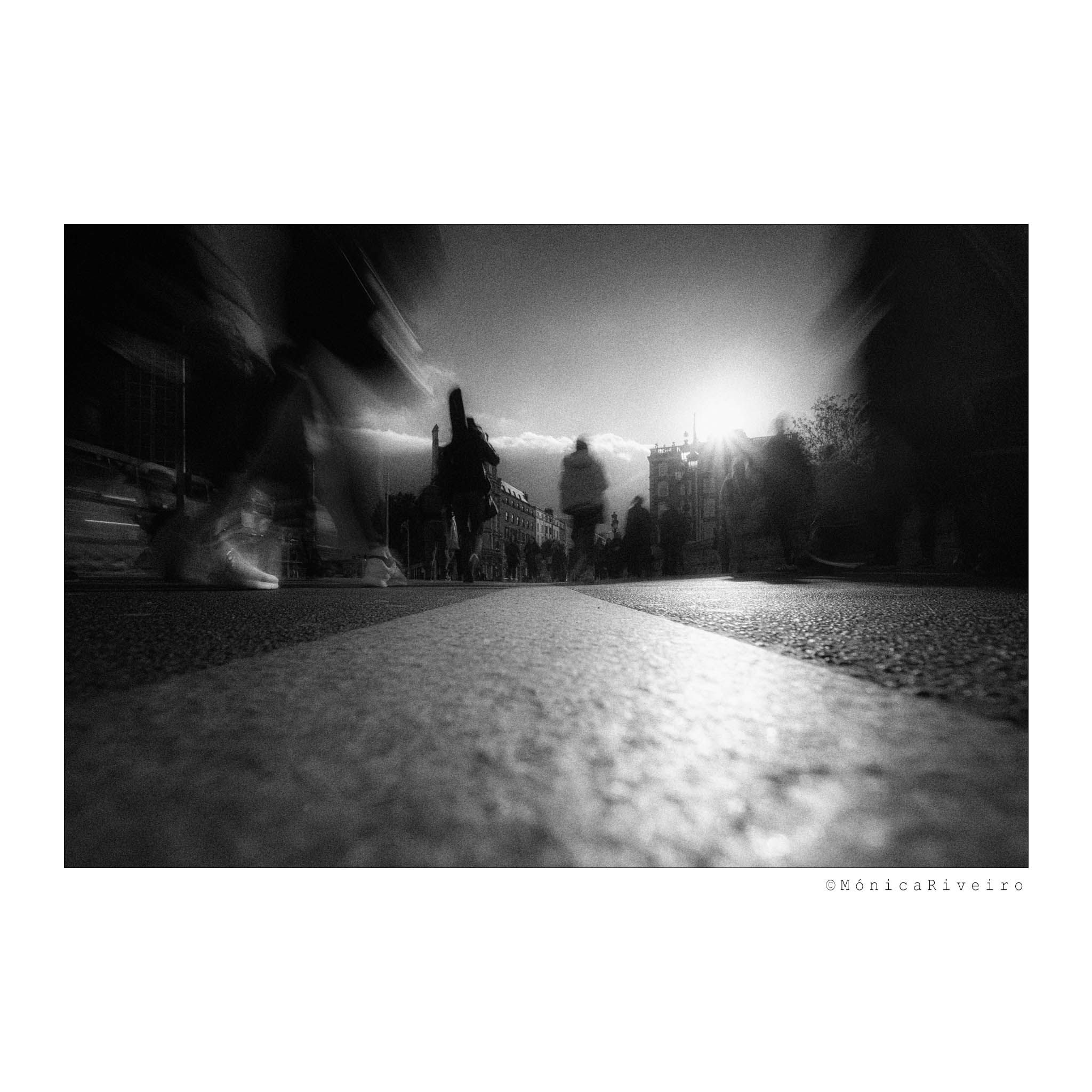
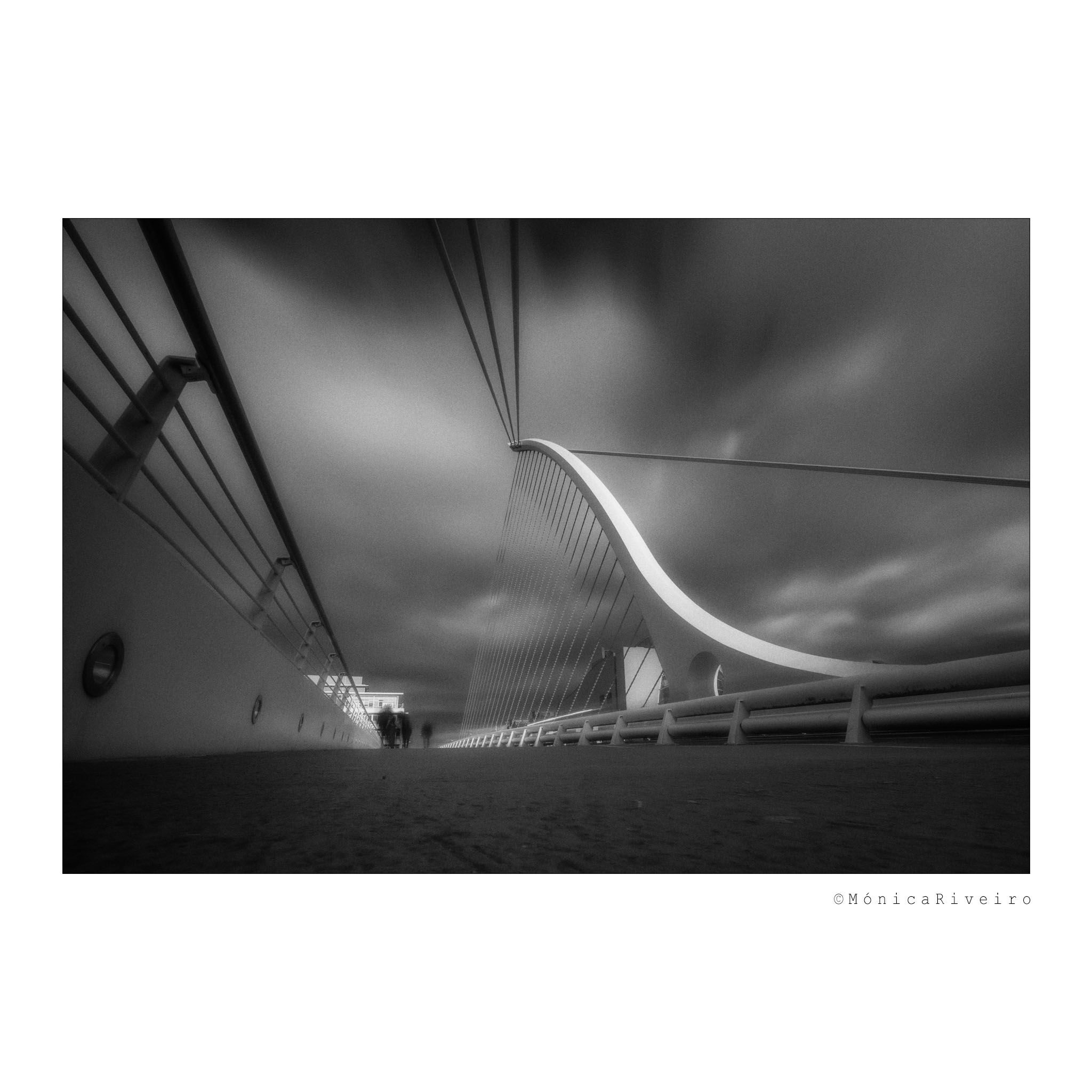
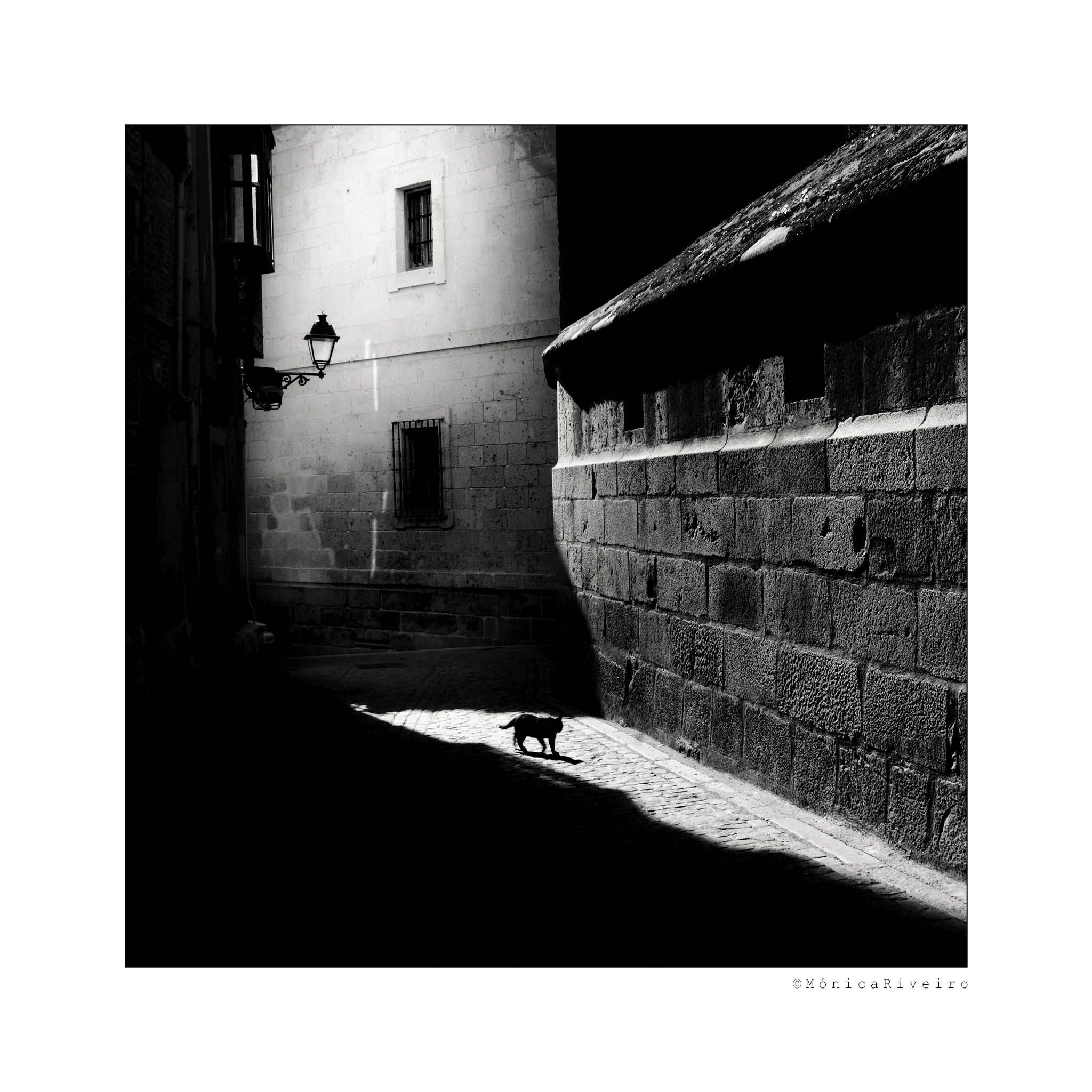
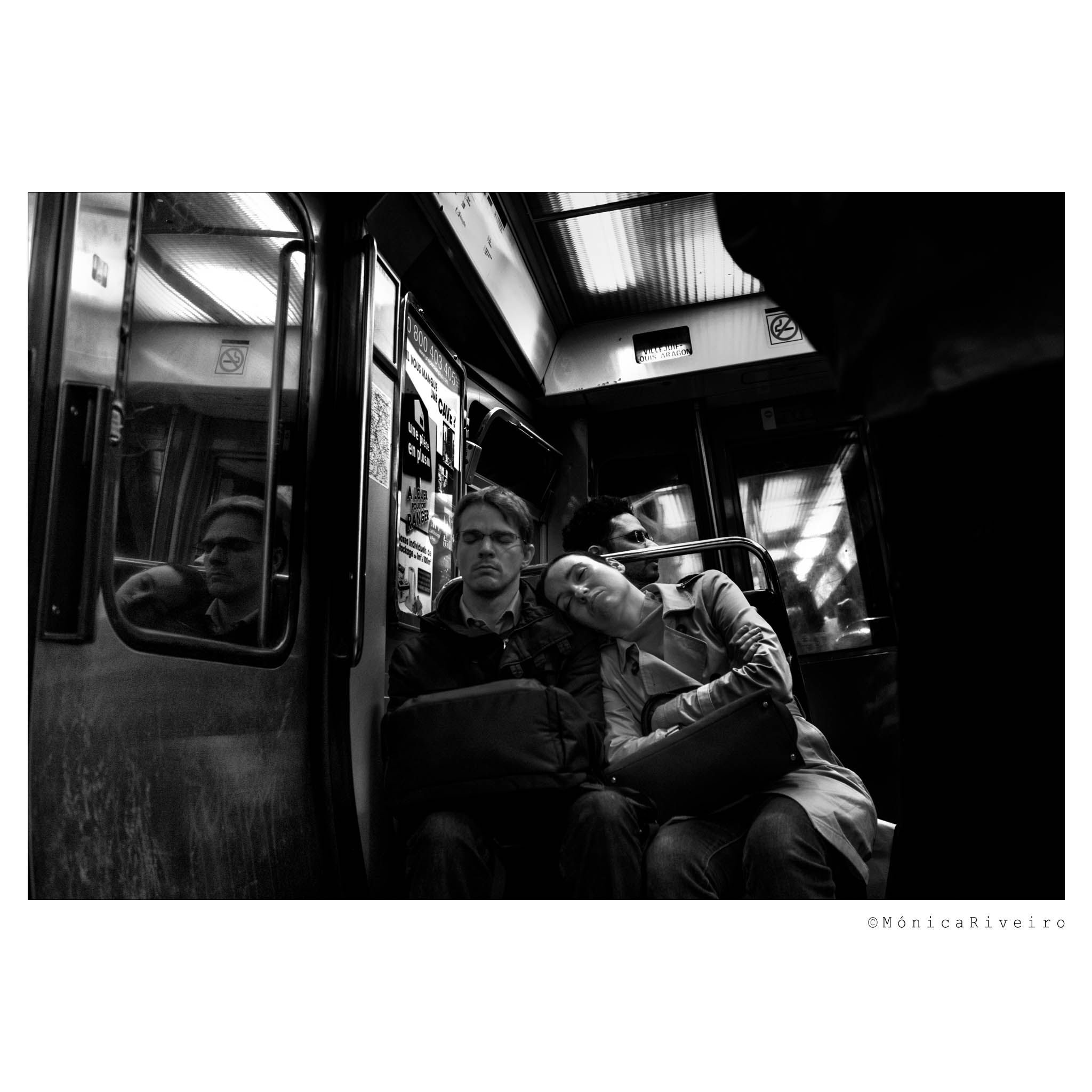
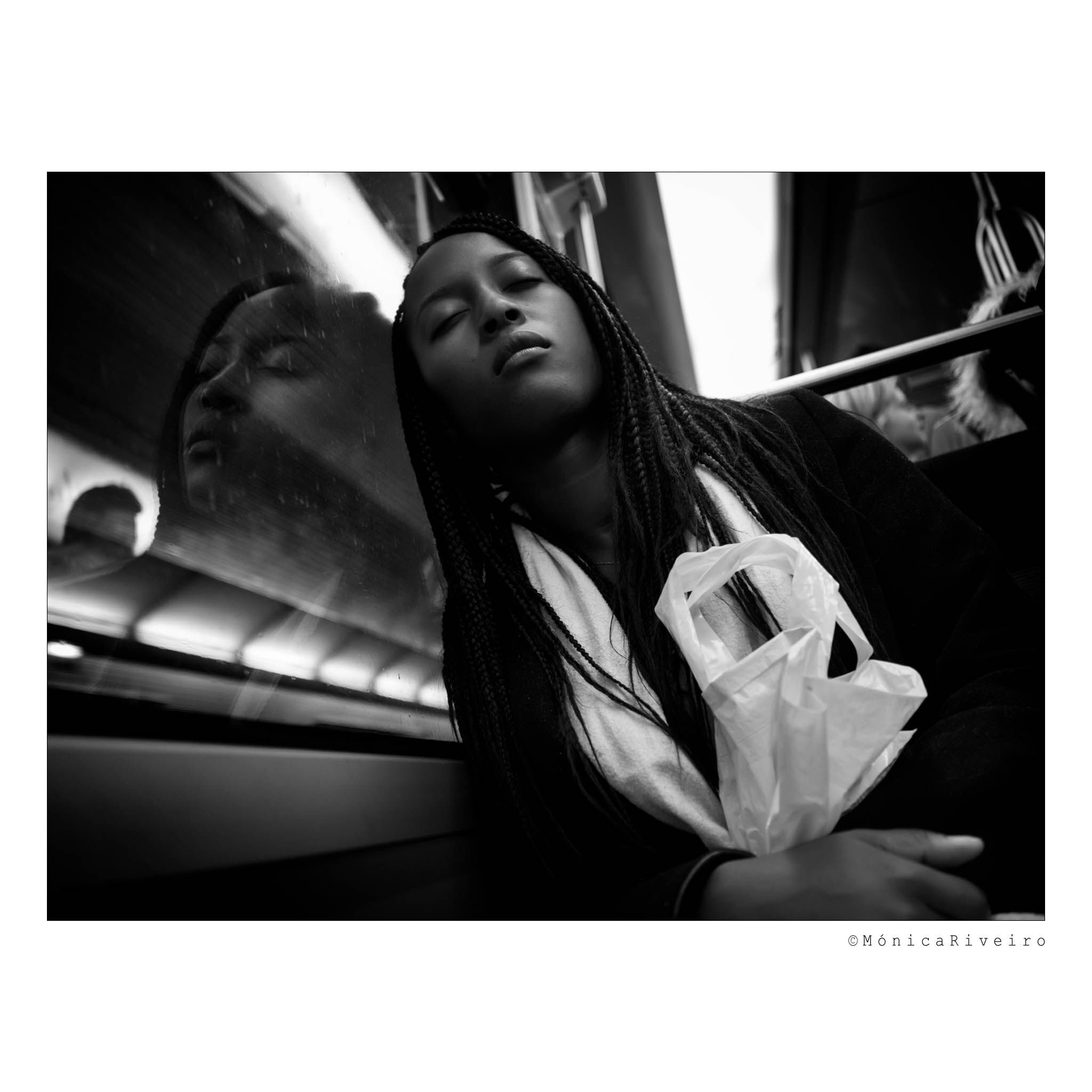
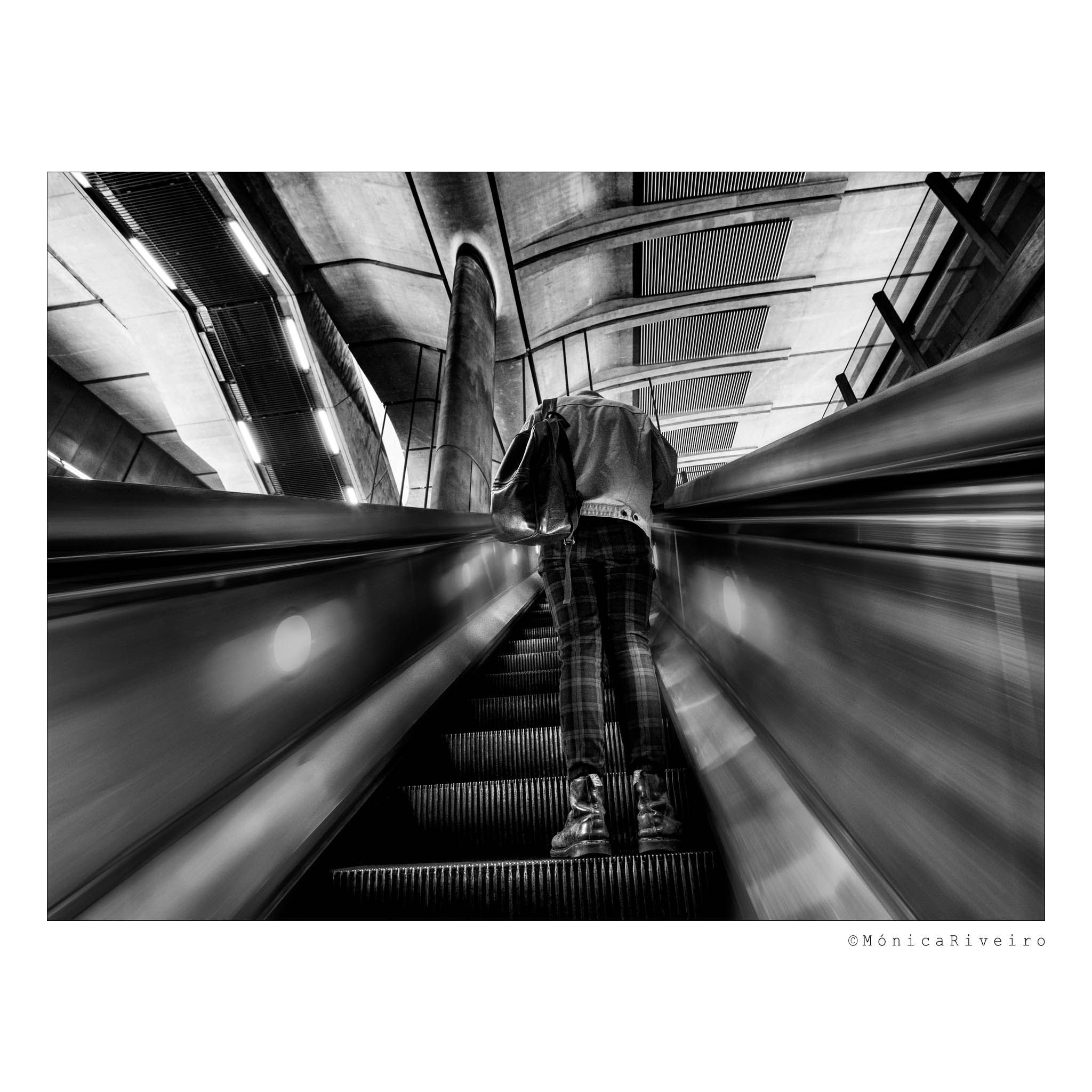
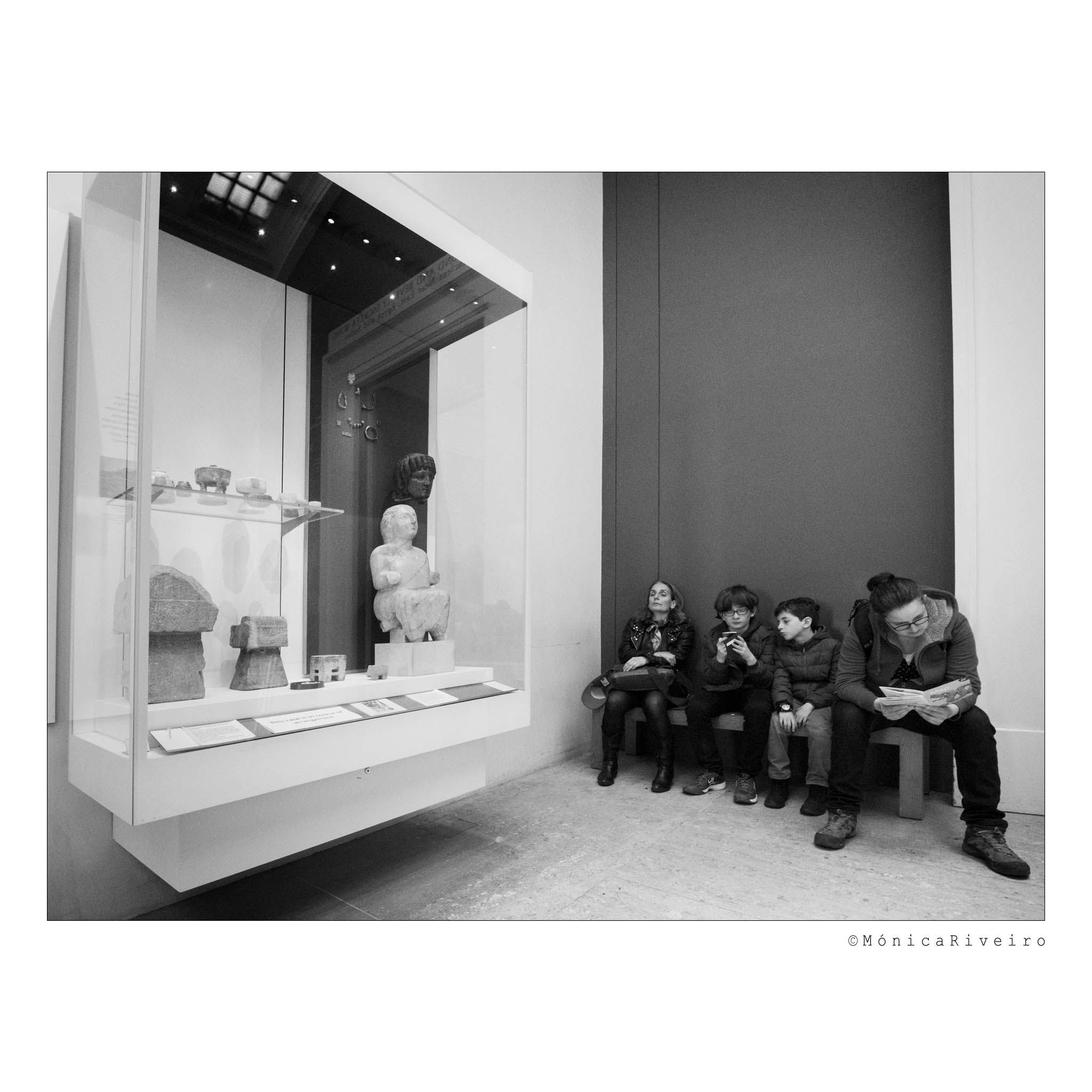
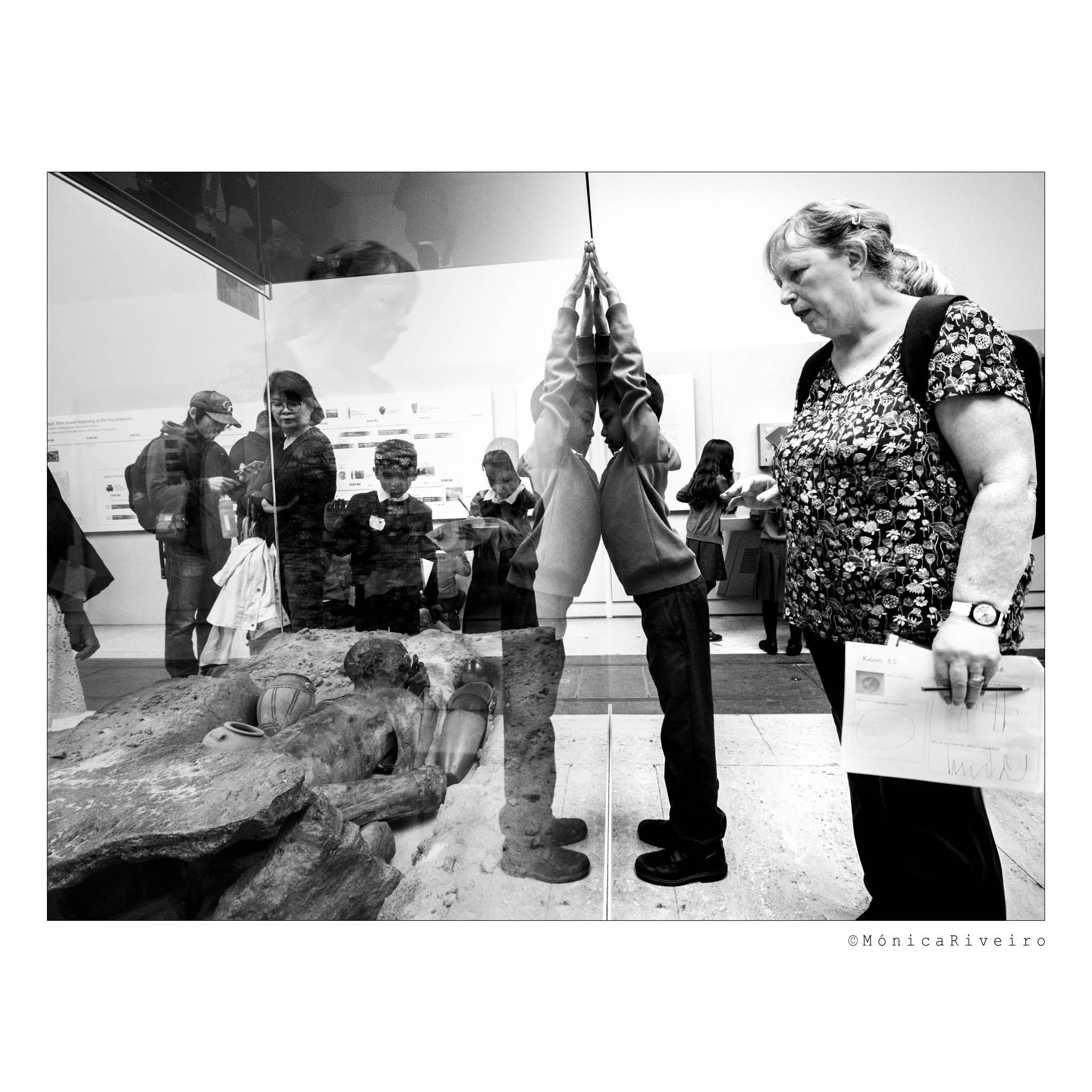
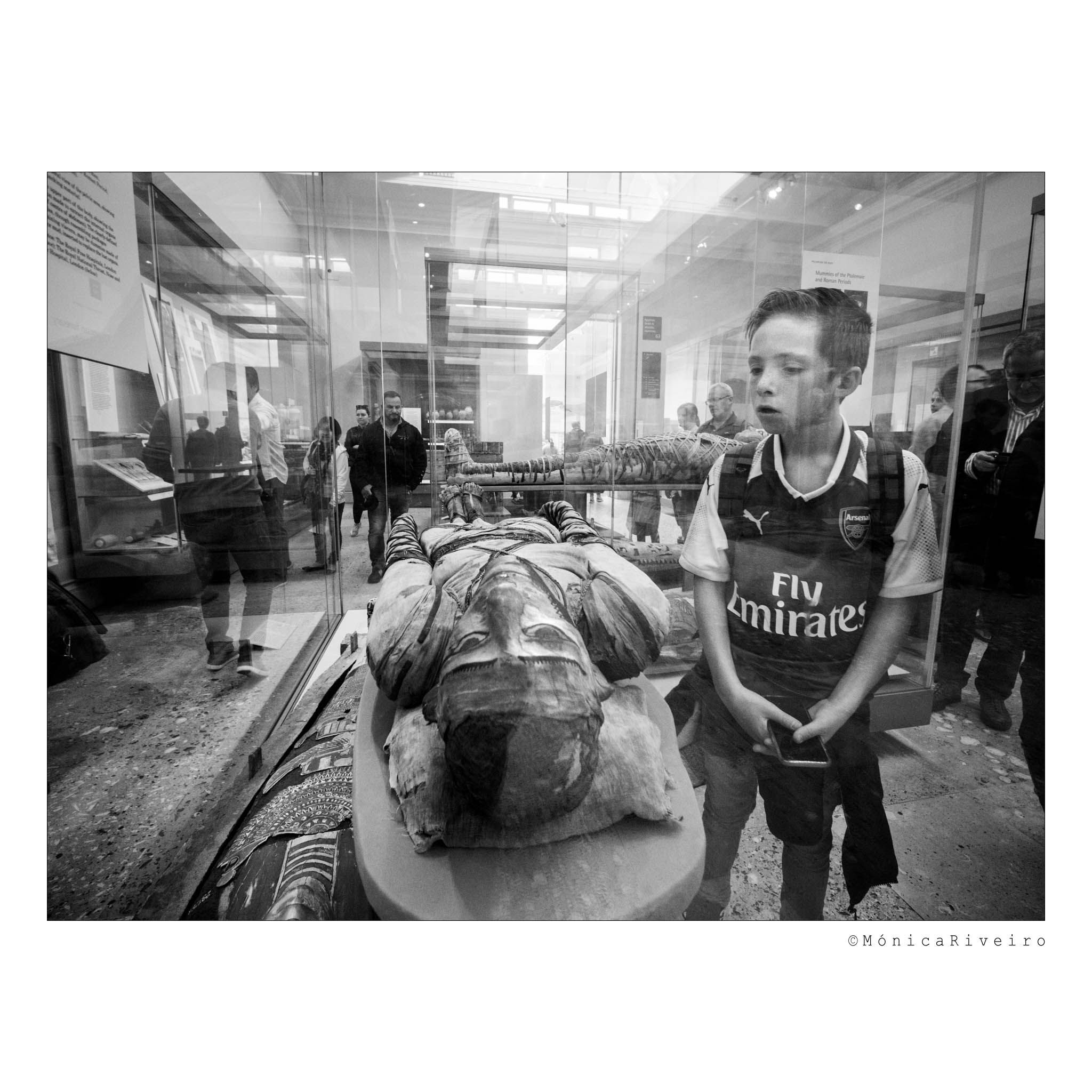
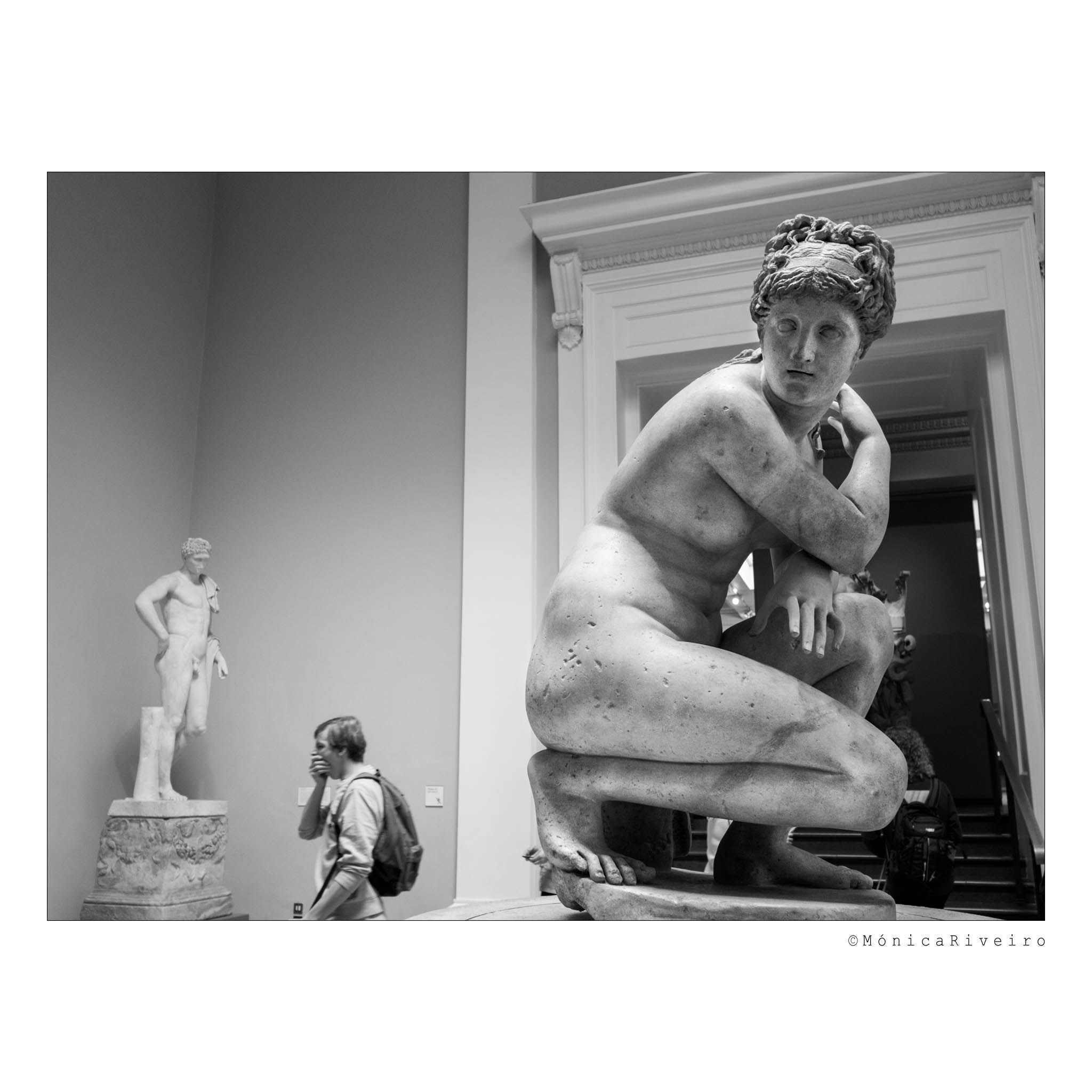
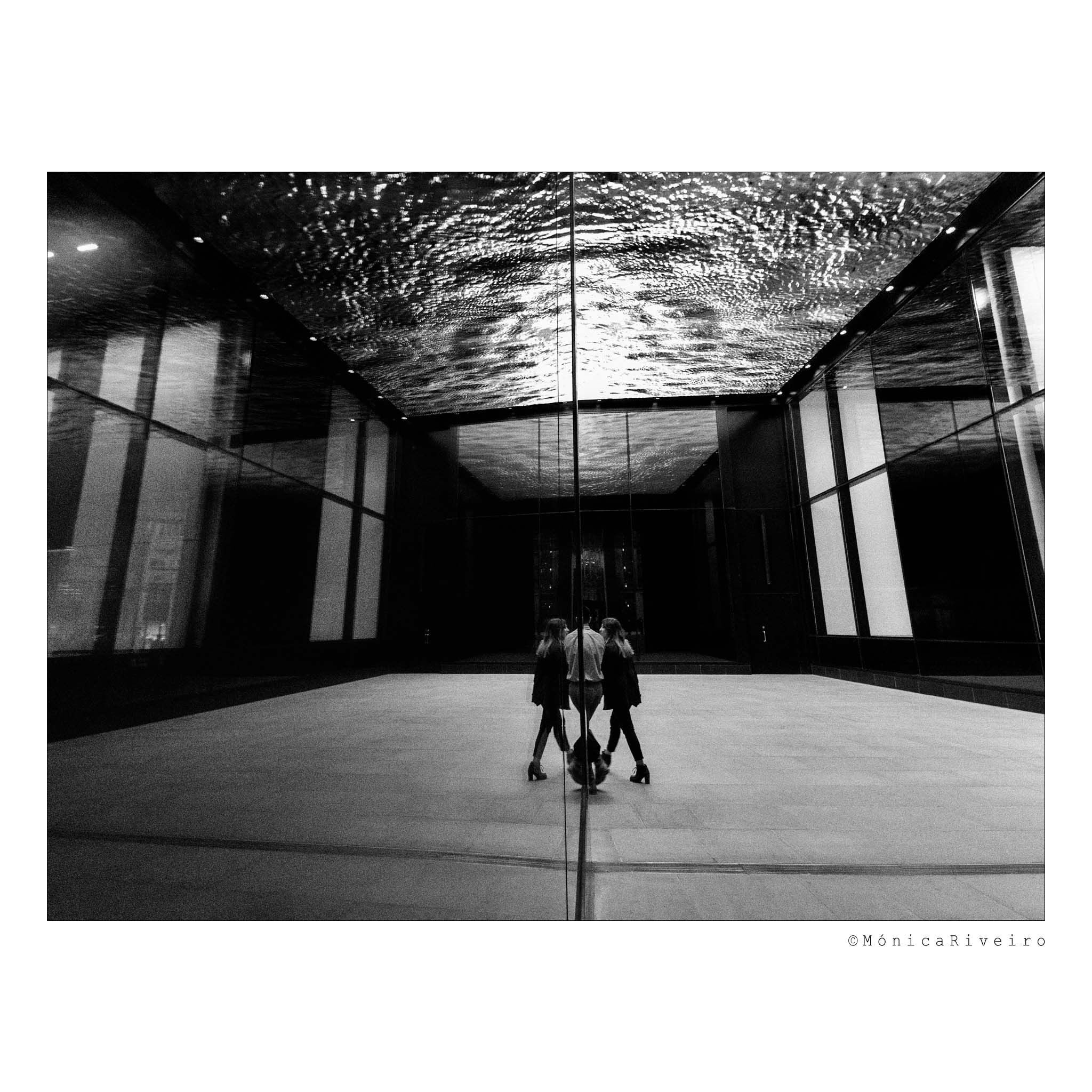
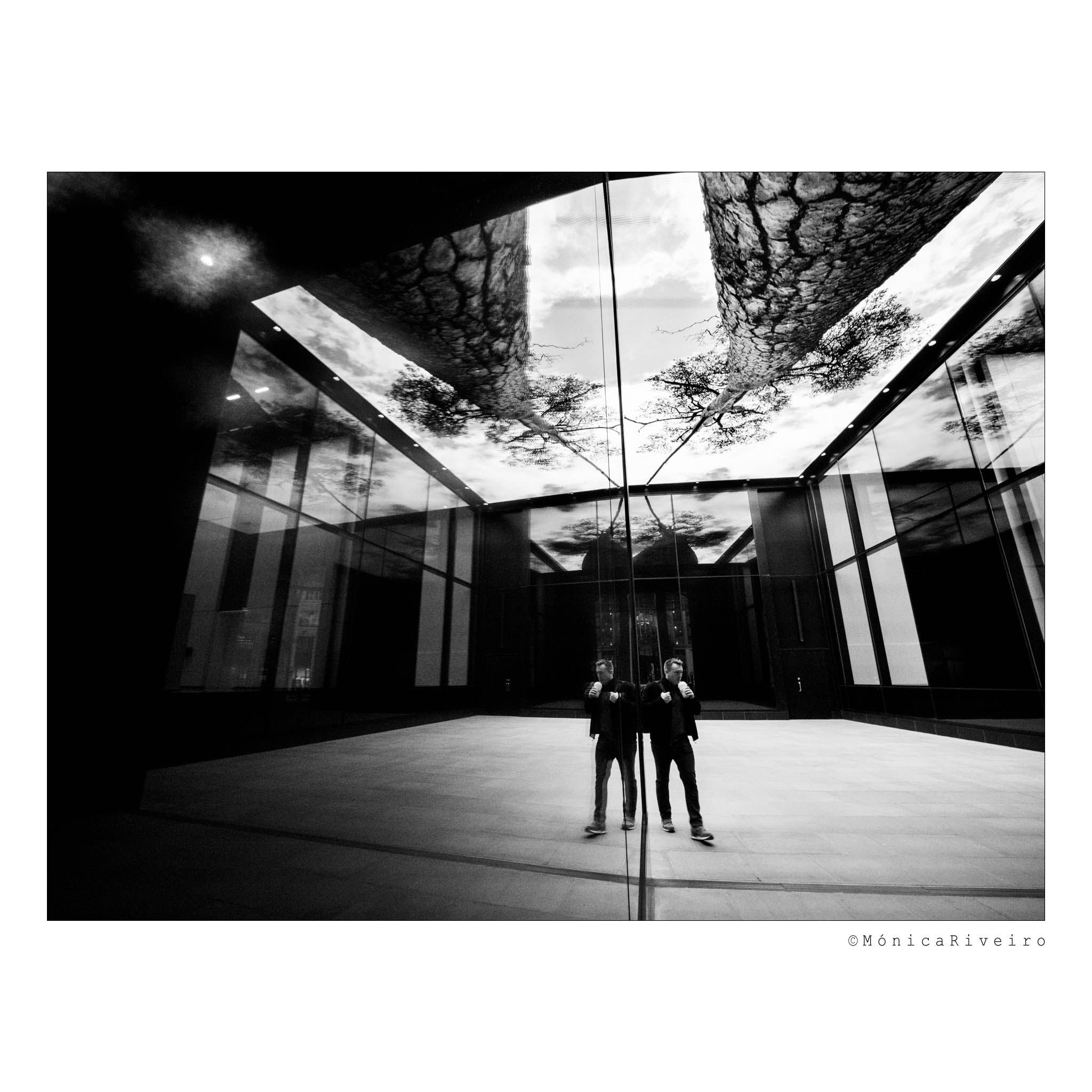
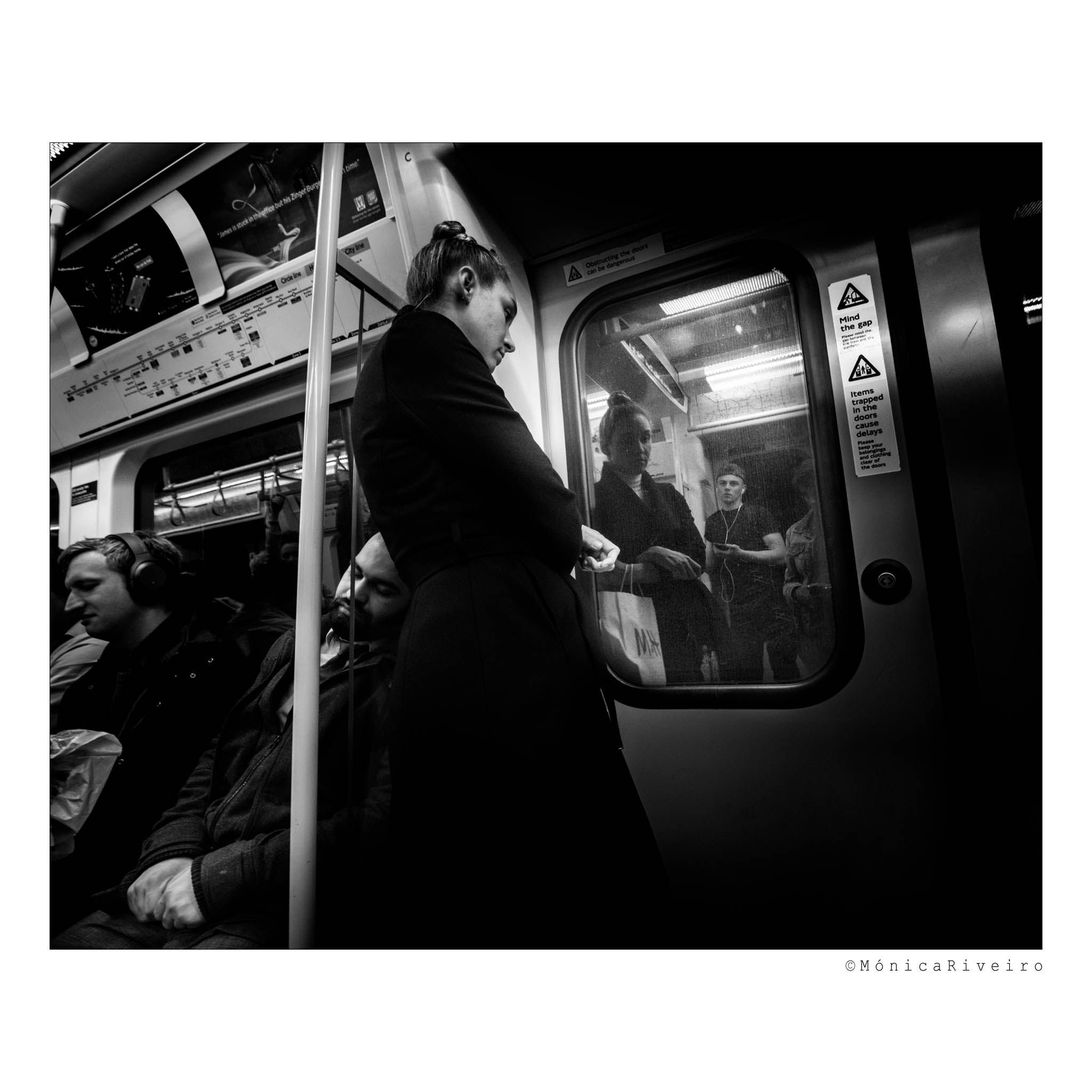
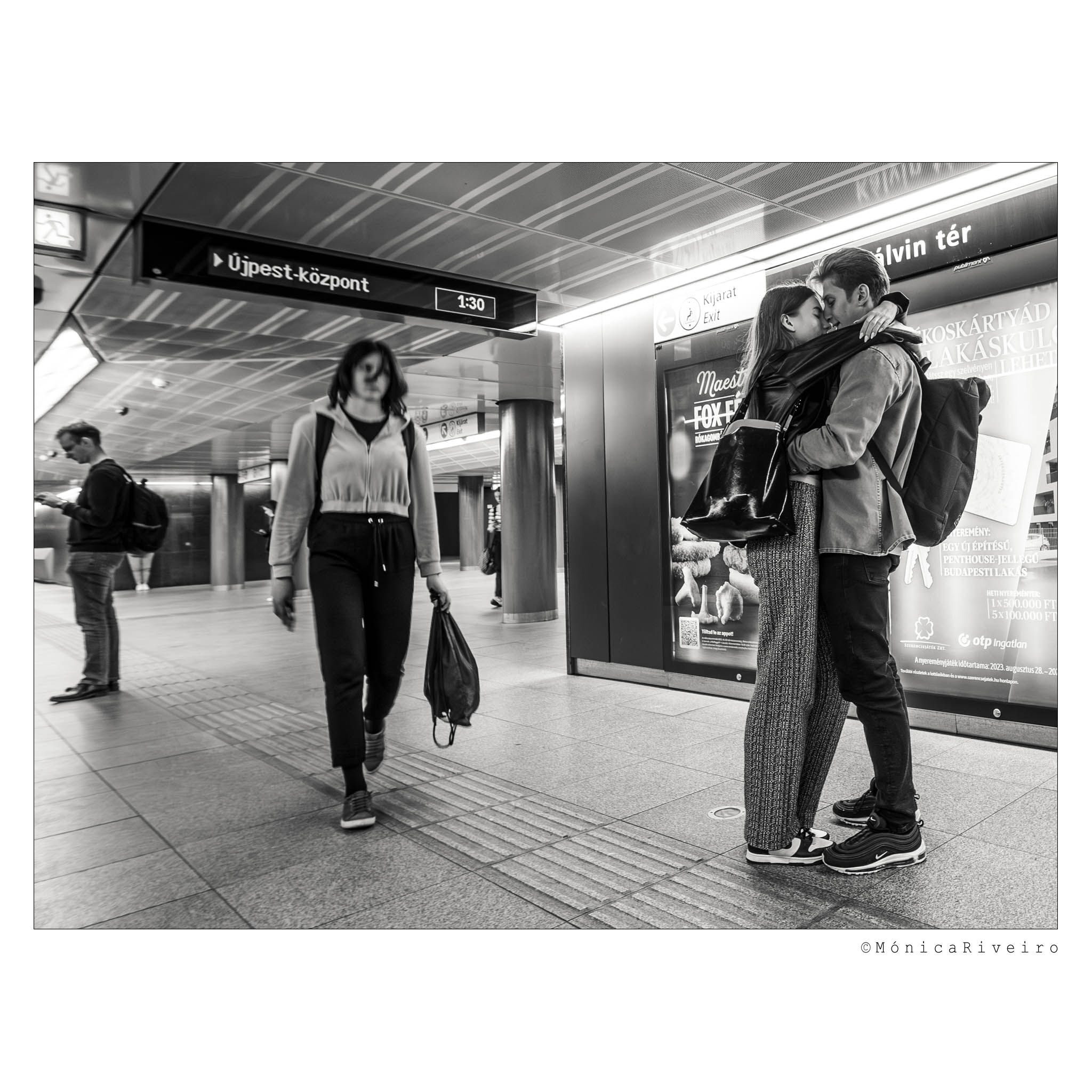
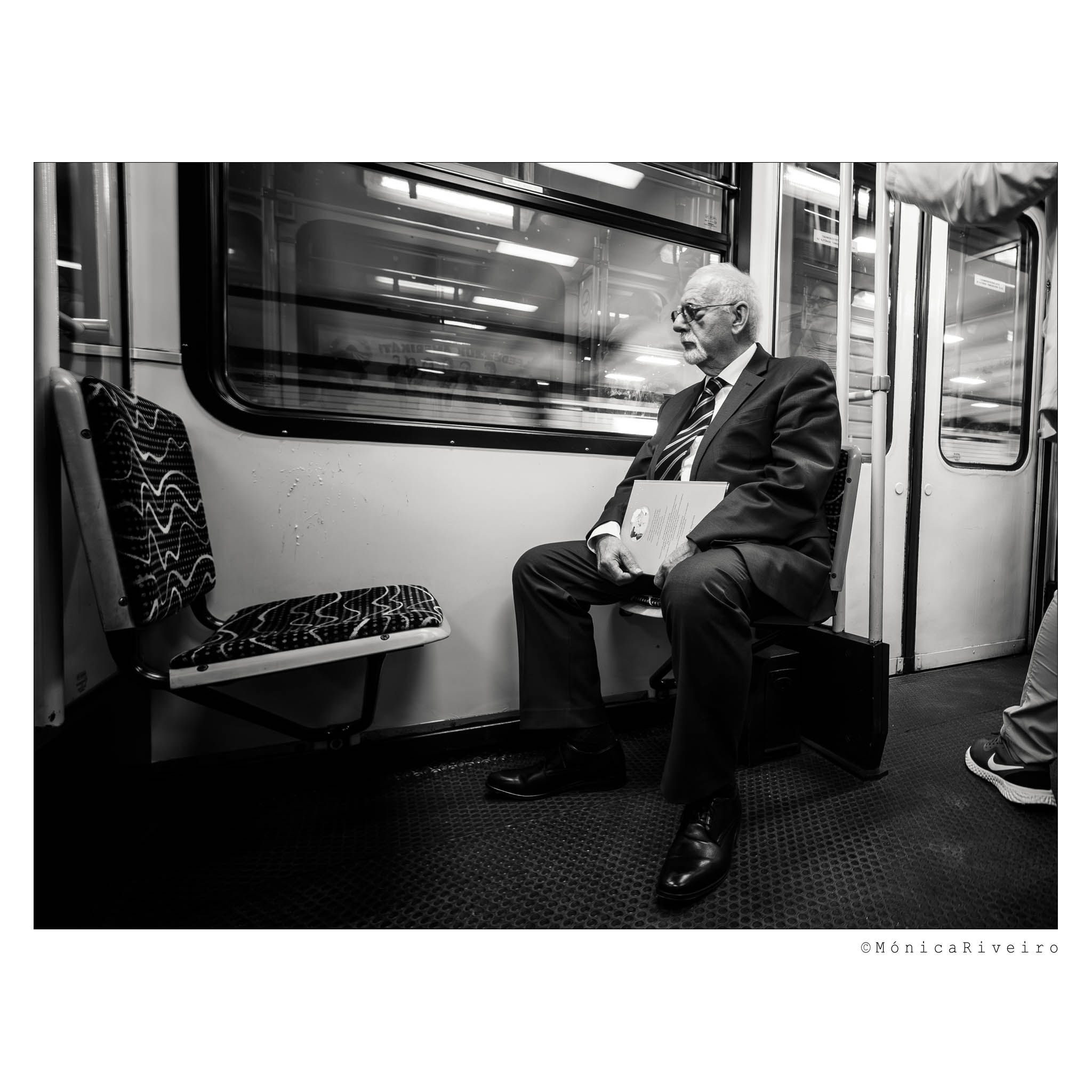
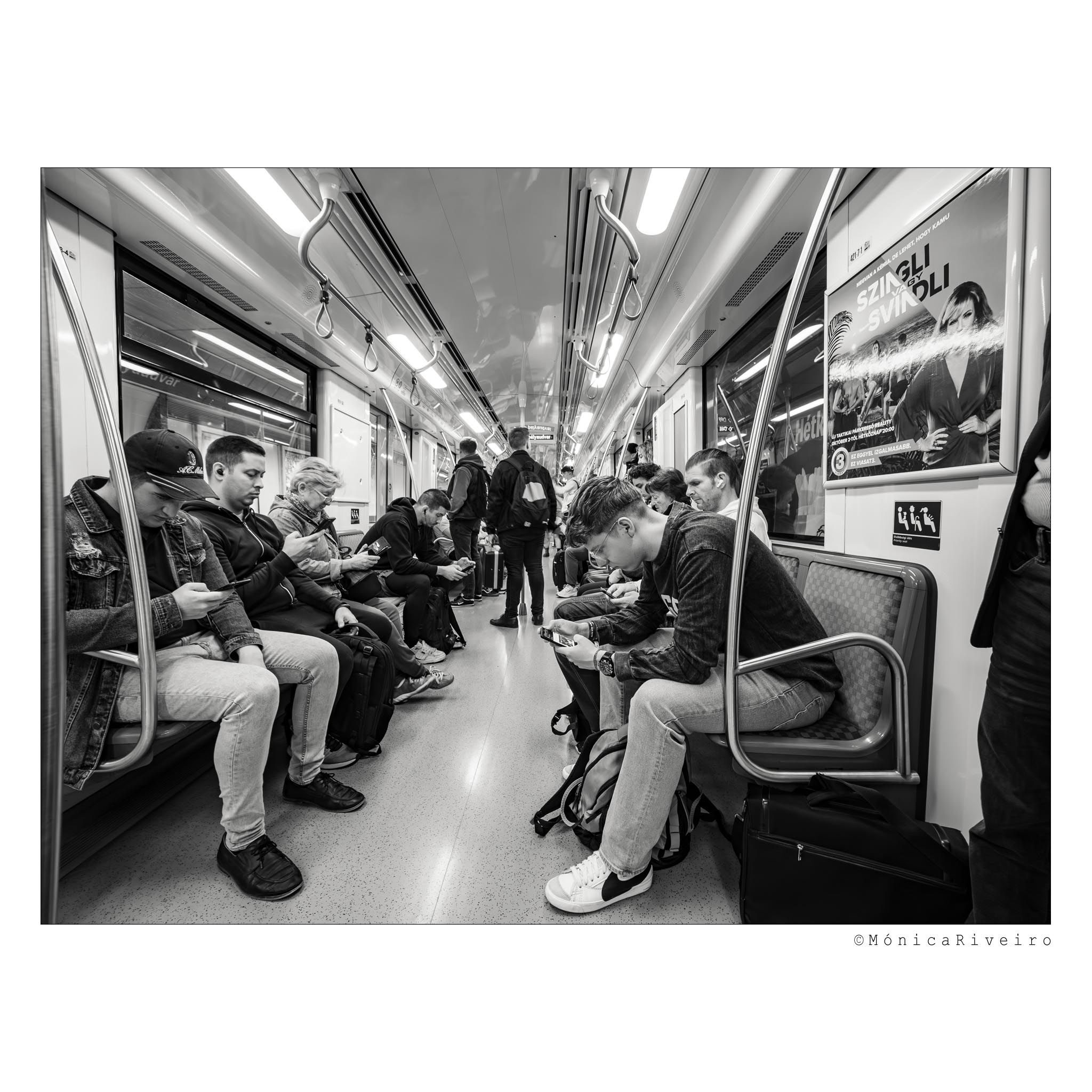
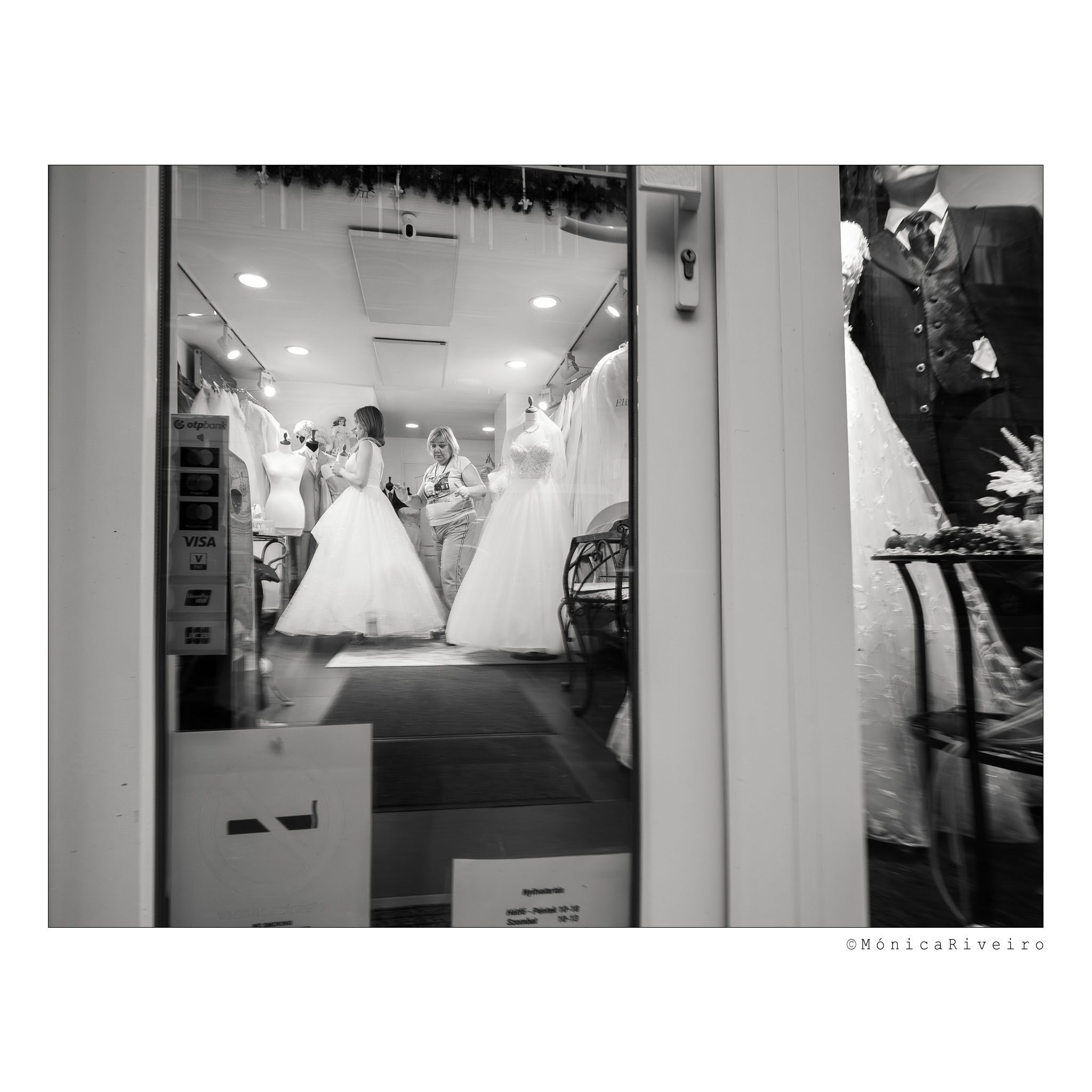
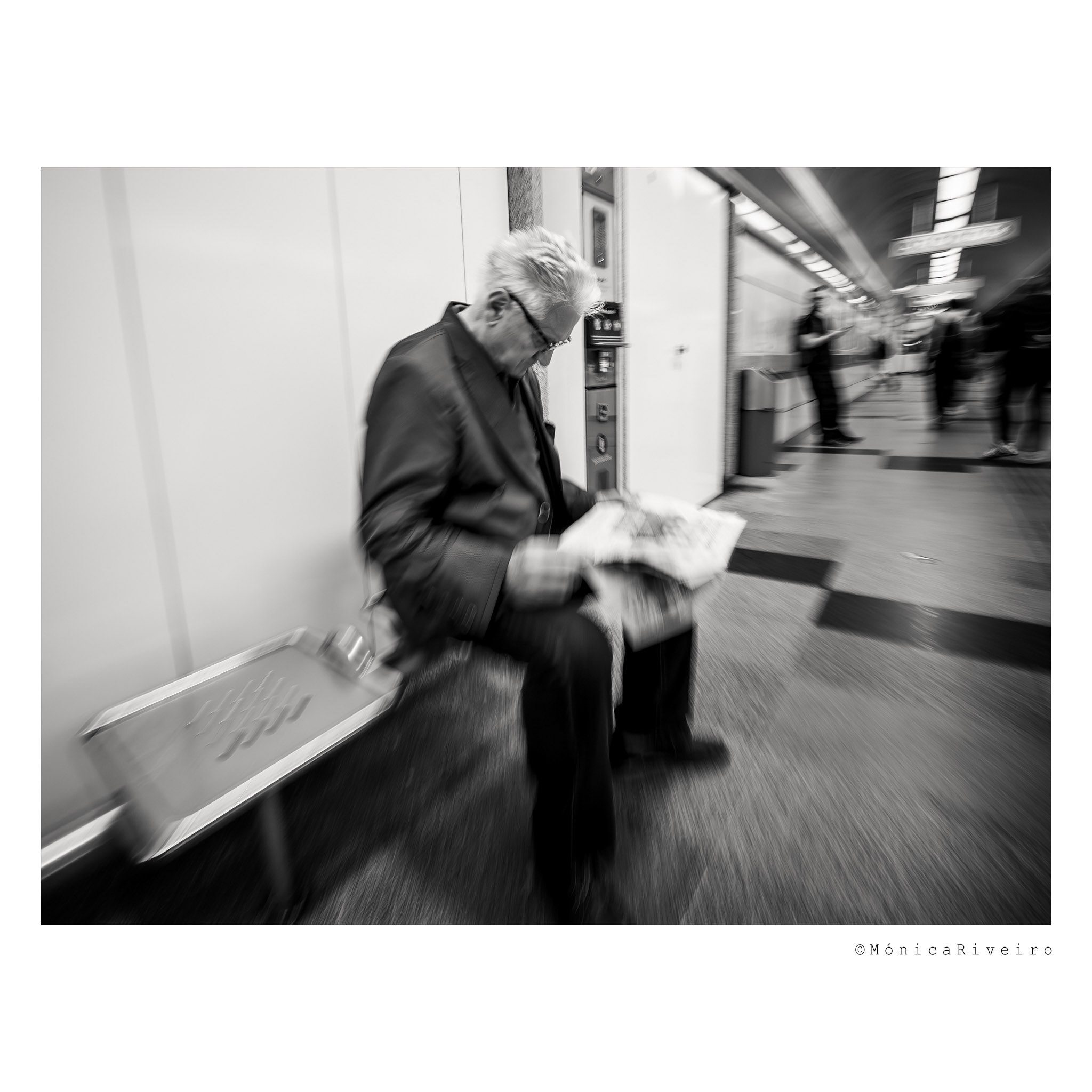
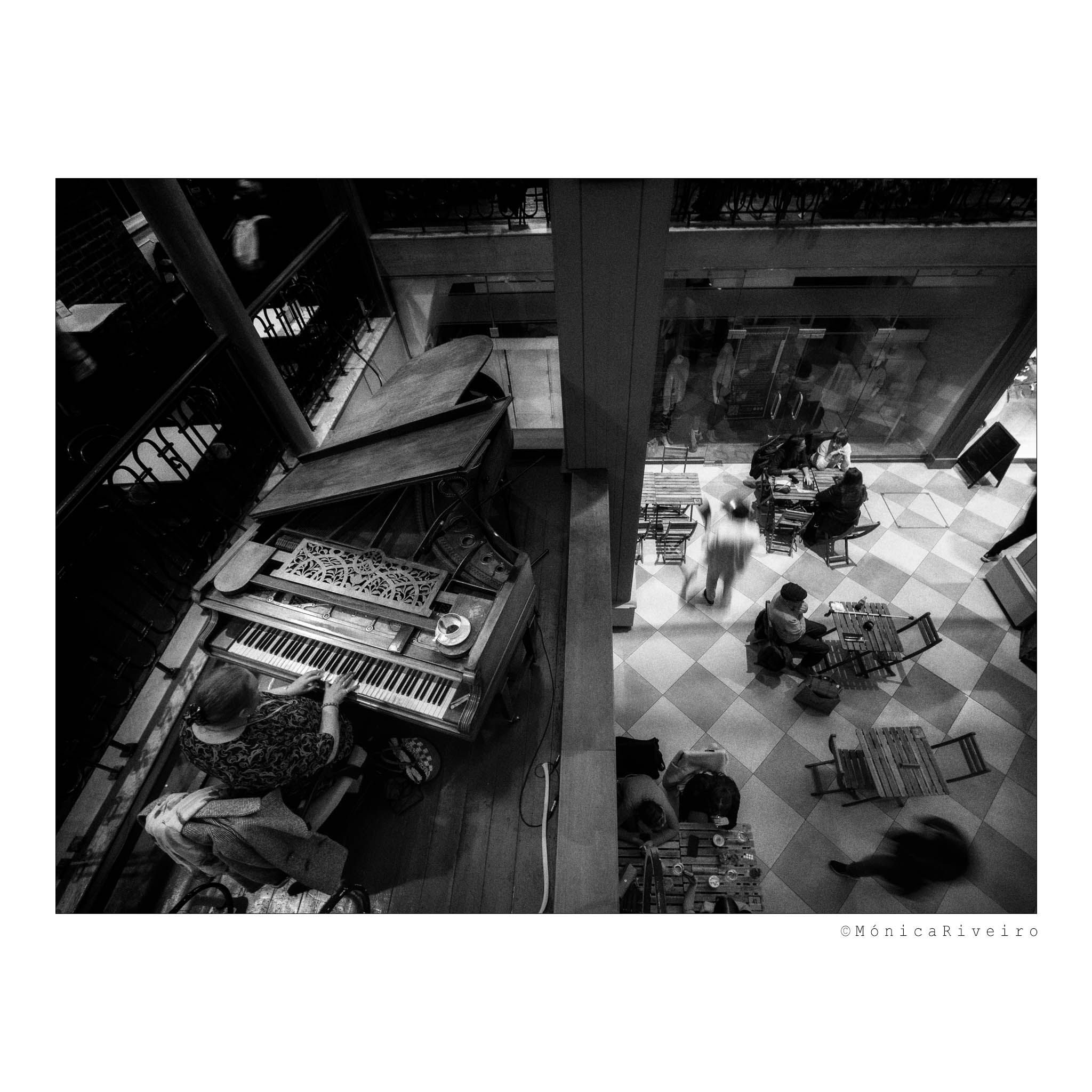
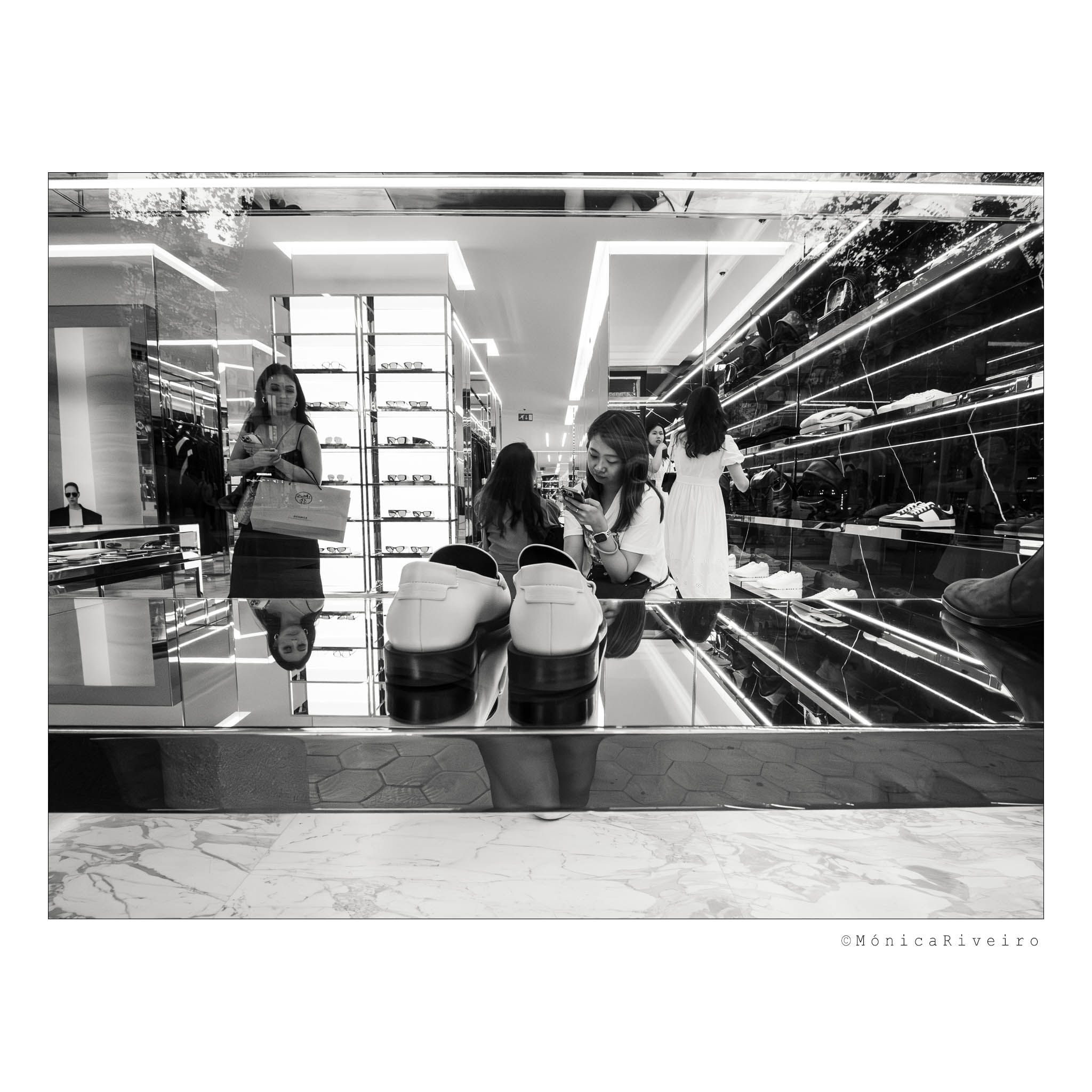
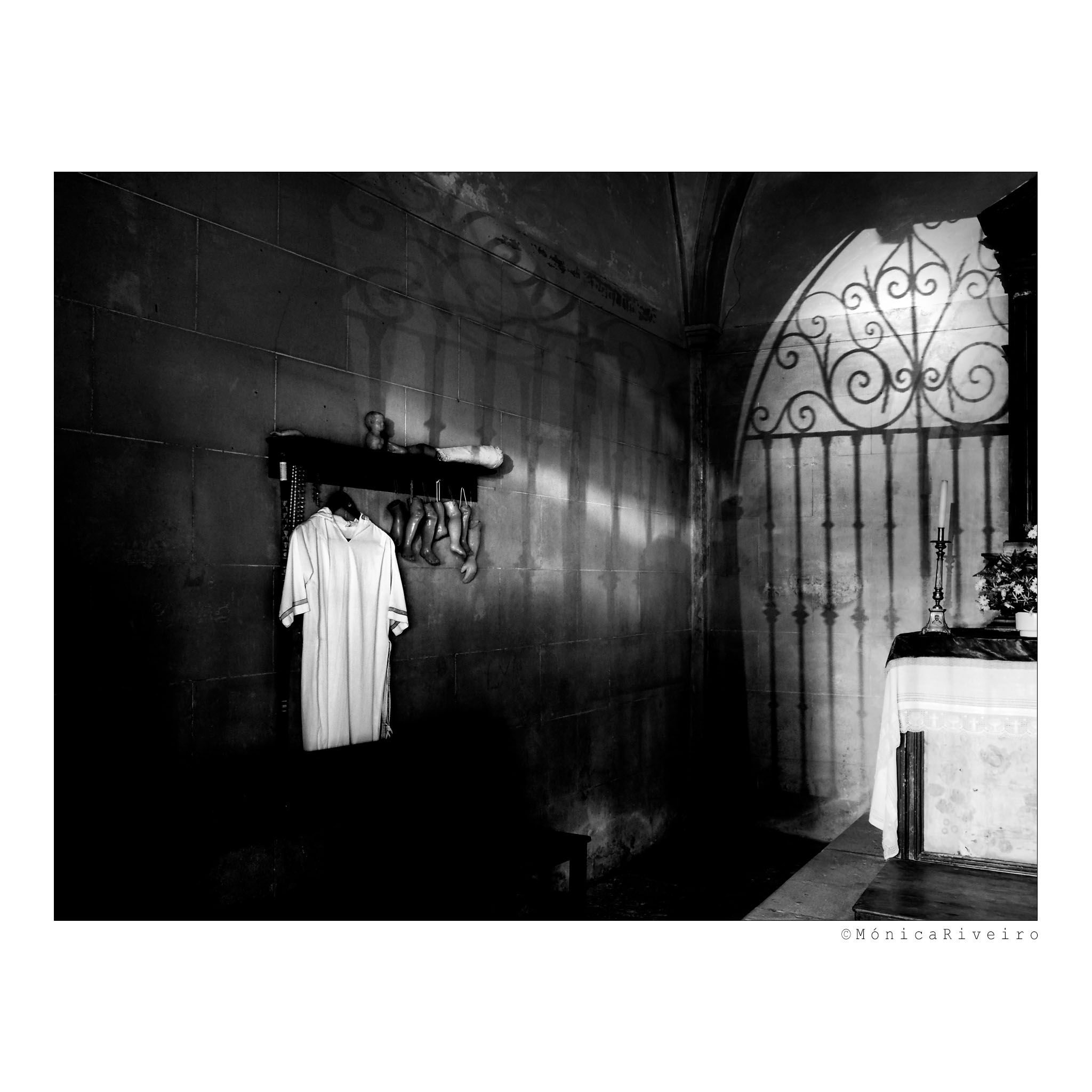
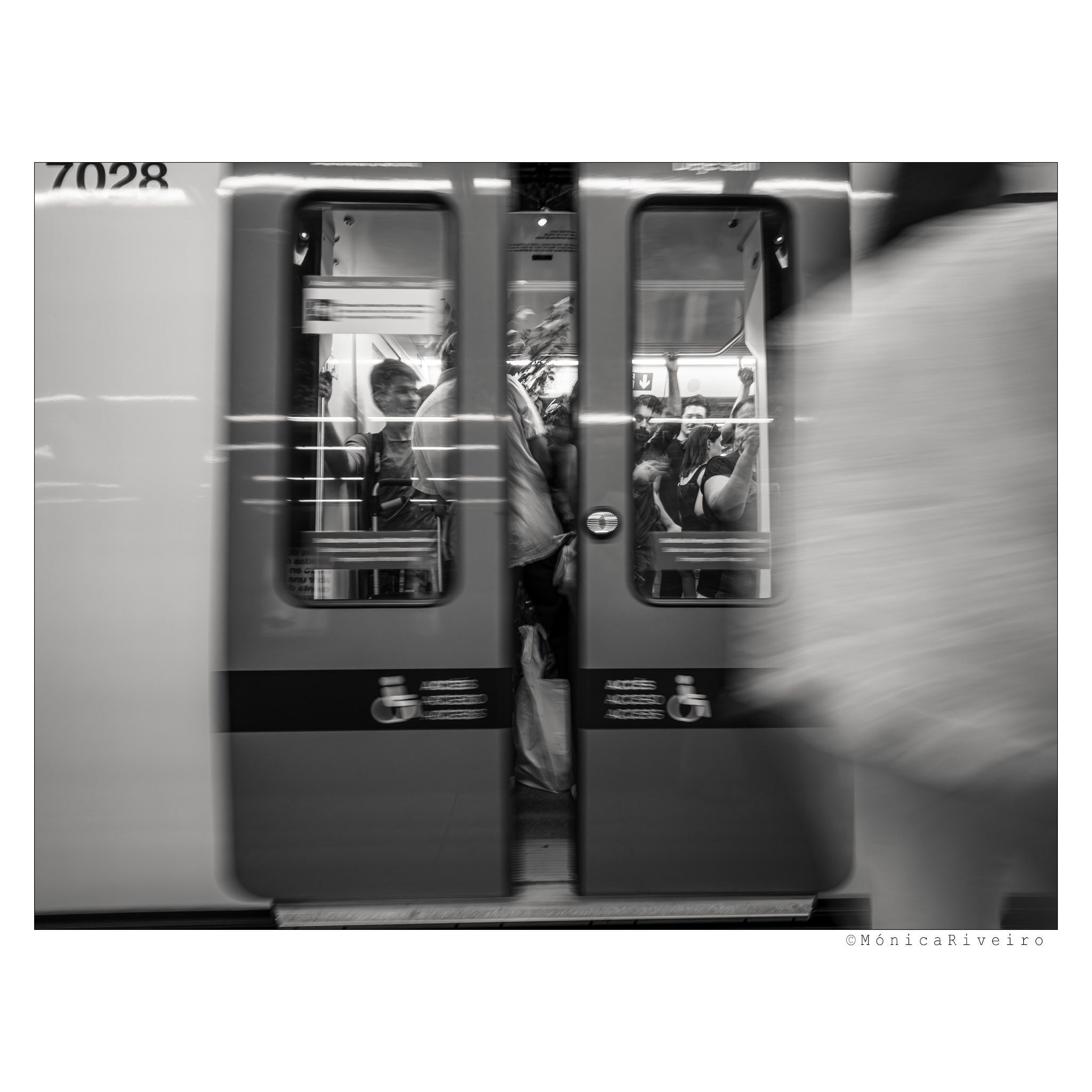
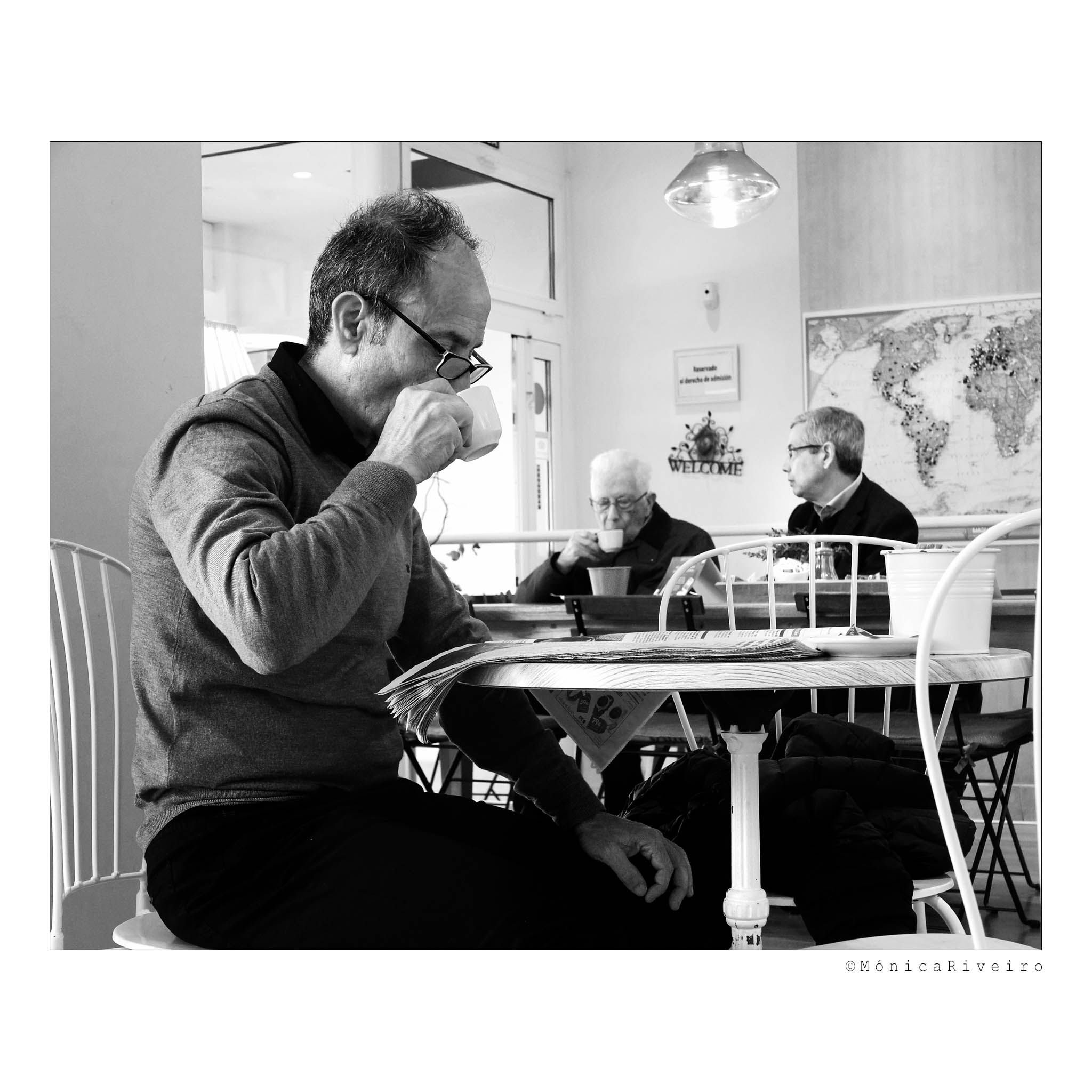
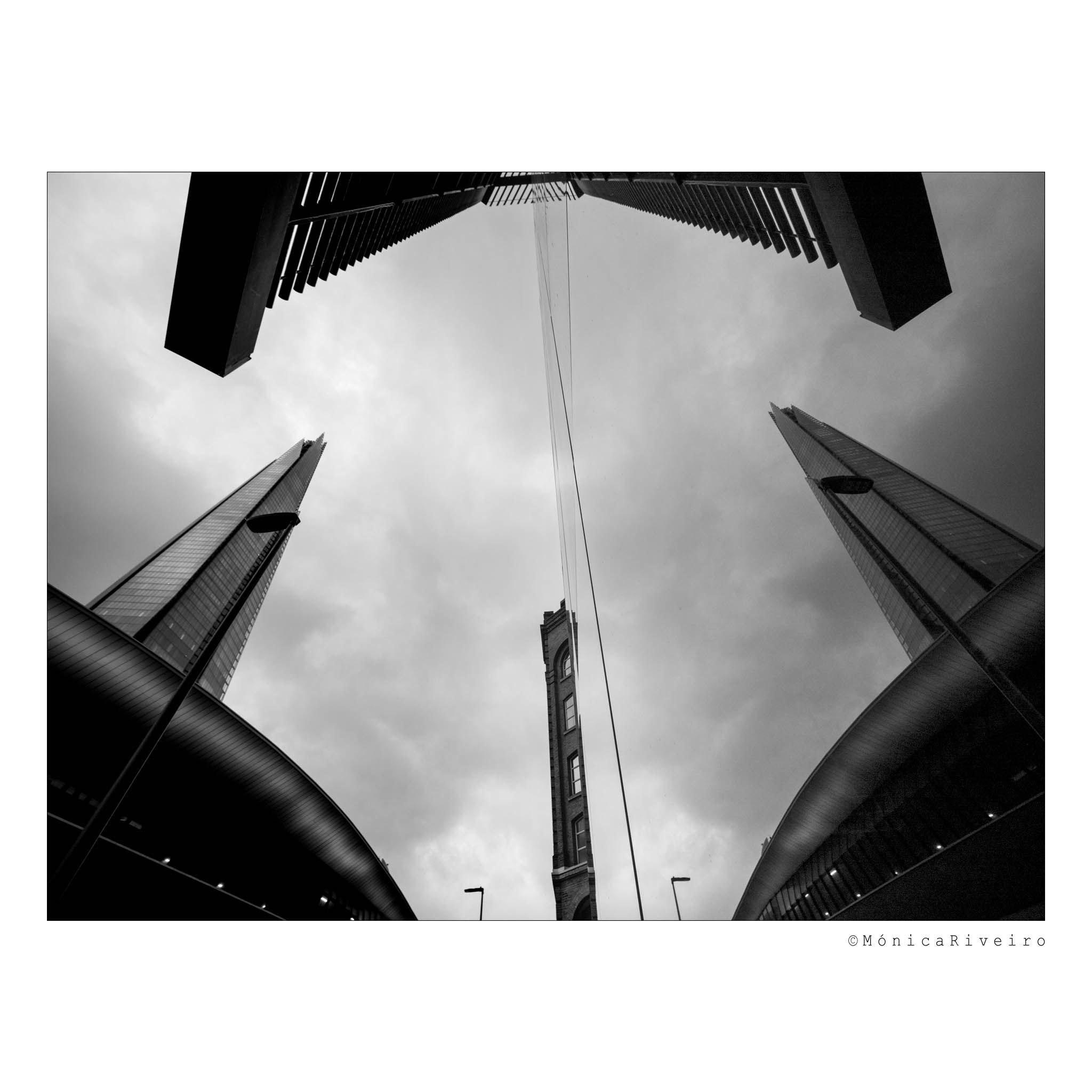
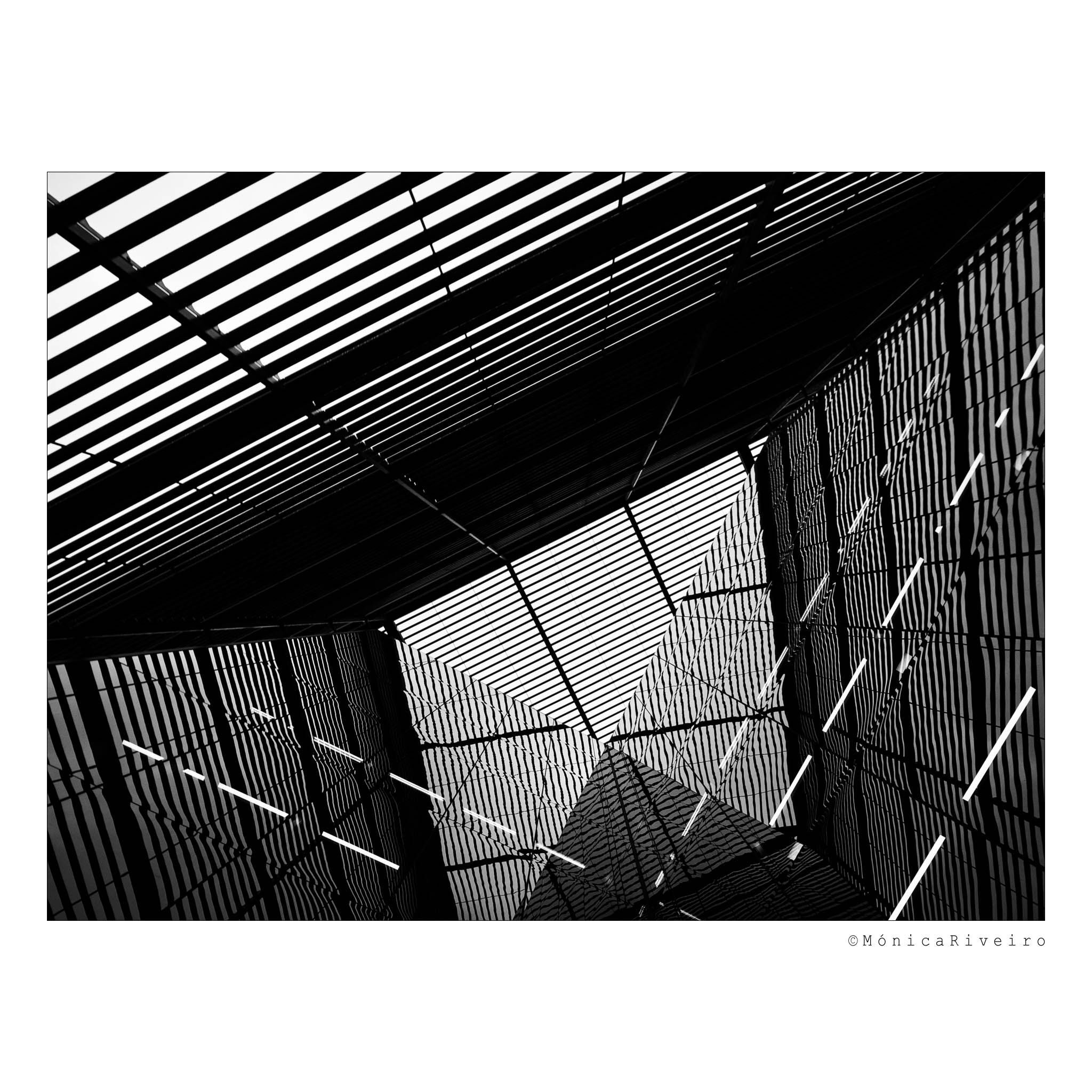
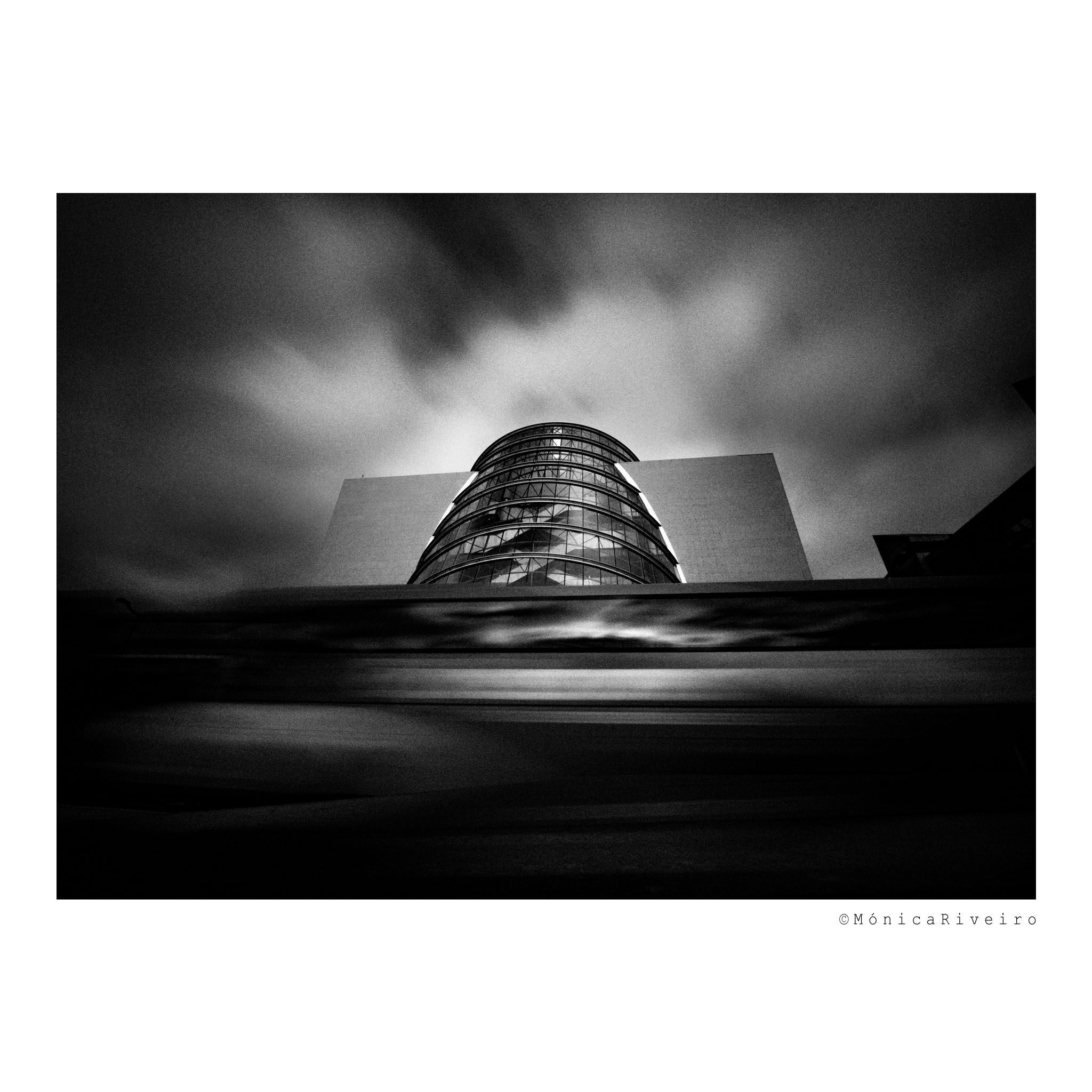
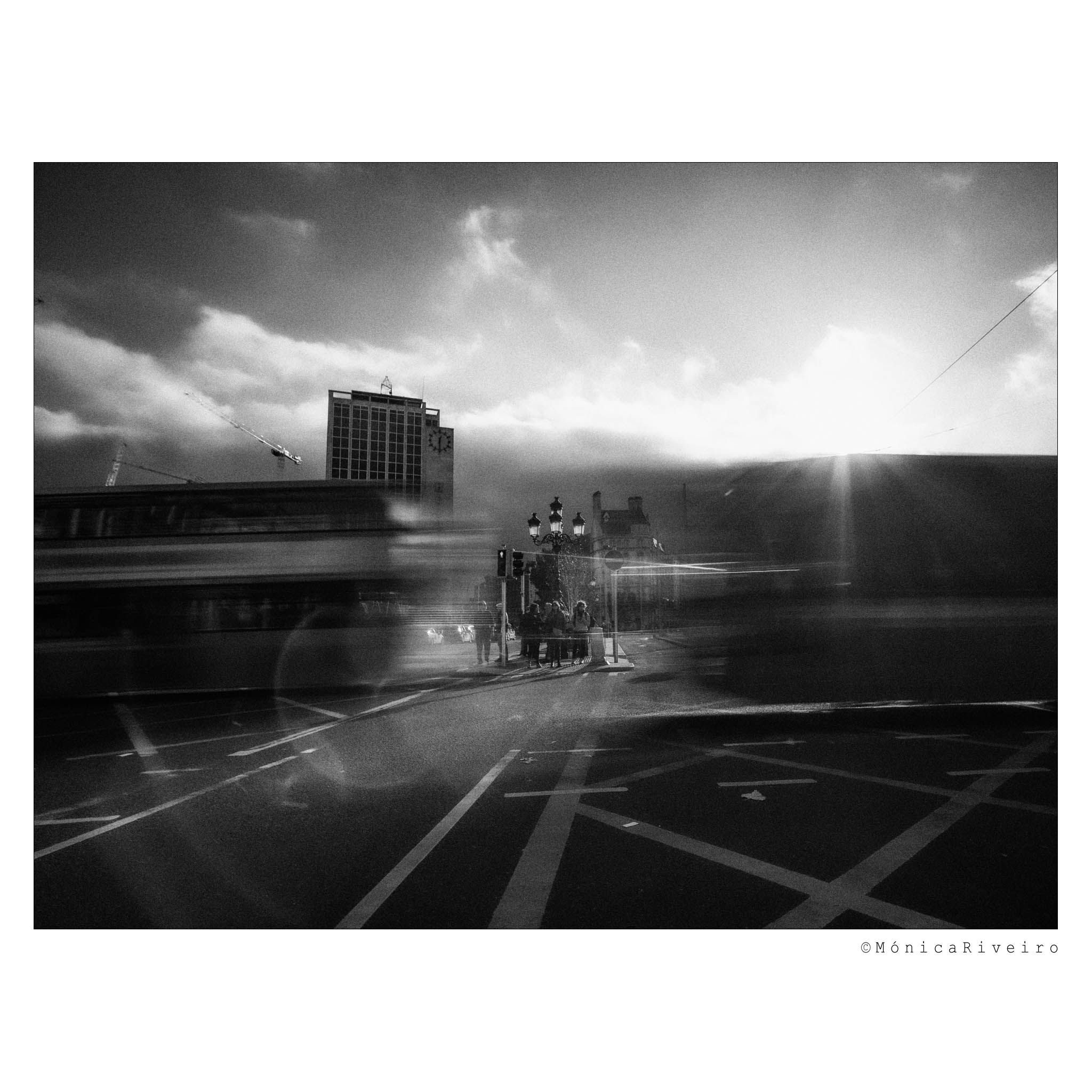
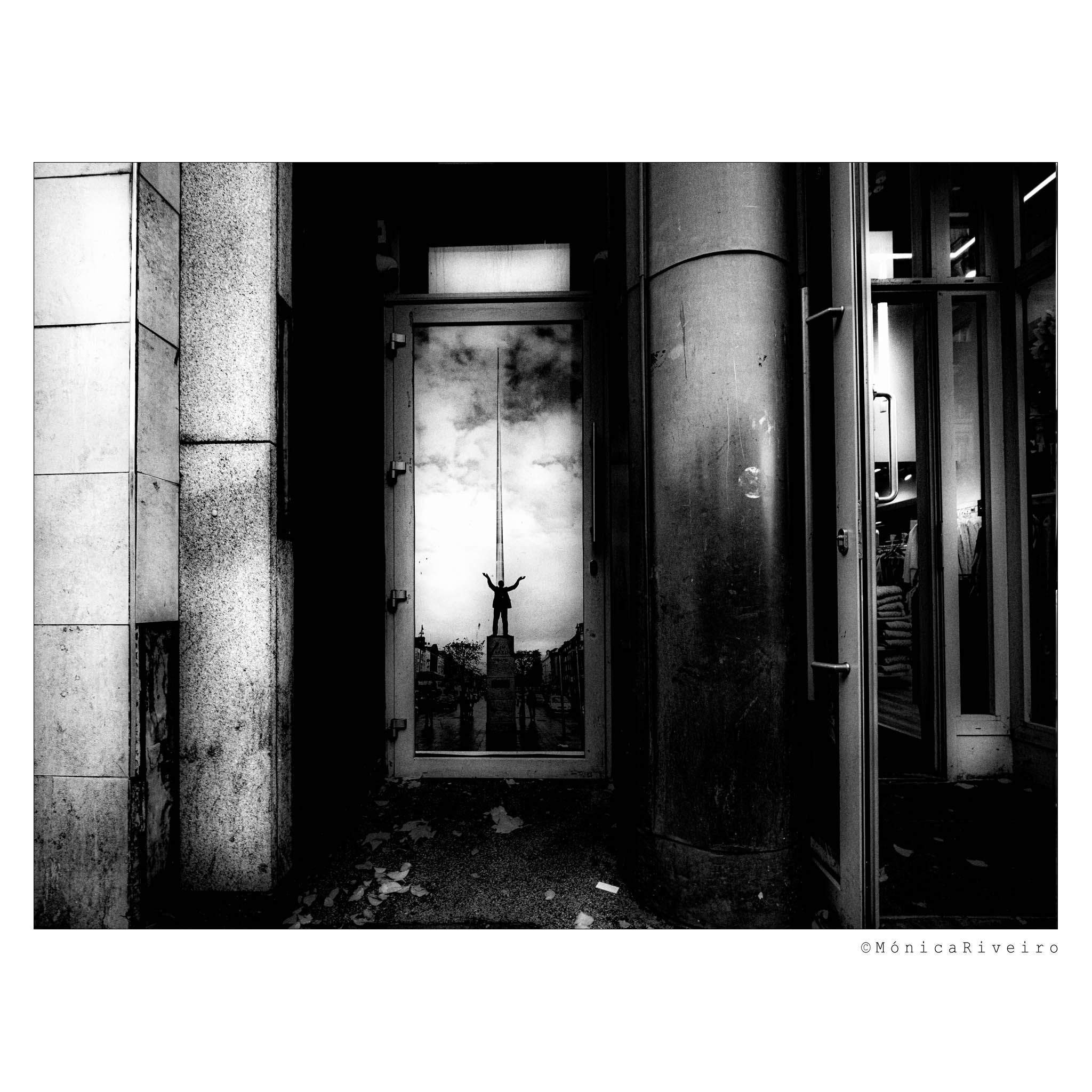
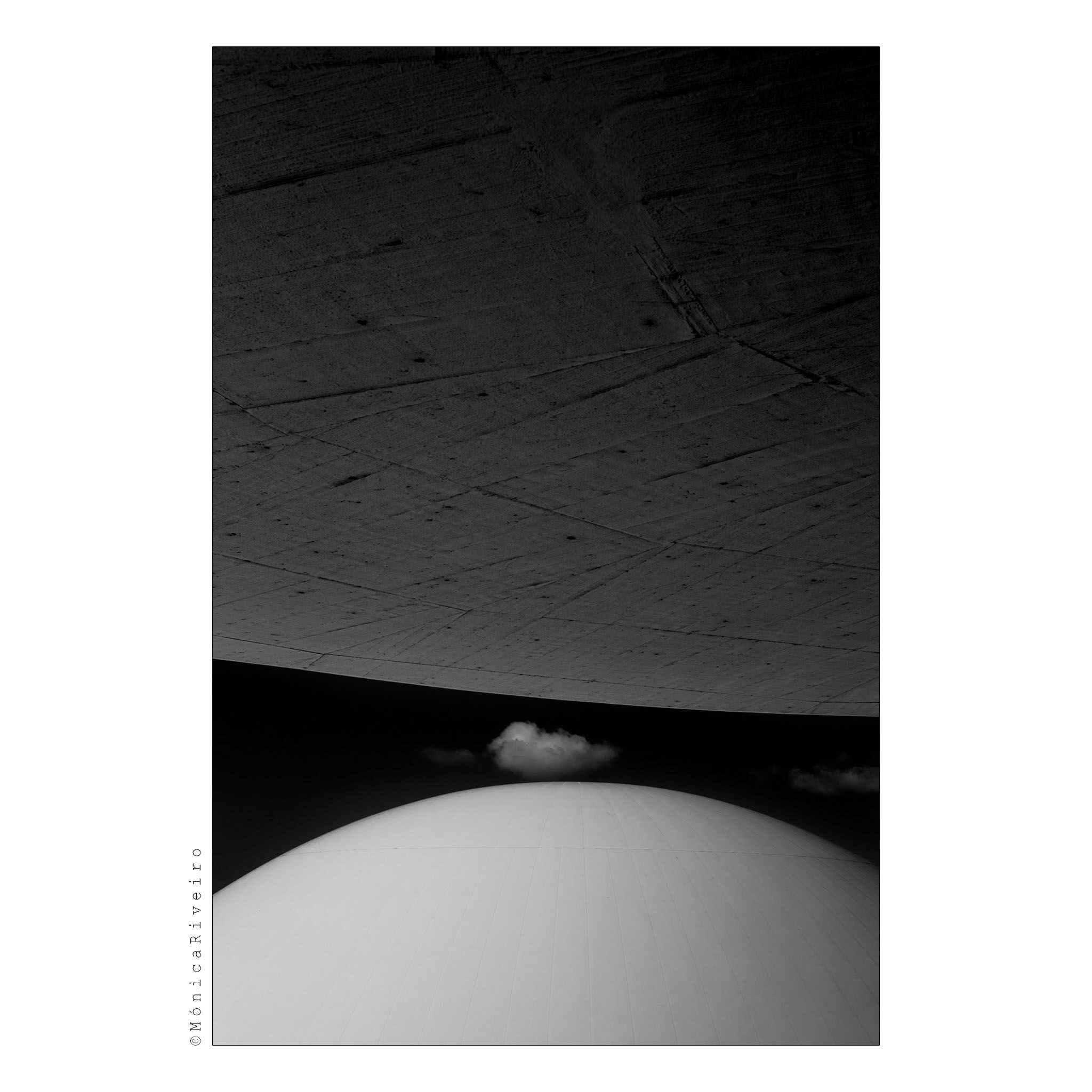
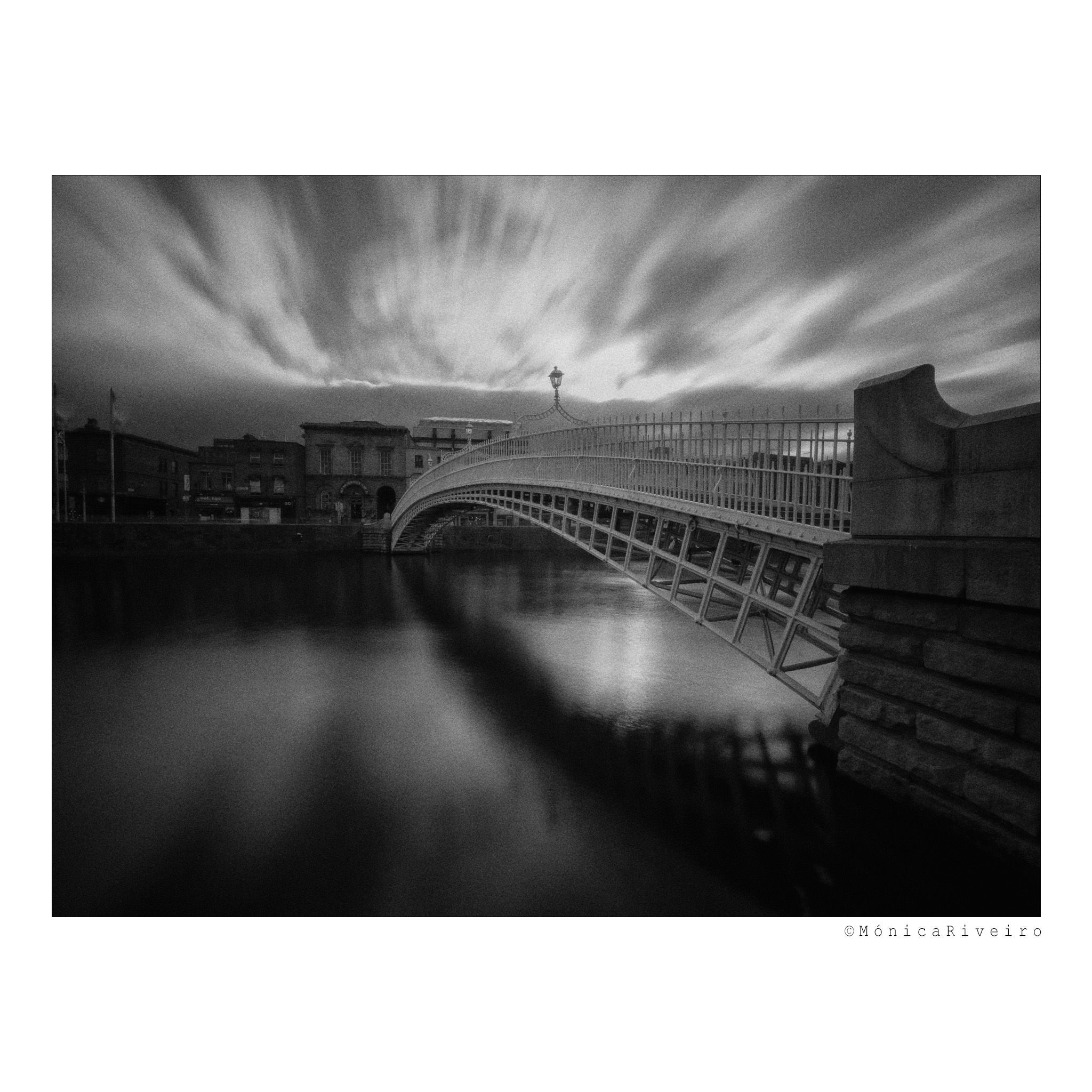
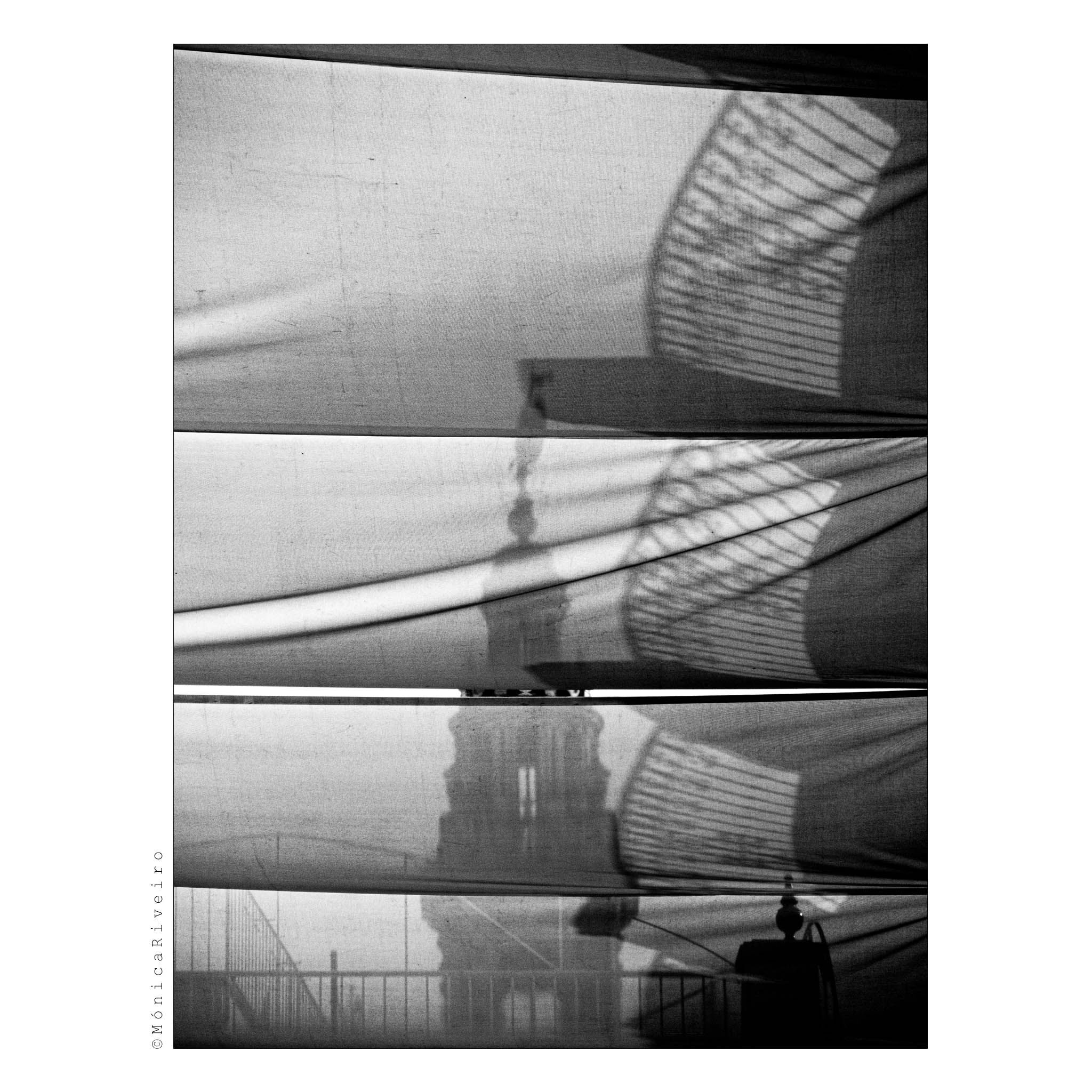
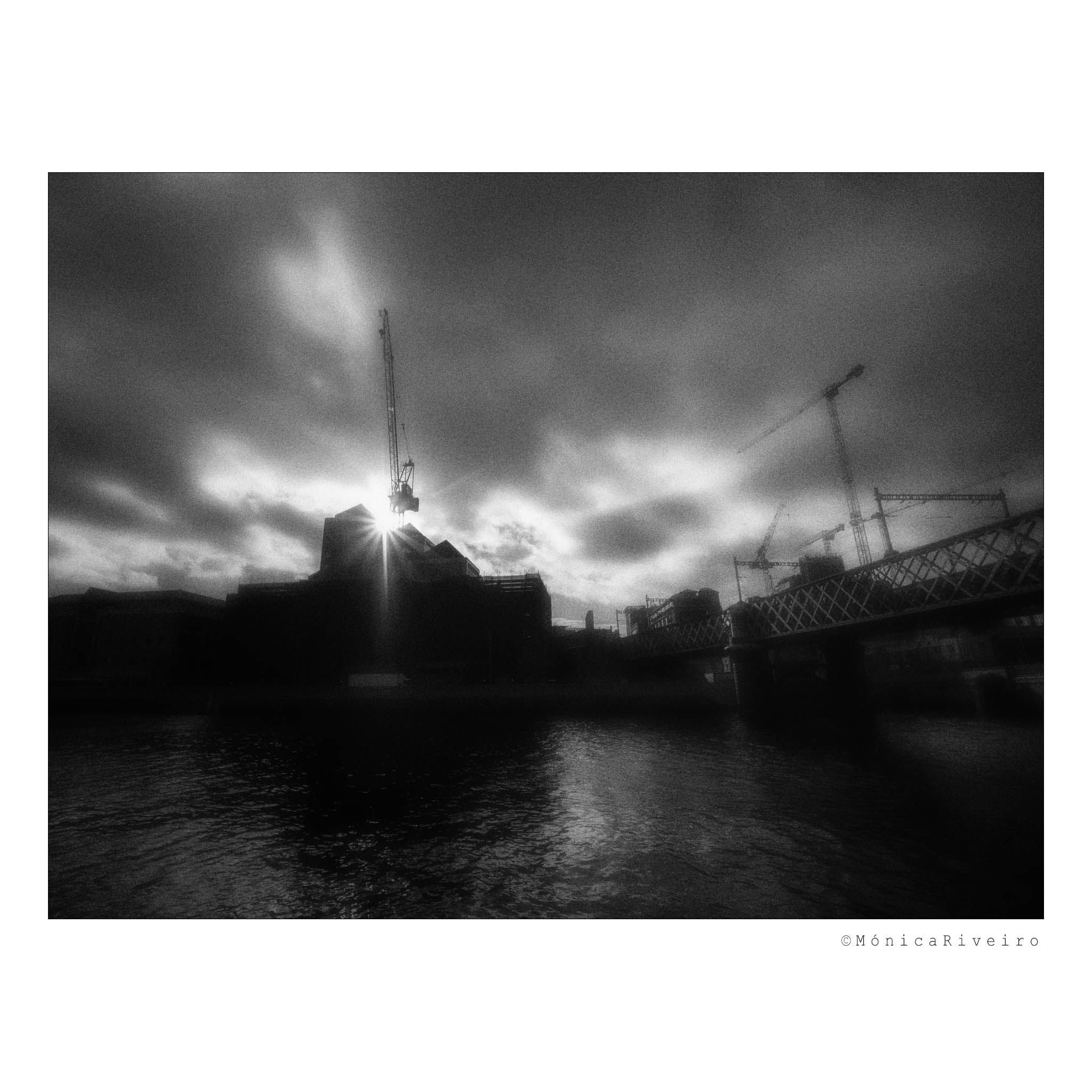
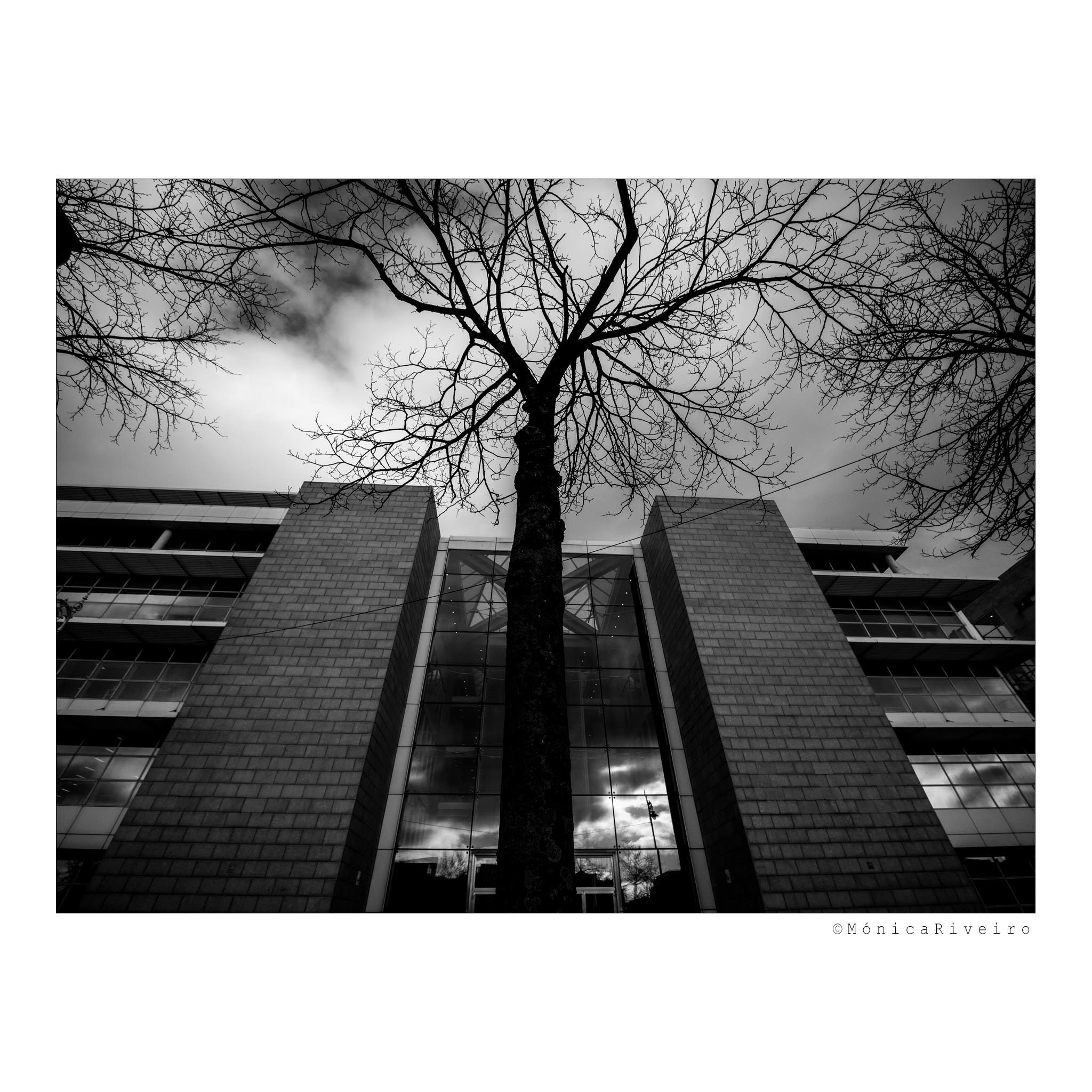
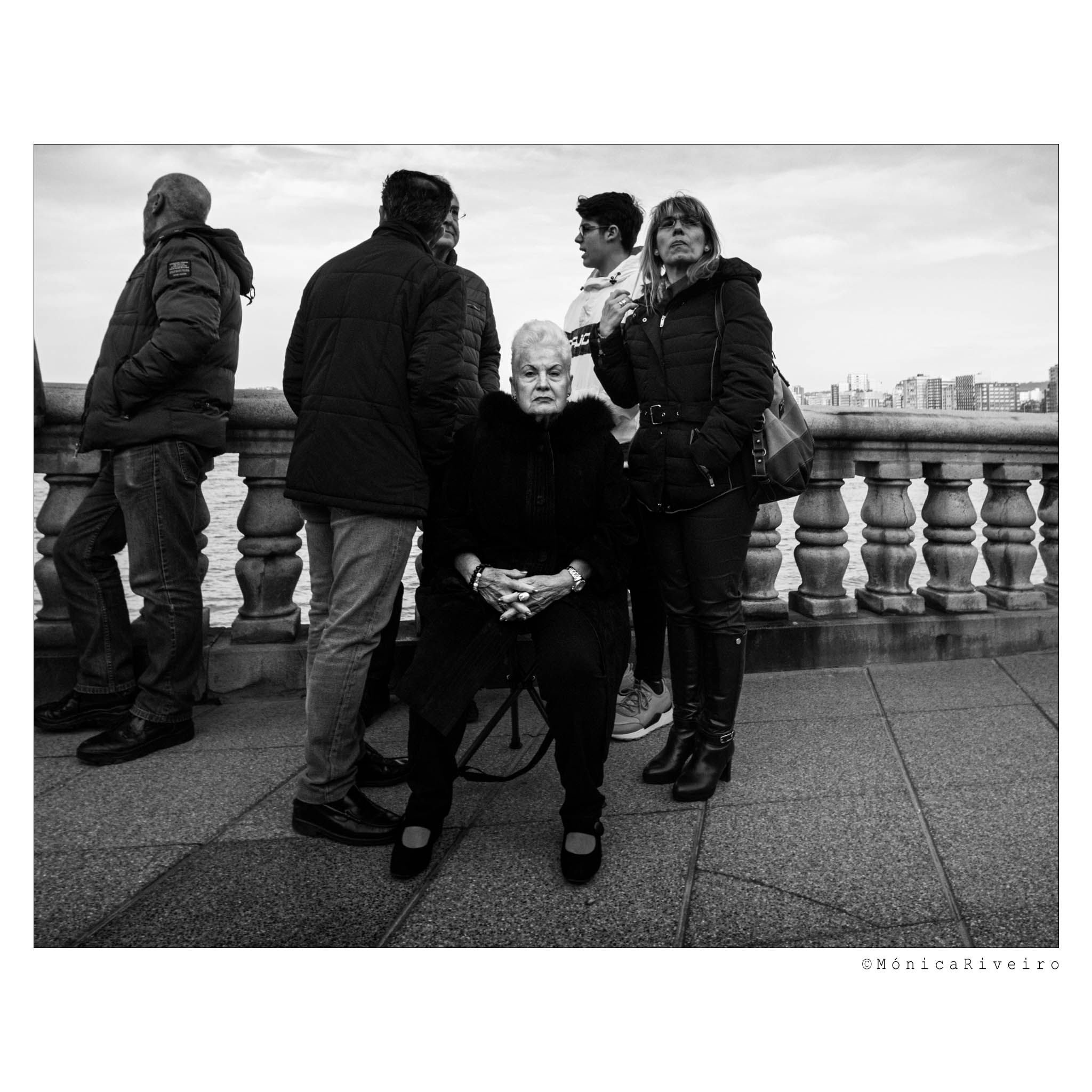
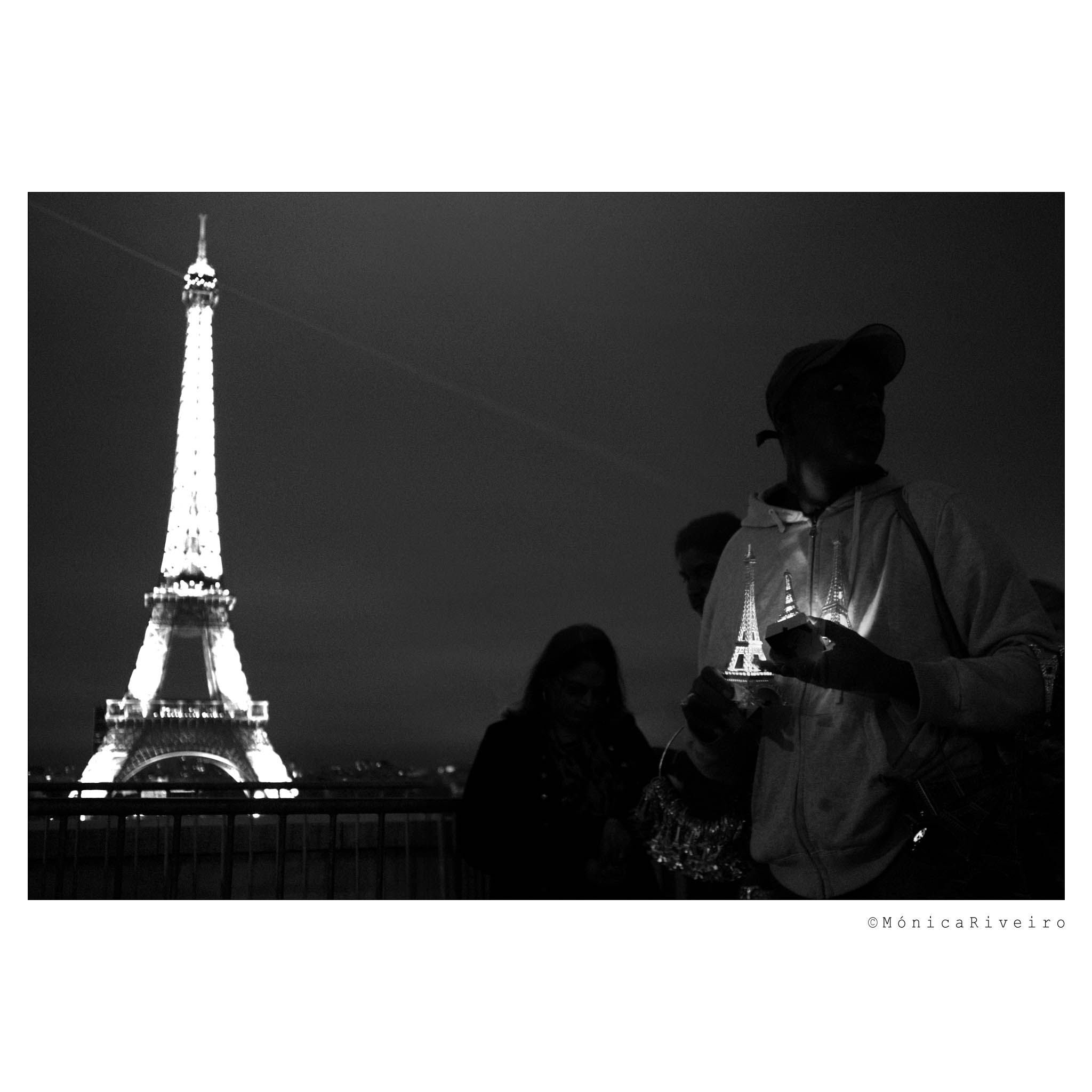
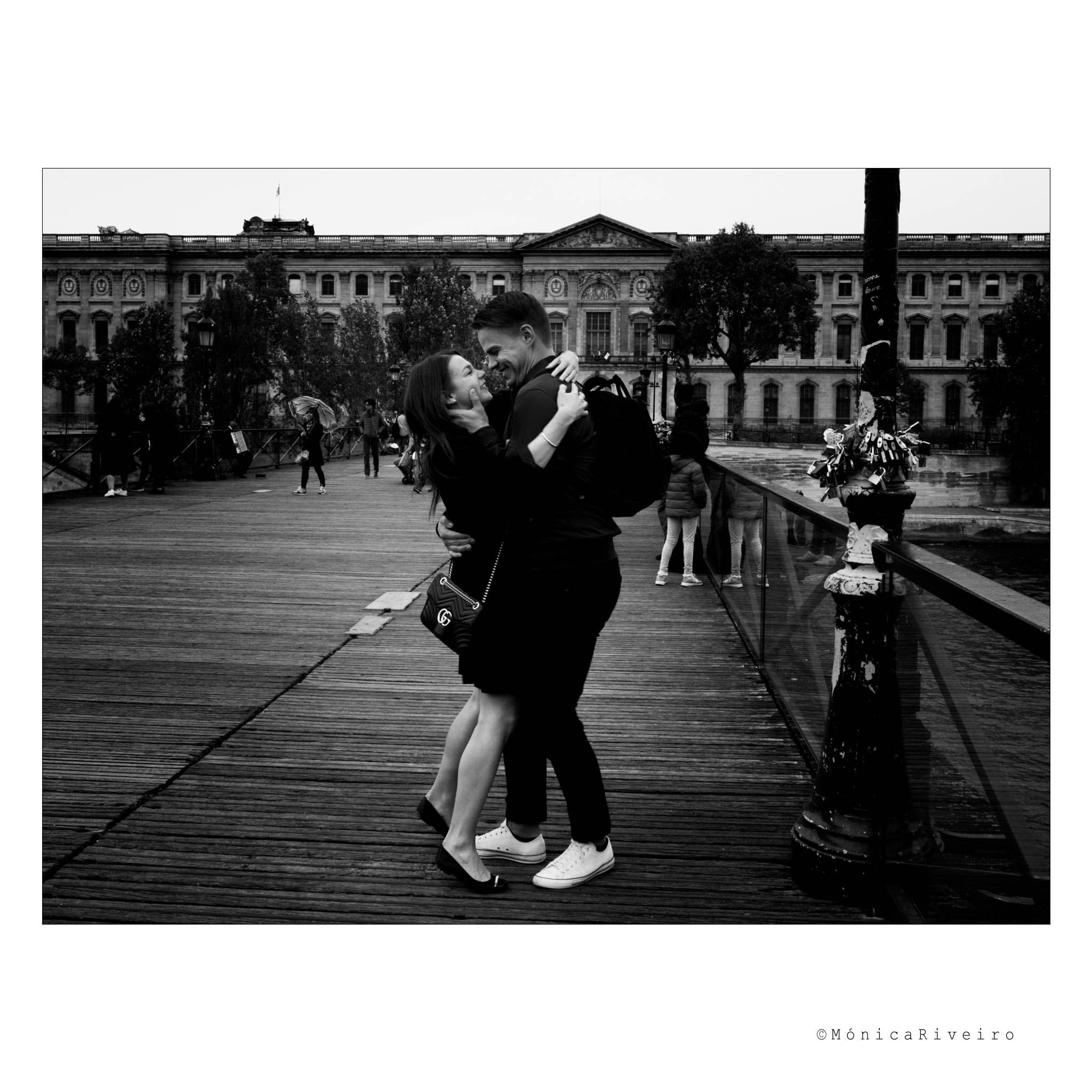
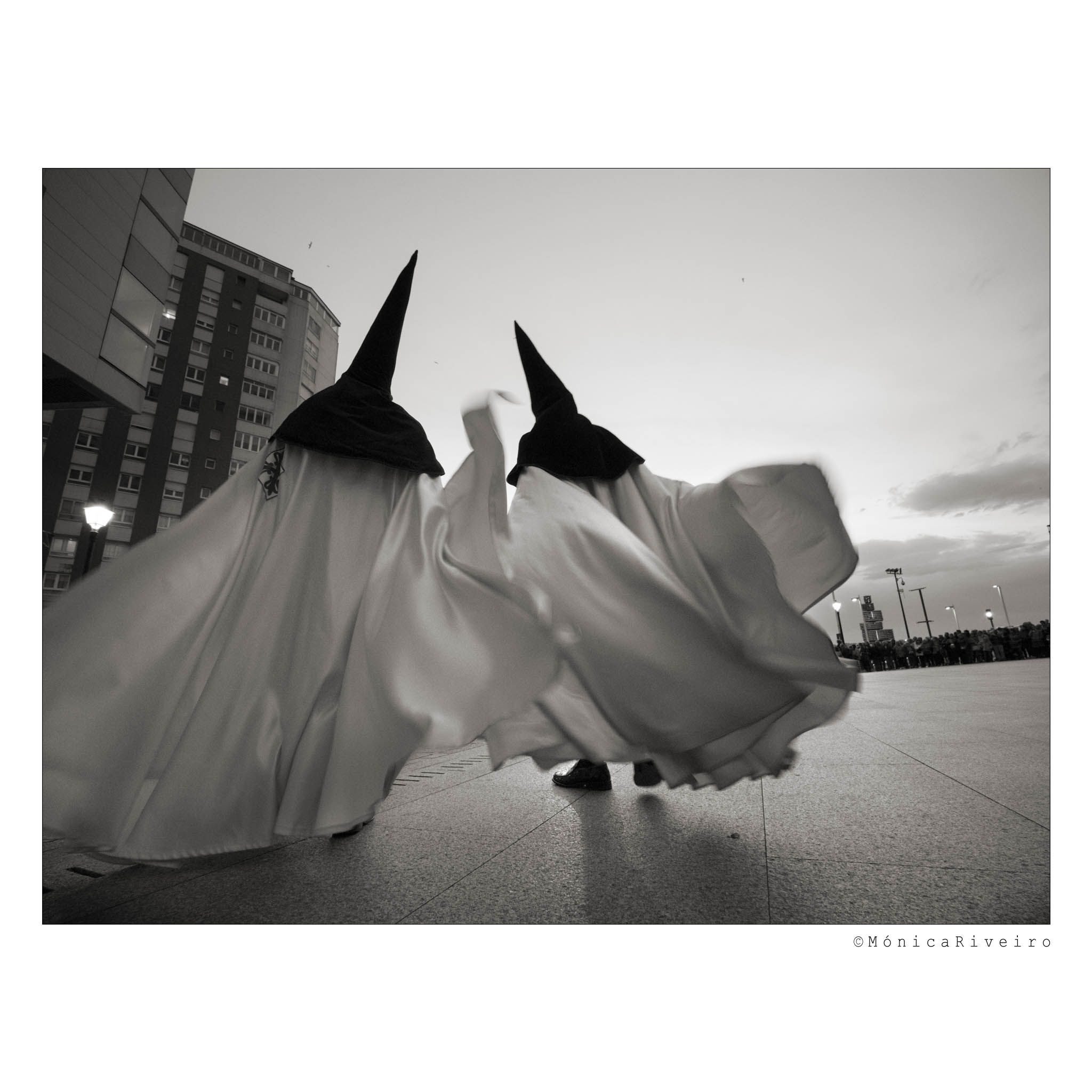
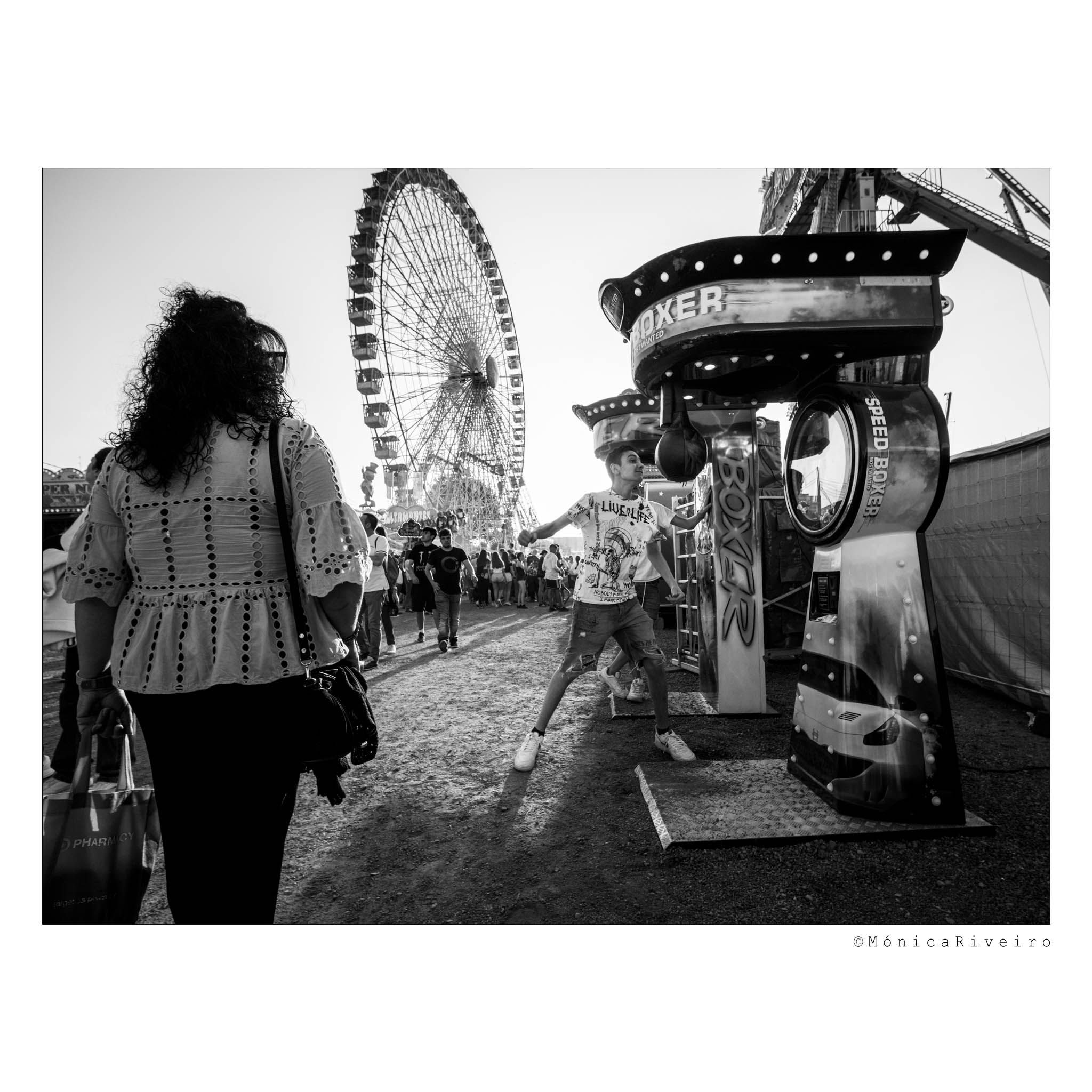
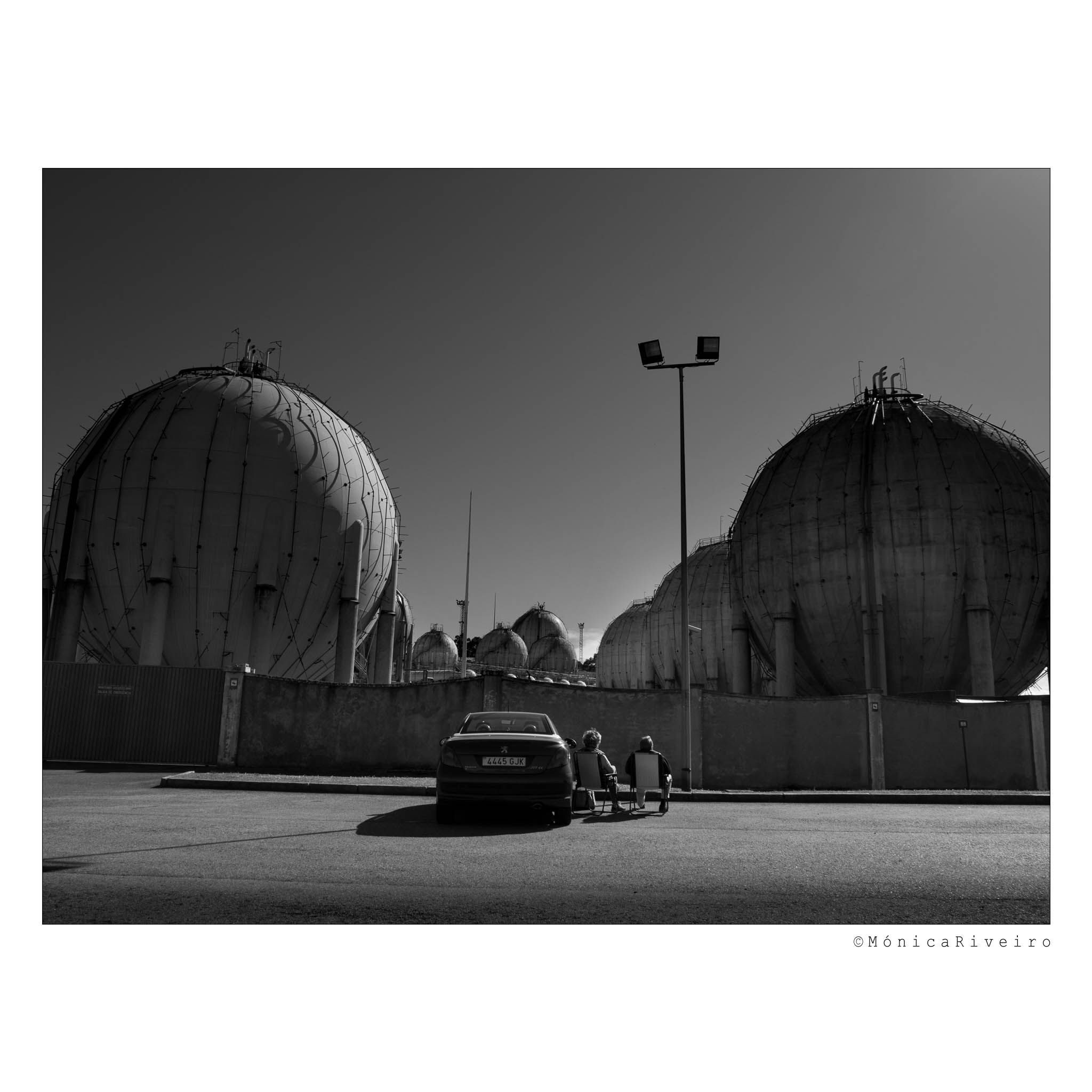
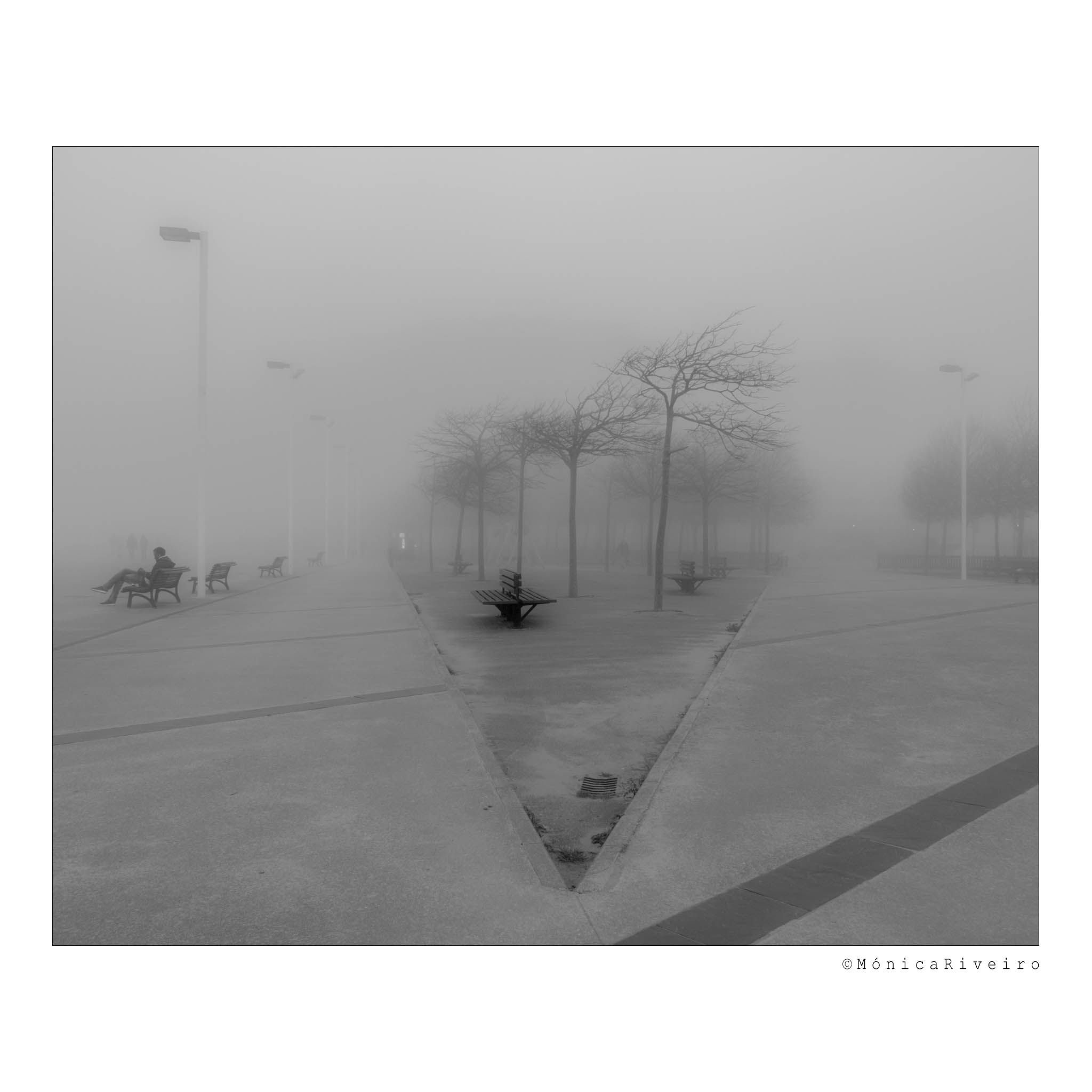
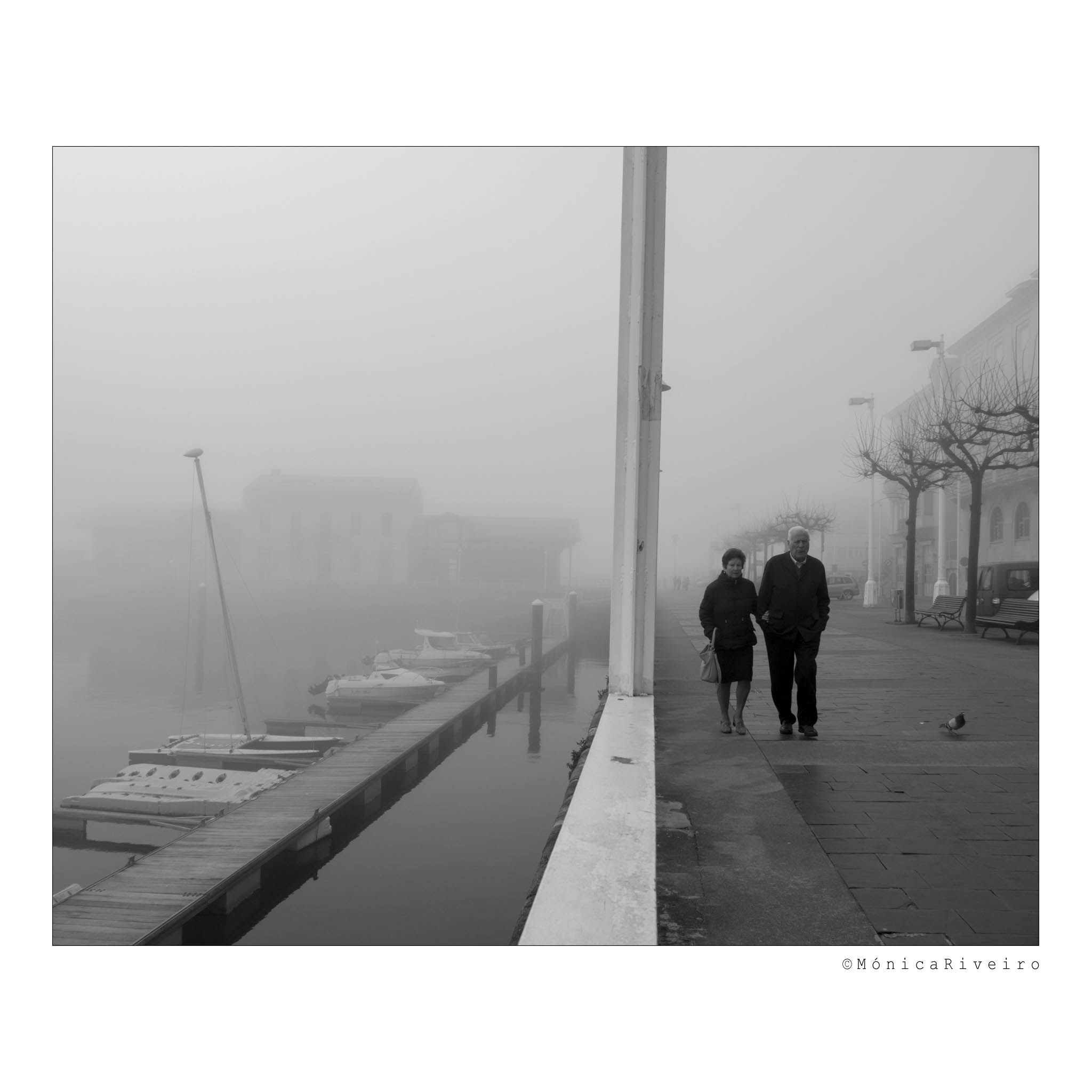
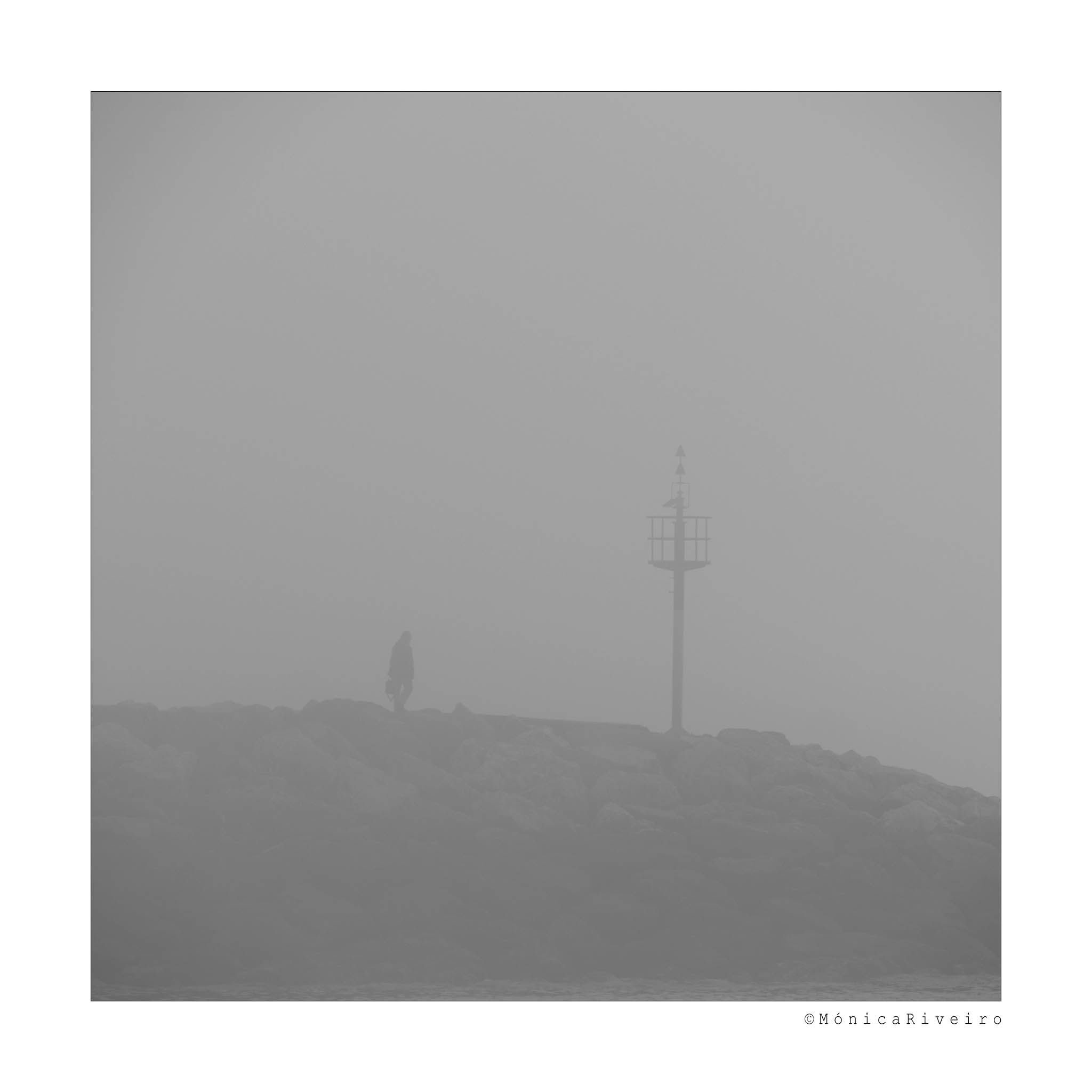
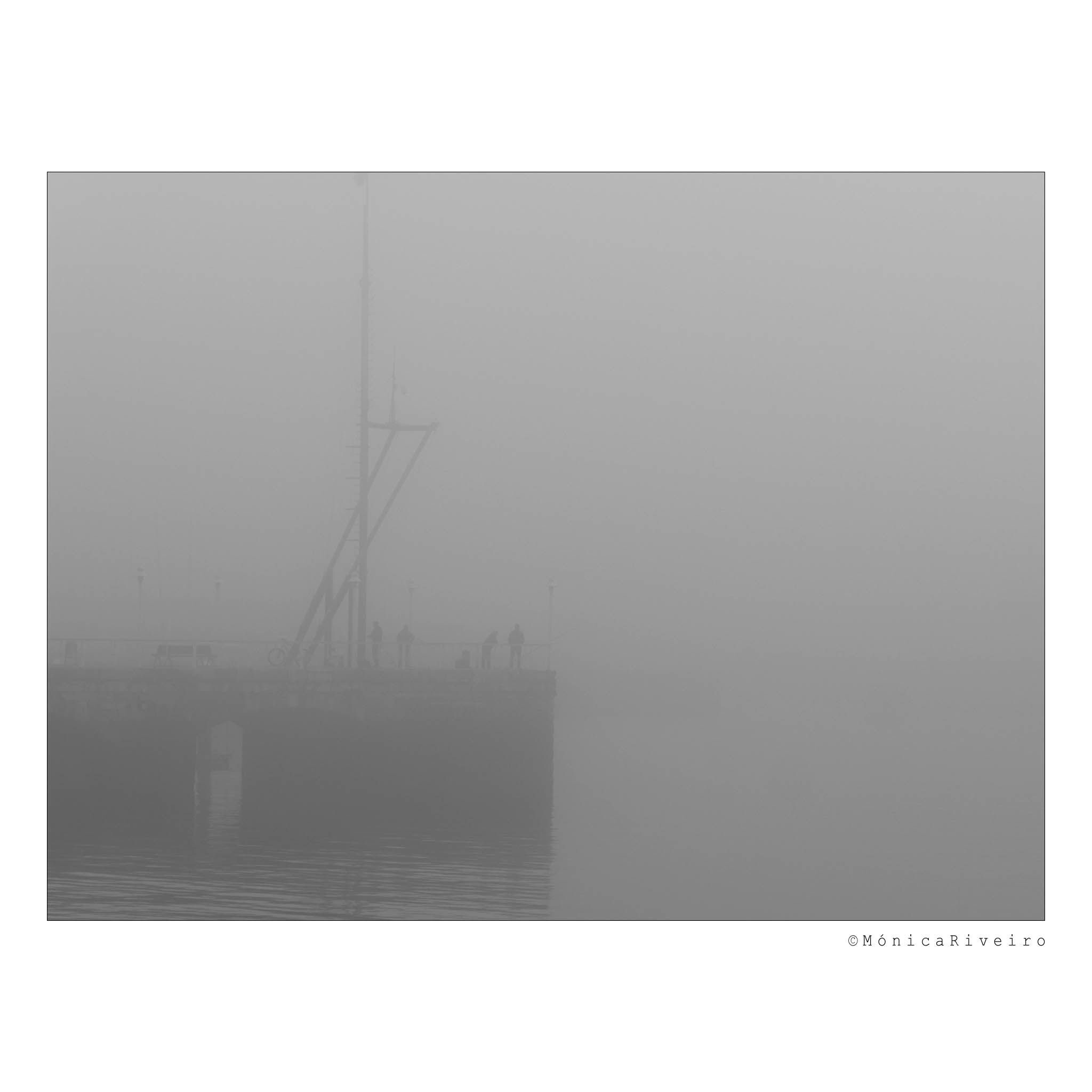
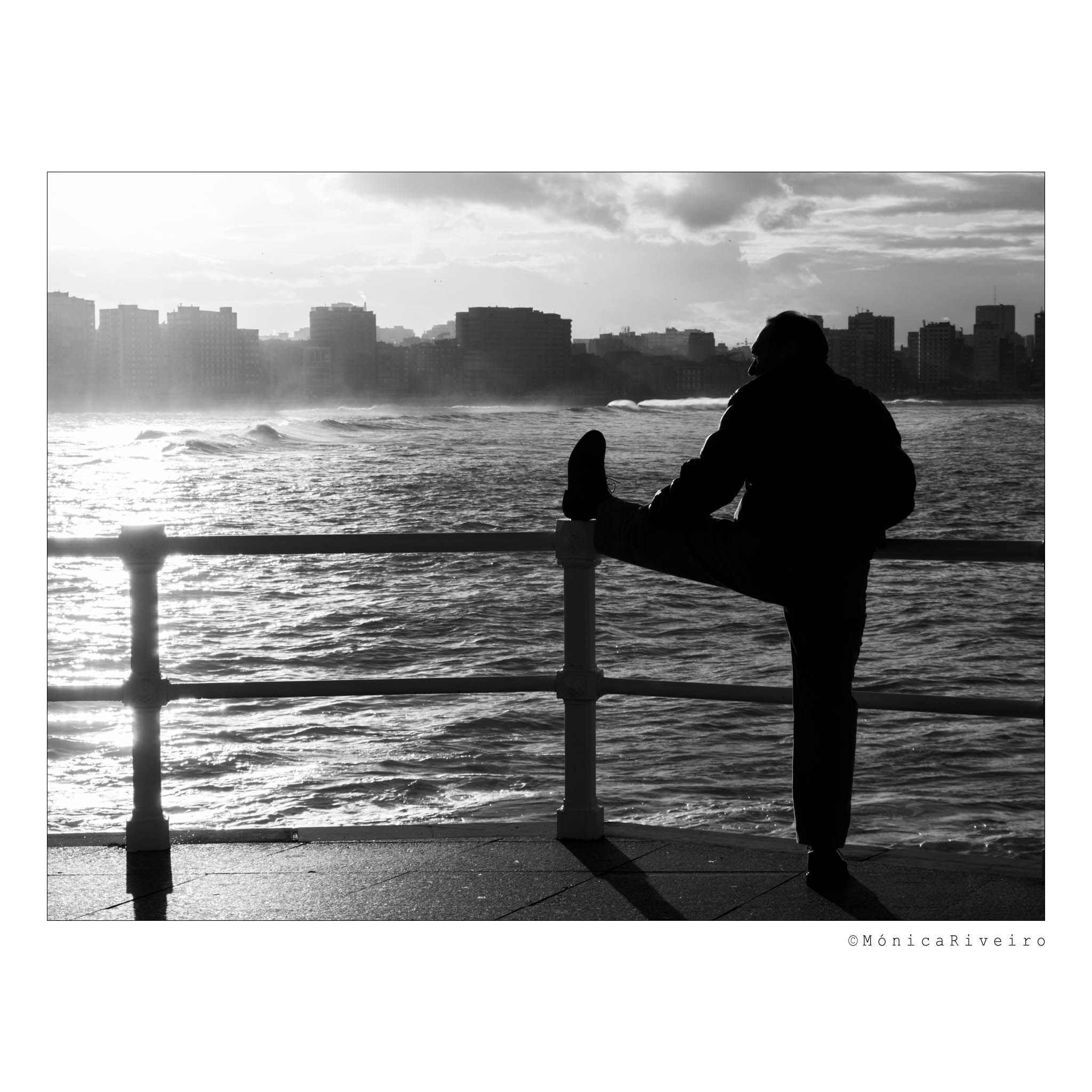
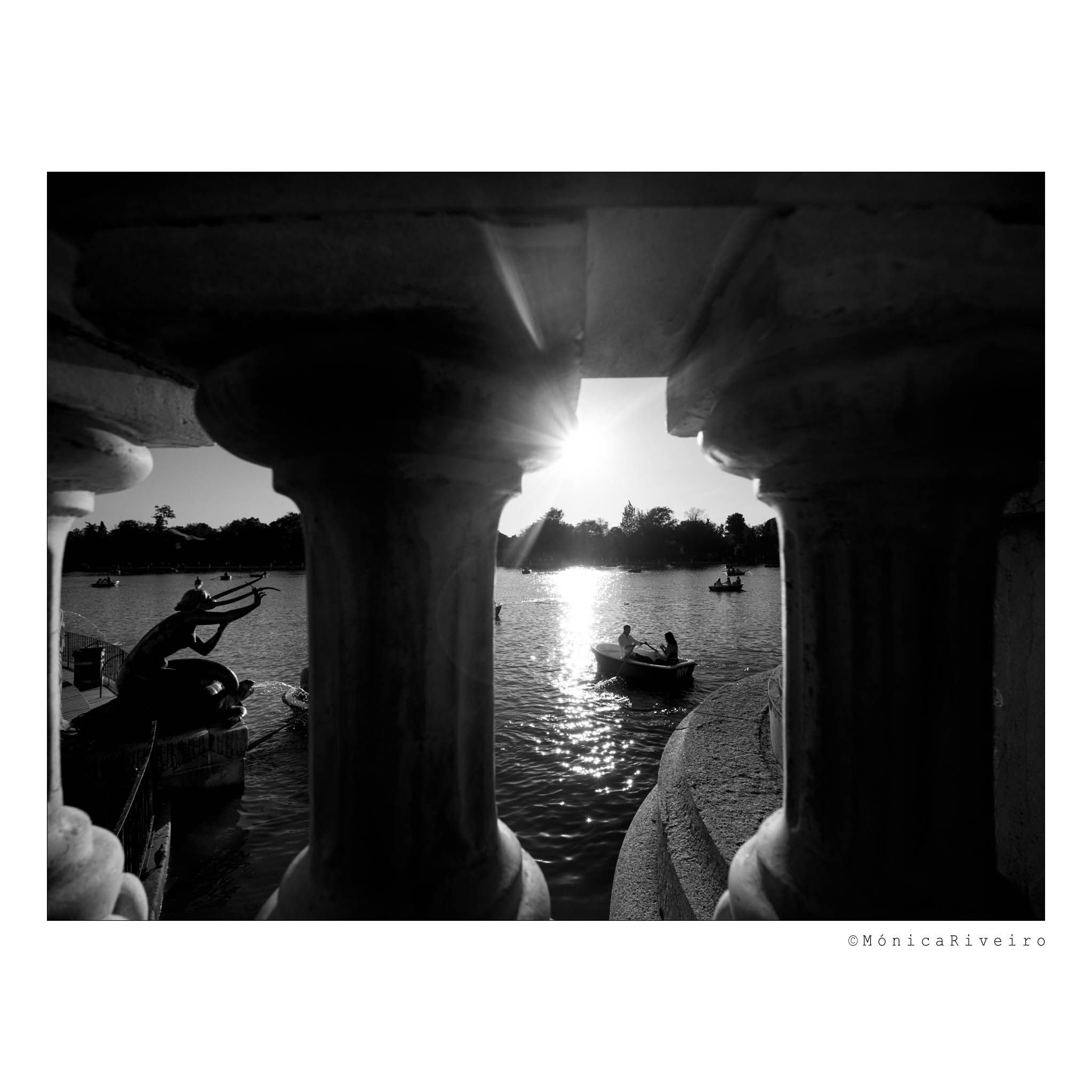
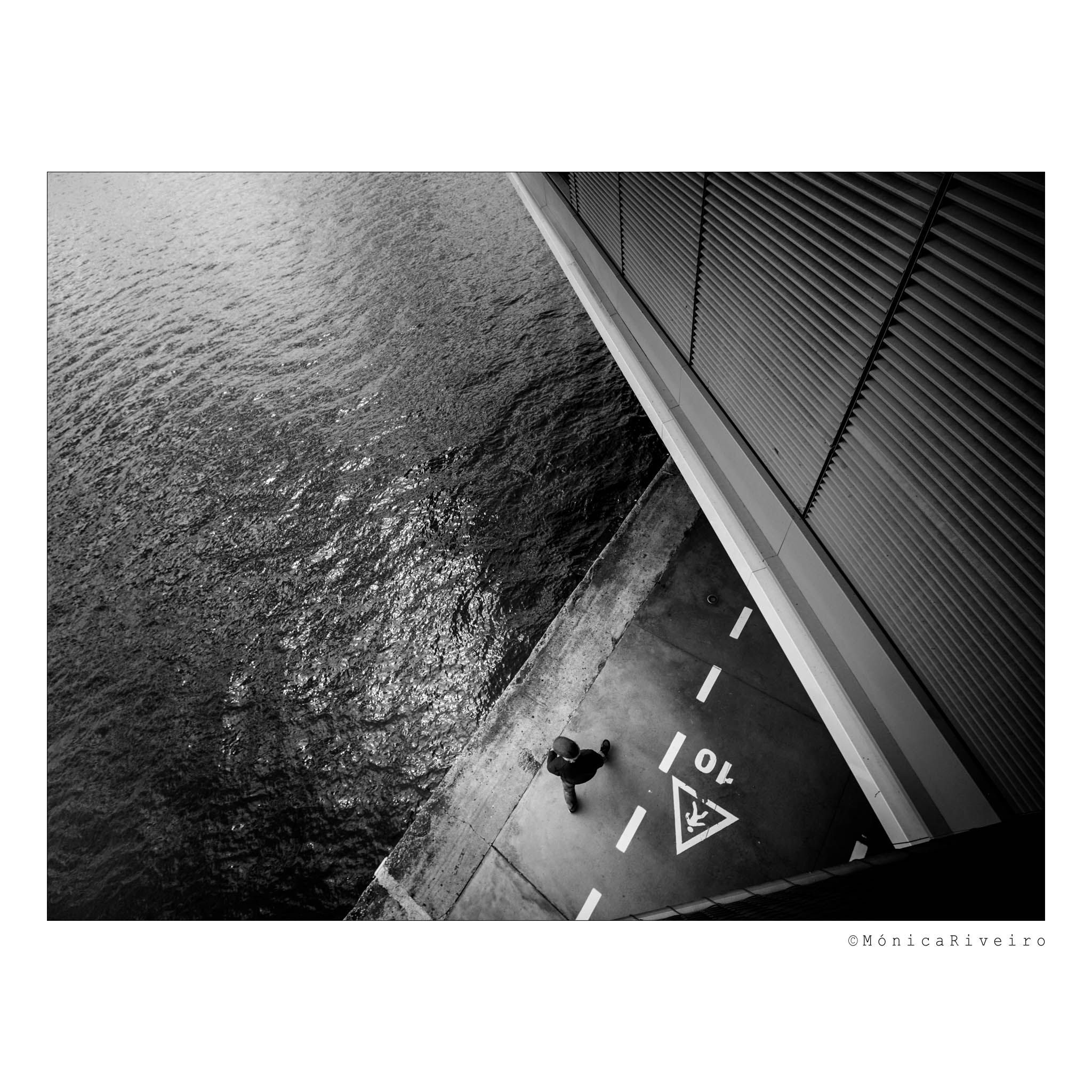
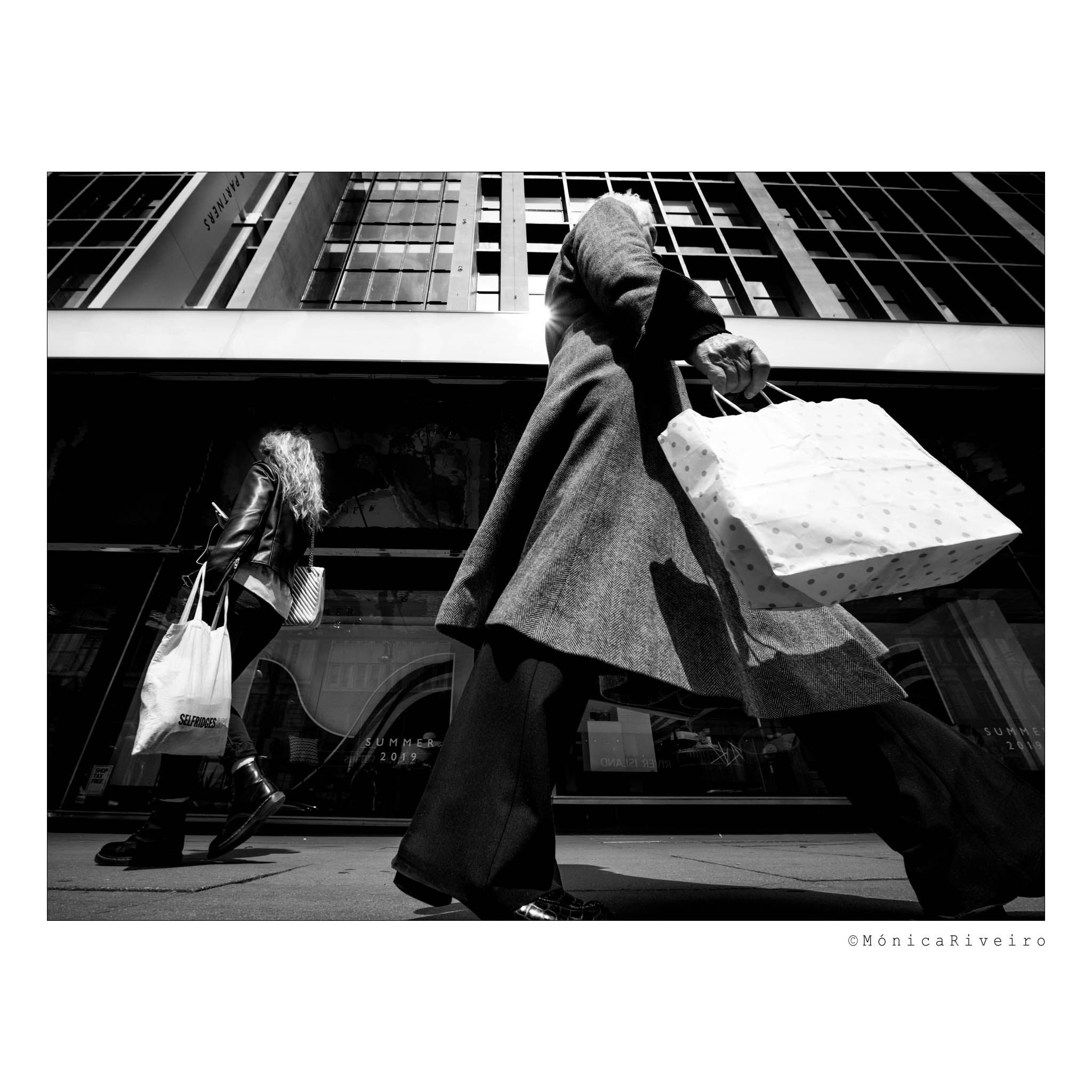
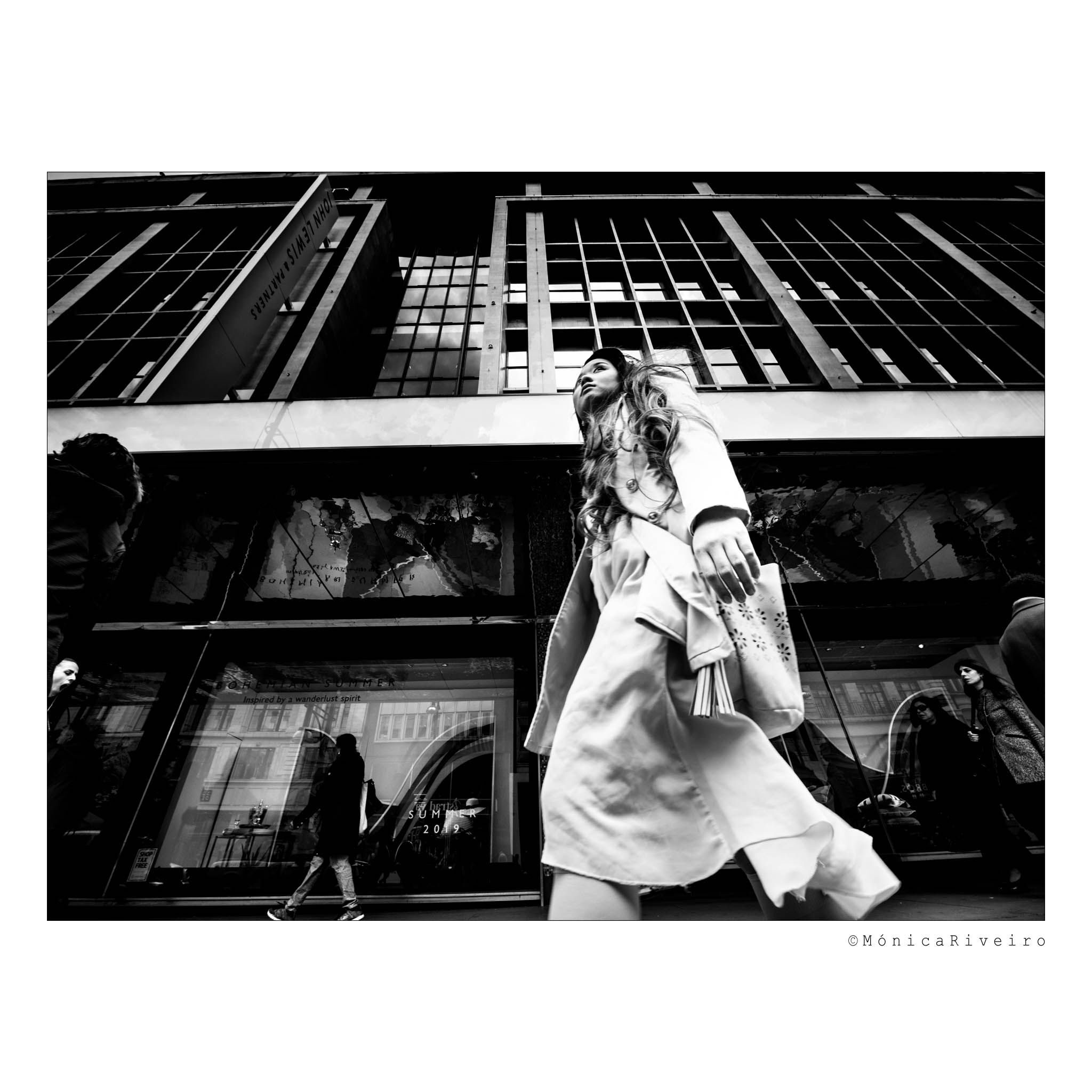
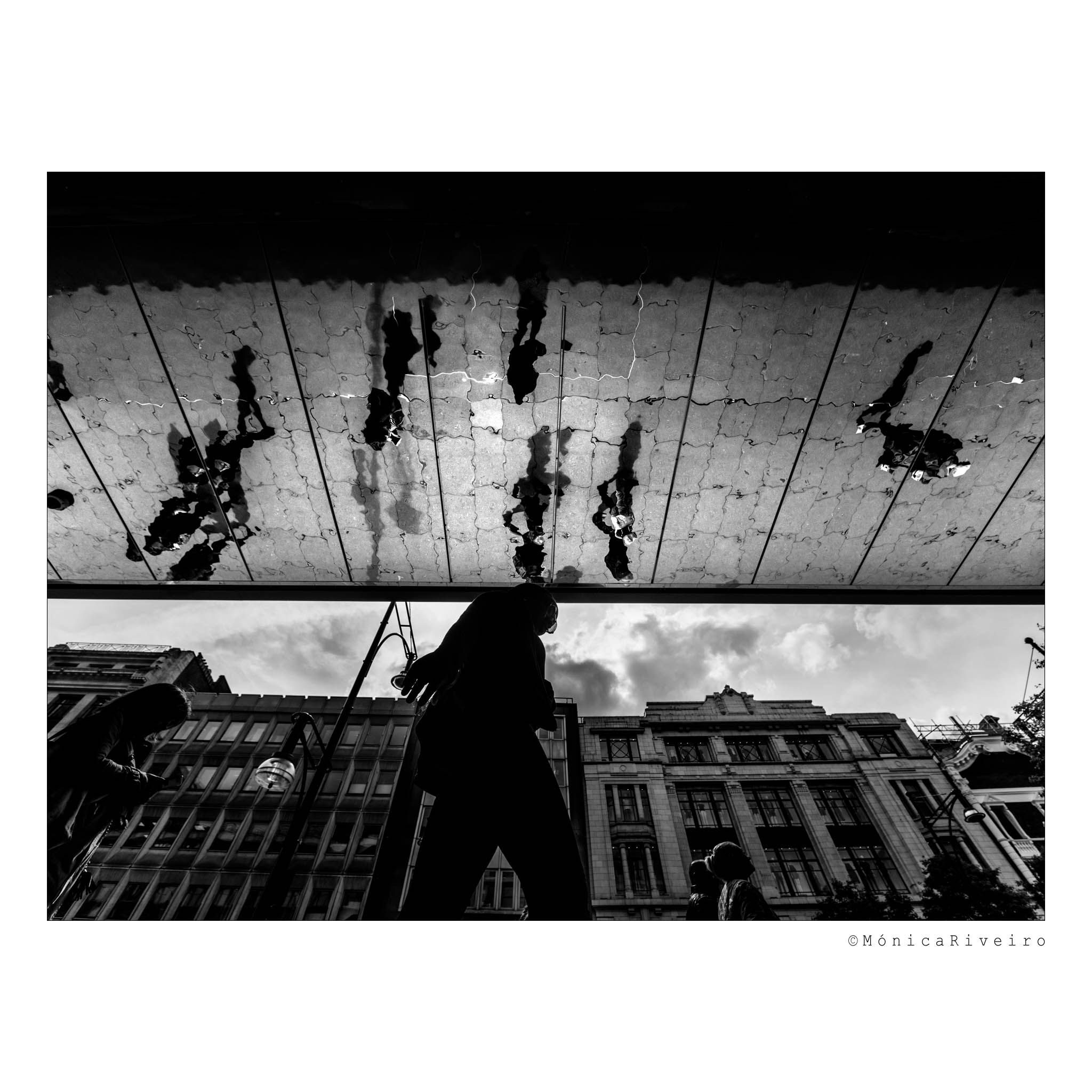
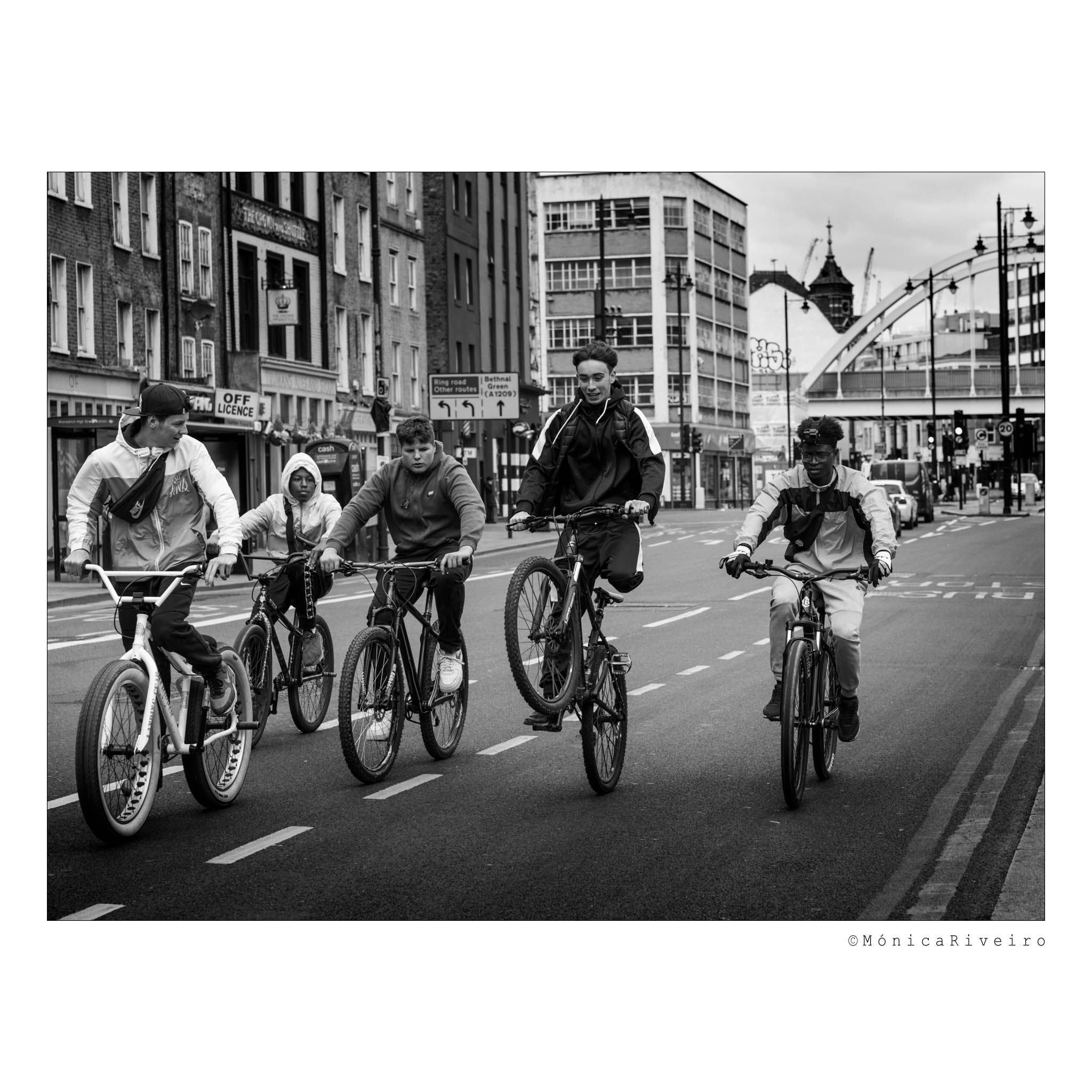
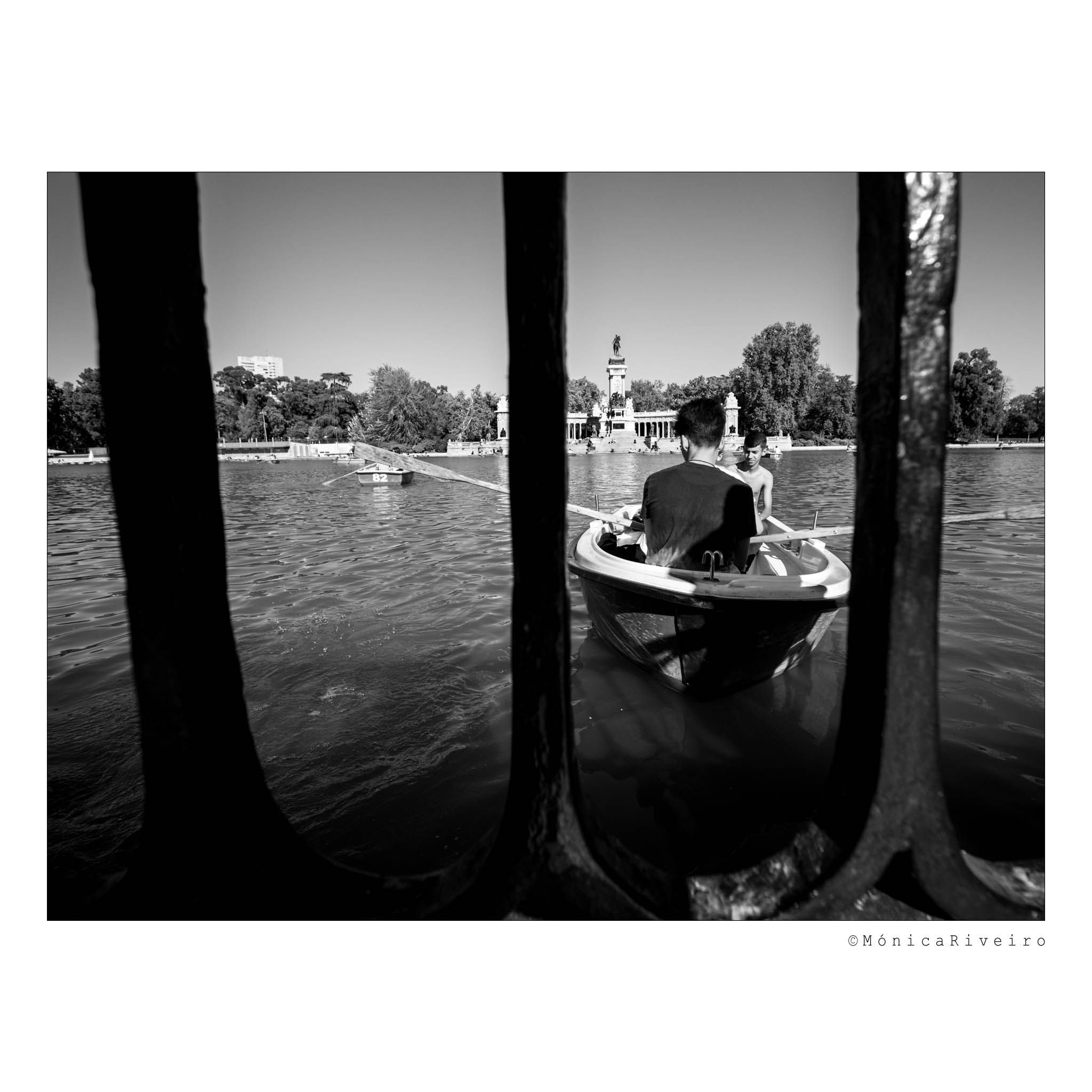
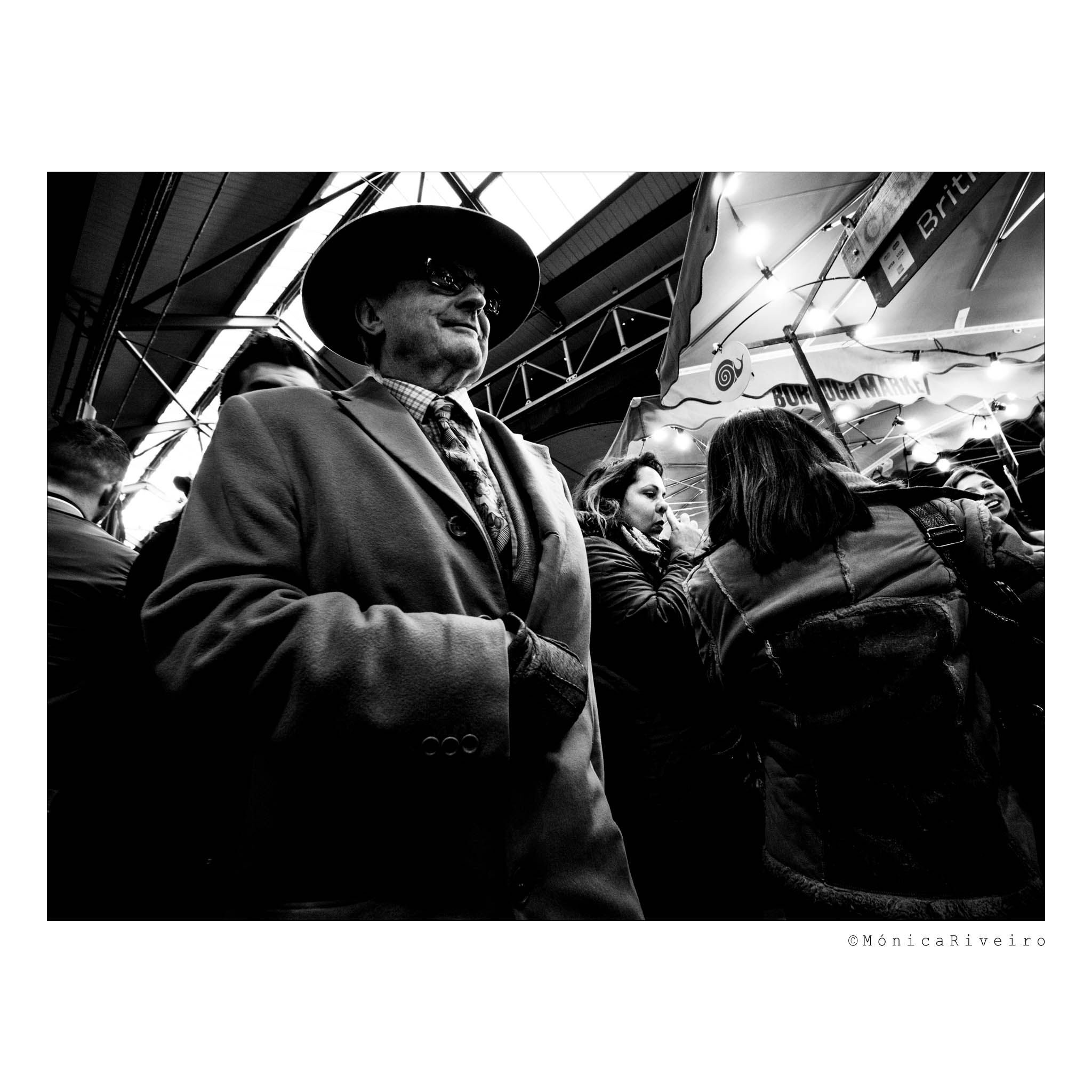
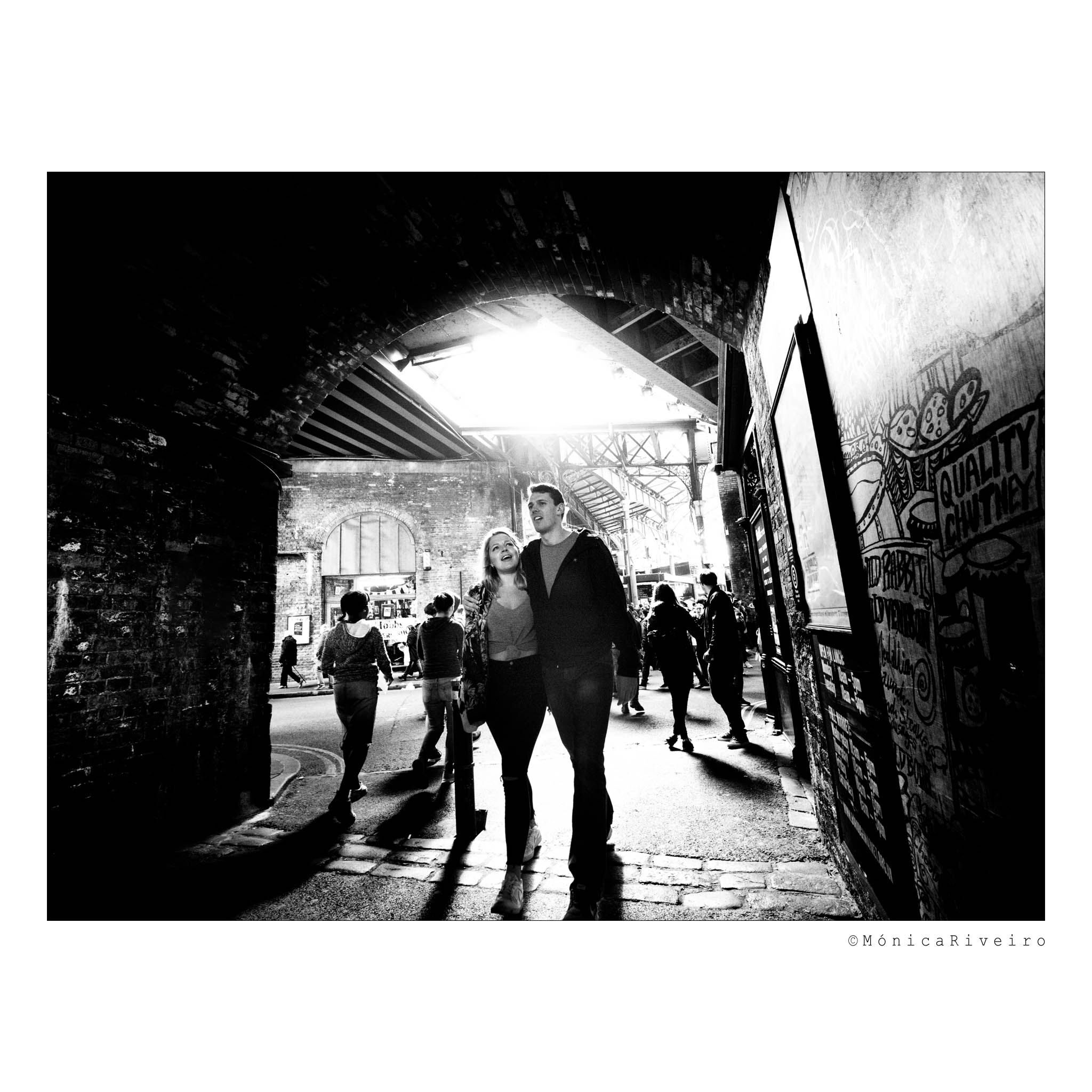
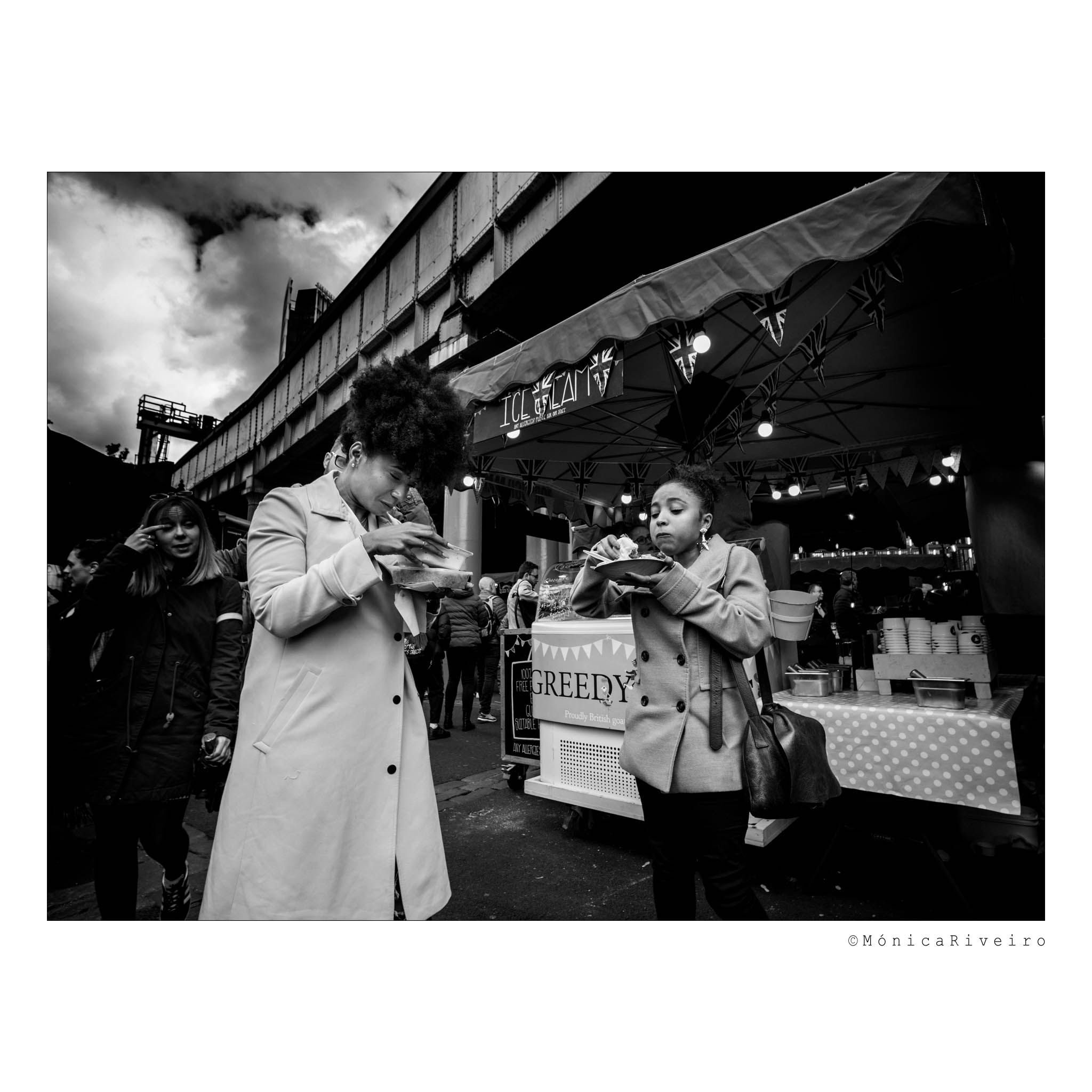
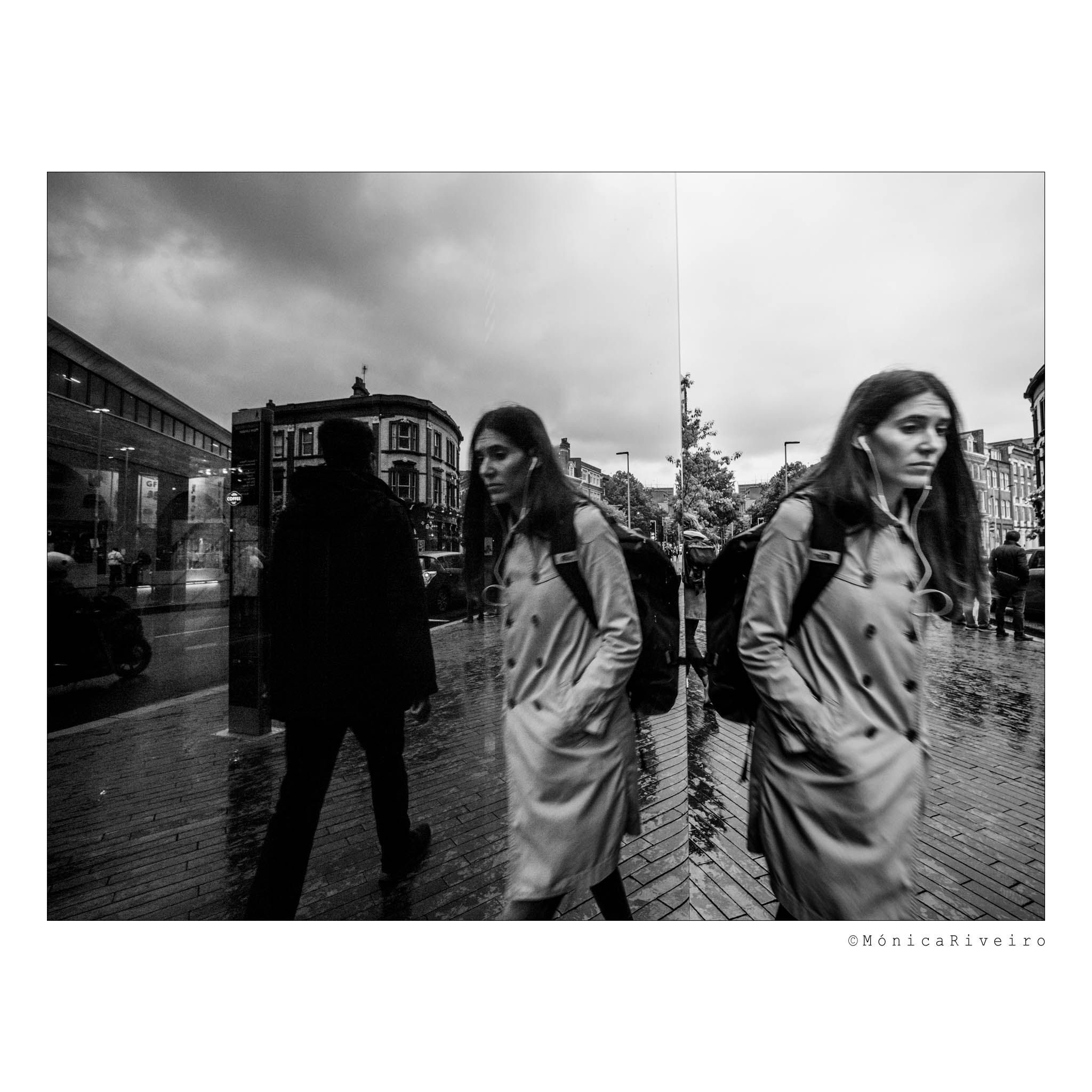
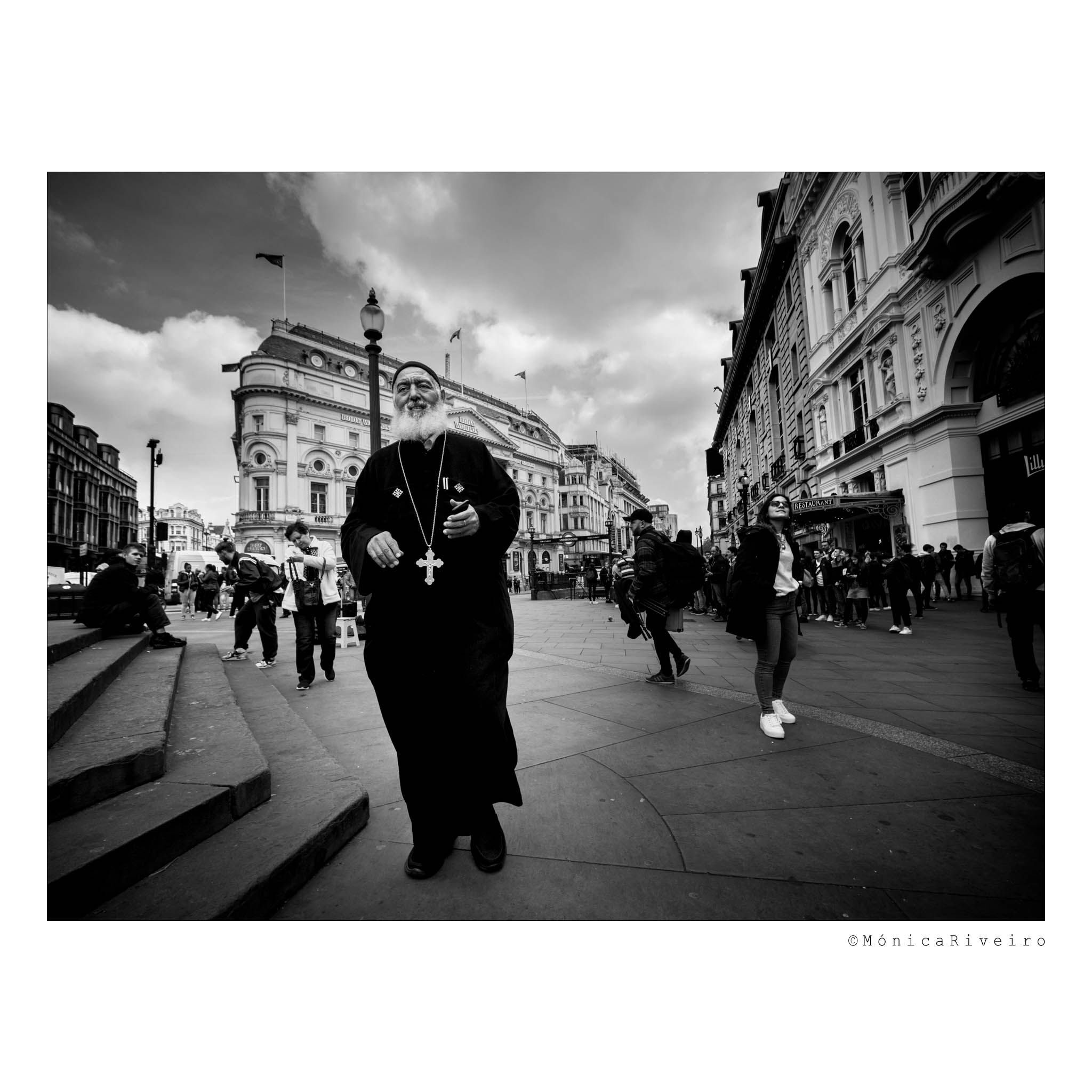
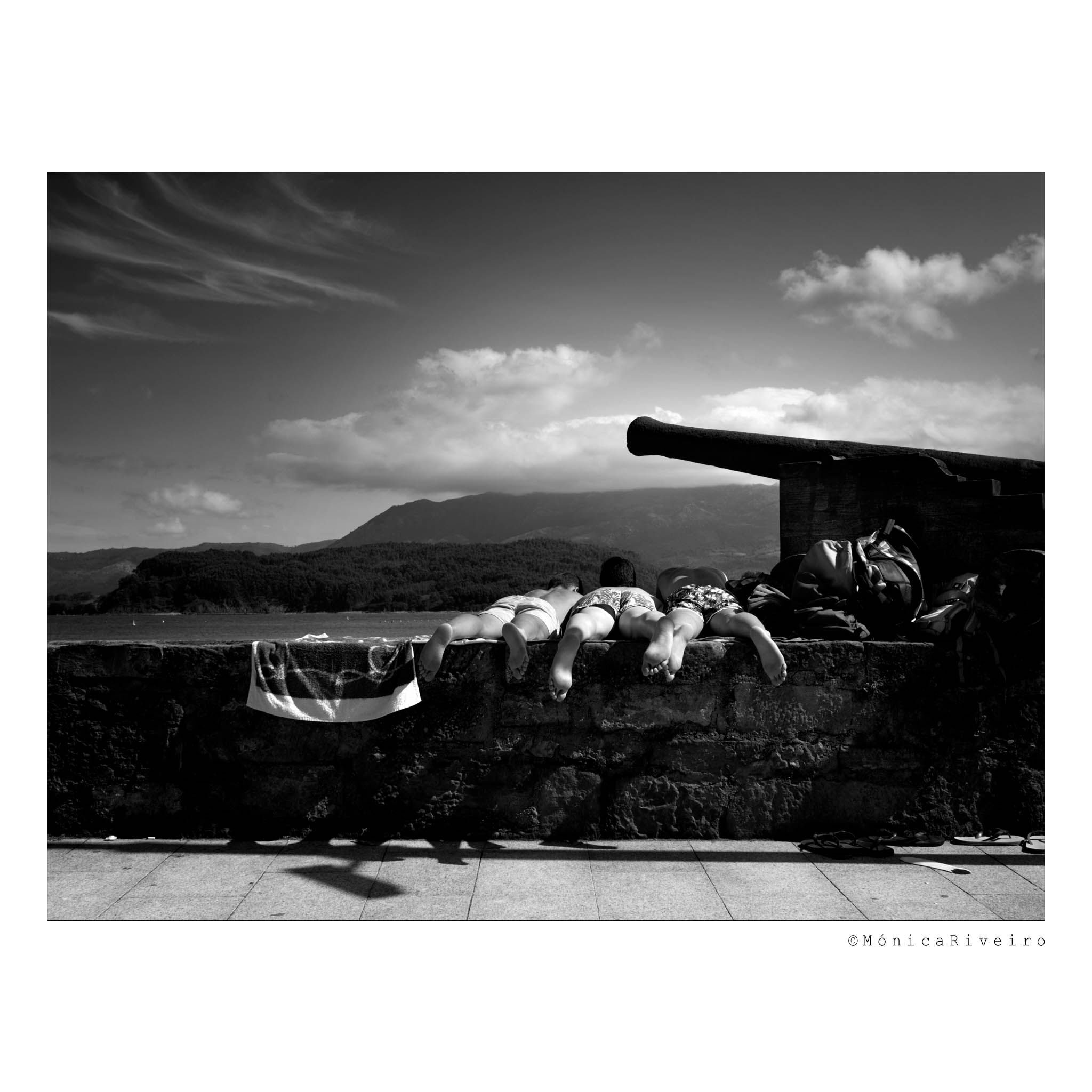
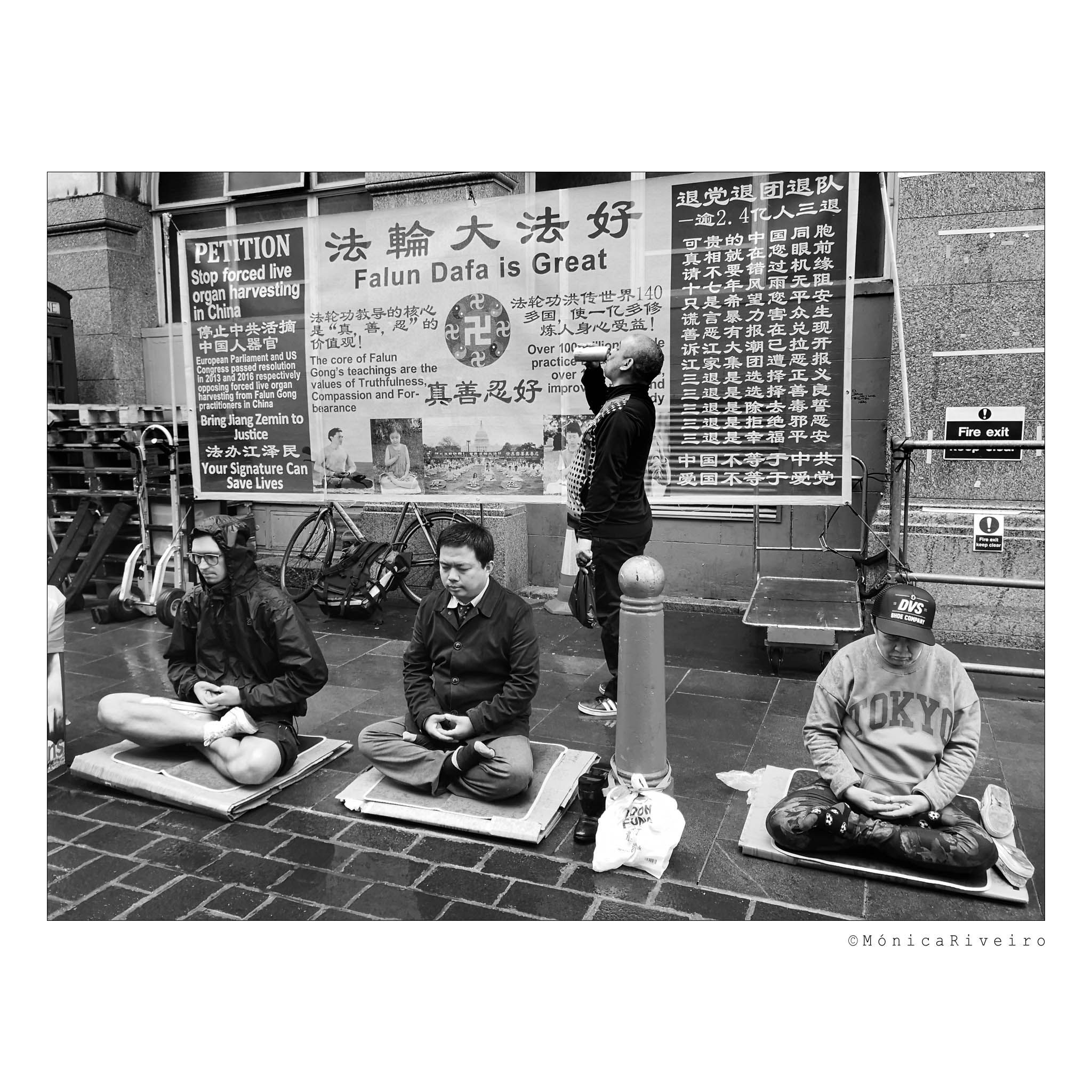
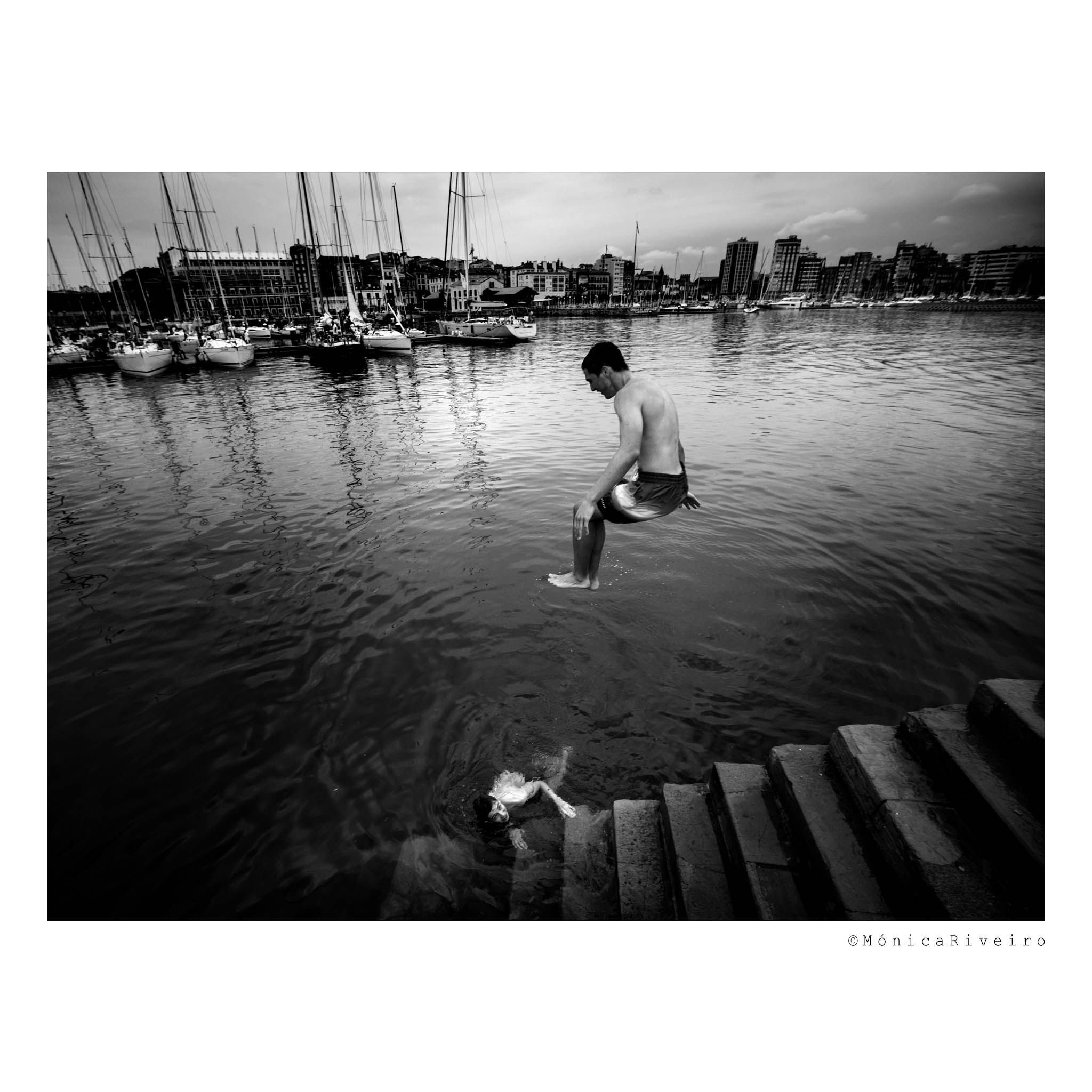
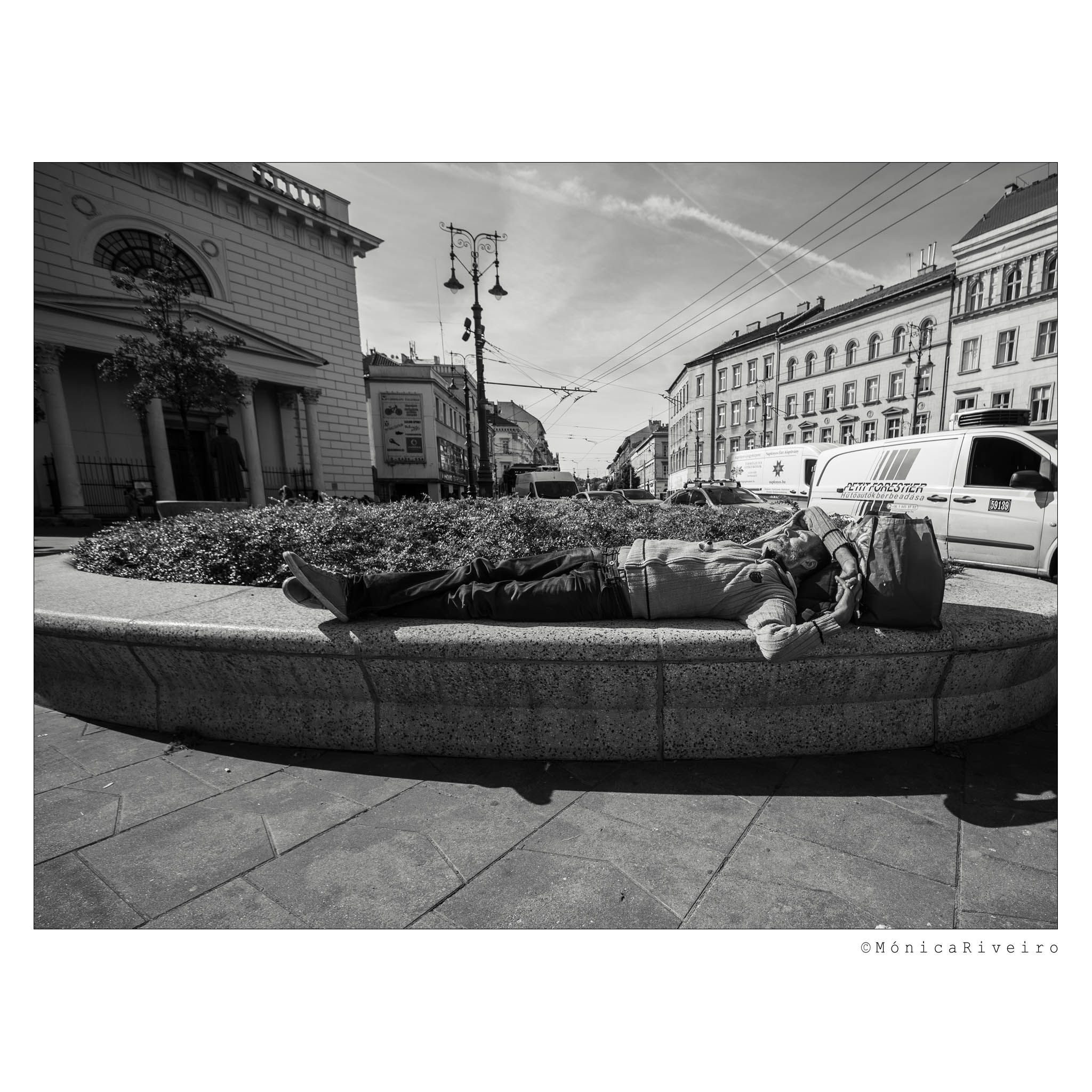
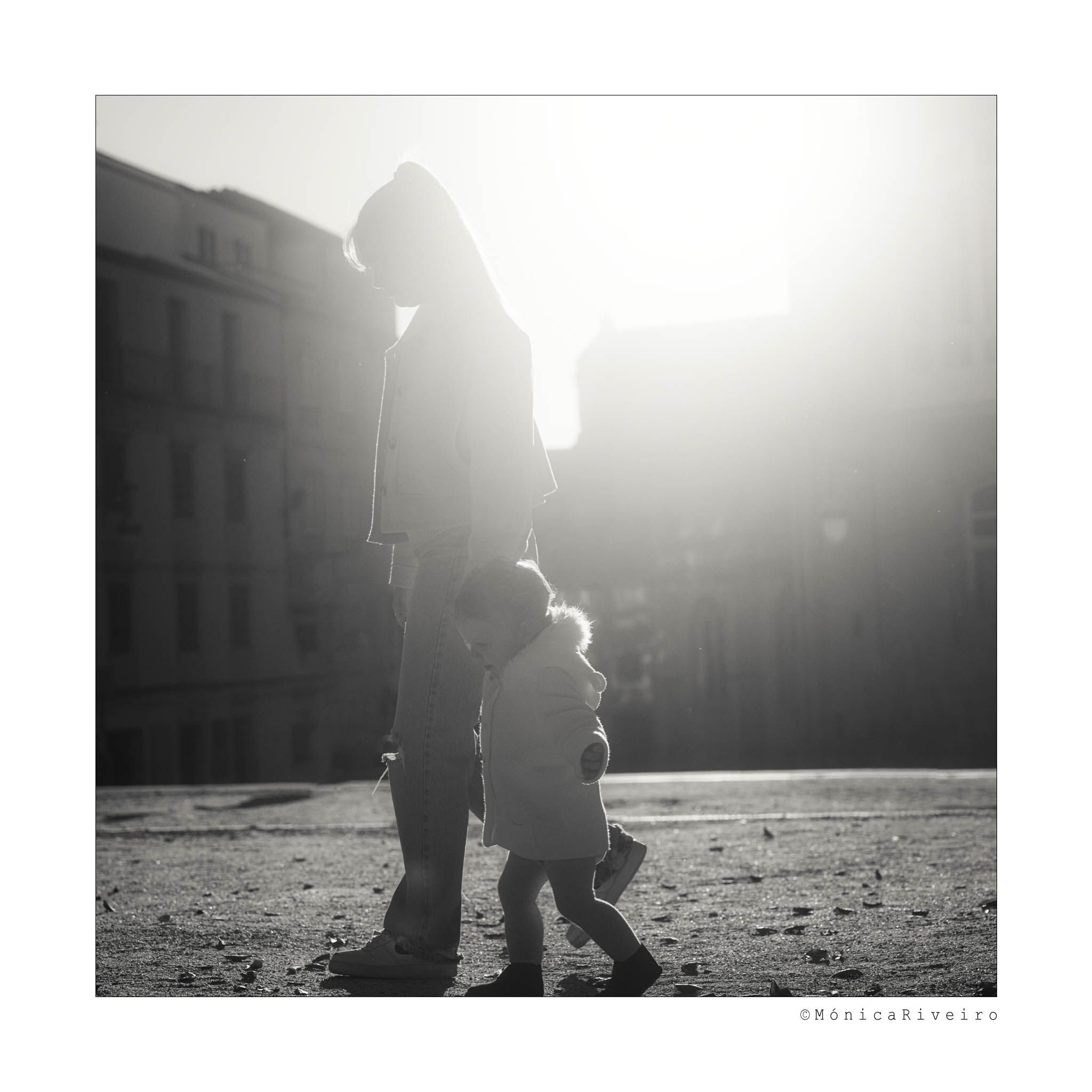
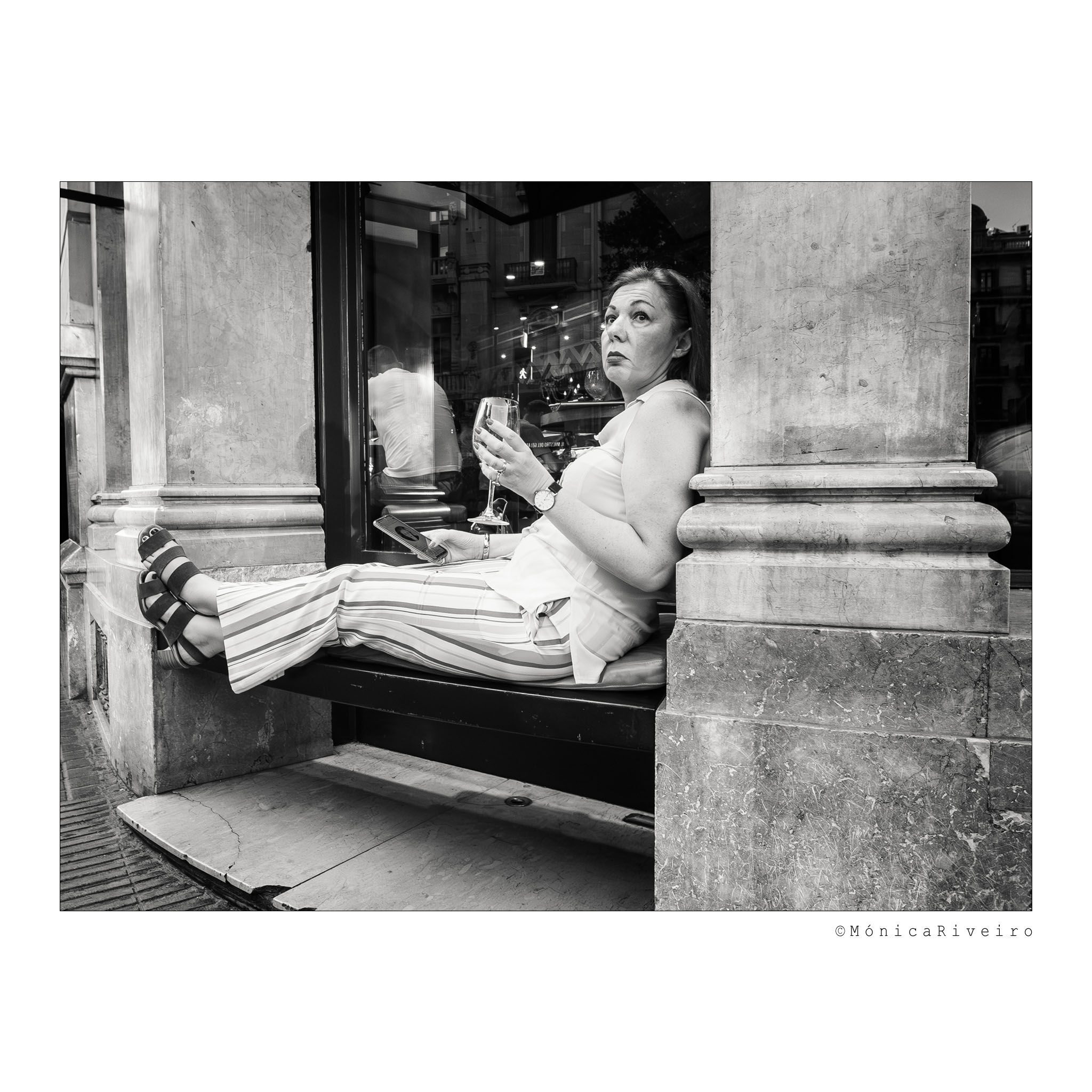
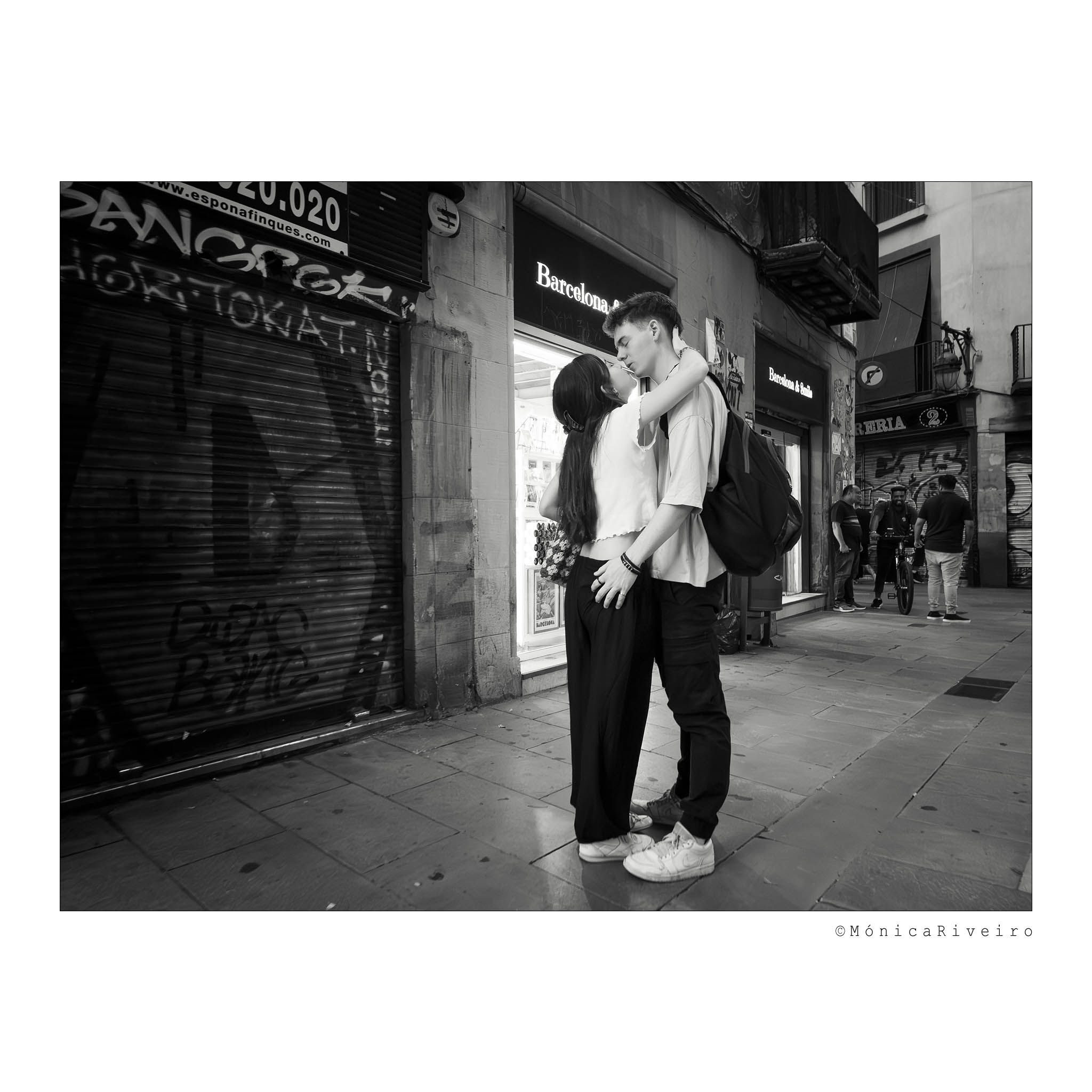
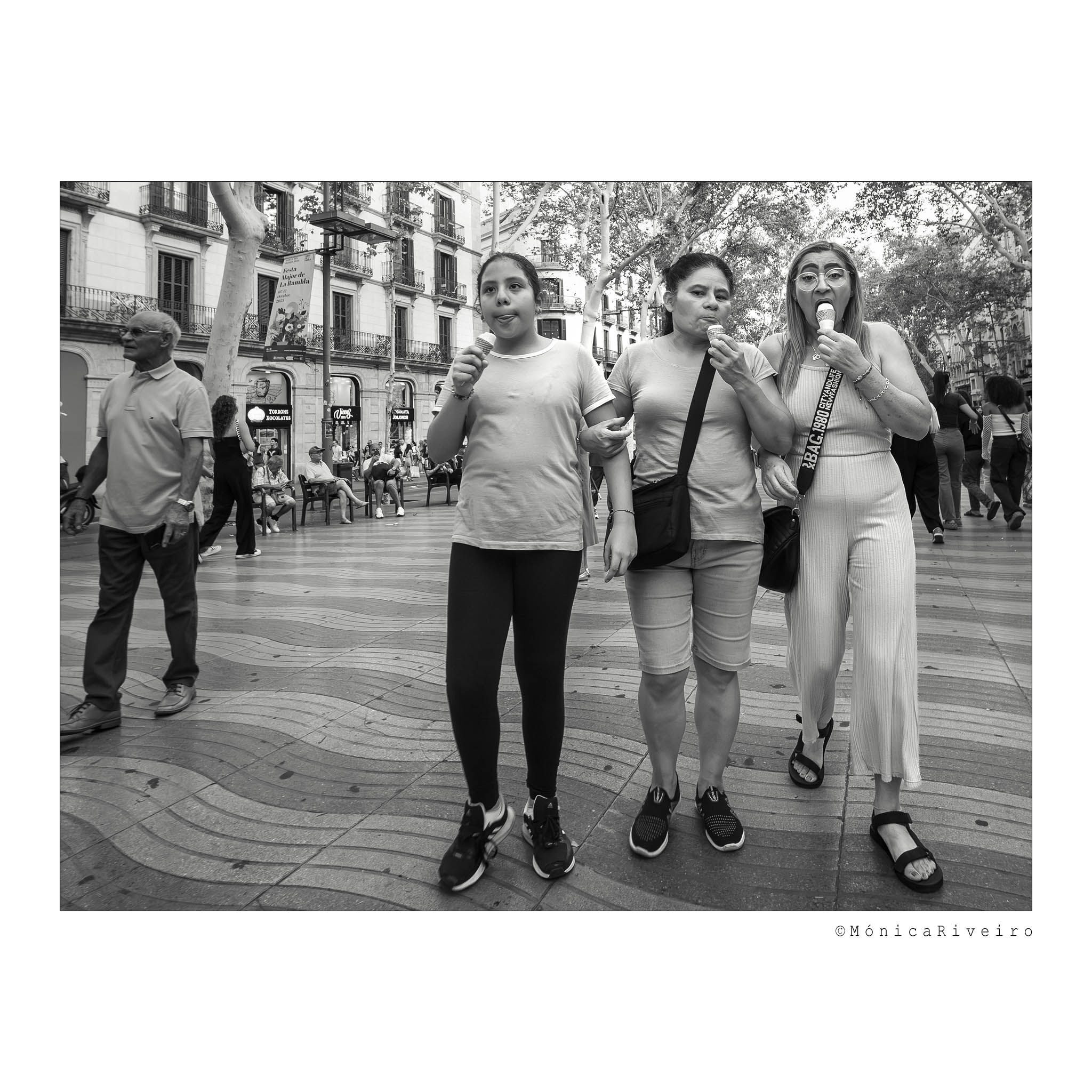
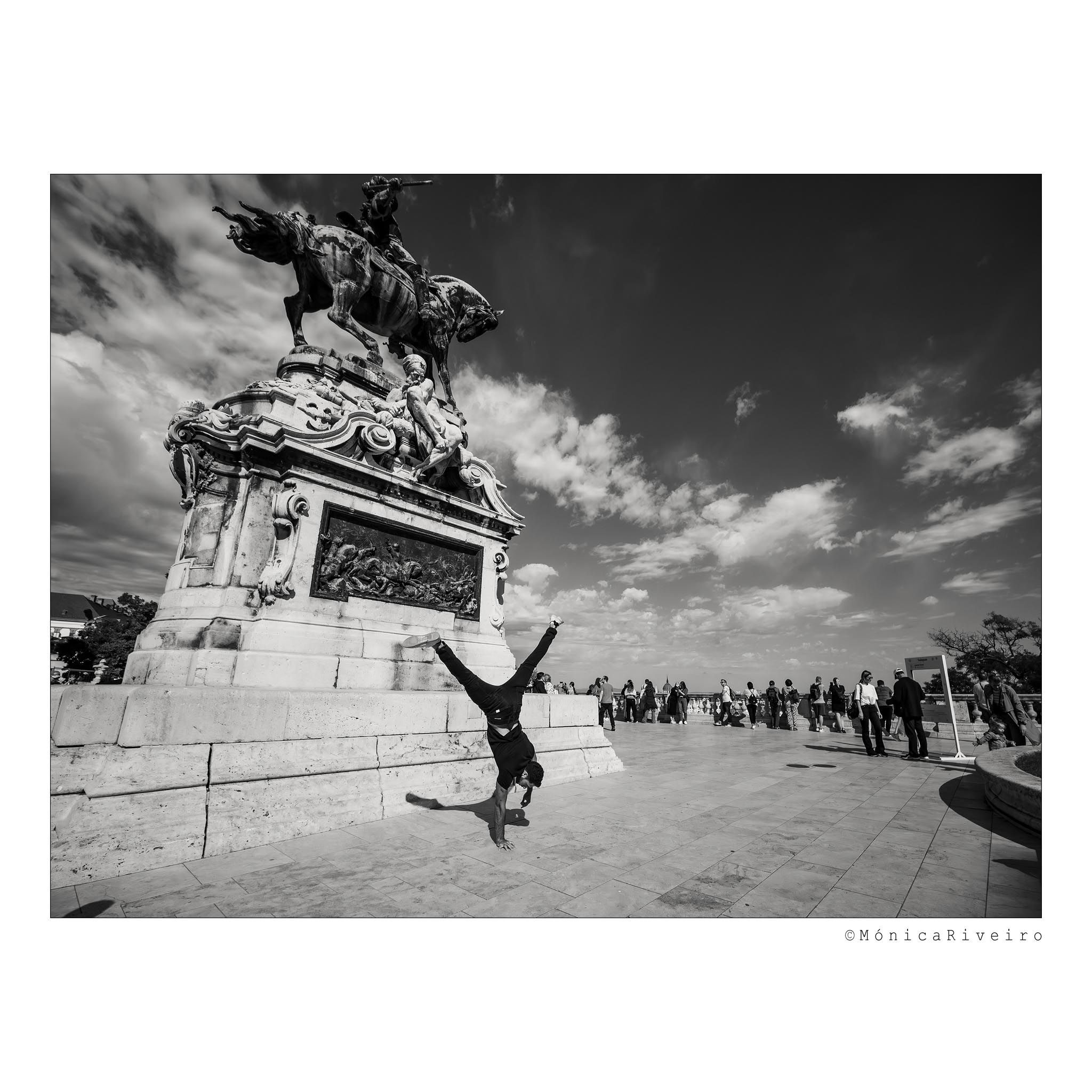
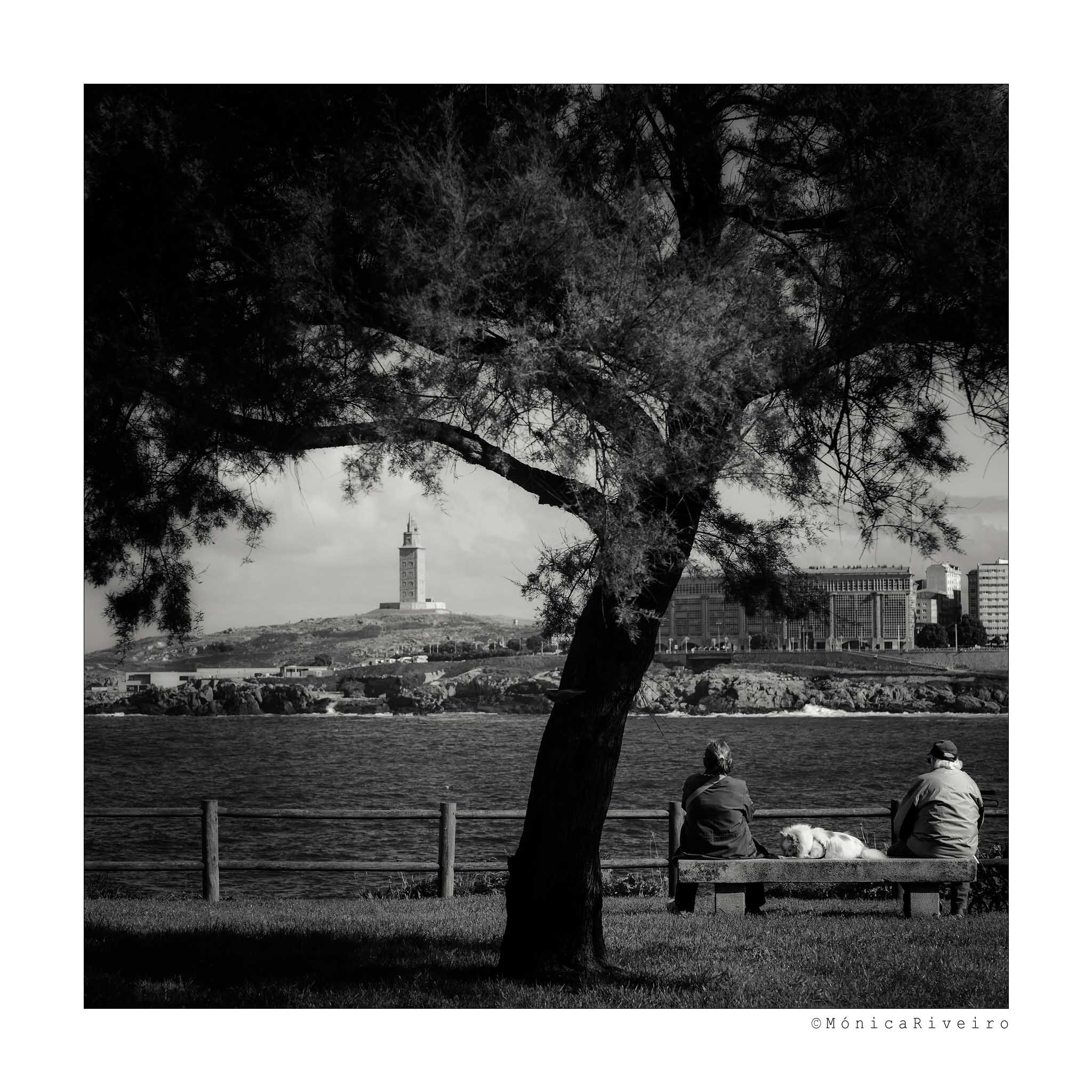
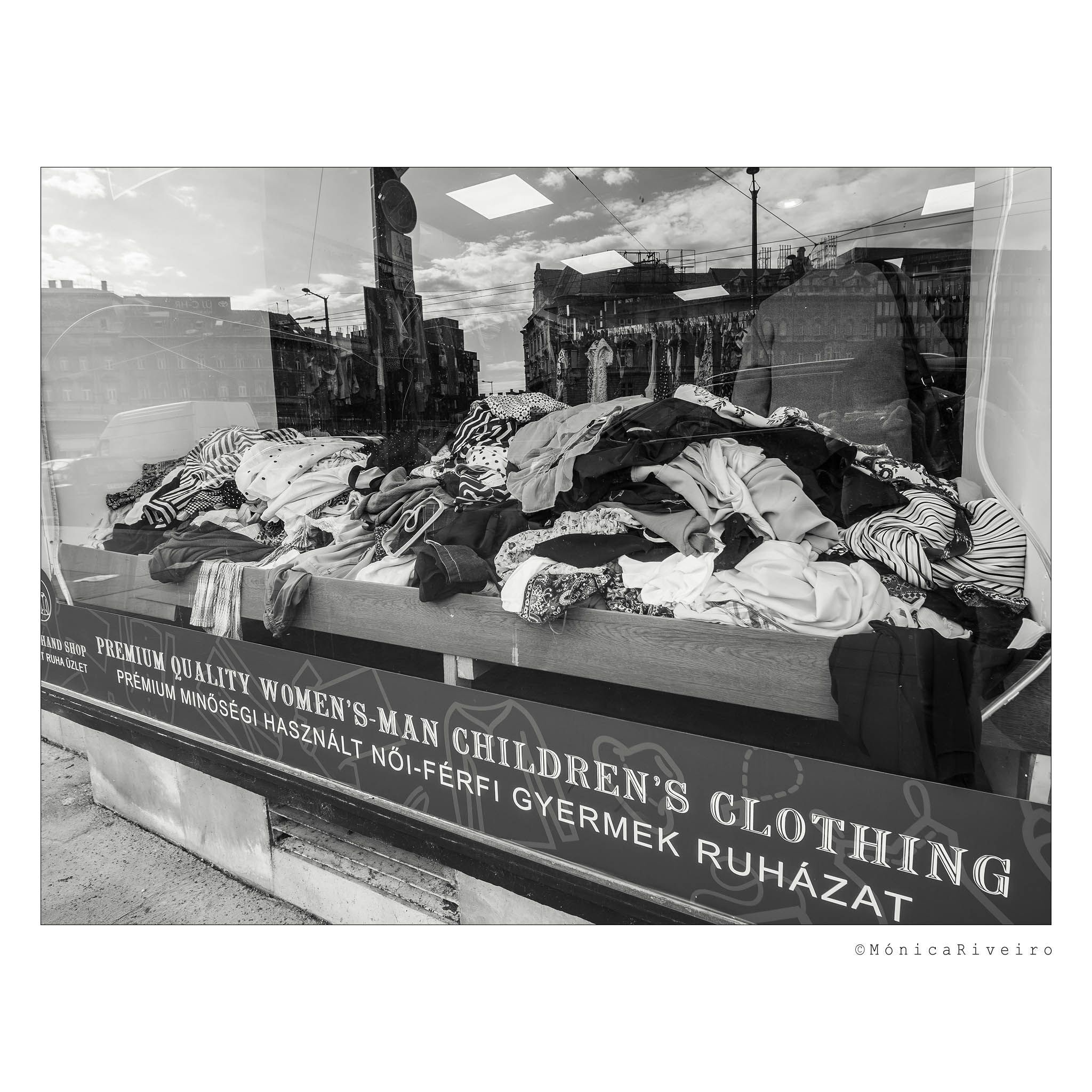
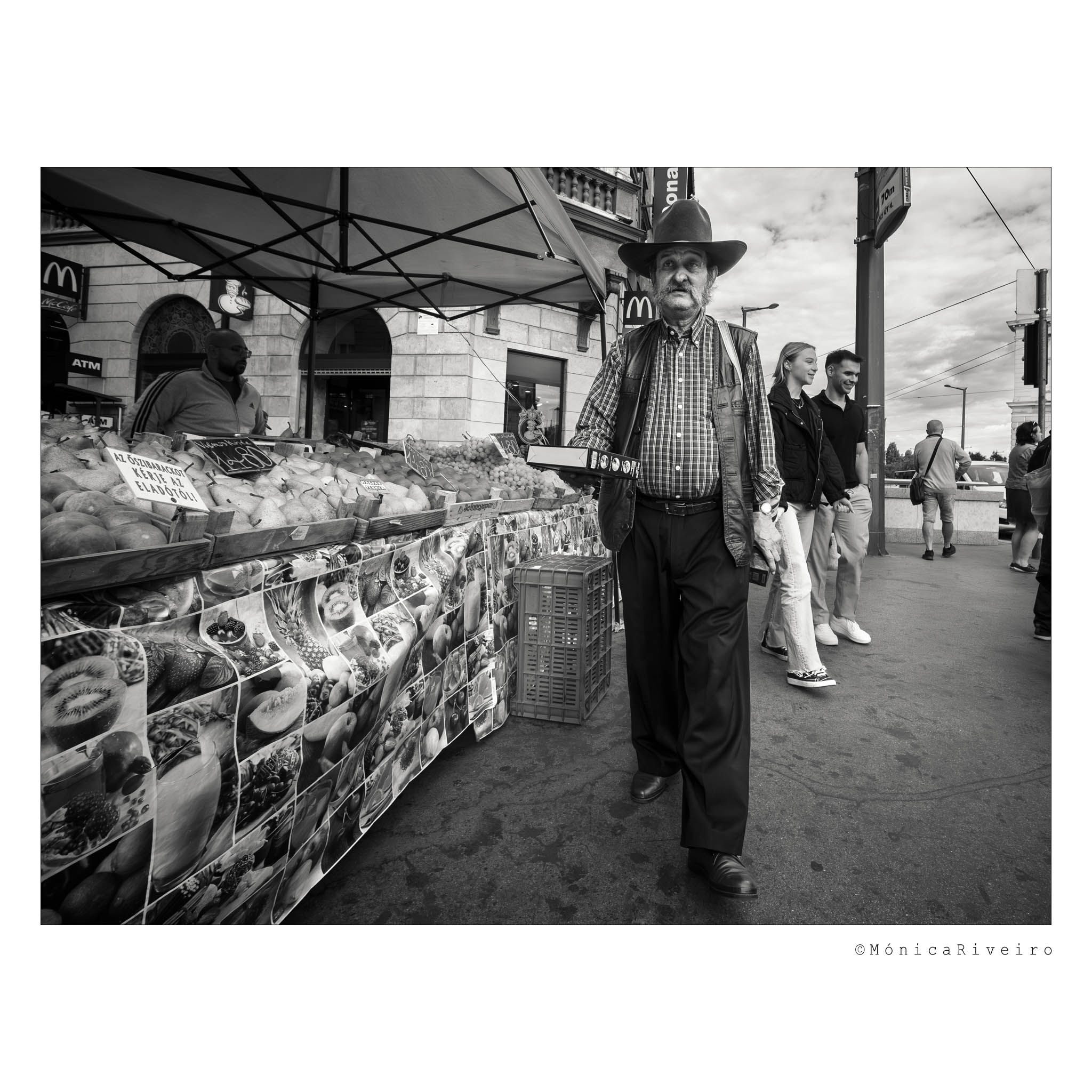
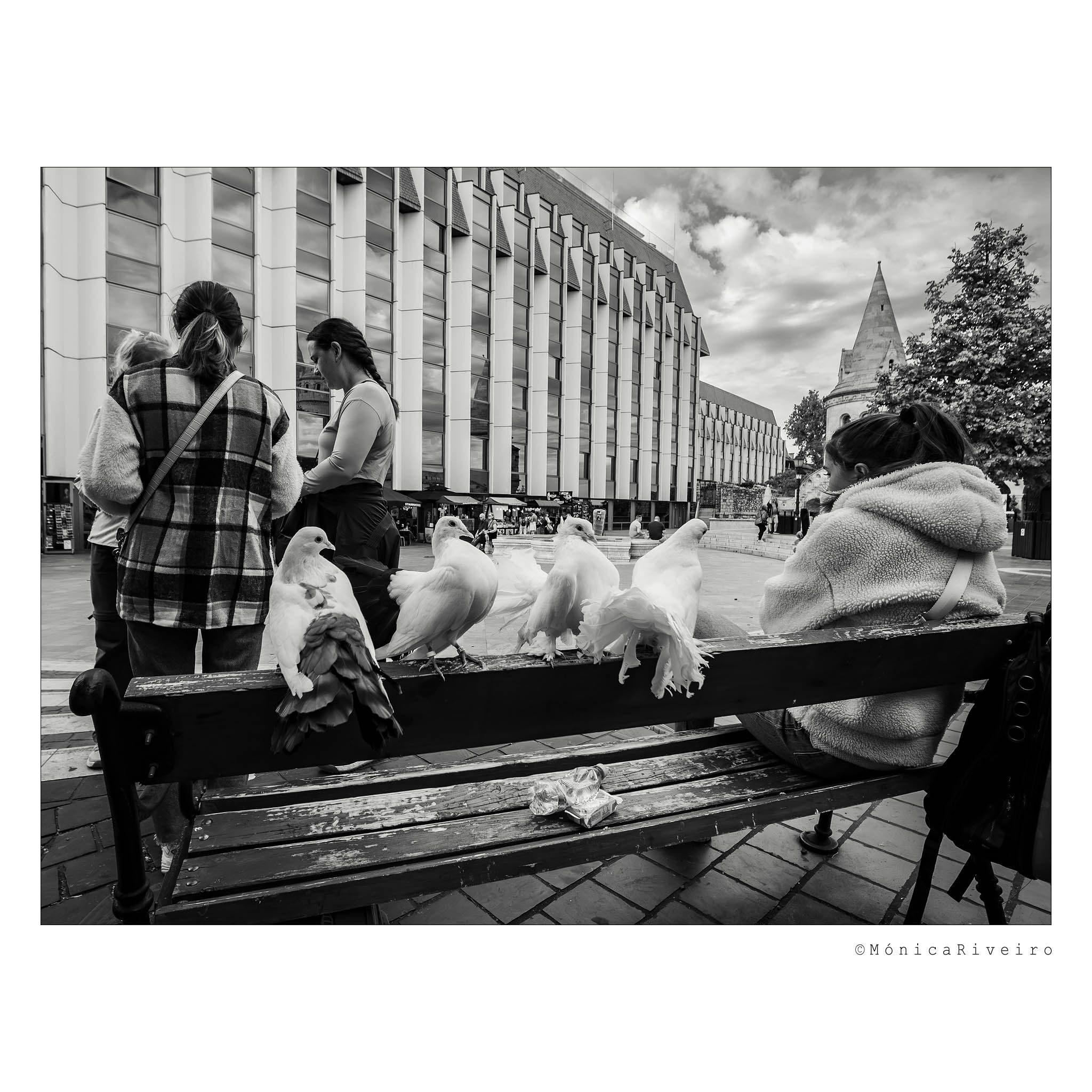
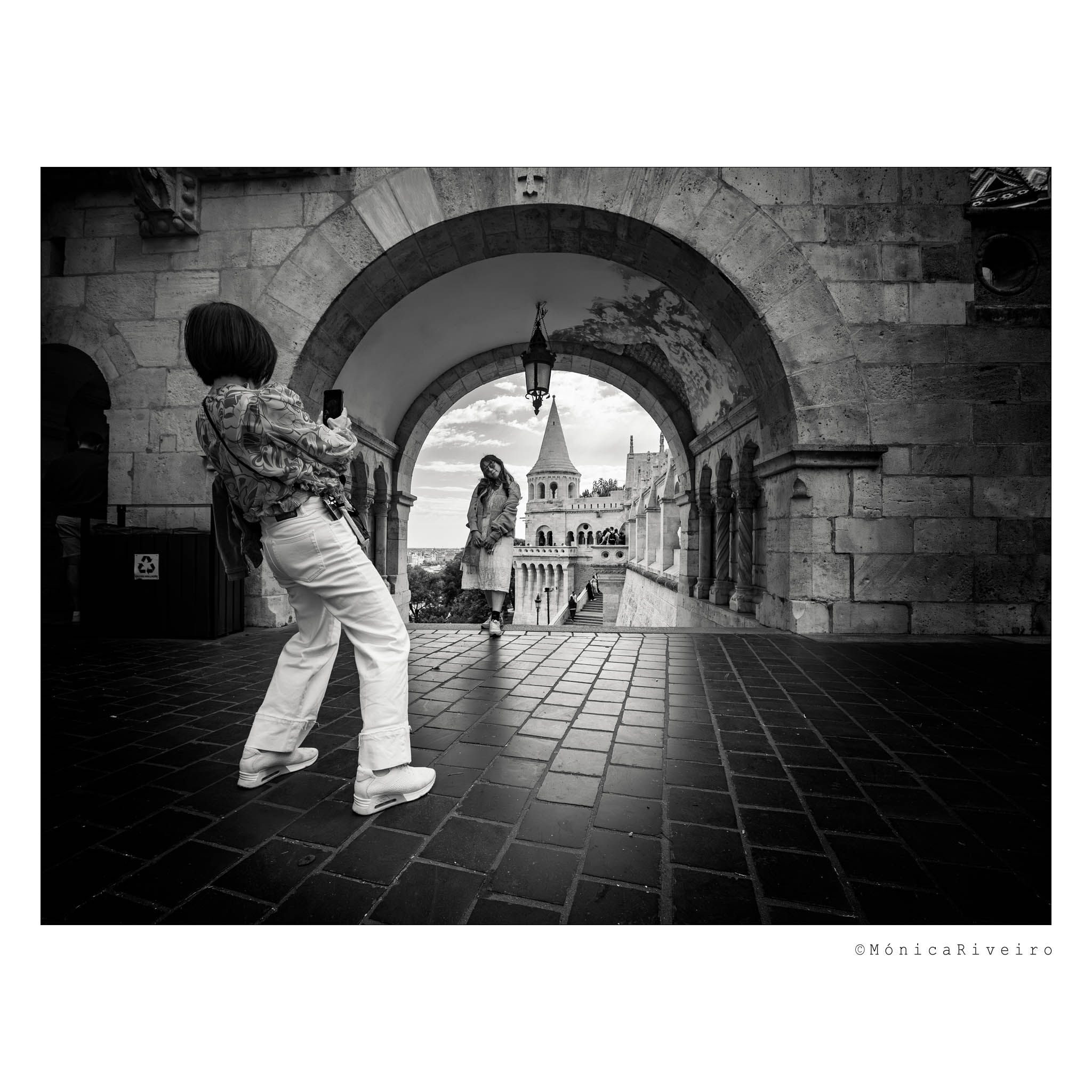
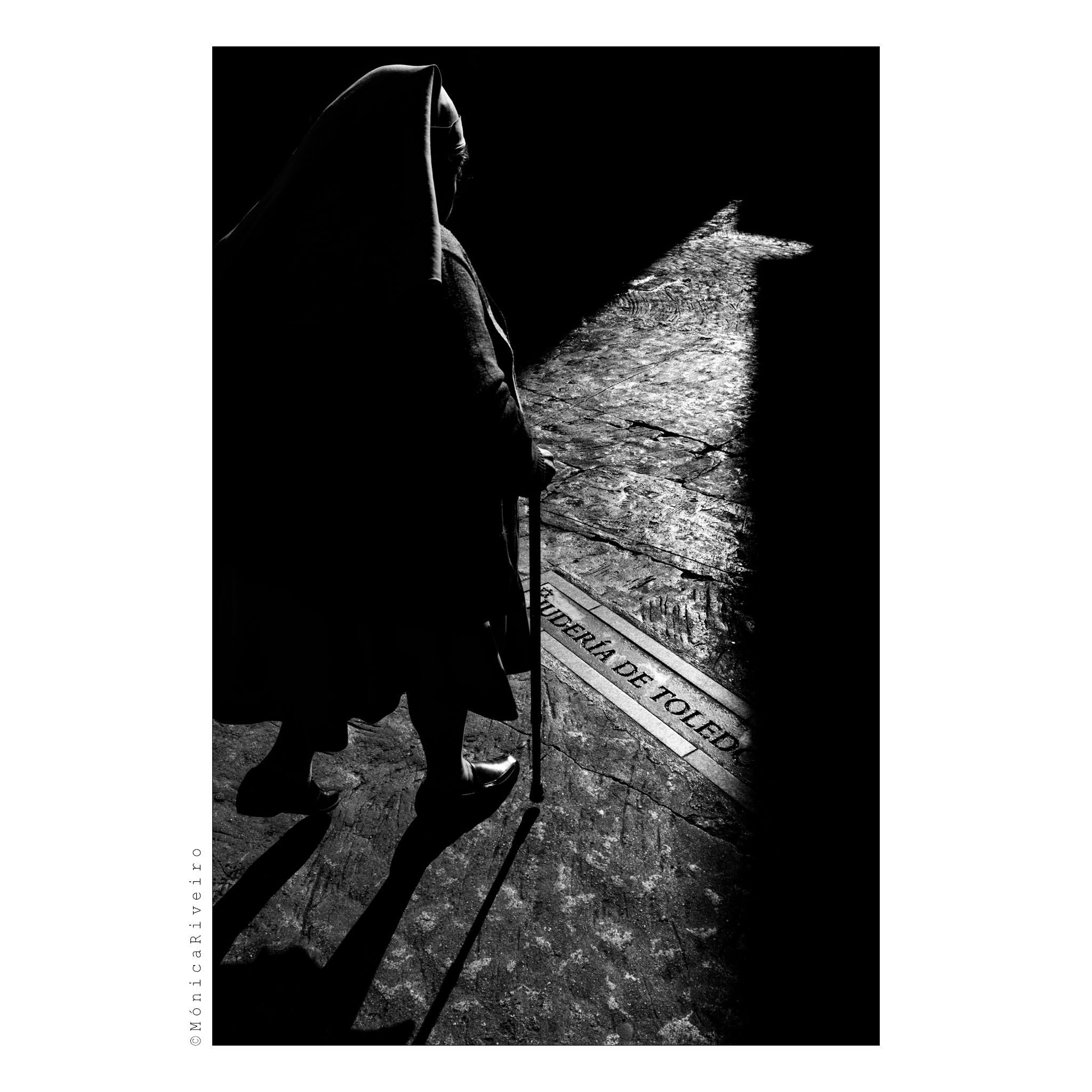
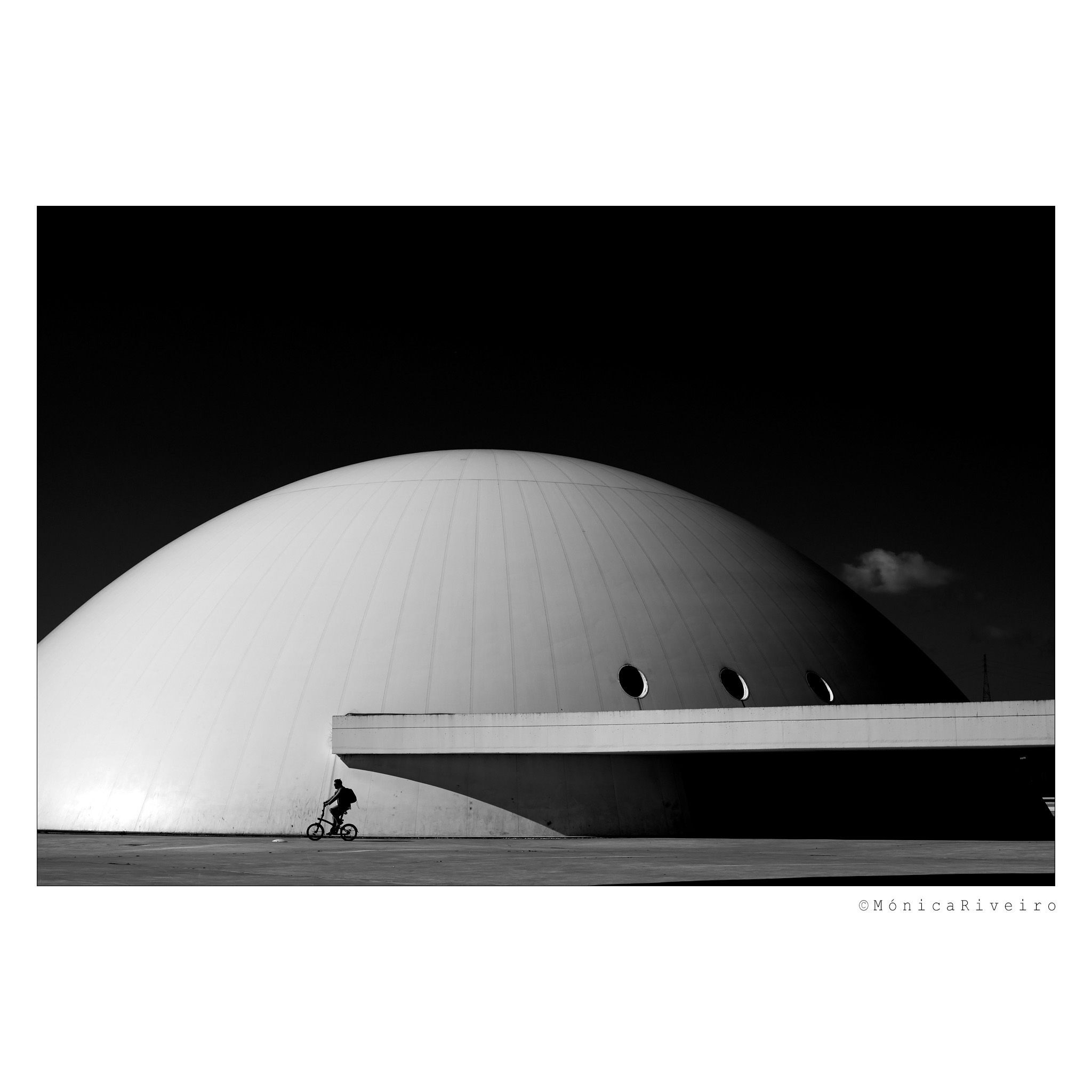
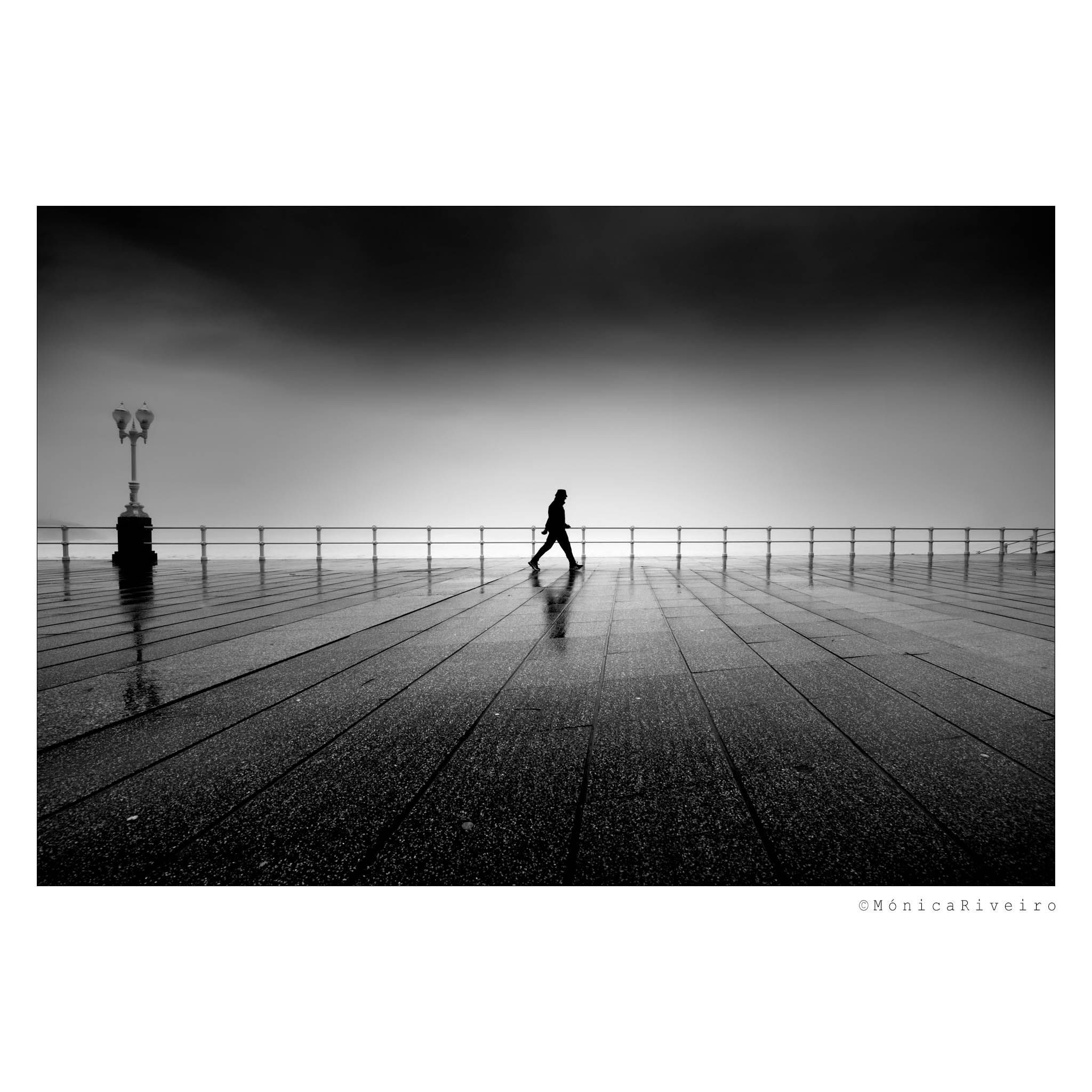
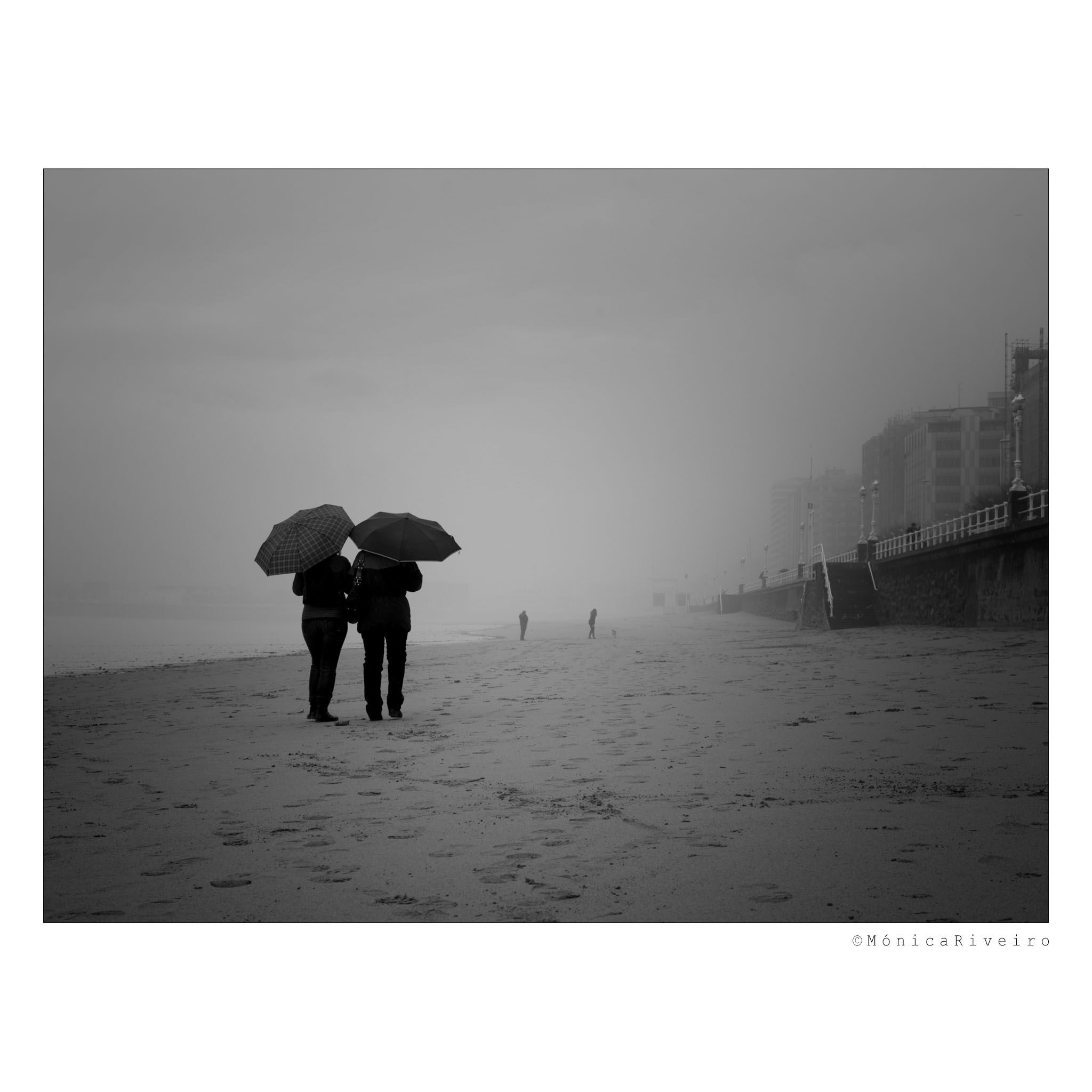
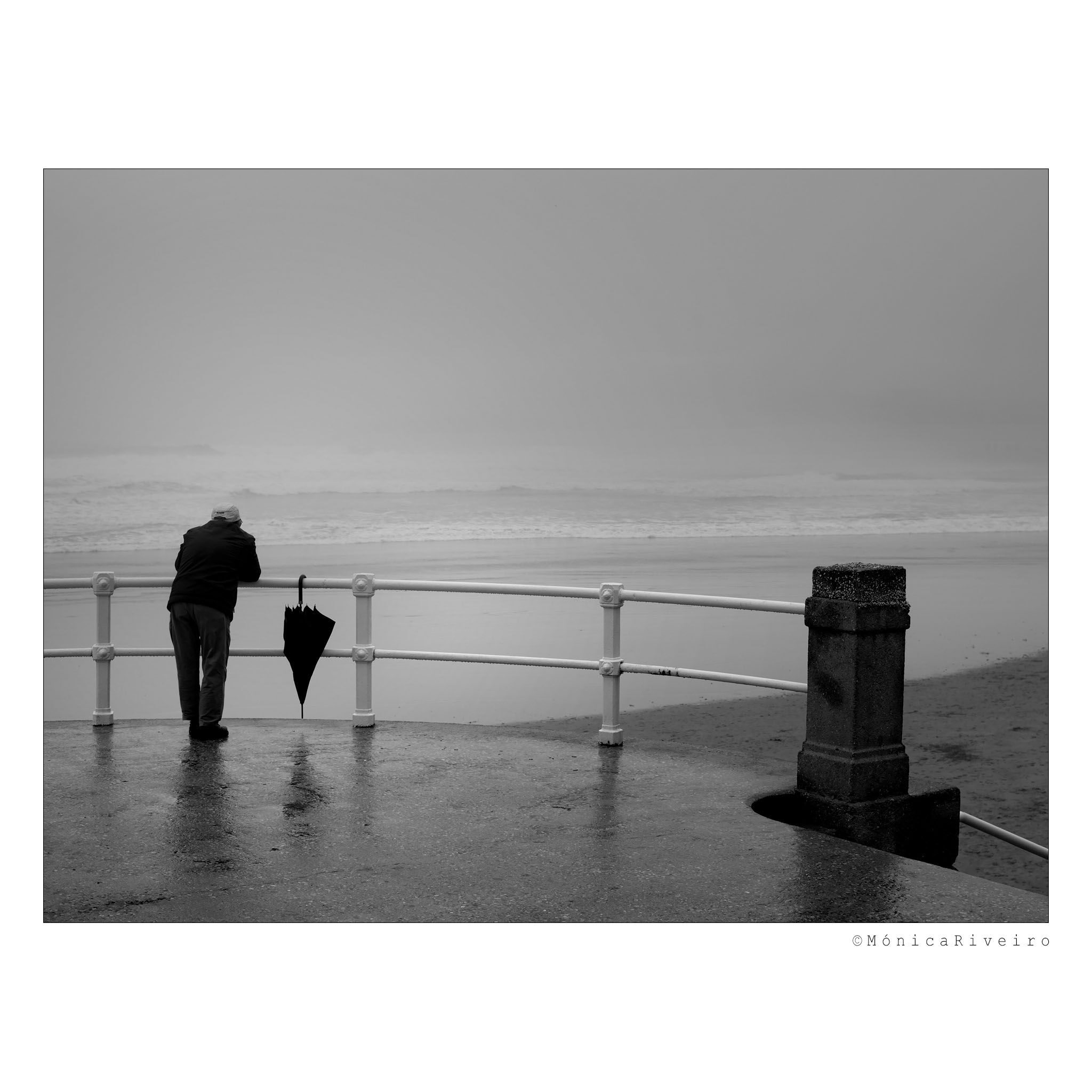
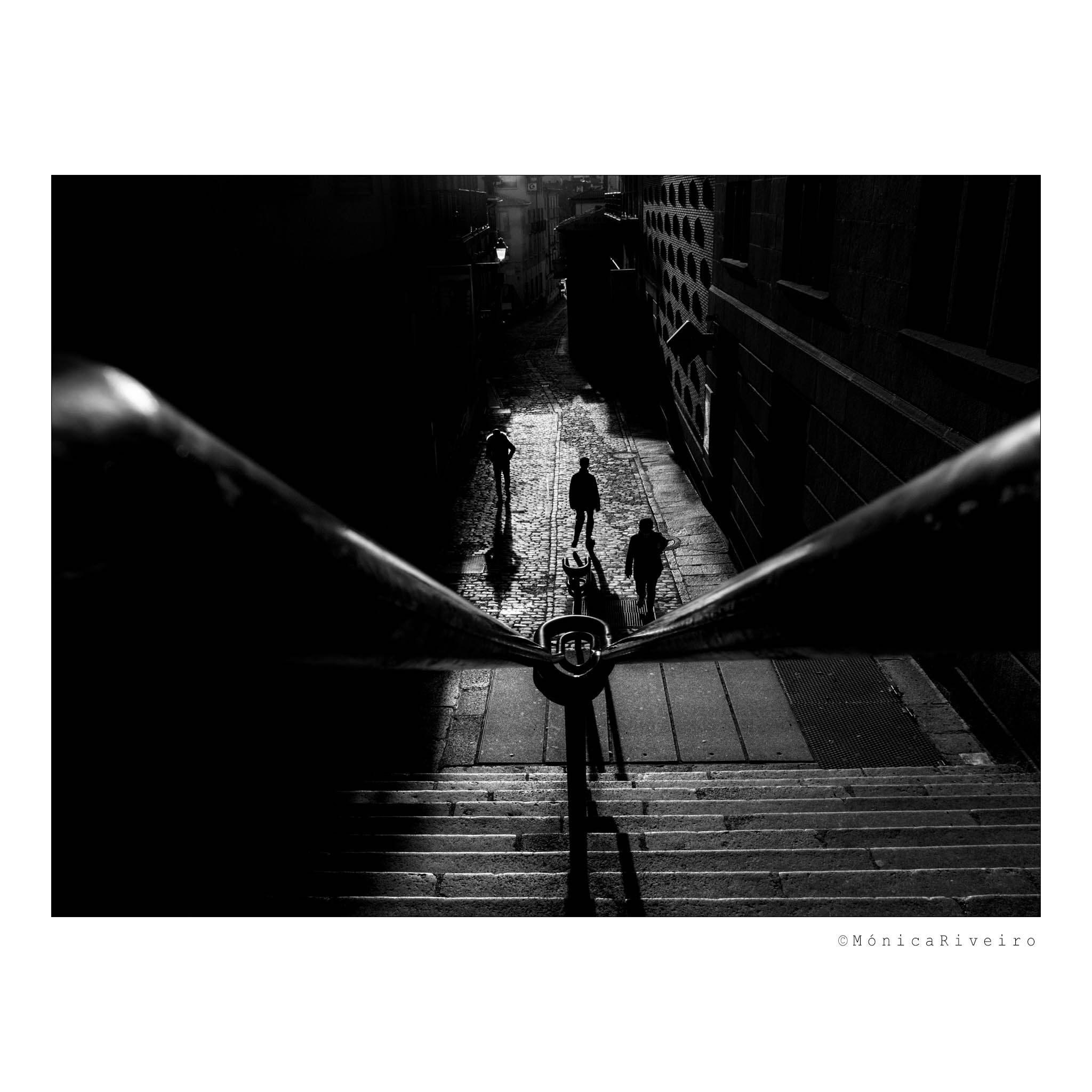
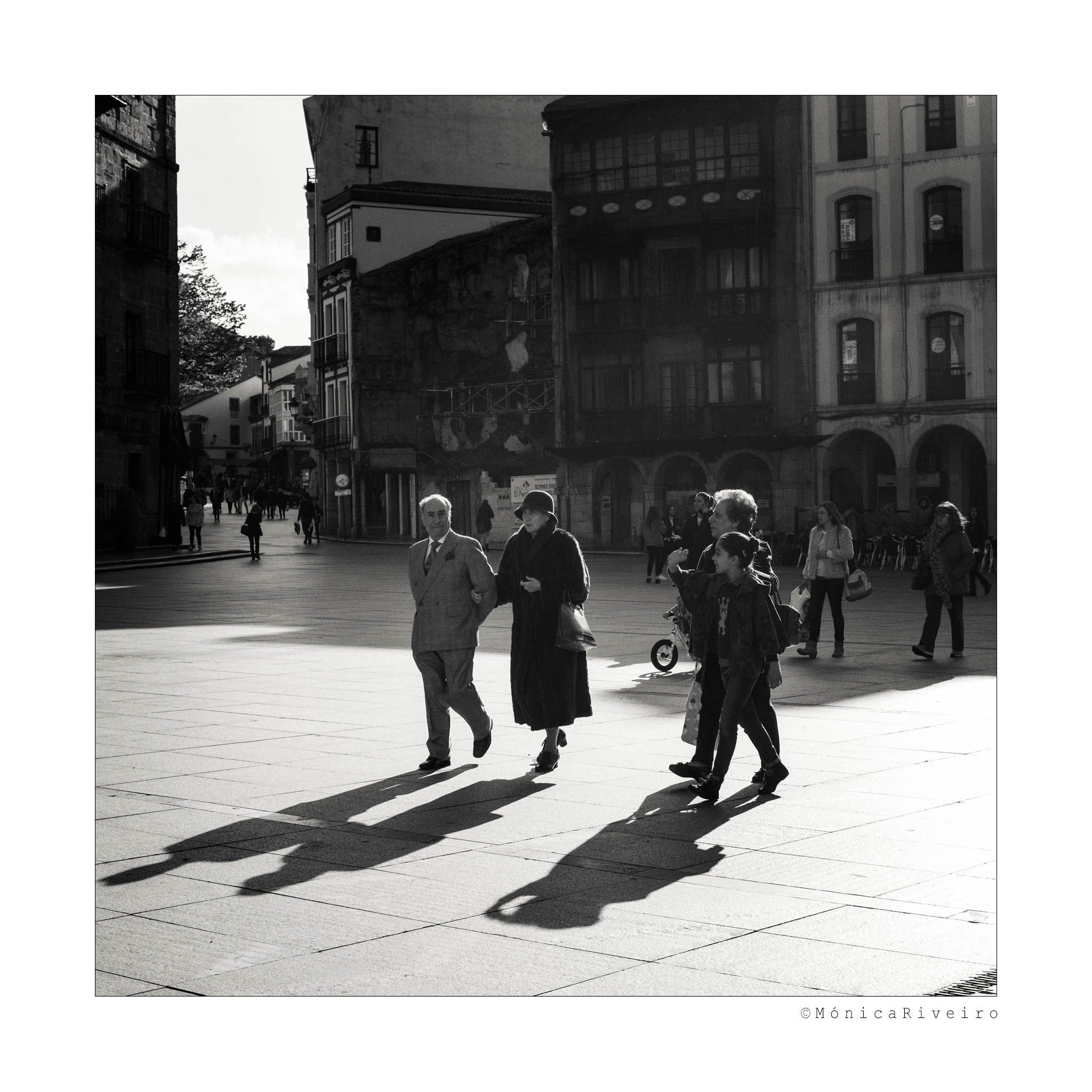
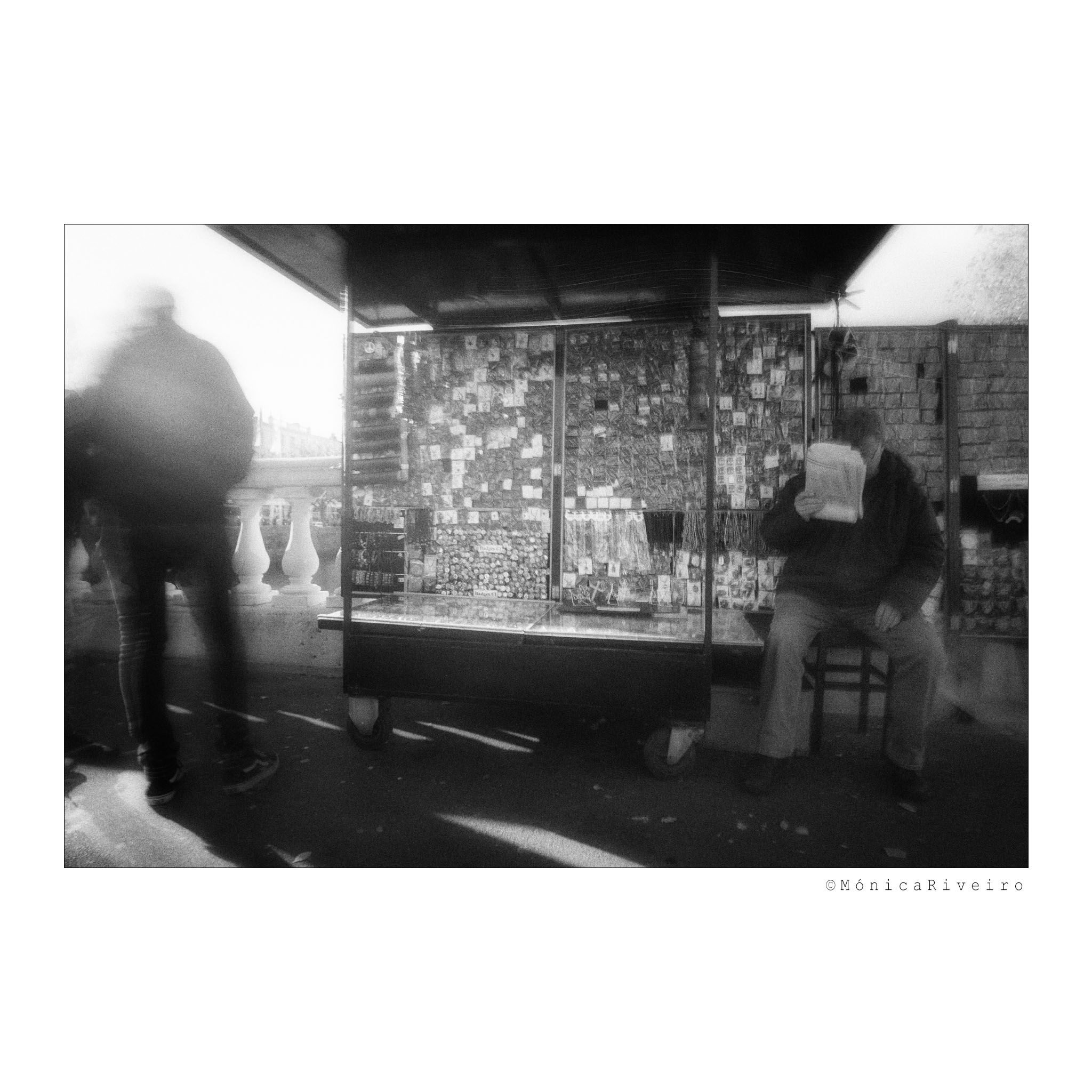
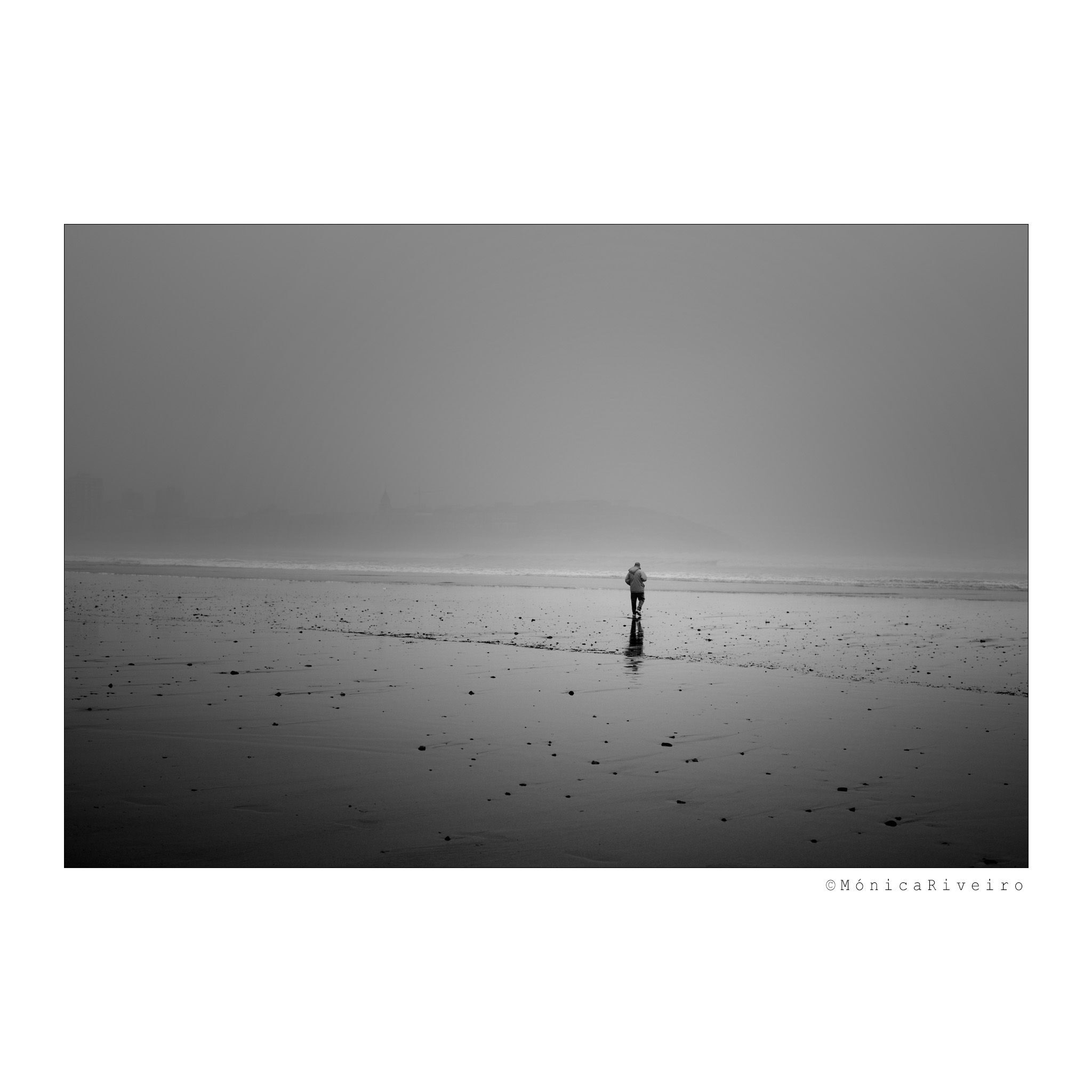
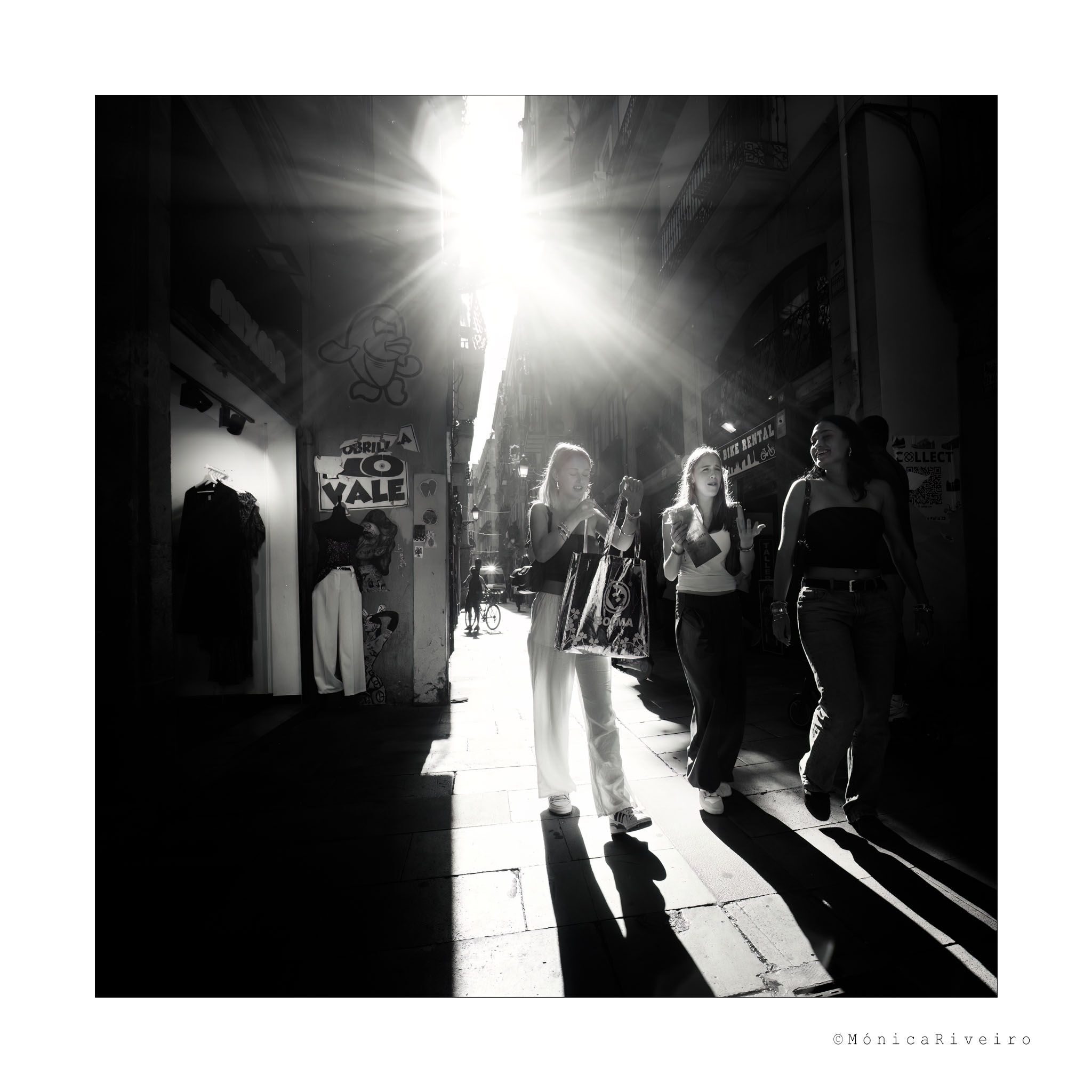
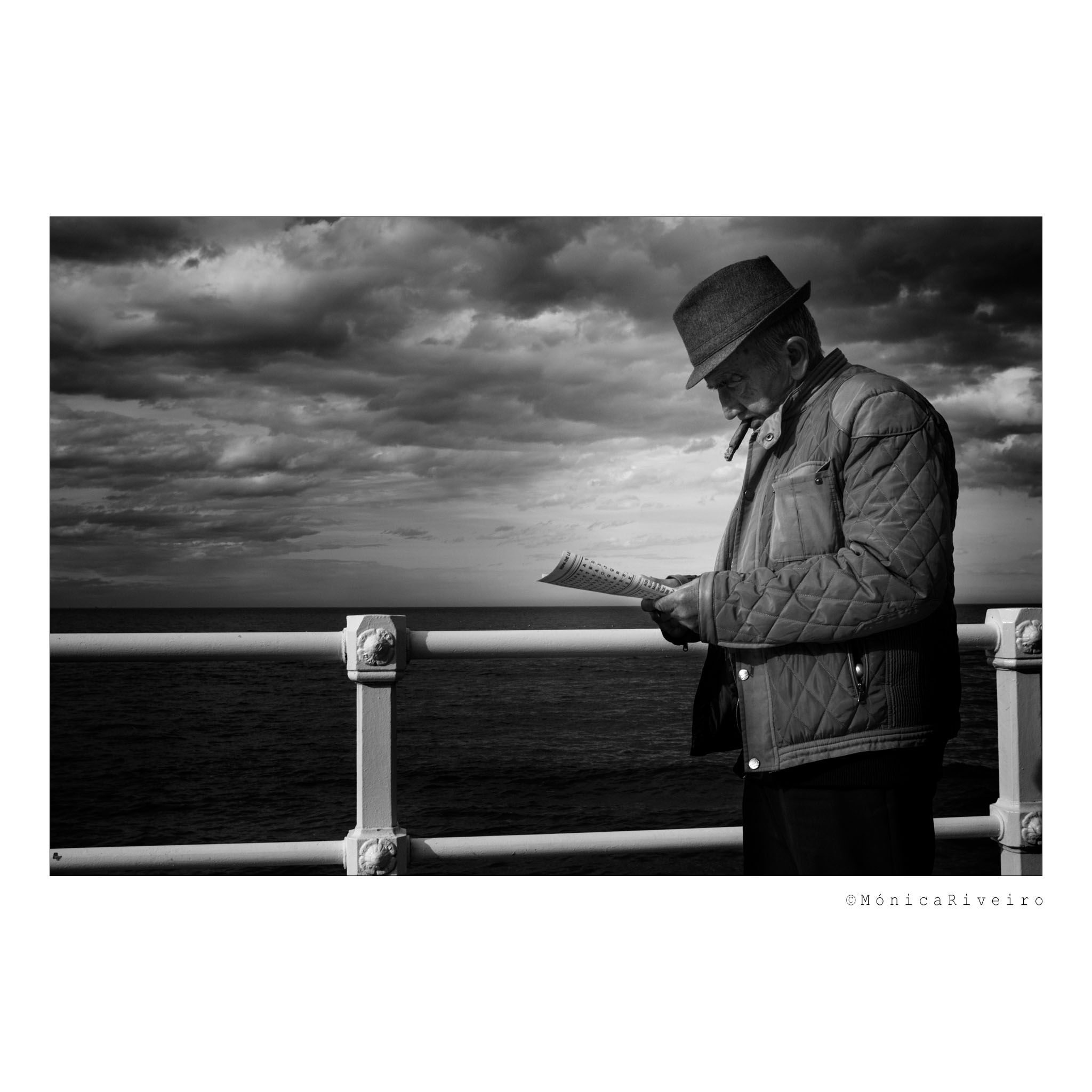
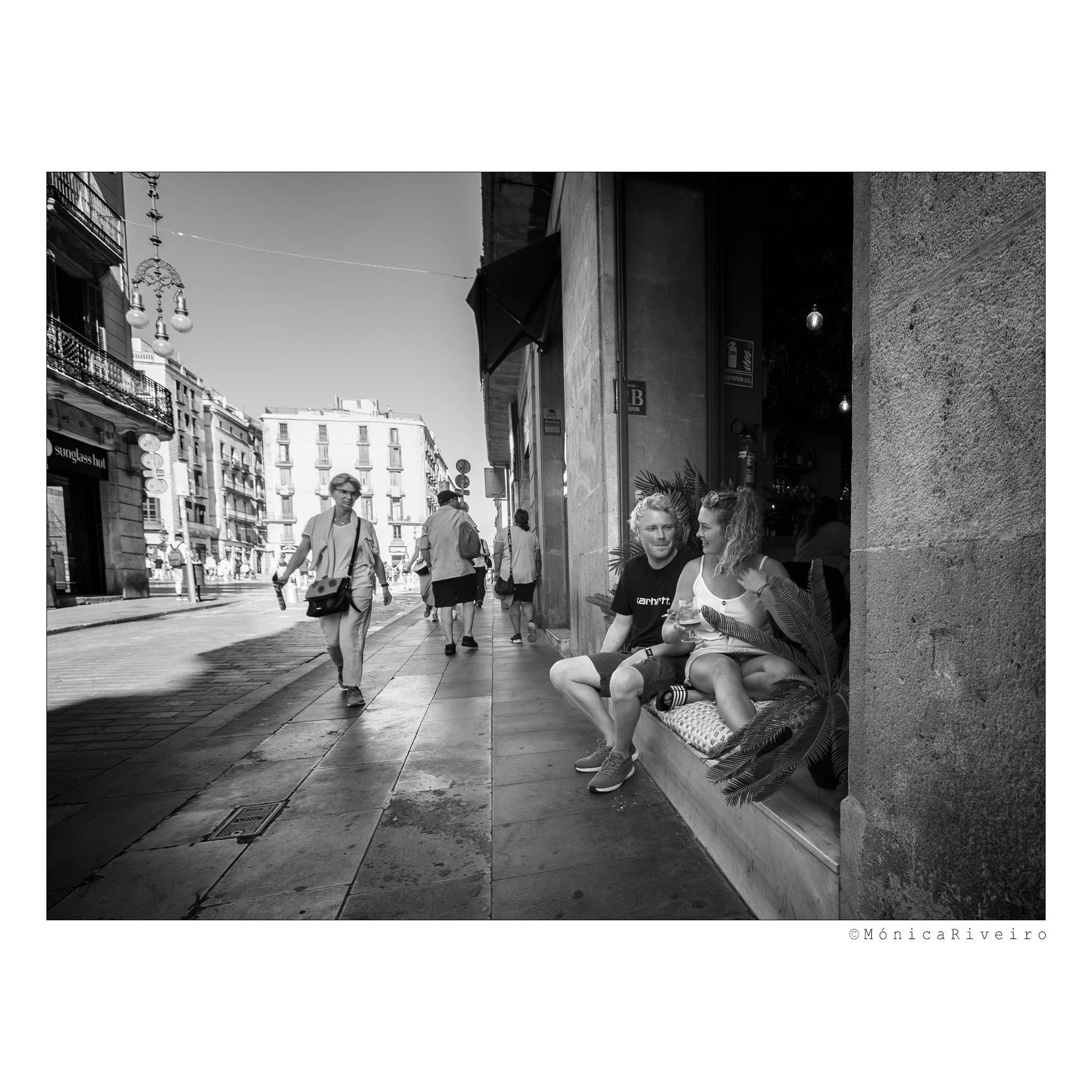
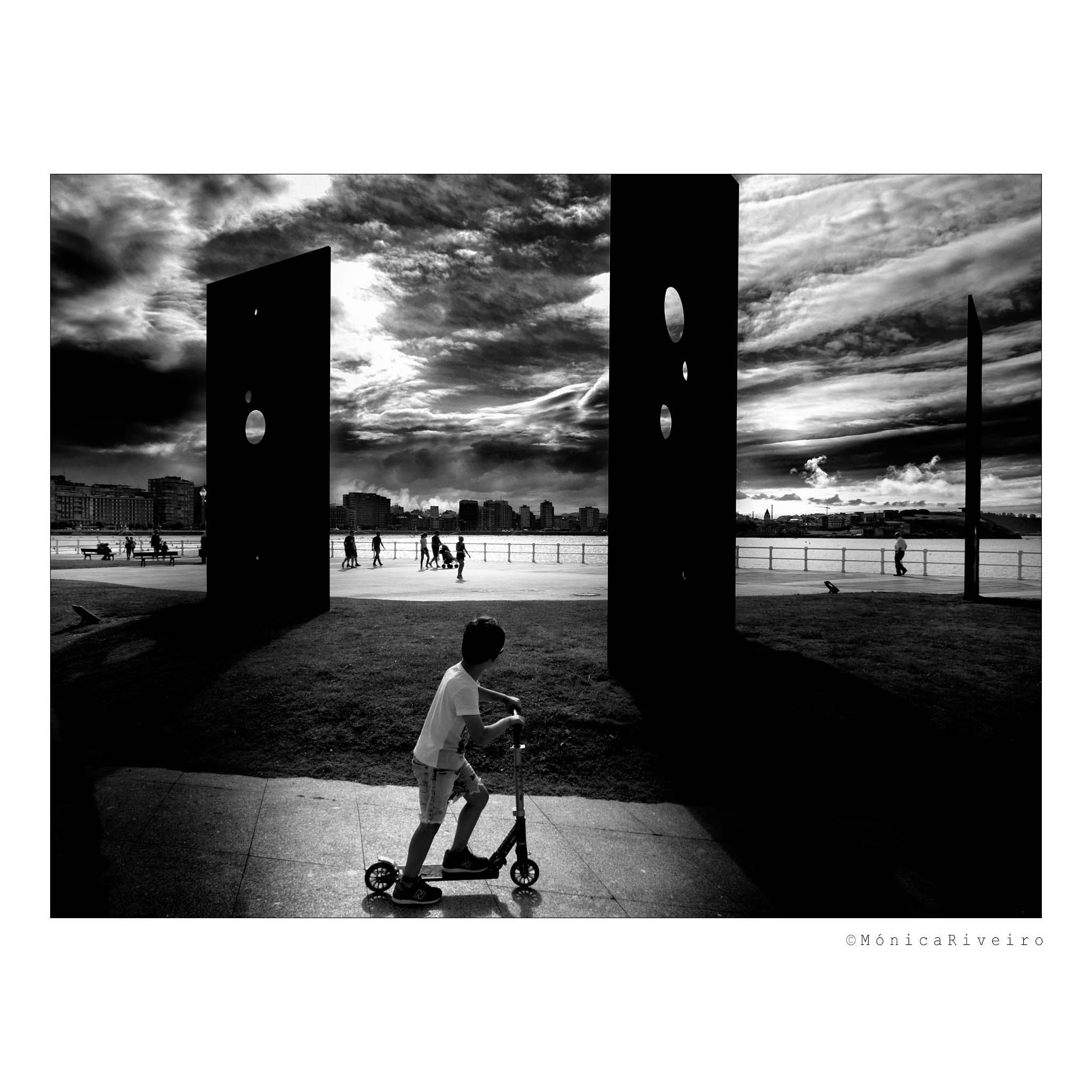
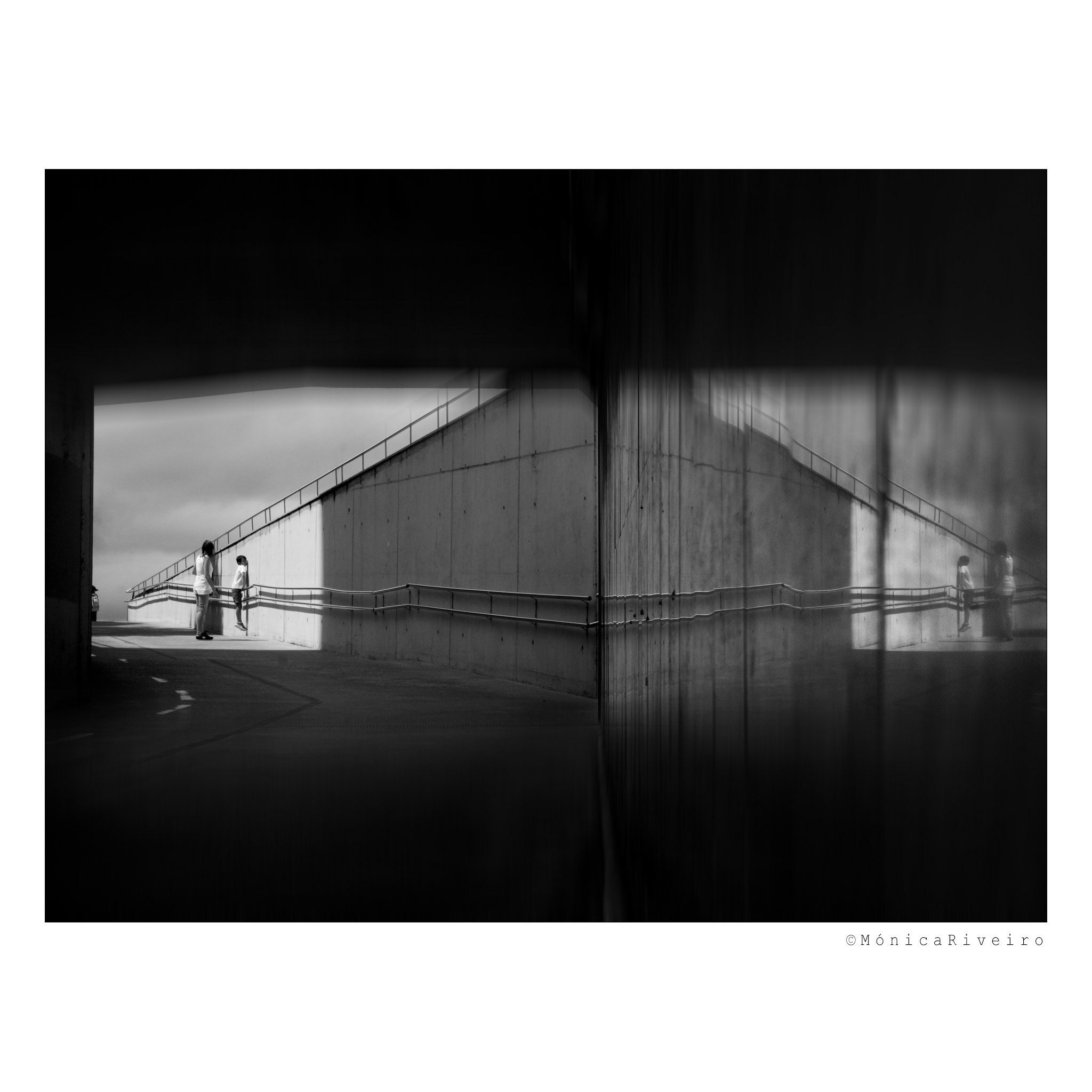
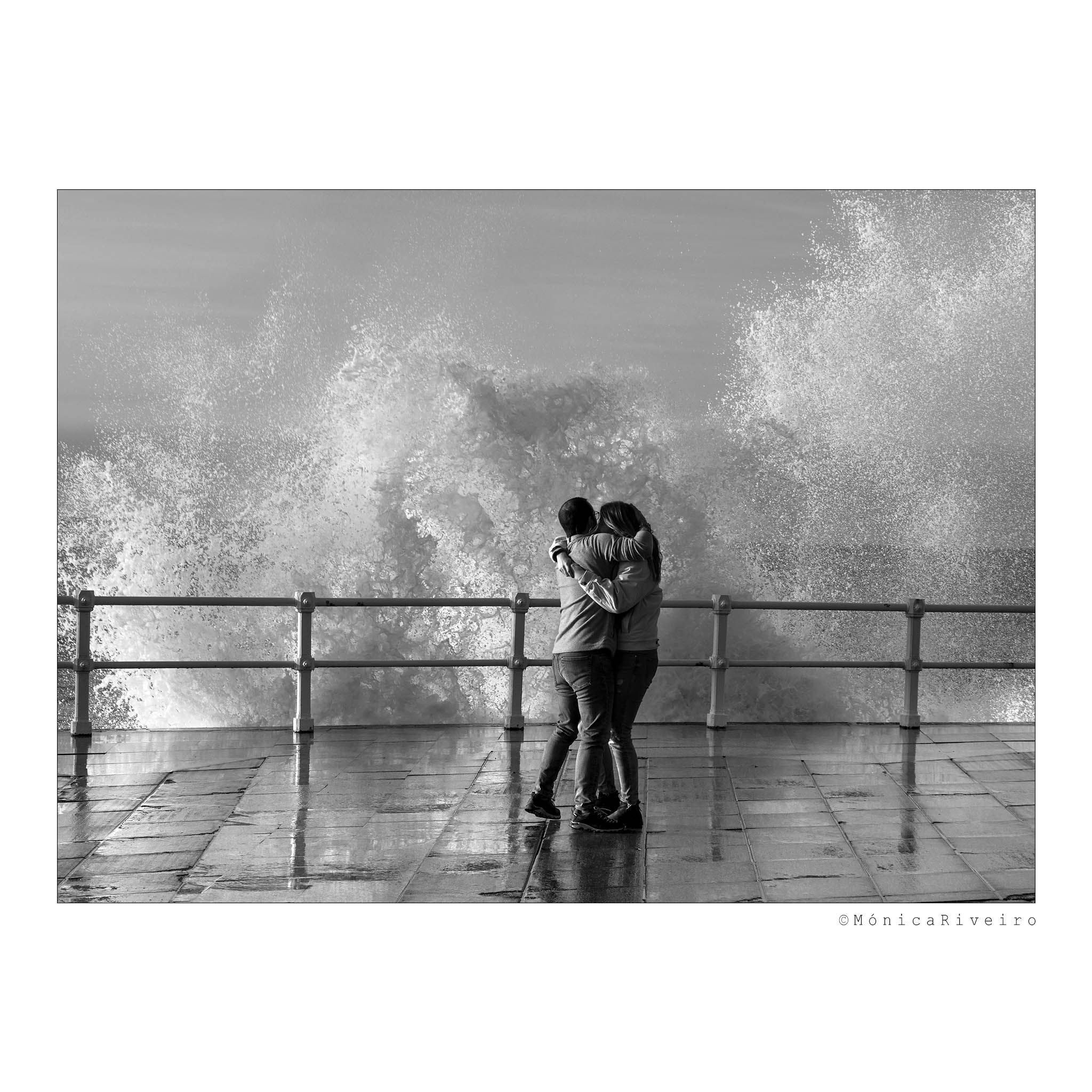
The essence of a city is a blend of reality and the interpretation of the one perceiving it, something James Joyce exemplified by portraying a literary and nostalgic Dublin—more a projection of his own memory than the tangible city. In reading his stories, what we encounter is the essence of Joyce more than that of Dublin. Each person filters their experience of a city through their own perspective, and photographers, like writers, aim to capture that essence through their tools—in this case, images—transforming places into a fusion of reality and personal interpretation. Both take the chaotic and disordered elements of real life and organize them into a harmonious aesthetic whole, they use the ordinary to reveal the extraordinary. The essence is more evocative than reality itself because it is the product of an artistic vision that has refined and reorganized the elements of the scene.
When photographing a city, the author reflects on the duality between the city's essence and their own, which merge to create something unique. Photography, like literature, is not a faithful copy of reality but an artistic recreation; the photographer's vision is always influenced by their emotions and style. Thus, every captured city becomes a reflection of both its atmosphere and the photographer's essence. This perspective suggests that both cities and their observers are in constant flux, and each visit and photograph is unrepeatable, constructing a unique visual reality with every attempt.
In my blog, you can read some thoughts on what my practice in this type of photography means to me... my street photography.