 Mónica Riveiro
Poetry is you.
How many folders covered with Bécquer’s verses used to circulate through the high school corridors!
Poetry in photography
That phrase was pretty much a must on the cover, usually stuck next to some annoyingly persistent little heart.
Those were the days!
Today I want to talk about something I didn’t know how to name for years: poetry in photography.
But let’s get to the point. What is poetry?
According to the RAE (the Royal Spanish Academy): “it is the manifestation of beauty or aesthetic sense through words, whether in verse or prose.”
Alright… let’s try another definition.
If we ask ChatGPT, it tells us: “it is a form of artistic expression that uses language in an aesthetic and rhythmic way to convey emotions, ideas, or experiences intensely and concisely. It often employs tools like metaphor, imagery, musicality, and economy of words to create a deep effect on the reader or listener.”
Alright, all good.
But then... how about poetry without words, made of images, that isn't "read" but looked at?
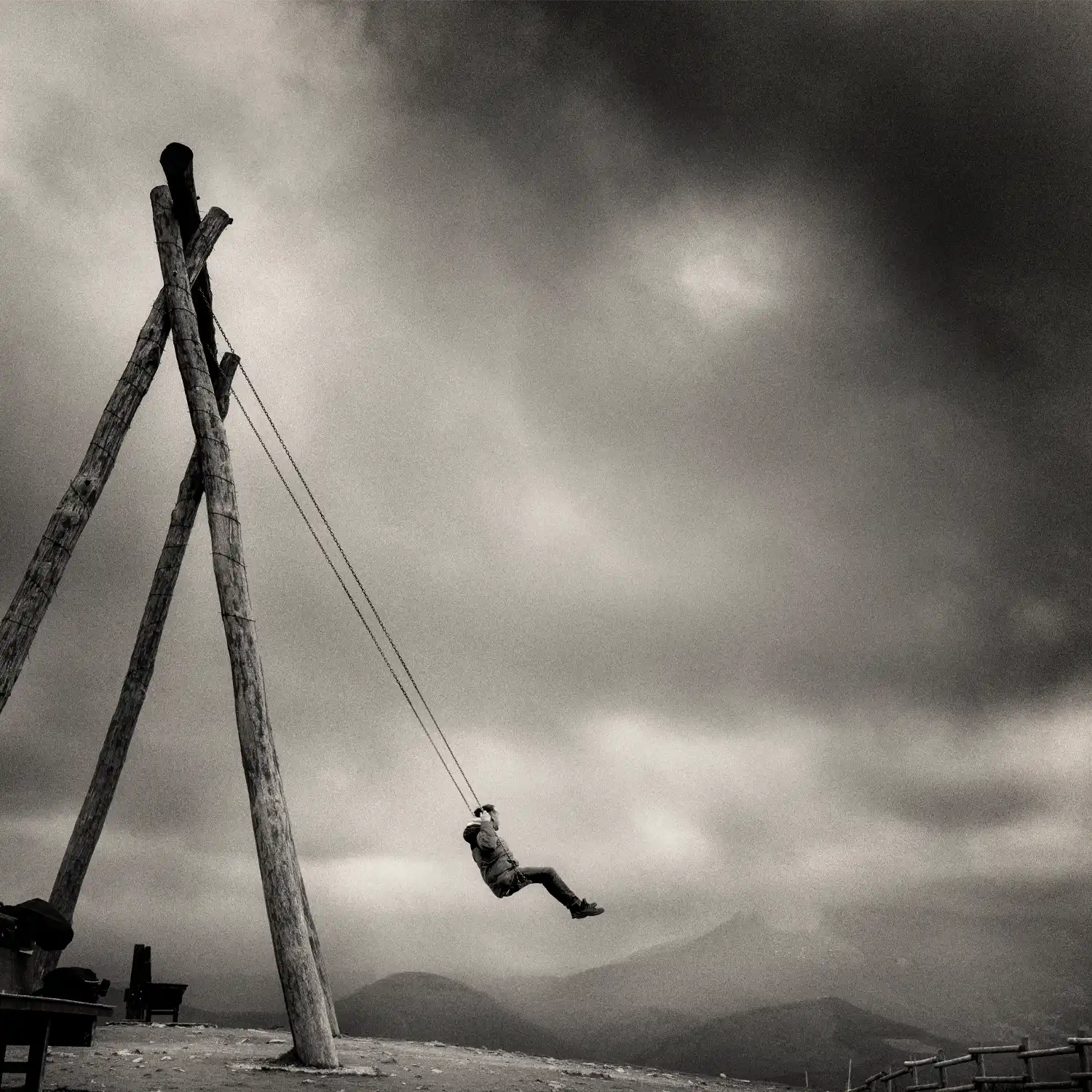
Beauty is not a quality of the things themselves: it exists only in the mind of the beholder, and each mind perceives a different kind of beauty.
On the standard of taste – David Hume
Beauty
If poetry has to do with beauty… then it’s worth clarifying just what the heck beauty actually is.
I want to bring Gotthold Ephraim Lessing into the scene. He said that the beautiful is not simply what pleases our eyes, but that which, through them, delights our imagination. In other words, art in its various forms (literature, painting, photography, music…) shouldn’t show everything, but leave space for the viewer to complete the emotion. That’s where the real impact happens.
Art isn’t meant to serve everything up chewed and ready.
To leave space.
Para dejar espacio.
So you can complete the climactic moment in your own mind.
And most importantly: the most powerful art doesn’t show everything; it evokes.
To evoke rather than to narrate.
To suggest instead of explaining.
To hint rather than highlight with a fluorescent marker.
That, I believe, is an essential part of beauty.
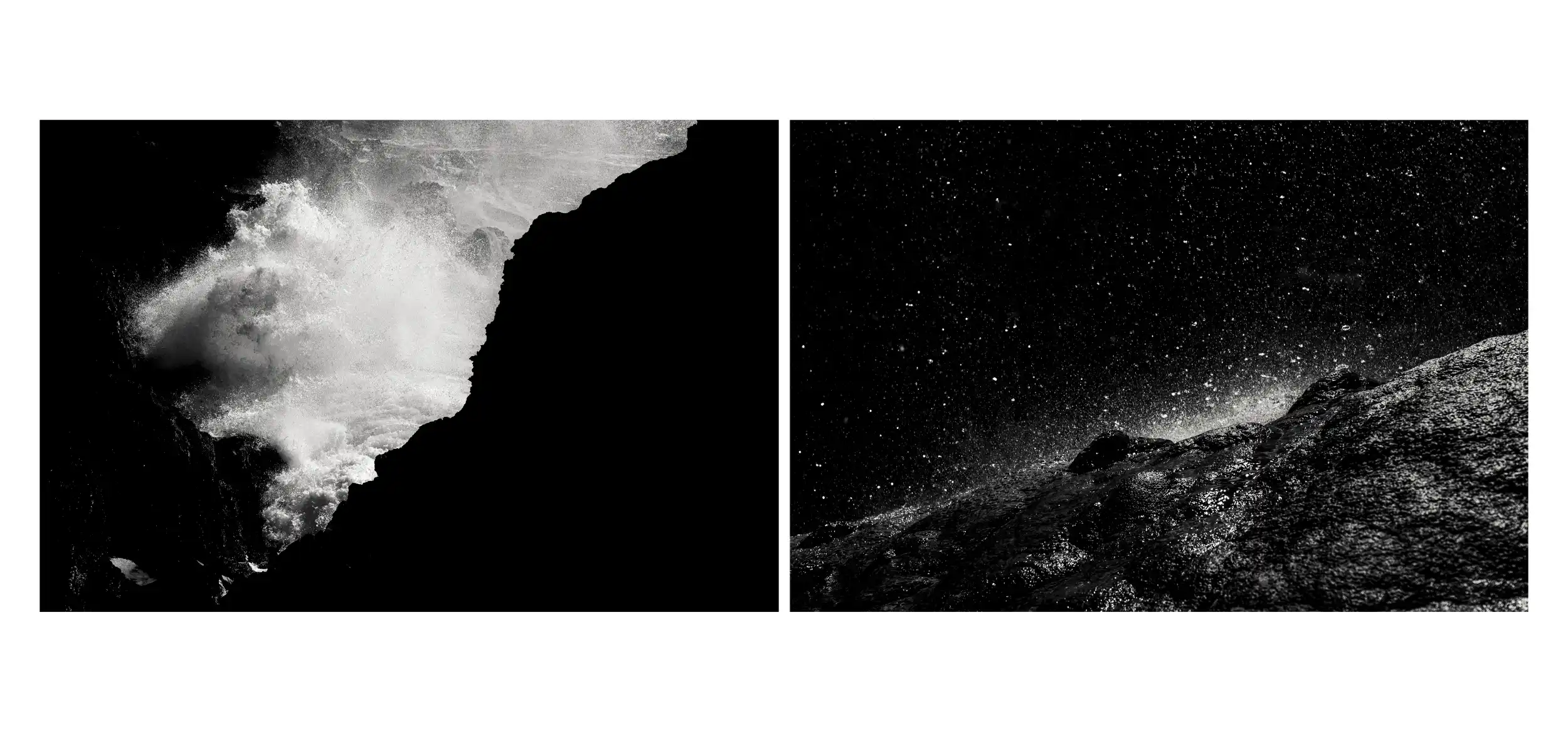
I confess: I used to hate poetry.
Now comes the awkward part…
In school, I hated poetry (among many other things).
Yes... I confess.
Analyzing verses, hunting for metaphors, dissecting literary devices… It all felt like torture to me.
I didn’t understand a thing. Not a single bit.
And when it came time to explain in class what the author “meant,” I practiced the ancient art of sliding down in my chair to disappear among my classmates’ heads. But of course… that gesture drew way too much attention.
Back then, my thinking was simple: can’t people just speak clearly and stop dressing everything up in metaphors, for heaven’s sake?
My mind was elsewhere, literally sailing other seas.
And yet...
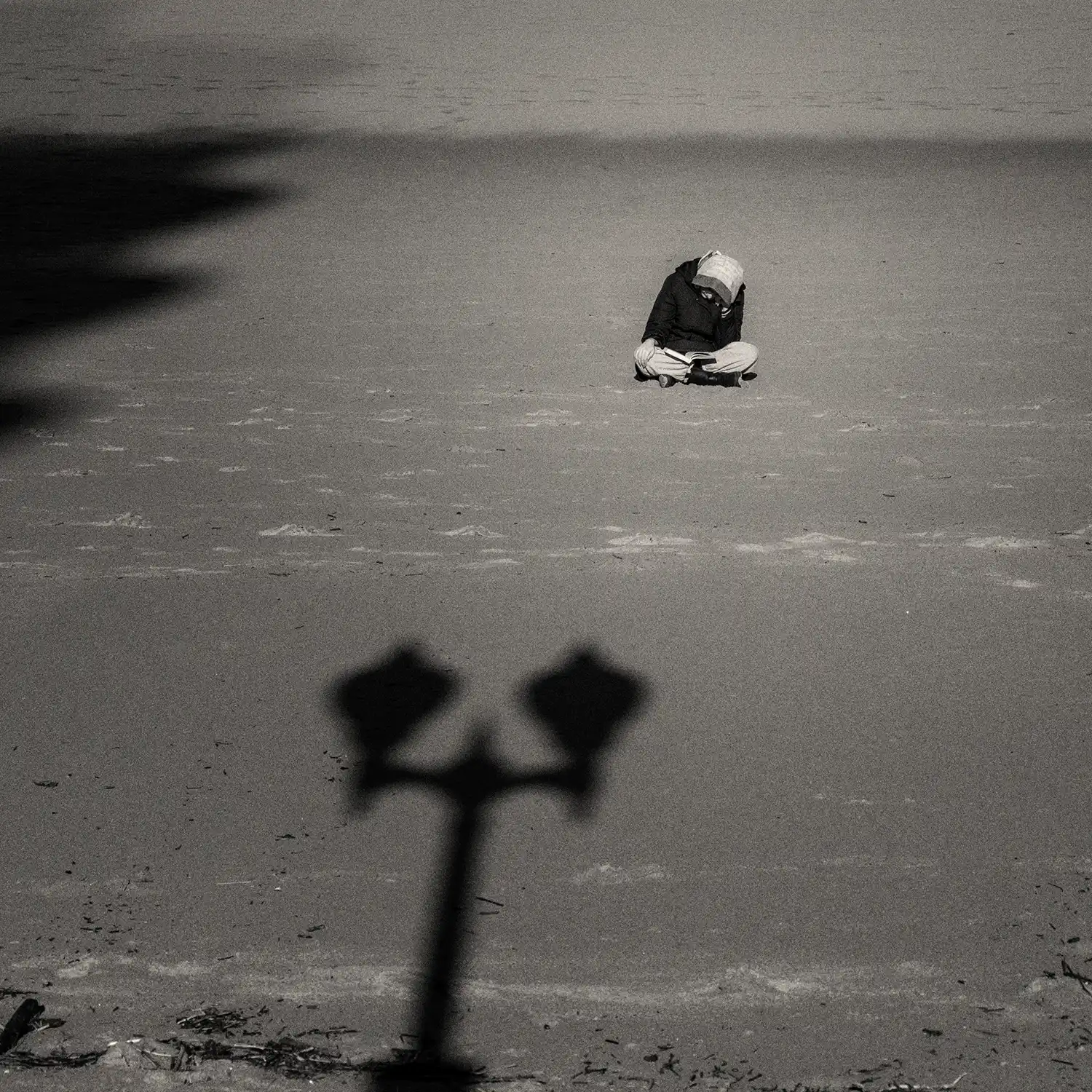
Emotional poetry
After rejecting written poetry… life’s little irony… photography made its entrance.
Buscaba belleza sin saber que la estaba buscando.
And I found it both in what was aesthetically pleasing and in what was uncomfortable, rough, or seemingly ugly.
Over time, I discovered something both puzzling and fascinating: I was trying to create poetry… with images.
Sin palabras, ni versos, ni estrofas.
Visual metaphors. Symbolism. Rhythm. Narrative sequences. Evocation.
Exactly the same thing that used to irritate me in language class… but translated into a language I could actually understand.
And I keep trying. Sometimes my own images move me, and then I think that maybe, just maybe, I’m managing to capture a bit of poetry.
Does it make sense? Absolutely.
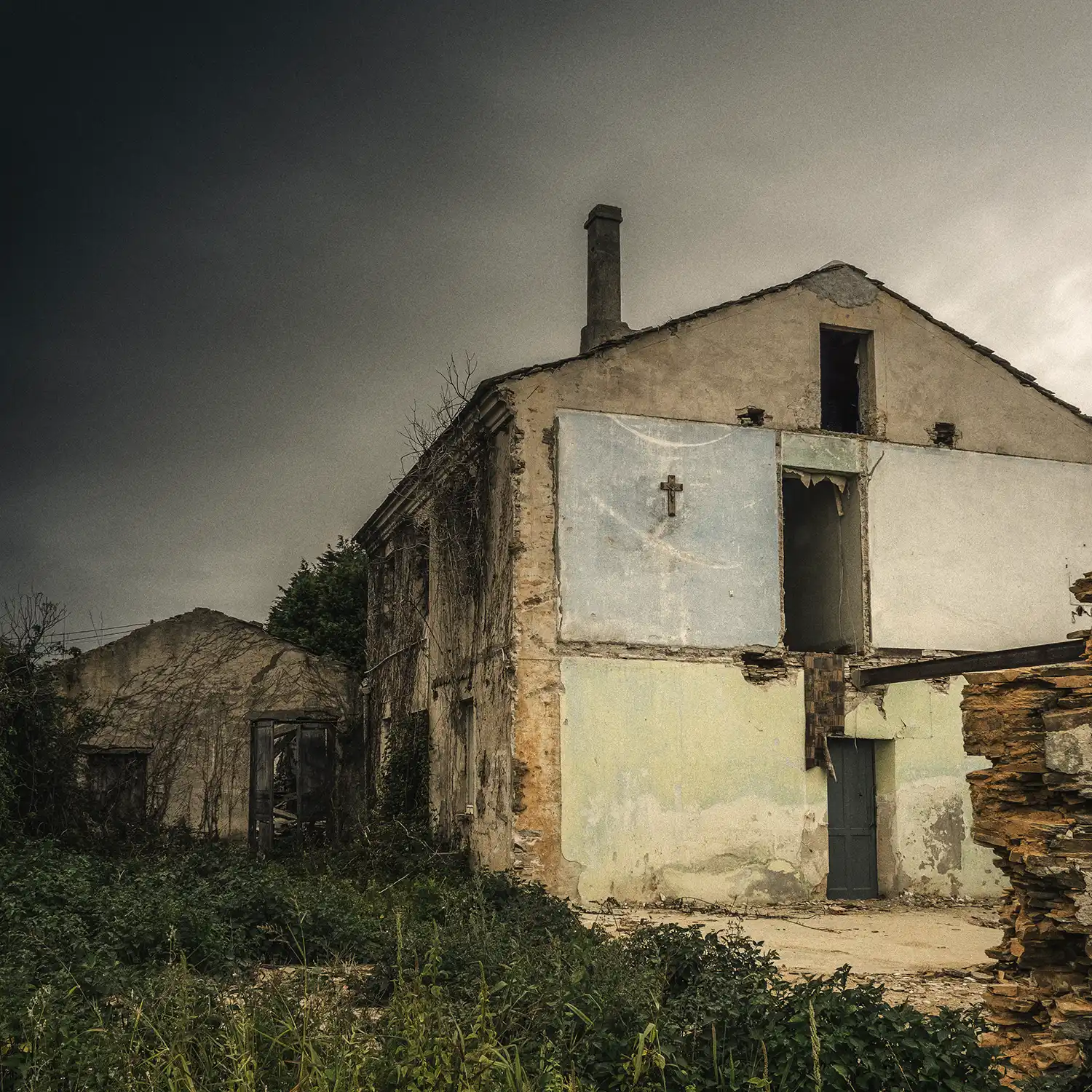
Photography as a poem
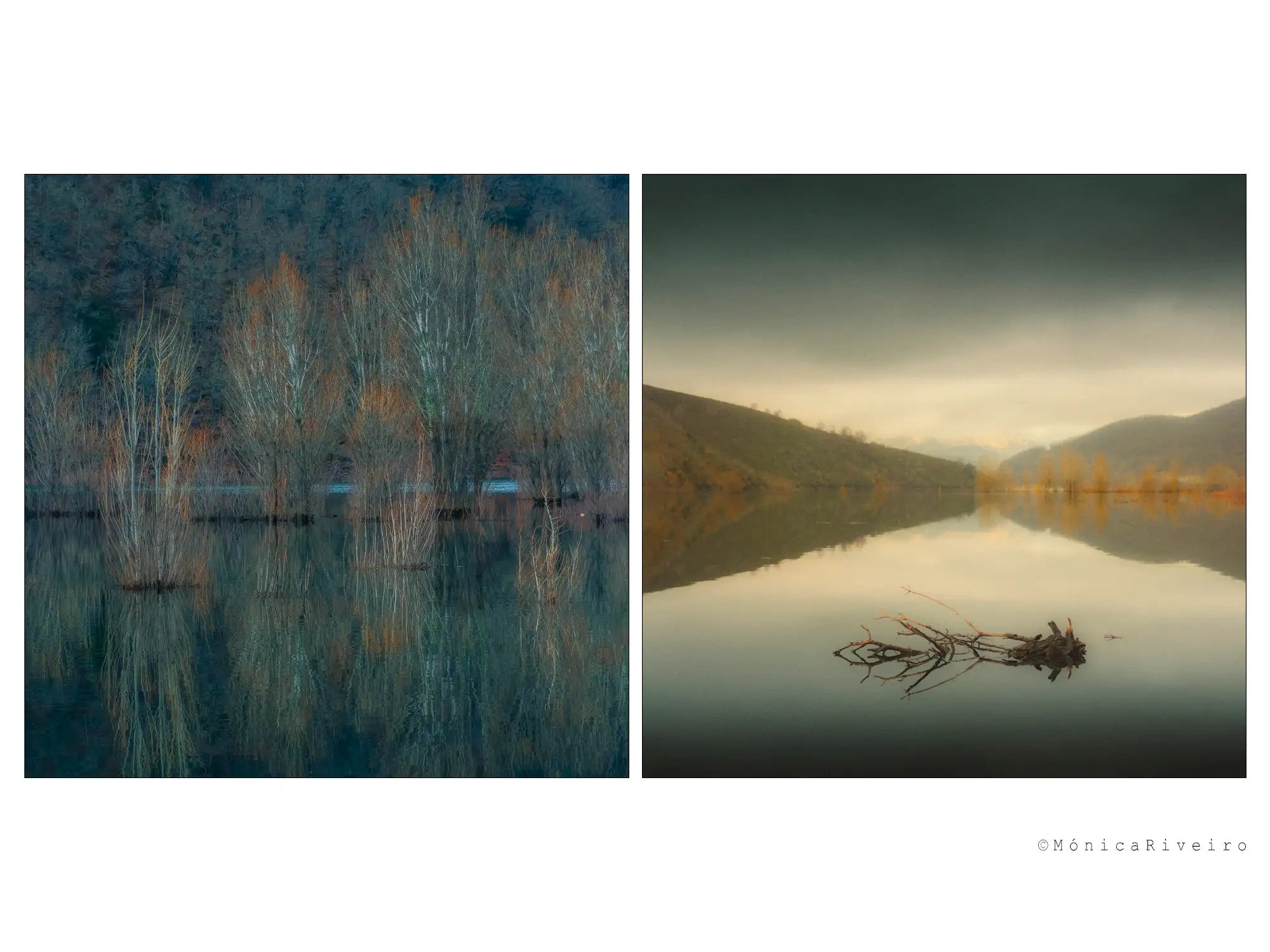
A diptych can be a verse.
A sequence of images, a poem with rhythm.
A photo series, an emotional structure.
Sometimes, though, a single image is enough to evoke so much that it becomes a complete poem on its own.
There’s no need to tell a complete story.
What’s needed is to build a path toward an emotion.
A visual poem doesn’t explain: it suggests.
It doesn’t force you to feel: it opens the door for each viewer to feel what they need to feel.
The images converse with each other, and that dialogue is the guiding thread toward emotion.
That is poetry.
Leonardo da Vinci argued that painting served a purpose more worthy than poetry, because it represented the works of nature with greater truth.
Jean-Baptiste Dubos maintained that painting held more power than poetry because it acts directly on the eyes, using “natural signs” instead of artificial ones.
What I do know is that when an image strikes you without the need for words, something deeply poetic is happening. Like when you hear a song and get goosebumps without really knowing why—that’s when something profoundly poetic occurs.
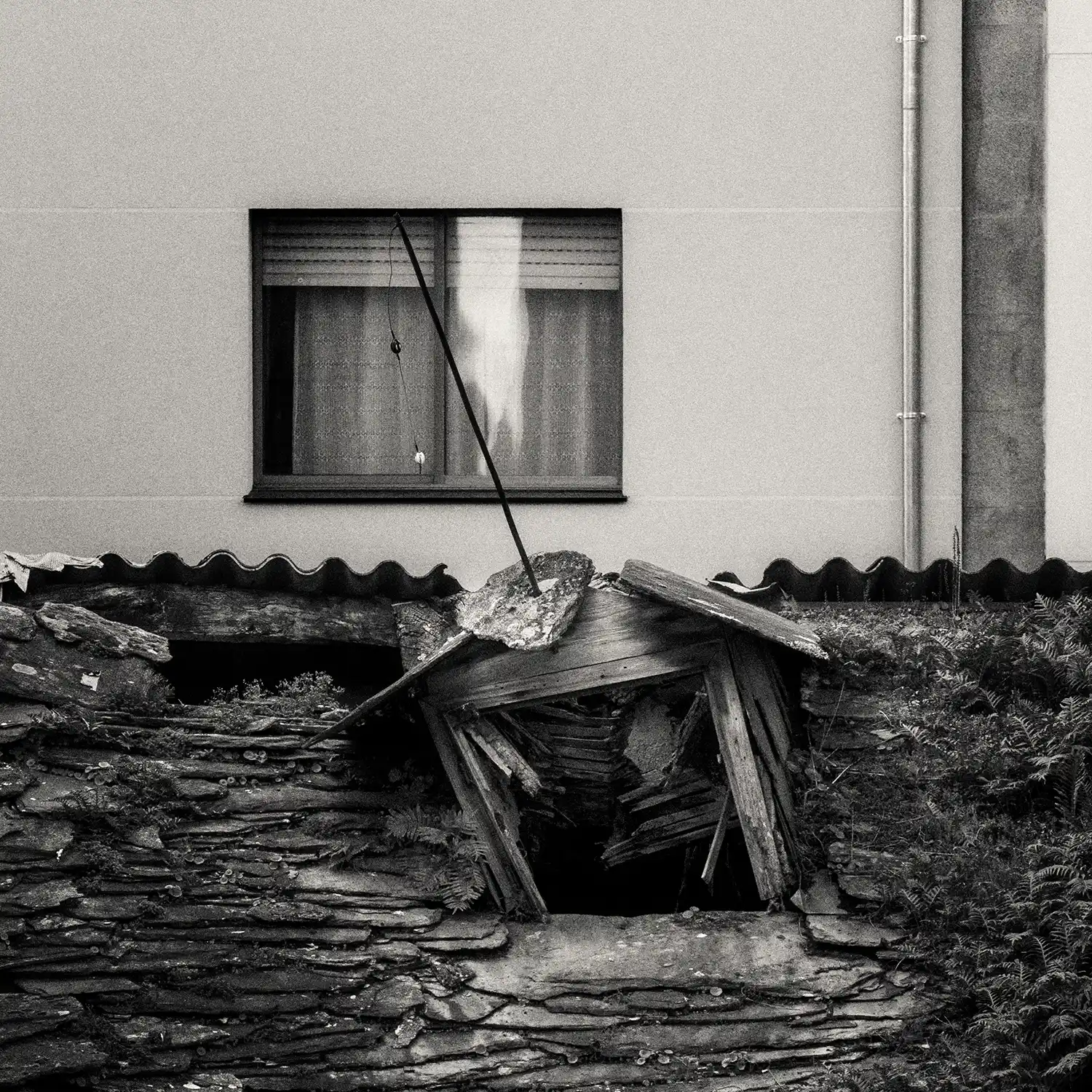
From ink to light
For many years, I took photographs without knowing how to name what I was doing.
Now I understand: I was searching for—or finding—that moment when something stirs something inside you.
It’s an emotion you can’t explain.
To evoke rather than to narrate.
That’s the key.
Today I read poetry differently. Without fear. I understand it better (though not always) and I enjoy it.
Maybe it wasn’t that poetry wasn’t for me, but that it was speaking a language I still didn’t know how to translate.
Now I do.
And it turns out I’ve always been trying to write poetry… just with light.
Until now, I had fragments of a poem not yet written; now I’m piecing them together so they take shape in verses and stanzas.
For years, I’ve kept among my most treasured possessions a book titled Poética fotográfica by Llorenç Raich Muñoz. I’ve highlighted it to death. Every time I return to it, I discover a new, sublime paragraph. (Yes… I highlight books with a pen. I have no respect for them, and I love it.) I recommend it to everyone.
I recommend listening to this audio from the program Una Canción para un Fotógrafo on RTVE, dedicated to Photography as Poetry by Llorenç Raich Muñoz.
And music? Isn’t that also poetry and beauty? Surely it is… but let someone else write about that, right? A musician, for example. I’ve already gotten myself into quite a photographic-philosophical mess and don’t need any more complications.
 Gijón. Epicenter. Photography. A bridge between two centuries through the camera
  The world in black and white: silence, depth, and mystery
  When Images Know Things You Don’t Yet: Photography, Intuition, and the Unconscious
  Taking the camera for a walk: frustration, motivation and photographs that say nothing
  Photographing windows in Prague