 Mónica Riveiro
PHOTOGRAPHING WITHOUT INTENTION: CREATING YOUR OWN WORLD
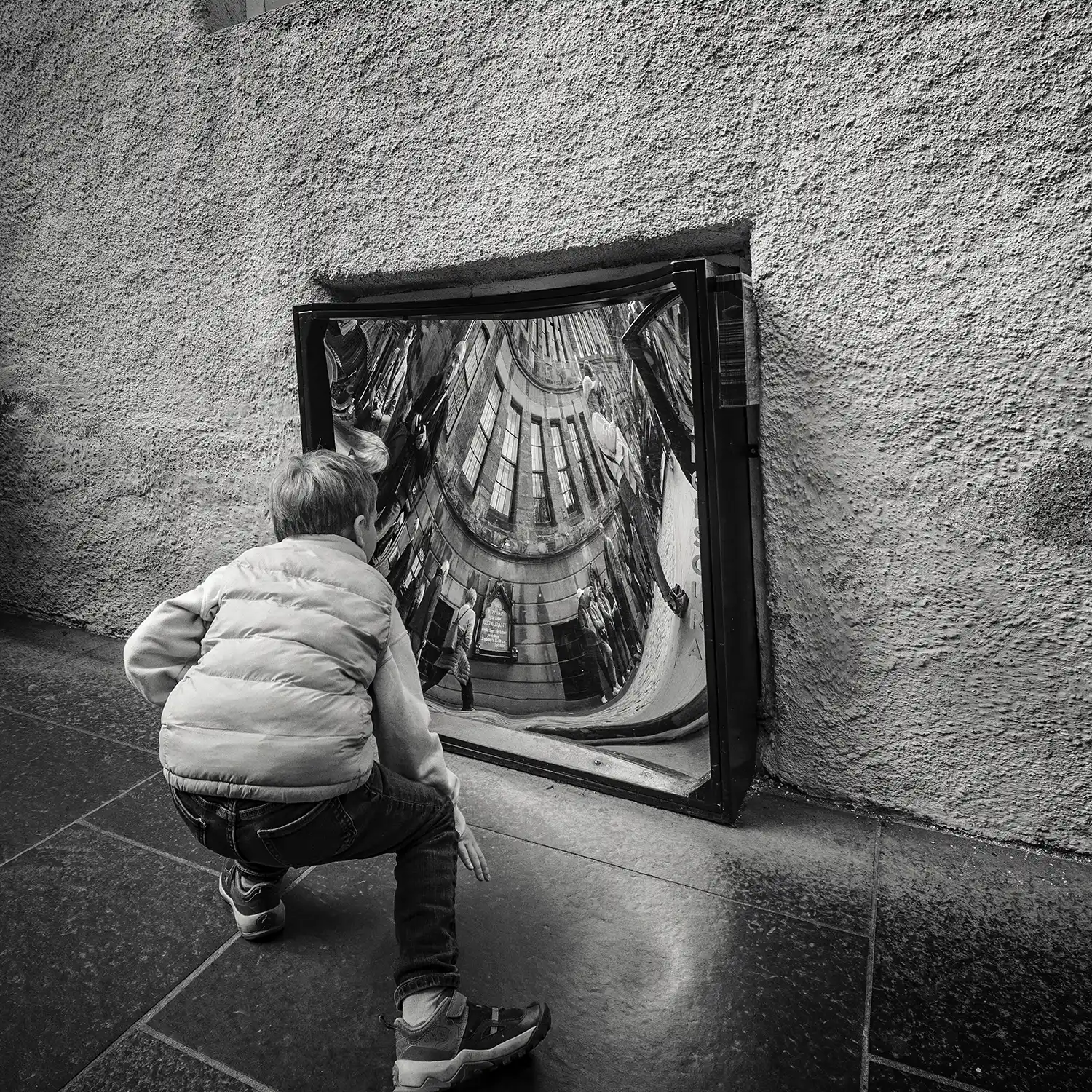
I recently listened to a conversation with Tomasz Trezebiatowski, editor of Frames Magazine, featuring a photographer I hadn’t known before: Yasuhiro Ogawa. Almost from the very first minute, he said something that made me raise an eyebrow (the left one—the one that goes up when something really matters to me): “There is no intentionality in my images. I simply create my own world.”
And that’s when I thought: Okay, I’m not alone in this.
I completely connect with that idea. My relationship with photography is very much like what Ogawa describes. Every time I try to be intentional, to “do something” or not let myself go, I mess things up even more. More mistakes, more noise, less truth.
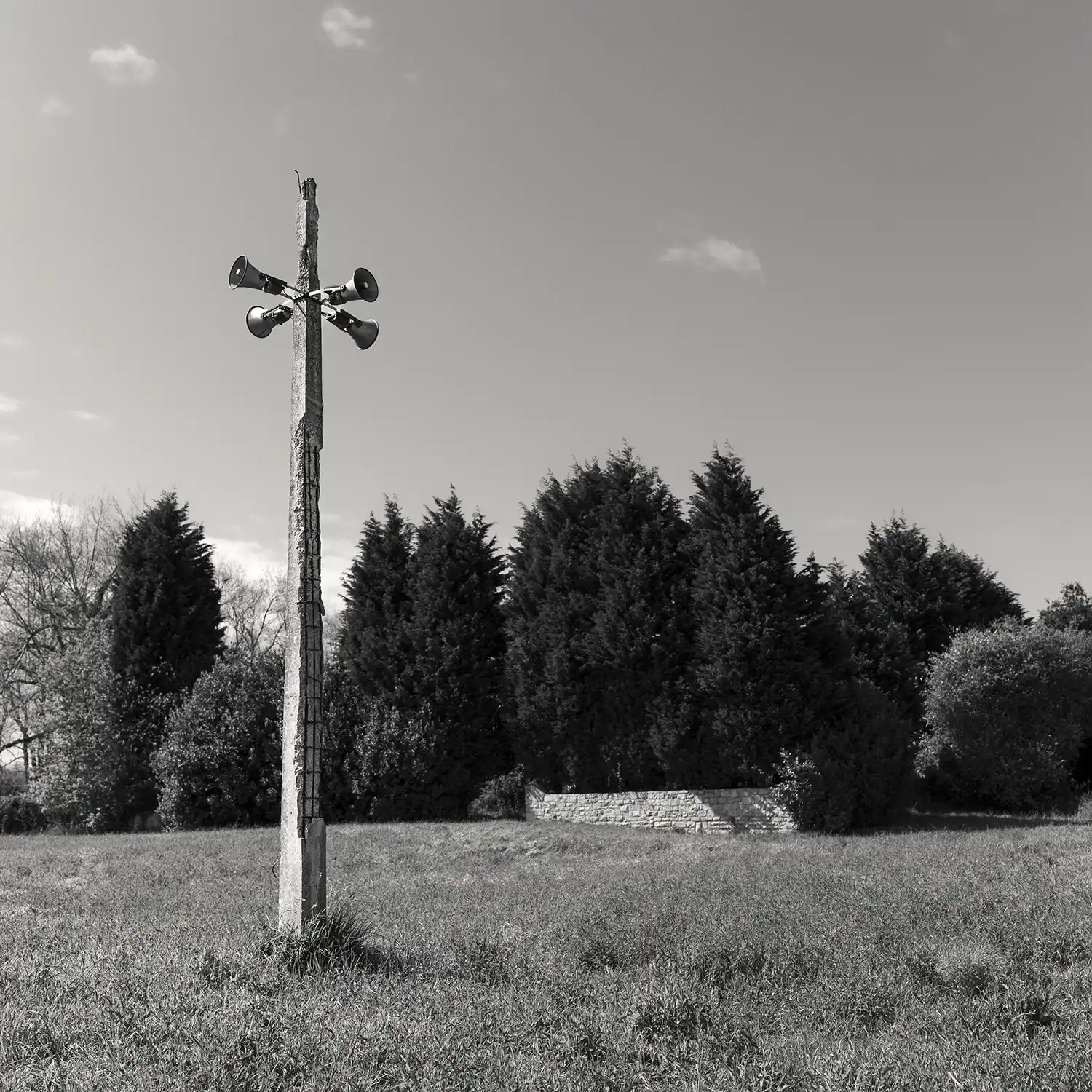
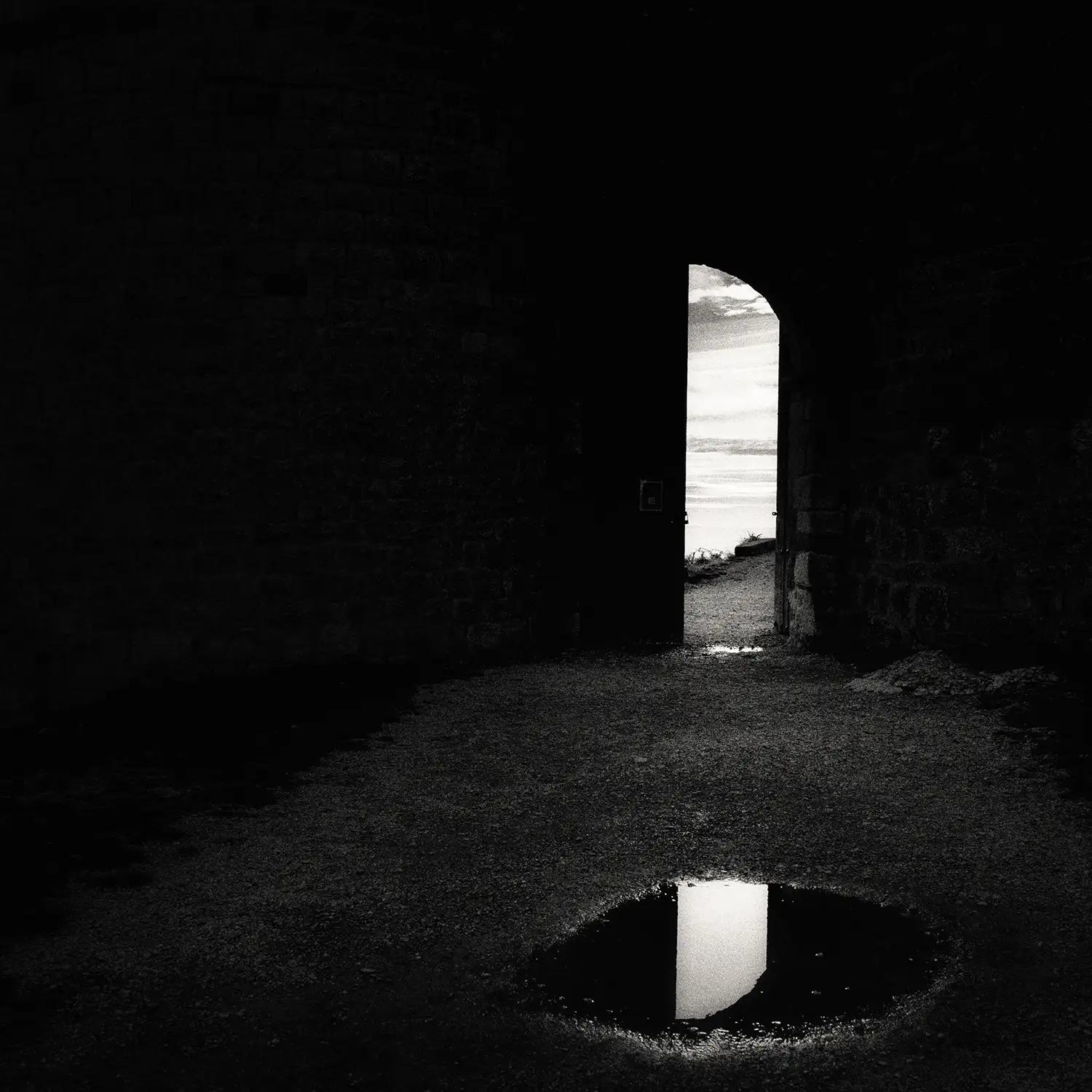
I don’t visualize, I don’t plan, I don’t construct a mental scene beforehand. Rather, I recognize or intuit something. Something I can’t fully explain, something I can’t put into words, yet I know it’s there. And it’s that recognition that drives me to take the photograph.
And if I think about it a little more—no tricks—I don’t believe I’m consciously constructing an “inner world.
At least not deliberately.
I rather suspect that this world already exists, and I’m simply leaving a crack for it to come through. In the form of a photograph.
WHEN THE UNCONSCIOUS TAKES THE SHOT
This is where the big invisible boss comes into play: the unconscious.
That voice that doesn’t ask for permission and, every now and then, decides to speak. In my case, it speaks through images.
Sometimes I look at photographs I took a week, a month, or a year ago, and something curious happens: I discover codes, interpretations, meanings that at the time I didn’t see, only intuited.
And they surprise me. Because they seem to know more about me than I did when I pressed the shutter.
That’s when I realize that many photographs aren’t ideas, but intuitions.
Things that emerge without warning and, over time, reveal themselves.
Today I can say—without dramatics (but with complete honesty)—that I use photography to know myself better.
After many years of photographing, I’ve come to this conclusion. Sometimes my images speak to me. They tell me things about myself that I hadn’t yet articulated. I rediscover myself.
And the most unsettling part is that I’m telling it to myself, without even knowing it.
Everything comes from within.
PHOTOGRAPHING TO PLEASE (OR HOW TO FADE AWAY SLOWLY)
And then social media arrives. That marvelous circus of dopamine, instant approval, and external validation shaped like a heart.
We live exposed. We post. We wait. And many times—yes, even photographers—we fall into the trap of uploading an image thinking more about whether people will like it than about what it has told us.
Because likes boost our self-esteem.
And dopamine.
And a little bit of the ego.
And yes, it’s addictive. Like a legal, no-prescription drug.
We want more. Always more.
And of course, the inevitable happens: you upload a photograph that feels special, intimate, important to you… and it gets four likes (one from the clueless algorithm).
Photographing to please is a slow, elegant way to disappear. It forces you to appeal instead of feel, and it silences the unconscious just when it has something to say.
LOOKING IS NOT THE SAME AS SEEING
Then comes the doubt: Did I fail? Was the image not that good?
It has happened to me. I’ve even gone as far as to discard images because they didn’t get the “expected” response.
Mistake. Big mistake.
That an image gets few likes doesn’t mean it’s bad. Many times, it means exactly the opposite.
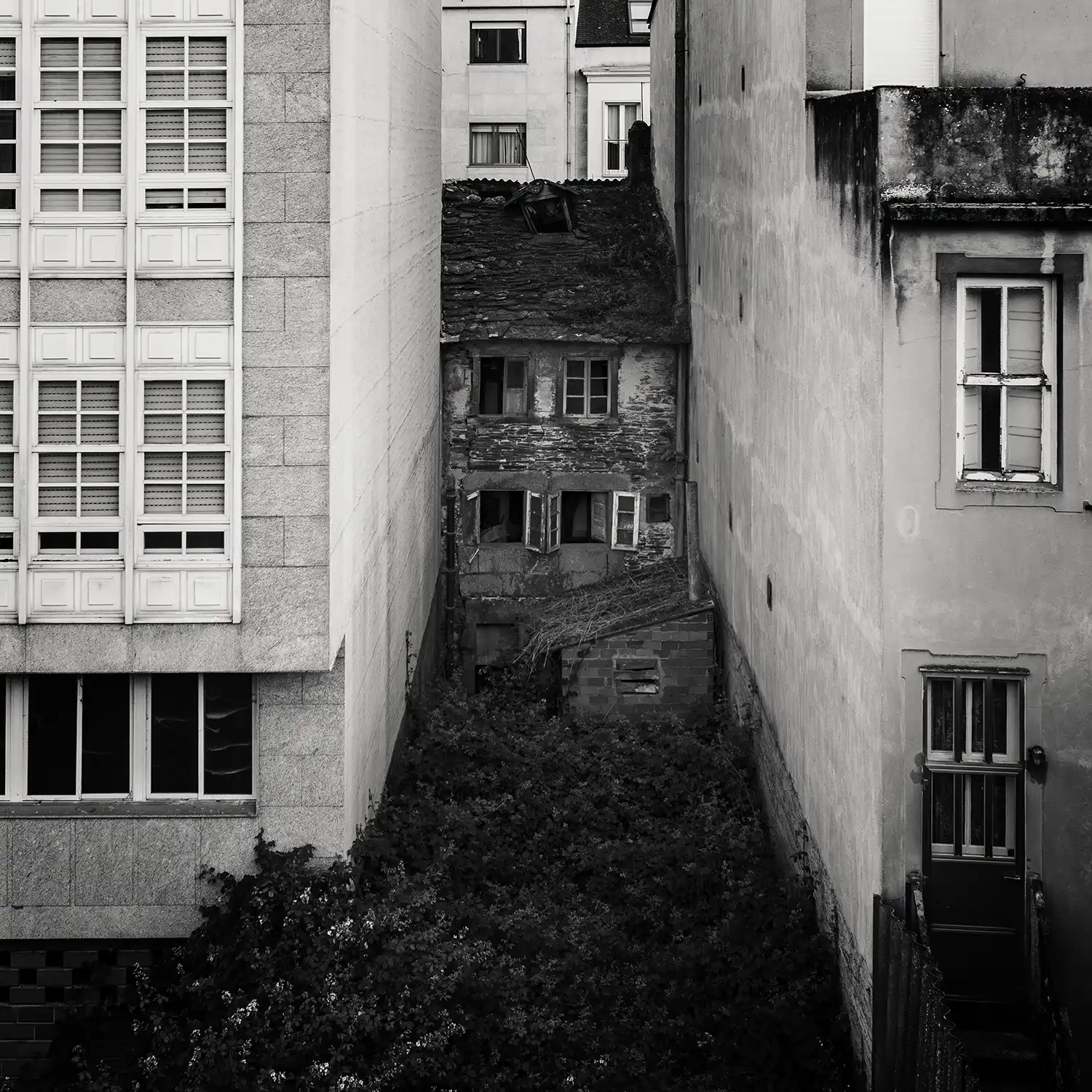
We live in a fast, frantic world, where we look but don’t see.
Where we don’t pause long enough to cross that boundary between looking and seeing.
There’s no time, and what usually emerges is indifference.
The immediate works. The obvious. What doesn’t require effort.
Sunsets are the best example: post one (better without reflective text—it just gets in the way) and get ready to receive digital applause for hours.
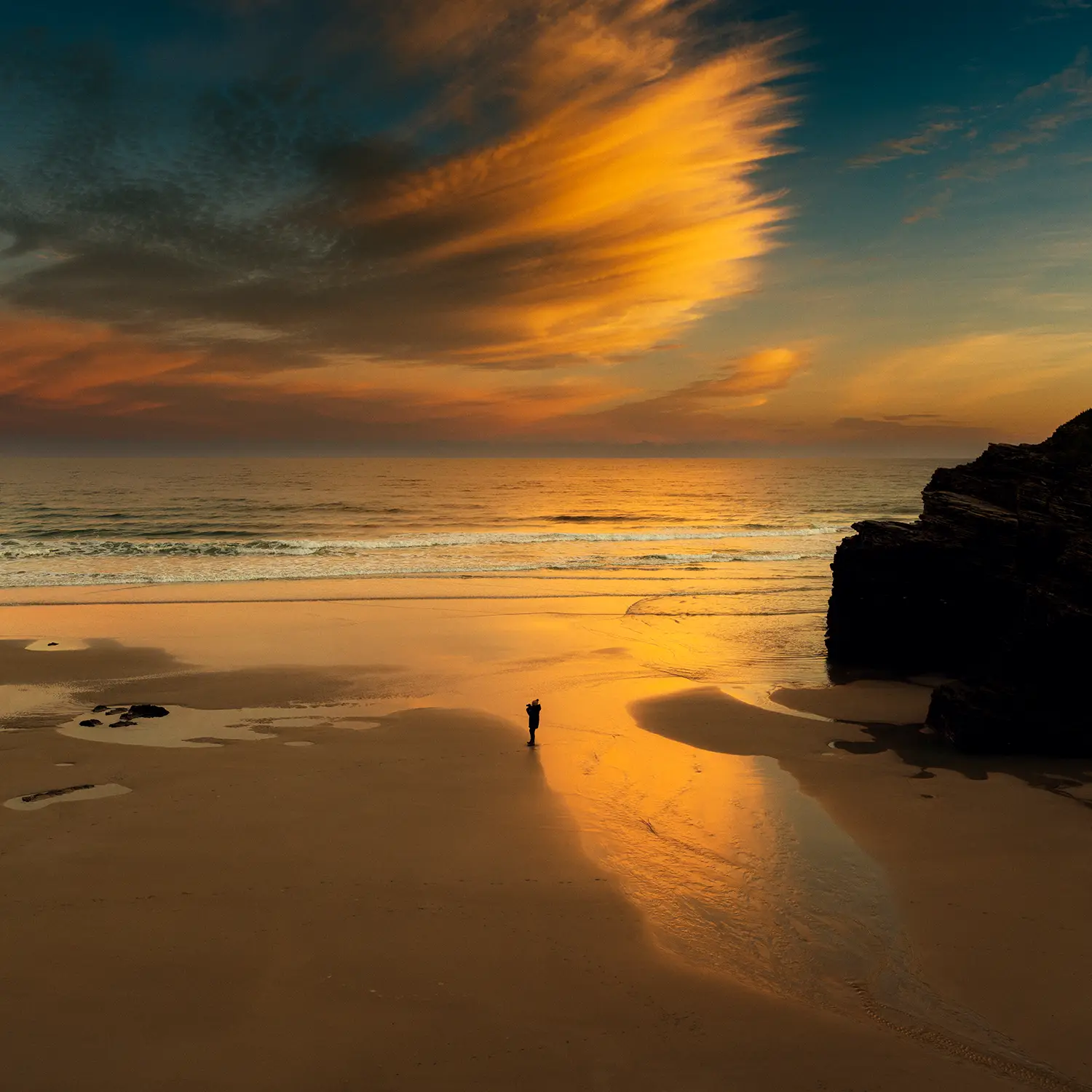
when an image truly connects with someone
But some images don’t work that way.
Images that are intimate, that ask for a pause, that need to be read like a short poem or a dense paragraph in a book.
And of course, that’s not very viral.
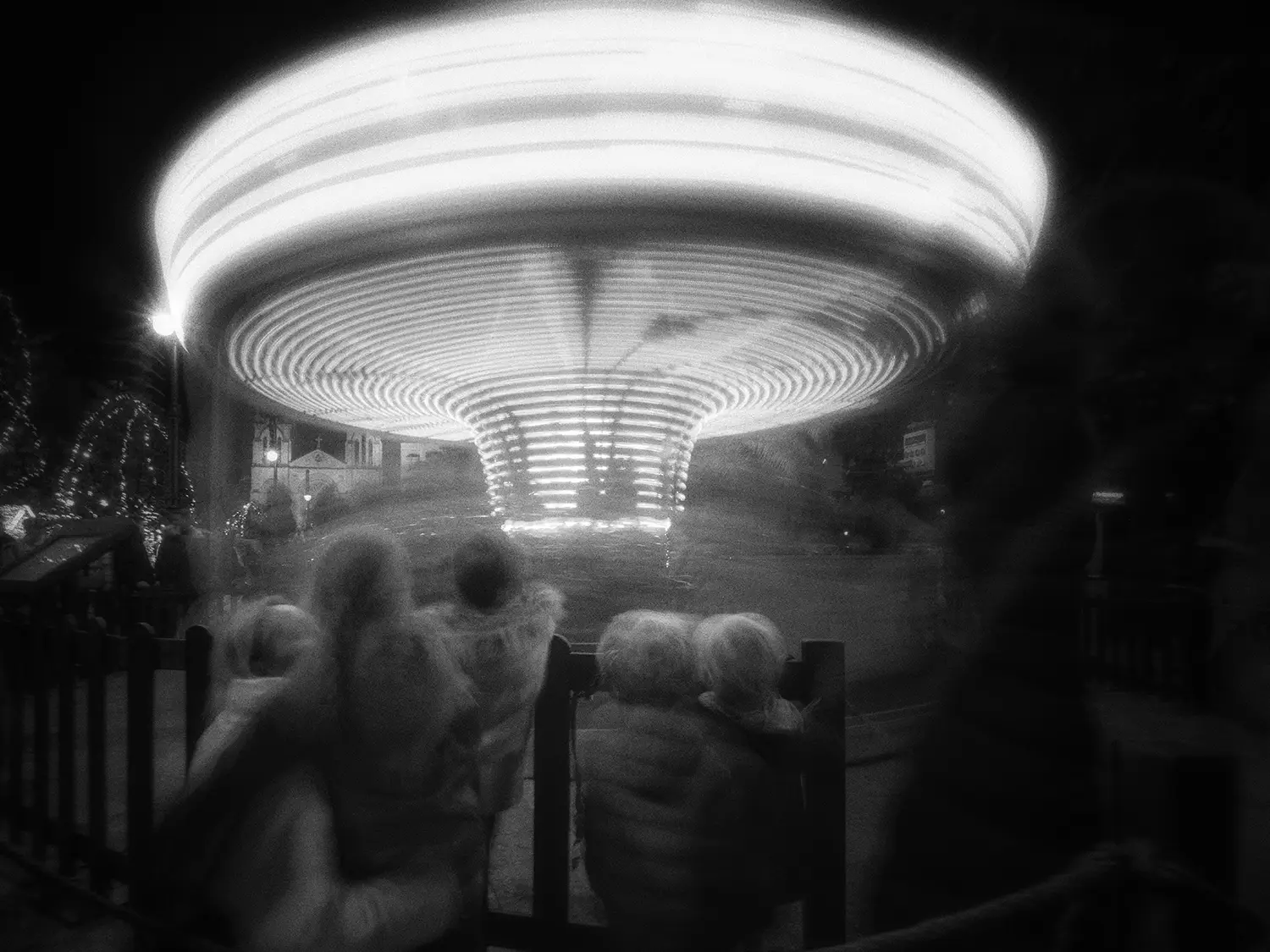
However, when that connection happens—when someone stops, looks, feels—that is worth infinitely more than a hundred automatic likes.
Because it means someone has resonated on your same frequency.
That the message has reached them.
Or that a different one has arrived, but just as profound.
And that’s what truly matters.
We mustn’t forget something fundamental: we photograph for ourselves, not for others.
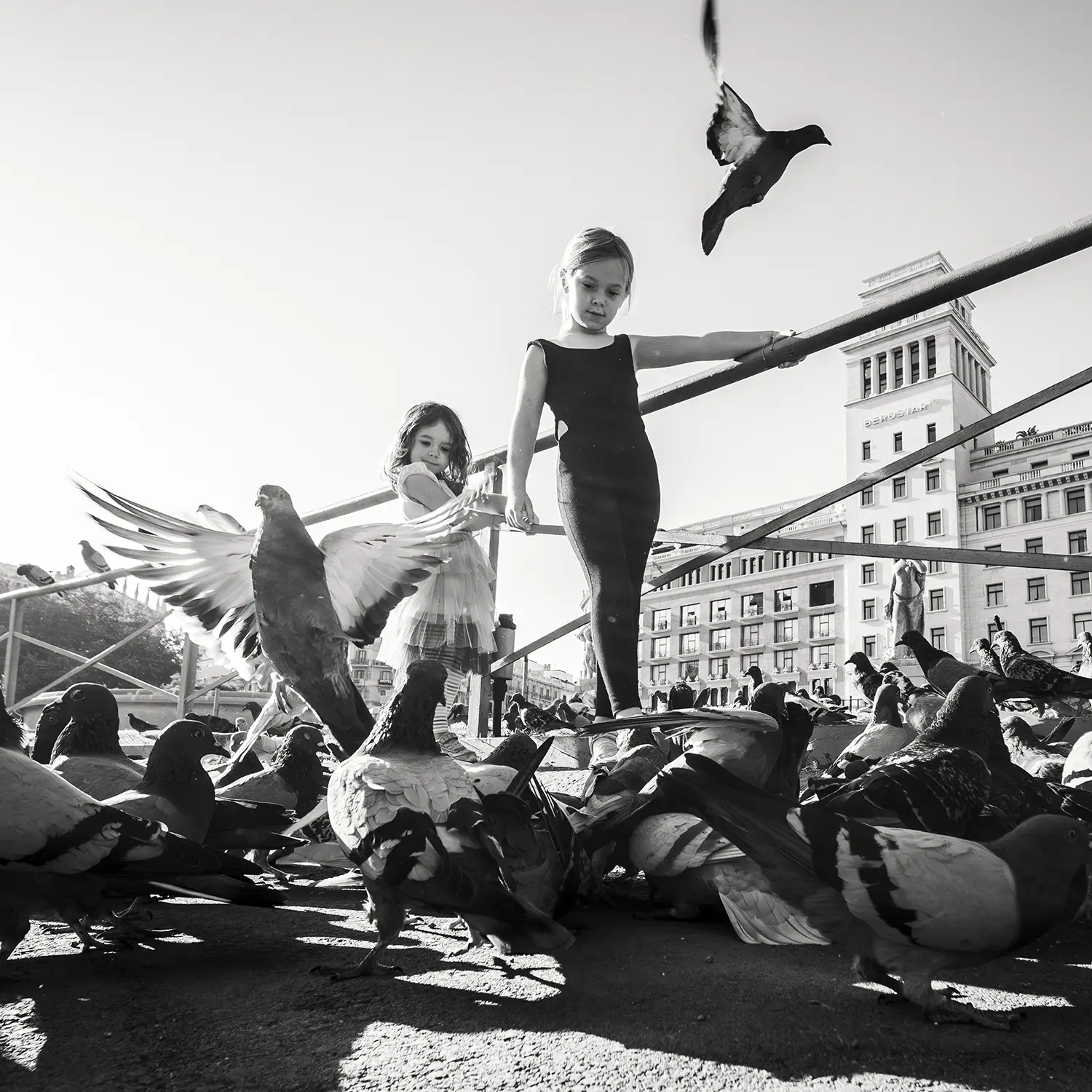
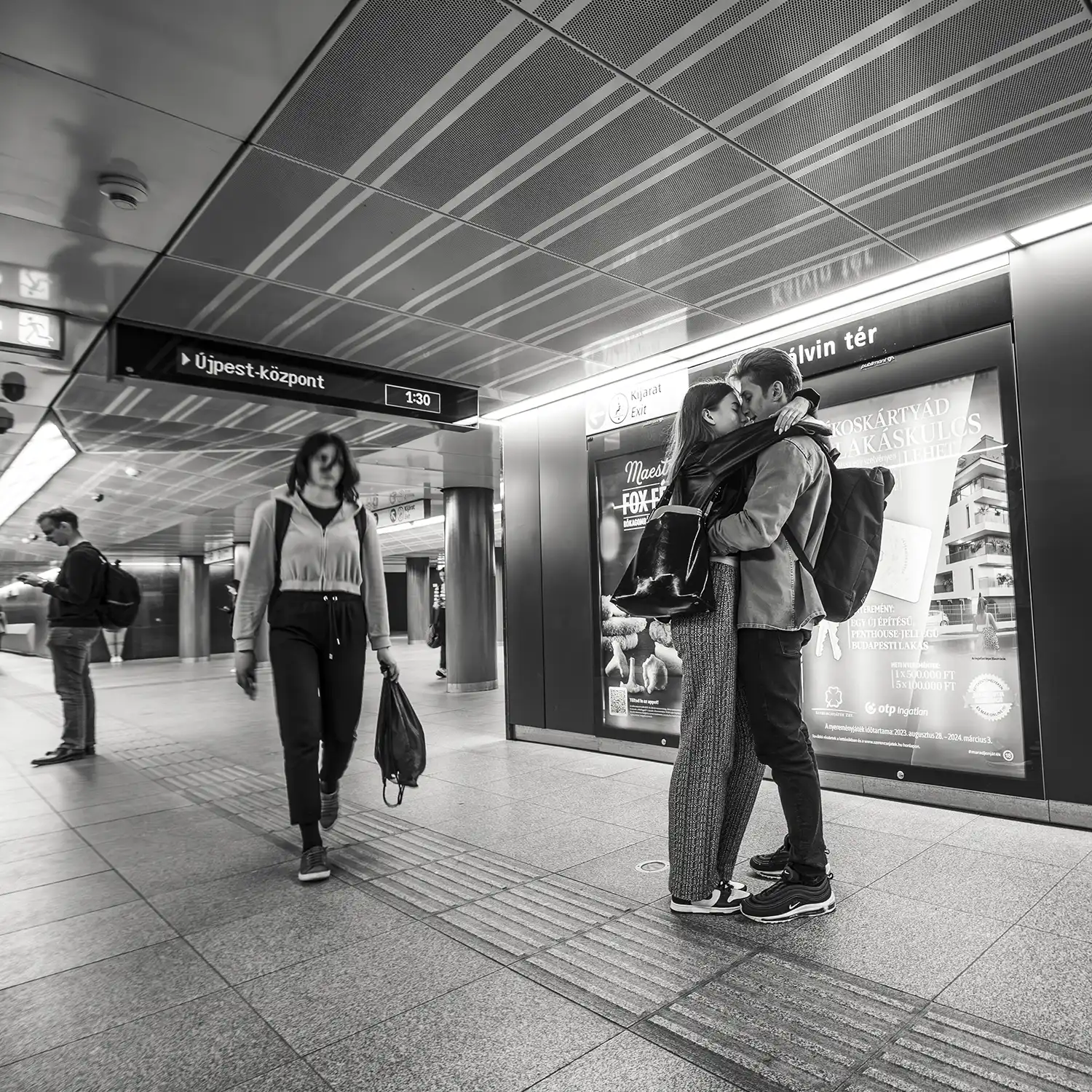
It’s not about digging through your archive for the photo that fits the latest trend just to earn some bragging rights. Because, let’s be honest, many times the more trivial the image, the more interactions it gets.
There’s usually not much expectation from viewers. We look quickly, react quickly, and move on.
But when you come across a work that is the construction of an inner world, it’s like reading an autobiography.
Even though each reader builds their own.
Because those images—the ones that emerge from the author’s unconscious—activate the viewer’s unconscious.
And that’s where different worlds are born.
As many as there are people looking.
If we see suffering, happiness, or torment in an image, perhaps what we’re seeing is our own. Photography doesn’t just show the author—it also reflects us back.
And that… even if it doesn’t get likes… is profoundly valuable.