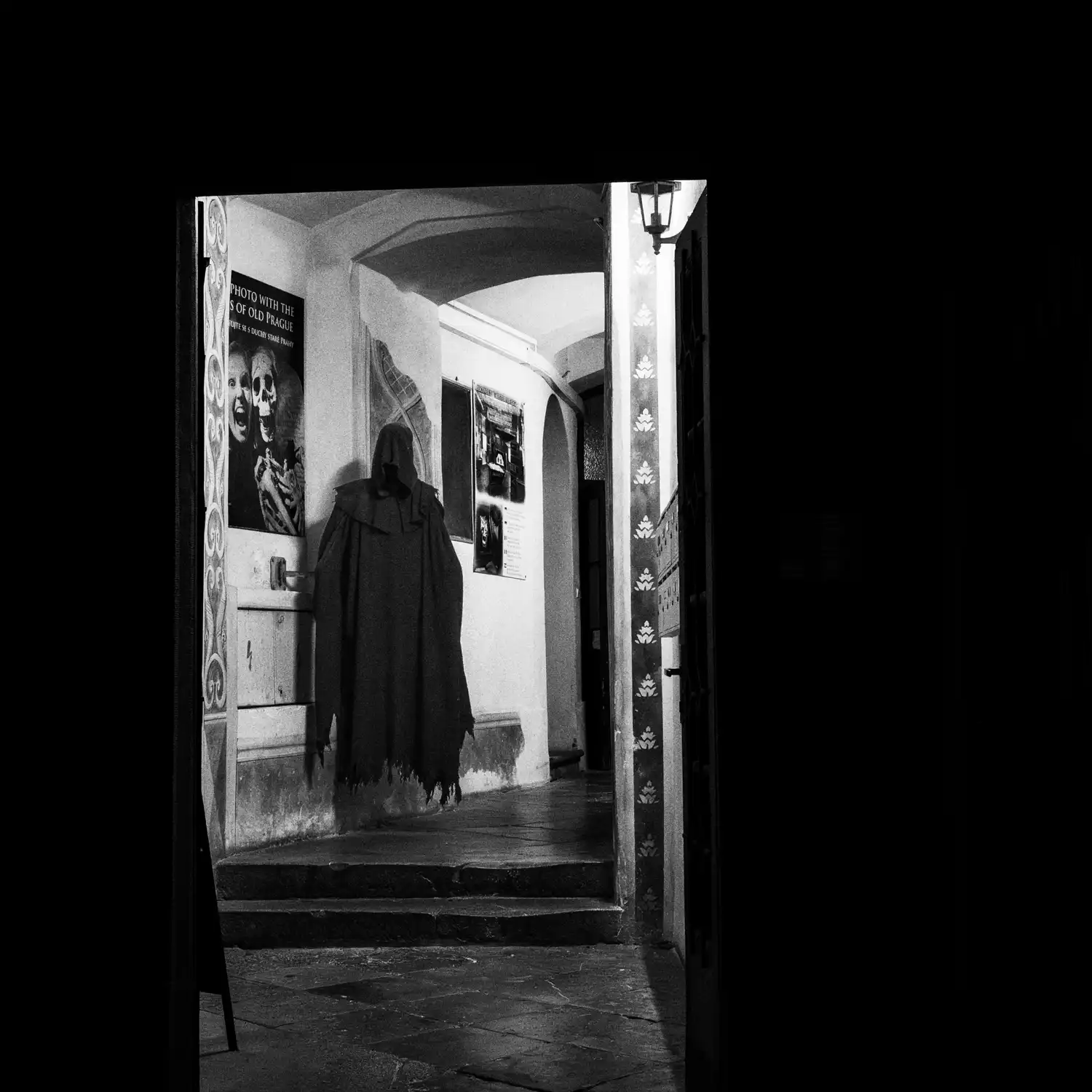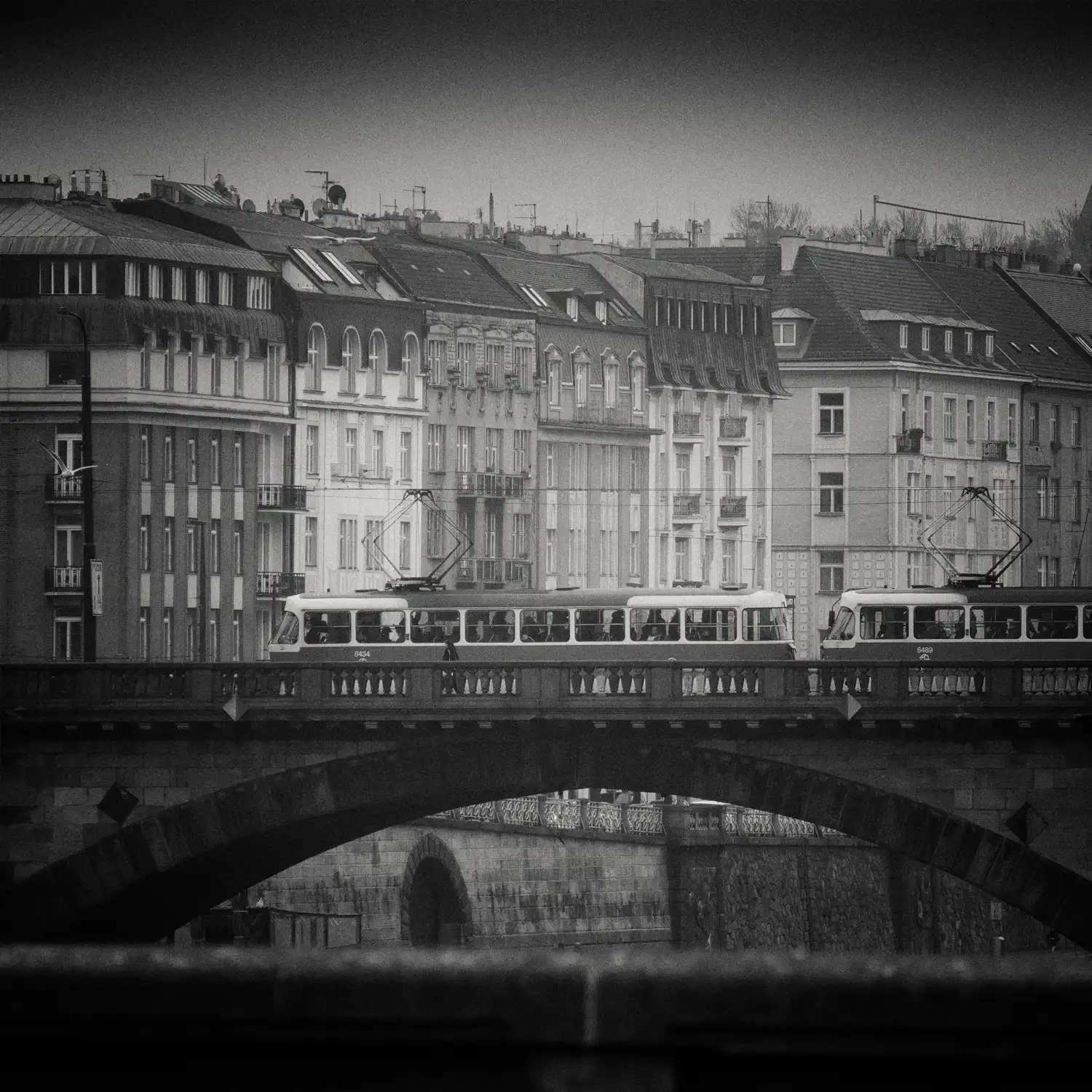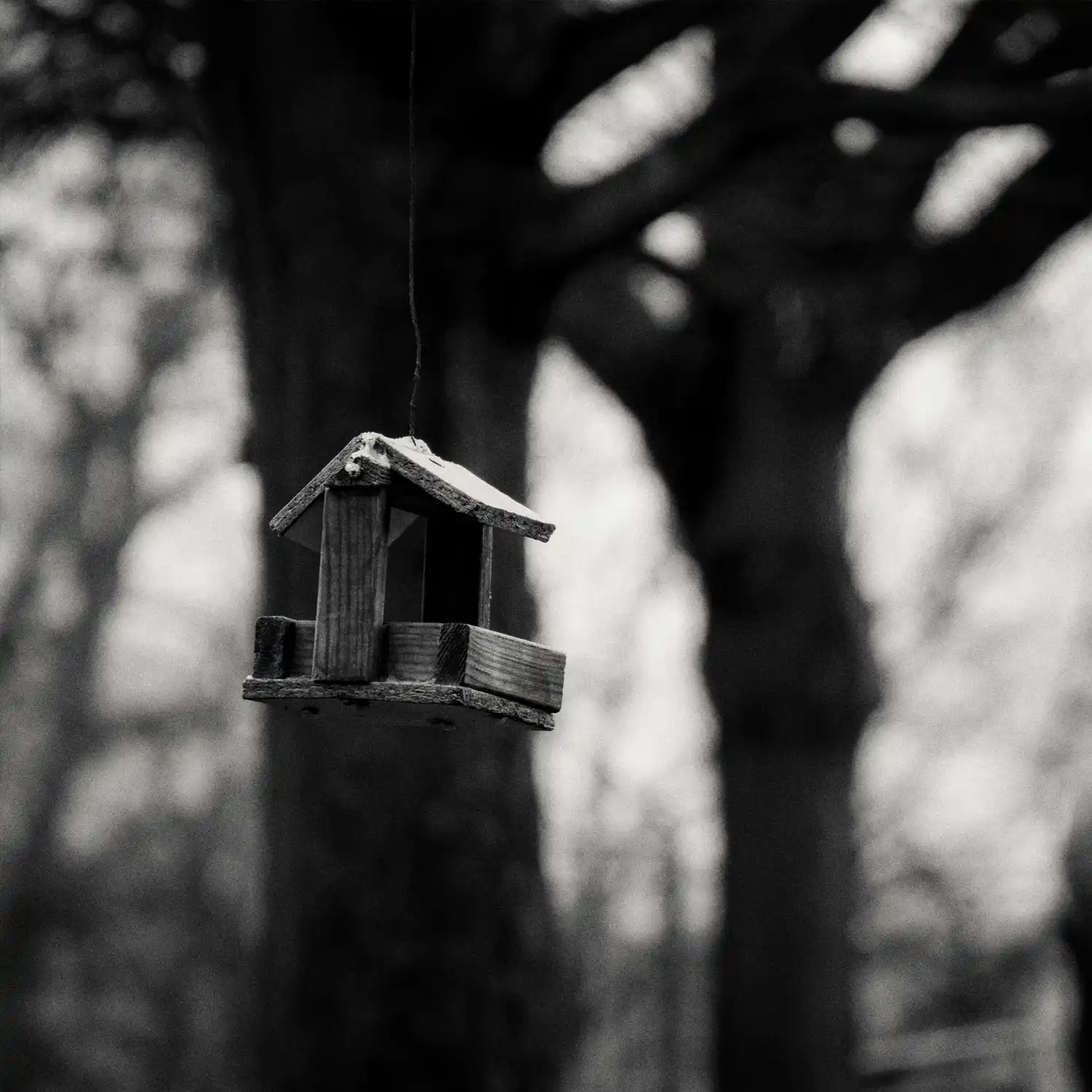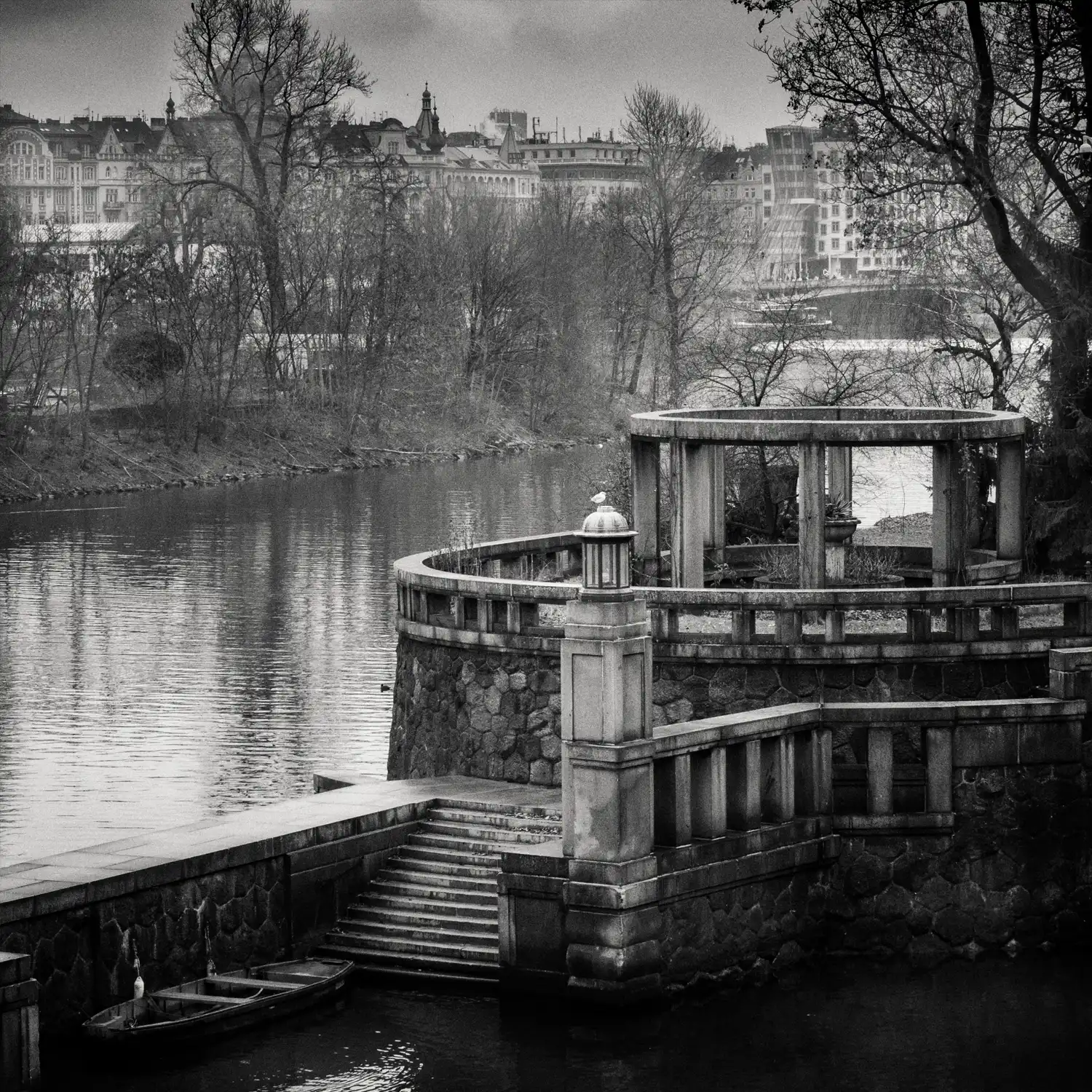
Walking Prague
In street photography, when you arrive in a tourist city, there’s an initial impulse: to explore everything.
From there, if you stay long enough, something more interesting begins to emerge: learning to truly see the city.
That’s why, for me, it requires slowing down and tuning in to it.
This time, it was Prague’s turn.

It’s been a while since street photography changed for me. I used to look for specific spots in the city to compose with backlighting or frames where the human figure was the key element. Now I’m after something harder to find: letting go of the need to search.
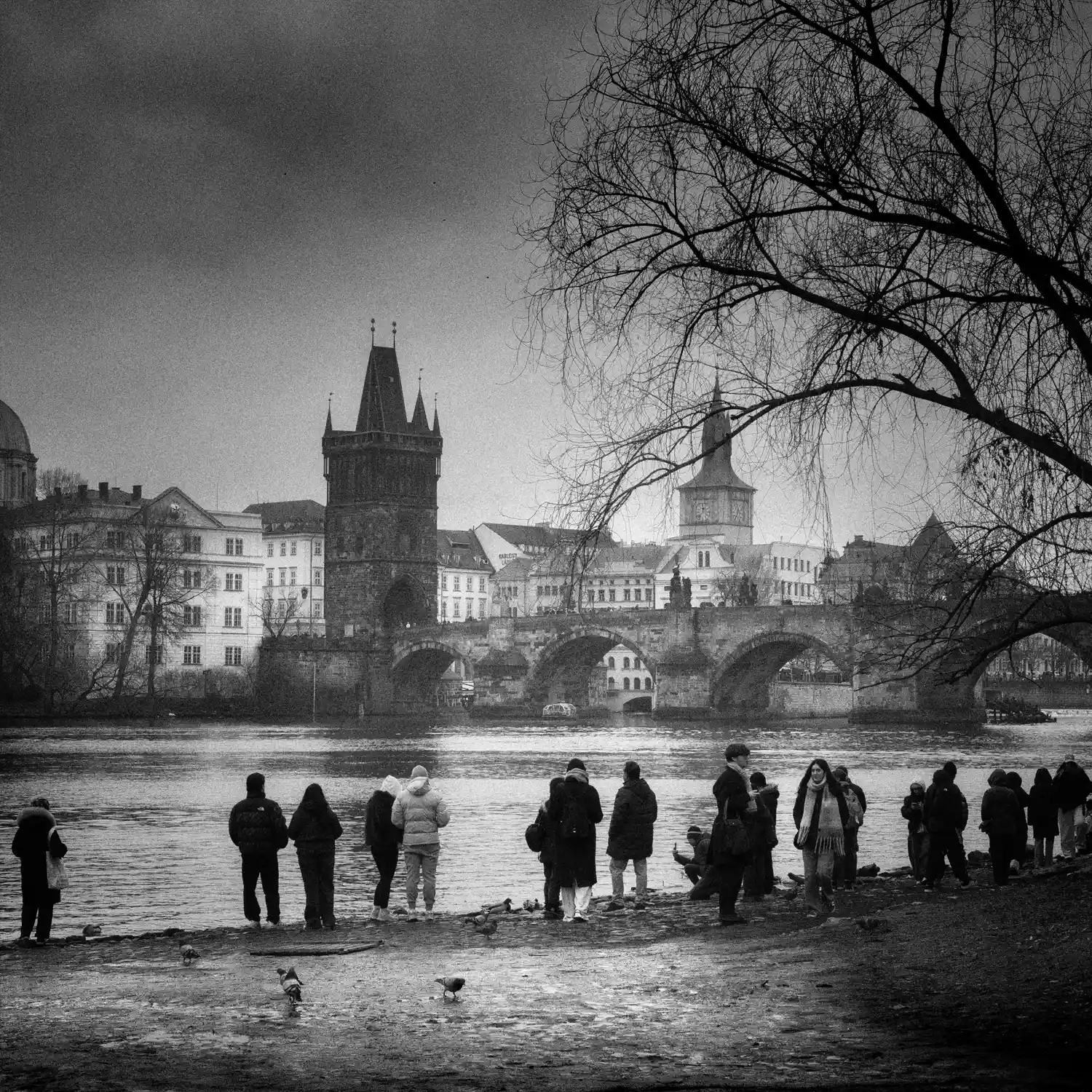
However, arriving in a city like Prague and finding streets filled not with local life, but with visitors… creates a kind of disconnection.
The historic center, overcrowded.
People waiting in front of a clock that promises a spectacle which, in the end, never quite lives up to the anticipation.
Hundreds of phones held high, trying to capture the same thing. As if the city were caught in a loop, repeating the same scene over and over.
I did it too.
Being a tourist is exactly that: taking part in a collective ritual repeated generation after generation. We want to see what everyone else sees. To take home the same proof. The same “I was here.”
Nothing new under the sun.
The first impact
For me, the first day in a city always carries a certain sense of anxiety.
That feeling of wanting to take it all in. Of leaving nothing unfinished. As if the trip could be measured by a checklist of places crossed off.
With Prague, that anxiety resolved itself in an unexpected way.

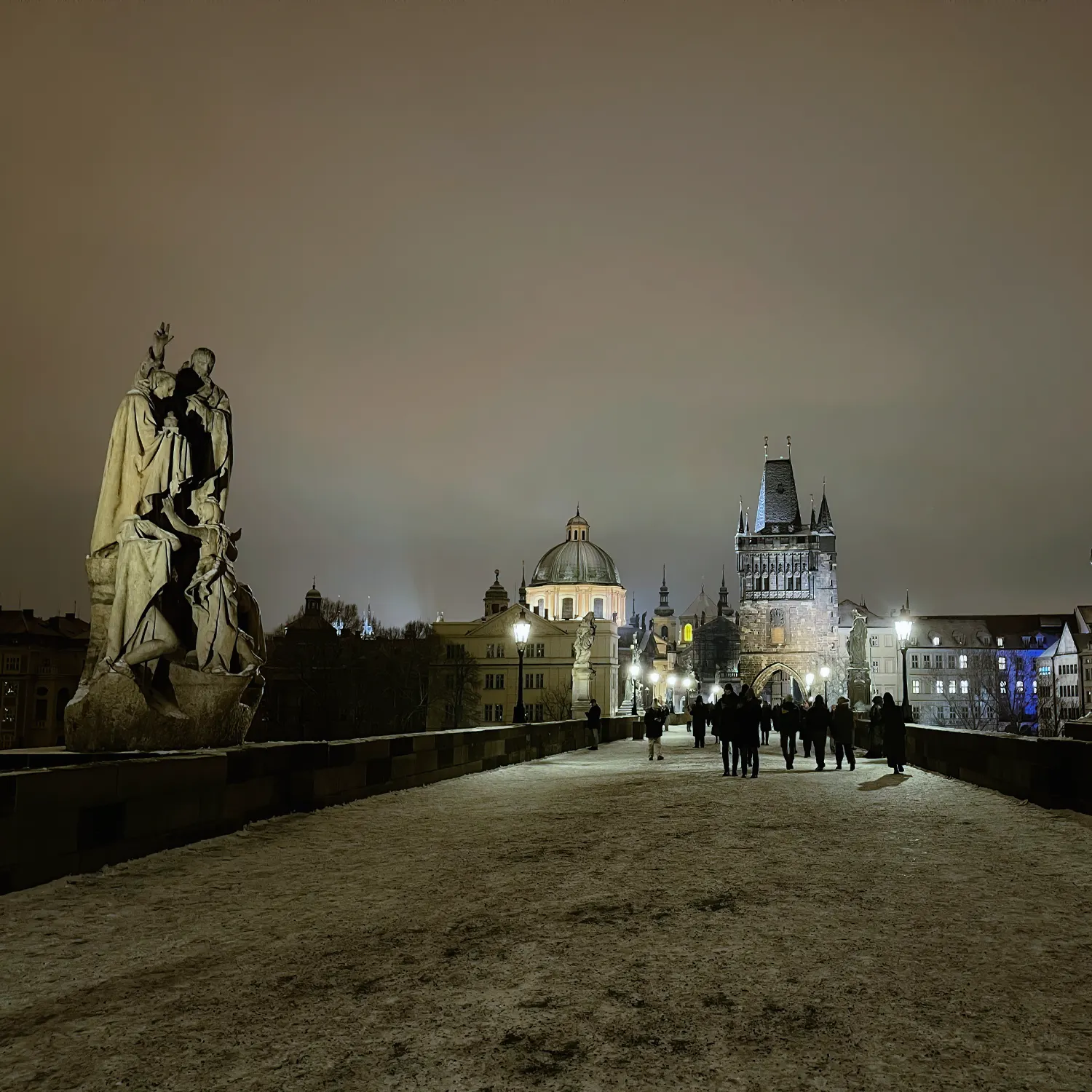
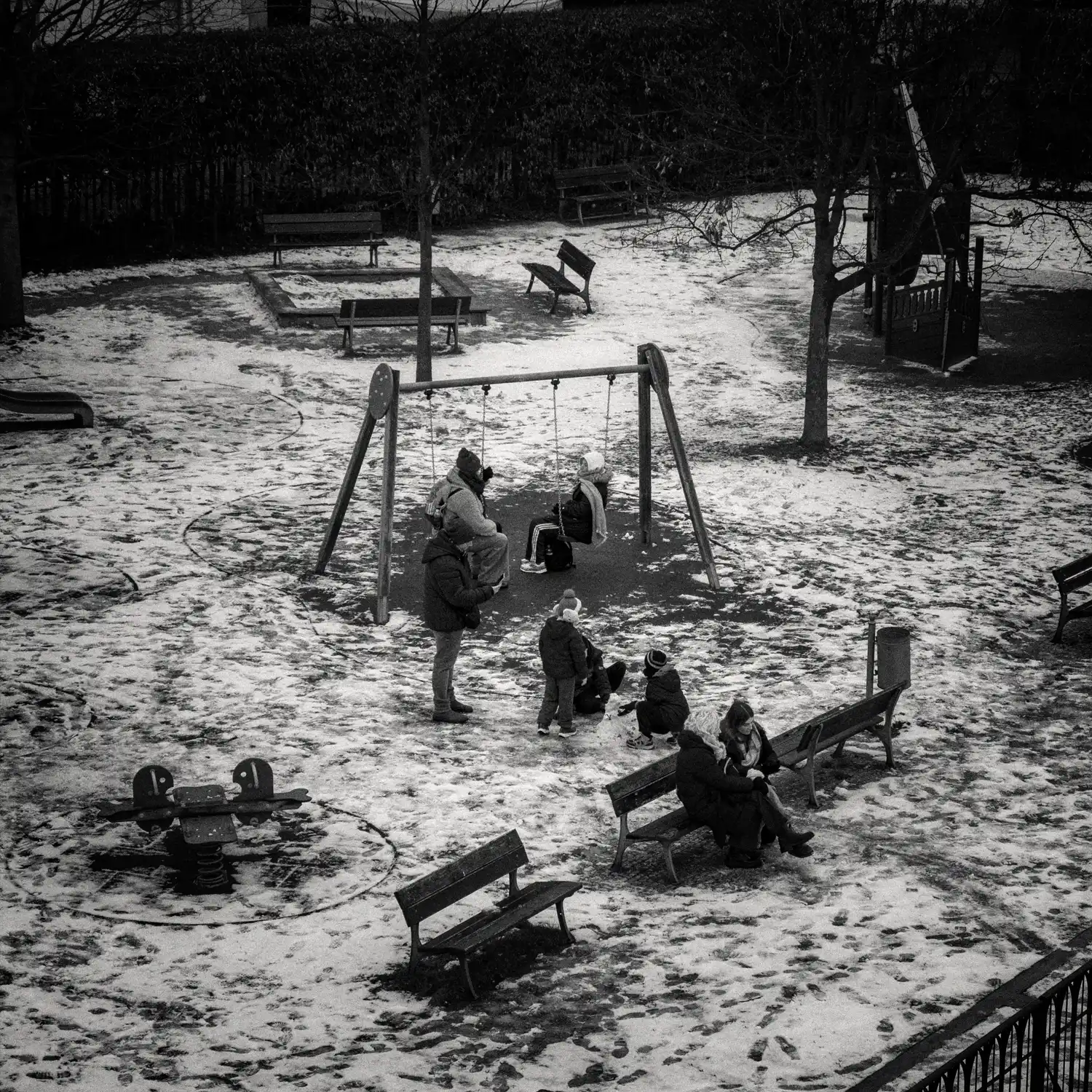
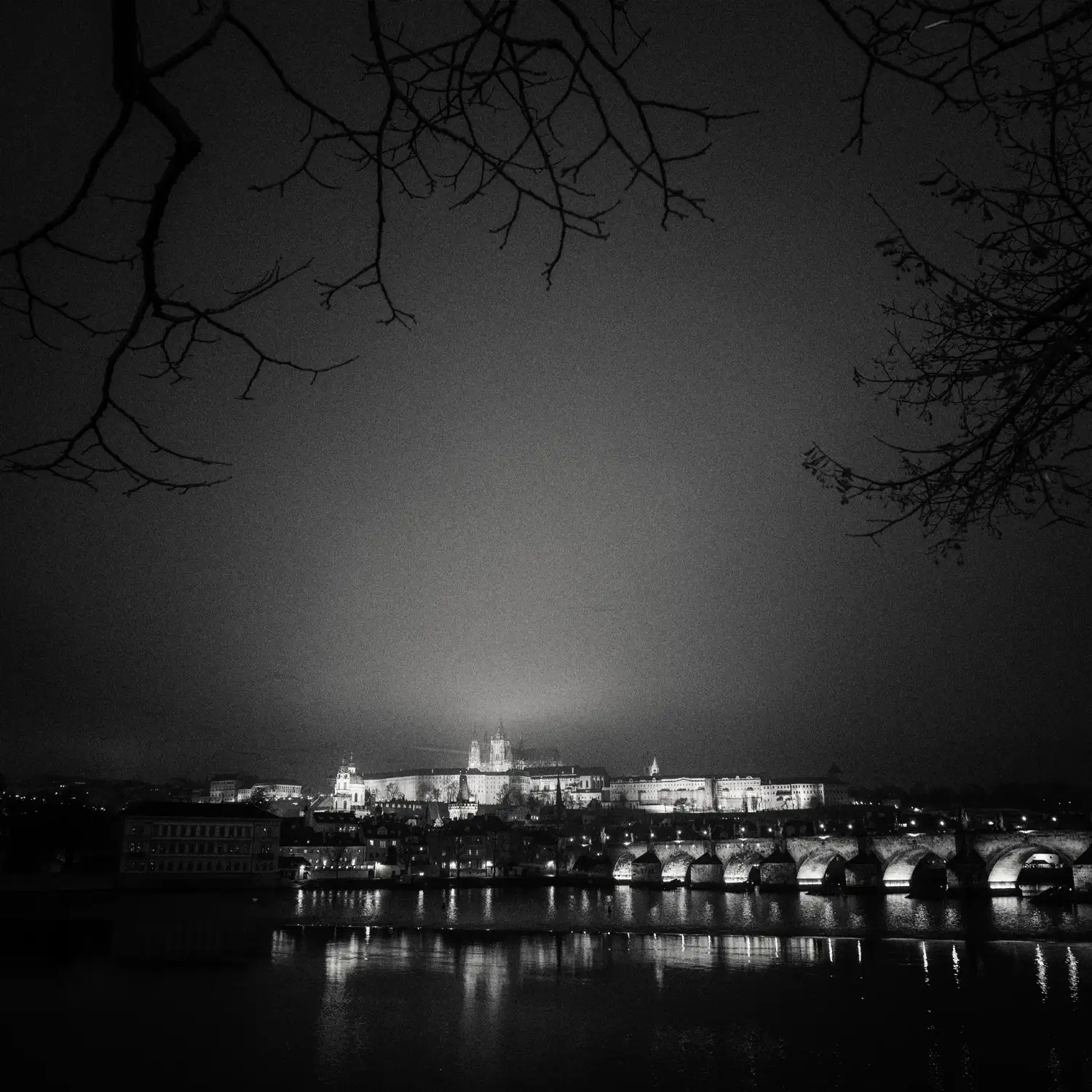
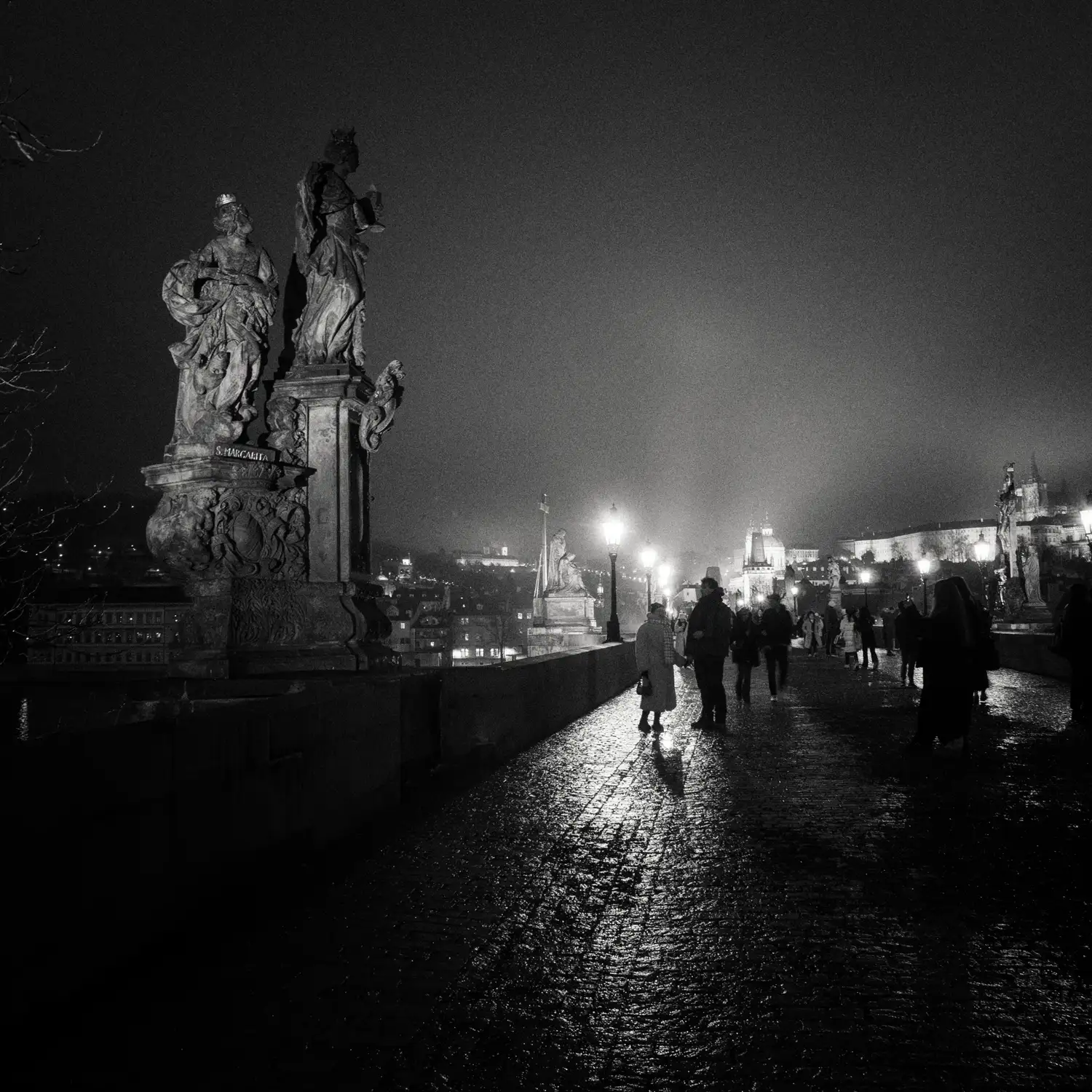
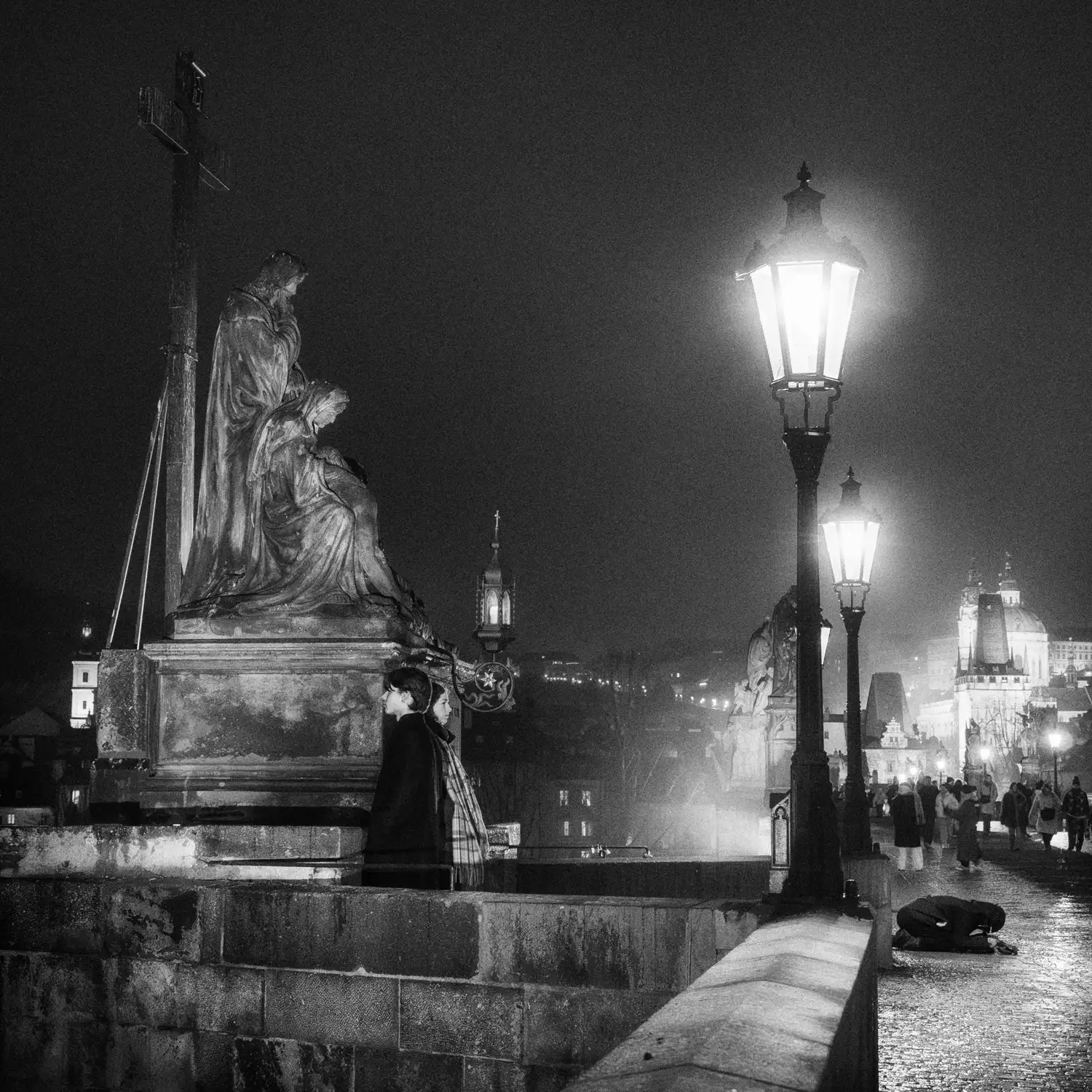
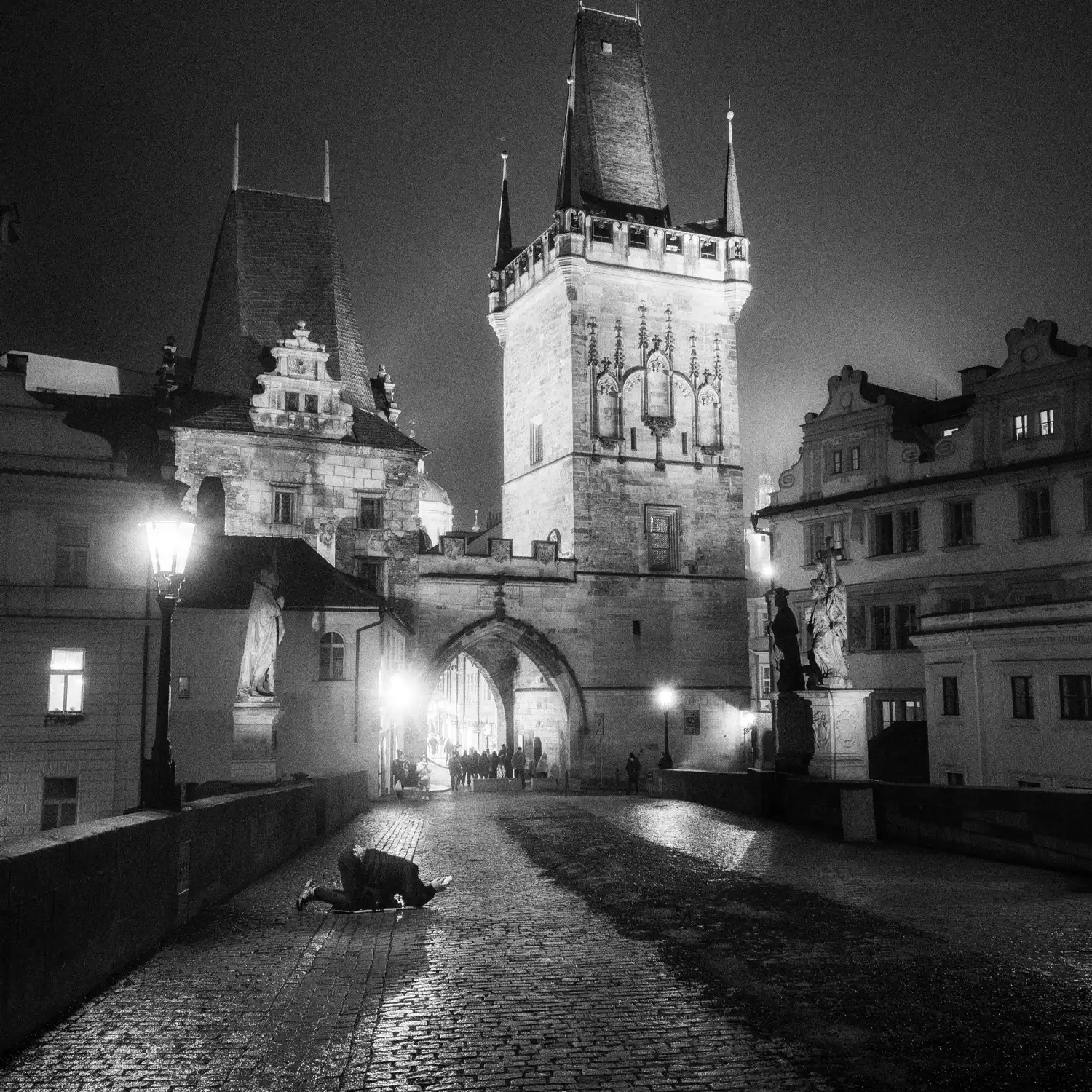
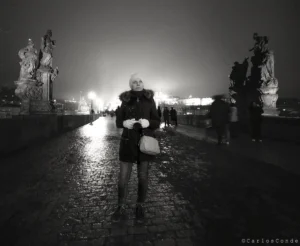
I arrived one February afternoon, around seven in the evening. I dropped my bag at the hotel and went out for a walk. It was snowing.
And without searching too hard, without following any specific plan, I ended up crossing the Charles Bridge almost empty.
Prague at night, under the snow, has a special atmosphere. The light spreads and softens. Everything feels quieter, slower, more intimate. Yet, in fact, any city could feel that way in those conditions.
It didn’t matter that some of the photos were taken with my phone.
What mattered was being there.
That moment—the first one—I experienced with an intensity that’s hard to recreate. And, interestingly, it was also the one that allowed me to let go.

That same night, I wandered through many of the places I “had to see,” almost without noticing. As if quickly crossing them off my mental checklist freed up space.
Room for something far more interesting.
In street photography, stopping the search for the perfect image is probably when photography truly begins.
How Street Photography Changes When You Stop Searching
From that point on, the city changed completely.
Street photography stopped being a search and started becoming a form of listening.
Because the connection with a city doesn’t happen when you’re chasing images, but when you let the images find you.
And for that, you need to be open and receptive.
Relaxed
Present.
Without rushing.
That’s why I’ve never really managed to connect with a city in just a day or two. I need to get through that first layer of anxiety, empty my expectations, and only then begin to truly see.
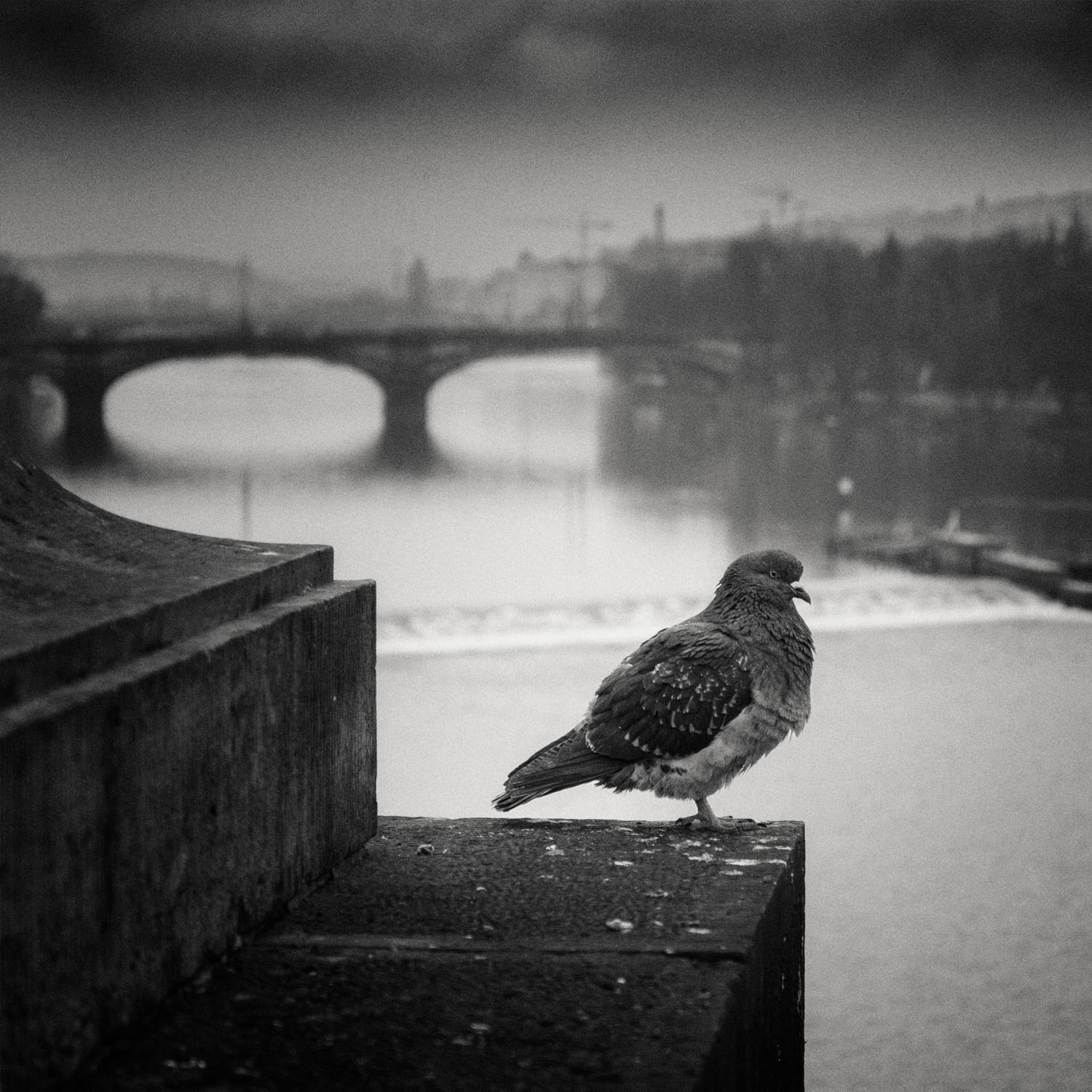
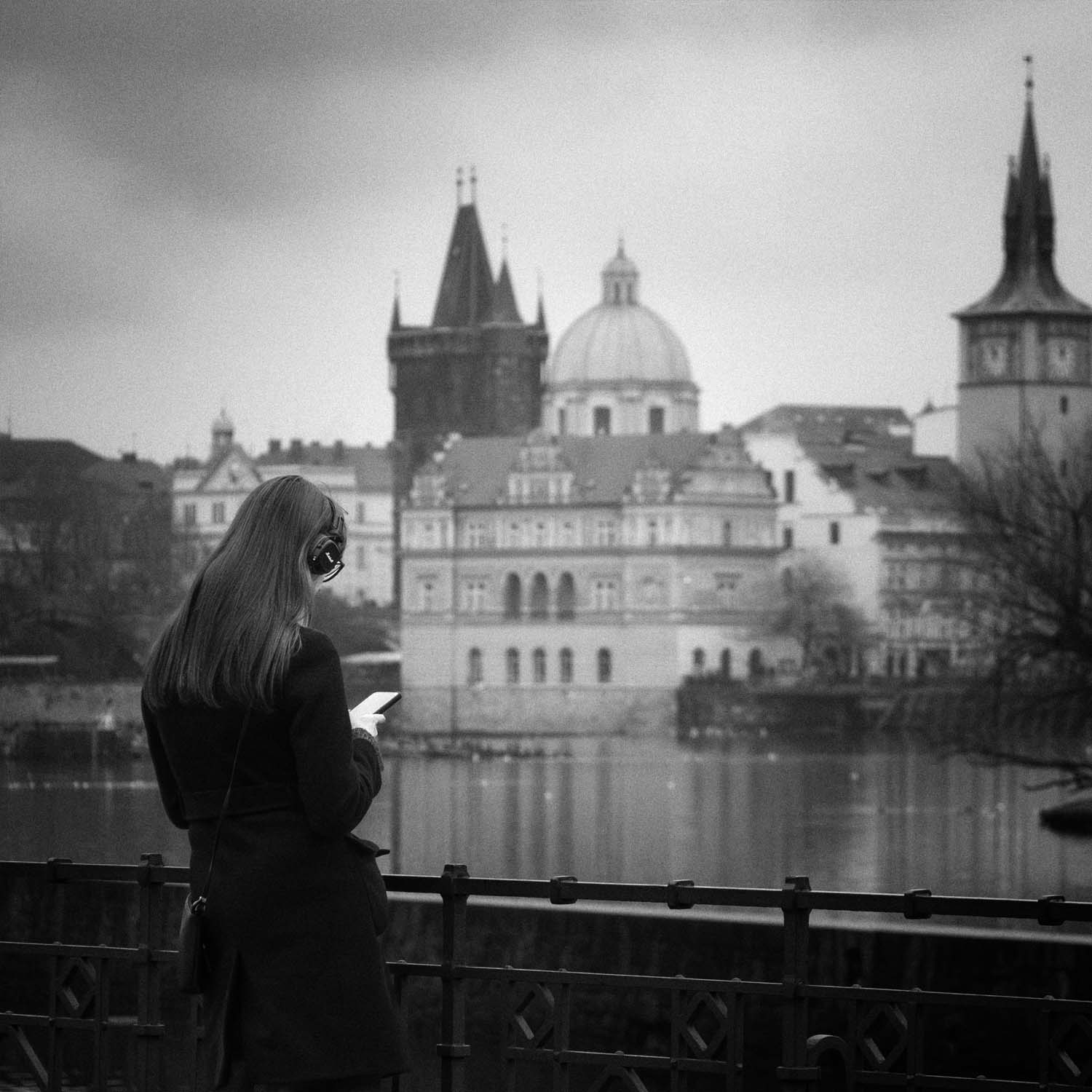
In Prague, that connection appeared in everything my gaze fell upon: from the sky to the river’s surface, and in the city that revealed itself between the two.


Looking up, looking down
Street Photography When You Learn to See the City
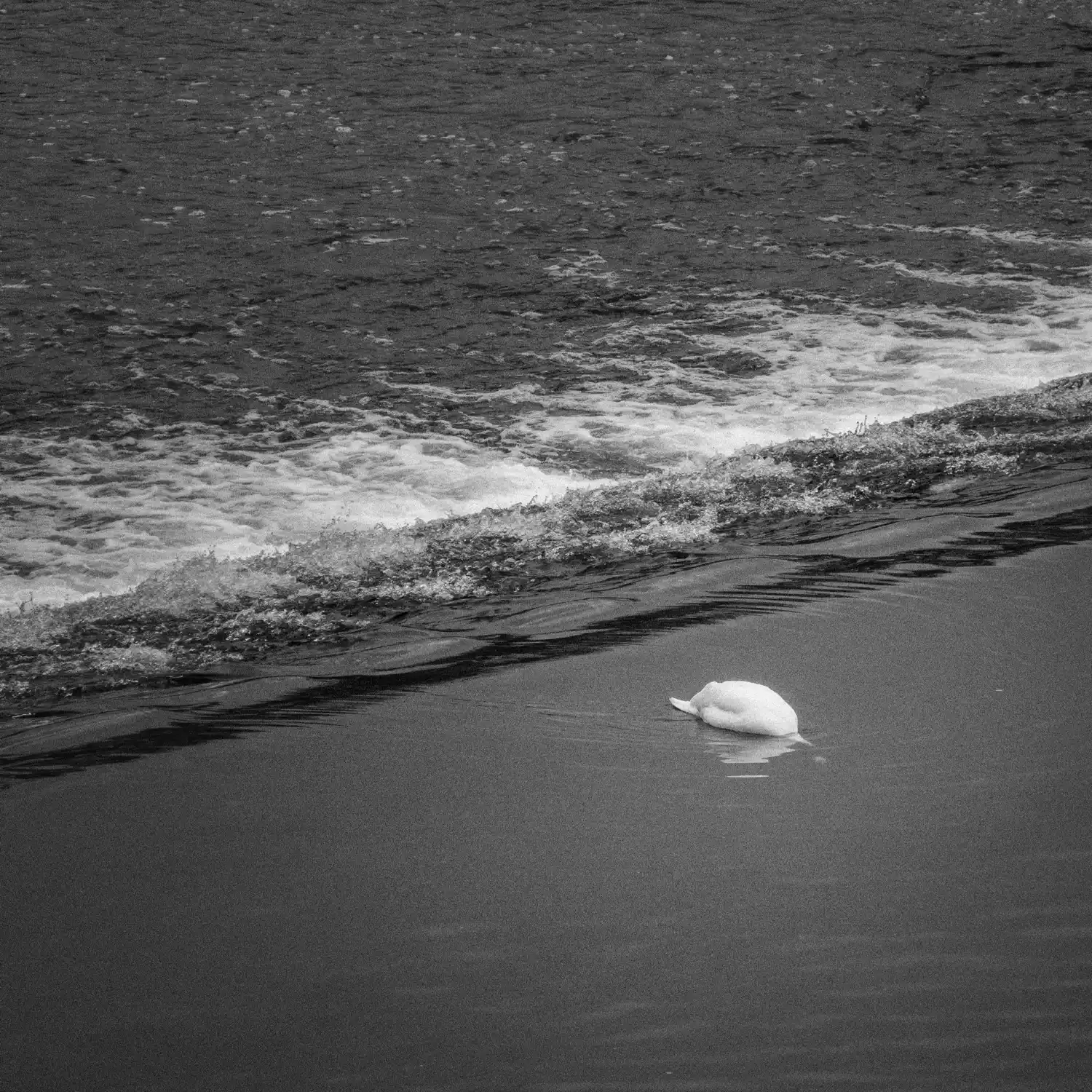
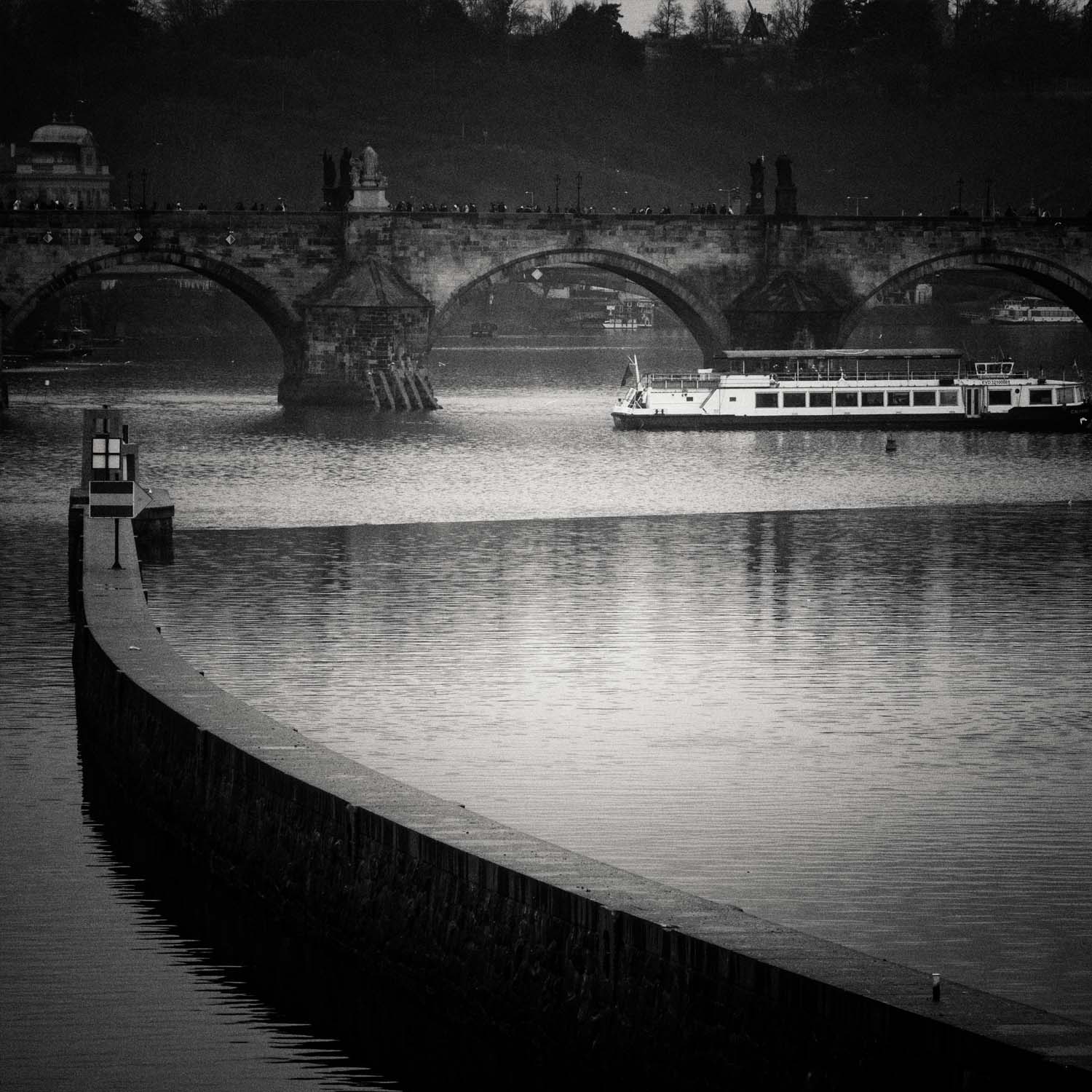
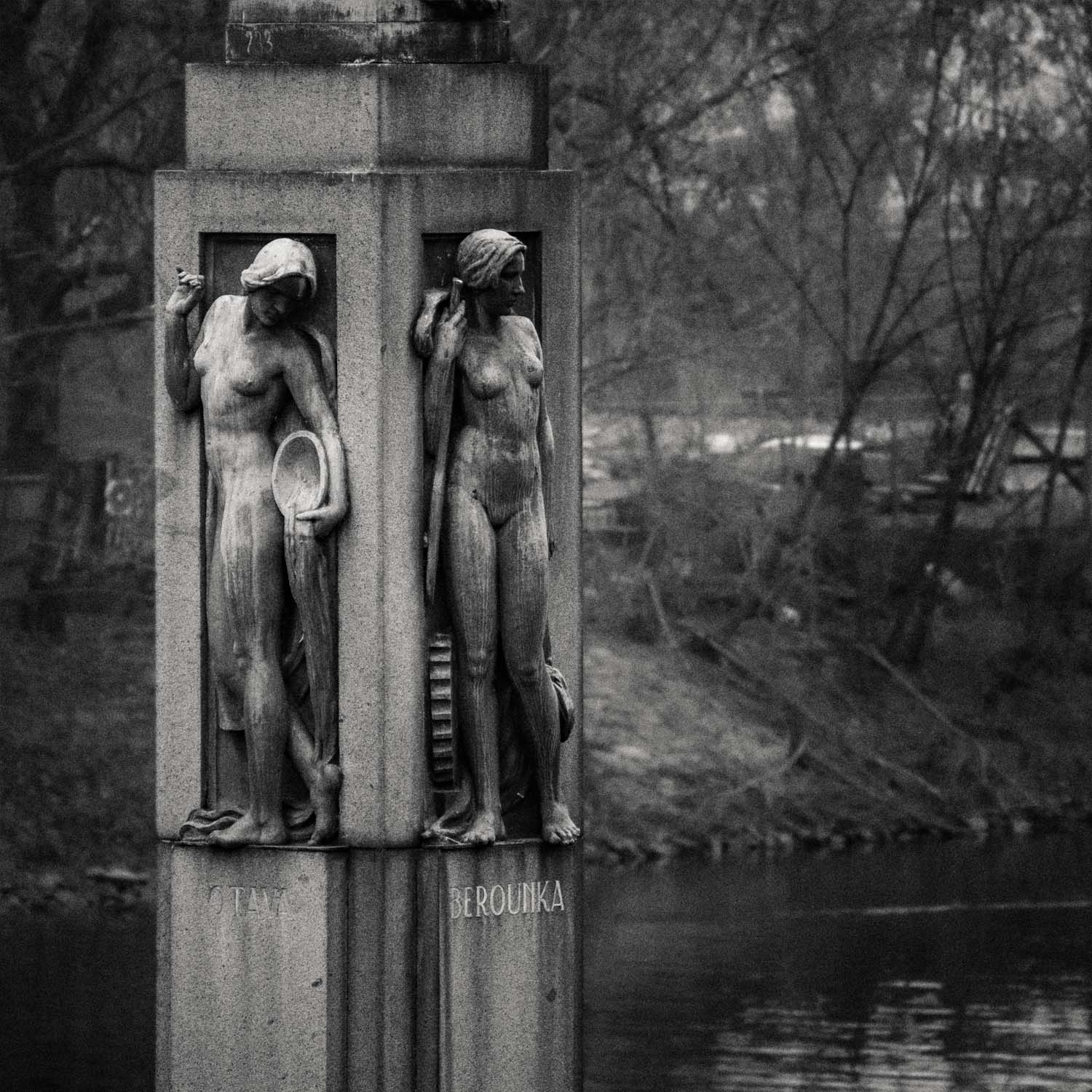
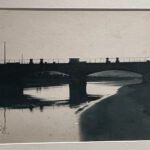
My gaze began at the Moldava River.
On its surface and in its depths
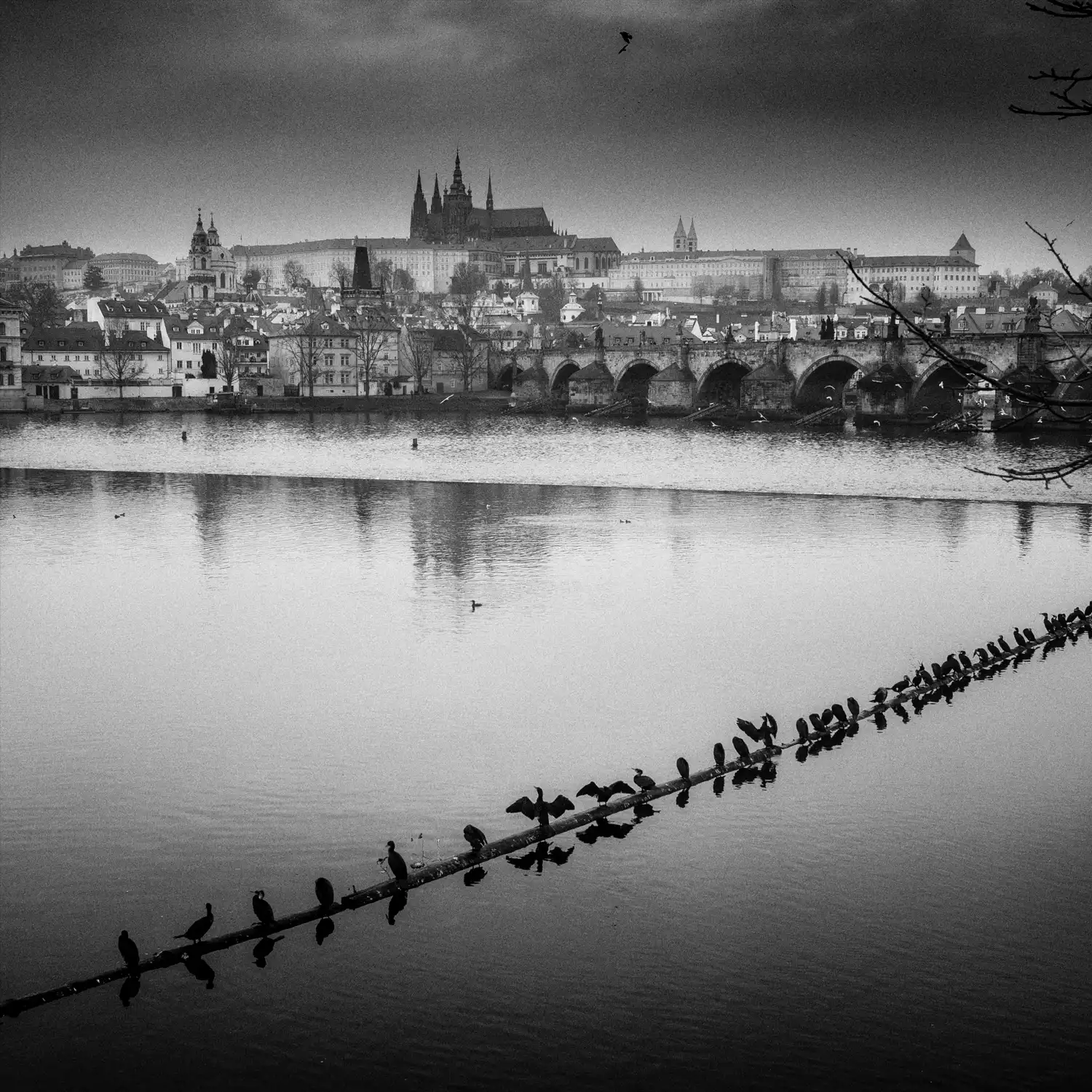
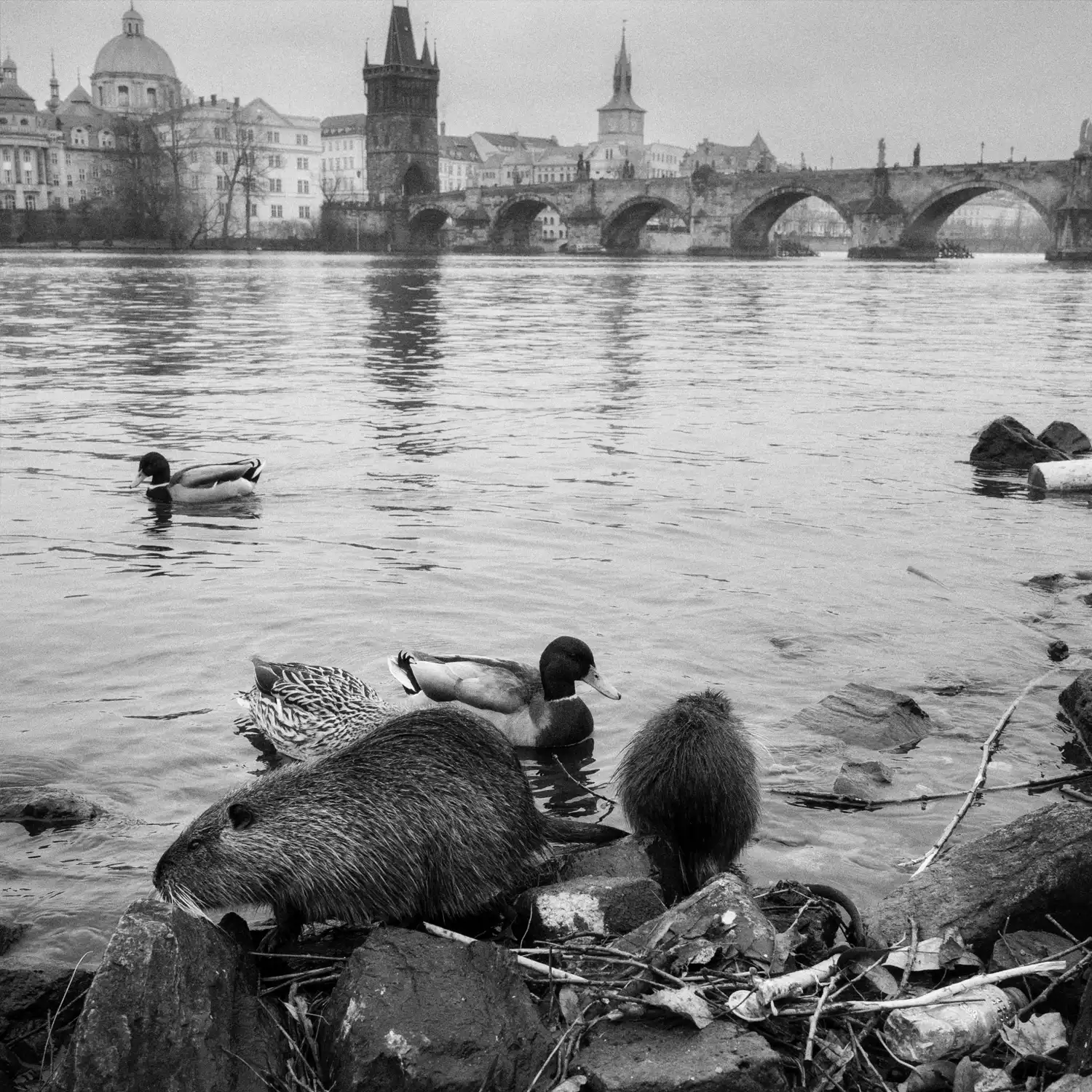
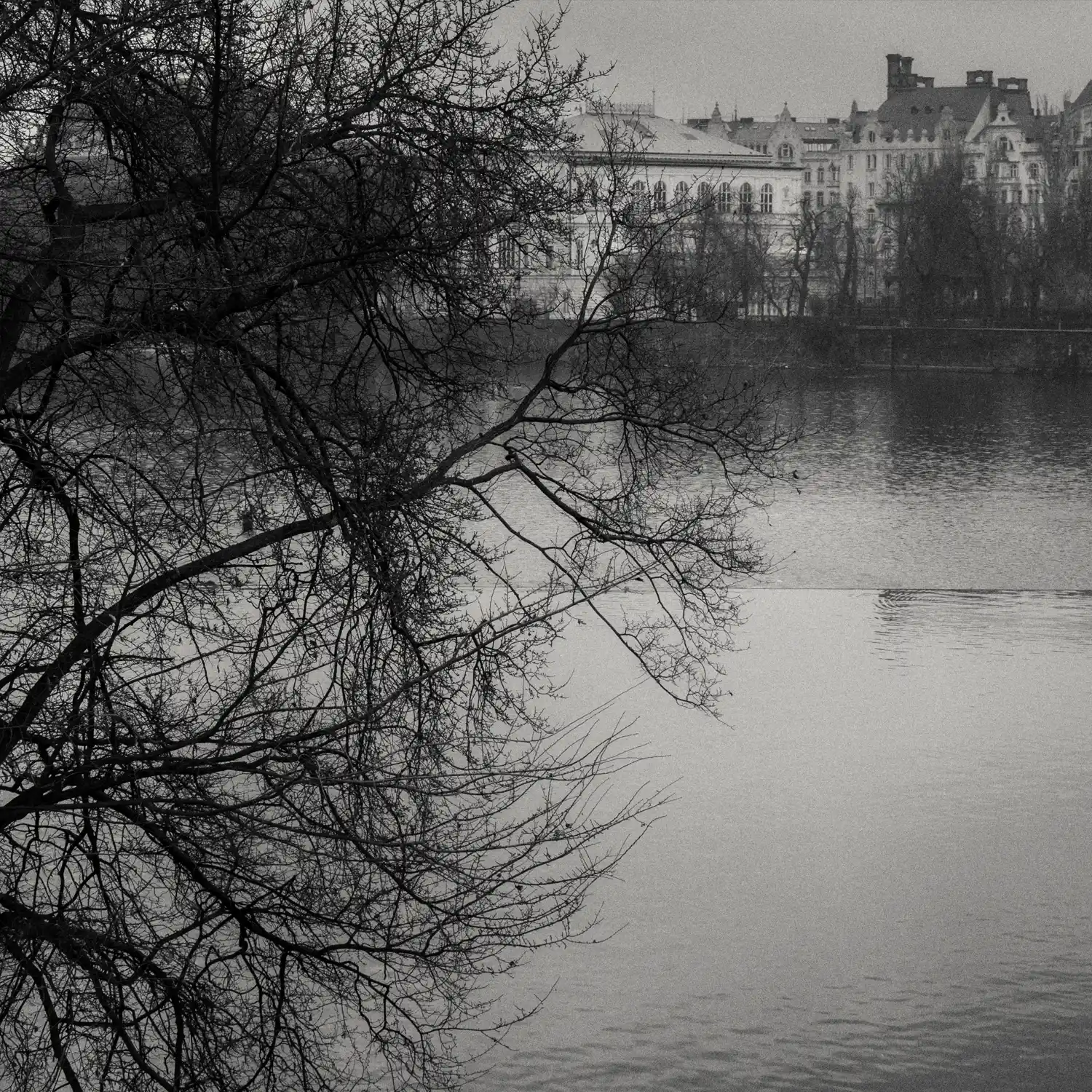
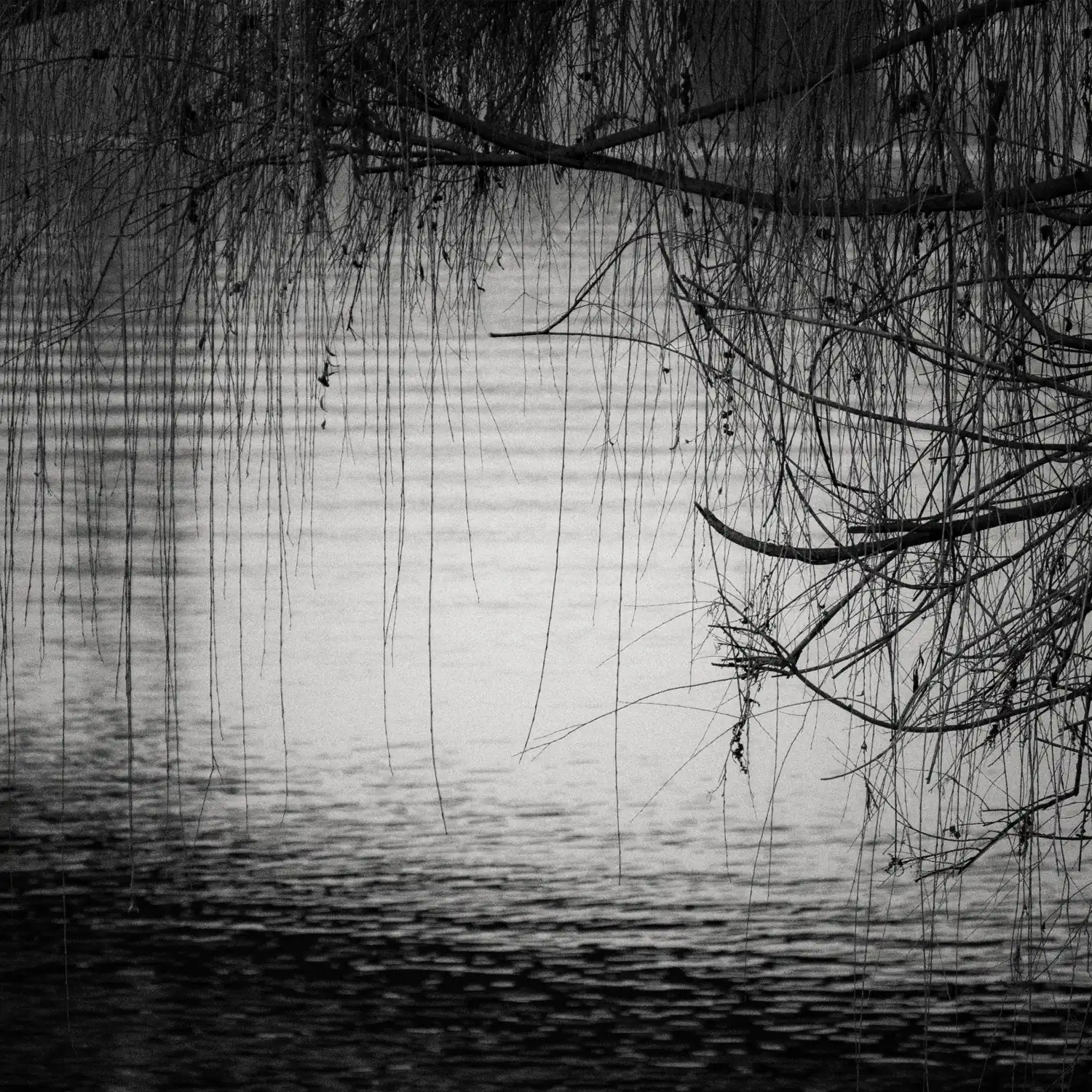
An inhabited river: swans, cormorants spreading their wings in the air, branches leaning down to touch the water, beavers appearing and disappearing.
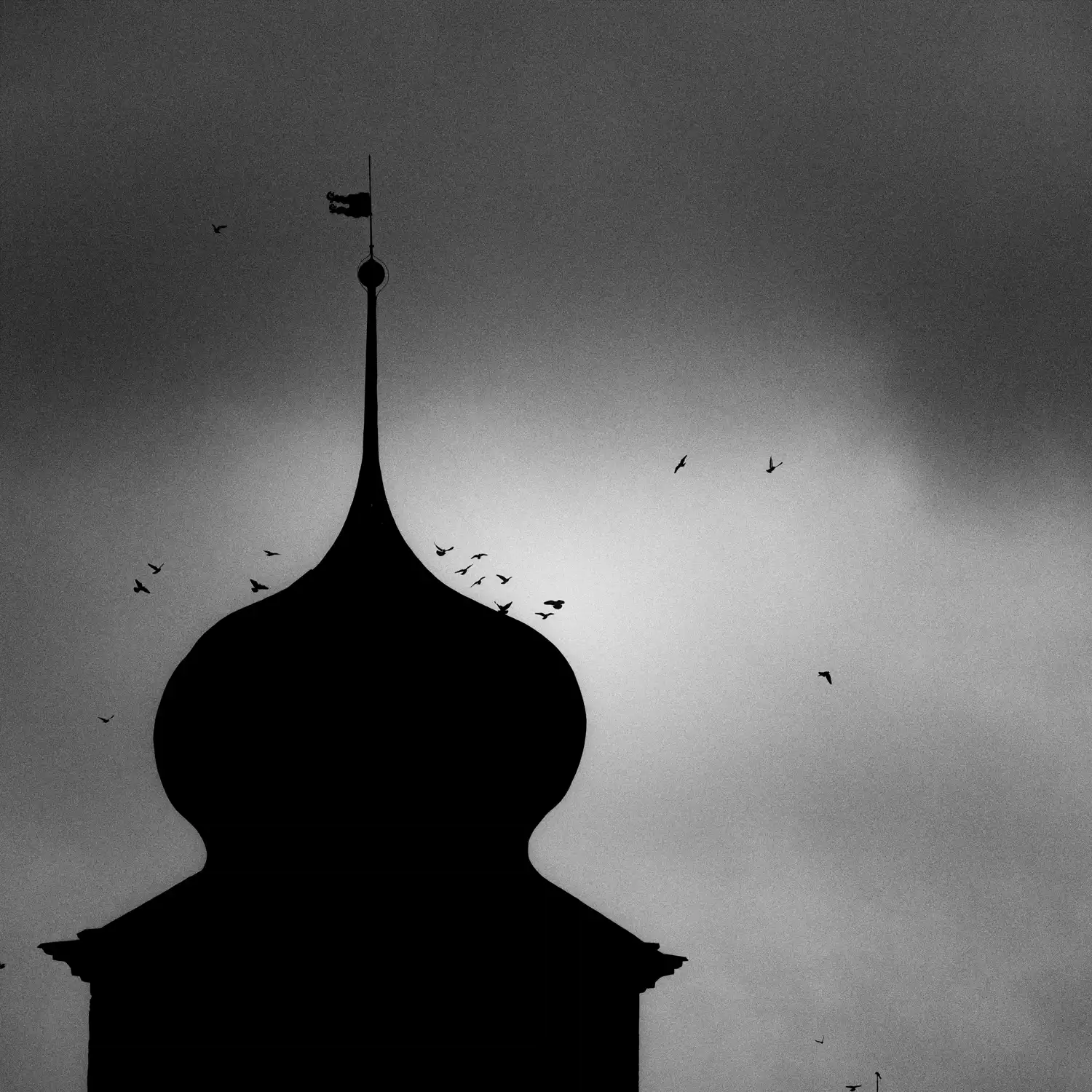
Then my gaze lifted.
To the sky.
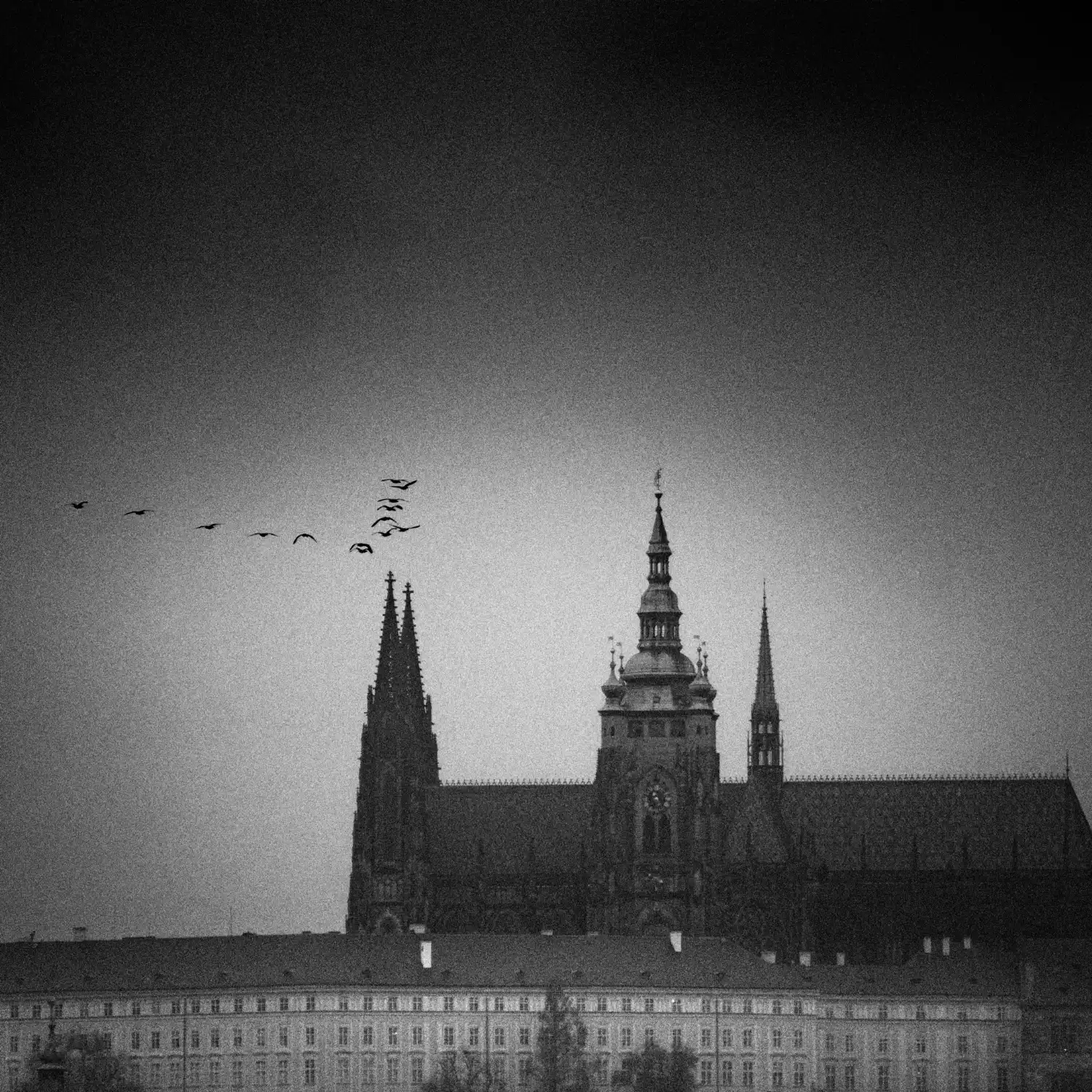
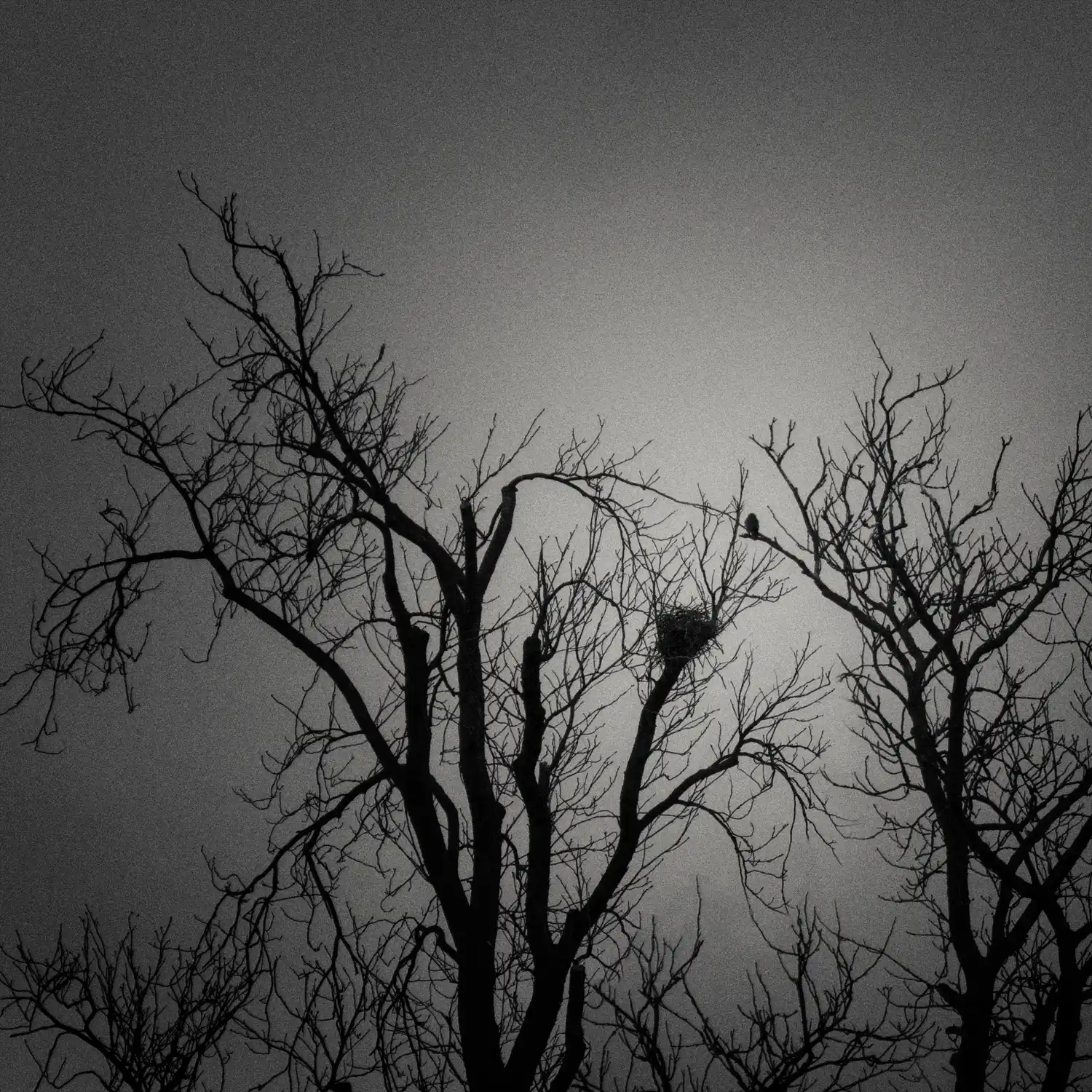
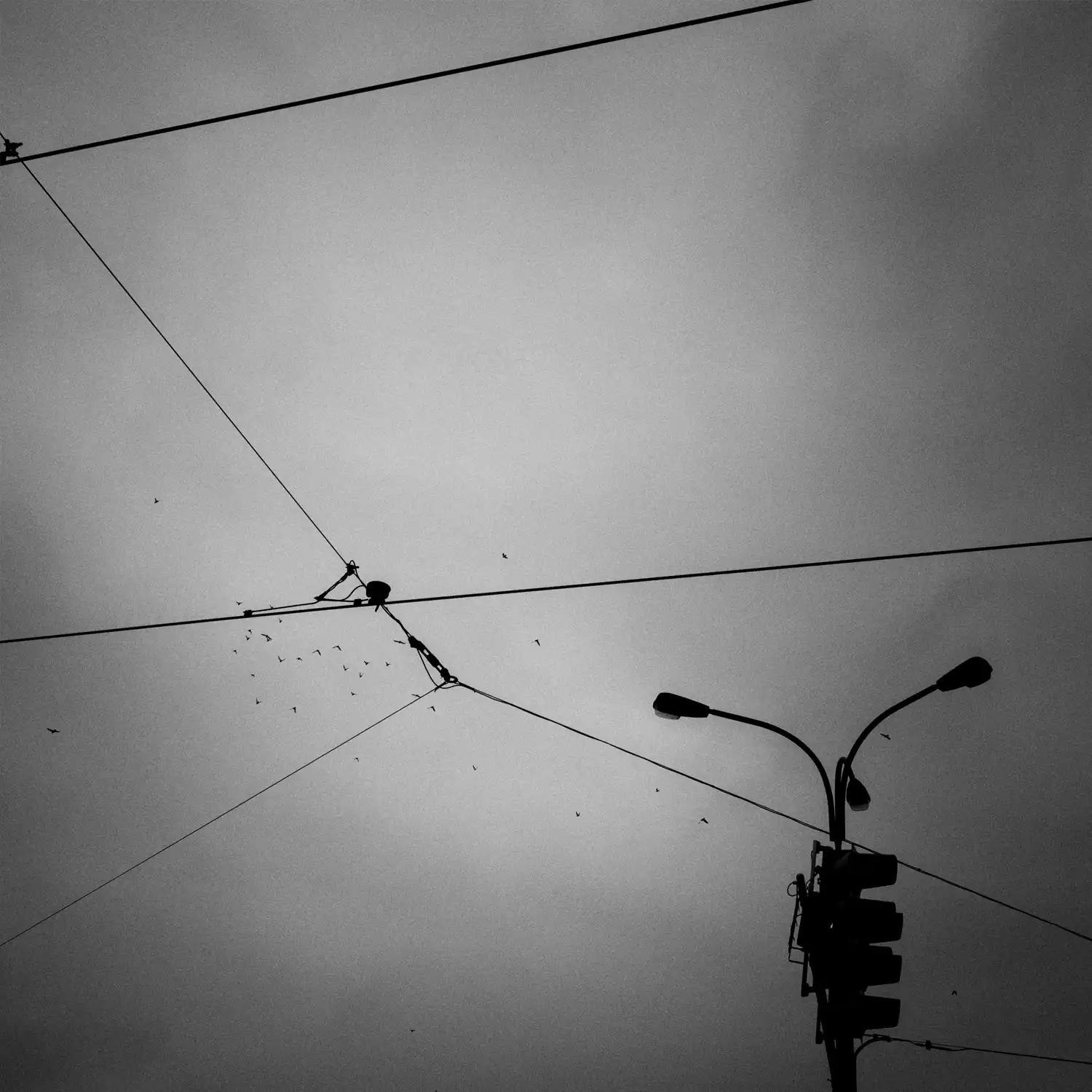
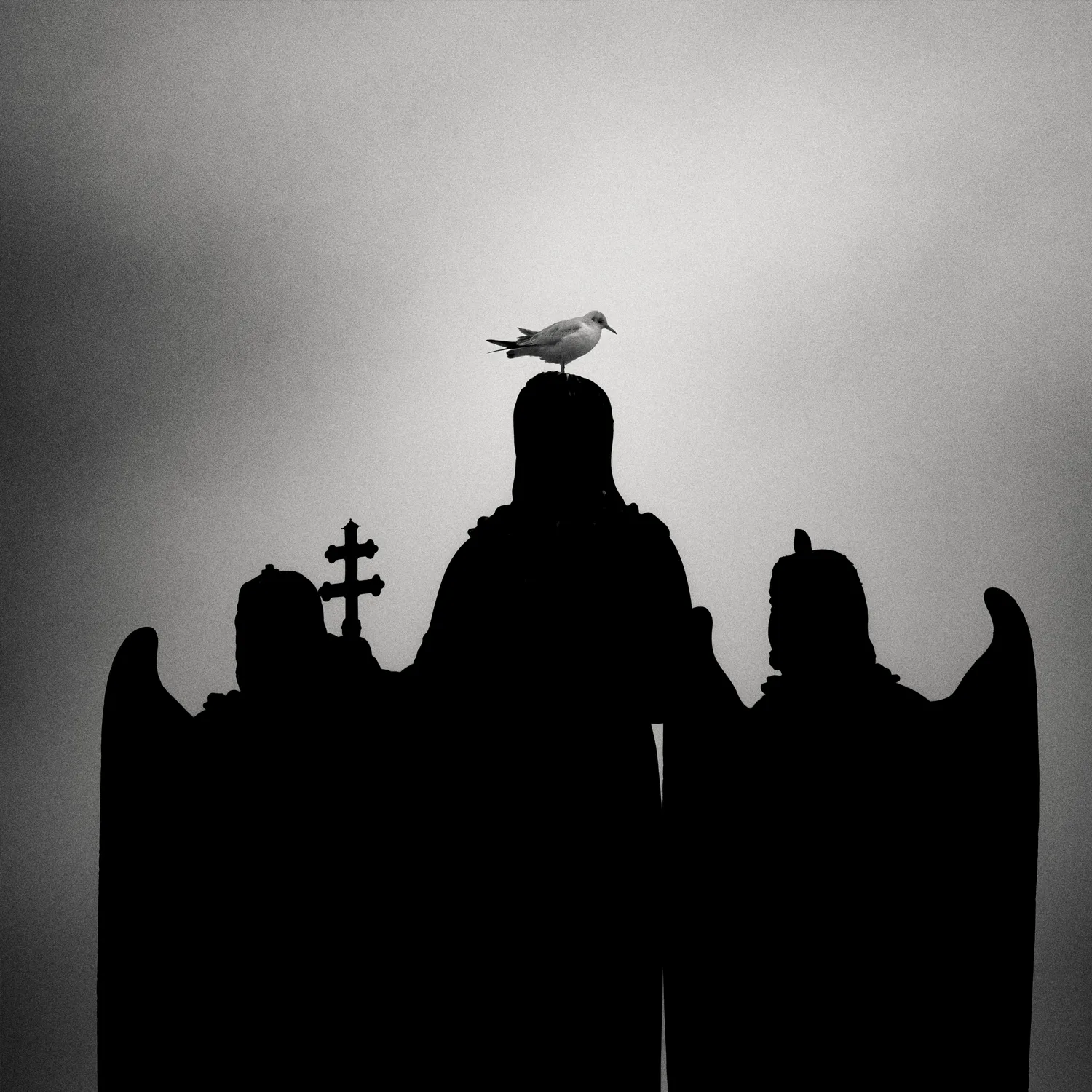
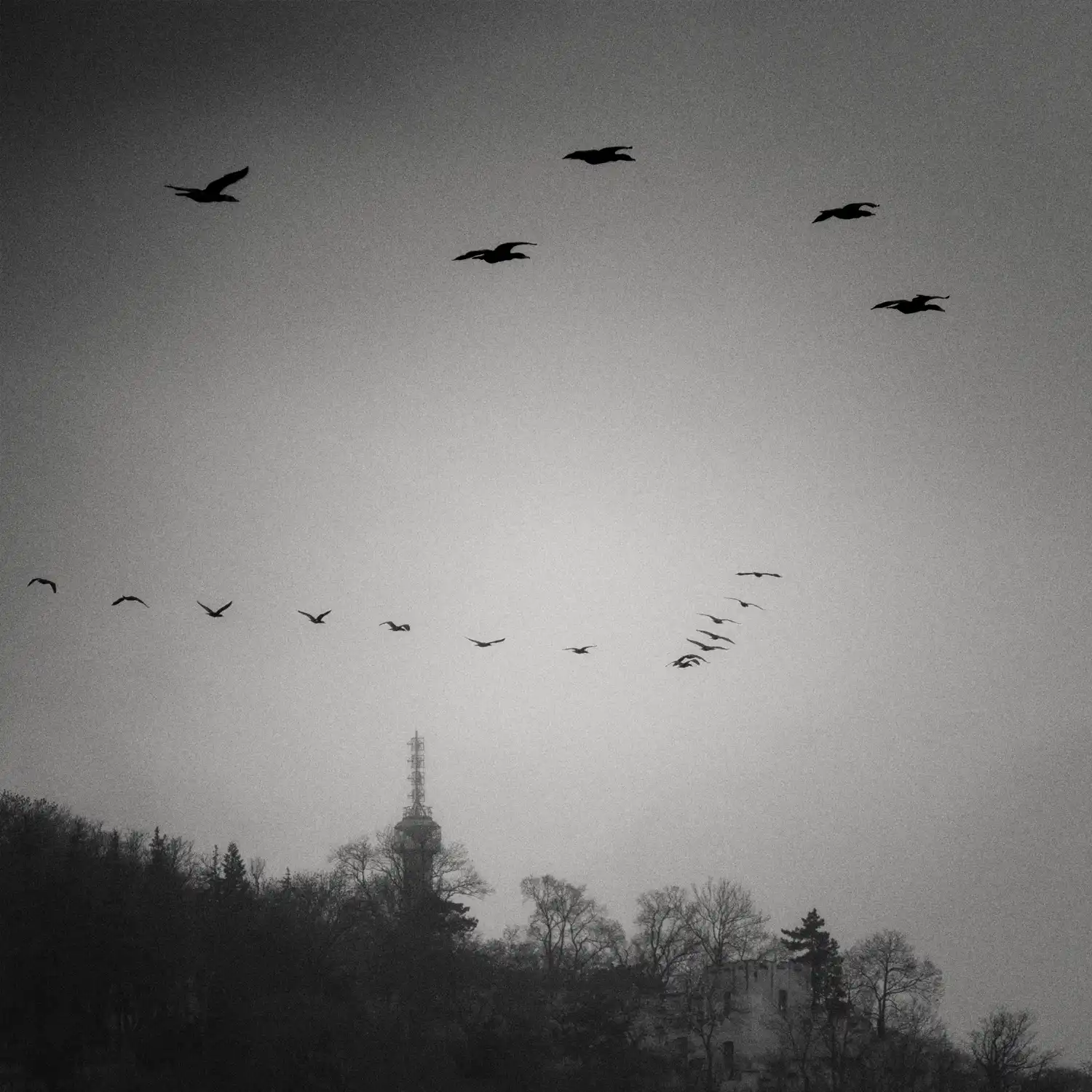
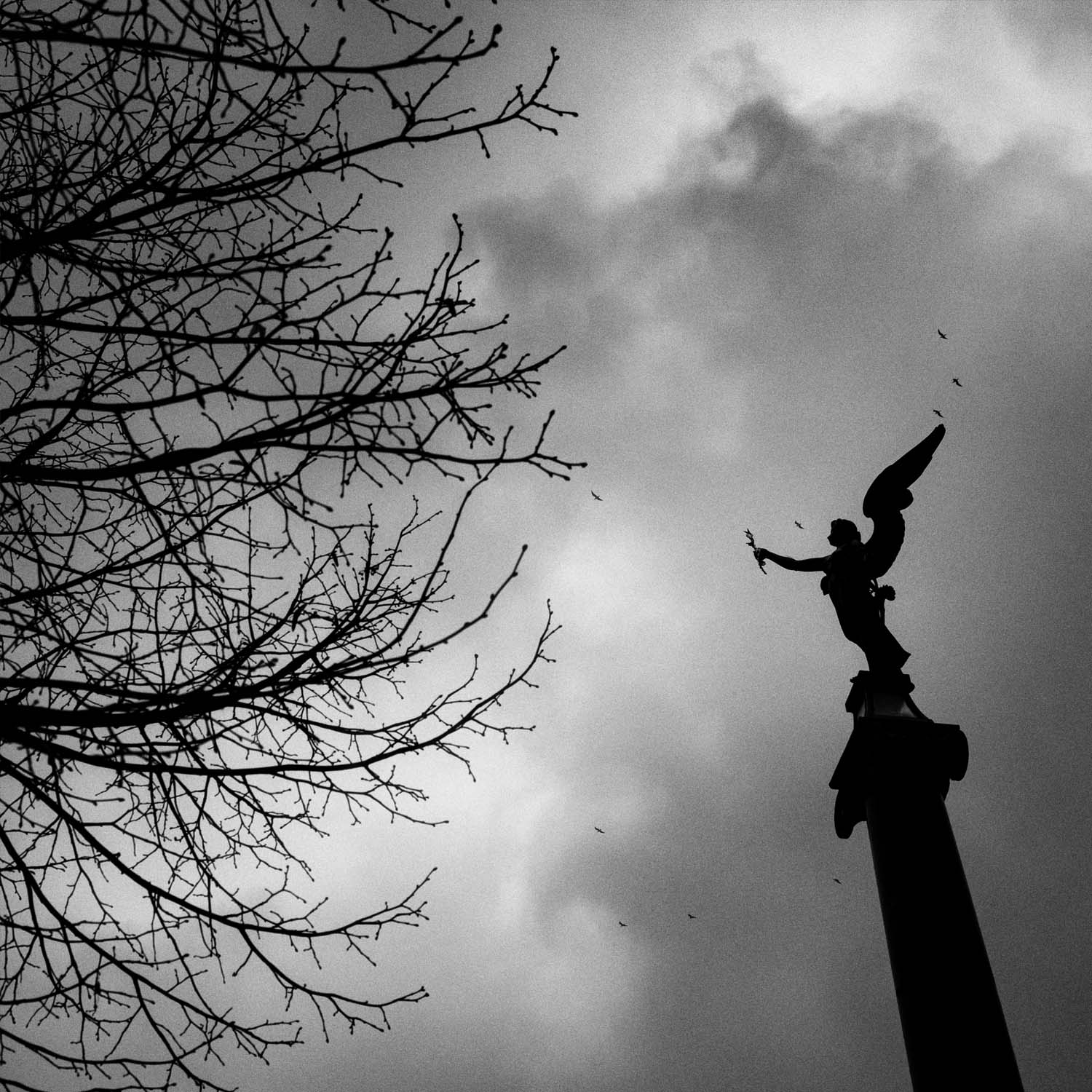
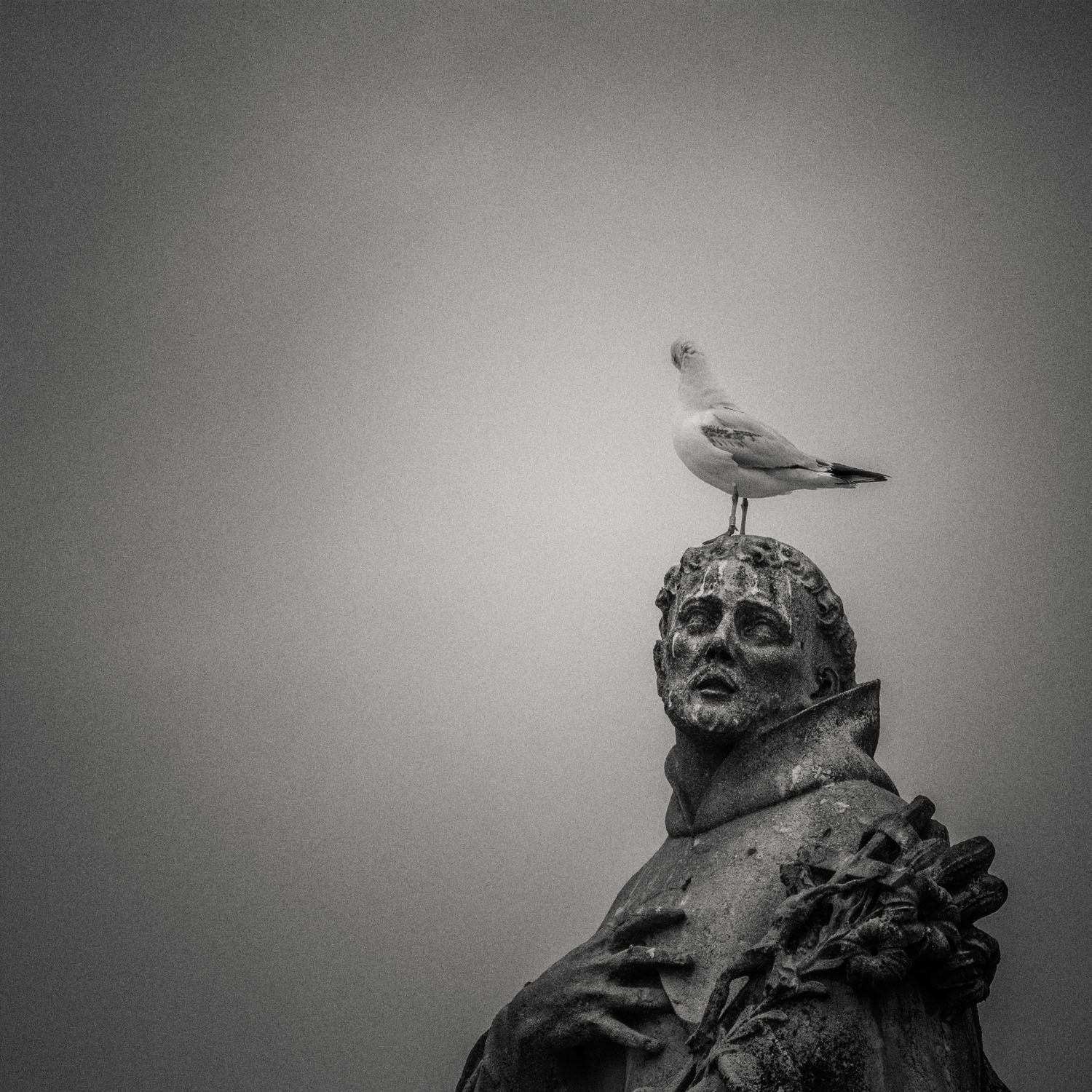
To the silhouettes of the birds, to the wires crossing the air, to the shapes that only appear when you stop looking at the obvious.
And between those two boundaries—the water and the sky—everything else appeared.

Life.
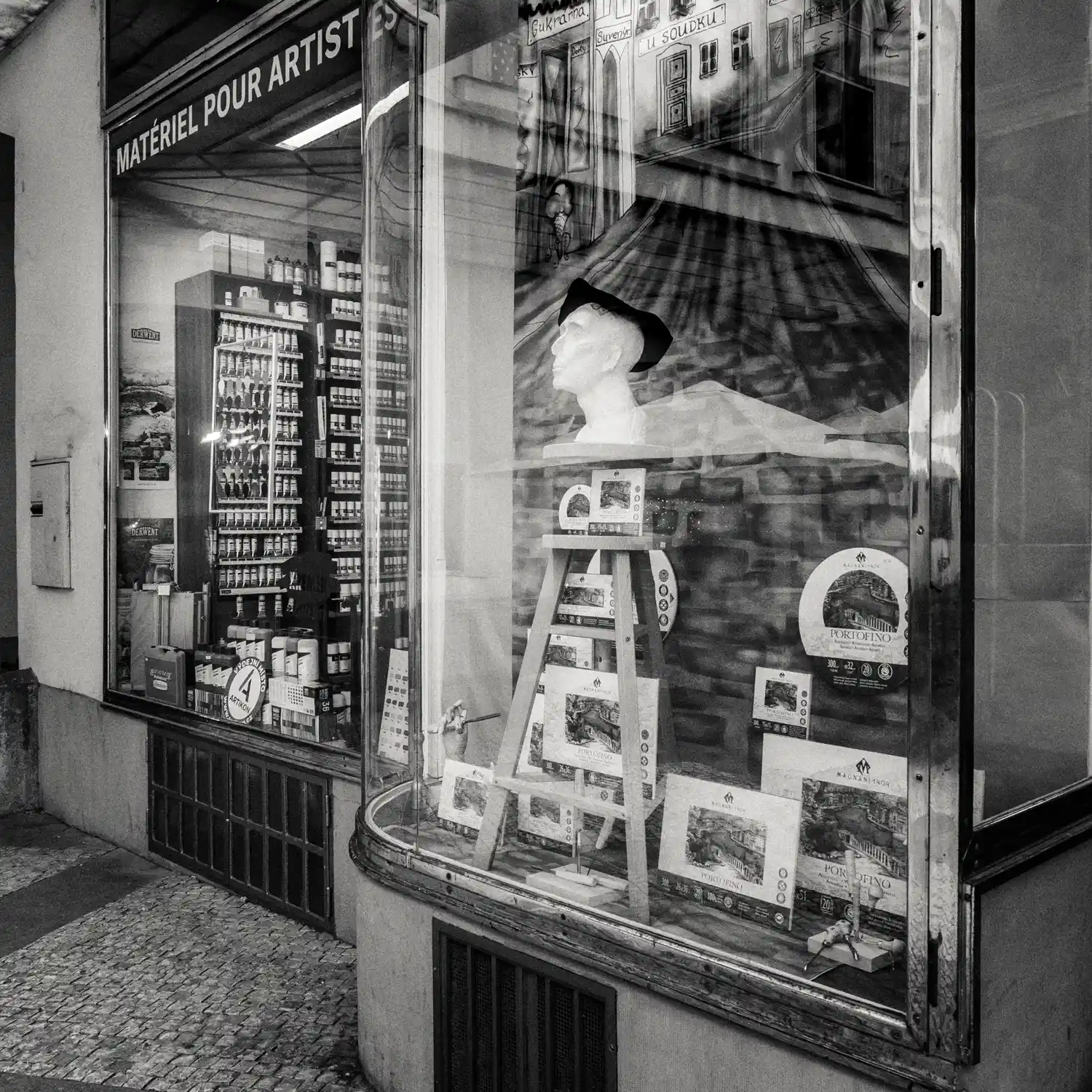
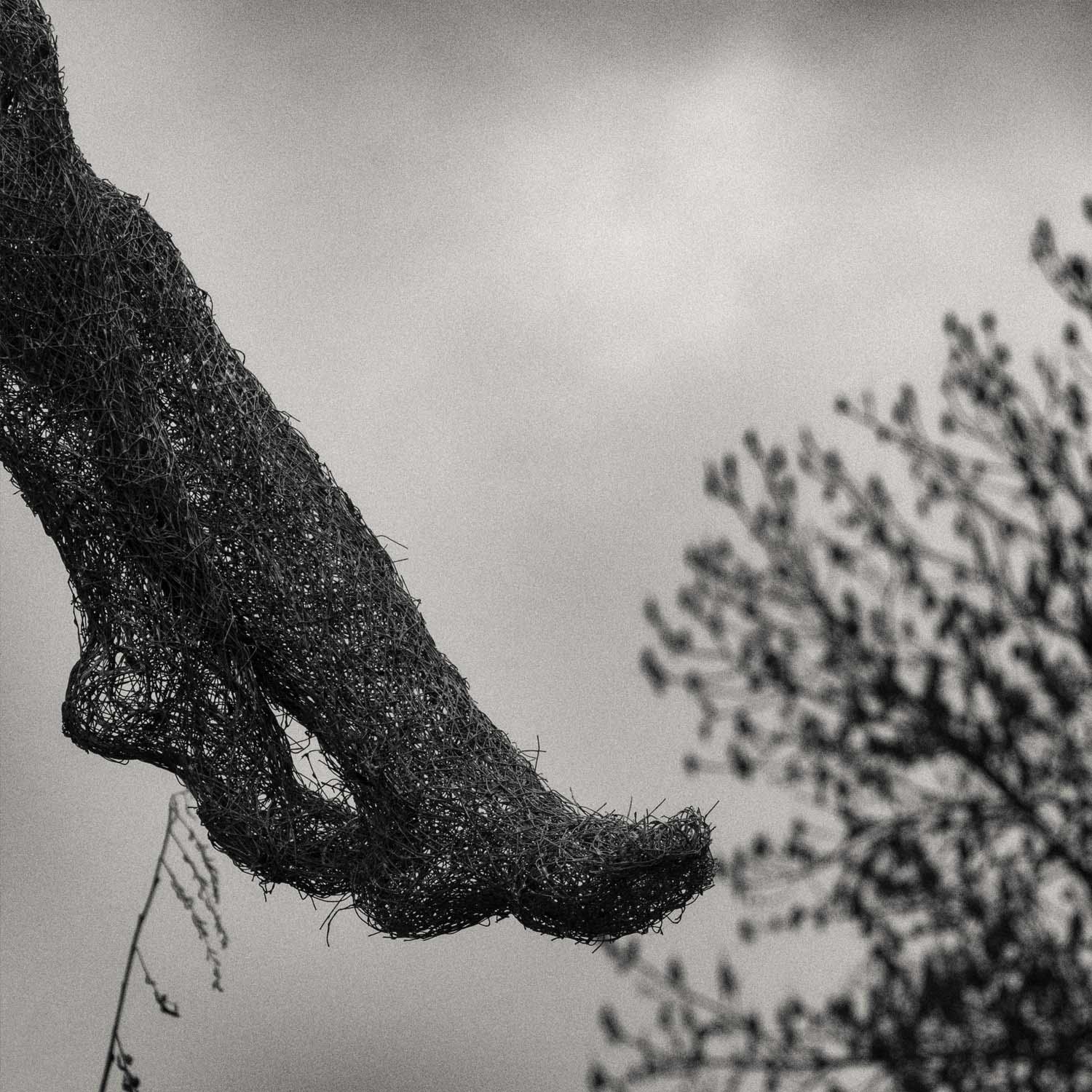
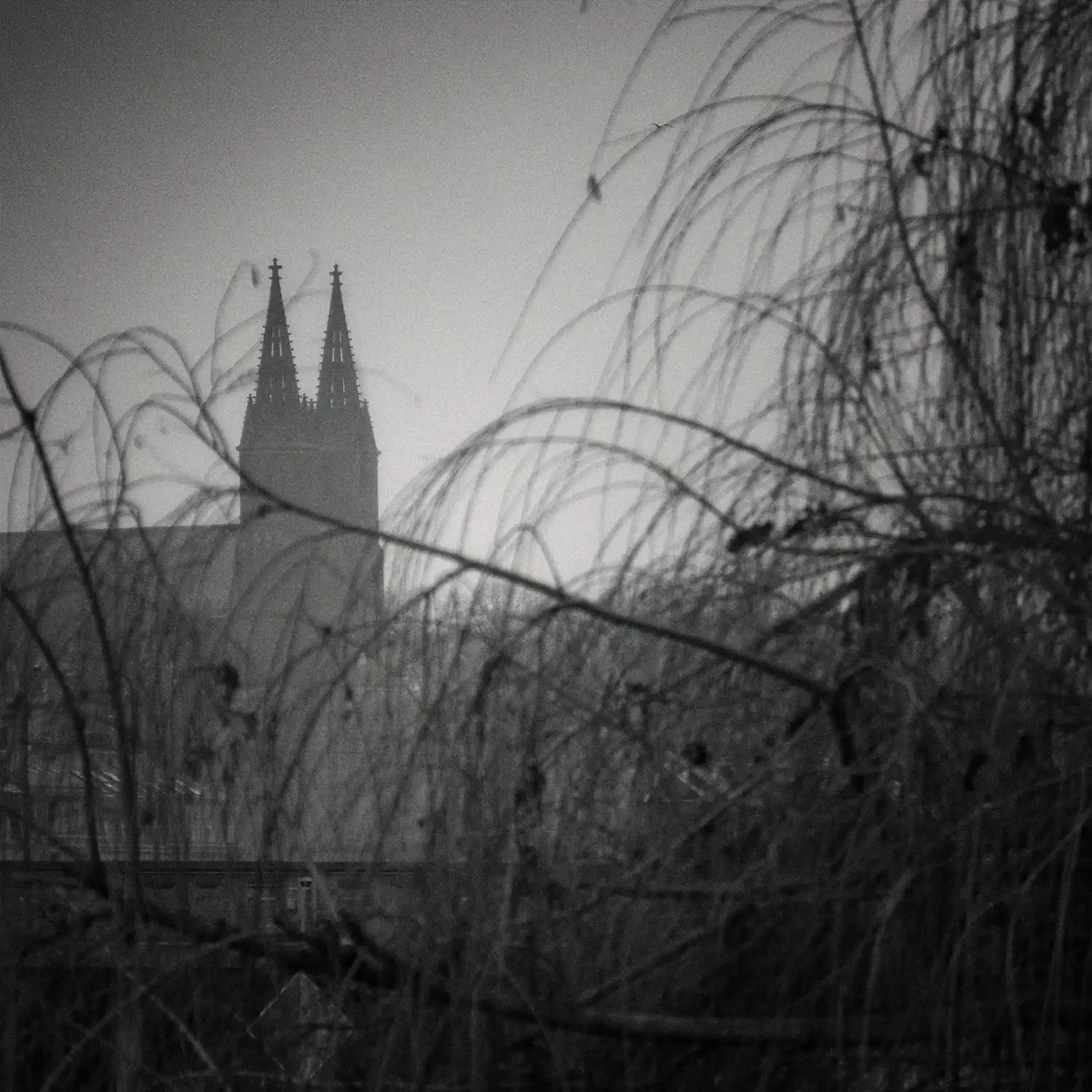
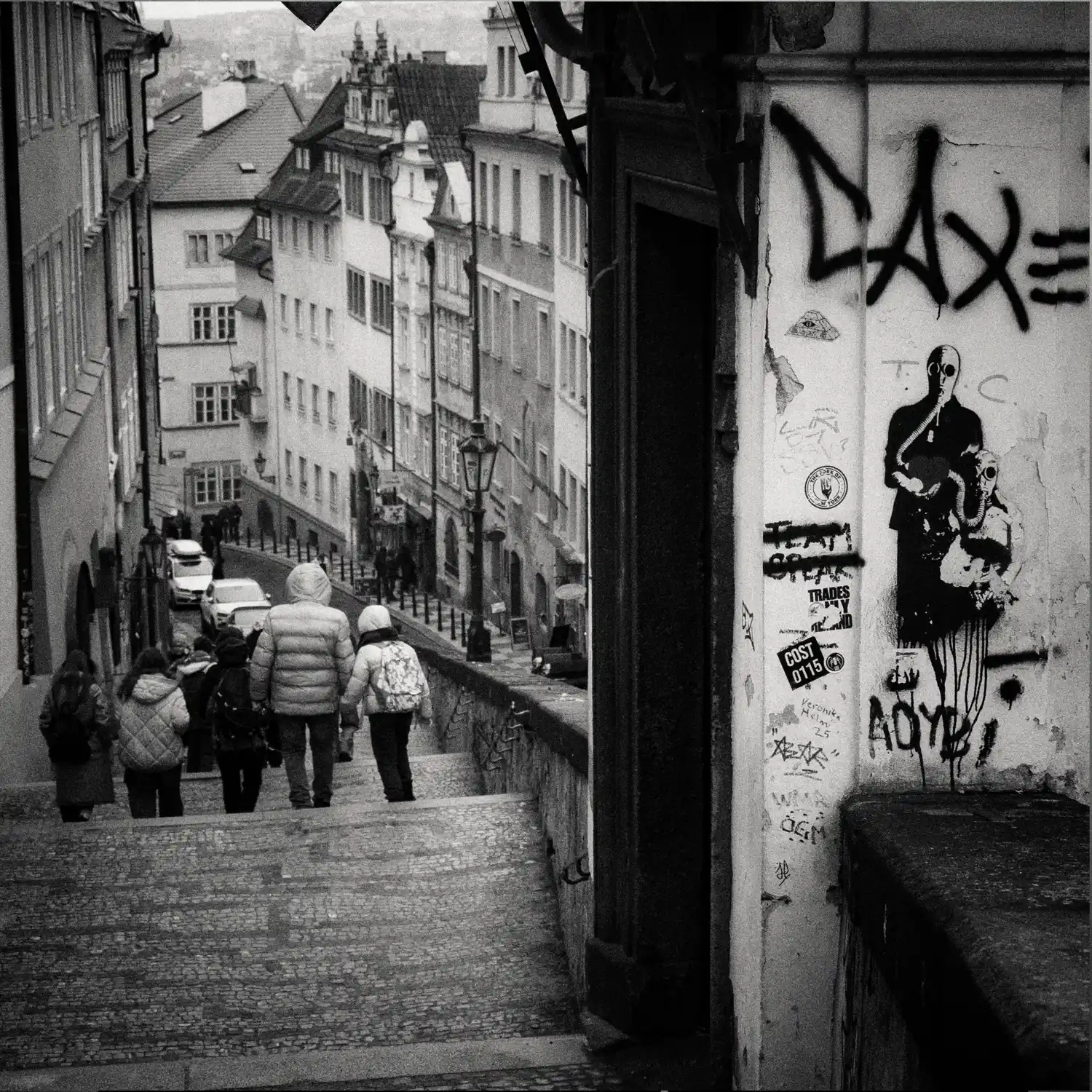
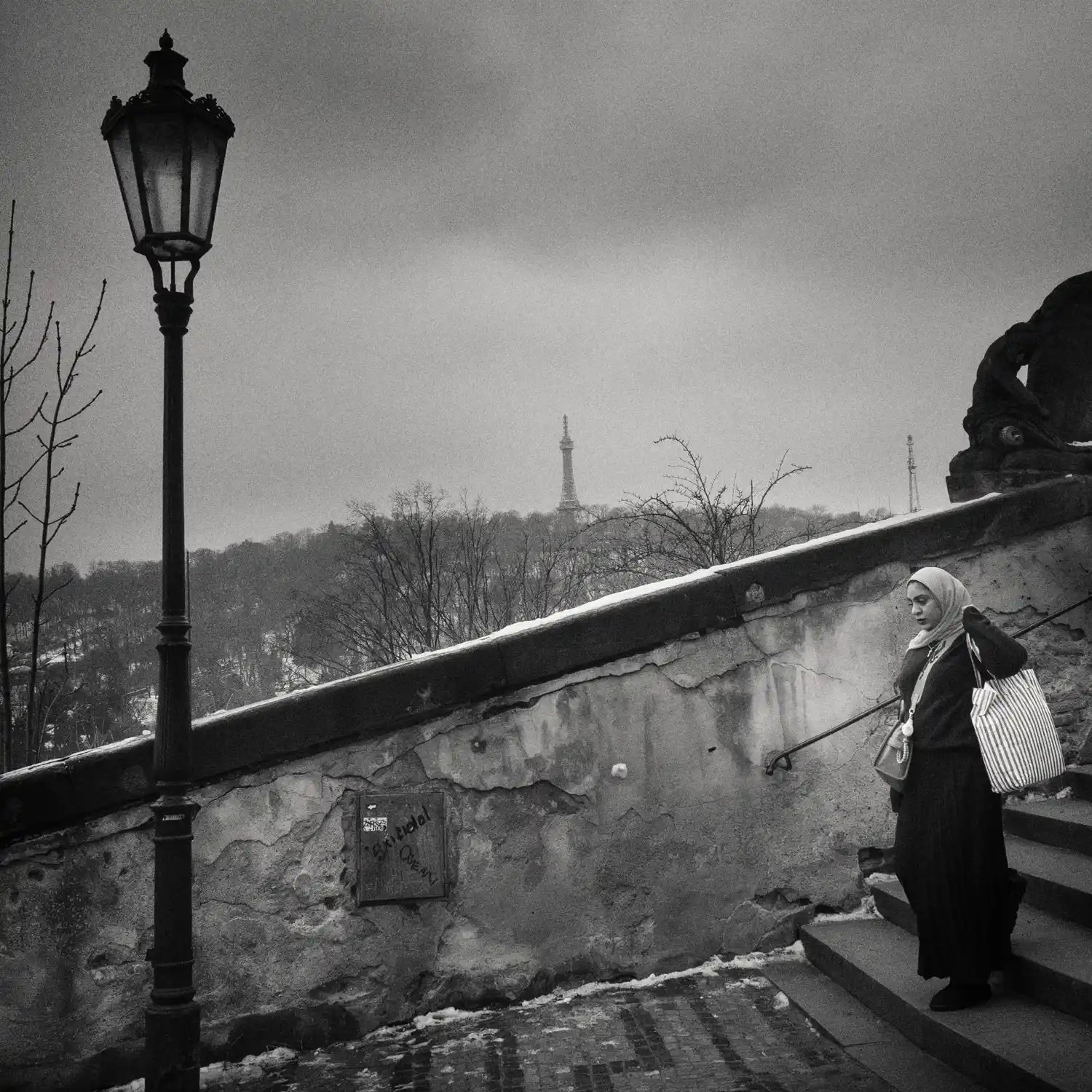
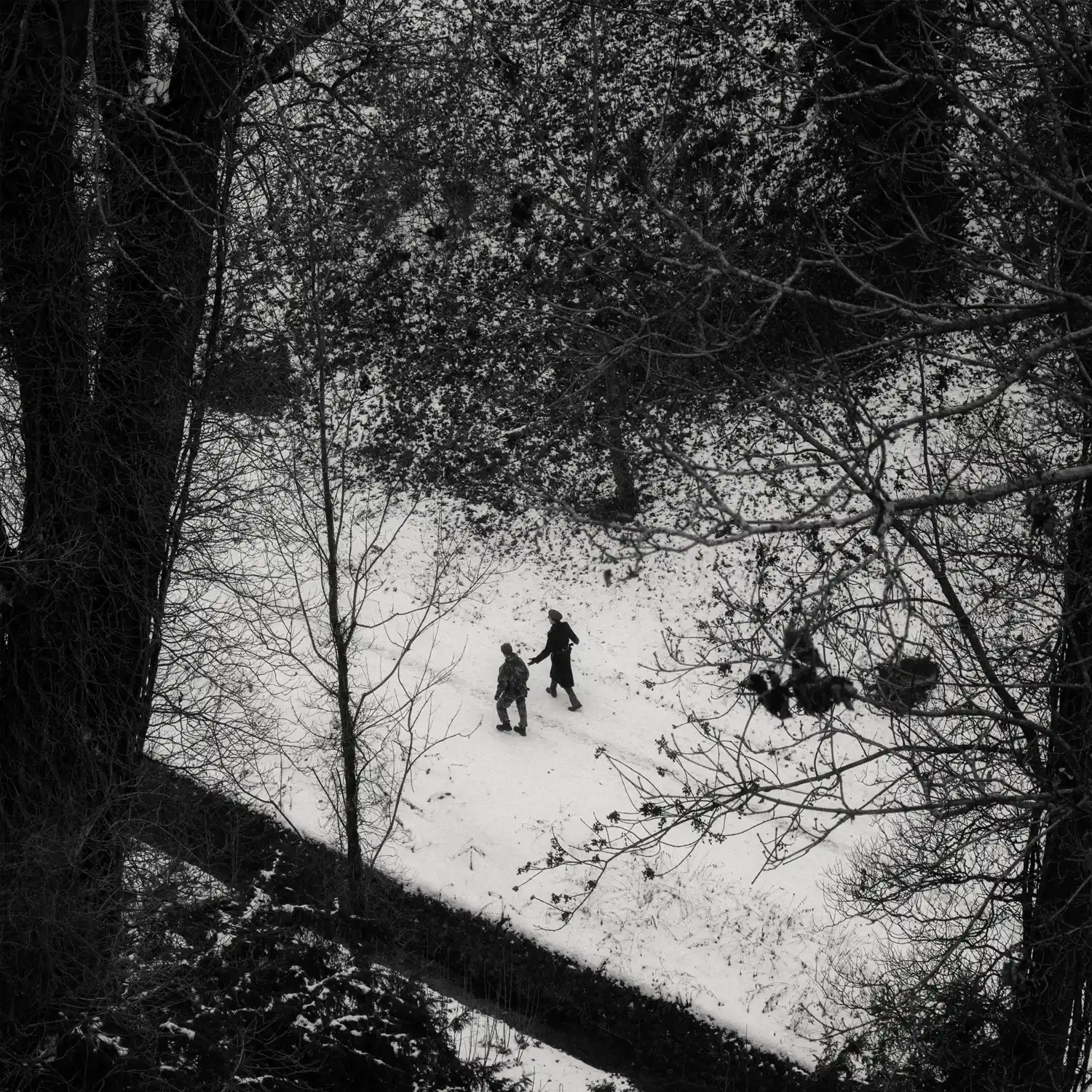
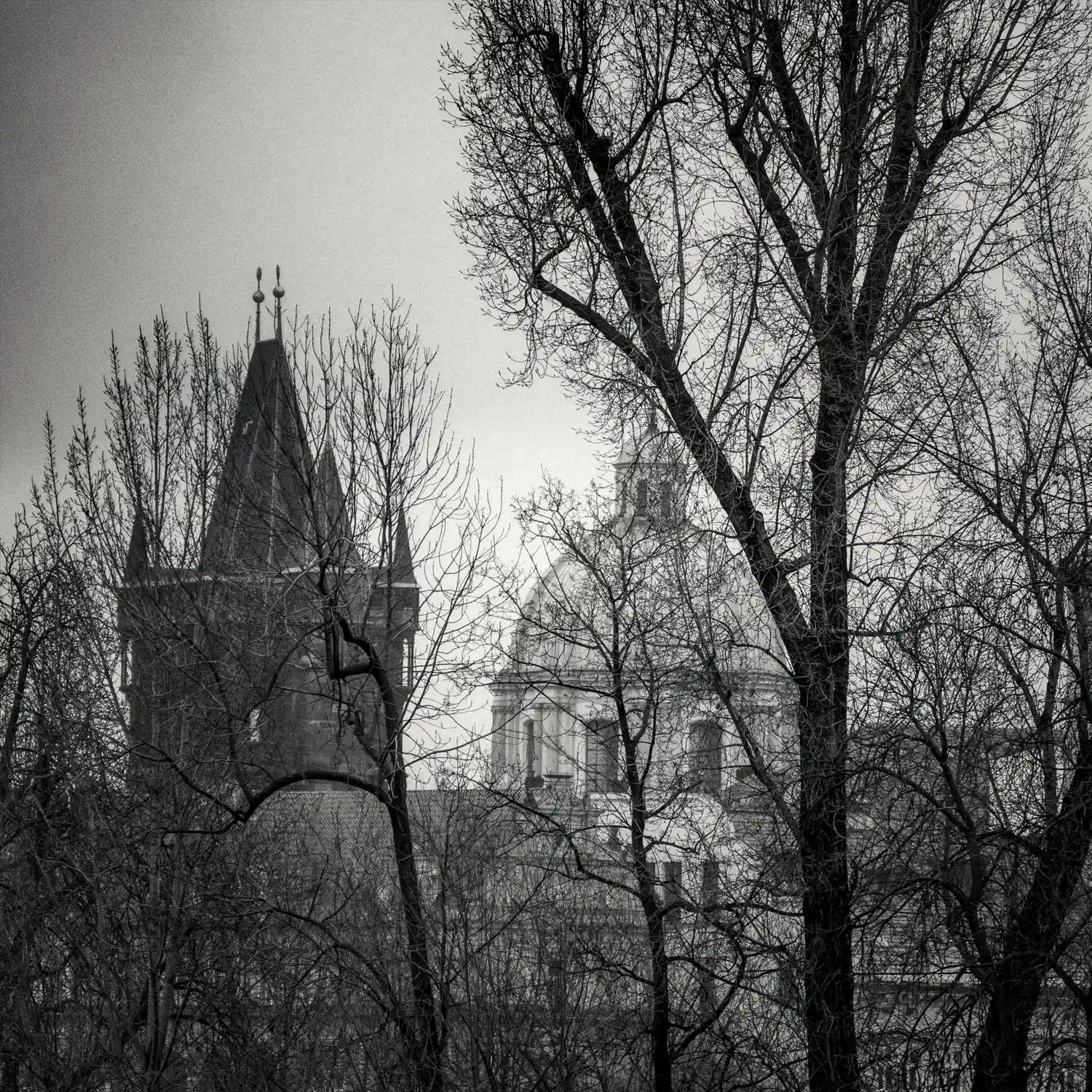
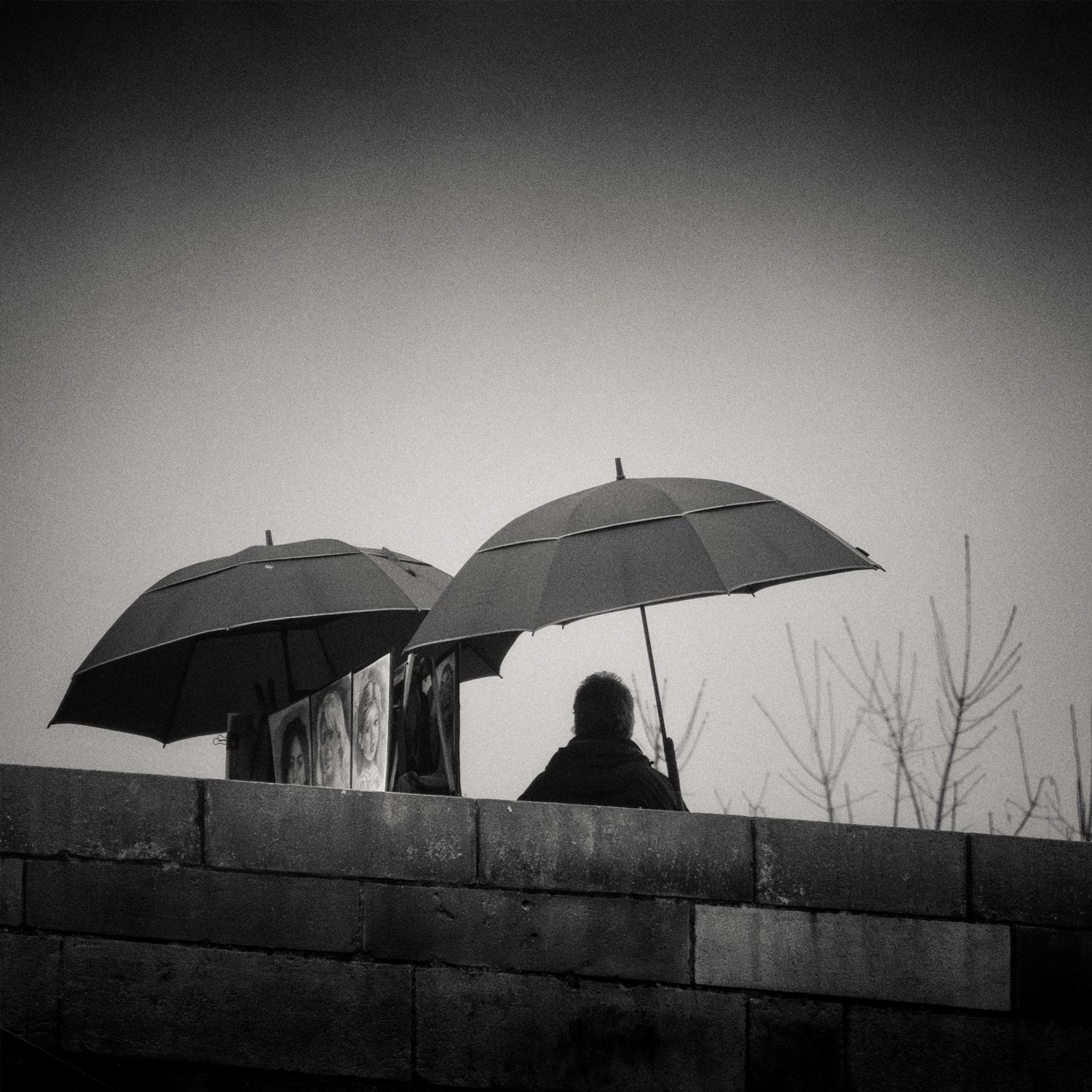
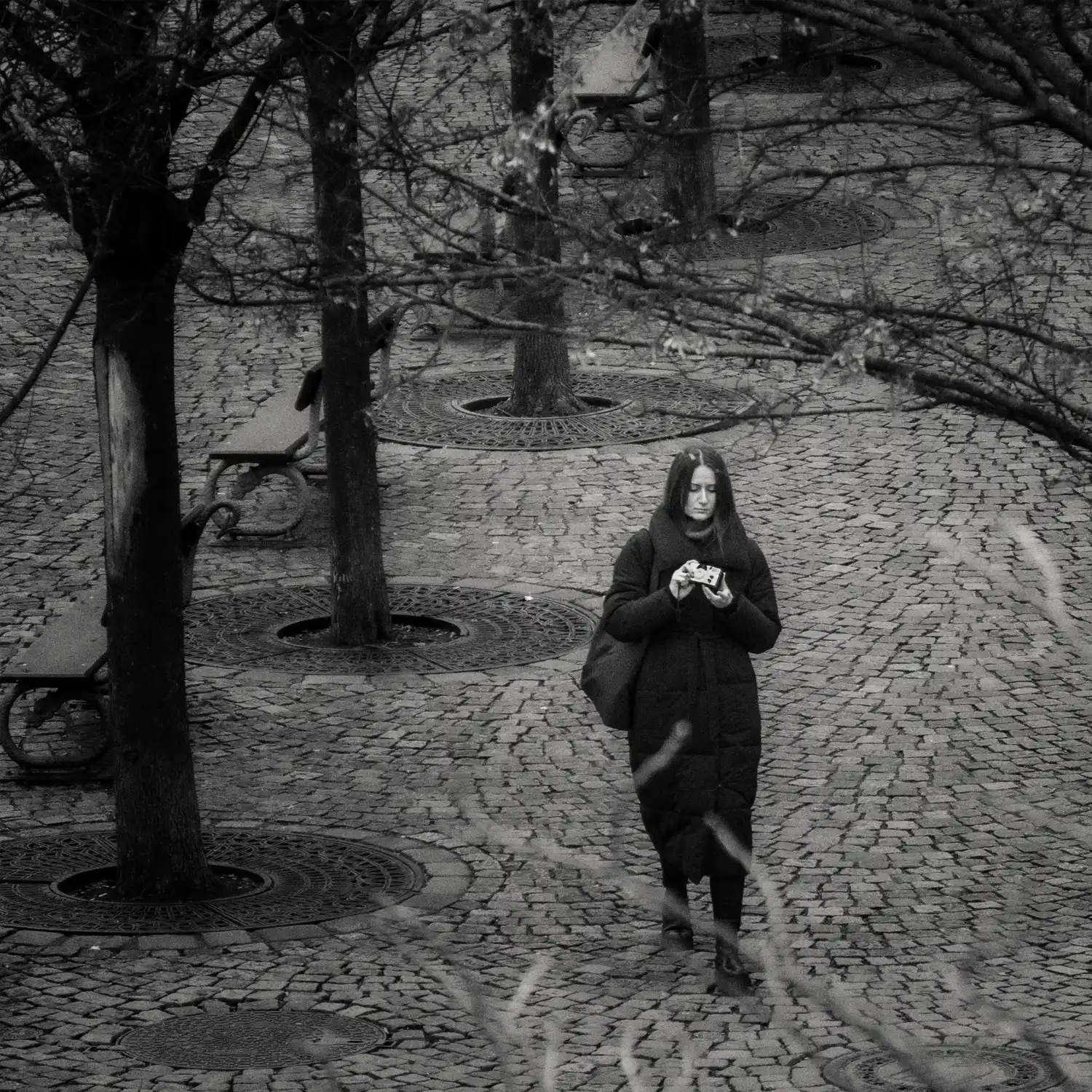
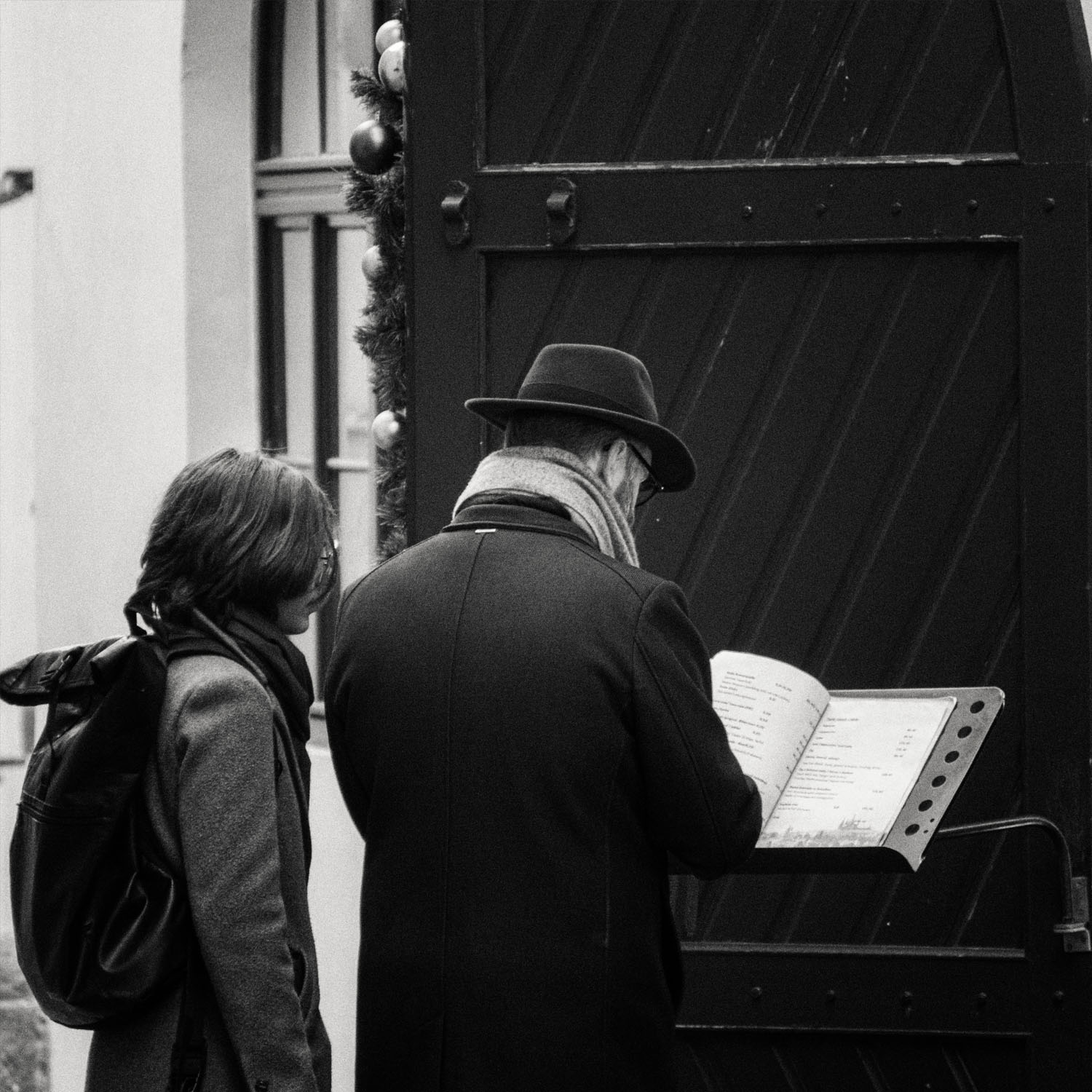
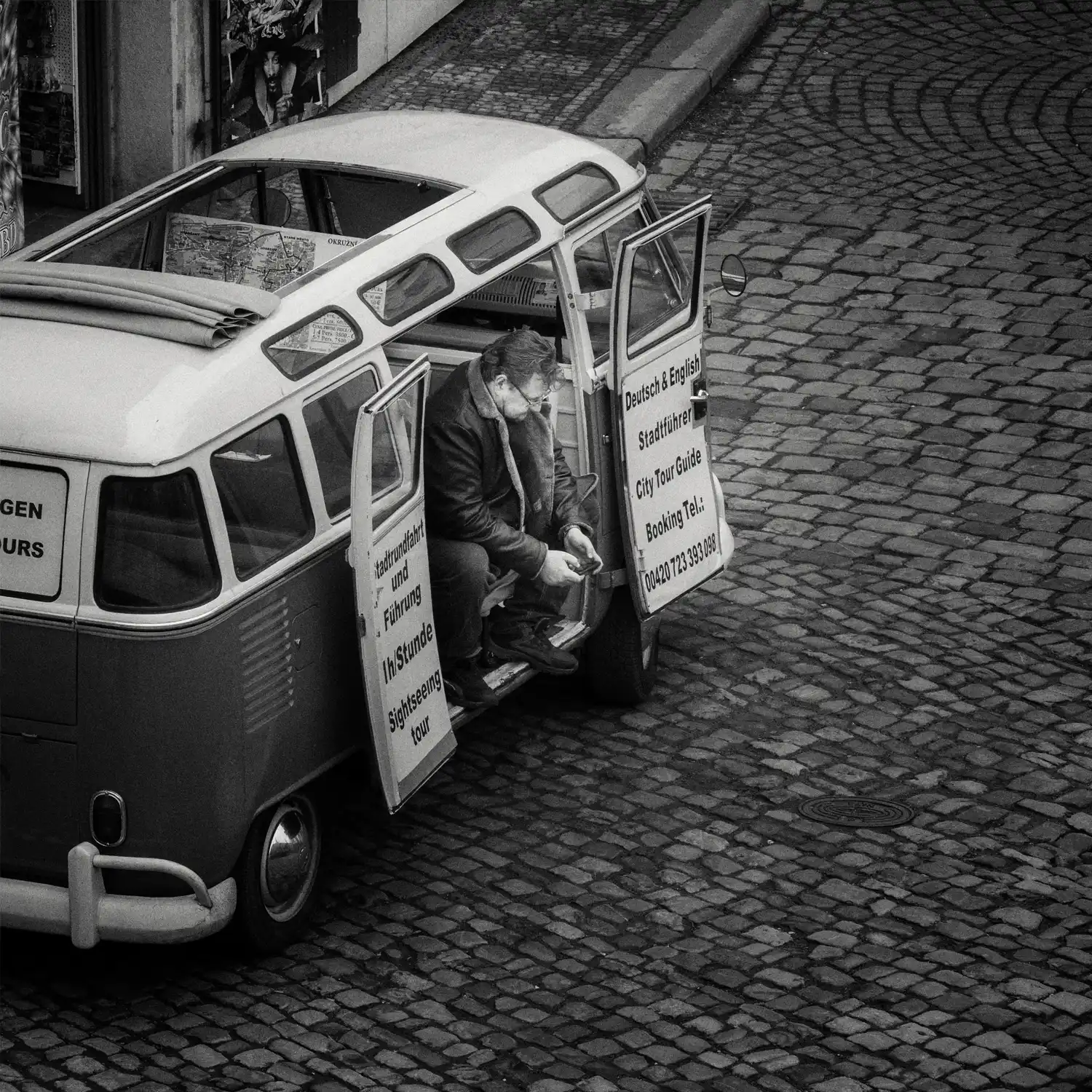
The streets that flow. People passing by, unaware that they are part of an image. Trees that frame, conceal, or reveal. Windows that hint at other lives within the same city.
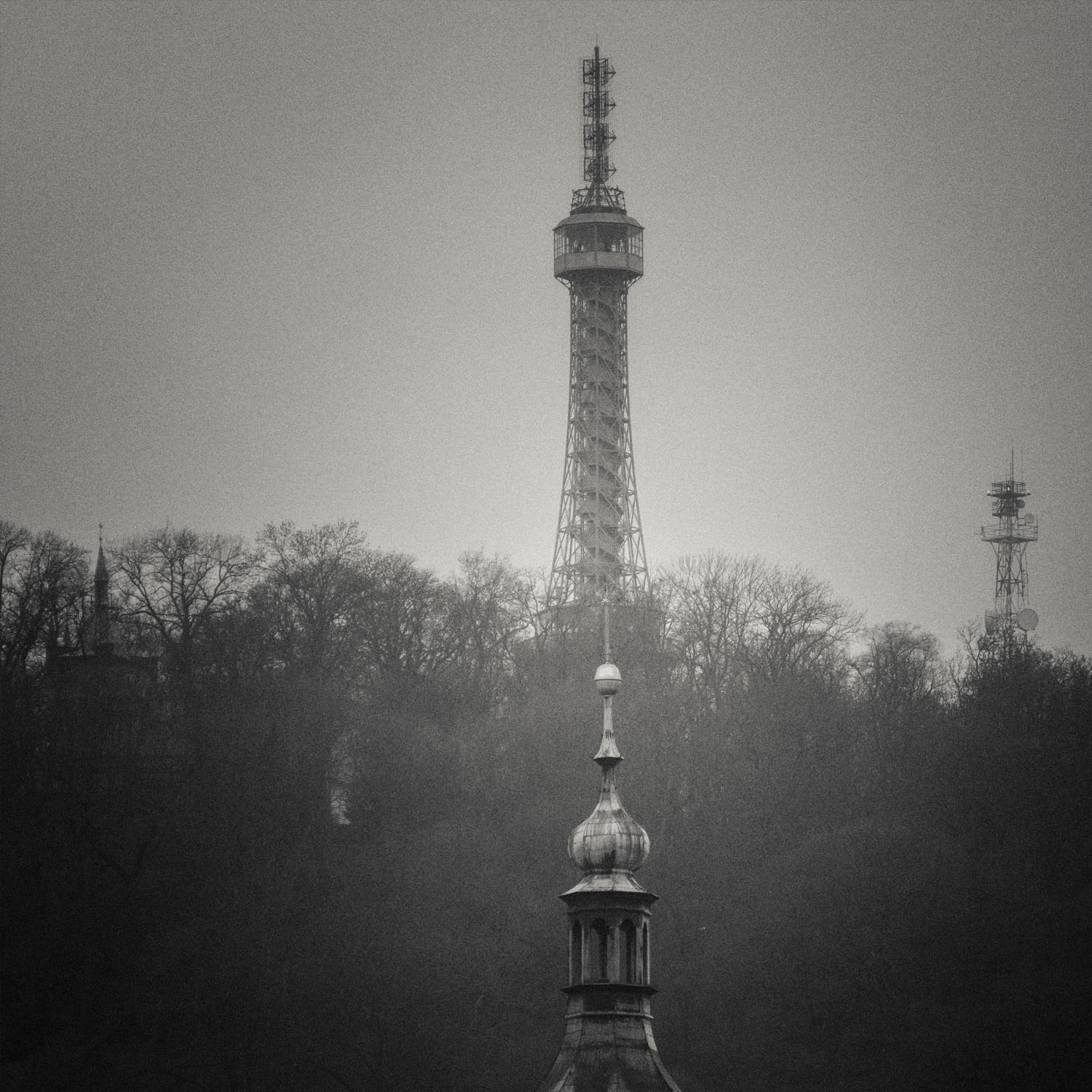
Gray days. Overcast skies. No dramatics. No extreme contrasts.
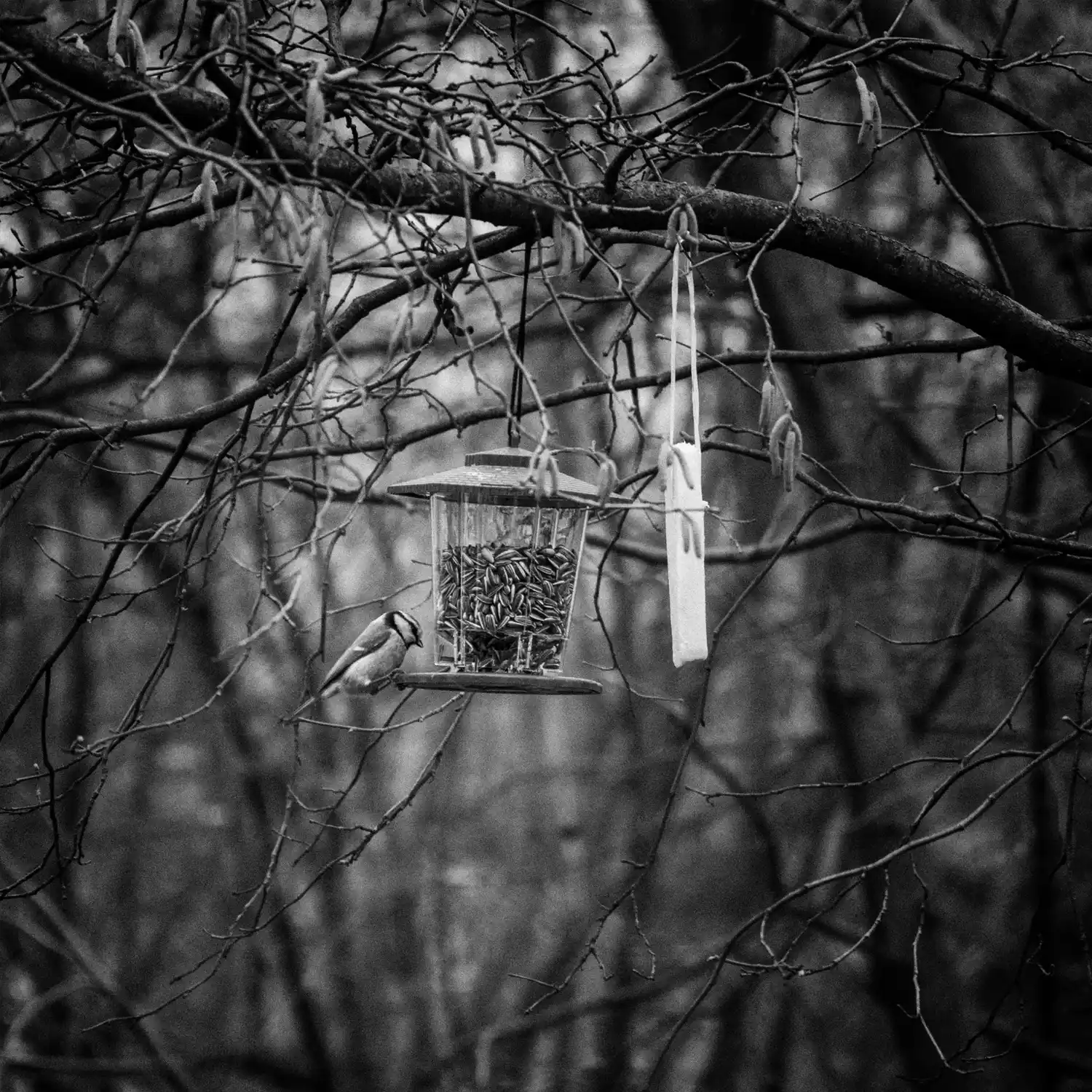
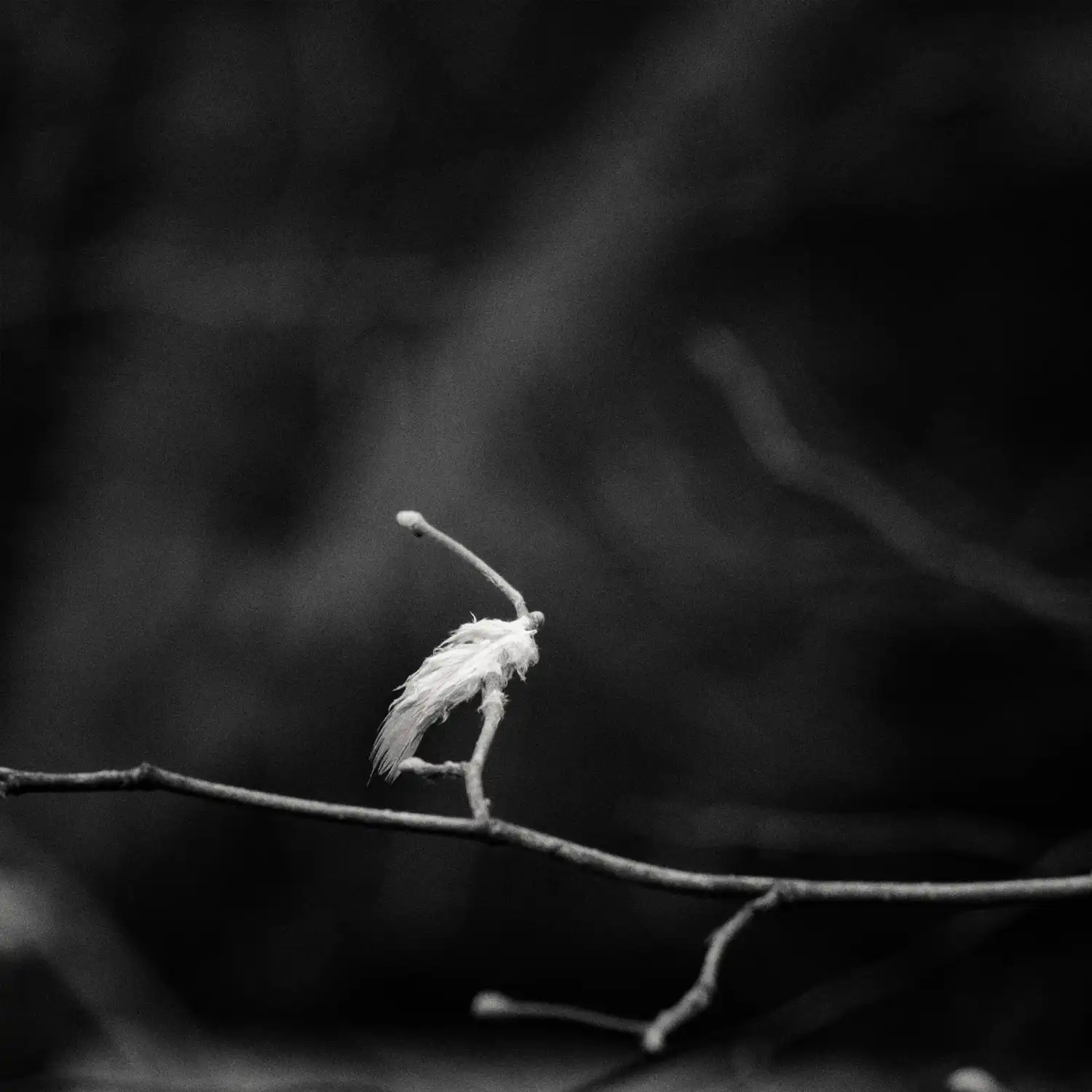
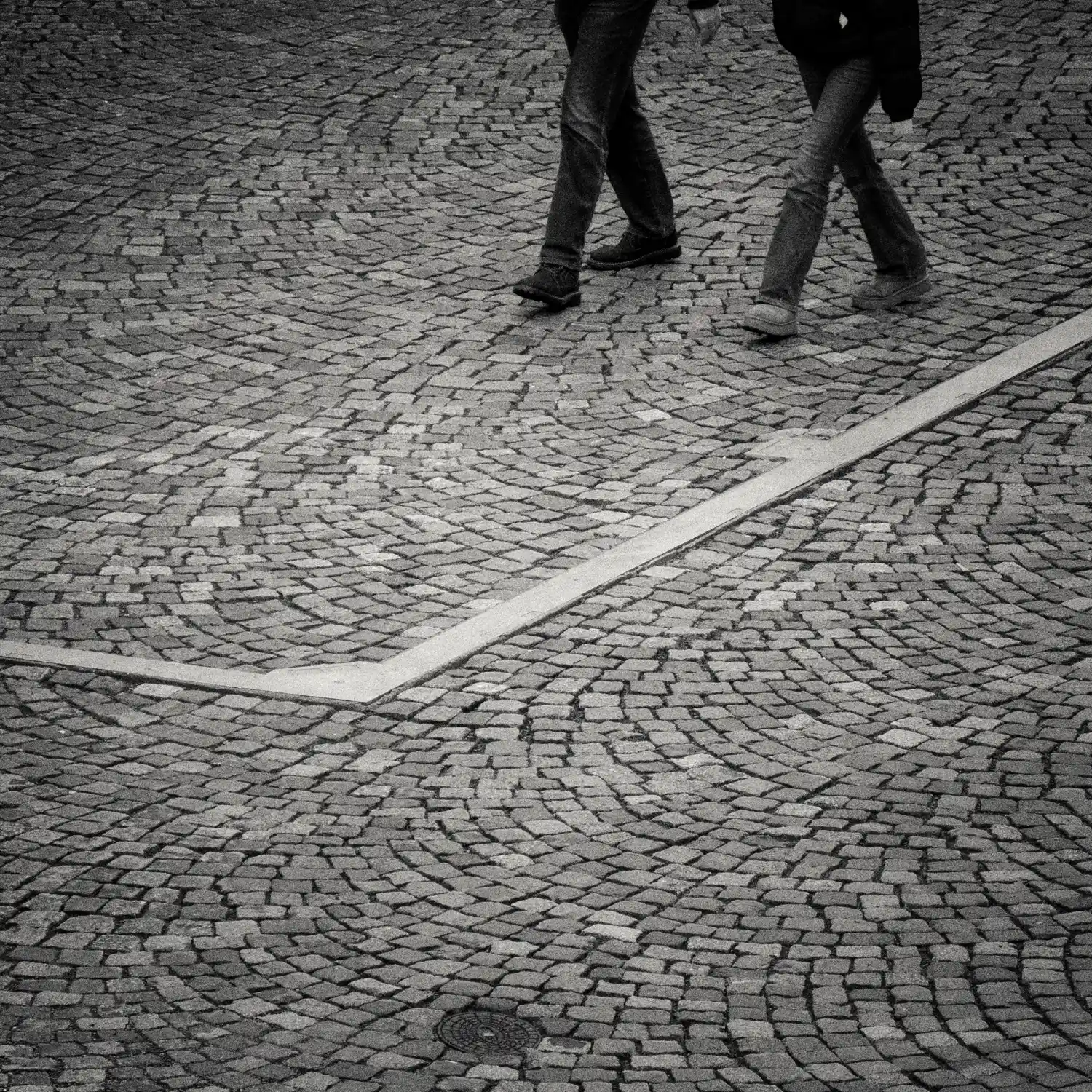
Cobblestone streets forming geometries. A feather caught on a branch, as if something invisible had passed by and left a sign.
Small details that don’t seek to be noticed.
Yet quietly waiting.
Street Photography: Walking Without a Destination
Strolling through Prague was exactly that: walking unhurriedly.
Step by step.
Meter by meter.
Kilometer by kilometer.
Without trying to create a spectacular image. Without chasing “the shot”.
Because this way of photographing—so slow—has nothing to do with collecting iconic places.
It’s about recognizing what, for some reason, calls to you.
And that can’t be forced.
It only happens when you’re in the right state of mind.

The silent enemy
If there’s one thing I’ve learned over time, it’s that one of the greatest enemies of photography is expectations.
Traveling while expecting a specific light, a specific scene, a specific image… is the quickest way to end up frustrated.
It’s happened to me for years.
Traveling and encountering harsh sunlight, a clear sky, a light you didn’t want.
Waiting for rain that never came.
Getting angry, even.
Until I understood something quite simple: in fact, photography doesn’t happen under the conditions you want. It happens under the conditions that exist.
And that’s where the challenge lies.
Accepting the light.
Understanding it.
Adapting
Finding something that works within those limitations.
But for that, you need a calm mind..
Open.
And, in a way, empty..
One way I came to understand this way of seeing was through the work of Paul Sanders, who speaks precisely about slowing down and photographing from a place of calm, without expectations, letting the image emerge.

Where the image truly lies.
In the end, Prague wasn’t, for me, a collection of recognizable places.
It was something else—once again—that beauty isn’t in the extraordinary.
It’s in what goes unnoticed, in the everyday, and in the seemingly insignificant.
In what isn’t trying to be photographed.
Perhaps that’s where photography truly begins.
When you stop trying to create something… and simply begin to connect.
Short video with reflections (English version)
IMAGE GALLERY
Taking the camera for a walk: frustration, motivation and photographs that say nothing
Photographing windows in Prague
Essencies (on my street photography)
The Railing
Gijón. Epicenter. Photography. A bridge between two centuries through the camera
The world in black and white: silence, depth, and mystery
When Images Know Things You Don’t Yet: Photography, Intuition, and the Unconscious
What is poetry? And you ask me that?
Finding your own photographic style when everyone expects likes