 Mónica Riveiro
Printing photographs in the digital age
Printing photographs in the digital age has become almost a rarity, and perhaps that’s why today we take photos without thinking too much about them.
We look at them for a couple of seconds.
One.
Then another.
And another.
They pile up on hard disks, on memory cards, in the cloud... in places we almost never return to. Images we don't touch, that take up no space, that have no real space.
And yet, it's hard to delete them.
As if, by doing so, we would lose something more.
Photography with a scent of time
It wasn't like that before. Not because it was better or worst.
It was simply... different.
The photography had a body. It wasn't there from the beginning, nor did it truly exist until you develope it.
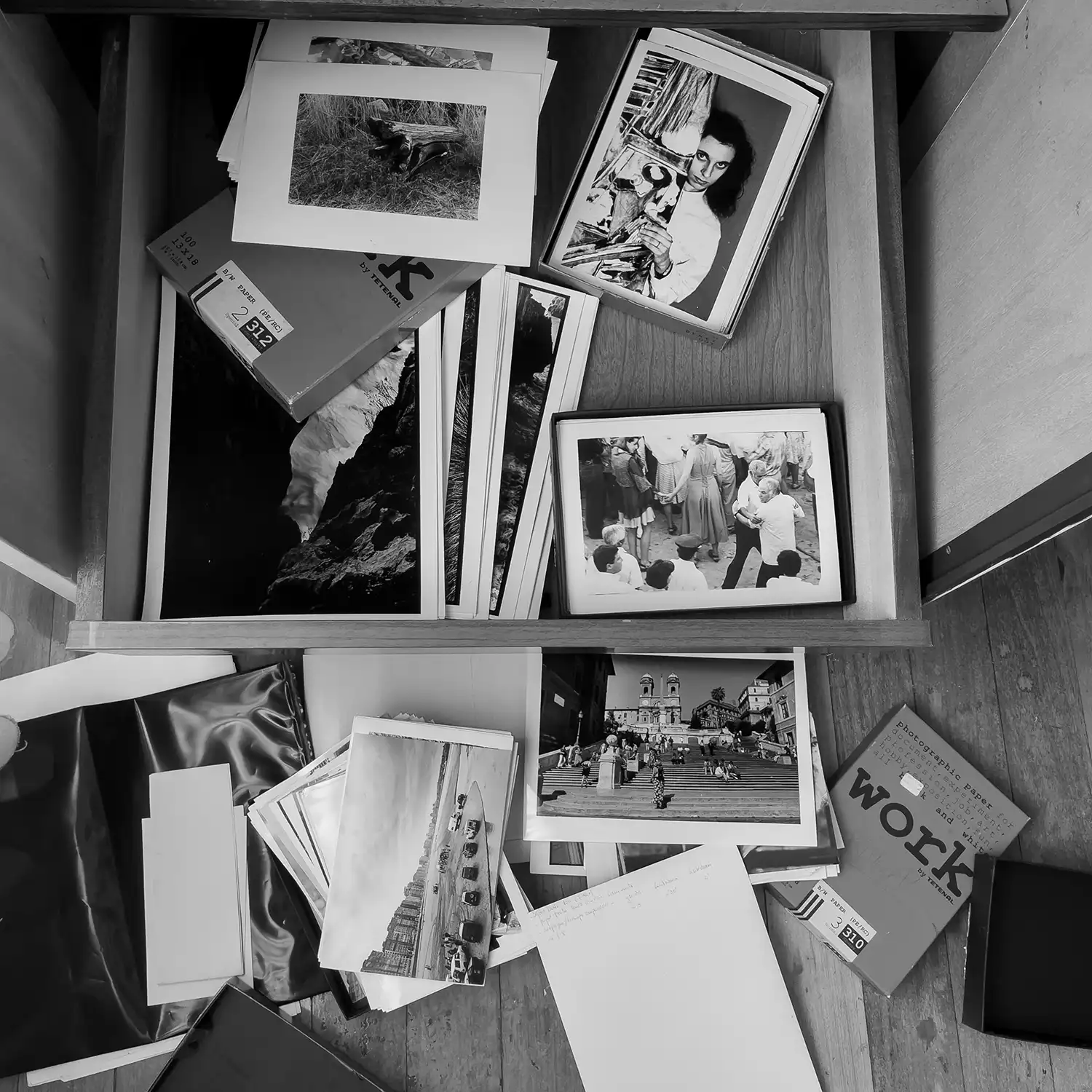
And when finally it appeared, you could touch it.
Store it.
Keep it in a drawer.
Hang it on a wall.
It had a place.
And it had something I now miss: it carried the scent of time.
When images stop having a place
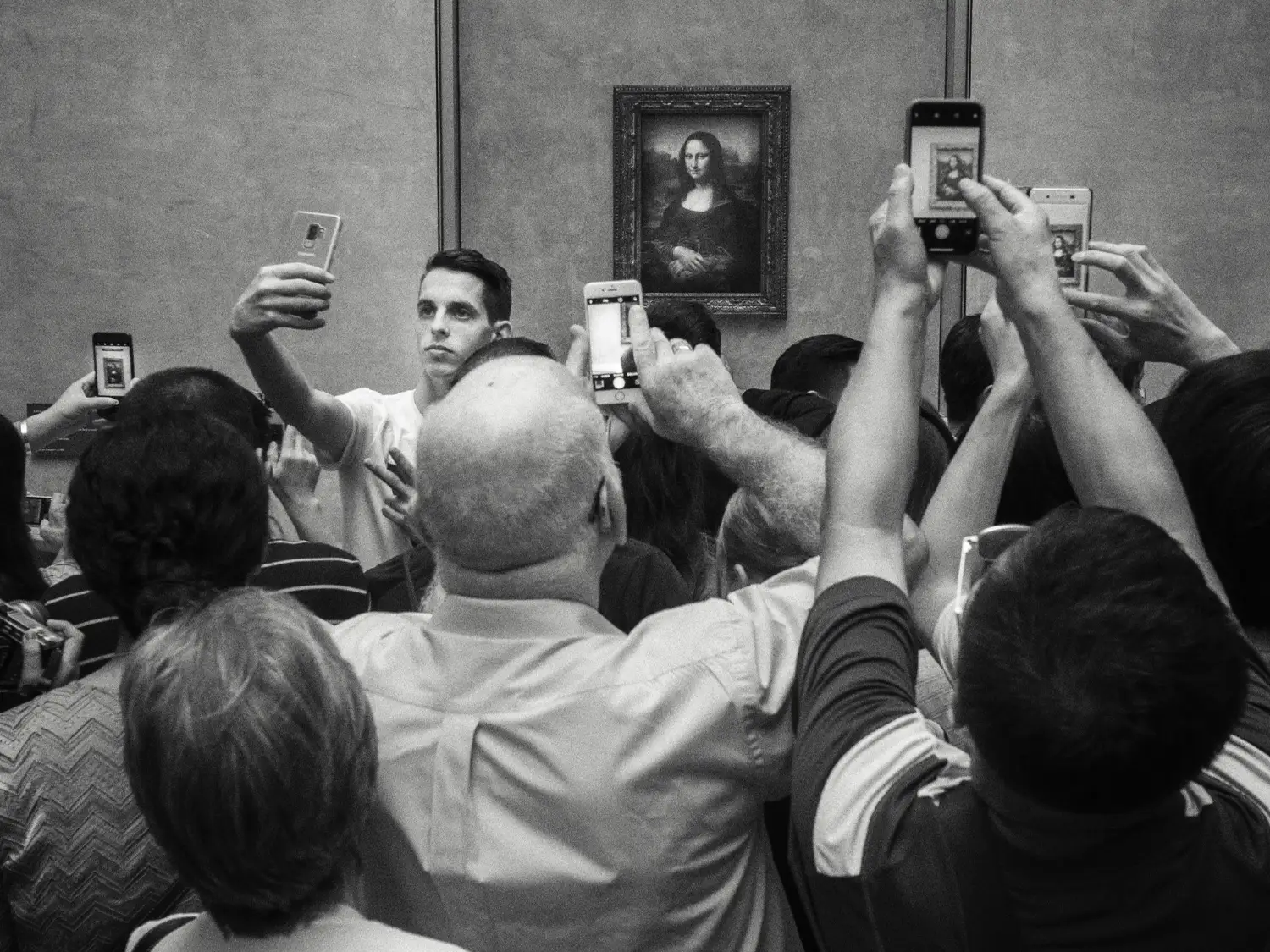
Now images are there from the very first moment. They are made, soted and passed along.
We don't stop long enough. We don't take the time to really look.
We consume them.
And in that process, almost without realizing it, photography has stopped being an object and become somehting that simply passes us by.
Perhaps that's why printing photographs in the digital age makes more sense than ever.
We no longer touch it.
It takes up no physical space and has no place.
And I think that is where everything is lost.
We lose the sensory experience.
Touch.
That scent of time in the chemicals.
The photobook: returning to touch images
Where there was once waiting, there is now immediacy.
And yet, in the middle of all this, something interesting emerged.
The photobook.
At first, on one hand, it felt like a trend for weddings, communions, and family trips.
But on the other hand, it became an interesting and affordable tool for personal projects.
Making a photobook helps you slow down, choose —which is the hardest part for a photographer—, and then arrange and sequence images to build a narrative.
All in all, it makes you think about what and how.
And yet, it gives you back something that seemed lost: the possibility of touching the images again.
For me, the photobook is a bit of that.
A new darkroom.
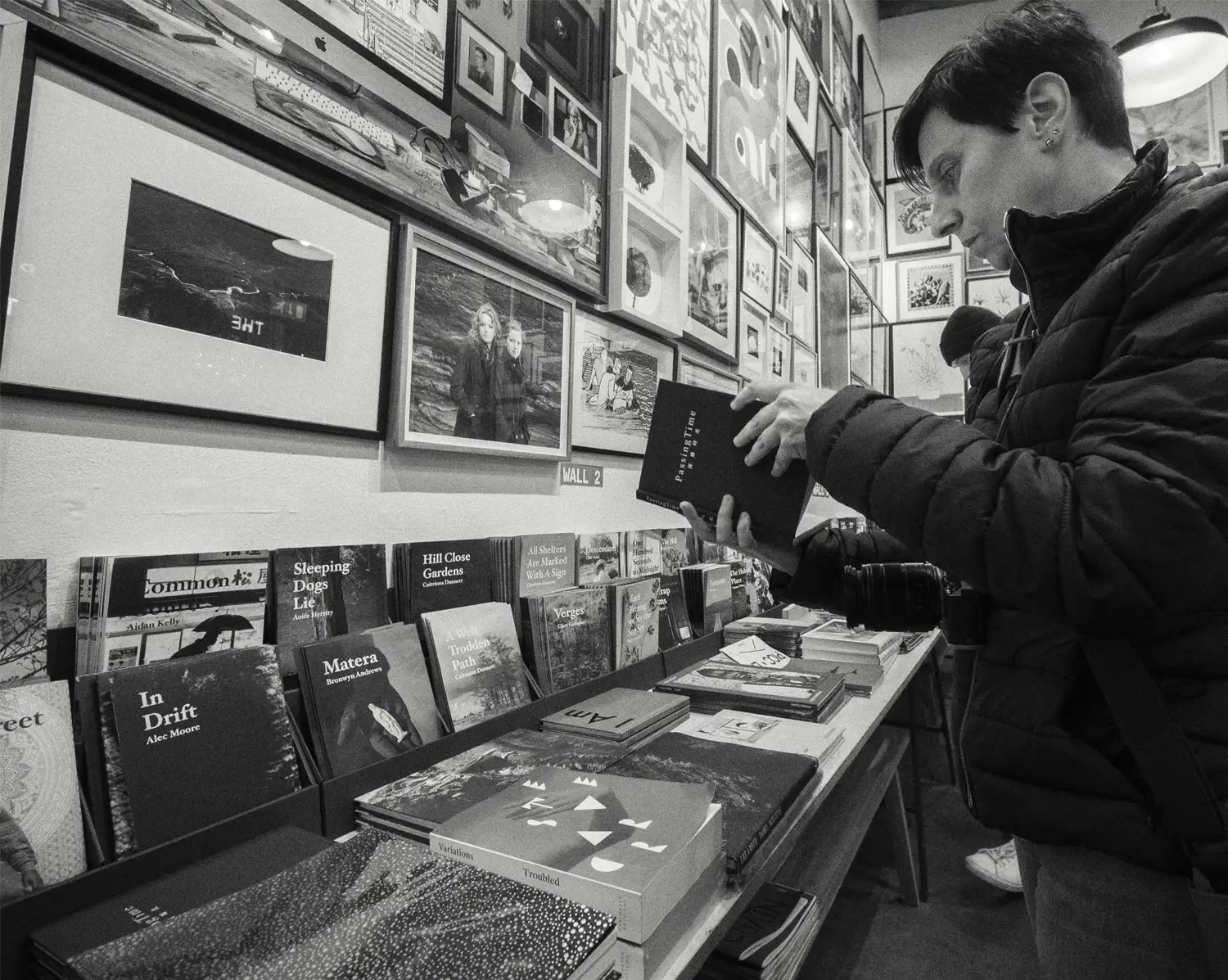
Another place where photography regains a body. Where you can turn pages, pause and go back.
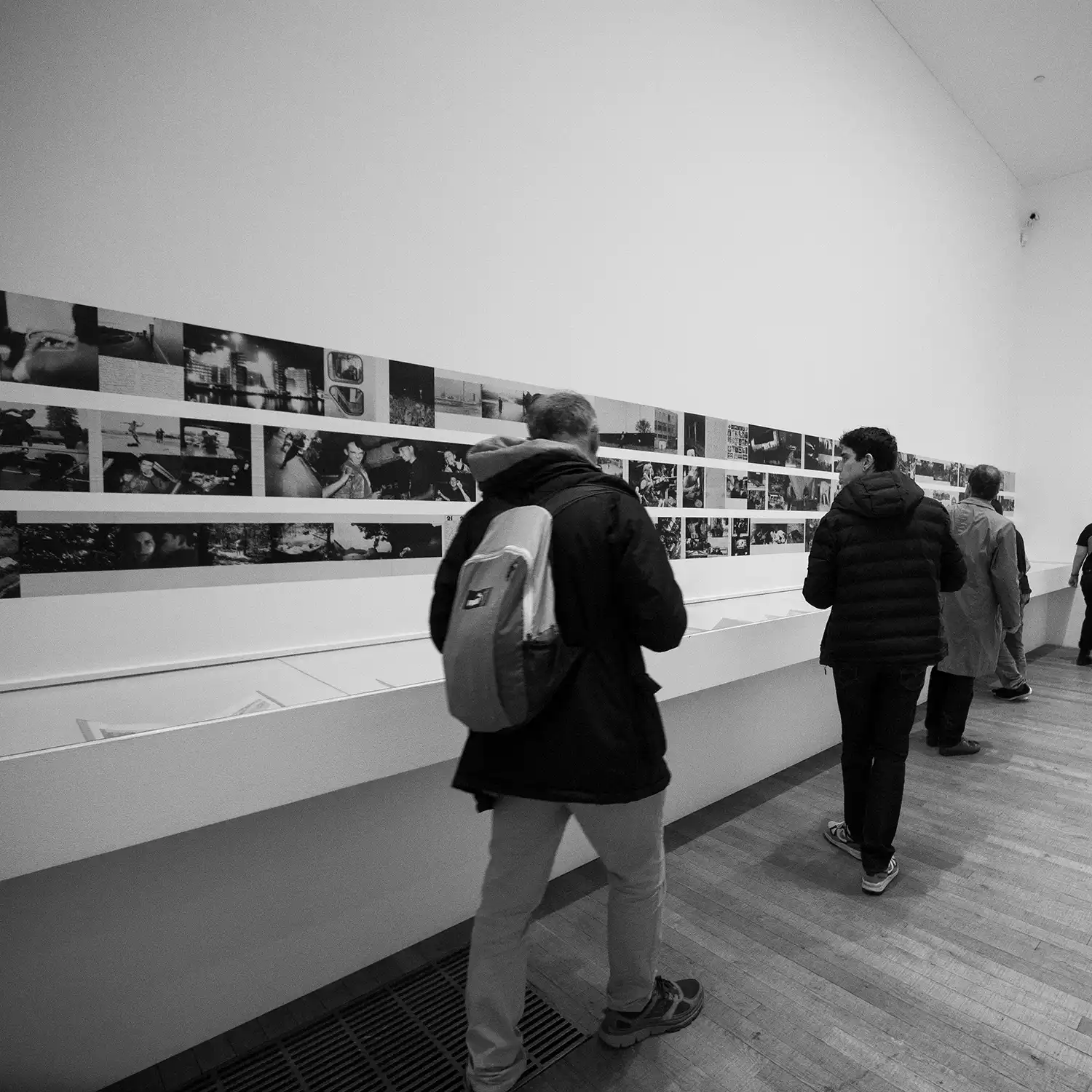
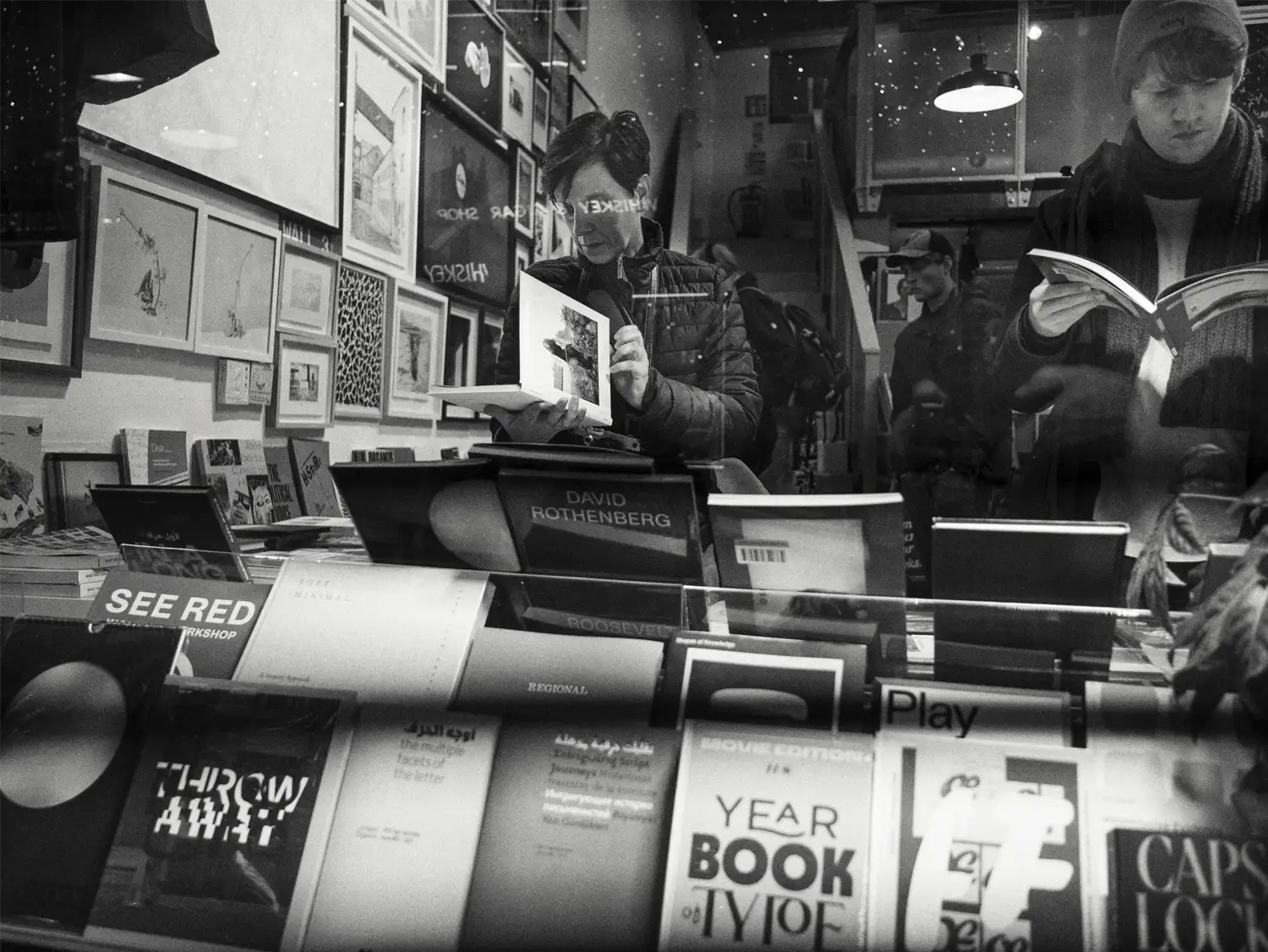
One of the most beautiful ways to understand the importance of photobooks is to step into a place like The Library Project in Dublin.
The darkroom ritual
But of course, all of this comes from somewhere.
I’m still surprised when I hear photographers talk about the magic of analogue photography.
And I’m not entirely sure why it surprises me.
Because... it was.
We didn’t call it analogue photography back then.
It was simply... photography.
And that was it.
But there was something.
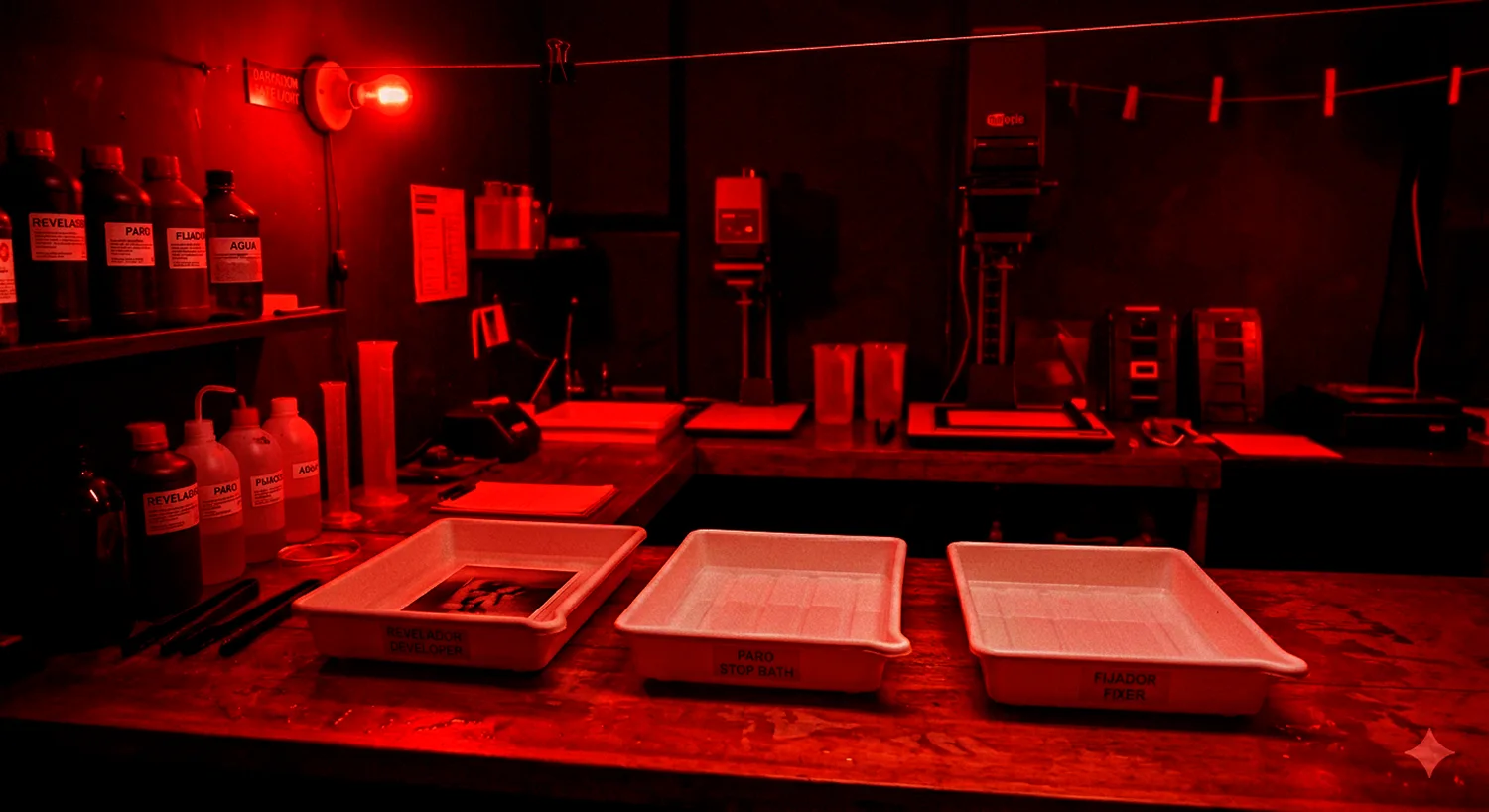
A tingling in your stomach every time you placed the paper in the tray.
Up... and down.
Slowly.
And suddenly it started to emerge.
At first, almost nothing. A faint shadow that gradually darkened, slowly taking shape.
And you watching, waiting.
Especially hoping that the highlights wouldn’t stay blank, that some texture would appear.
Sometimes you would move the tray a little faster, as if that could make it happen, as if it might help.
Thinking about it now still feels curious to me.
That paper already held the image before you could see it. It was there, but you couldn’t see it yet.
You had to go through the whole process.
And there was something mysterious about it.
It wasn’t just that moment.
It was everything else.
The wet prints, the care when handling them, moving from one tray to another, the water running for a long time to wash that baryta paper.
And the scent.
That scent you could never quite describe, but if you smell it again, you recognize it instantly.
Learning over time: trial, error, and patience
Everything took time.
And you learned it all by trial and error.
A lot.
Sometimes too much.
In fact, remembering it now almost exhausts me.
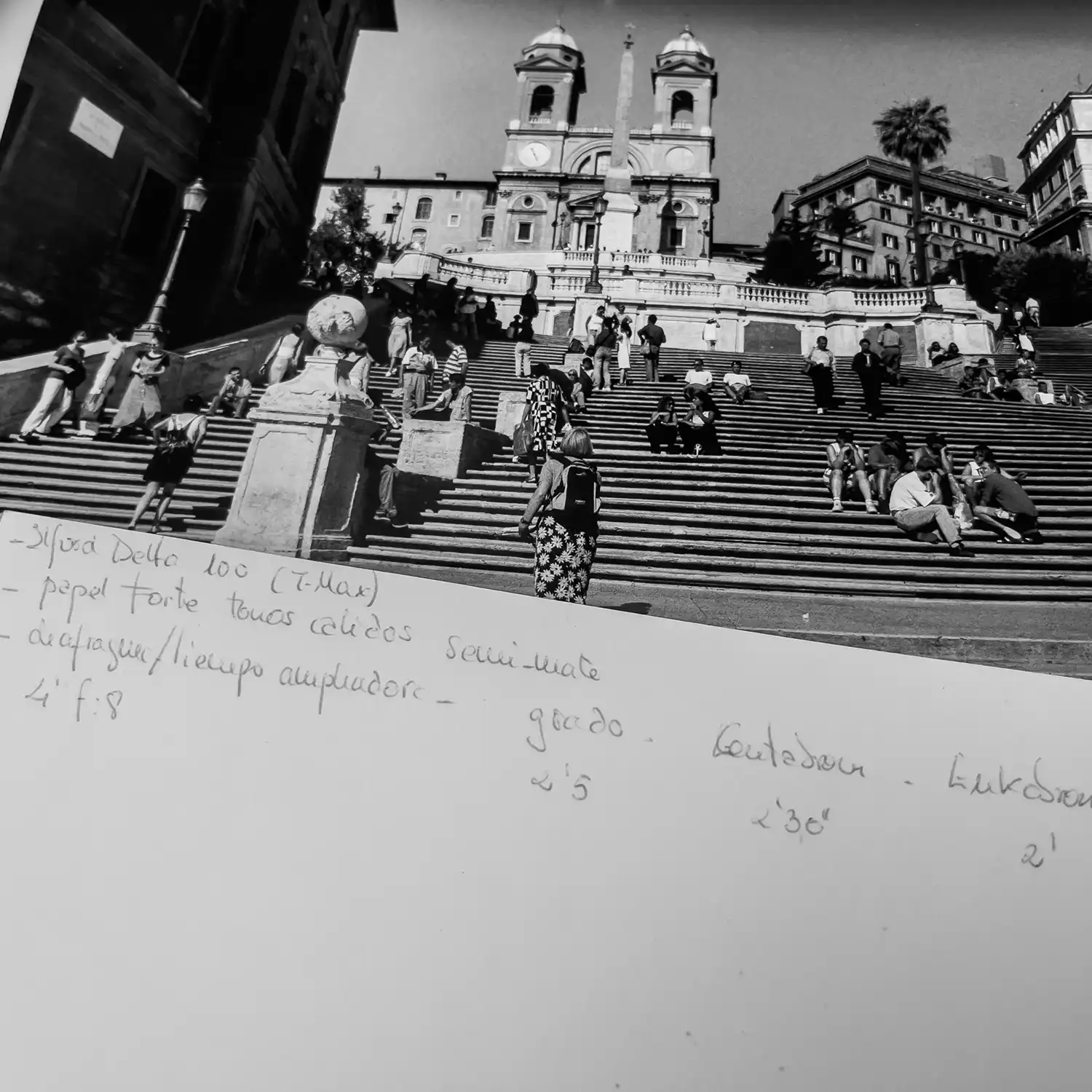
There was also the notebook.
Always the notebook.
Writing everything down: the paper, the filters, the times… because if something worked, you wanted to be able to repeat it.
And if I had to keep just one thing from all of that, it would be this: patience.
It was another pace. Slower. More attentive.
The digital revolution and the new way of creating
And then everything changed. And I couldn’t say exactly when. It happened little by little.
First, those digital cameras that looked like toys. Then they started to improve… more quality, more options… until RAW arrived and, suddenly, it felt like the darkroom had moved inside the computer.
The enlarger became Photoshop.
And that had its own kind of magic too.
Seeing the image instantly, “touching” it, changing it… it was hard not to get hooked.
But we also started doing something without even realizing it.
Shooting more.
Much more.
Because we could.
Hundreds. To store them without ever returning to them.
Why printing photographs in the digital age still matters
When we used to have 12, 24, or 36 chances to take a good photograph, and we really thought about it.
I don’t think it was better before.
Nor that it’s worse now.
Just different.
But I do believe there is something we shouldn't lose completely.
That the photographs can be touched.
That they exist outside of the screen.
They have time.
Printing photographs in the digital age isn't nostalgia.
It's something else.
Almost a way of not completely losing that connection.