 Mónica Riveiro
A journey through almost twenty years of color photography of landscapes and nature, where color left its mark on every image.
Sometimes color isn’t a choice.
It wraps around you, pulls you in, and holds you tight.
And all you can do is watch… and shoot.
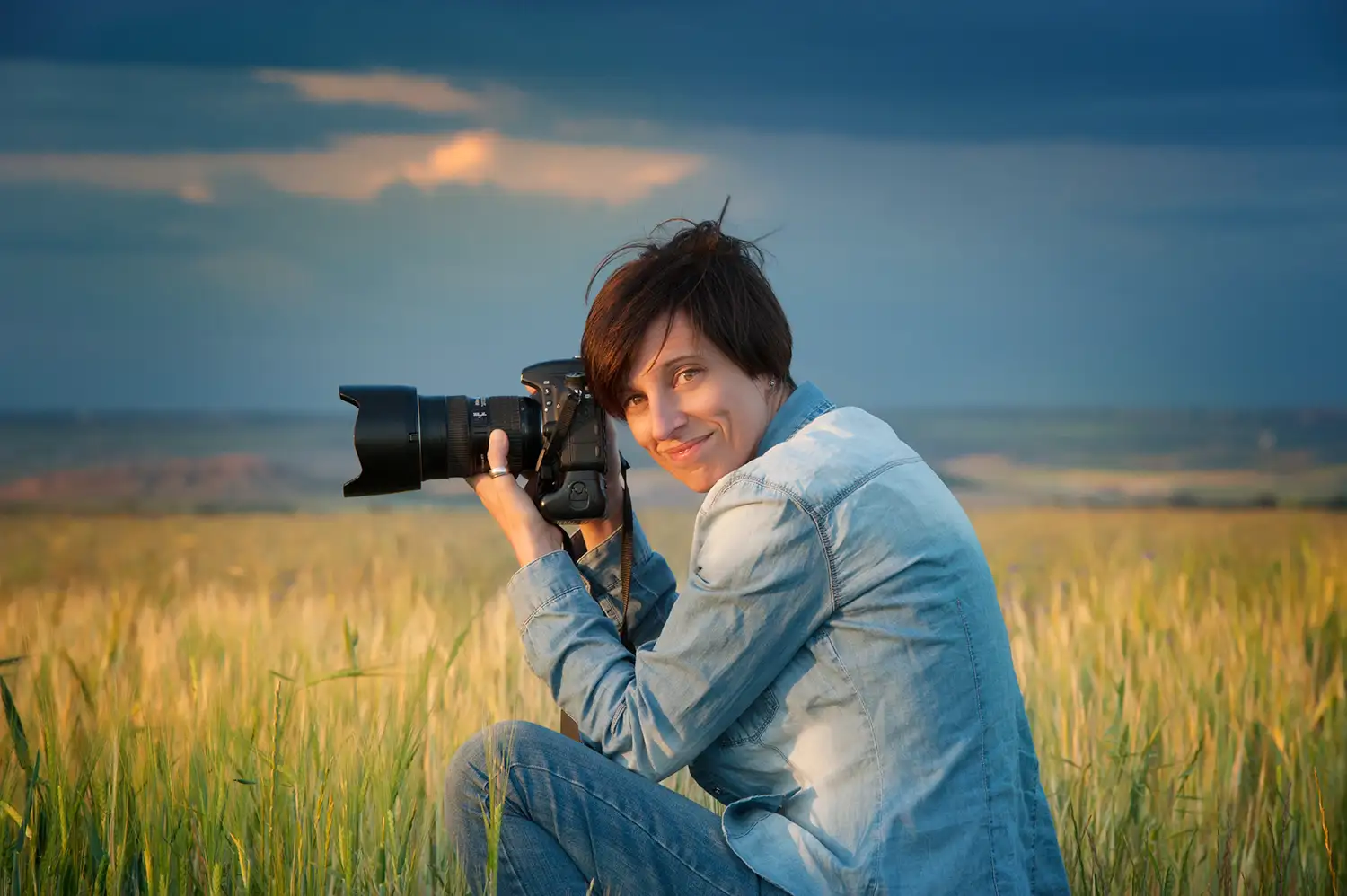
For nearly twenty years, color connected me to the world around me. Now I’ve returned to my archive—not to sort out images or do digital housekeeping, but to remember what was there and to feel again that little thrill that ran through me every time I went out into nature with my camera.
Storks at sunset, red poppies, winters at -10°C, and a long-standing friendship with color photography.
Although in recent years I have created a few small series in color—some more experimental, others more conceptual—I recently felt the need to look back. I dug into my photo archive, that place where past versions of myself lie dormant, to remember what I had done.
And there it all was.
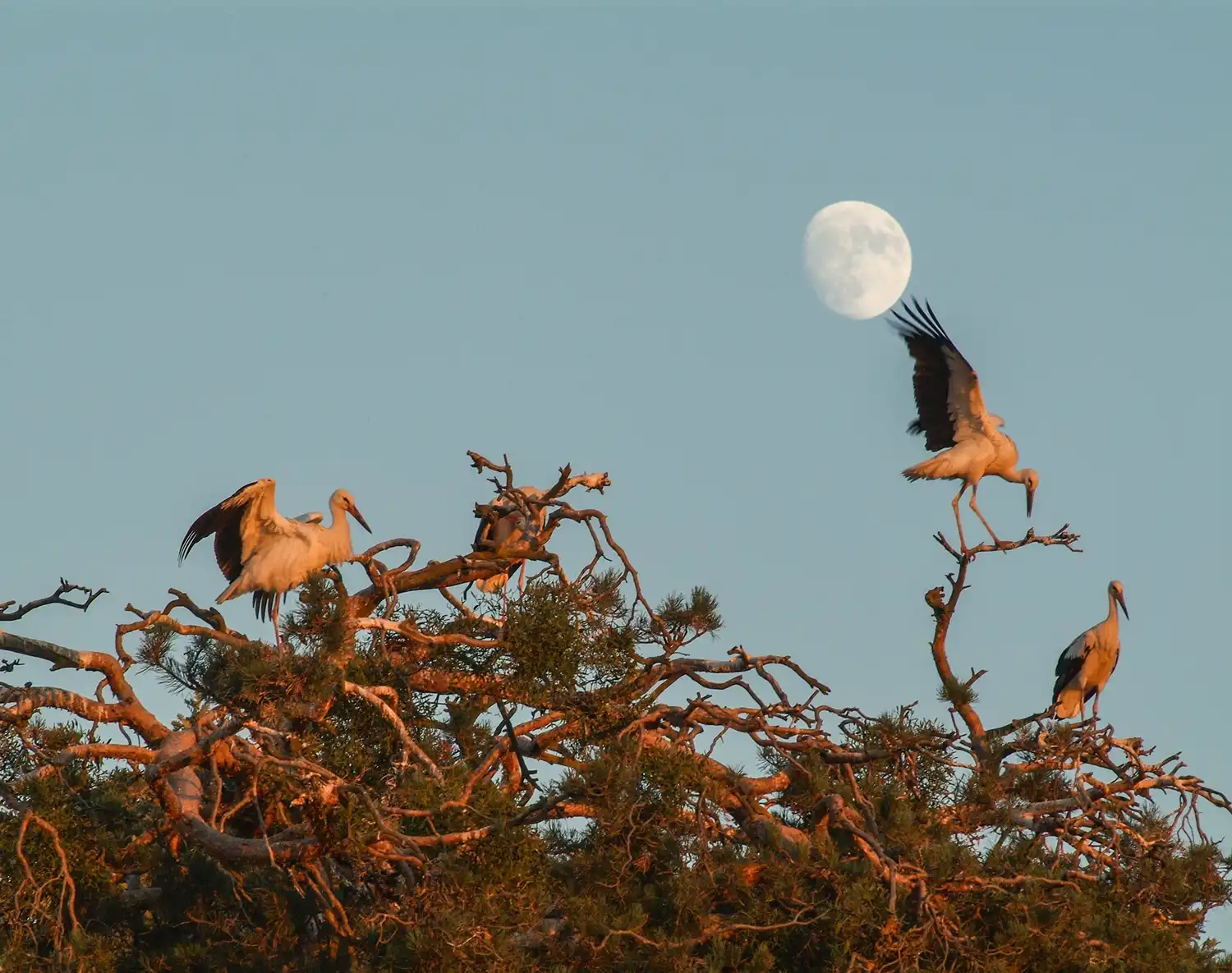
Storks bathed in the warm light of the sunset in the Sierra de Guadarrama.
Endless fields of red poppies in spring.
Snow-covered mountains in Gredos.
Pine, chestnut, and beech forests in autumn.
Dehesas transformed into yellow seas of flowers.
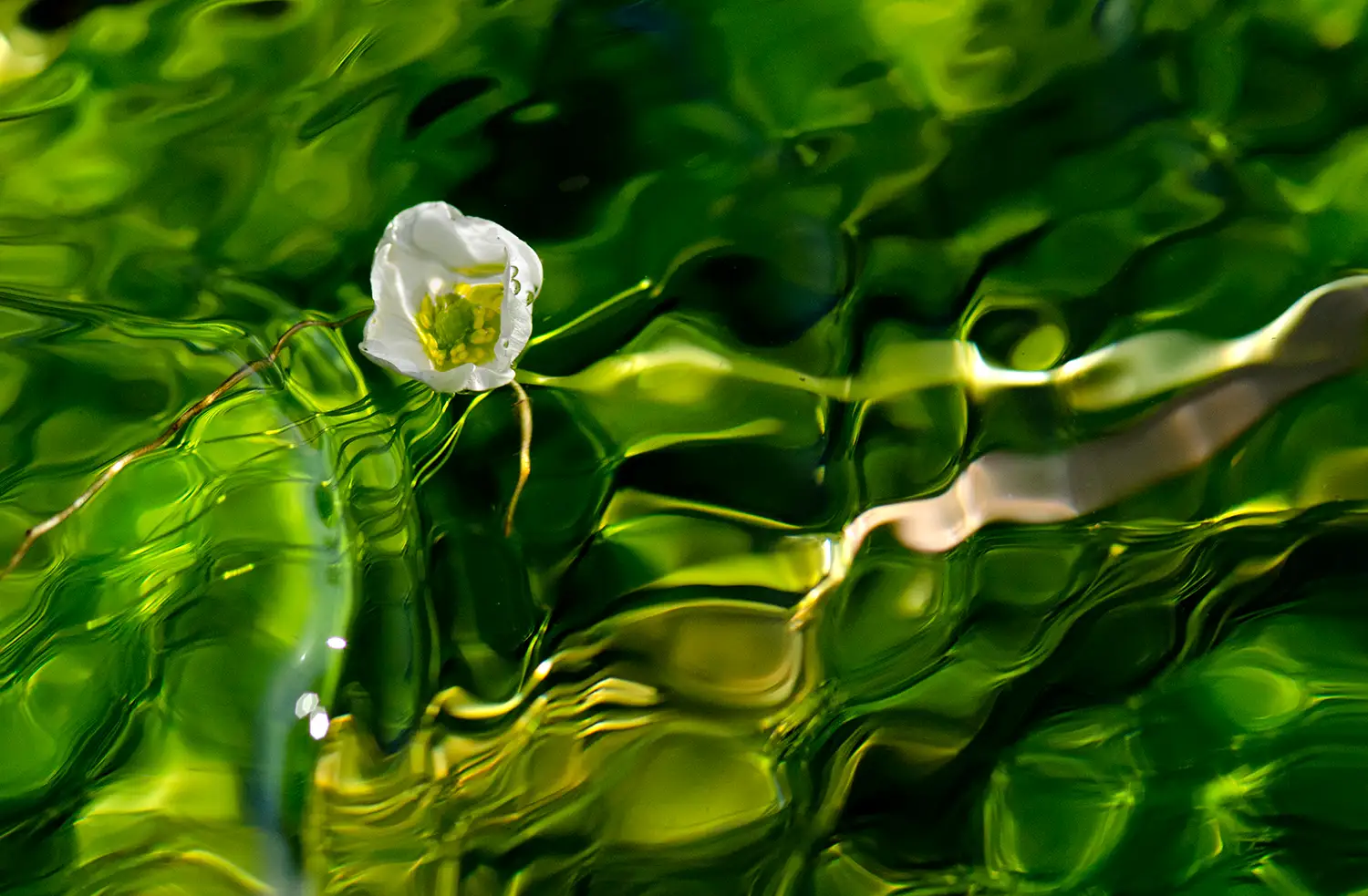
Macro photography of insects and flowers.
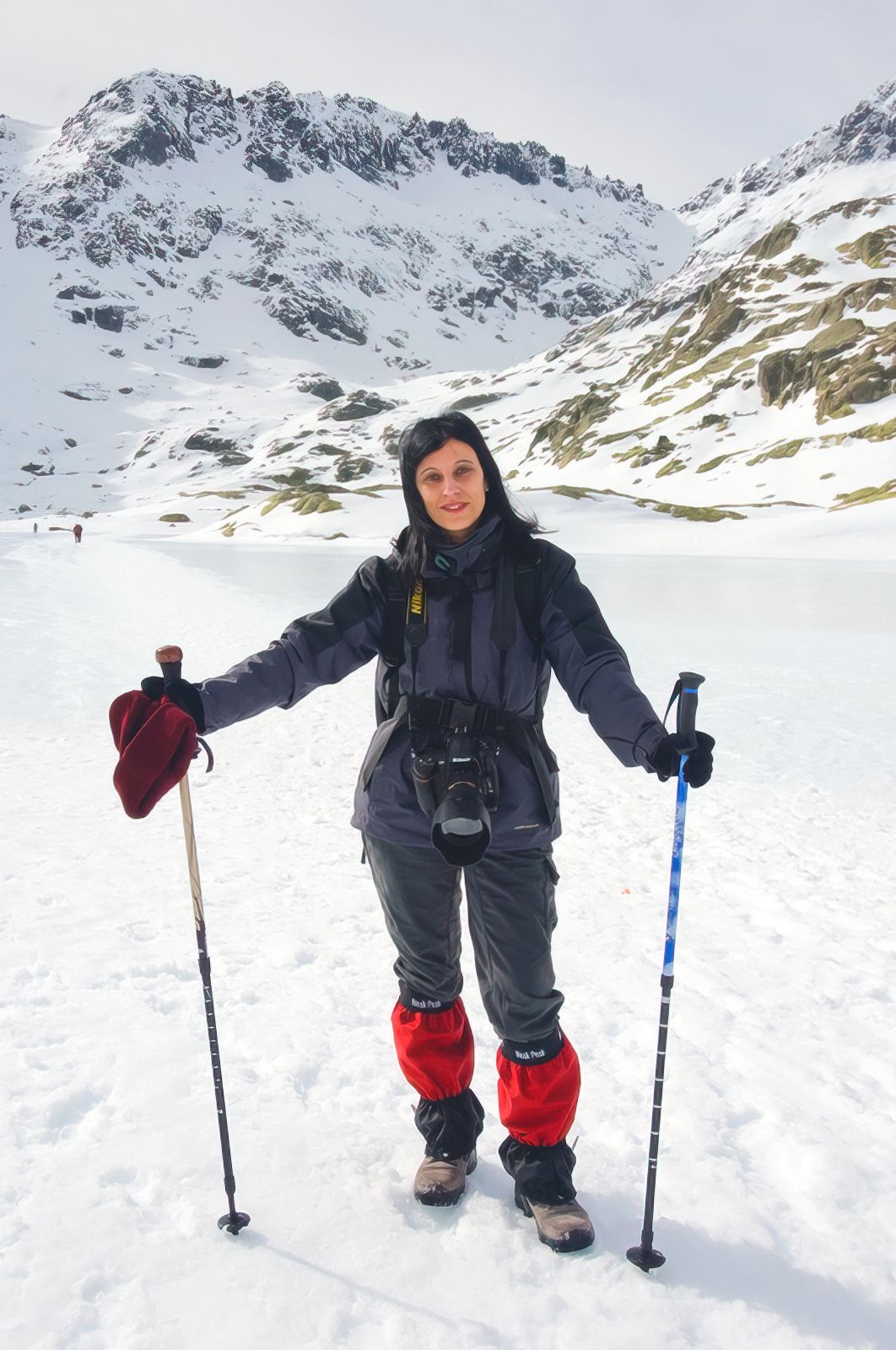
Rivers transformed into jewel-like ice at -10 °C (what winters those were).
In short: almost twenty years of color nature photography all condensed in an archive that left little room for black and white.
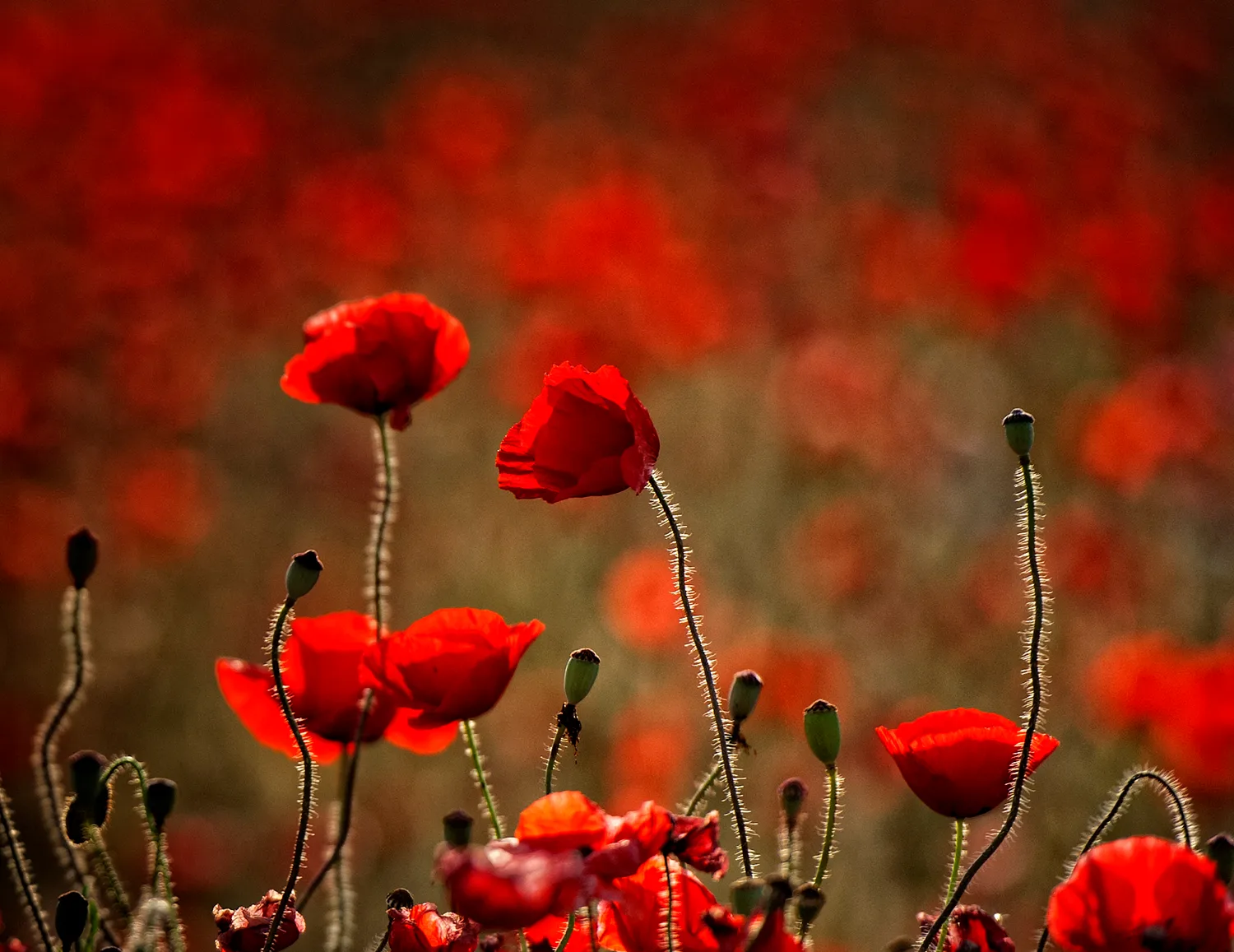
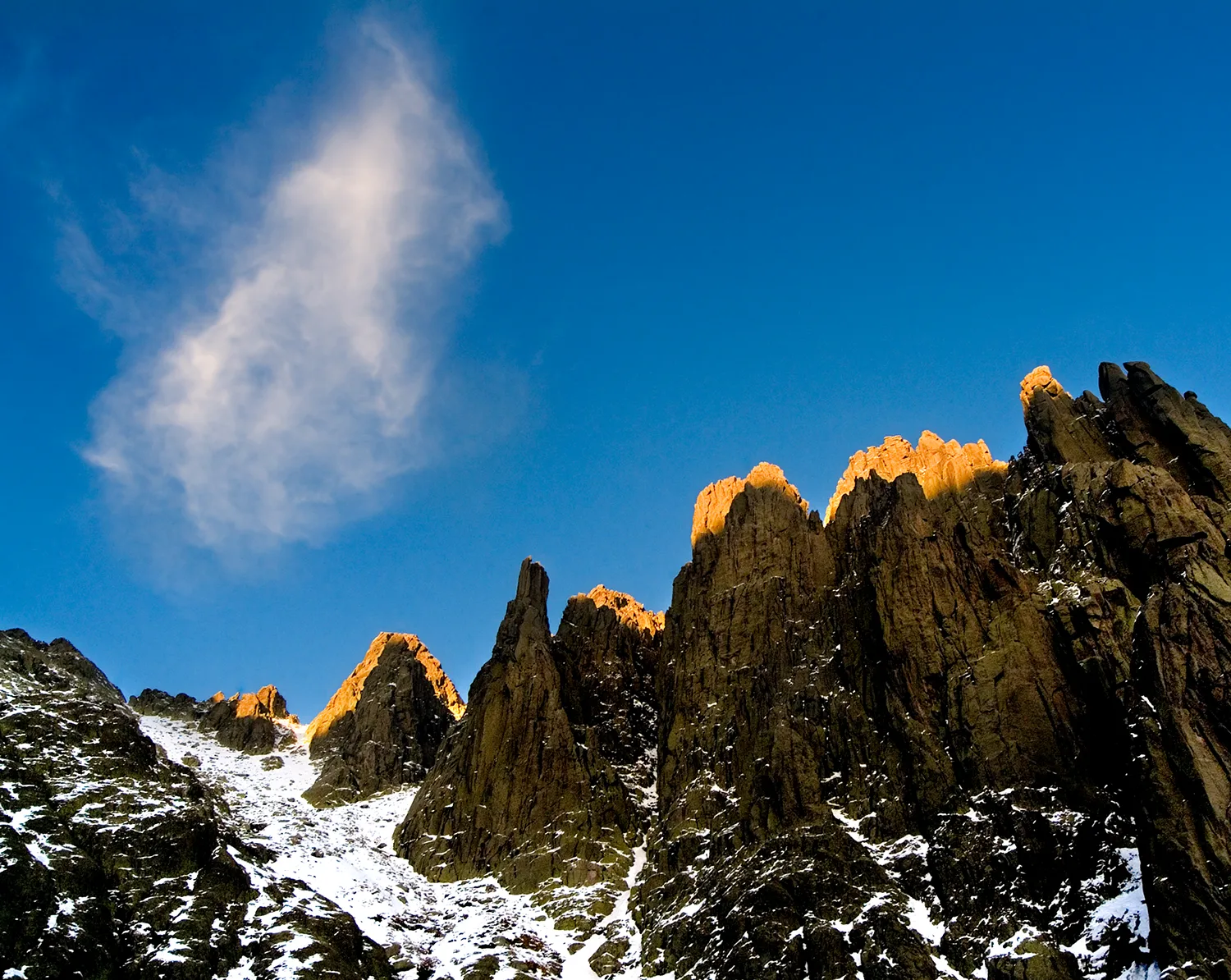
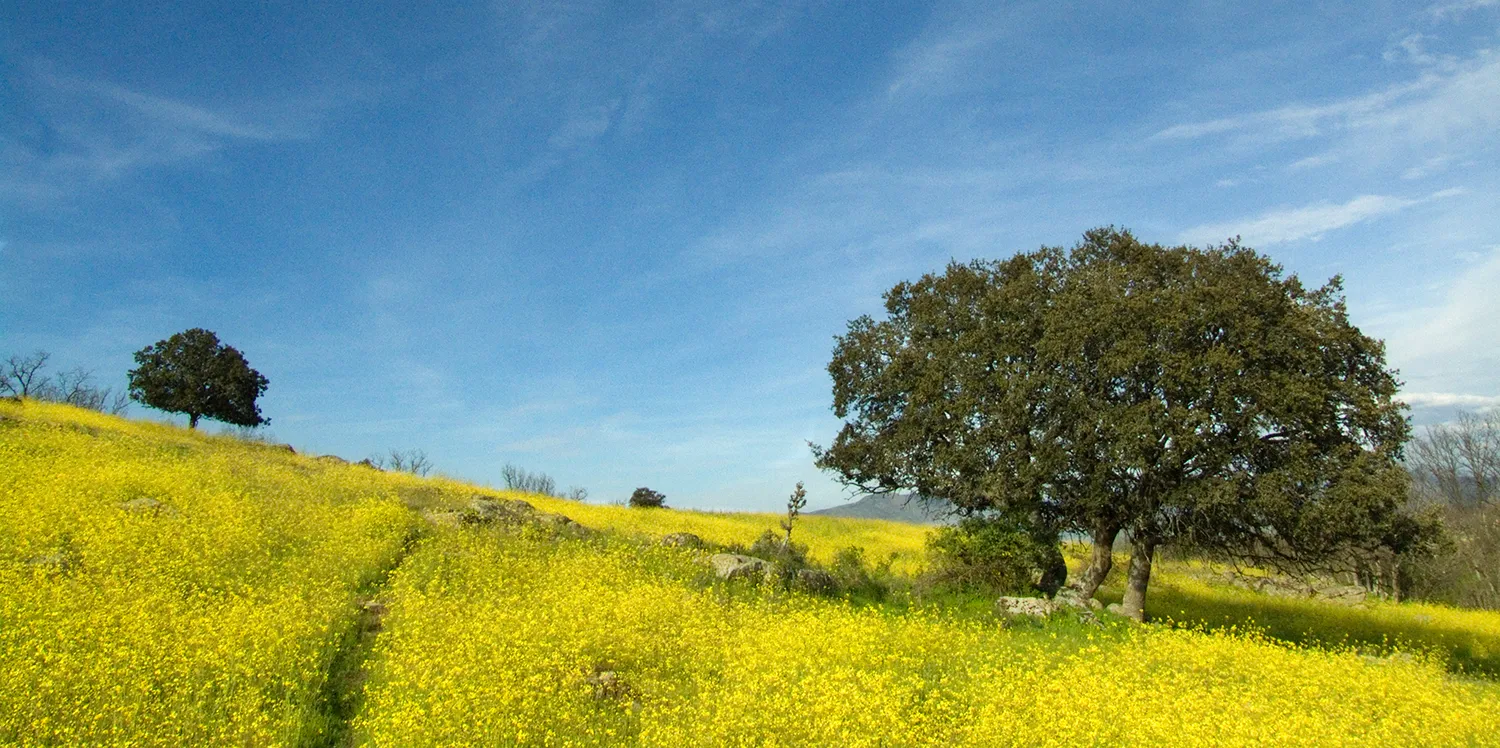
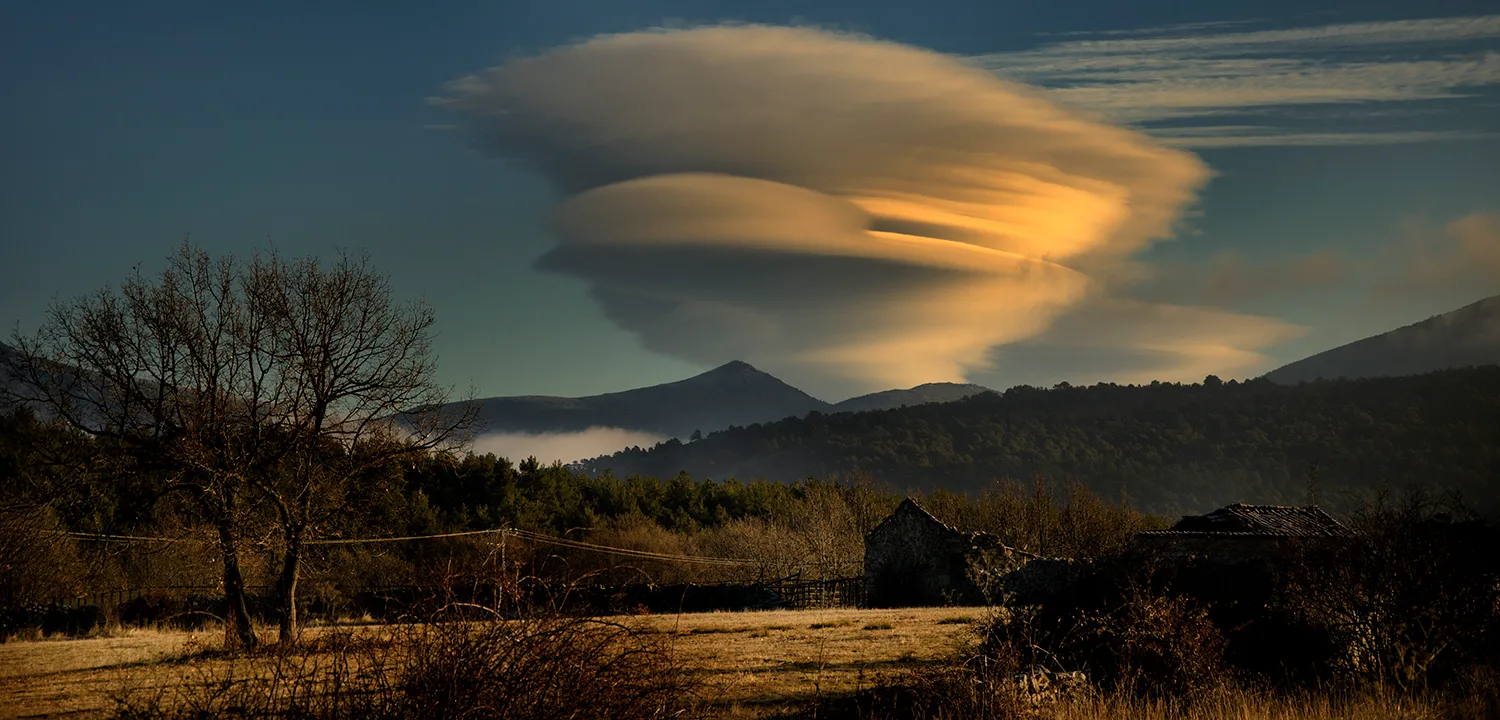
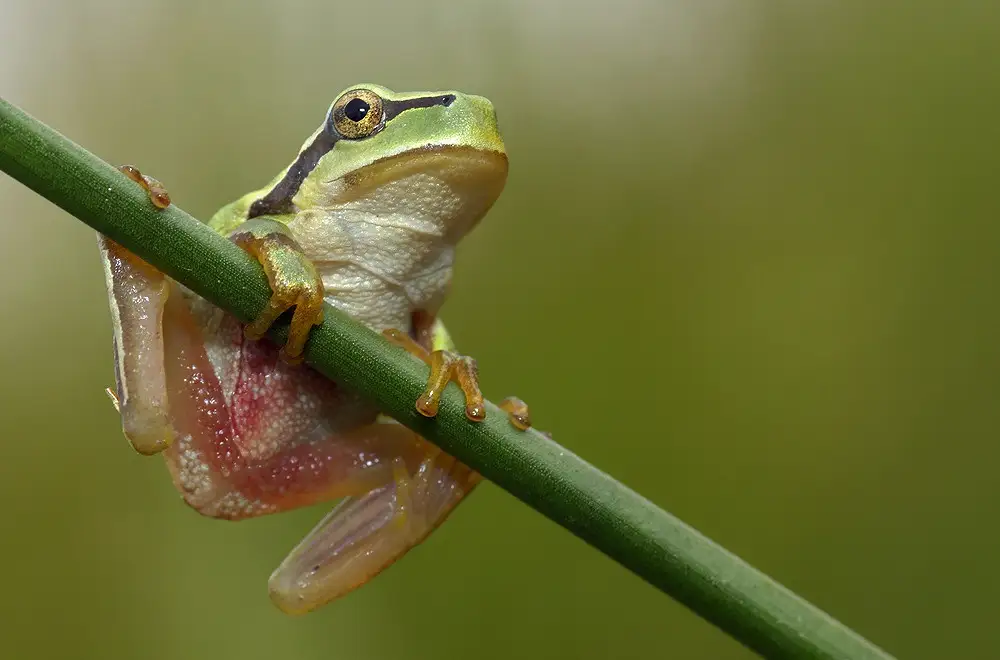
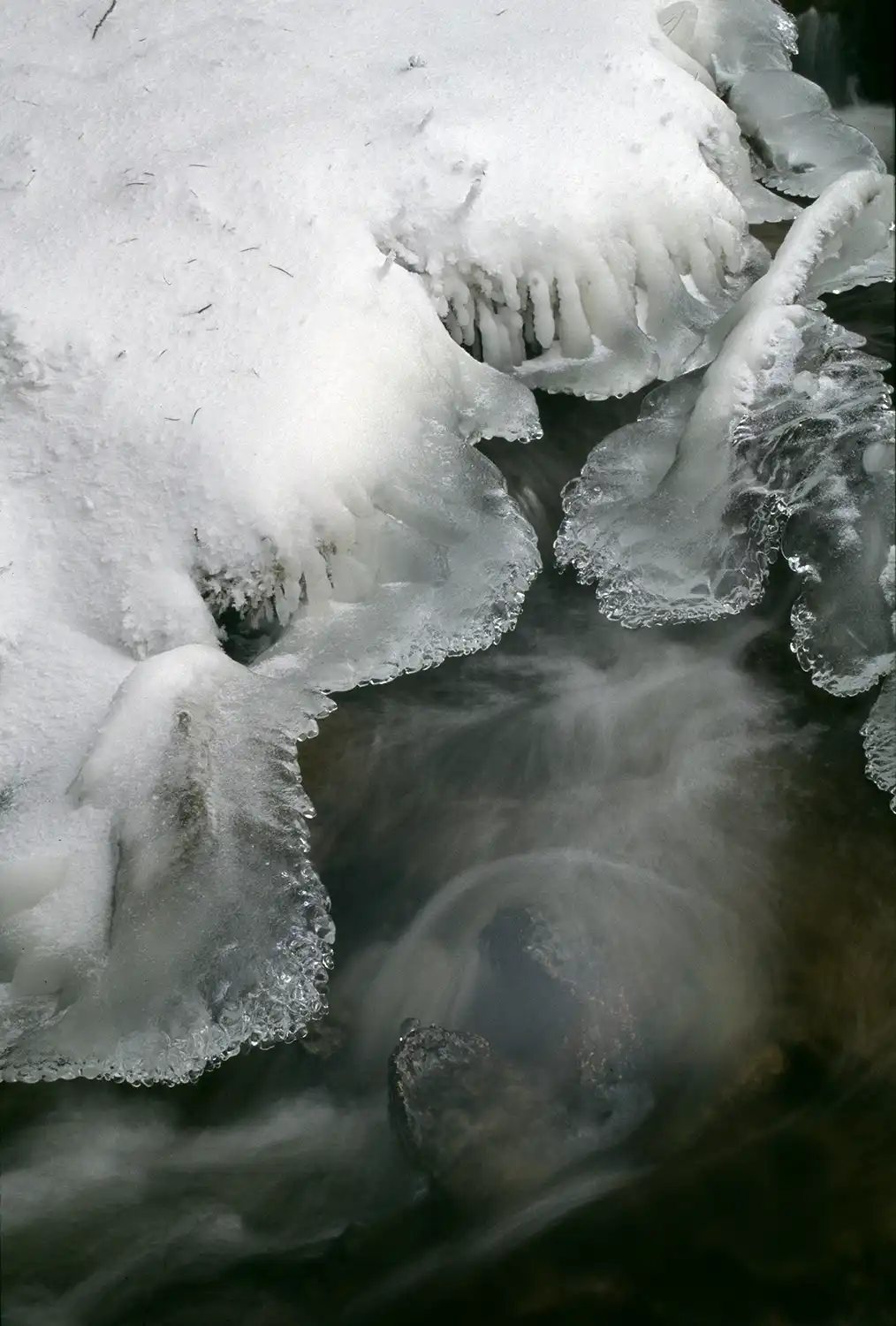
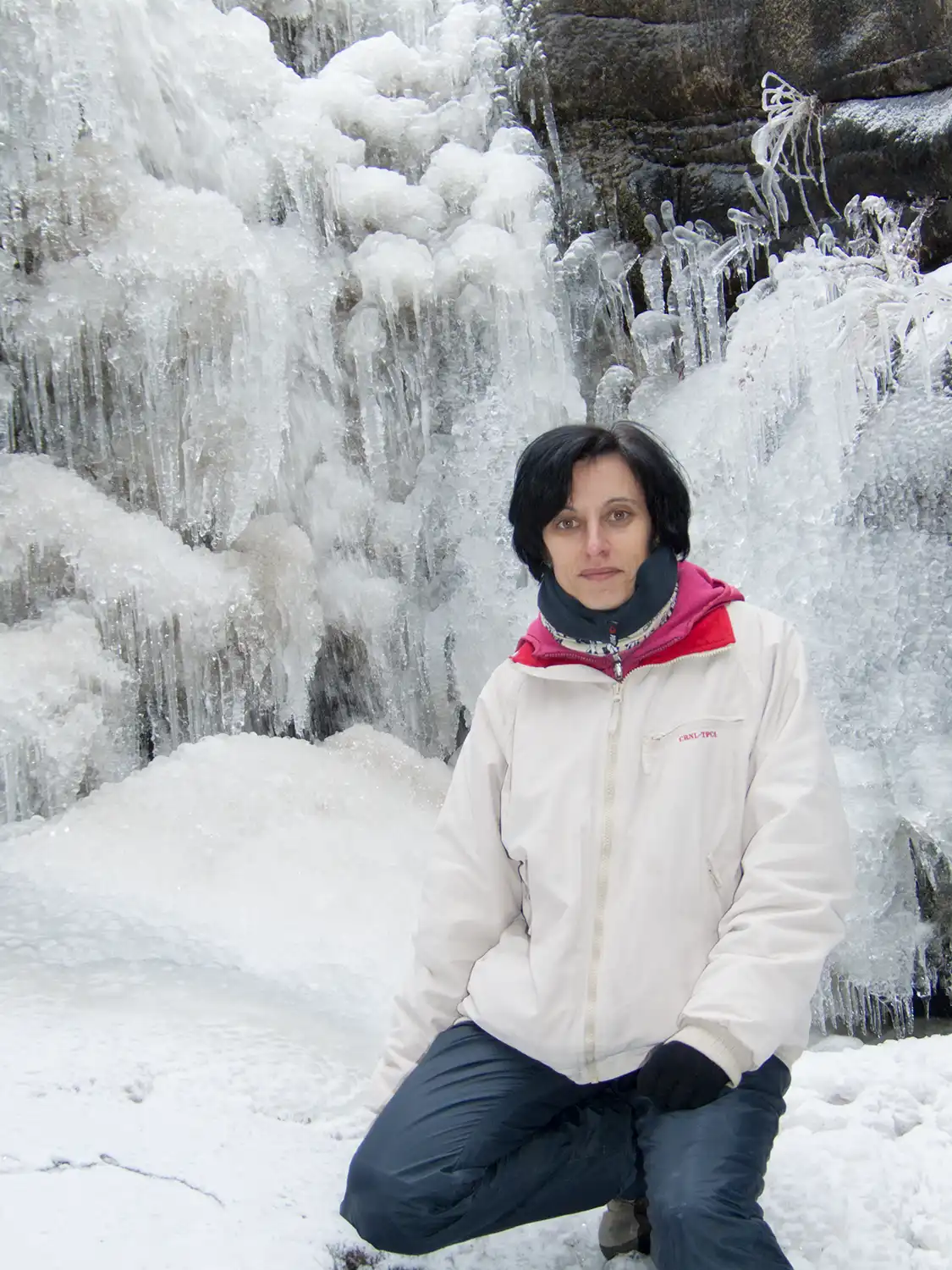
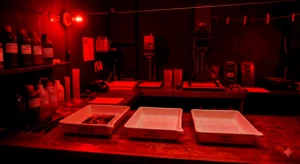
From the magic of the darkroom to the thrill of color
I began that period using slide film, and then—no turning back—continued with the arrival of the first digital cameras. I went from the slow, ritualistic process of developing black-and-white film to discovering a kind of chromatic perfection that, at the time, seemed endless
And then the inevitable question arises: Why color? Why wasn’t I faithful to black and white?
The answer is simple and not at all intellectual: because the beauty of the landscape hit me full-on, without helmet or brakes.
My arrival in the Sierra de Guadarrama, in Segovia, was decisive. Beauty awaited me just 200 meters from my doorstep, where an immense pine forest stretched out, ever-changing—ochre in summer, white in winter. The beauty was right there, within reach, and so intense it was almost overwhelming. Color shouted at full volume.
During that period—especially when digital arrived—I no longer had to carry two cameras. With just one, I could choose. And almost always, I chose color. Not because I looked down on black and white (which still appeared from time to time), but because the surroundings pushed me toward it. There was no escape.
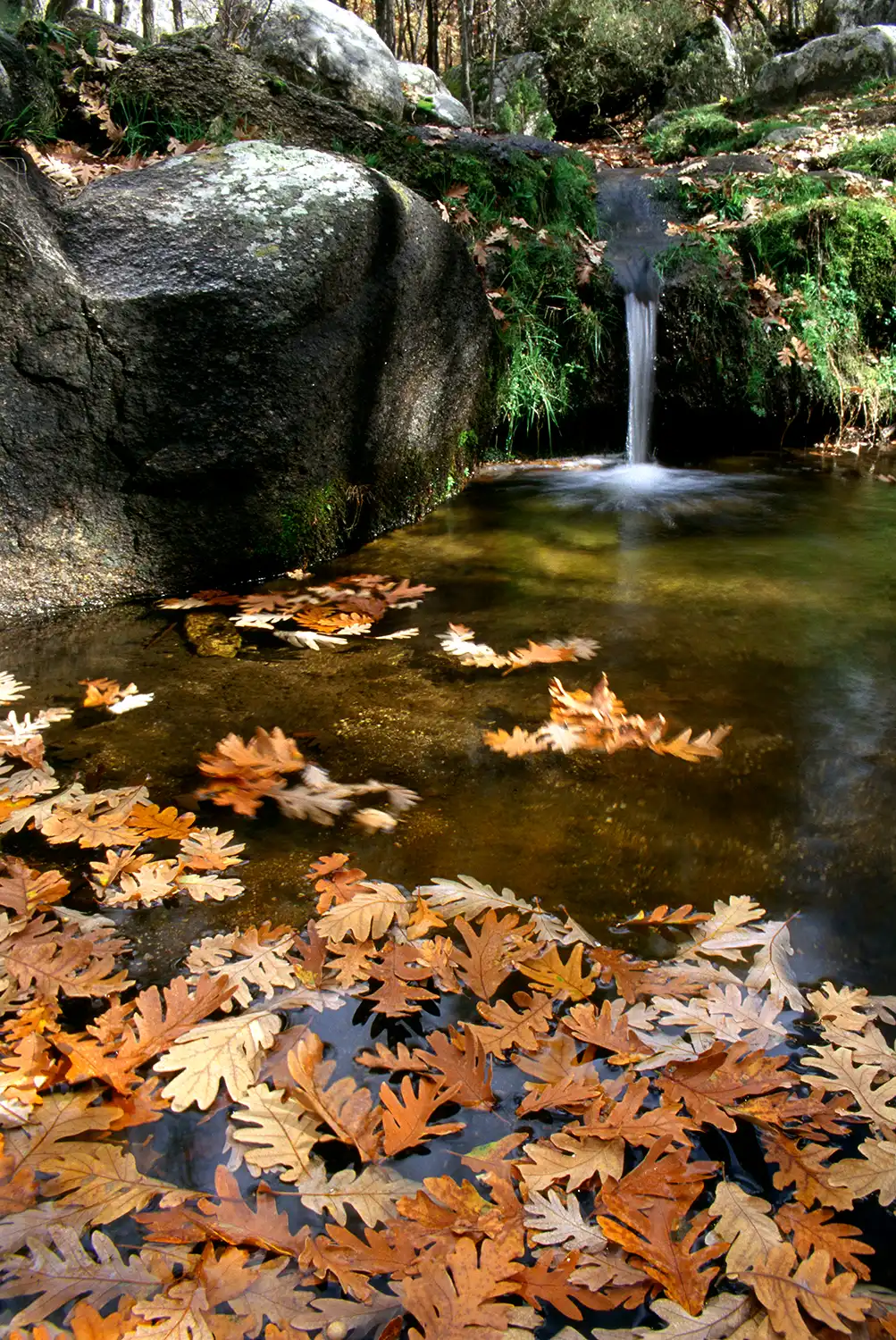
Color as emotion (and the occasional over-saturation)
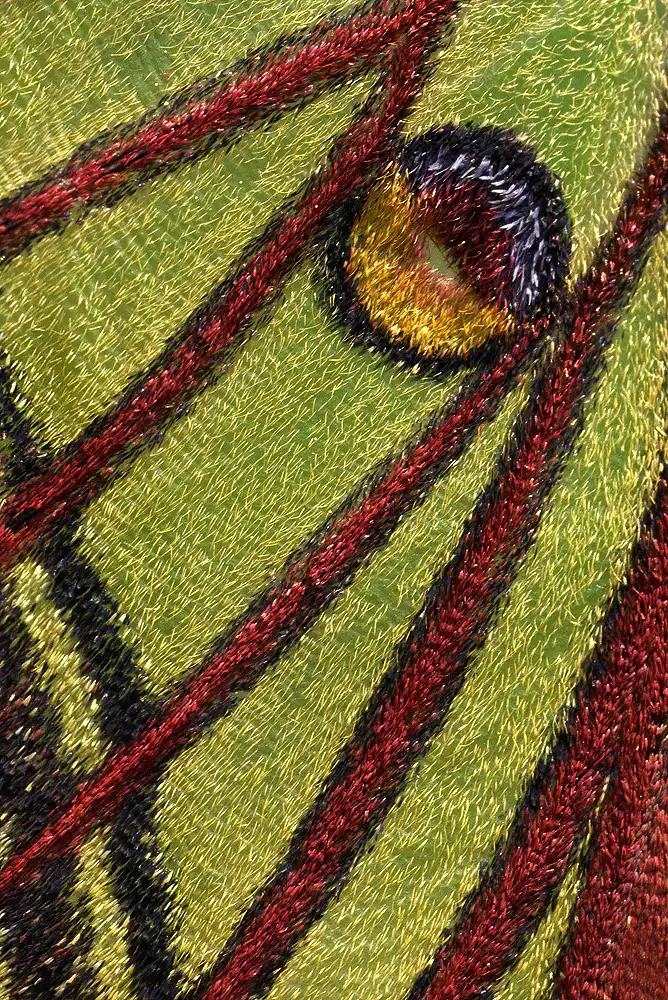
For many years I tried to remain faithful to color as I found it. Manipulating it felt like nothing short of sacrilege. Well… let’s be honest: sometimes I pushed the saturation a bit too far. Okay—yes. On more than one occasion, so far that the photos looked like they were taken on another planet. I think this has happened to all of us, and anyone who says otherwise is lying.
Even so, my intention was clear: to hold onto that first impression, that moment when you’re left wide-eyed, spellbound, trying to take in the beauty before you.
Those were also years of learning with digital photography and editing. The possibilities were enormous, but I wanted to preserve that initial thrill, that almost physical impact the landscape had on me.
When color also gave me a gentle caress
From that period, a ten-minute audiovisual remained, titled ‘Aiming at Emotions, Shooting with the Heart’. A title I still consider spot-on today—not just for back then, but for now as well.
I recently watched it again, after a long time, and yes: it moved me. Color can evoke emotion too. I’m not made of stone.
And here comes the paradox.
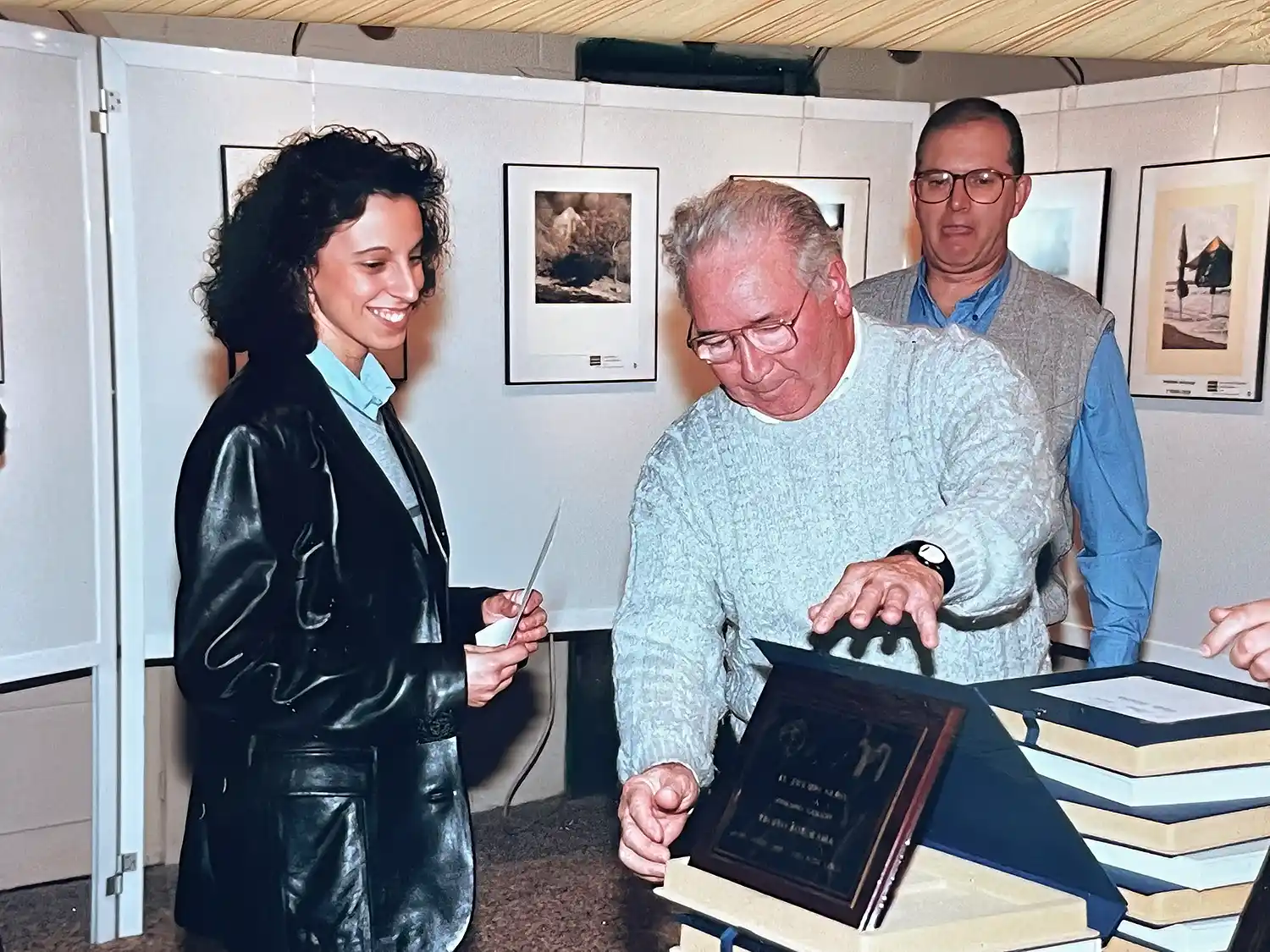
My first photography award—first prize, not second or third—came in 1995… right in the middle of my personal black-and-white phase. I had already been immersed in it for three or four years when one day I went to Playa del Silencio in Asturias, armed with a Fuji Velvia 50 and a tripod.
That beach is magical. A paradise for photographers. Color and texture everywhere. I developed the images in a delicious Cibachrome (those prints on such vibrant paper seemed to have volume) and submitted one to a contest in my hometown.
Bingo. First prize in color.
I hit the jackpot. First prize in color.
From that point on, a long friendship with color began: awards in Segovia and one in Brussels… and a relationship that lasted many years.
Could I ever return to color in that way?
Honestly, I don’t think so.
I still find beauty in color. It captivates me, stops me in my tracks, makes me admire it. Sometimes I even capture it with my phone, like someone holding onto a memory for later. But there’s something that drives me to discard it as my main language.
Because color speaks of the world.
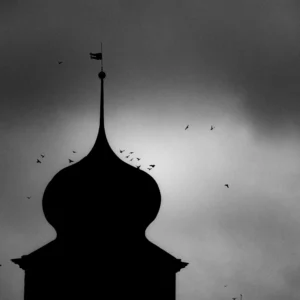
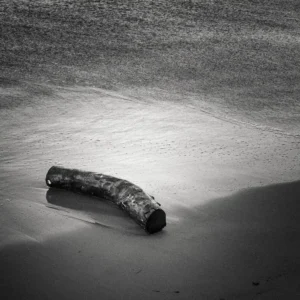
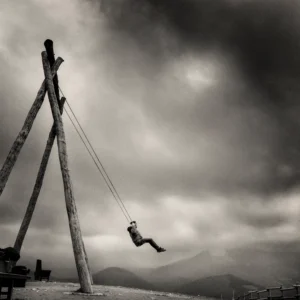
And black and white speaks of me.
They are two distinct stages, clearly separated in the way I am and feel. Color places me in the outside world, allowing me to show what surrounds me. Black and white, on the other hand, places me in my inner world. It’s a stage of self-knowledge, introspection, a dialogue with the unconscious. Yes, also with those well-worn—but inevitable—questions of who I am, where I come from, and where I am going.
On the other hand, whenever I say an almost categorical no to something, the title of that famous James Bond film comes to mind: Never Say Never Again. You never know.
COLOR DIDN’T COMPLETELY LEAVE
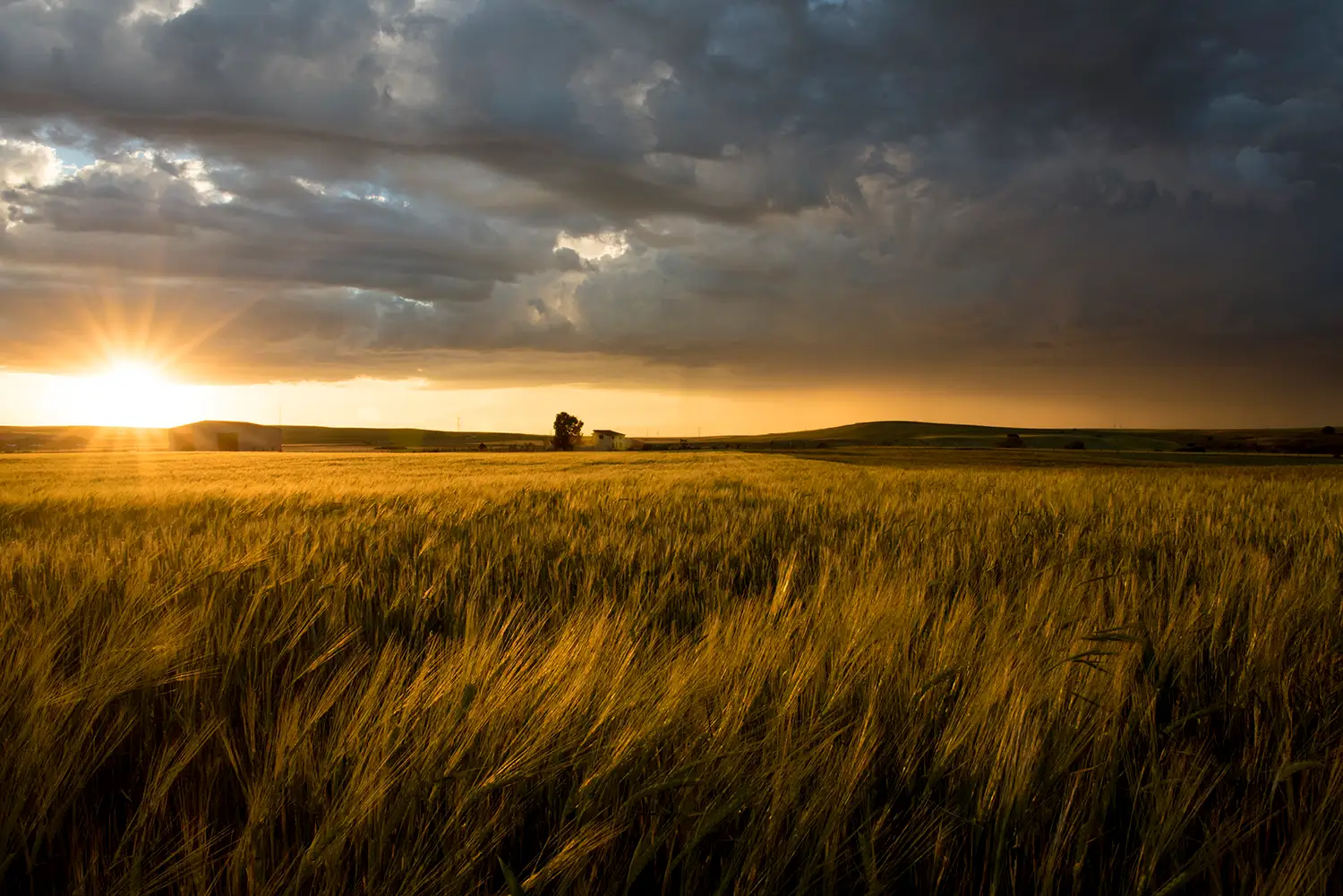
And even so, color hasn’t disappeared from my work.
I still return to it occasionally, aware that nature color photography was an essential stage in the way I see. It is present in some recent series that can be seen on my website.
ONE is one of the most special. It emerged during an emotionally challenging period. The colors are altered; I am not faithful to them. It is a symbolic, vulnerable, and necessary essay.
LIFE LIFE was born from something as simple as watching drops of ink fall into a glass of water. Red—blood red, life red—was essential. In the background, a song by Ryuichi Sakamoto, a poem by Arseny Tarkovsky being recited, four notes that felt like vital pulses. Color was not about aesthetics: it was meaning.
Después llegaron Nighttime Kaleidoscope and Lisbographies, explorando el movimiento intencional de la cámara.
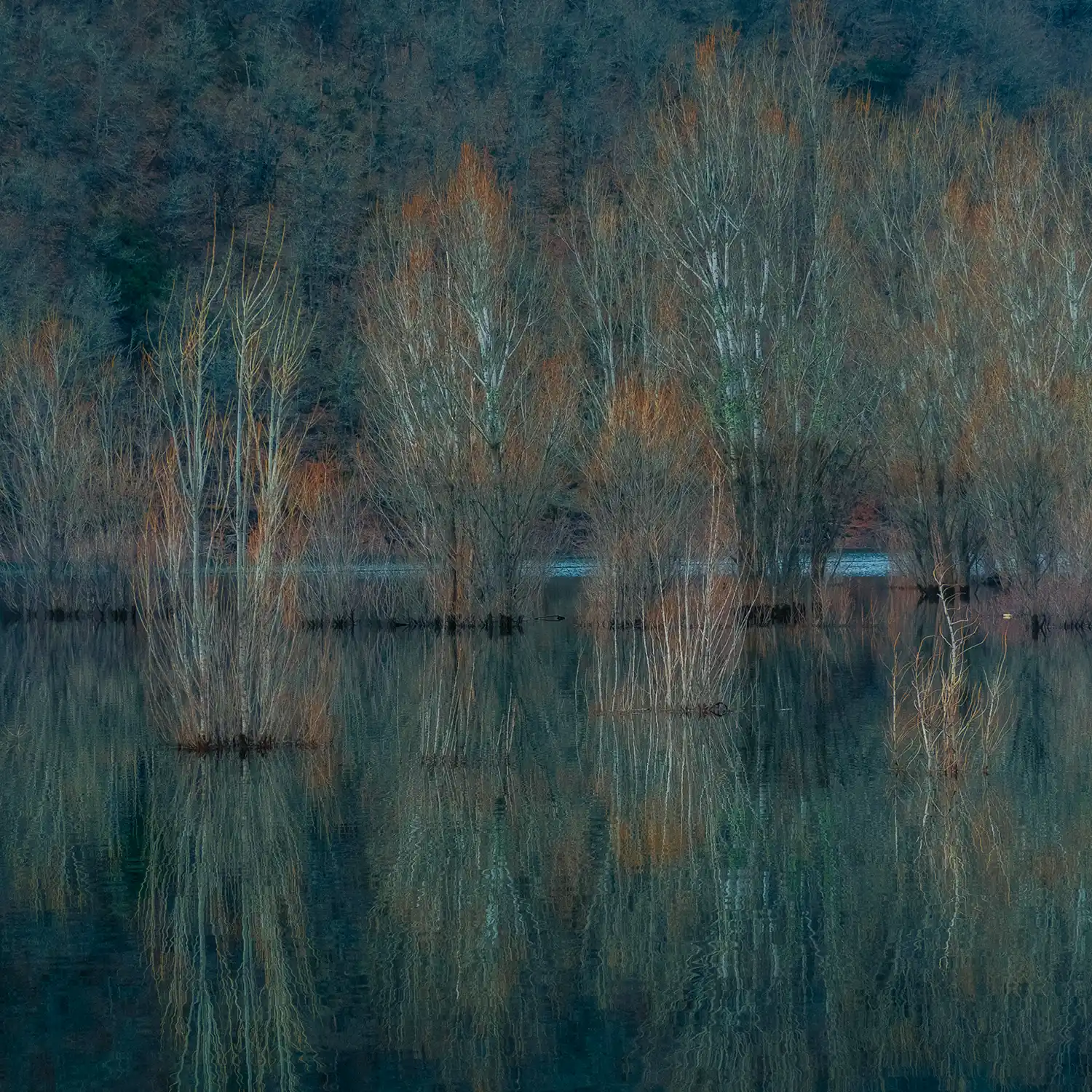
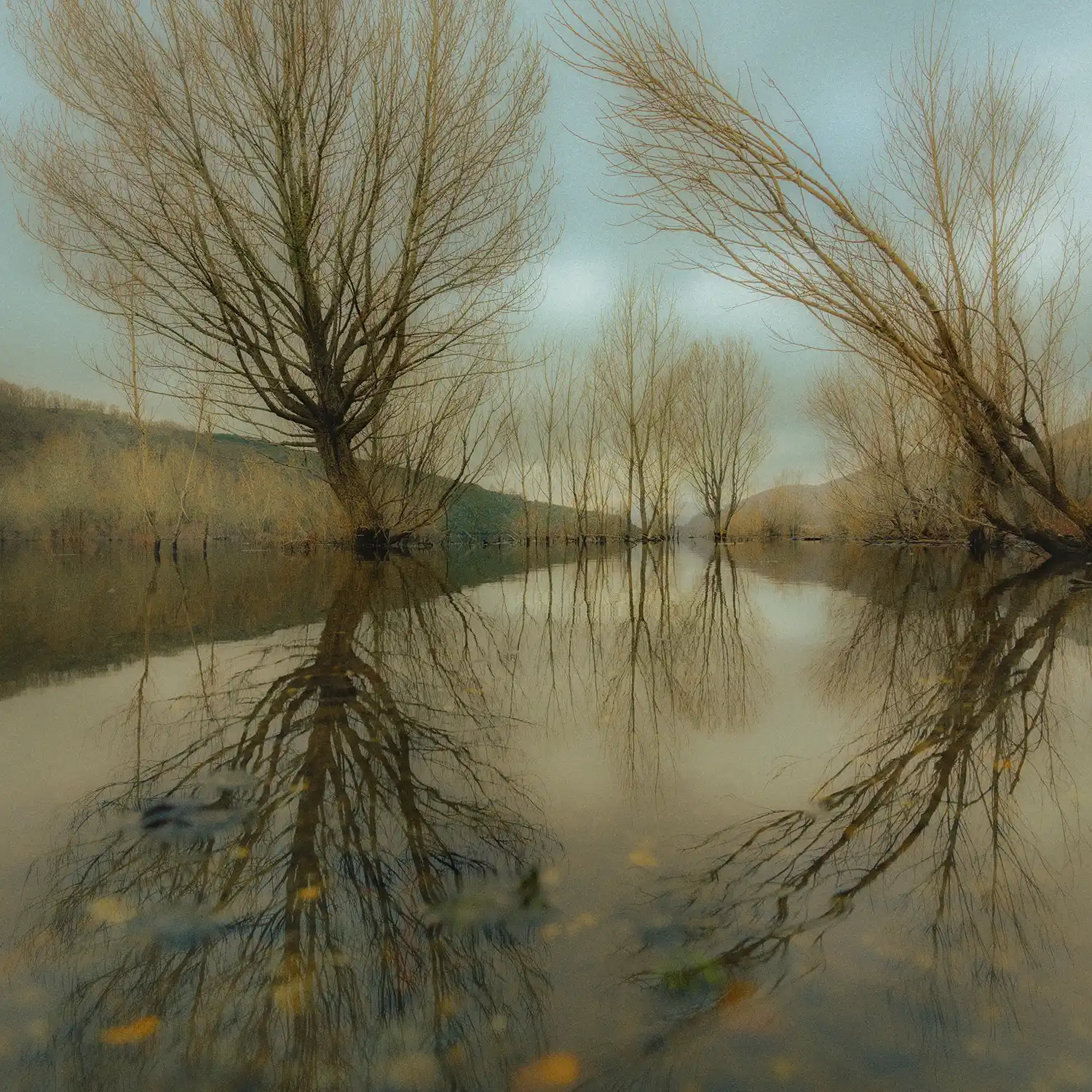
And now I am immersed in ALMA. A still uncertain, challenging series in which I work with desaturated, worn, soft, almost timeless color. I don’t know where it will lead me. I try to push it toward abstraction, into a territory I am still exploring.
EPILOGUE (NO MORAL)
Color was a phase.
Important. Intense. Necessary.
Black and white returned once again.
Not as a negation, but as a consequence and a necessity.
And both remain, coexisting, reminding me that photography—for me at least—has never been just a way of looking at the world, but a way of understanding myself within it.